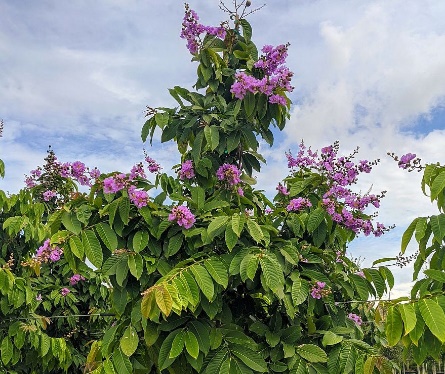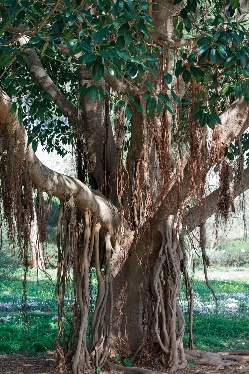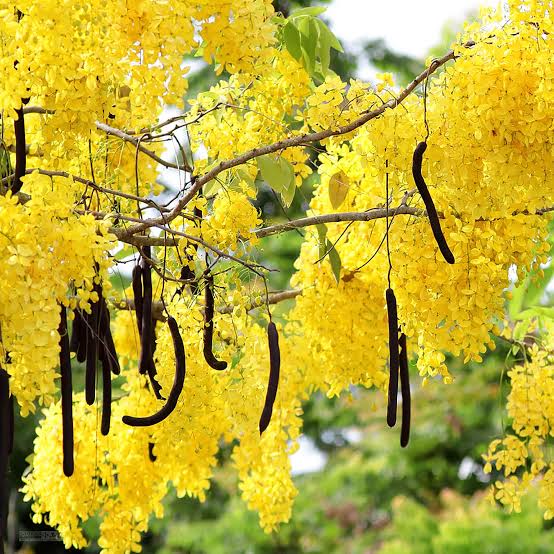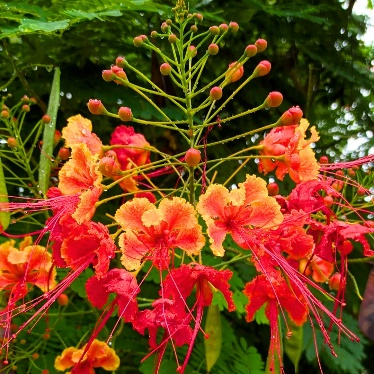

Protect, restore and promote sustainable use of terrestrial ecosystems, sustainably manage forests, combat desertification, and halt and reverse land degradation and halt biodiversity loss.
1. Related information on our university support and/or organise events aimed to promote conservation and sustainable utilisation of the land, including forests and wild land.
KMUTT links practical forest learning with participation in ecosystem restoration. Dated activities in 2025 and 2026 include dry dipterocarp forest education, mangrove planting and field learning with communities. These activities complement the university’s mangrove, forest and native pollinator learning sites.
Dated learning and conservation activities
Date · Event and land ecosystem · Documented participation or activity
7 July 2025
Green University forest learning
Forest survey, seedling inoculation and 157 trees planted
1 November 2025
Samut Sakhon mangrove restoration
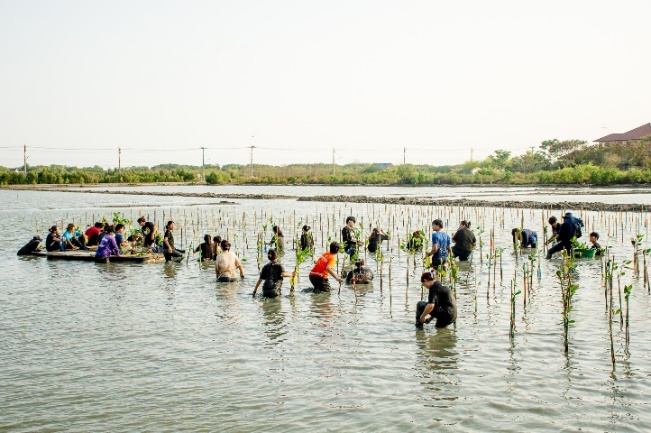
55 Malaysian students participated in planting
18 to 20 September 2026
Co Create community field camp
Forest, wildlife, pollinator and agricultural learning sites
Forest ecology and practical conservation · 2025
7 July 2025 · KMUTT Ratchaburi
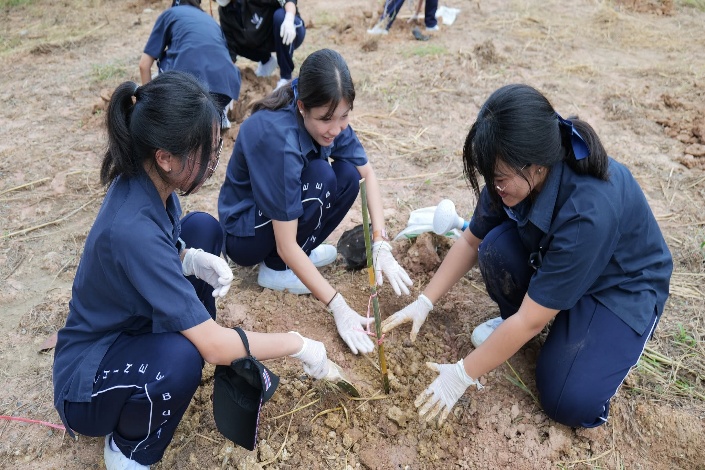
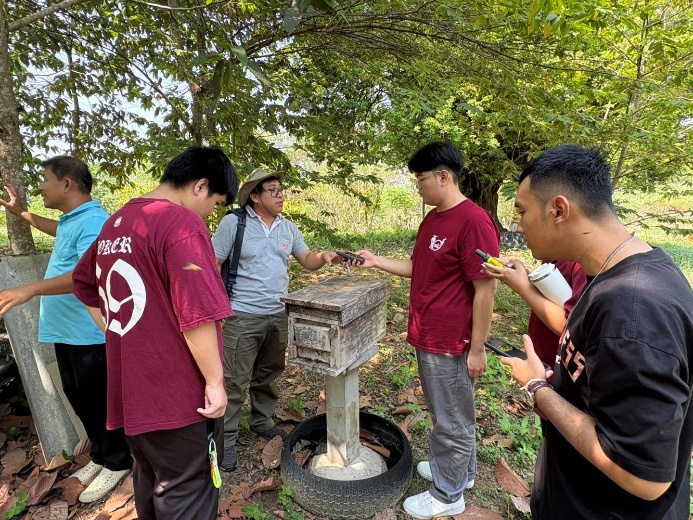
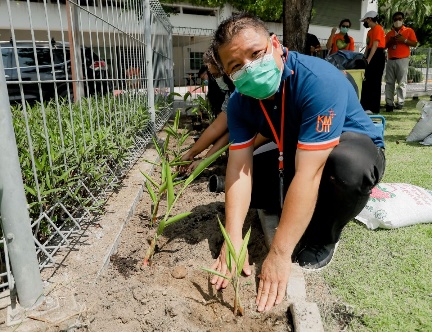
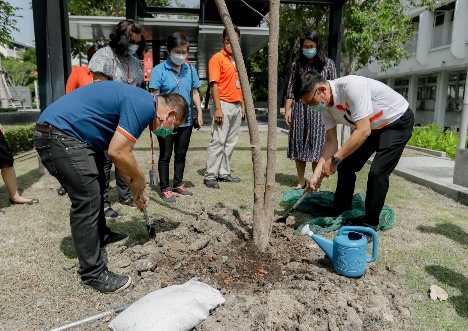
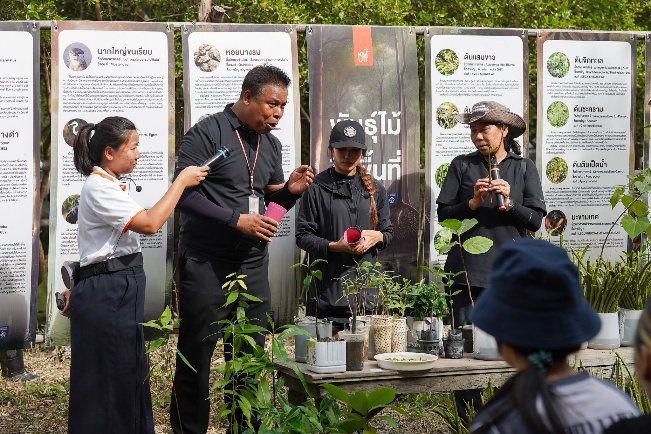
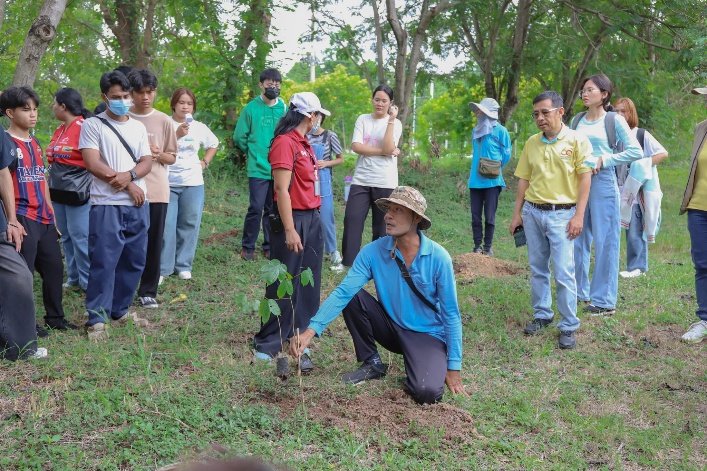
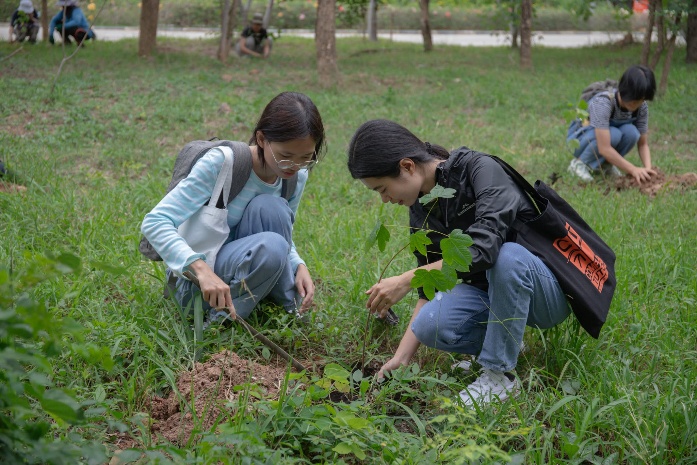
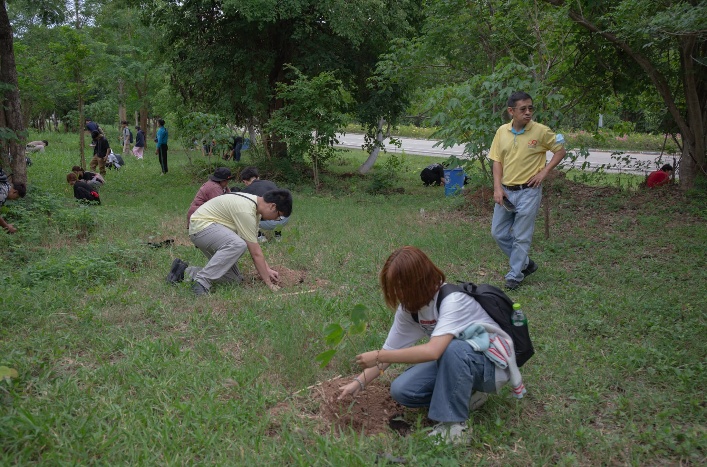
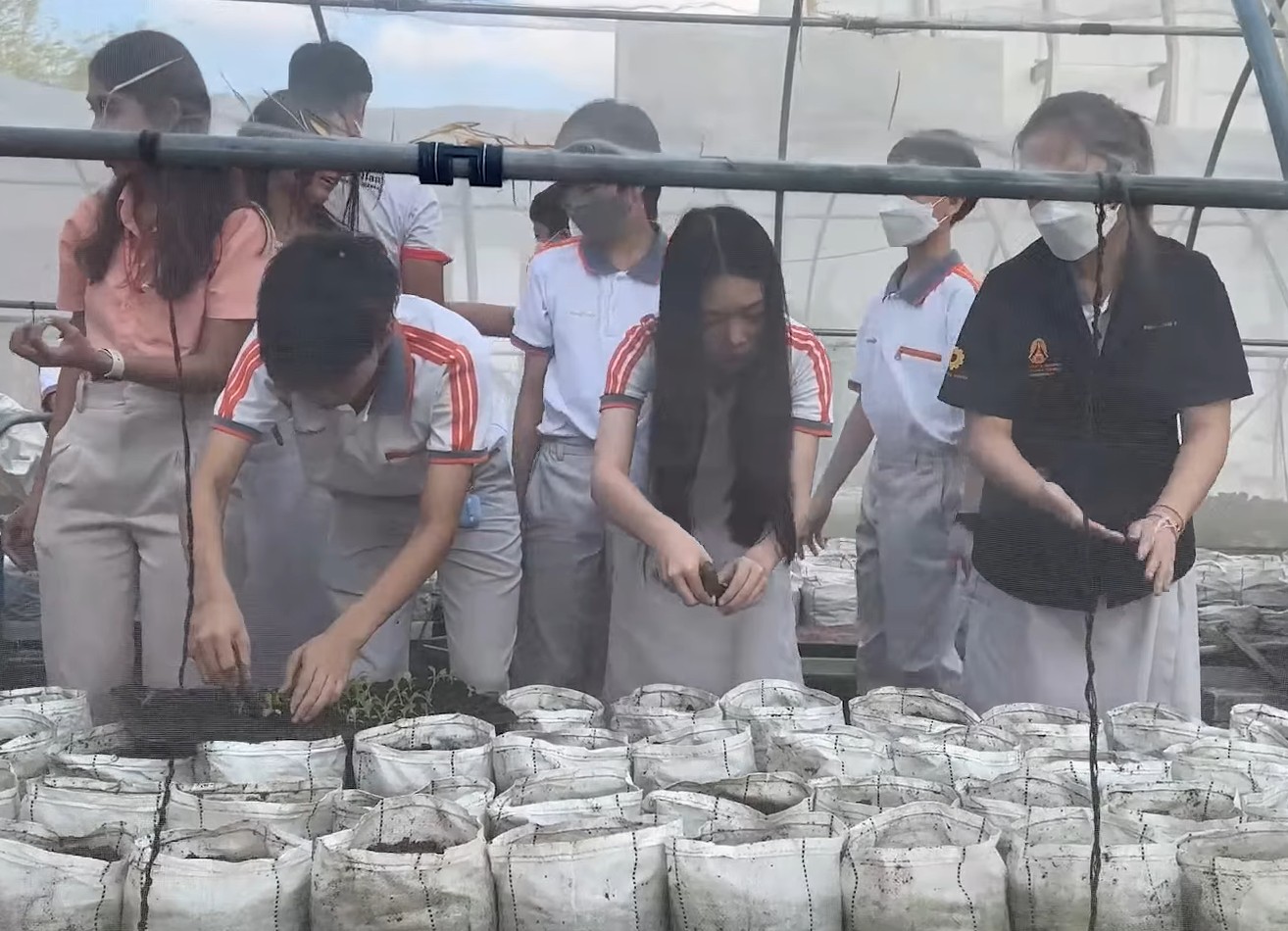
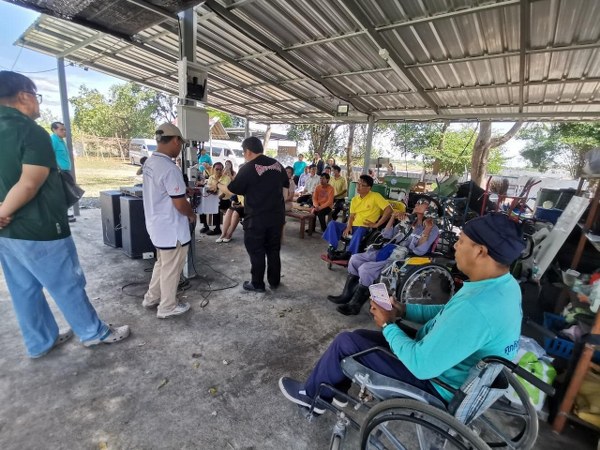
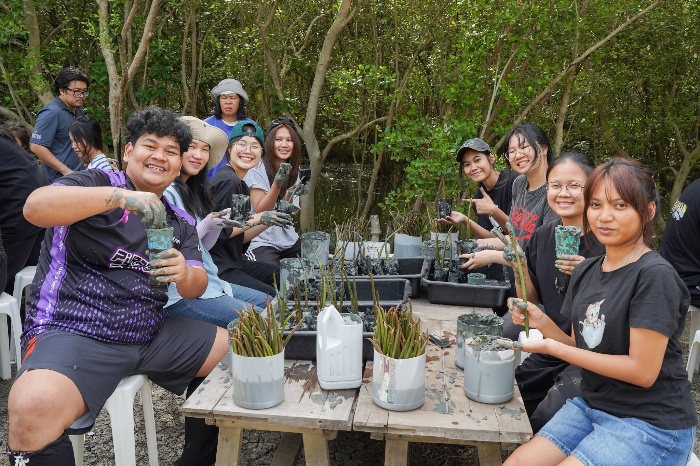
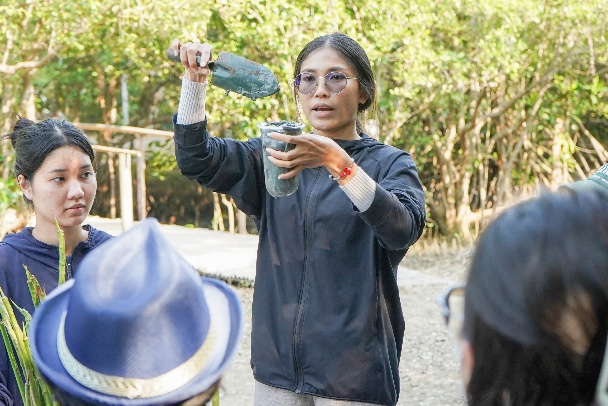
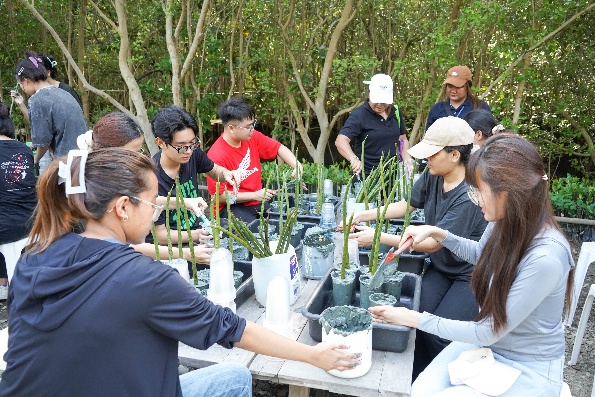
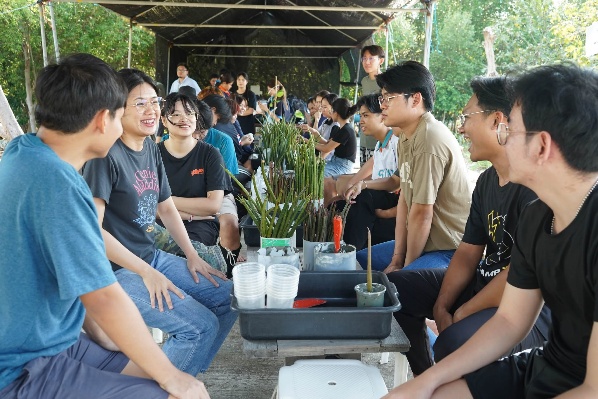
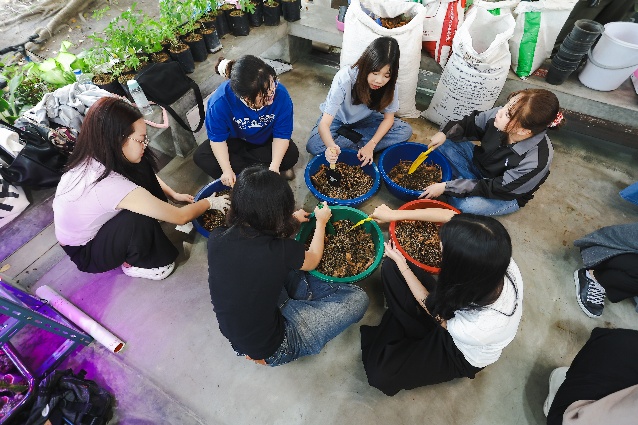
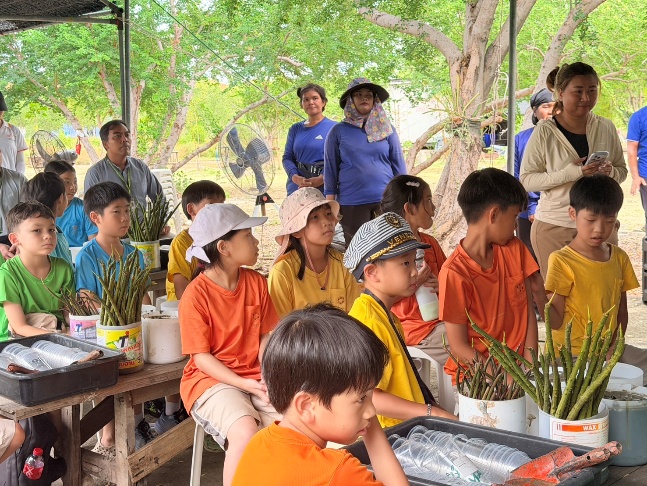
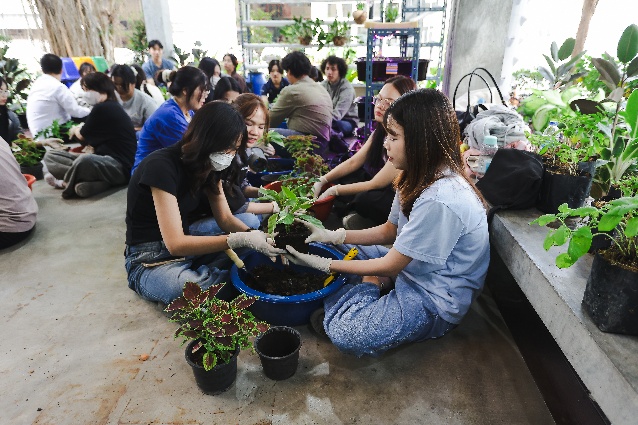
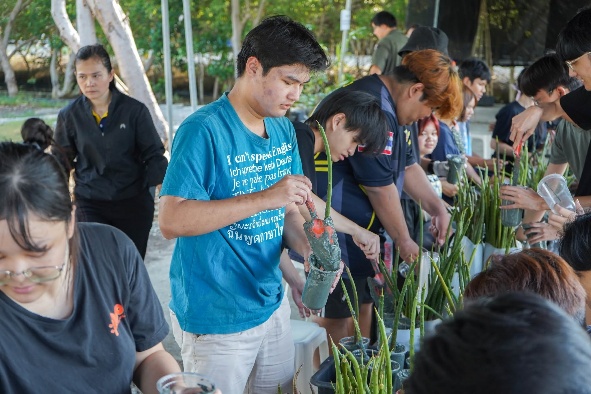
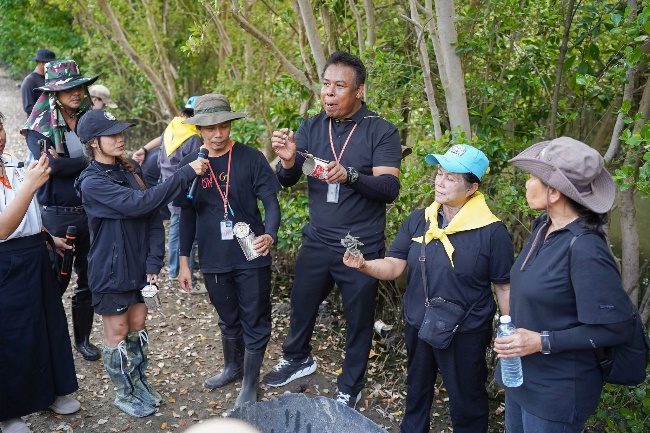
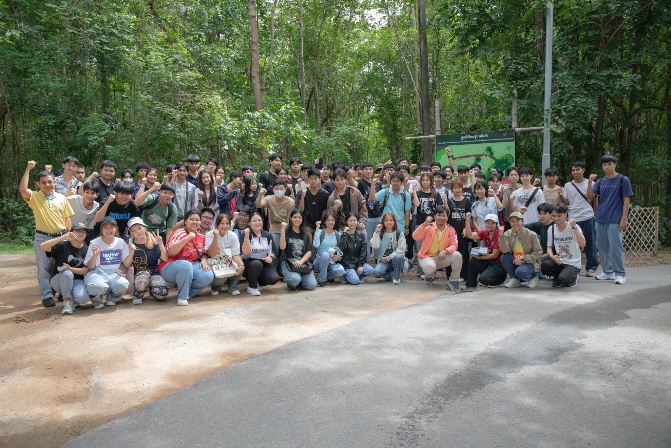
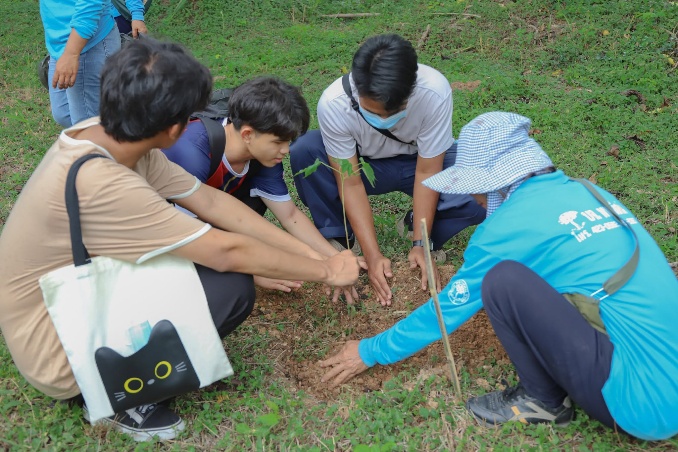
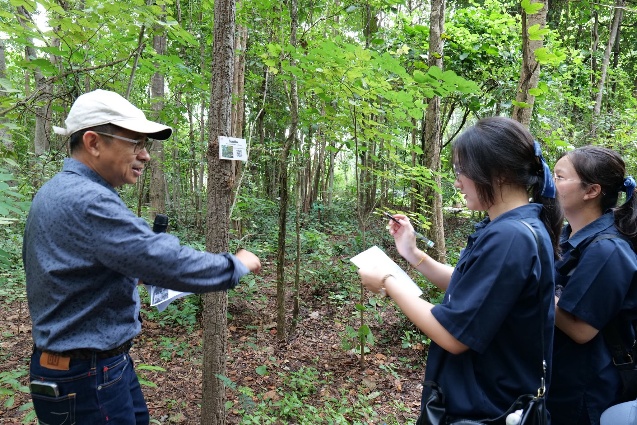
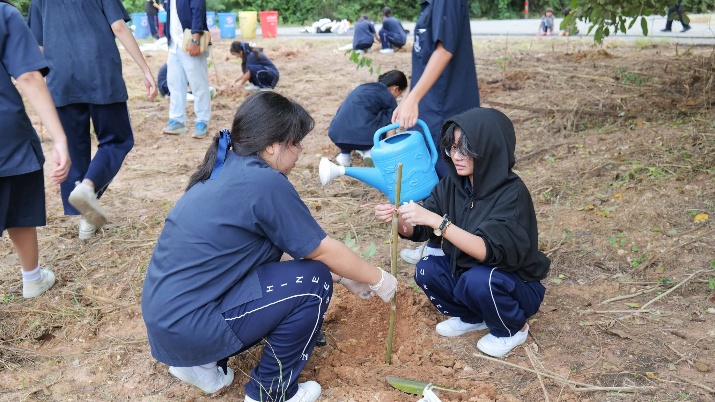
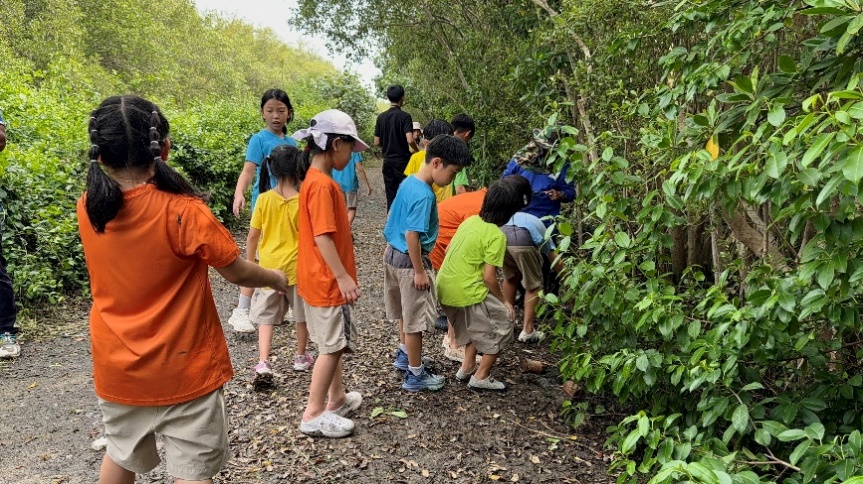
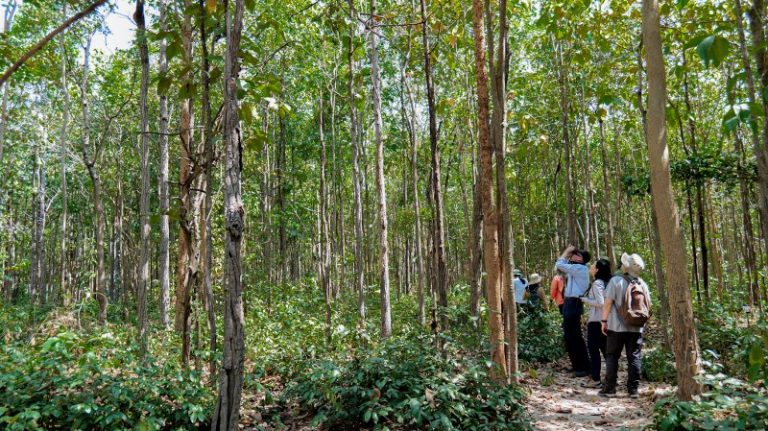
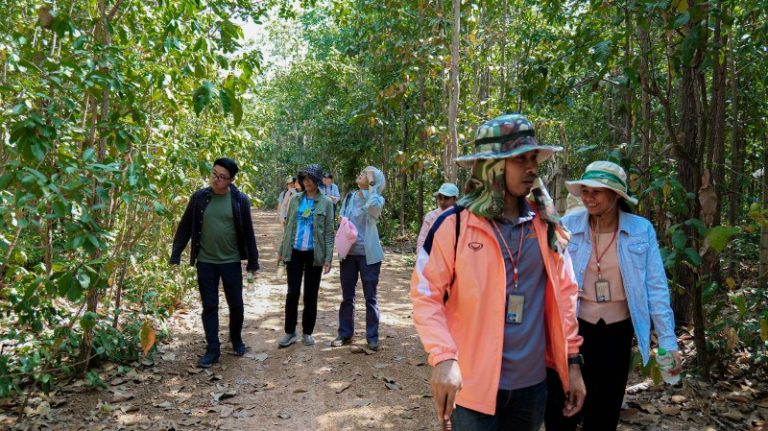
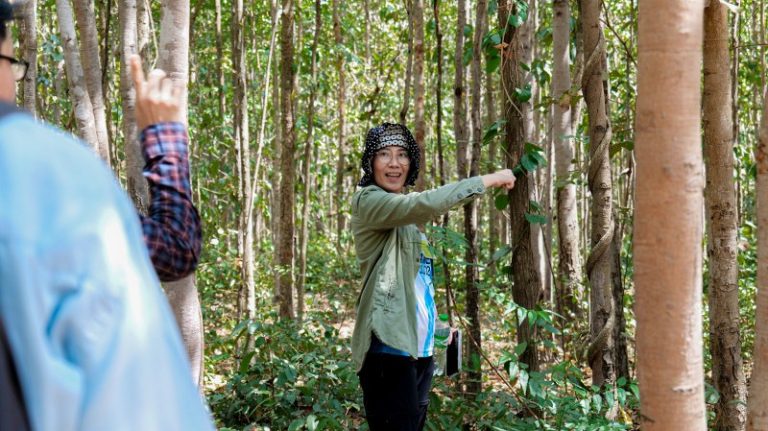
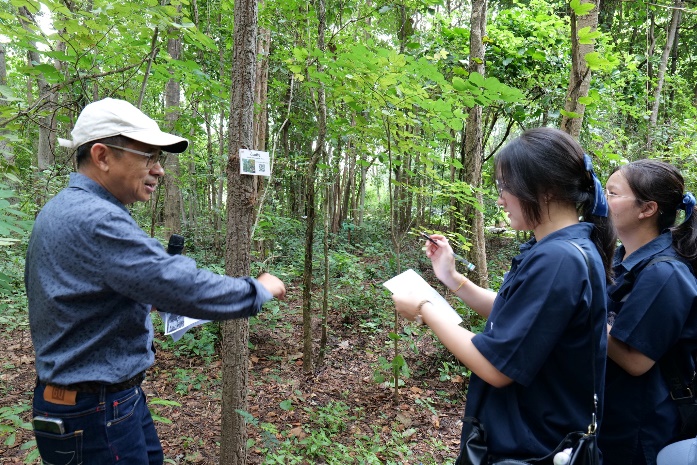
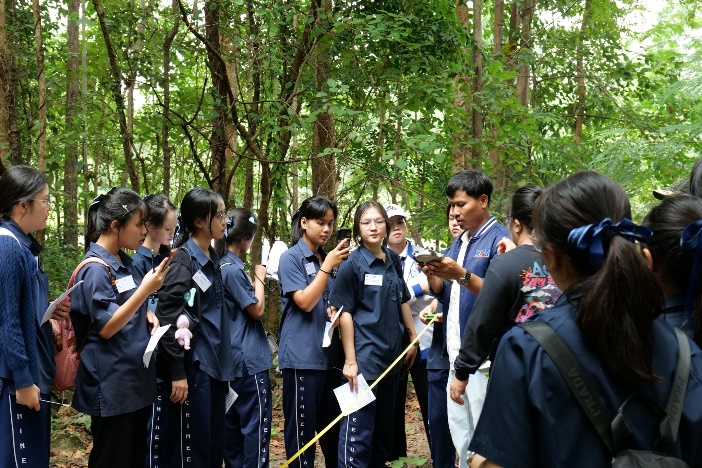
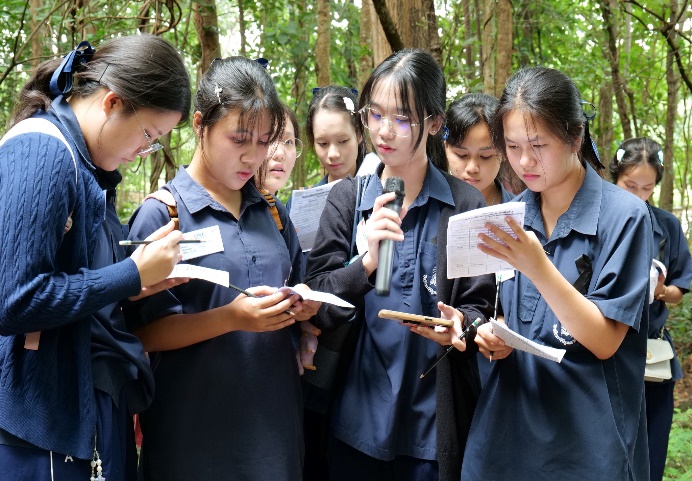
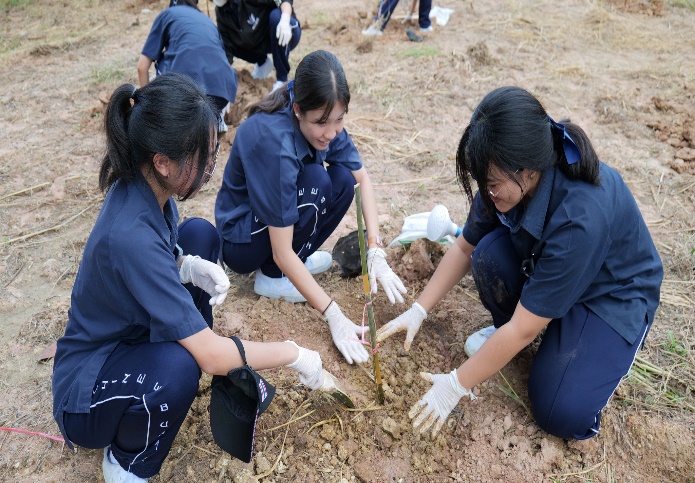
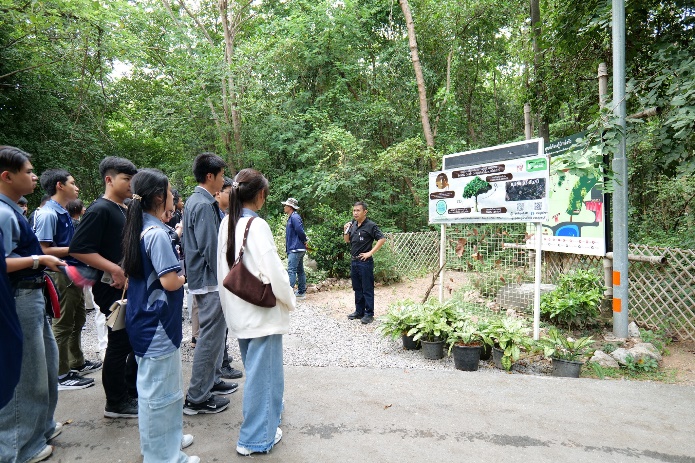
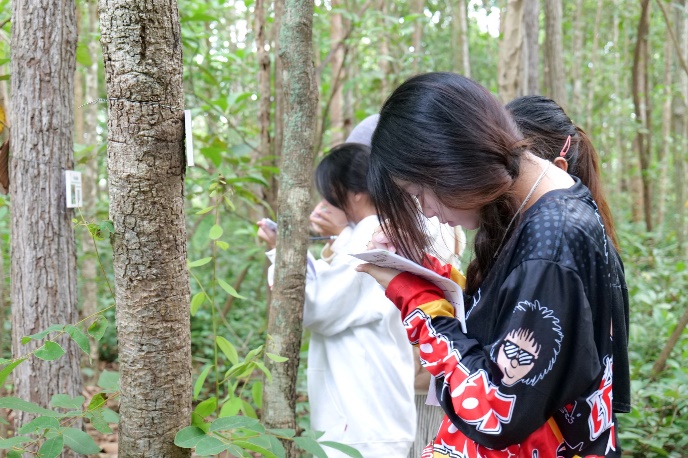
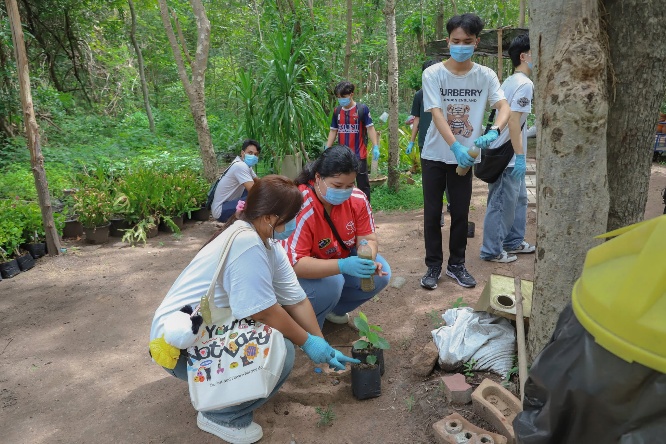
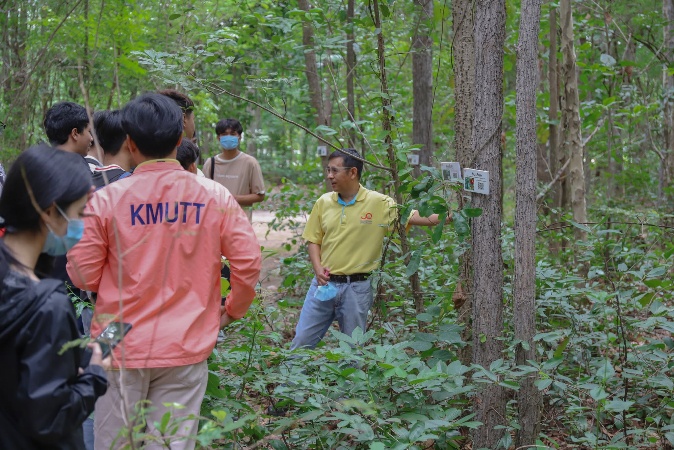
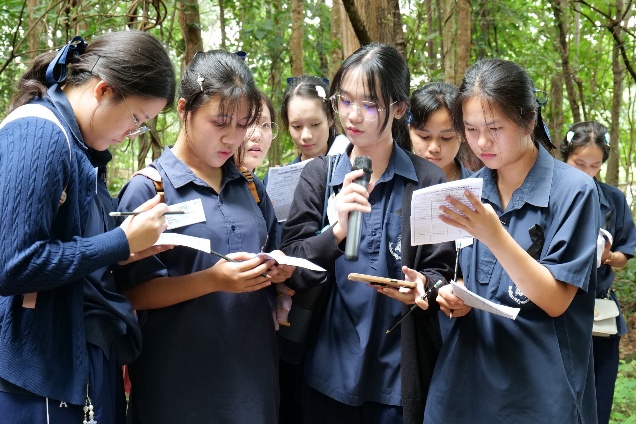
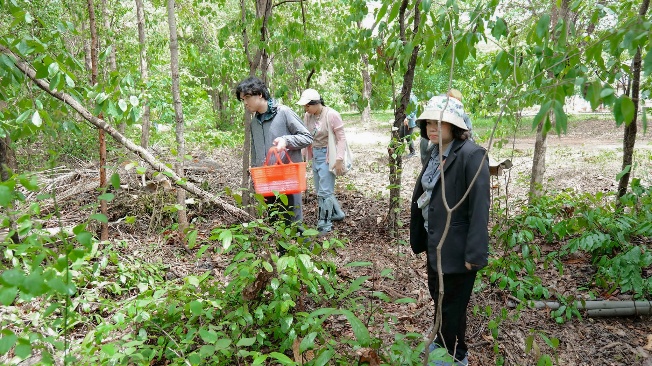
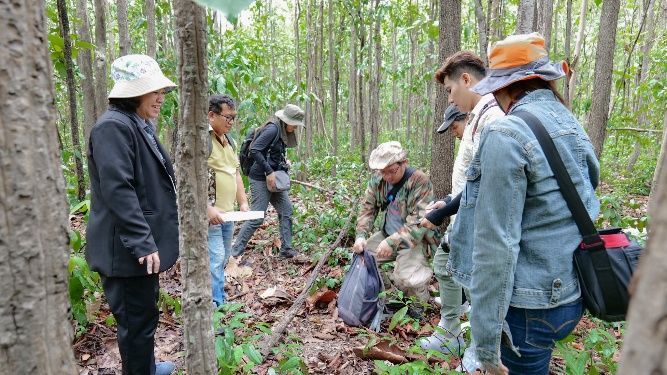
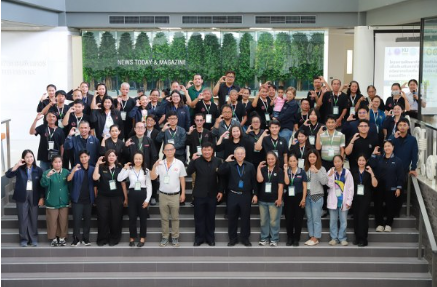
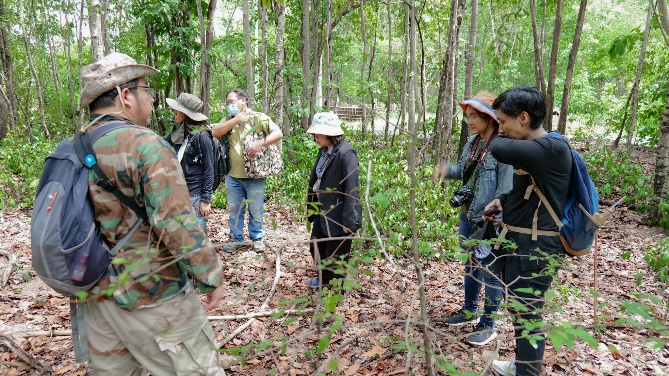
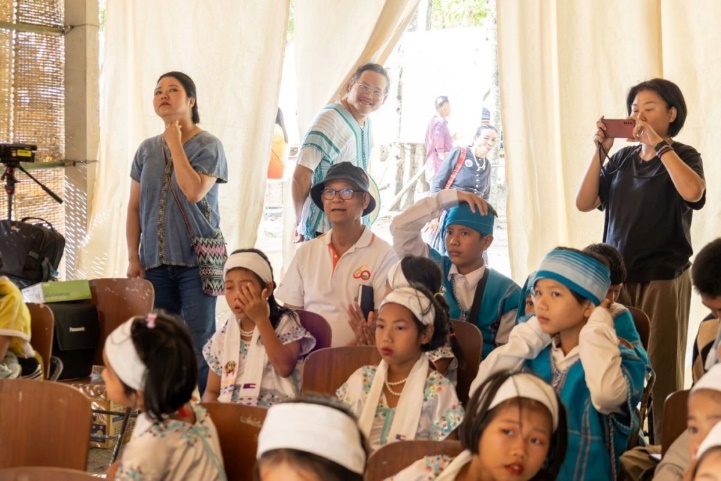
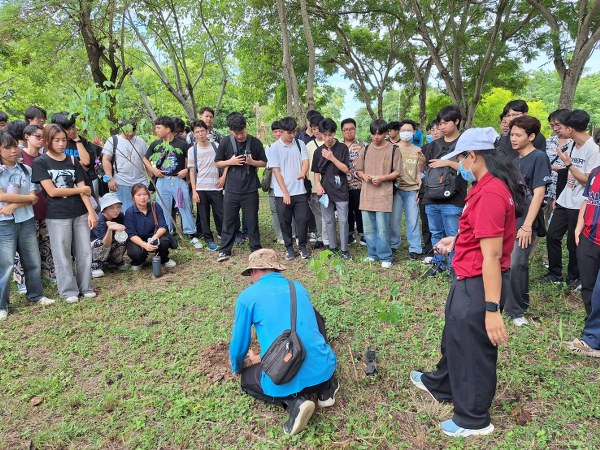
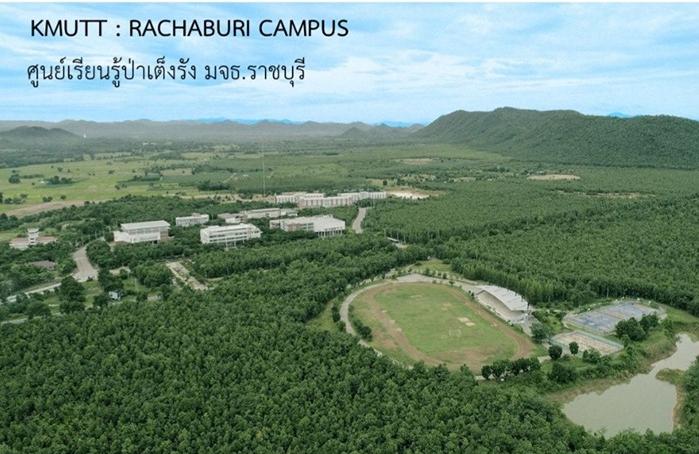
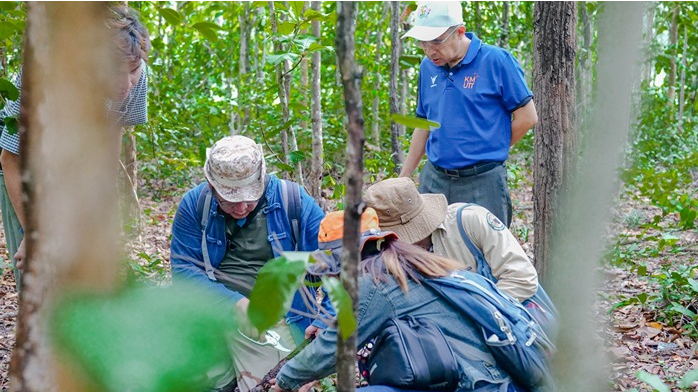
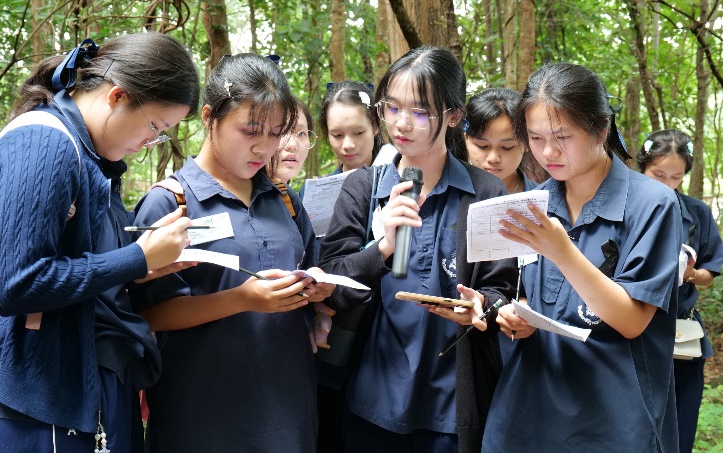
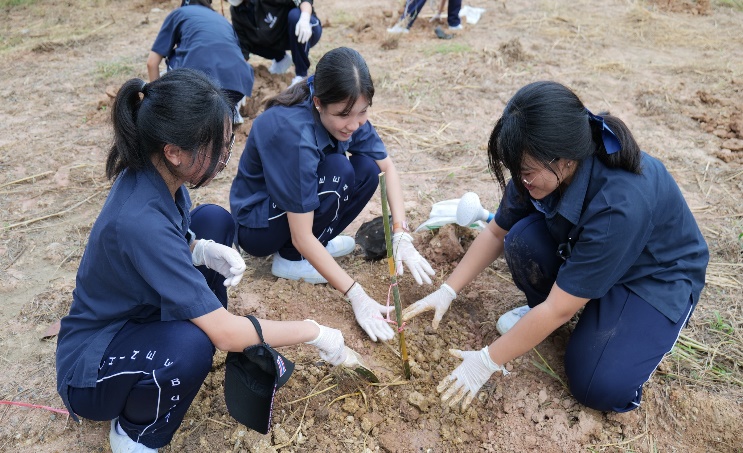
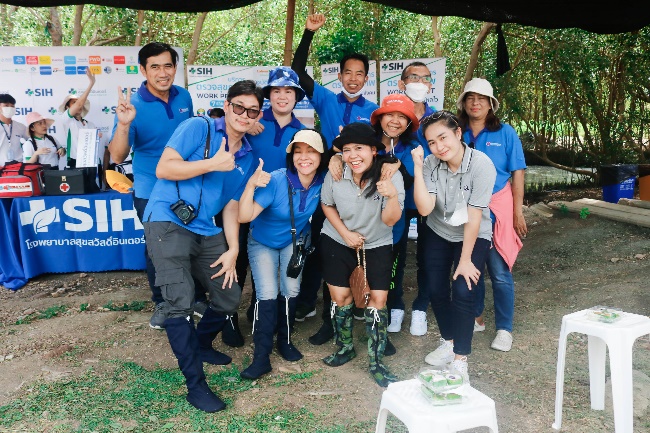
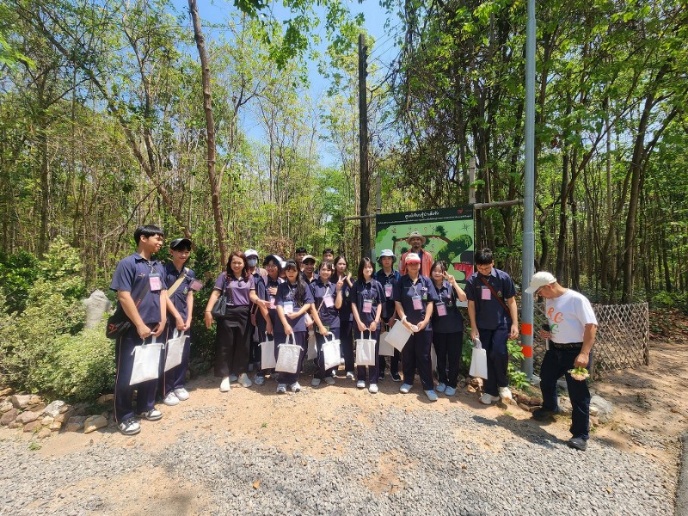
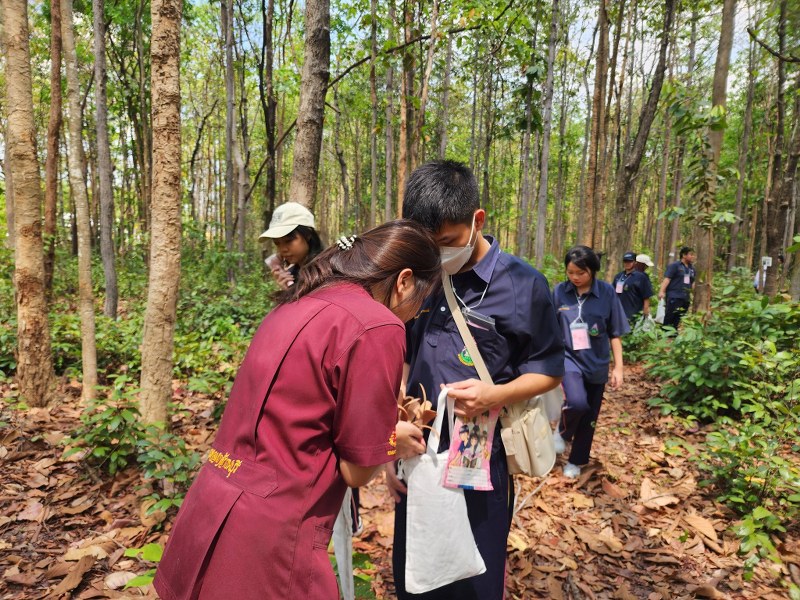
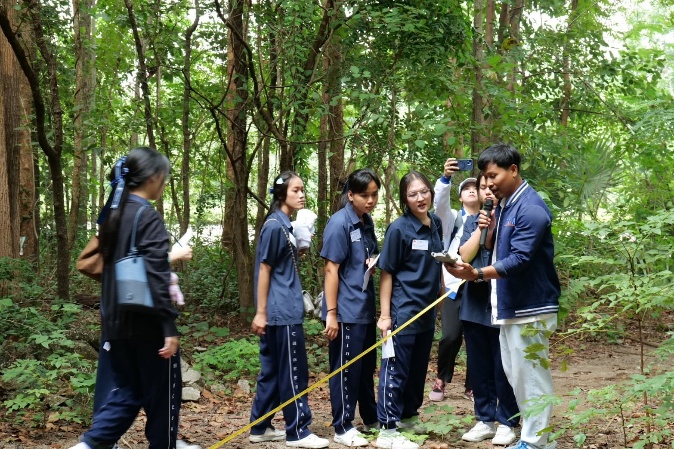
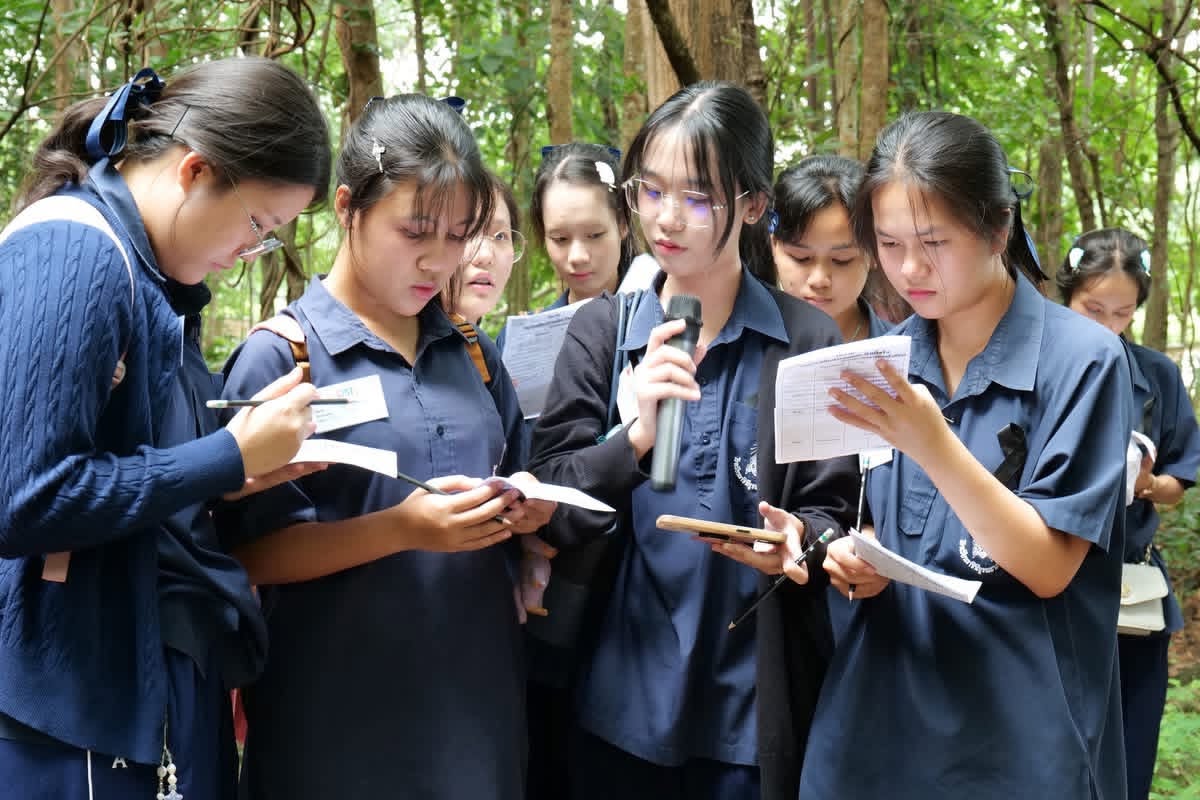
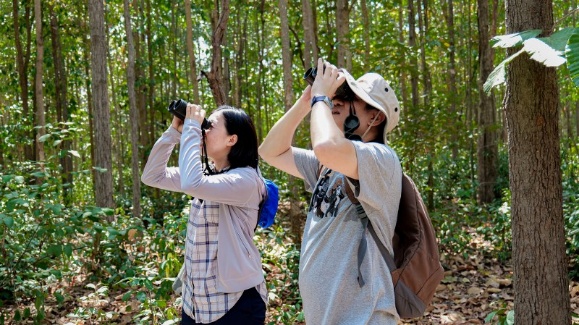
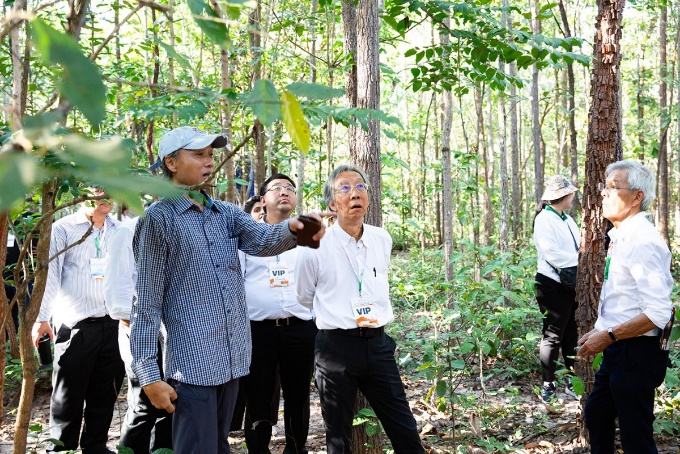
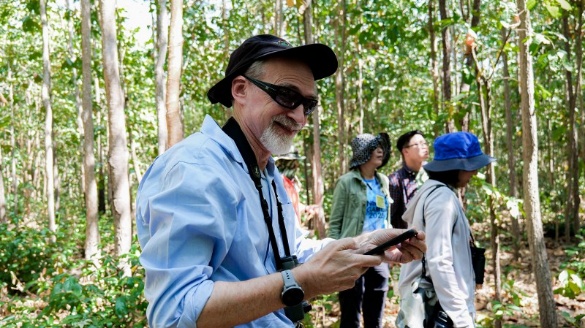
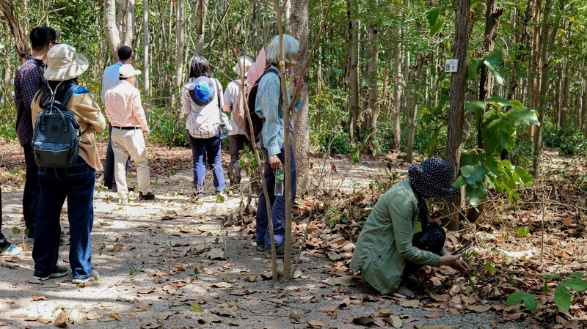
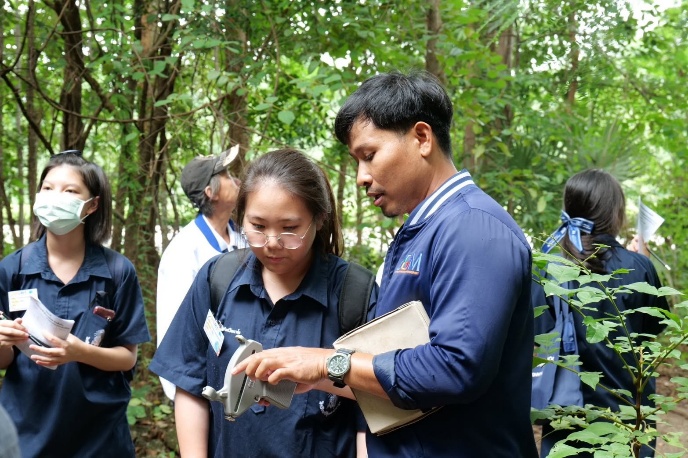
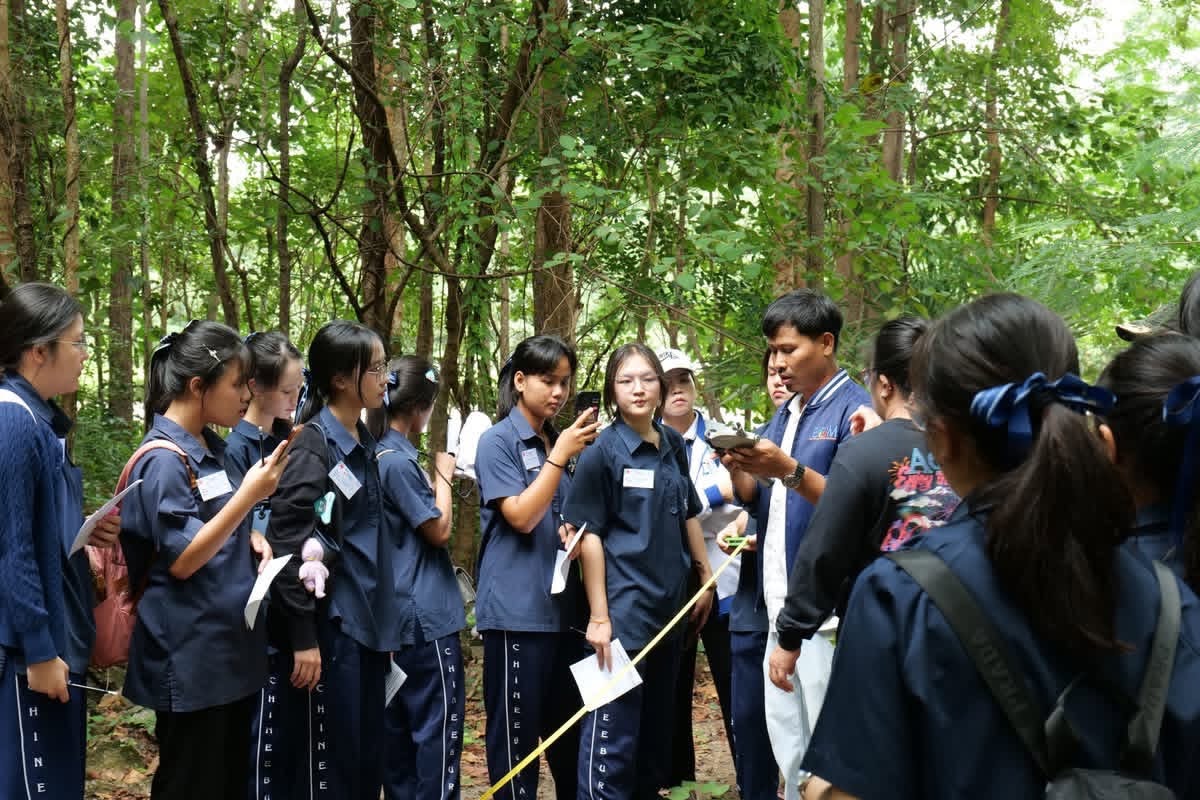
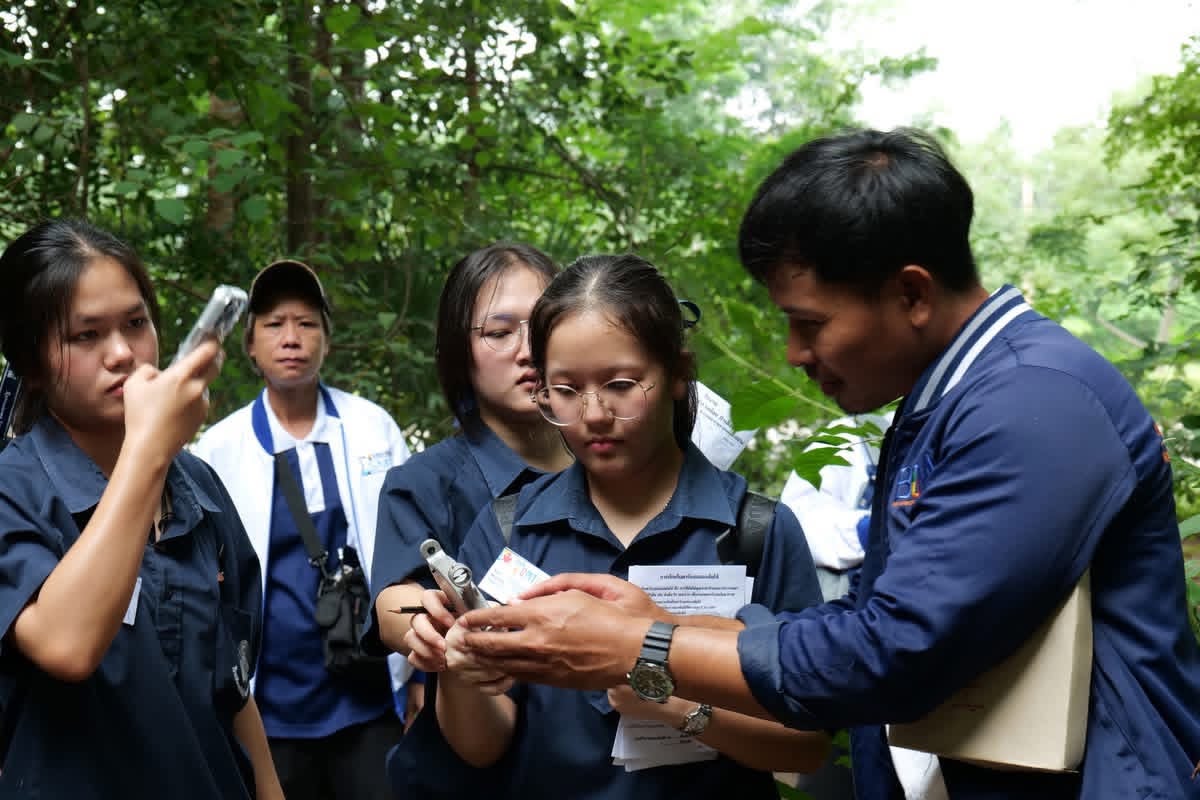
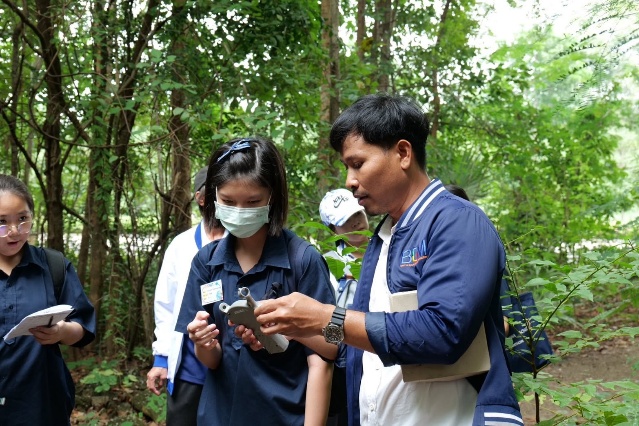
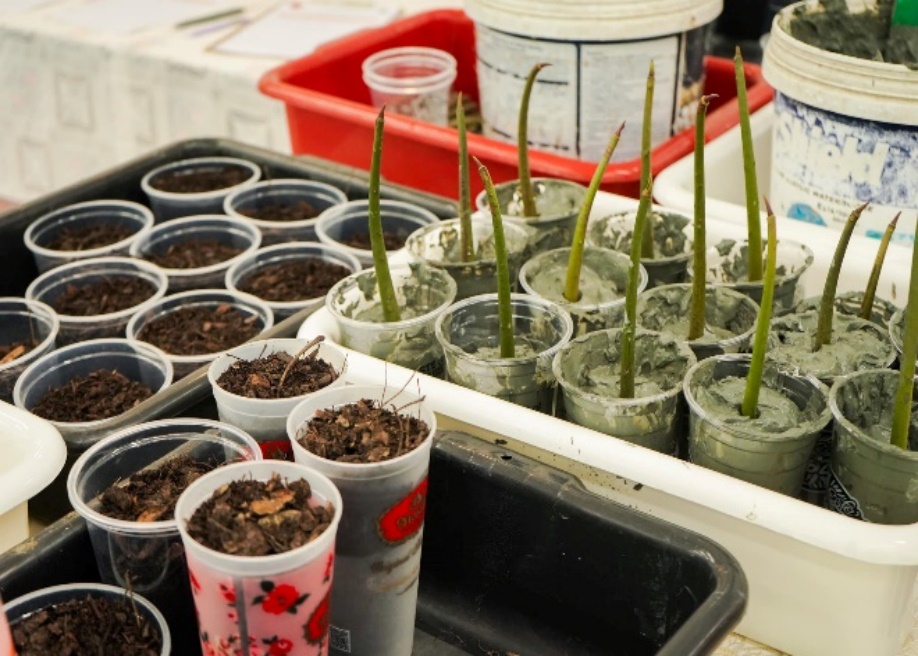
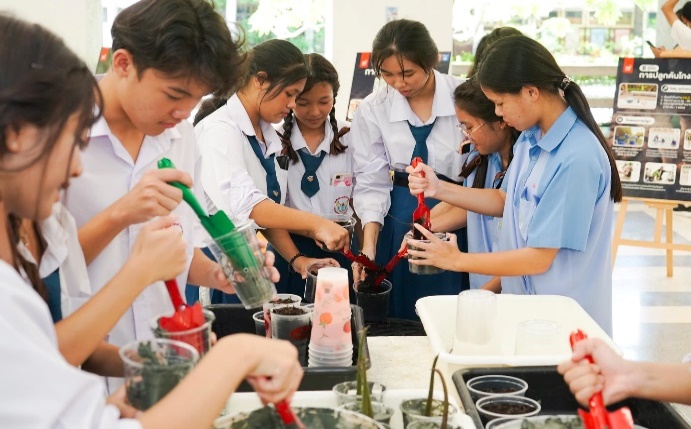
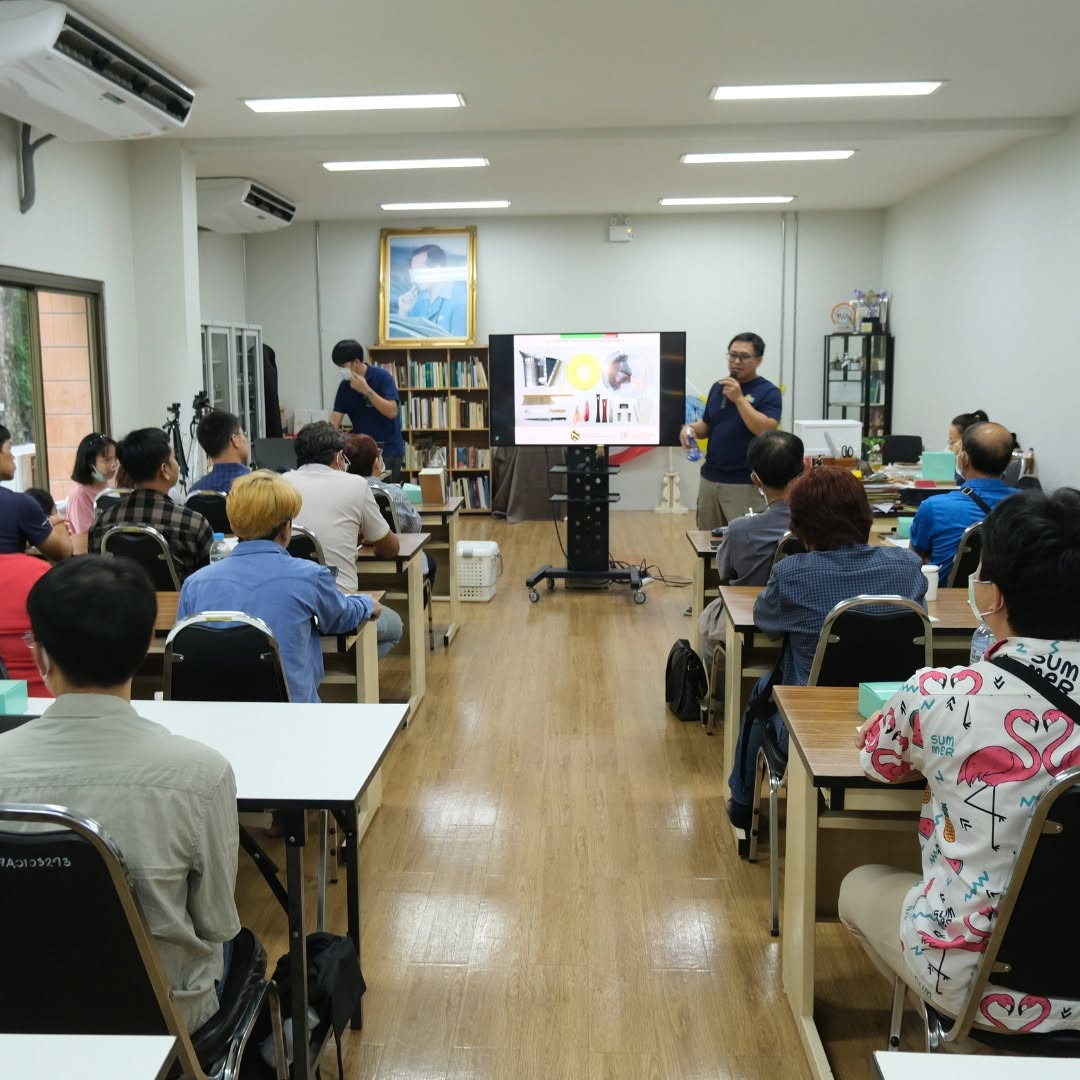
On 7 July 2025, the Dry Dipterocarp Forest Learning Centre at KMUTT Ratchaburi organised a Green University activity for RC pre course students. An introductory lecture and a forest trail survey introduced plants, other forest organisms and the role of forests in carbon storage. Students also practised mushroom inoculation on local dipterocarp seedlings intended for planting and distribution to communities, and planted 157 Suphannika trees. These are documented learning and planting activities; the number of trees is not a measured biodiversity increase.
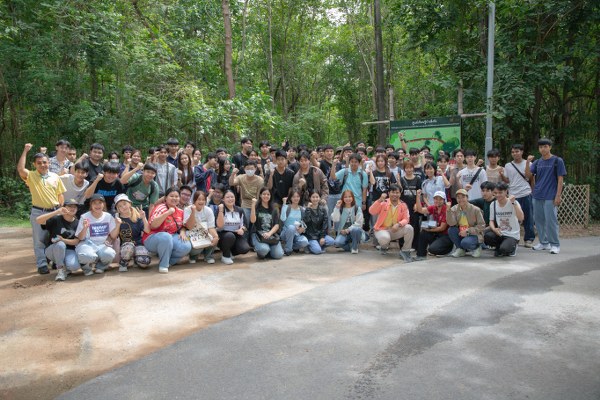
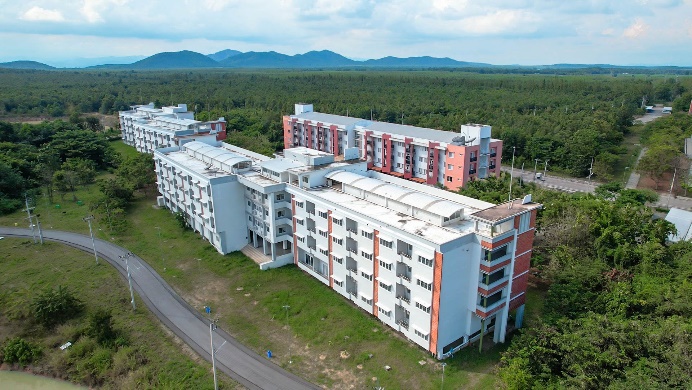
KMUTT Ratchaburi photograph from the Green University forest learning activity on 7 July 2025.
Mangrove planting with international students
1 November 2025 · Samut Sakhon
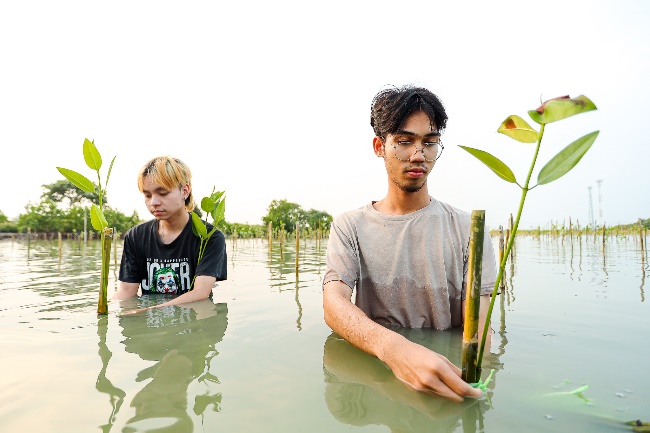
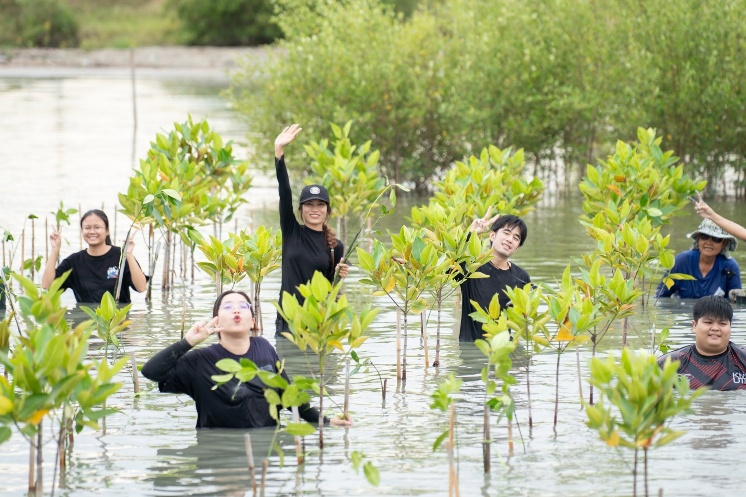
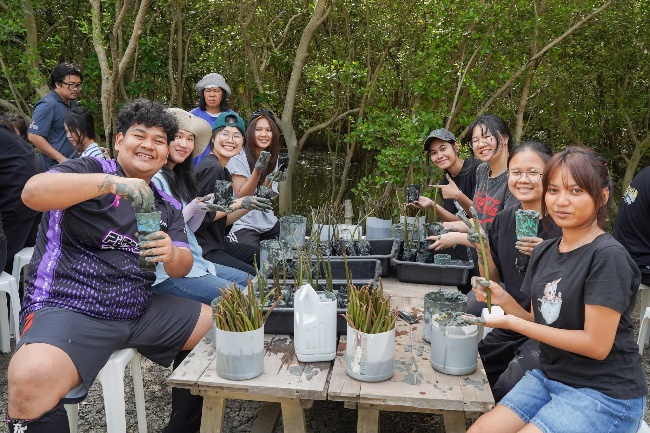
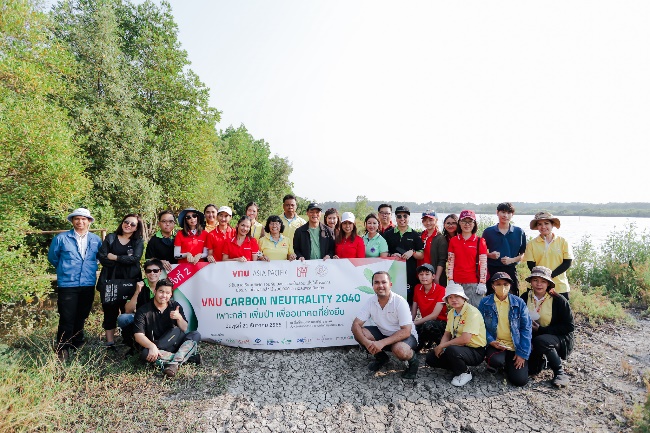
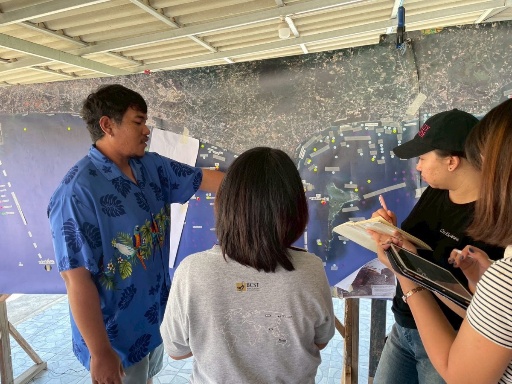
The university library’s institutional account, published on 4 December 2025, records 55 Malaysian students planting mangroves at the university’s Samut Sakhon site on 1 November 2025. Physical resources staff and EESH coordinate participation at the four plot, 136 rai living laboratory. Purchasing mangrove propagules from local residents links restoration with community participation. The 55 figure refers to this particular student group.
Community field learning · 2026
18–20 September 2026 · fifth Co Create for Community Boot Camp
From 18 to 20 September 2026, KMUTT Ratchaburi held the fifth Co Create for Community Boot Camp. Students explored the dipterocarp forest, smart agriculture, Khao Son wildlife breeding station and a stingless bee learning site, alongside community enterprises and cultural sites. They used observation, questioning and field notes to develop proposals; university staff and community representatives discussed the final ideas. The camp documents engagement and learning rather than completed implementation of every proposed project.
University land ecosystem learning sites
The university’s site descriptions and supporting photographs below describe the mangrove area, Ratchaburi forest and Bee Park. Undated descriptions provide institutional context; the dated activities above establish the 2025 and 2026 event record.
Samut Sakhon · mangrove ecosystem learning area
Area in the supplied site description
136 rai · 53.76 acres
Location
Phanthai Norasing, Mueang District, Samut Sakhon
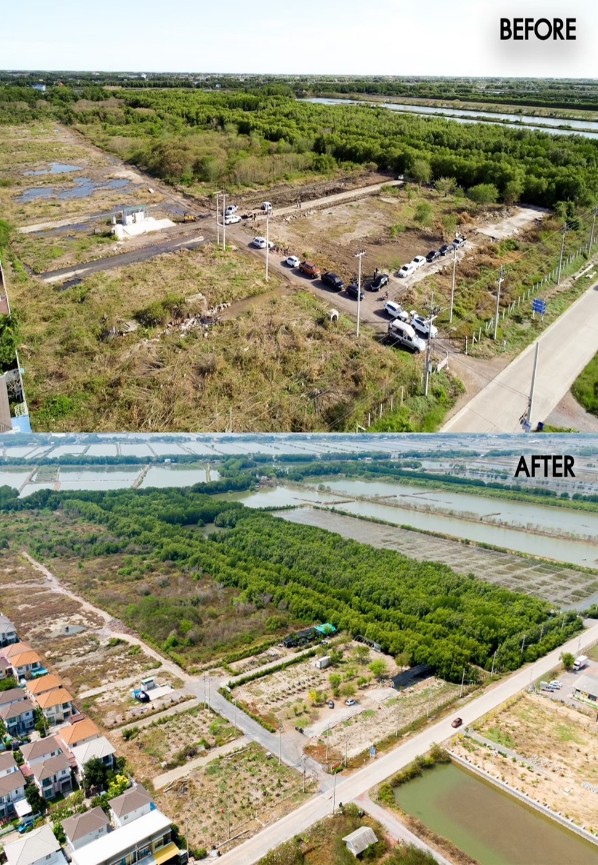
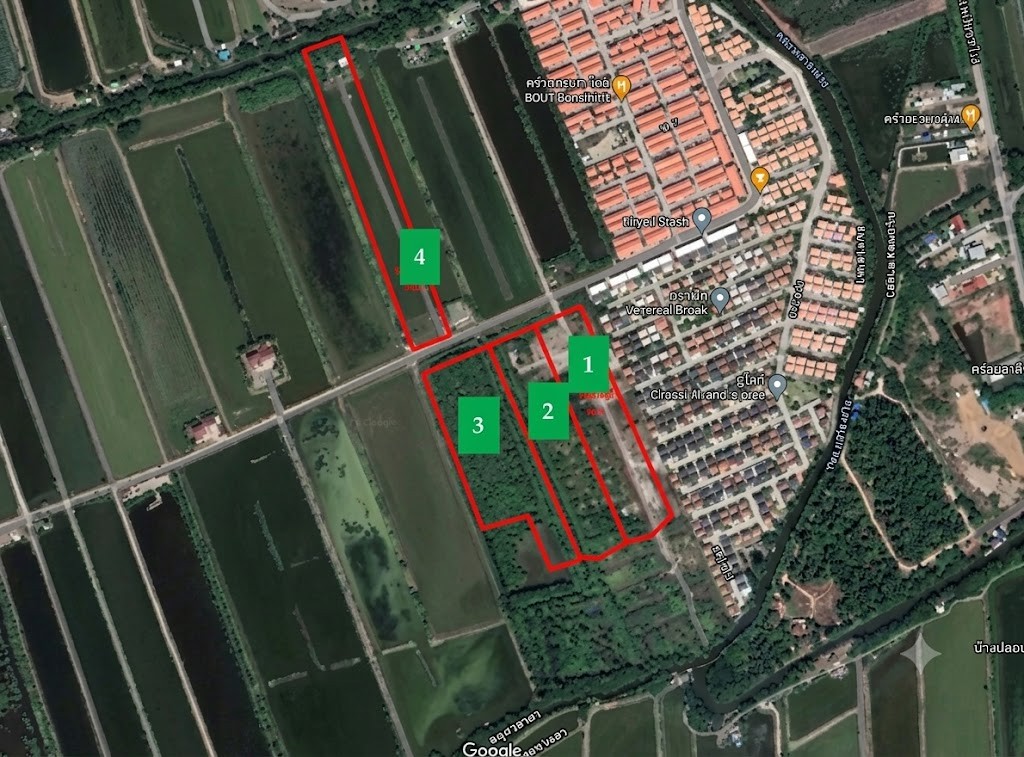
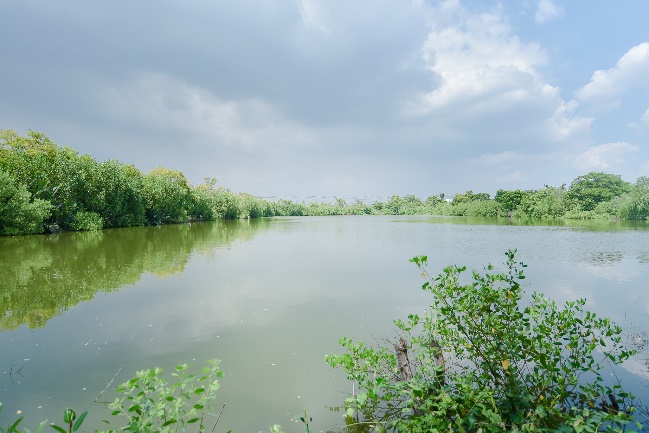
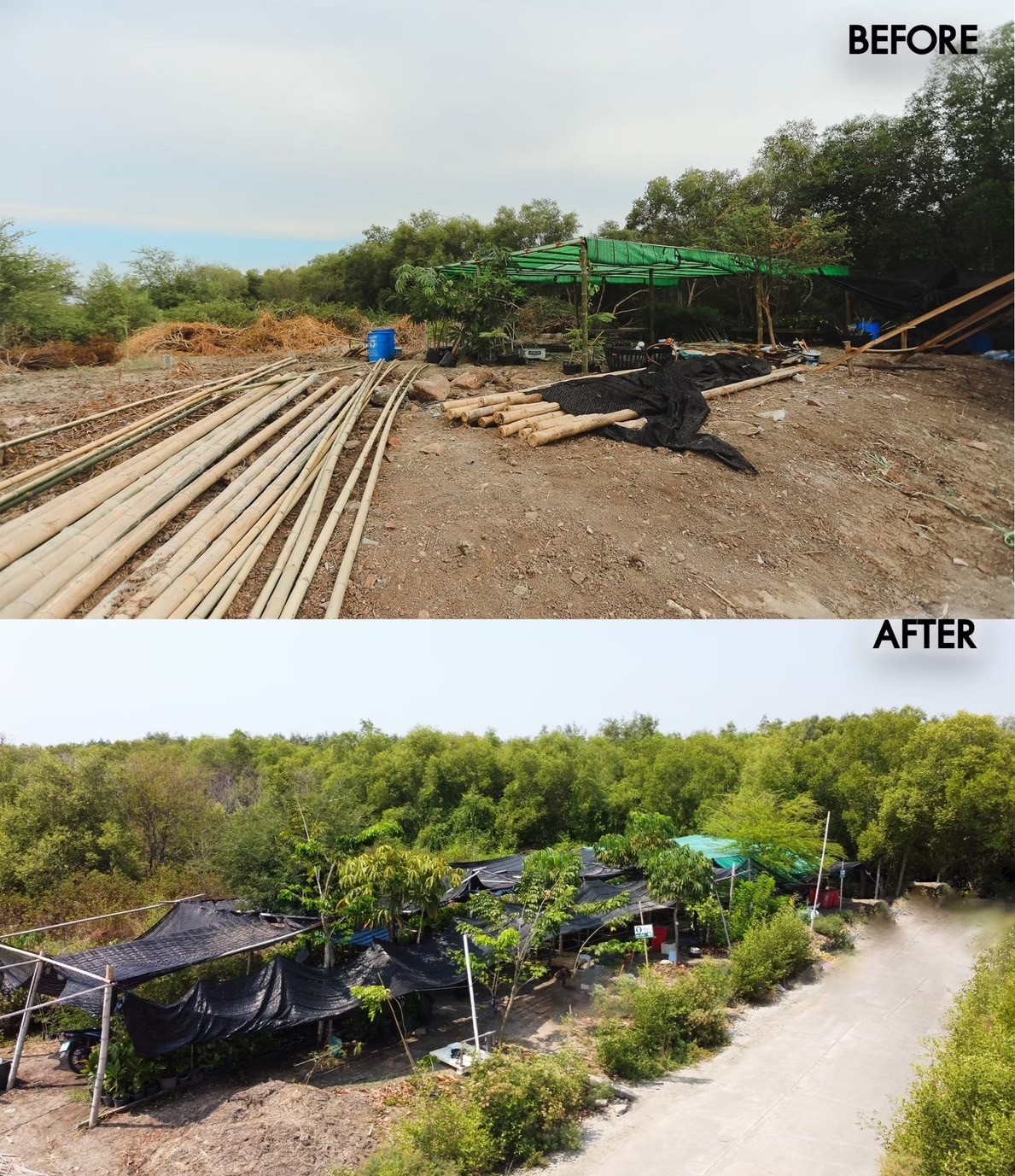
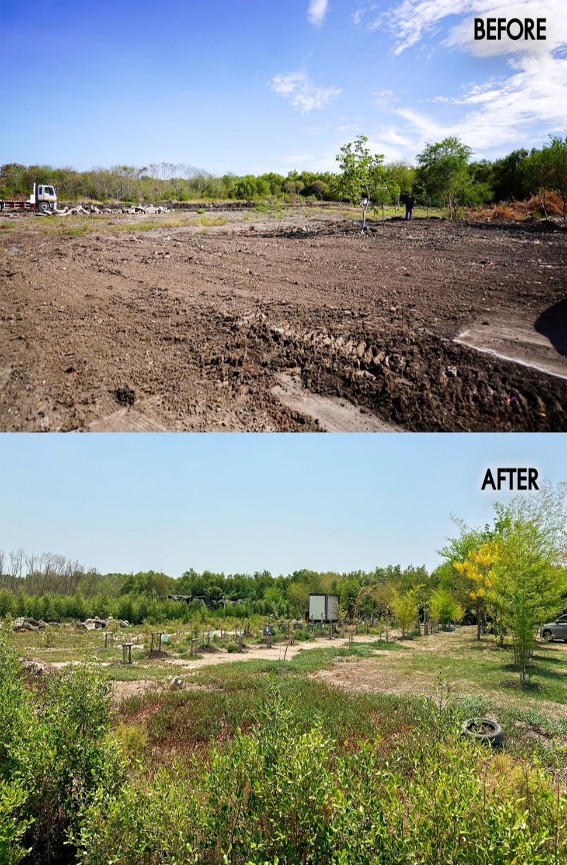
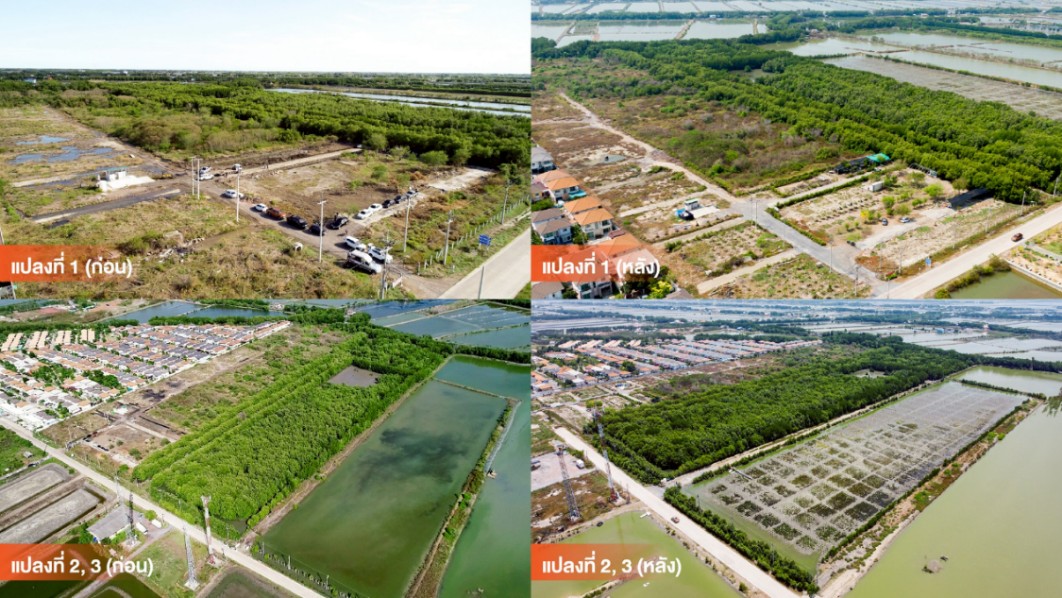
King Mongkut’s University of Technology Thonburi (KMUTT) has a clear policy to become a Green & Clean Campus University. The university is committed to developing its new 53.76-acre area (136 rai), located in Phanthai Norasing Subdistrict, Mueang District, Samut Sakhon Province, into a green space and mangrove conservation area. The development also aims to conserve local flora and fauna and establish a mangrove ecosystem learning center, which will serve as an important foundation for the university’s future transition toward a Net Zero Campus / Carbon Neutrality Campus.
The initiative focuses on restoring the area into a lush and ecologically rich green space that serves as a natural habitat and nursery for juvenile aquatic species, as well as a food source for local communities. In the future, the area will be developed into a university mangrove ecosystem learning center and serve as a central location for various university projects and activities that benefit both the university and surrounding communities.
Furthermore, the initiative aims to expand green spaces, raise environmental awareness, and foster appreciation for forest resources. It promotes conservation and the sustainable and efficient use of natural resources while encouraging active participation among university executives, students, and personnel. The university also seeks to cultivate a Green Heart culture by fostering awareness and responsibility in energy conservation, environmental protection, and safety.
In addition, the initiative aims to develop members of the university community into Change Agents who can apply their knowledge and understanding of energy conservation, environmental protection, and safety, and disseminate these practices to surrounding communities and society at large.
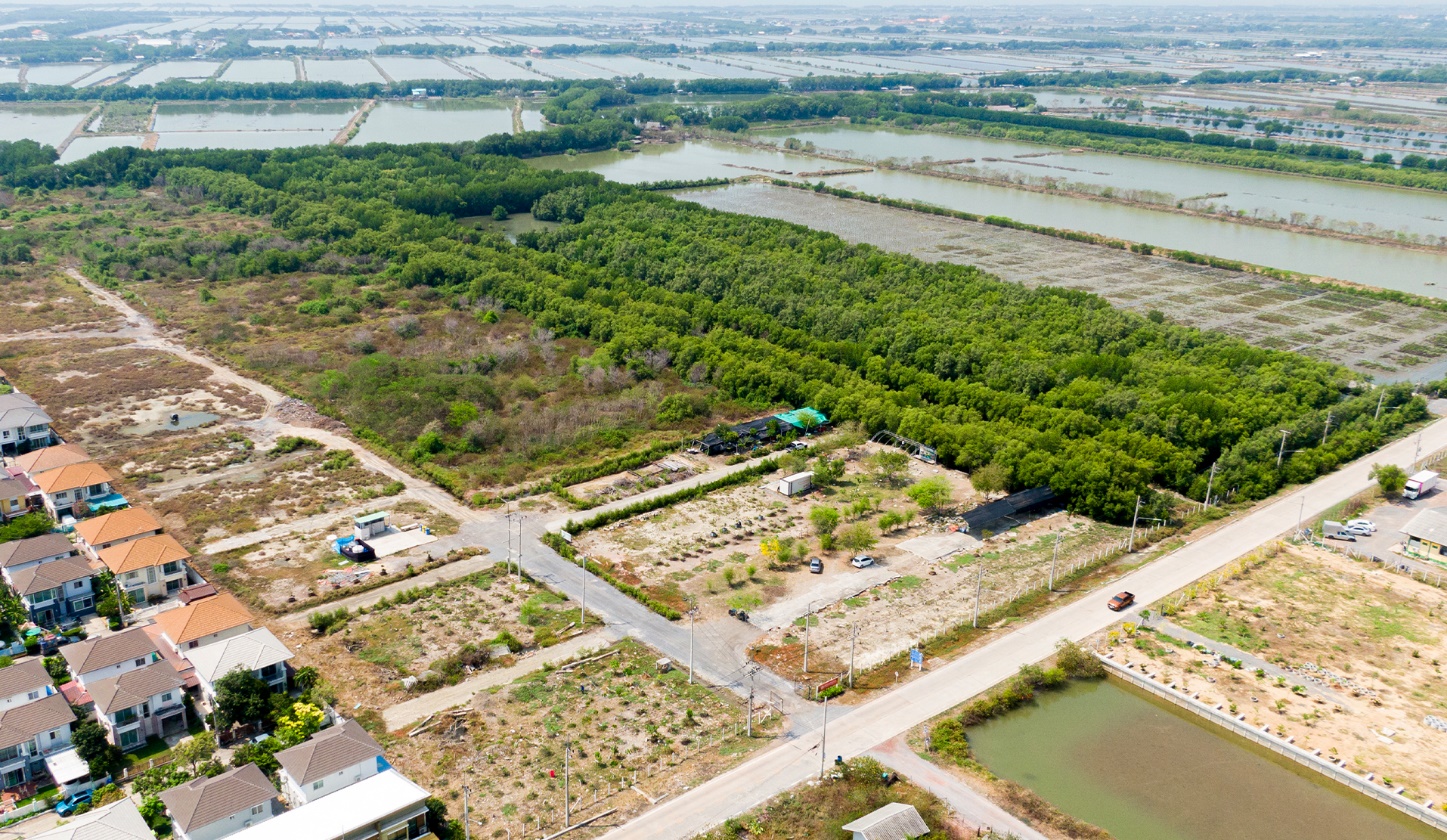
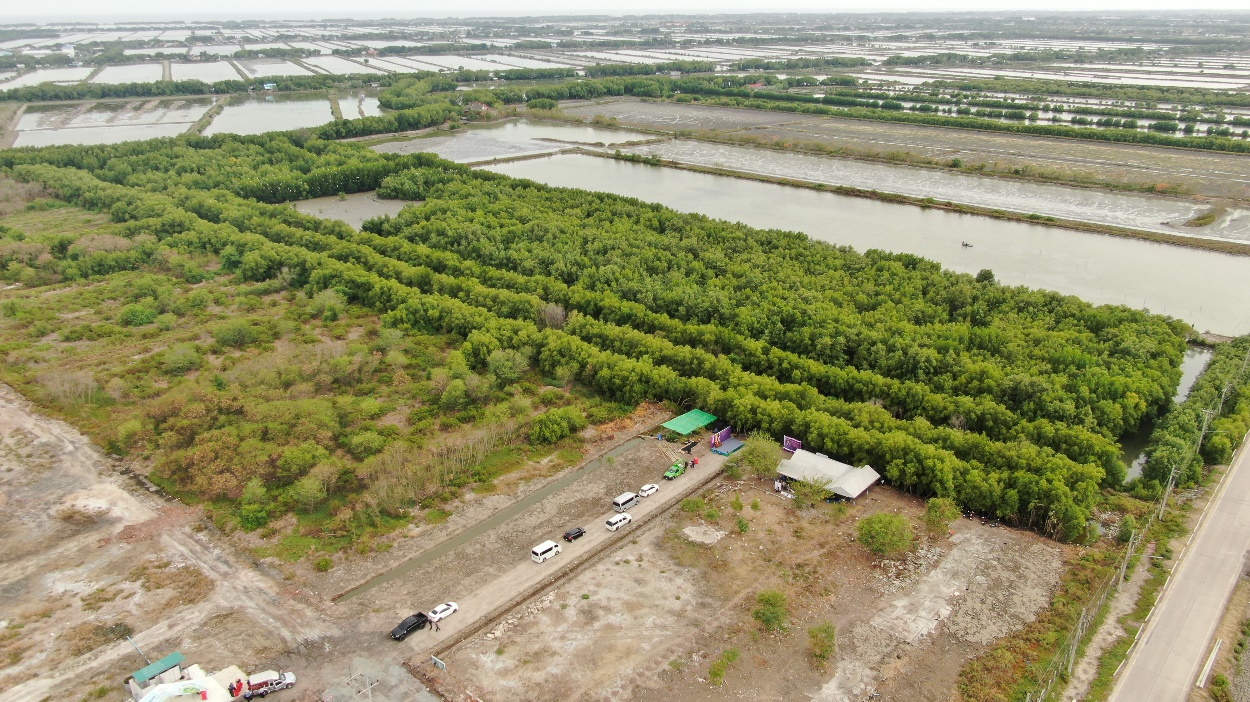
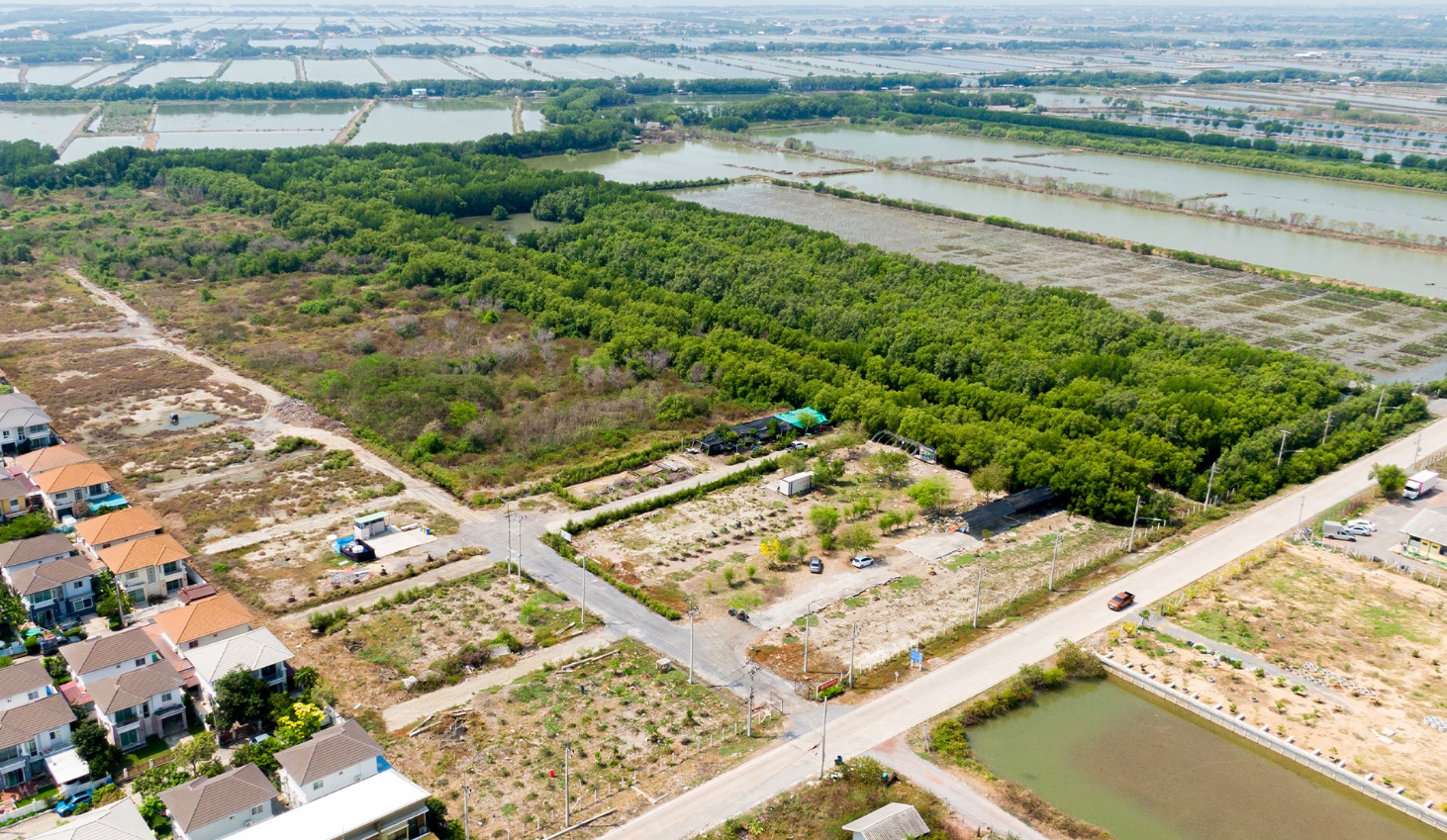
Aerial photograph supplied with the Samut Sakhon mangrove-site description. Capture date is not specified.
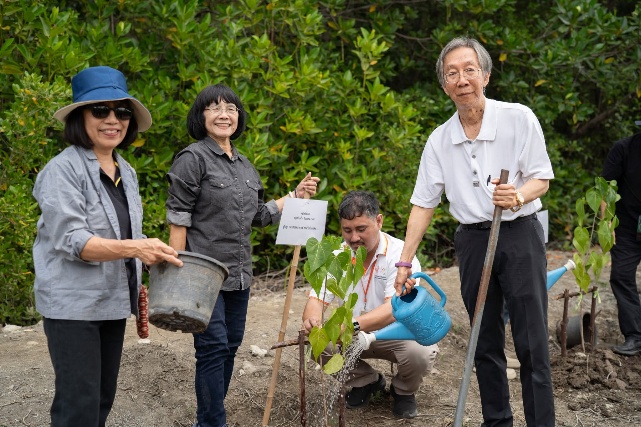
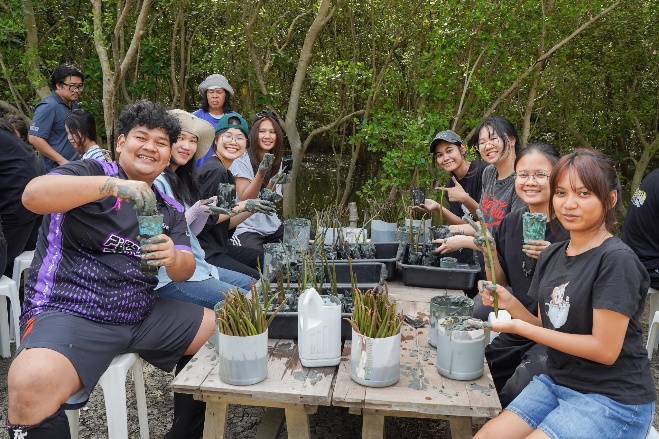
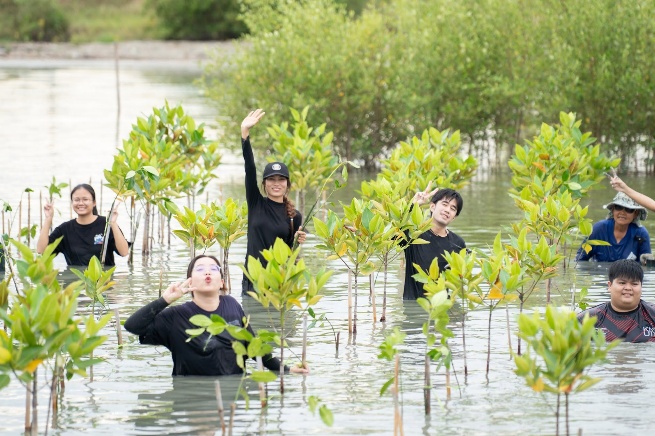
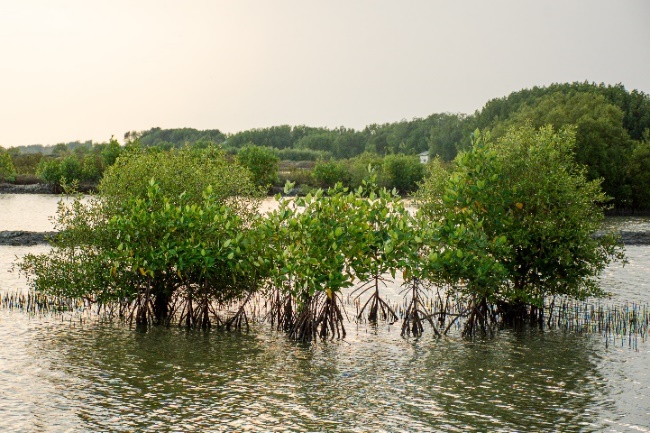
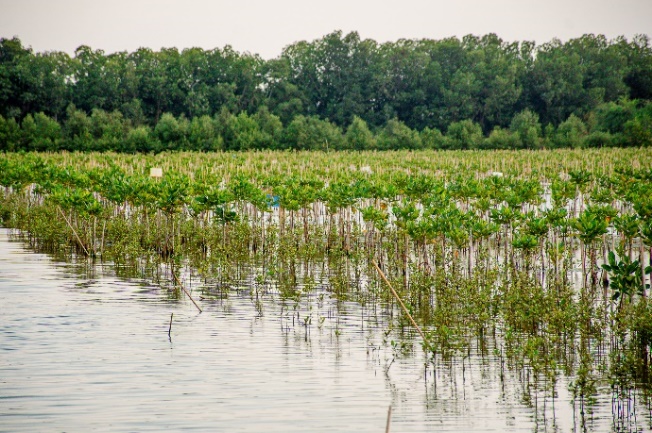
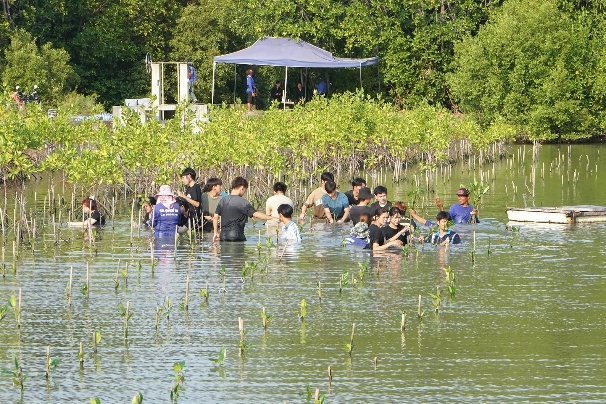
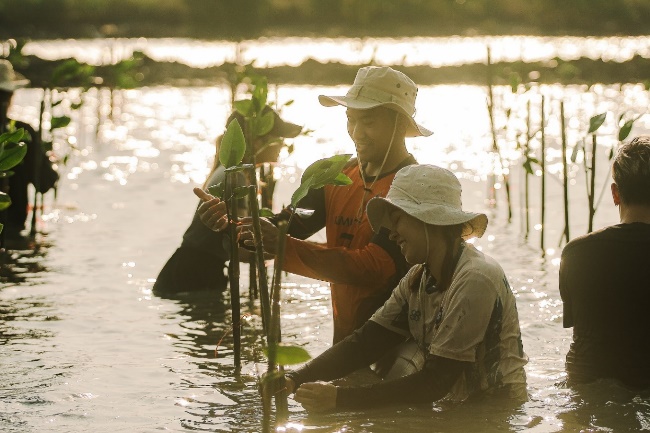
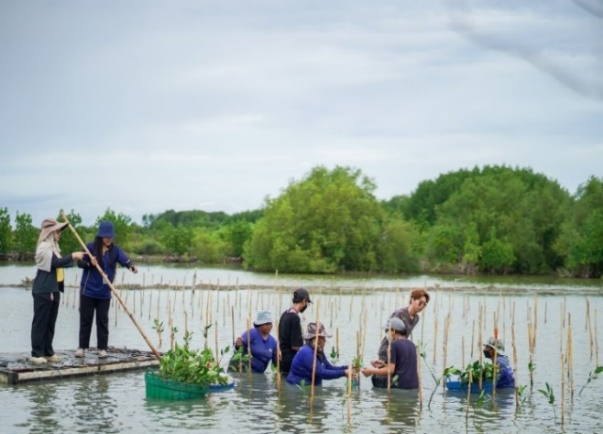
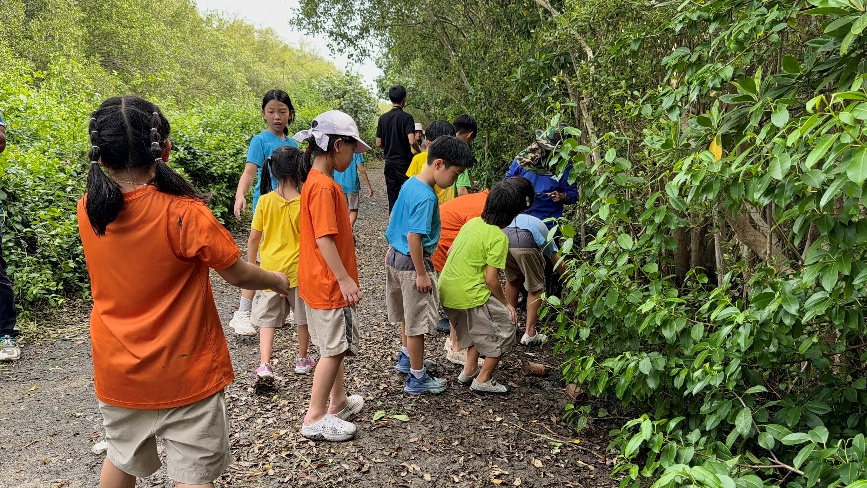
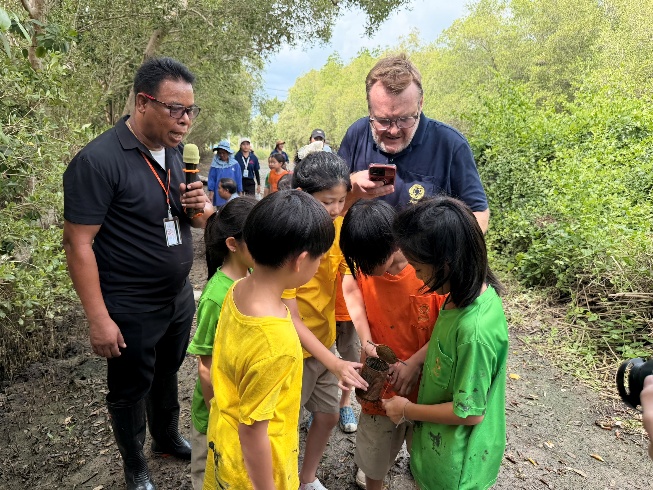
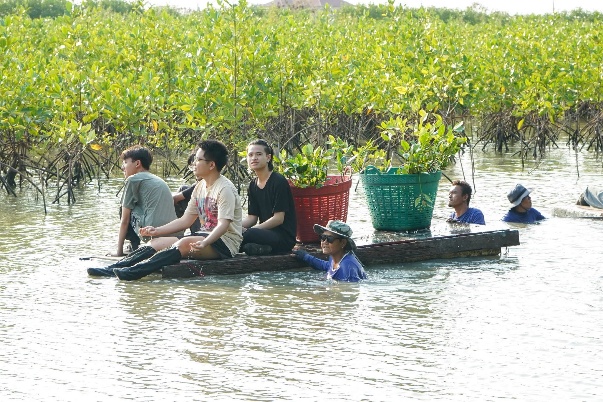
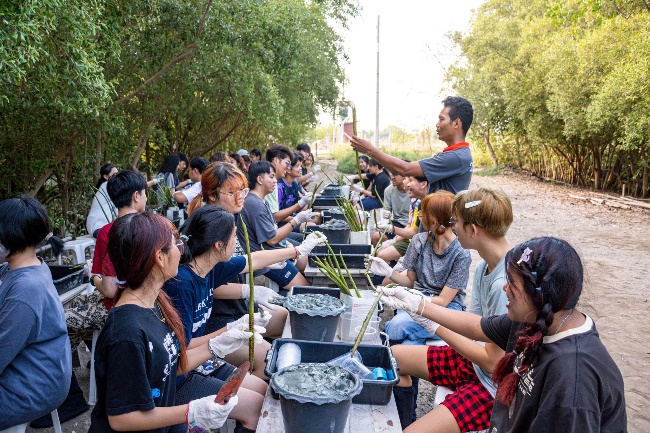
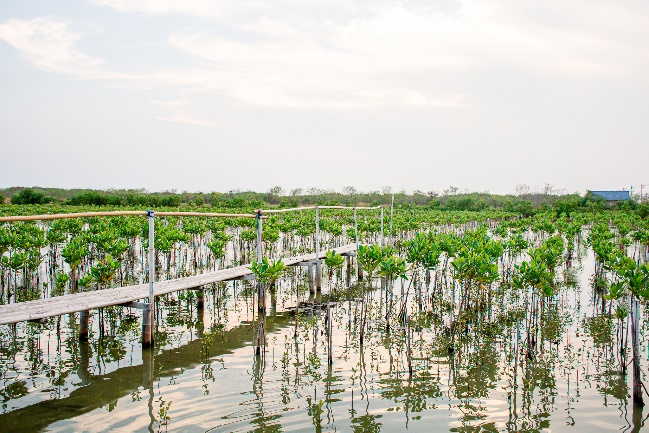
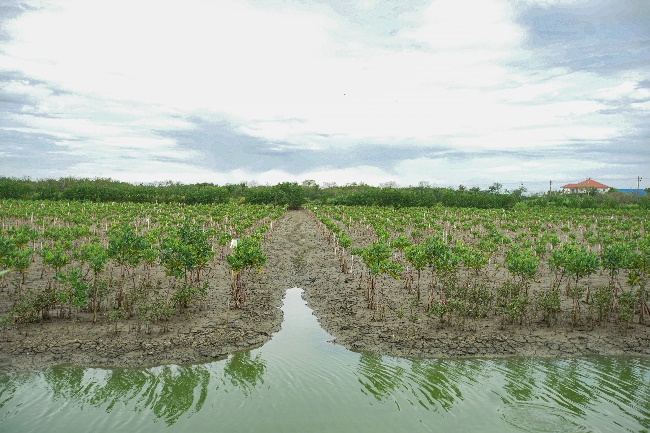
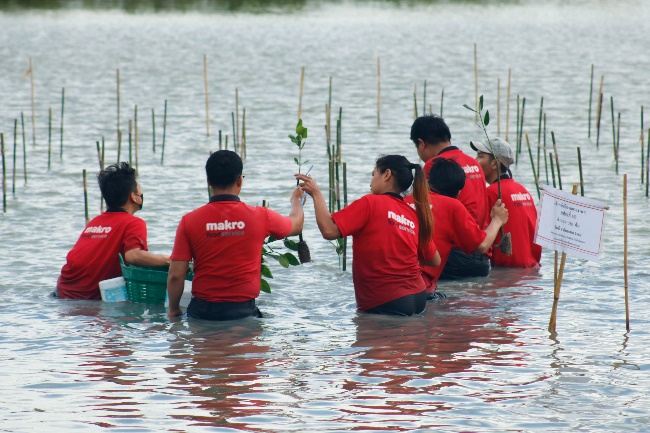
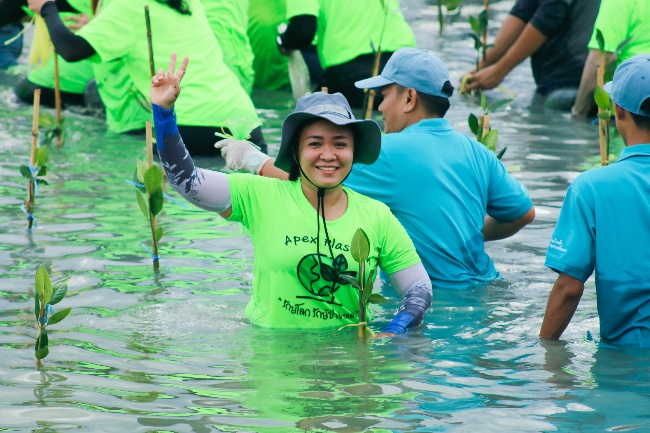
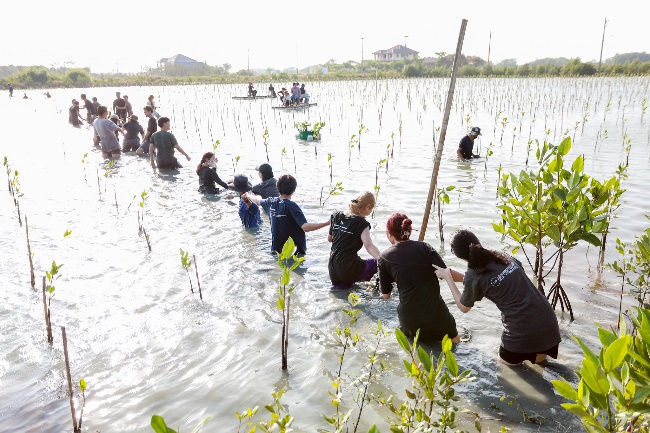
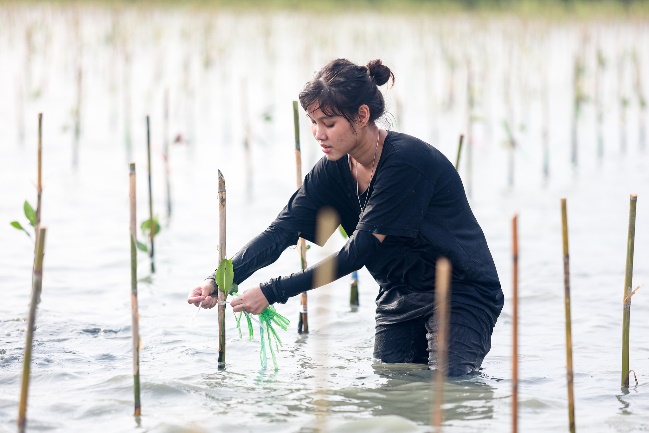
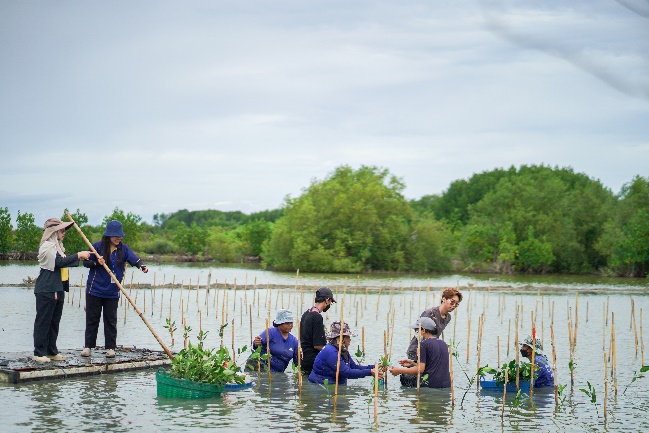
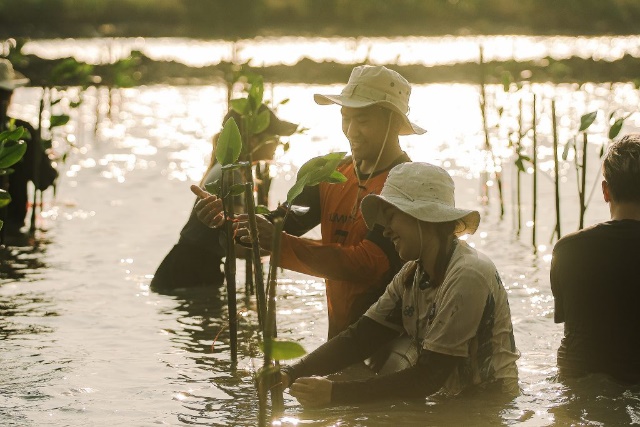
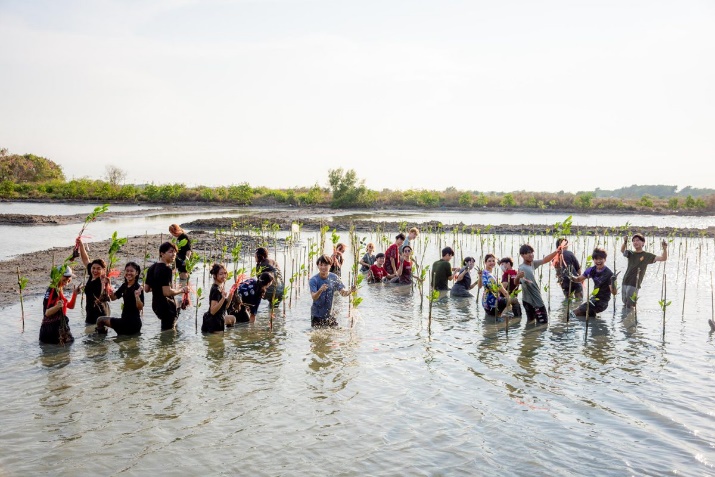
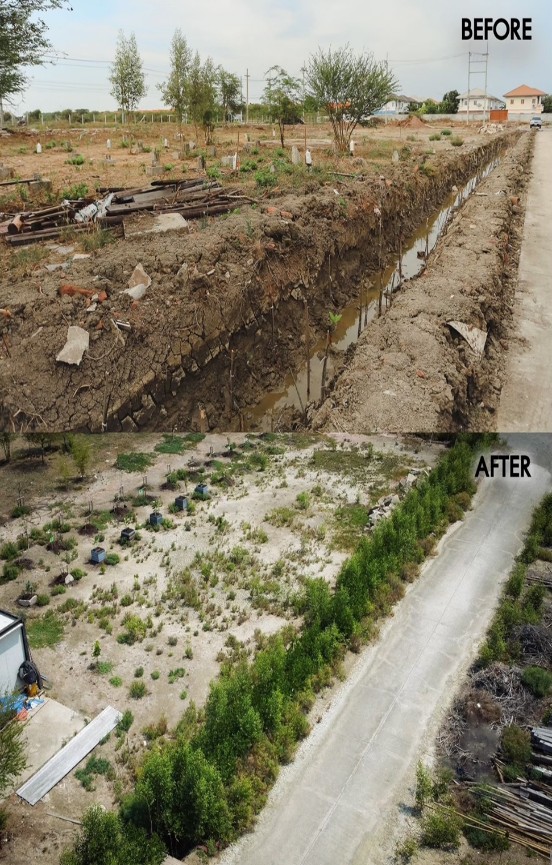
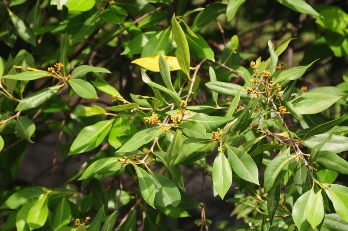
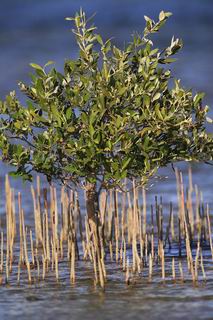
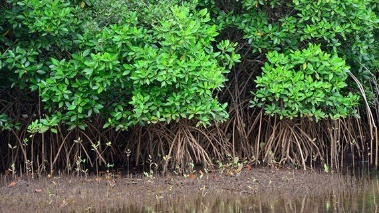
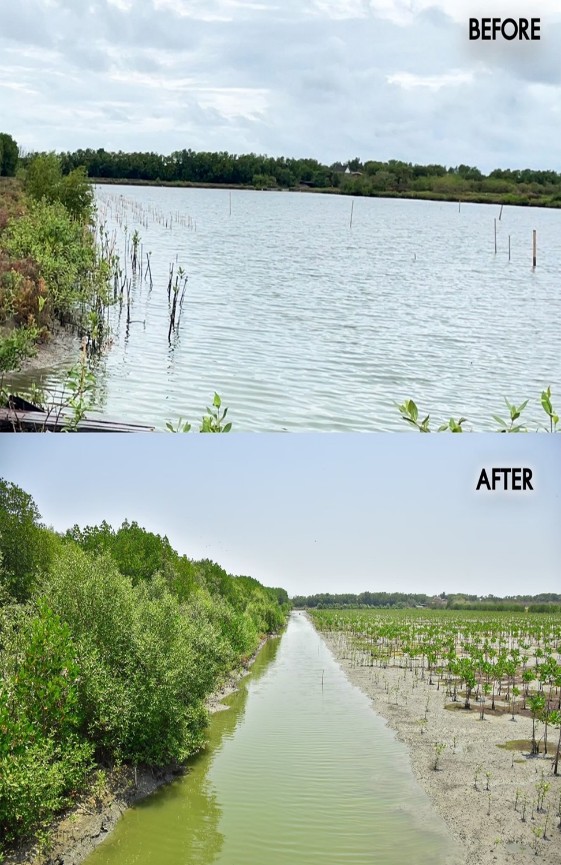
Mangrove-planting photographs supplied as site context. Capture dates are not specified; these images are not independently assigned to the 55-student event.
Ratchaburi · Dry Dipterocarp Forest Learning Center
Approximate area in the supplied description
1,117 rai · 441.6 acres
Learning site
Deciduous dipterocarp forest · Ratchaburi Province
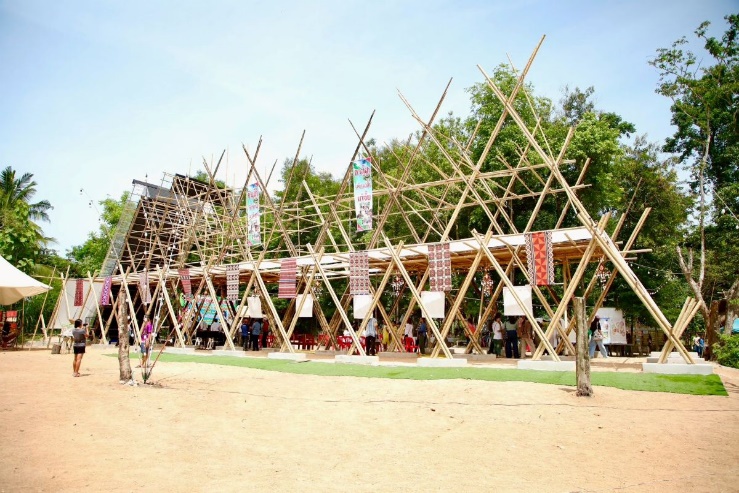
The Deciduous Dipterocarp Forest Project is one of the sustainability projects of King Mongkut’s University of Technology Thonburi (KMUTT), located in Ratchaburi Province. With an area of approximately 441.6 acres (1,117 rai), the project aims to transform the area into a natural learning center and a model for sustainable land use. The area had previously experienced environmental degradation but has been continuously restored through collaboration among KMUTT personnel, students, and local communities, resulting in improved ecological conditions and increased biodiversity.
The project focuses on the conservation and restoration of natural resources through reforestation using native tree species, including Teng (Dipterocarpus obtusifolius), Rang (Shorea siamensis), Phayom (Shorea roxburghii), and Hiang (Dipterocarpus tuberculatus). Other activities include biodiversity surveys, the creation of a botanical database, and the development of nature trails to provide learning opportunities about native plant species and dry dipterocarp forest ecosystems.
Furthermore, the project promotes community participation in forest conservation and sustainable livelihoods through activities such as cultivating local herbs, collecting wild mushrooms, and promoting ecotourism.
This project reflects KMUTT commitment to ecosystem restoration, environmental education, and participatory natural resource conservation. It also contributes to the university’s Carbon Neutrality 2040 policy through reforestation and sustainable green space management.
The Deciduous Dipterocarp Forest Project serves not only as an ecological learning center but also as a model of sustainable land use. The project directly supports Sustainable Development Goal 15 (Life on Land) by promoting the protection, restoration, and sustainable management of terrestrial ecosystems. It also contributes to SDG 4 (Quality Education) by providing nature-based learning opportunities and SDG 13 (Climate Action) through reforestation and efforts to enhance climate resilience. The project continues to expand its educational and conservation activities, serving as a valuable model for environmental conservation and sustainable land management in Thailand.
The Deciduous Dipterocarp Forest Learning Center provides opportunities for school students, university students, and interested members of the public to visit and explore nature. Staff members are available to provide guidance and share knowledge about native tree species, dry dipterocarp forest ecosystems, and the importance of natural resource conservation. These activities aim to promote experiential learning and raise awareness of environmental conservation.
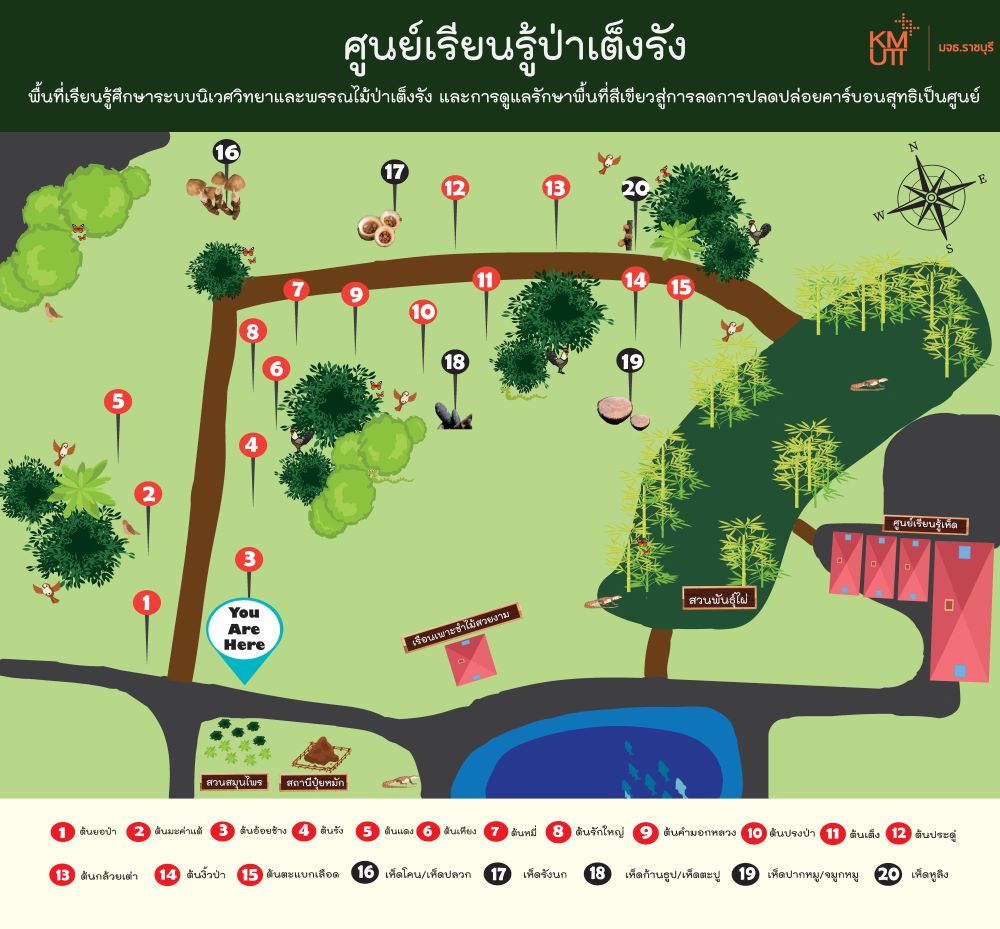
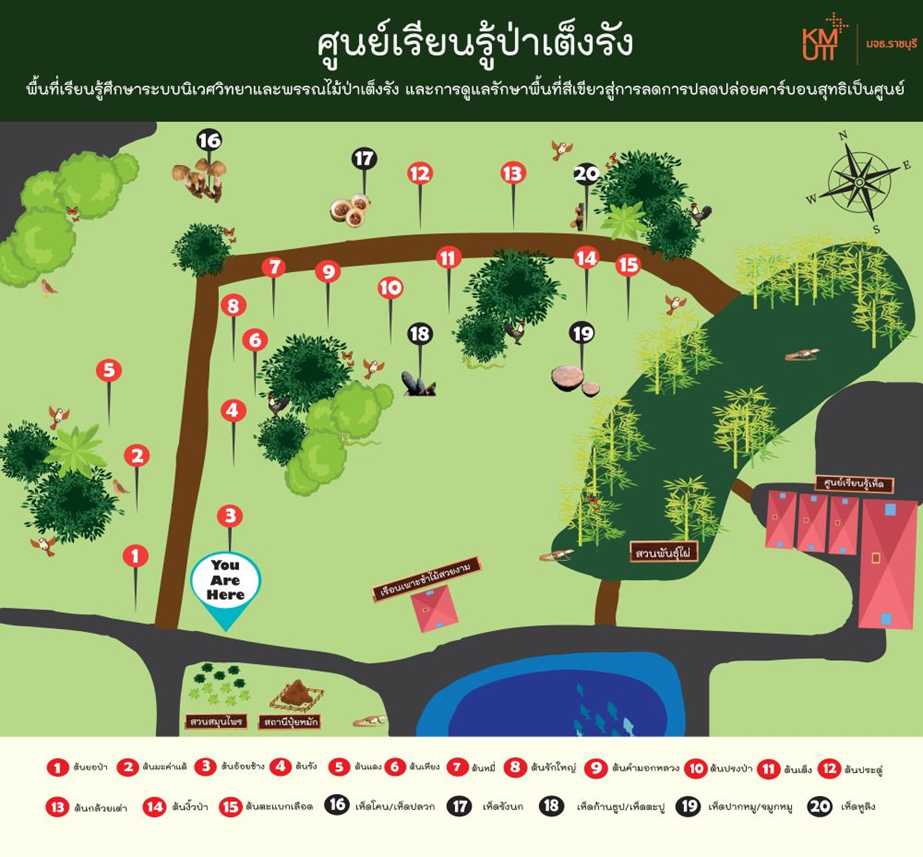
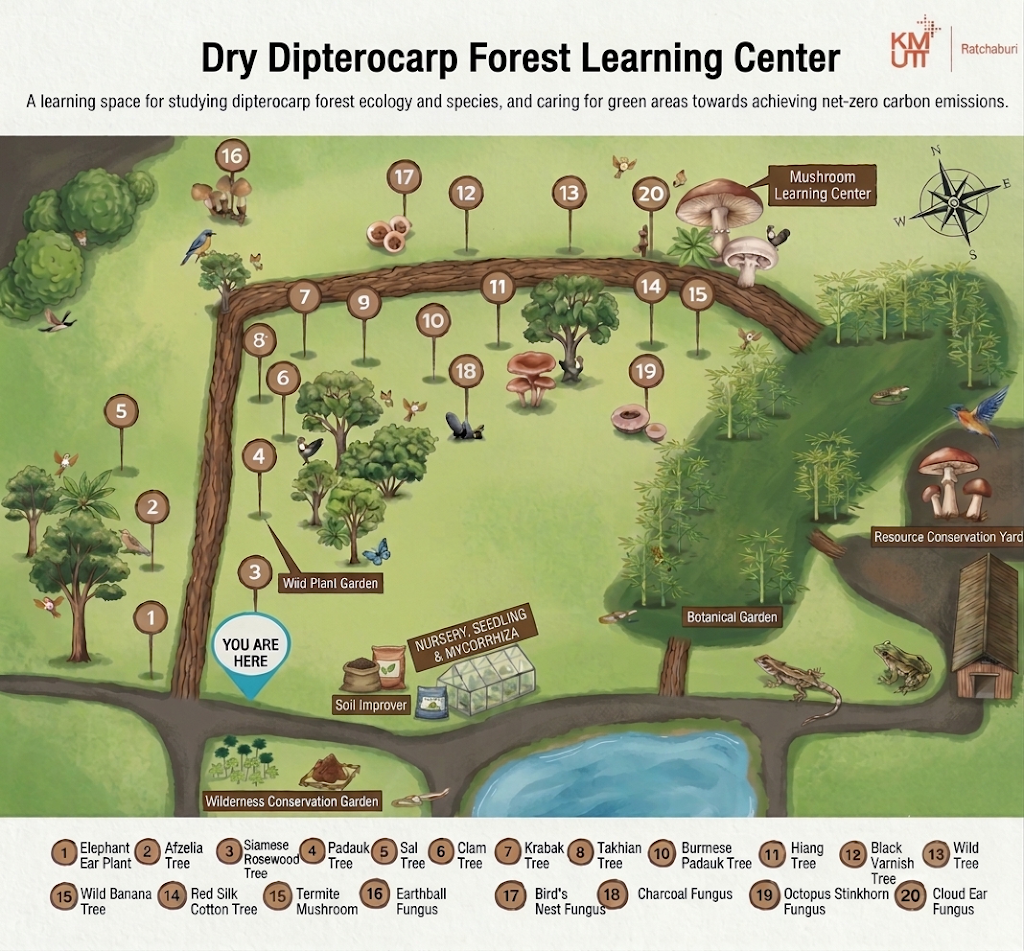
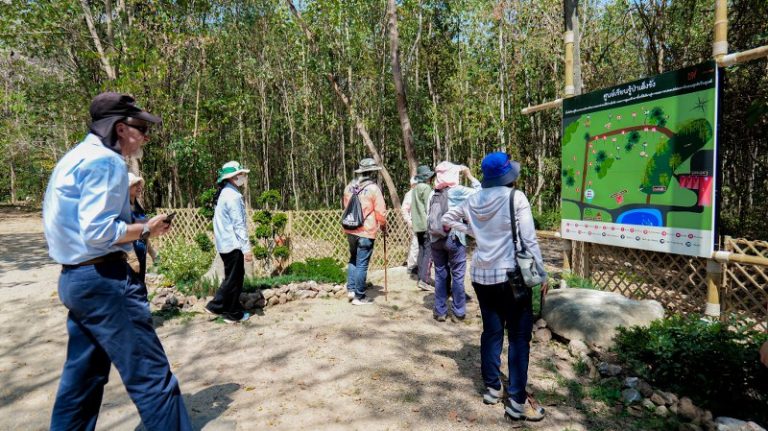
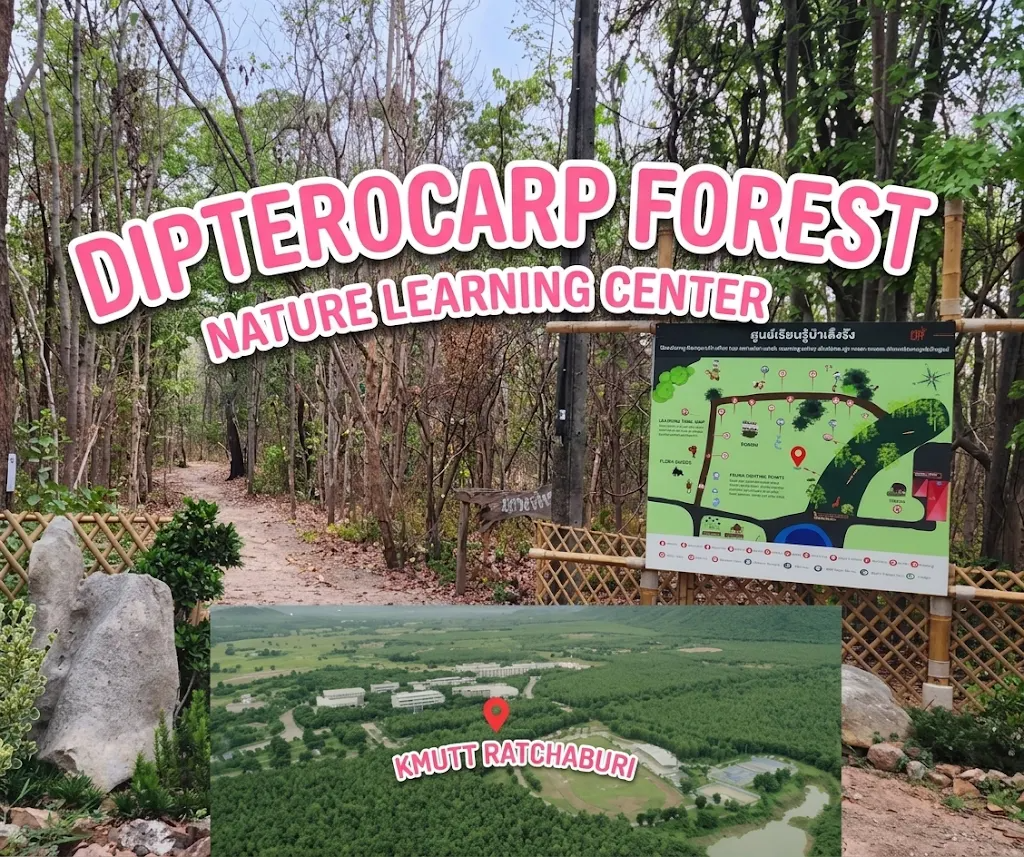
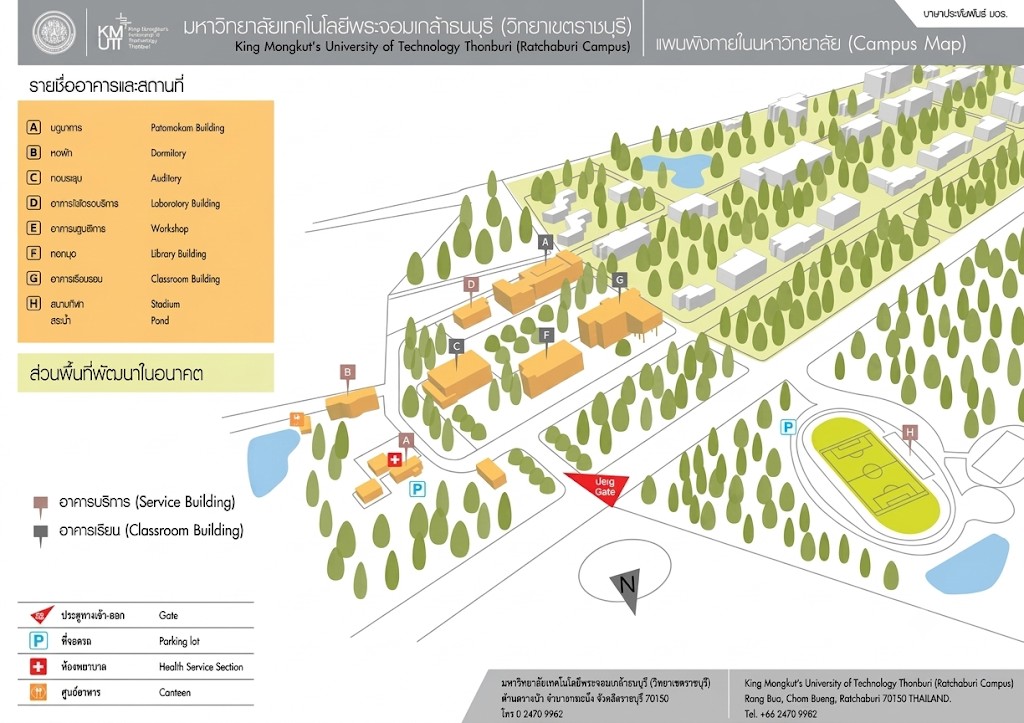
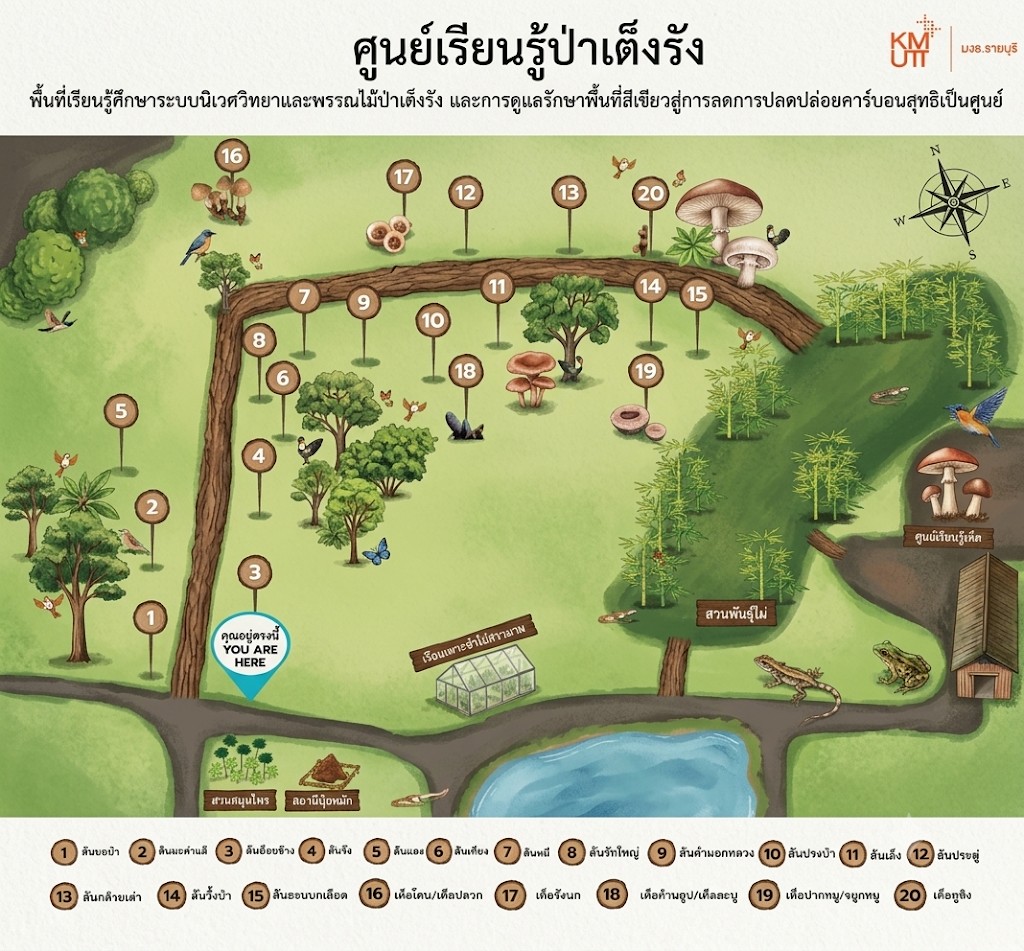
Supplied nature-trail map of the Dry Dipterocarp Forest Learning Center. Original place and trail labels are shown in the map.
The Dry Dipterocarp Forest Learning Center serves as a learning site for studying and understanding the dry dipterocarp forest ecosystem.
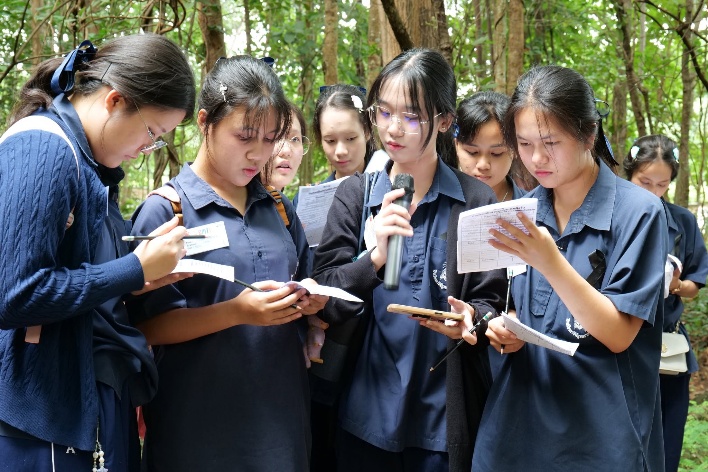
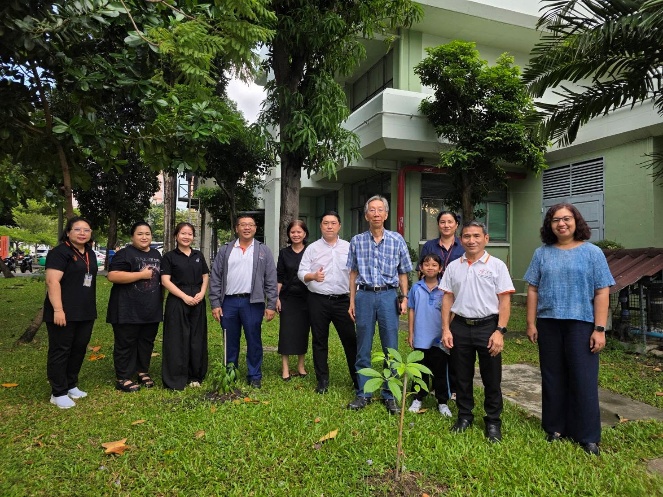
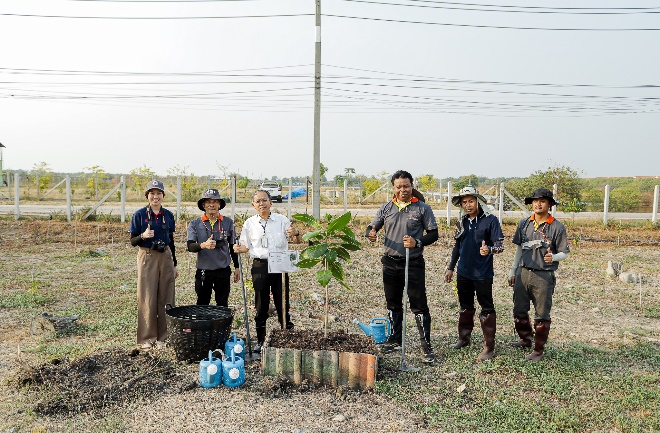
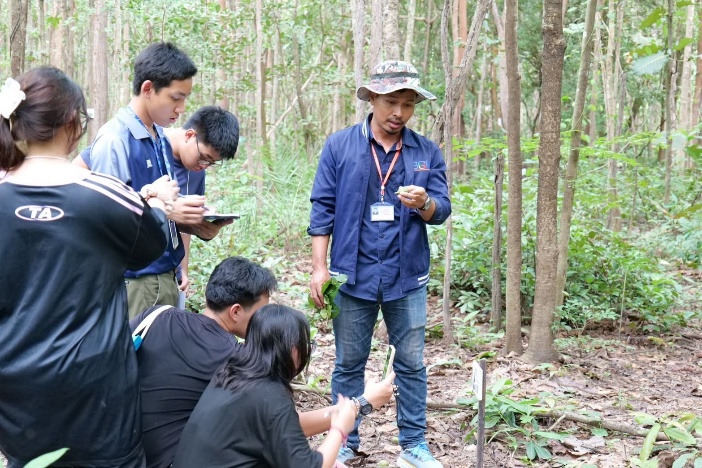
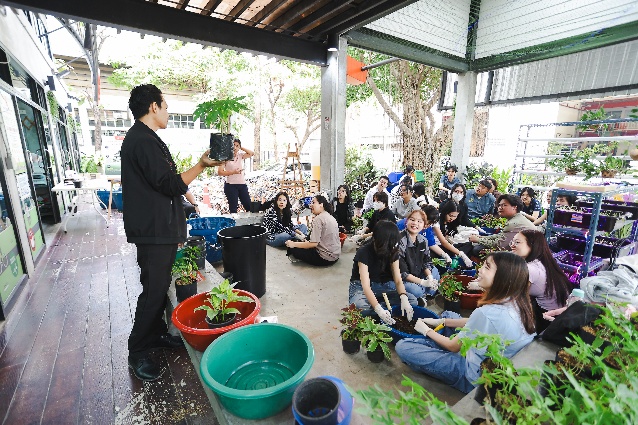
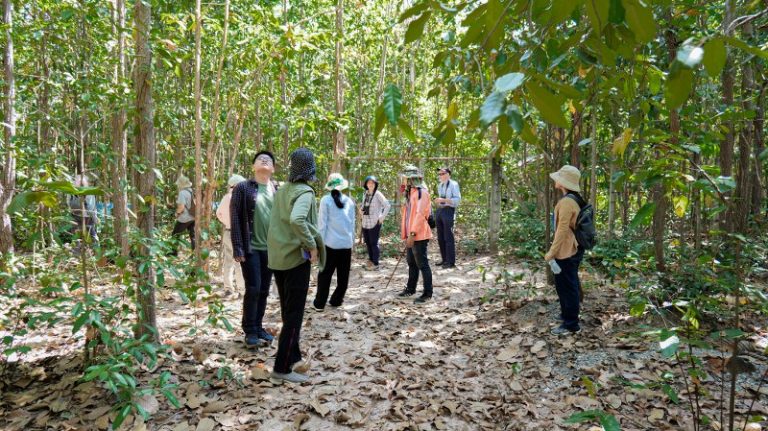
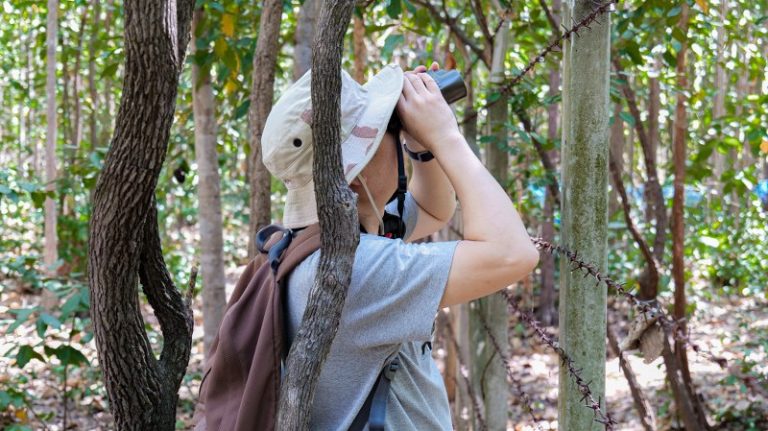
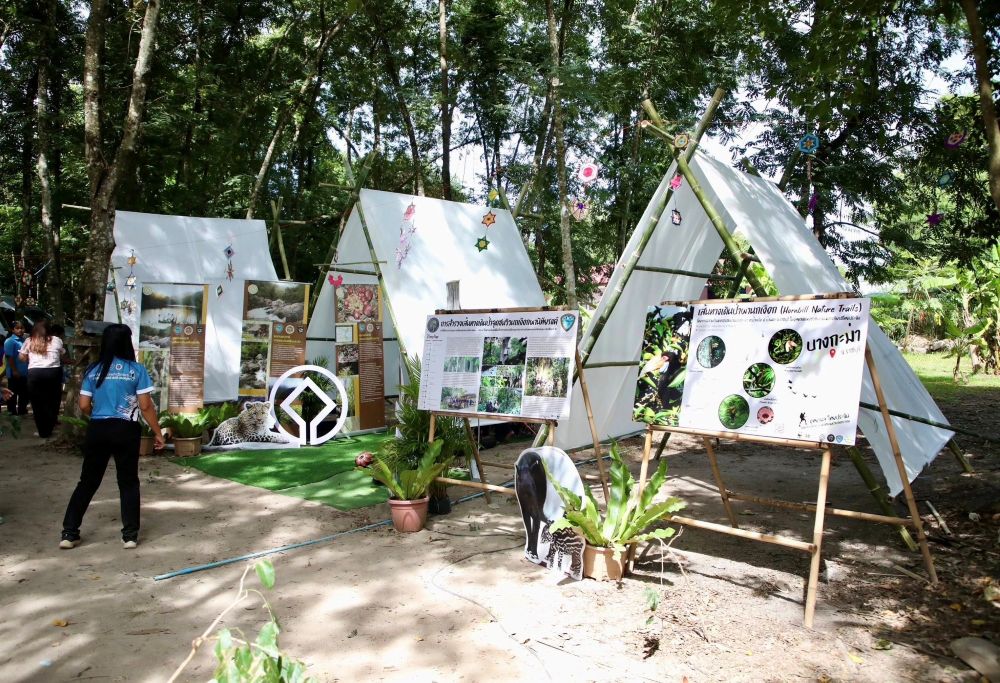
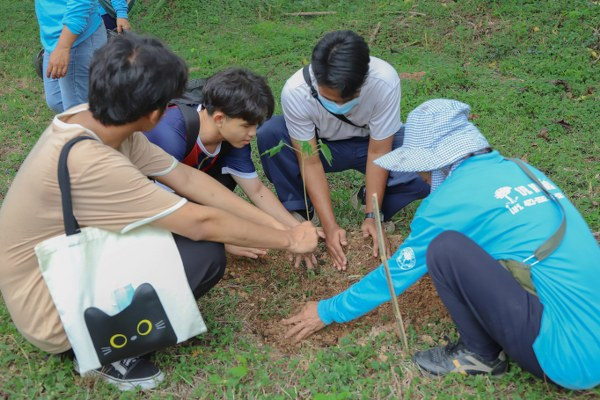
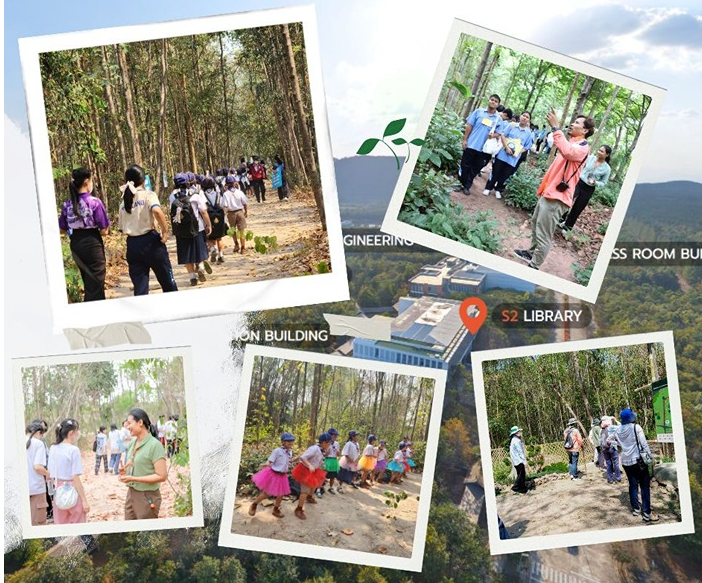
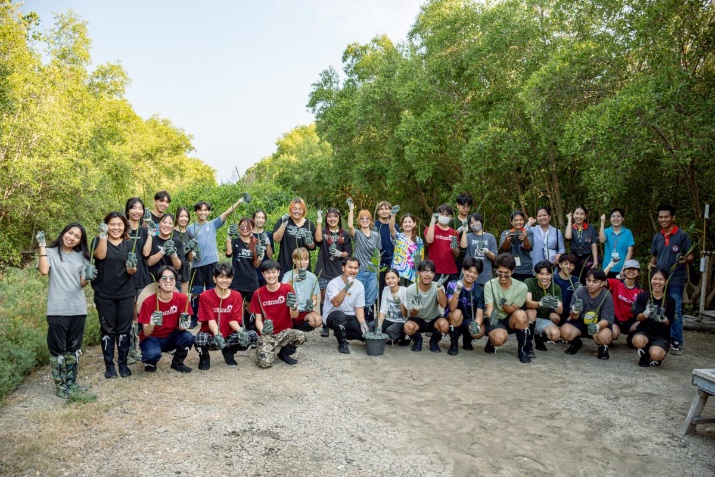
Supplied forest-learning and seedling activity photographs. Capture dates are not specified.
Native Honeybee and Pollinator Center · Bee Park
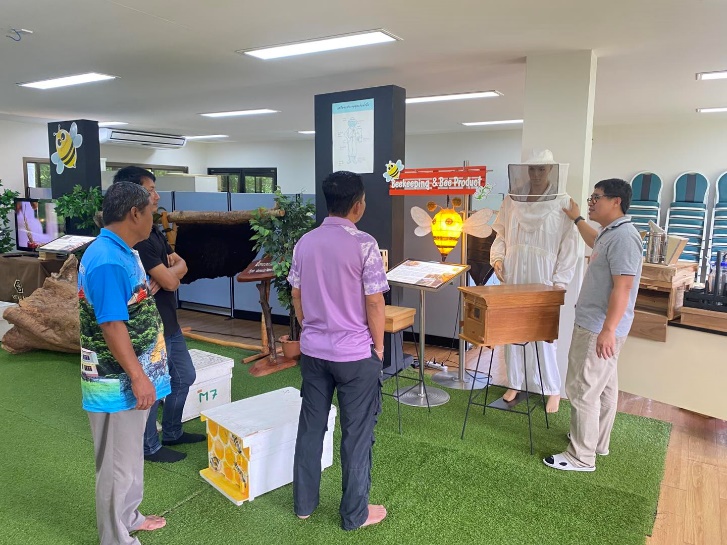
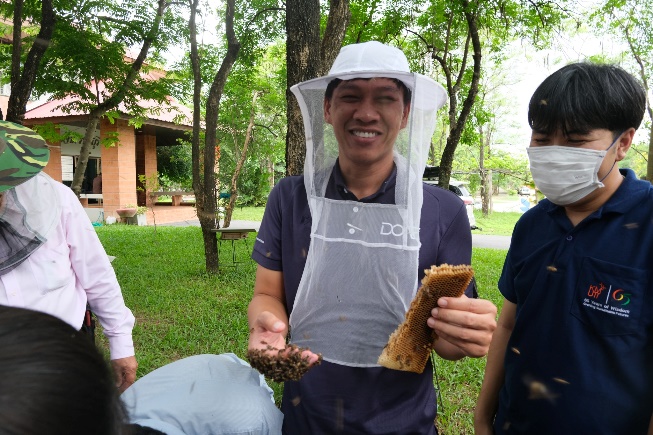
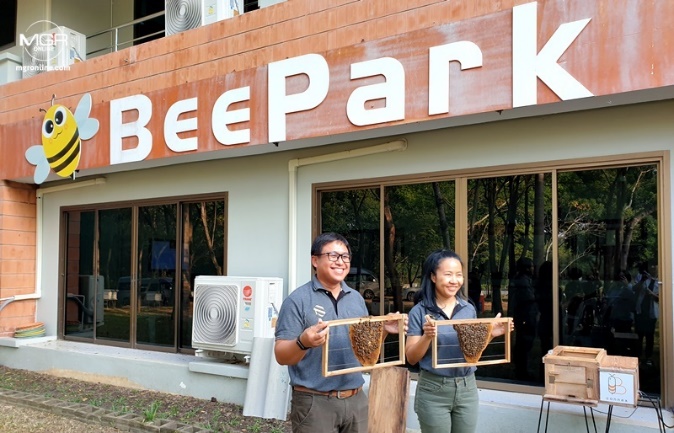
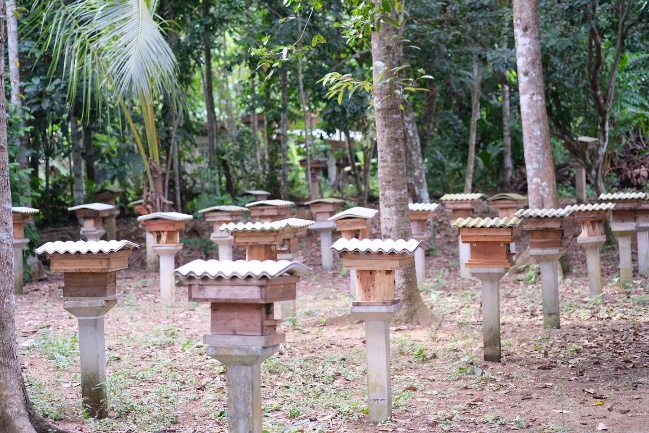
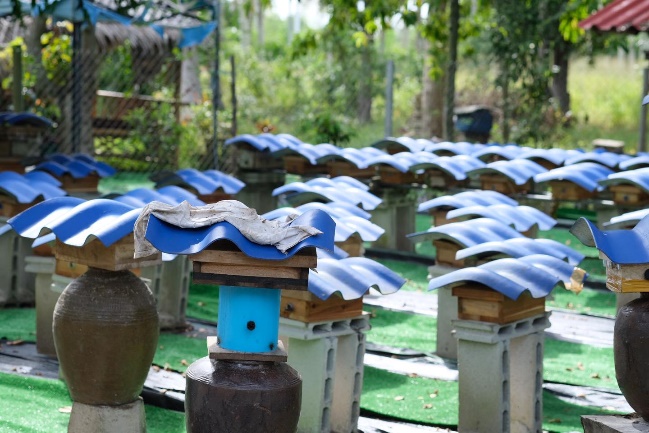
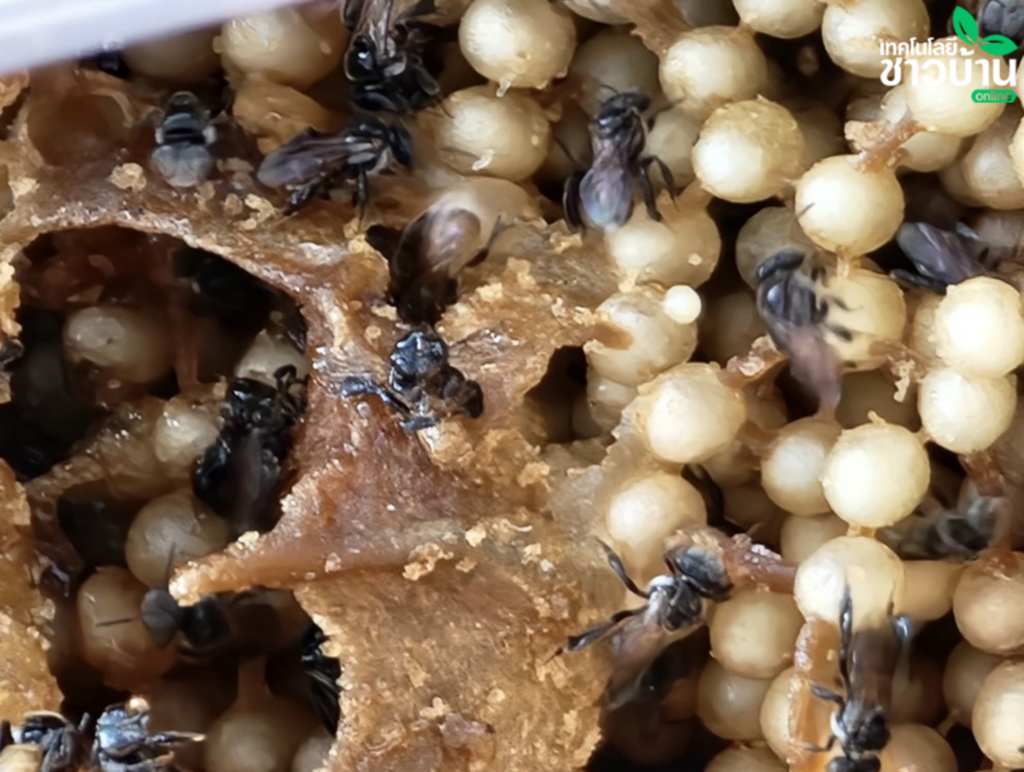
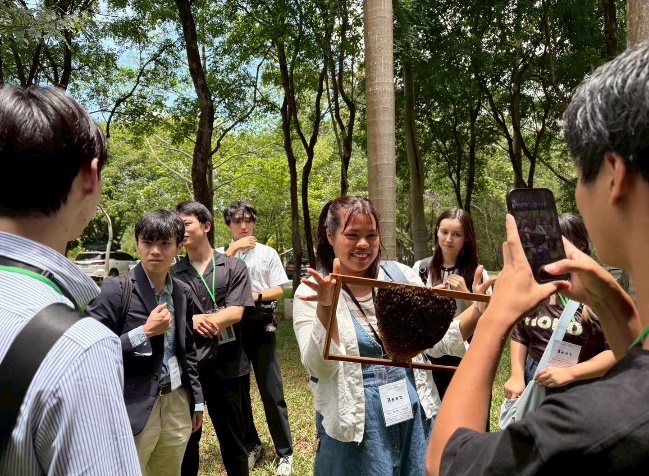
The Native Honeybee and Pollinator Center, also known as Bee Park, promotes the sustainable use of land through the conservation of native bee species and pollinators that play a vital role in maintaining biodiversity and supporting agricultural ecosystems.
The project provides a learning space where students and visitors can study pollination ecology, understand the importance of bees to food production, and explore sustainable farming practices that reduce the use of harmful chemicals.
By conserving pollinator habitats and integrating them into the landscape, Bee Park contributes to the protection of natural resources and encourages the coexistence between humans and nature, aligning with the goals of sustainable land use and ecosystem preservation.
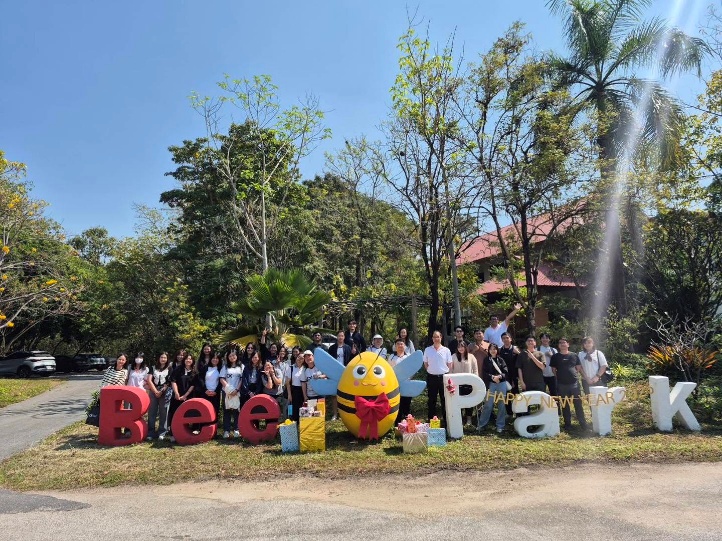
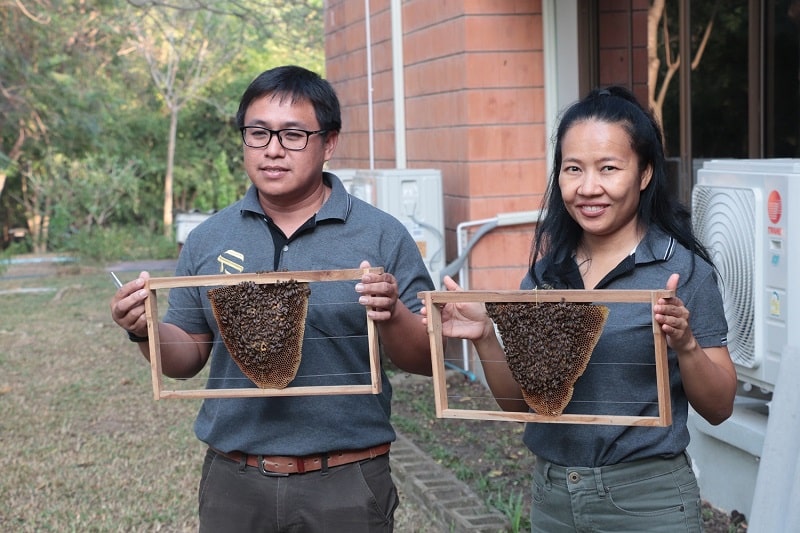
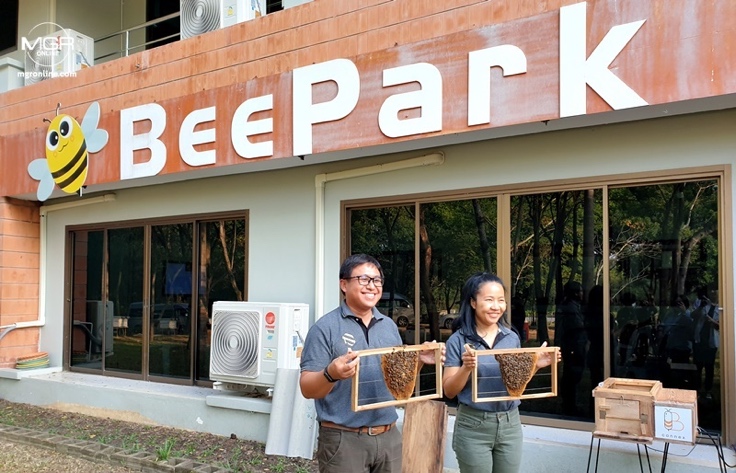
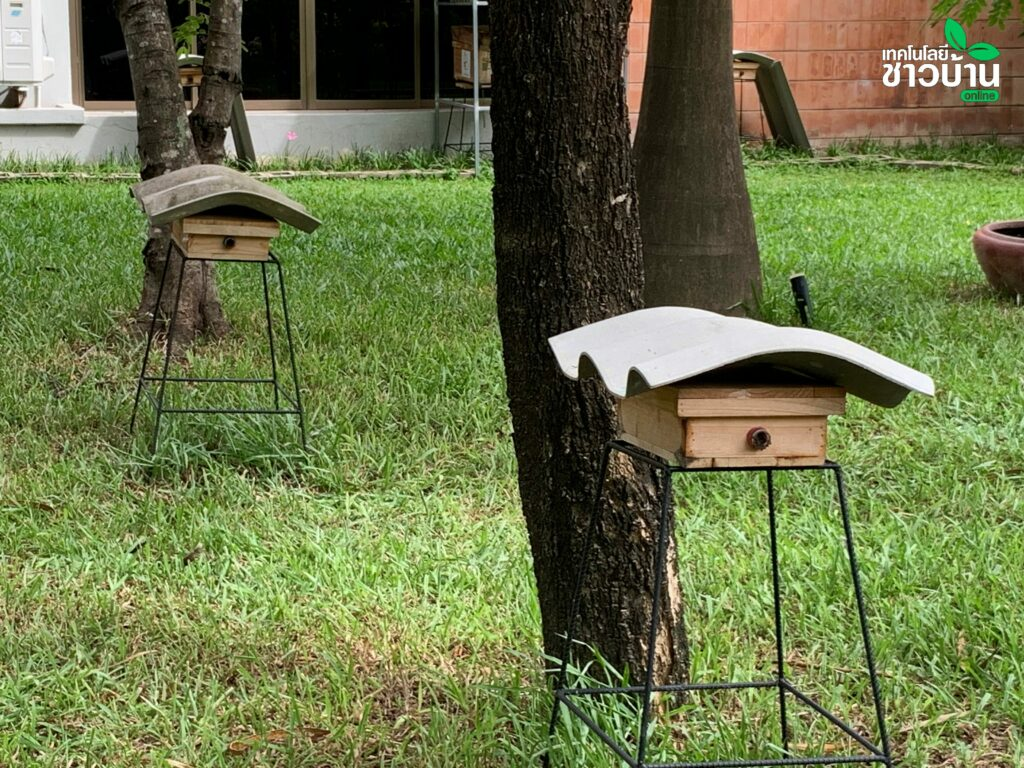
Bee Park site photograph supplied with the institutional record. Capture date is not specified.
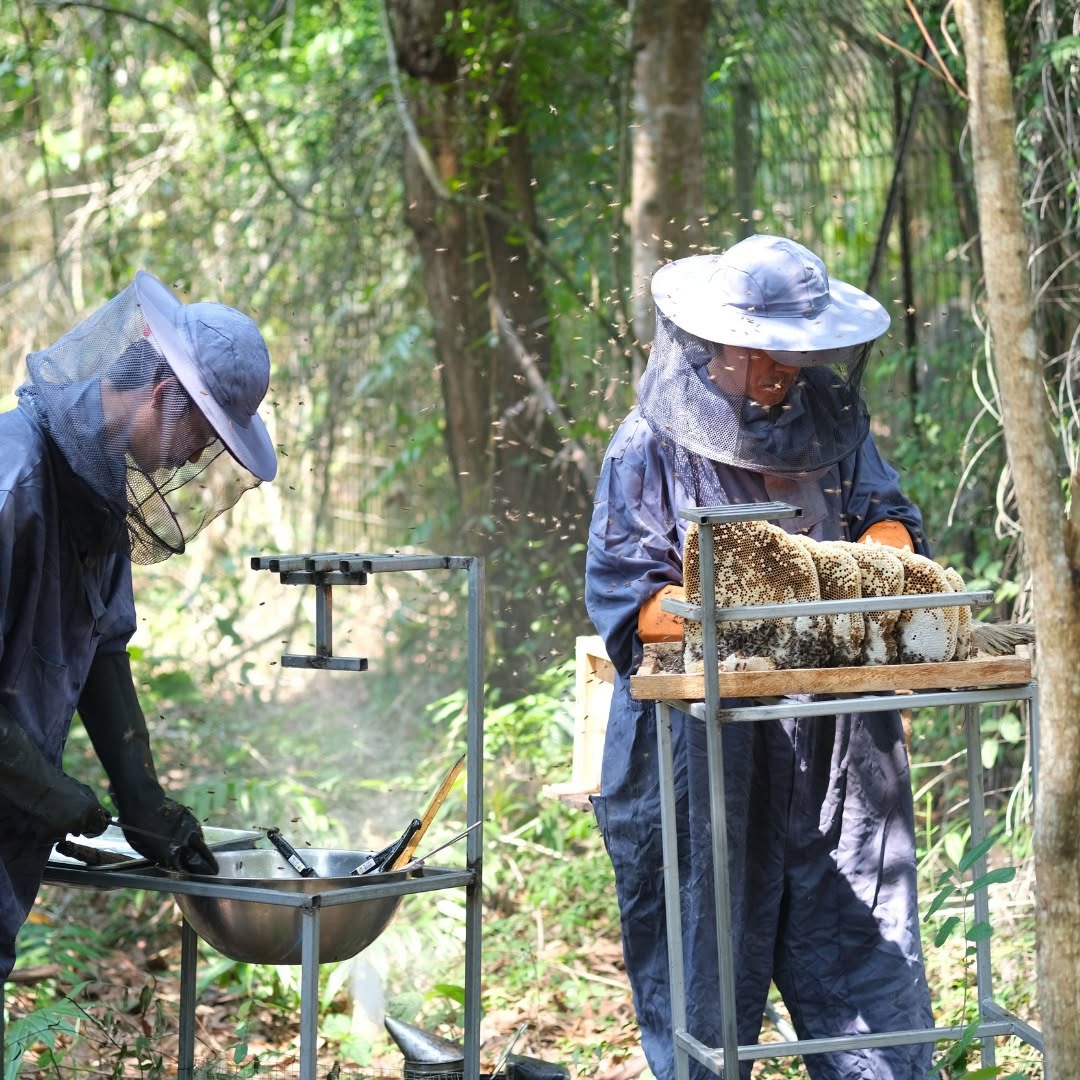
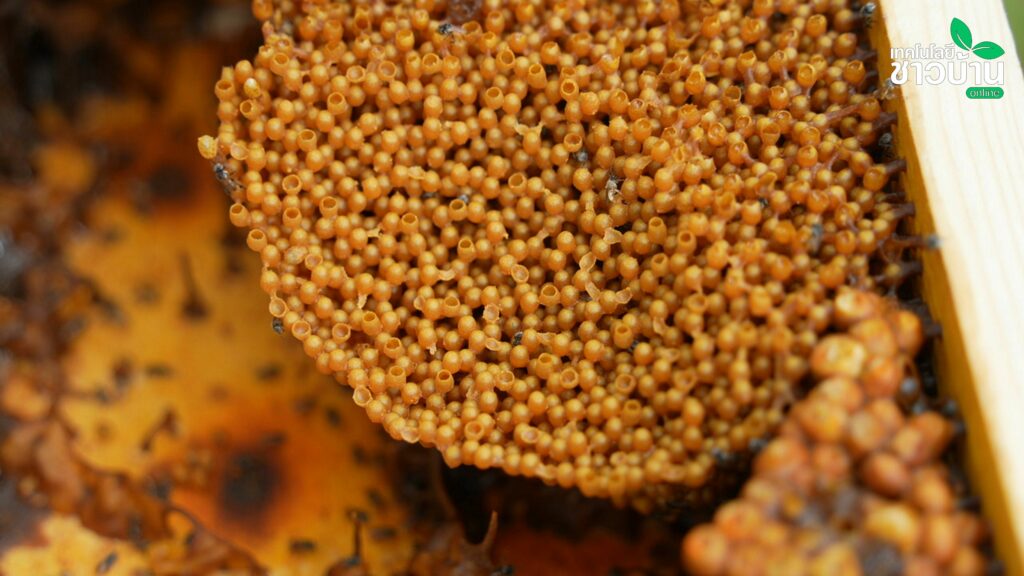
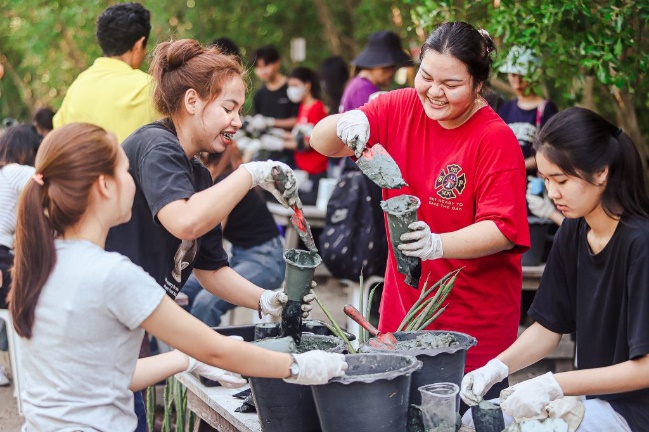
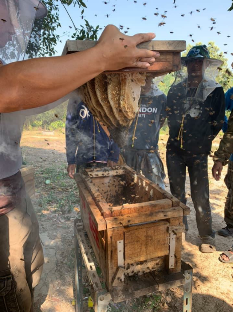
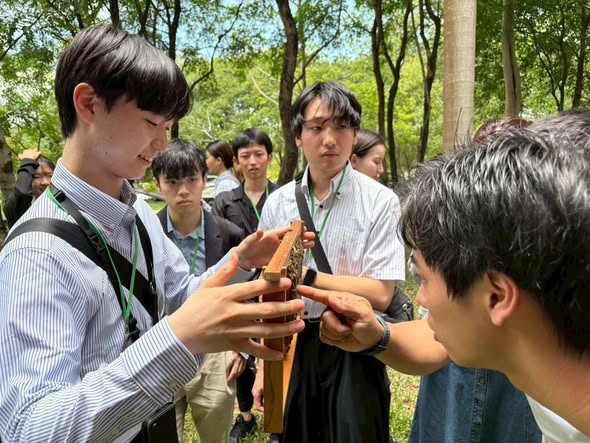
In addition, Bee Park serves as a nature-based learning center where visitors can observe native bees, experience honey harvesting, and learn about the vital role of pollinators in maintaining a sustainable ecosystem
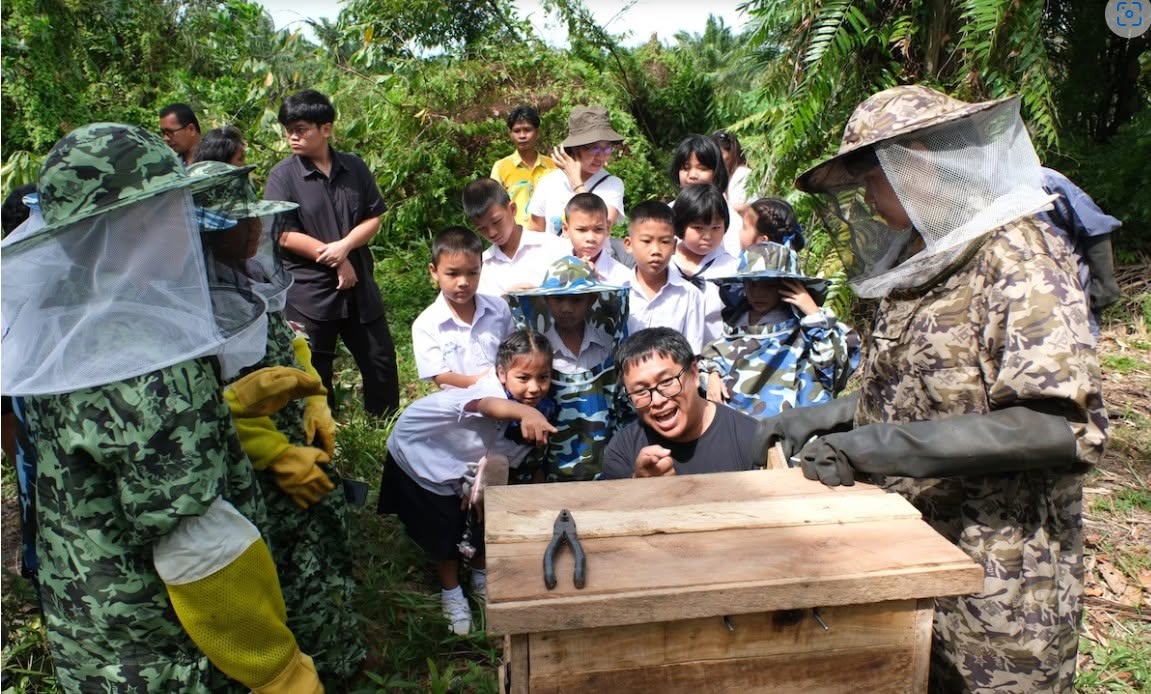
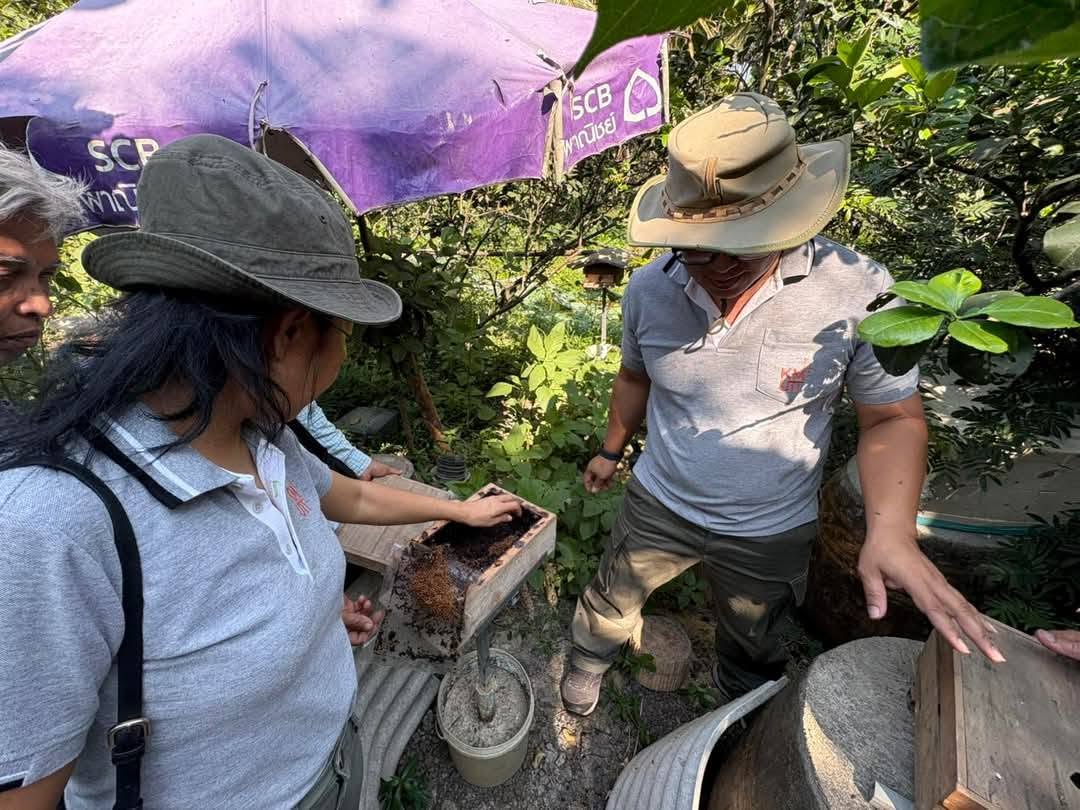
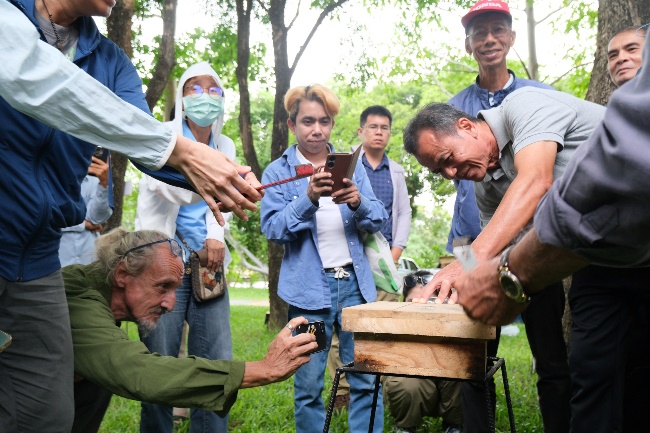
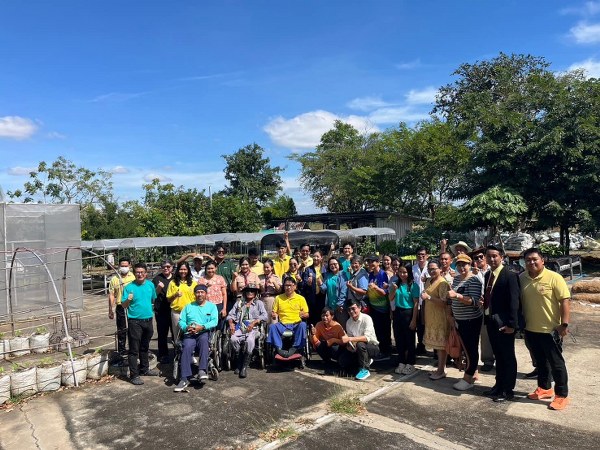
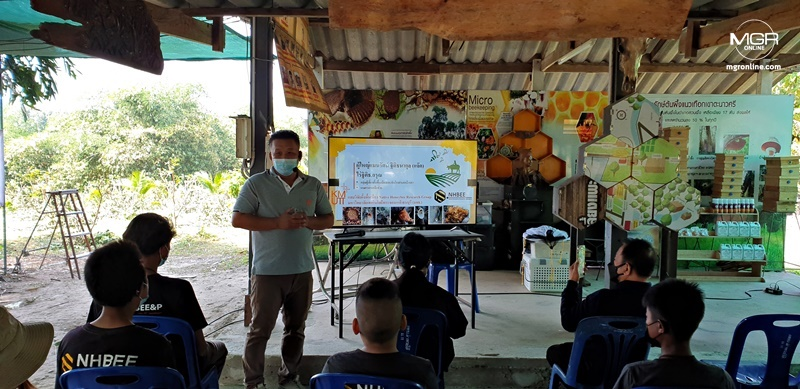
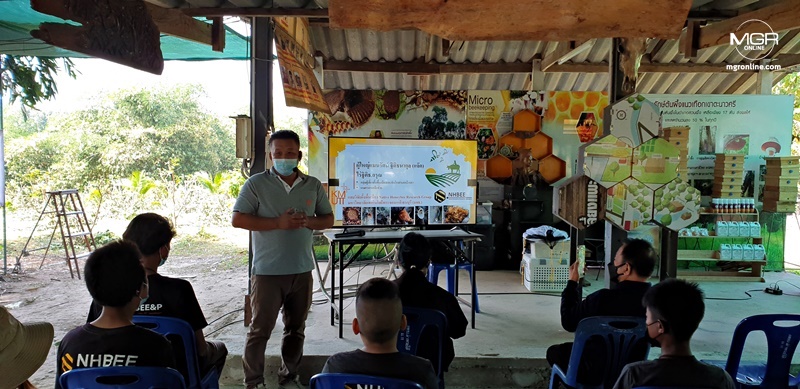
Bee Park learning photographs: school/community participation and pollinator displays. Capture dates are not specified.
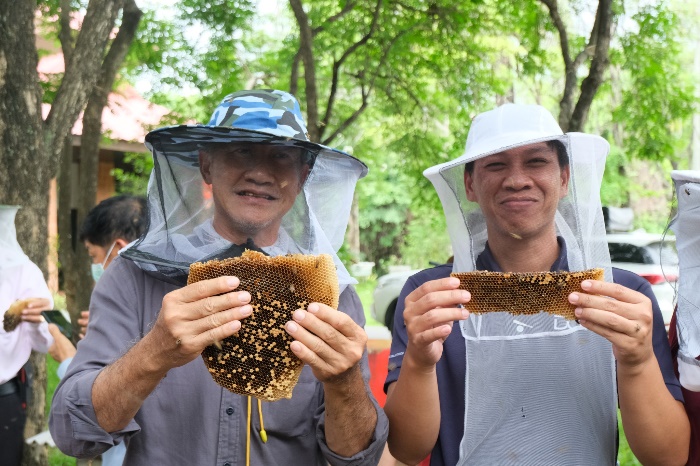
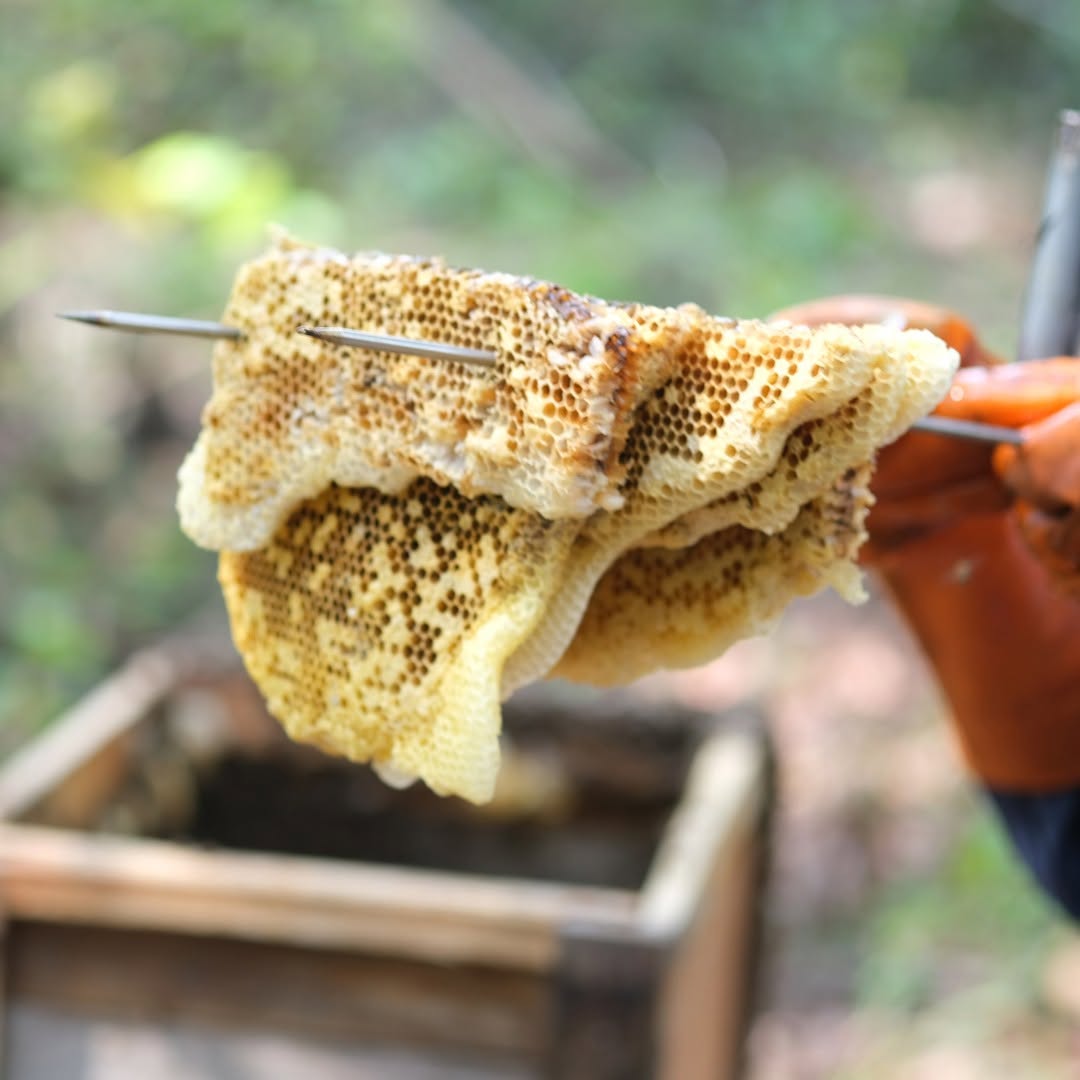
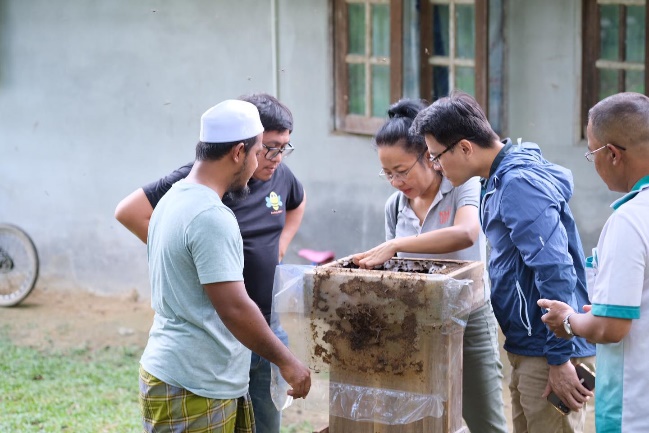
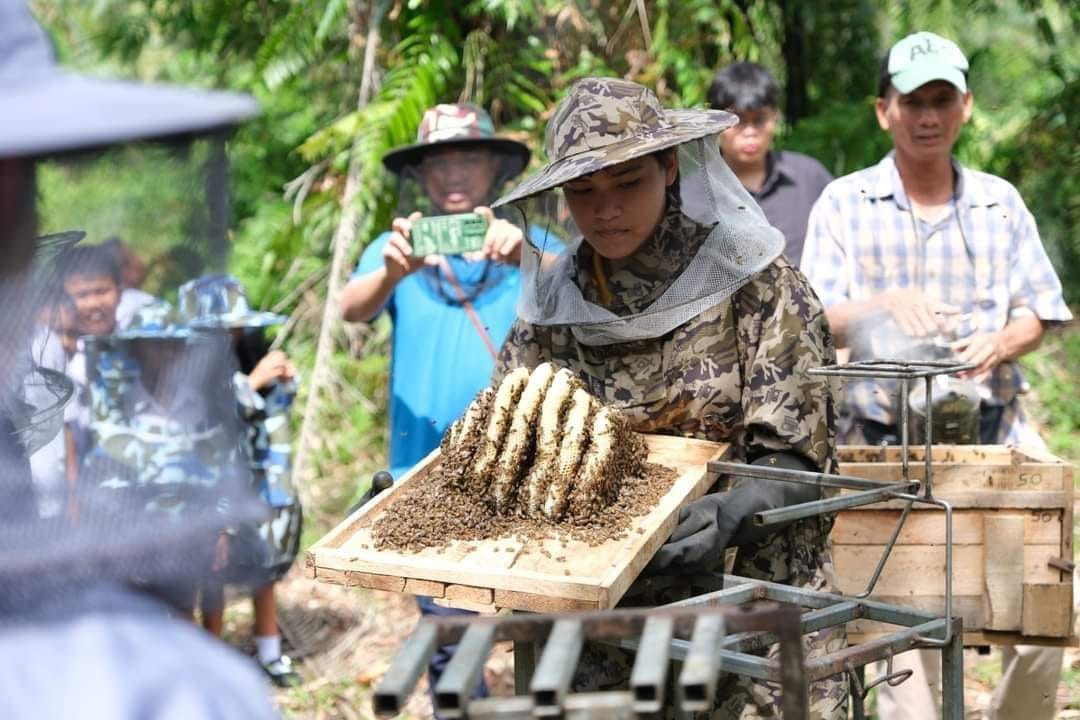
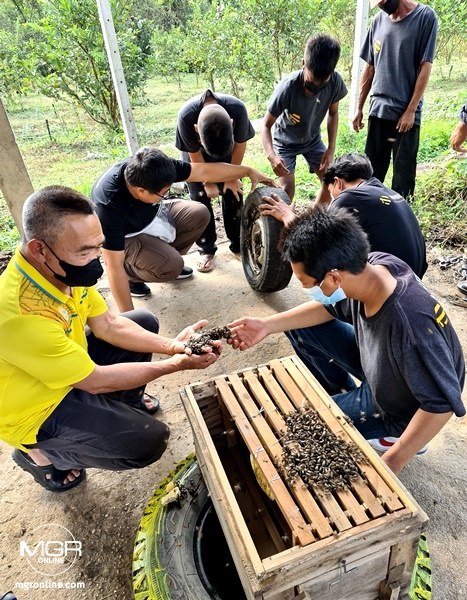
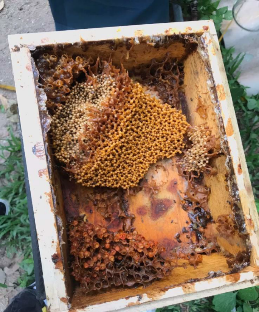
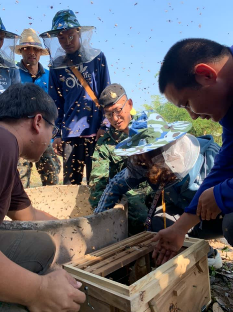
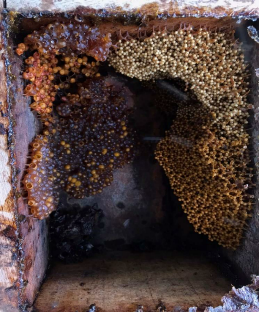
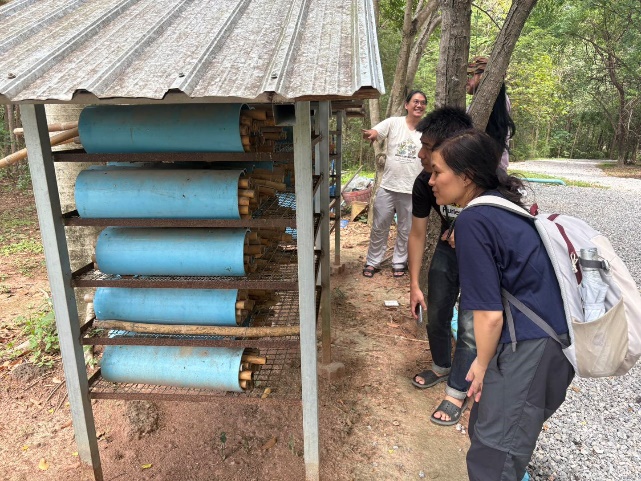
Supplied Bee Park photographs of honeycomb learning and field participation. Capture dates are not specified.
Supplementary site photographs and original institutional narrative
Original introductory institutional narrative
The supplied English introduction contains unclear wording. Its original text is retained here without guessing at the intended meaning.
King Mongkut's University of Technology Thonburi (KMUTT) has received activities that use sustainable land that will result in the use of environmentally friendly resources that affect nature, especially the conservation of knowledgeable communities and the improvement of death in the university, restoration and conservation of natural areas. KMUTT improves natural areas within the university, such as the part of the trees in the green area. Thank you for planting trees and forest areas. Together with students can do and the community to create an area that will help reduce pollution contamination. To support and support within the university area of the sustainable water management project This project, the most important water management within the university includes data collection of food airlines and tree care and use of continuous wastewater treatment systems to reuse water again to balance water resources. The use of resources that do not need to learn and create the environment. The university has and the curriculum of sustainable land use, focusing on Emphasizing knowledge for students who are important in agriculture that is important to green areas and efficient resource management. Students and have the opportunity to learn through practical training. Part of applying knowledge within the university and in the community sustainably.
Campus greening and tree-care photographs
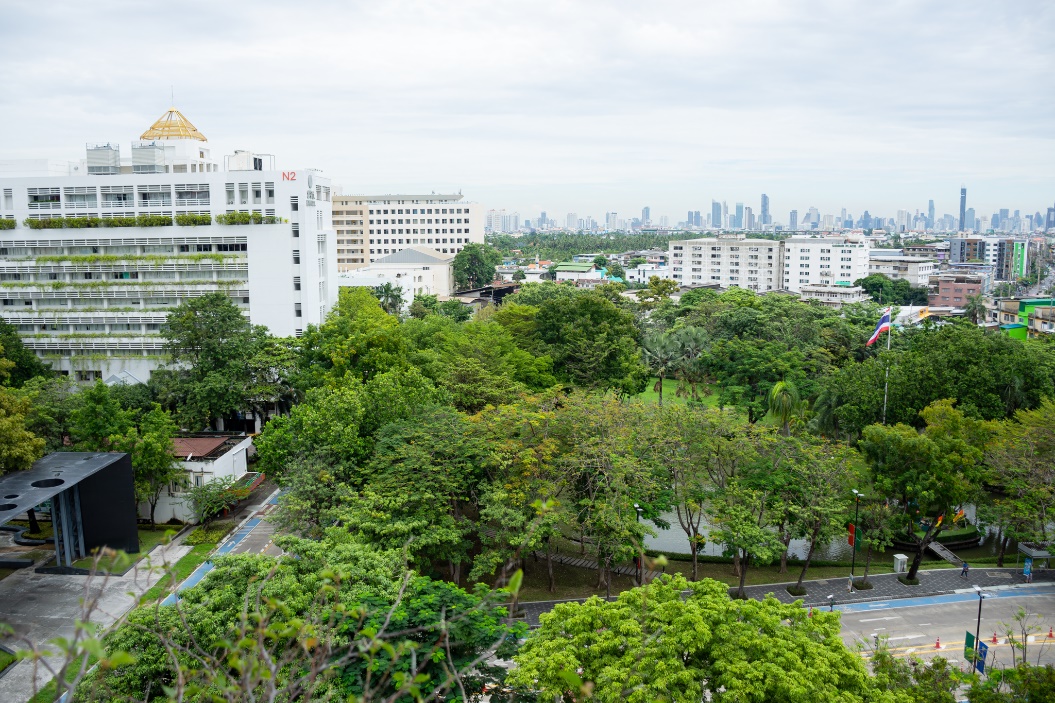
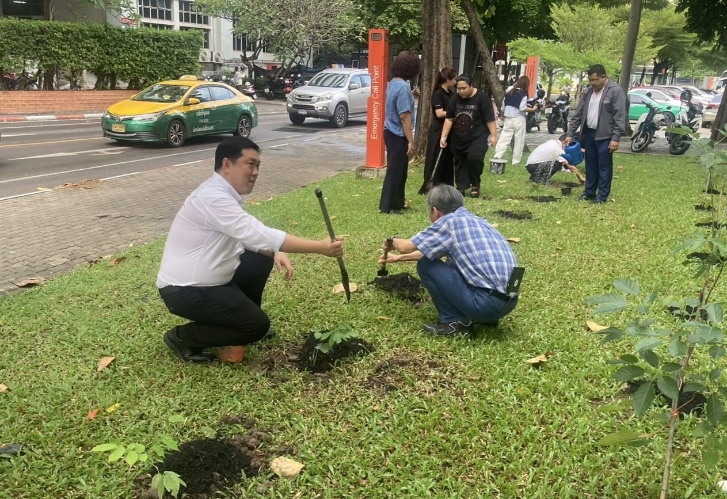
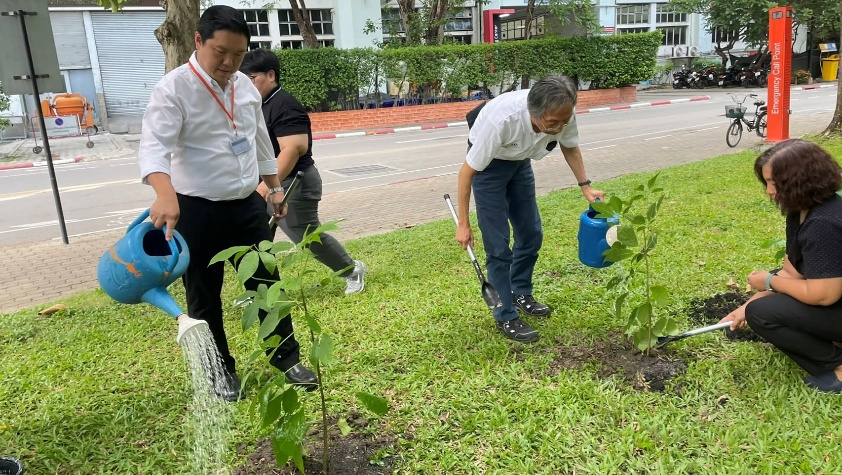
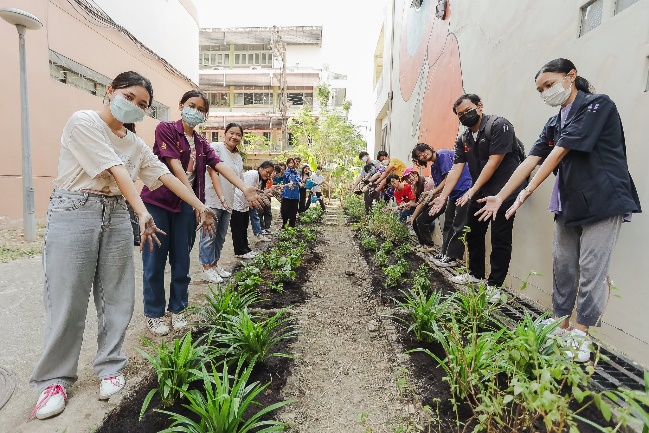
Supplied campus green-space, planting and tree-care photographs. Capture dates are not specified.
Mangrove site and participation photographs
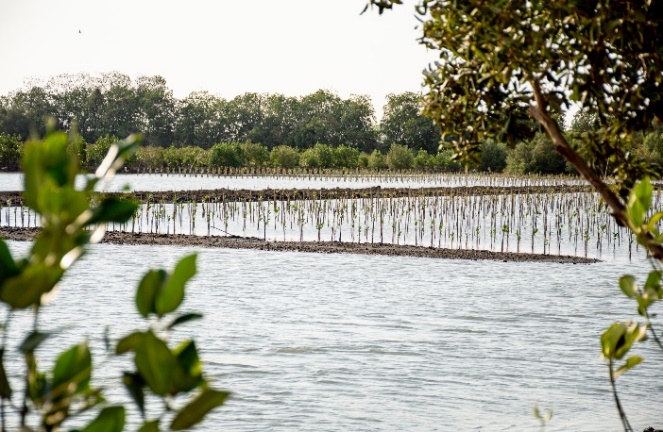
Additional photographs from the supplied mangrove-site record. Capture dates are not specified.
Forest learning and conservation photographs
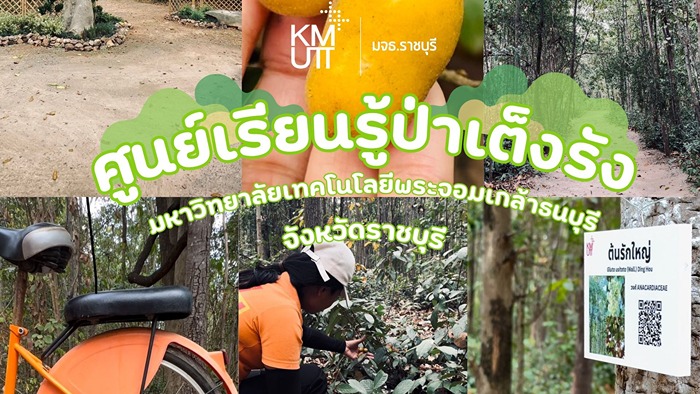
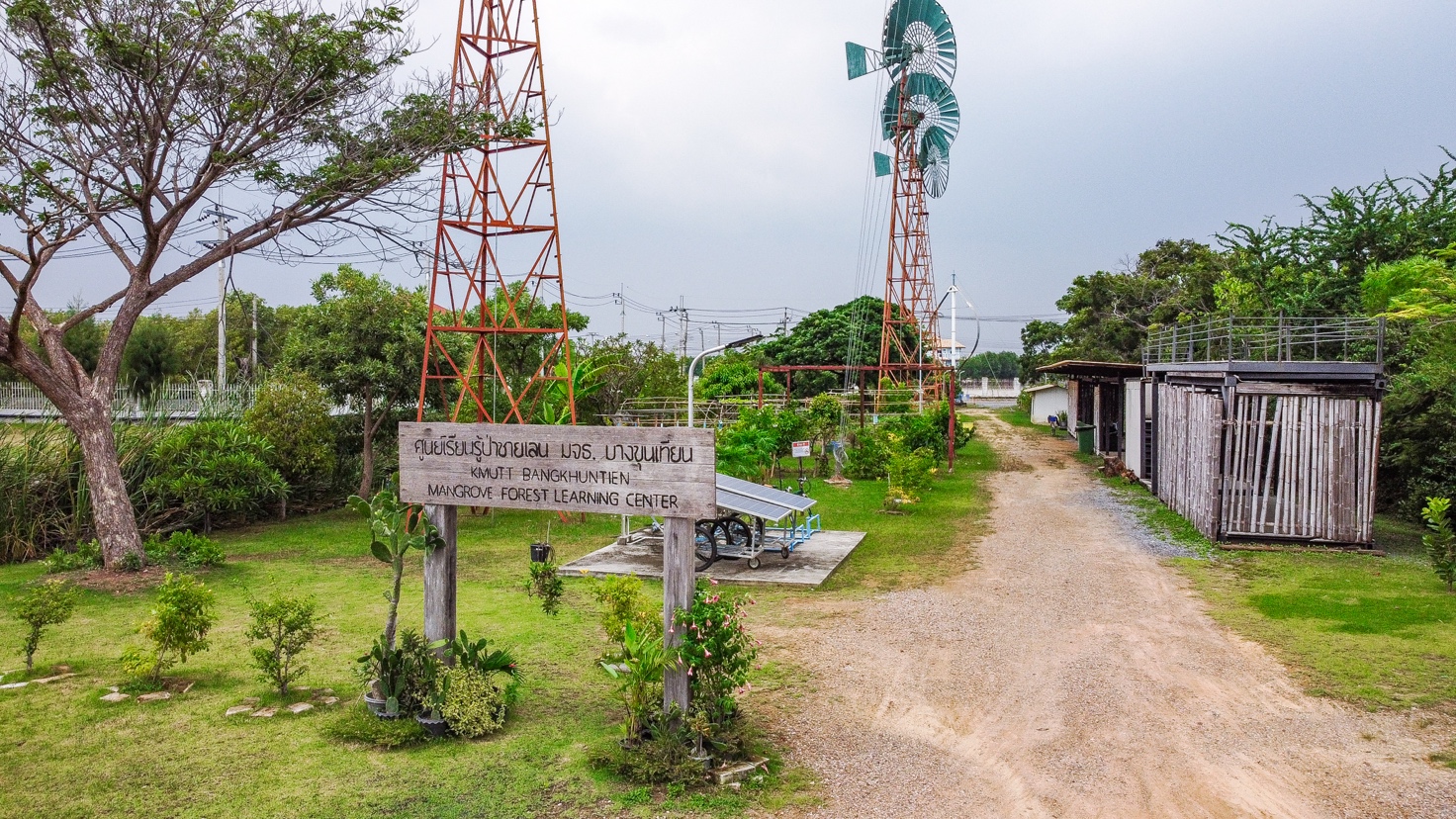
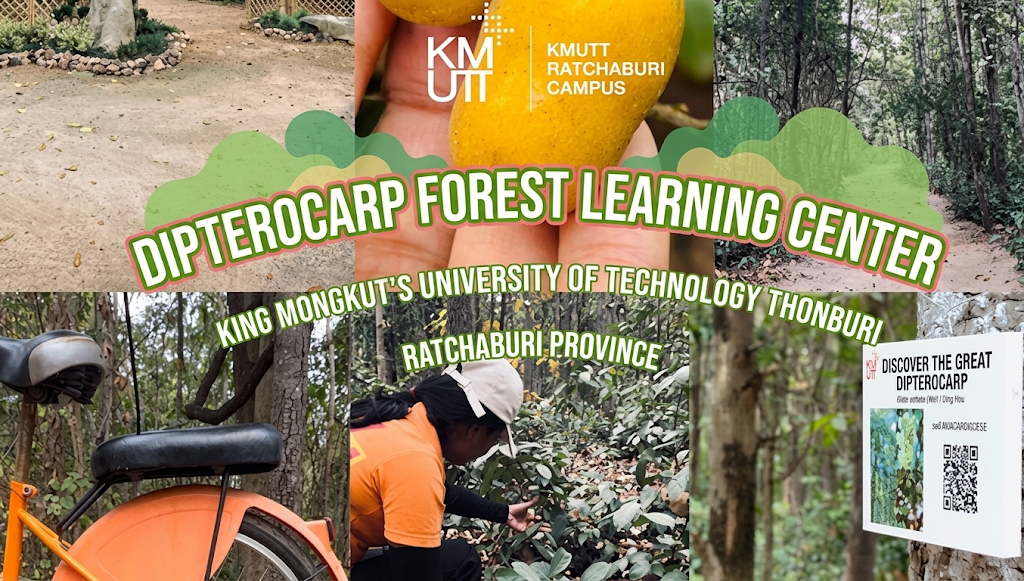
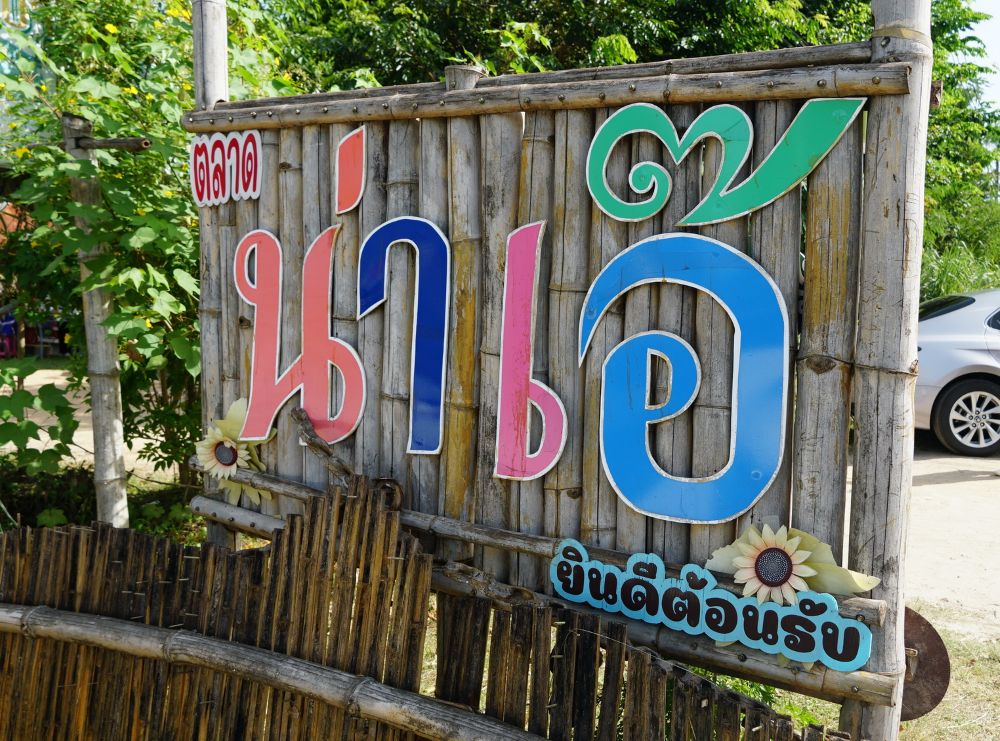
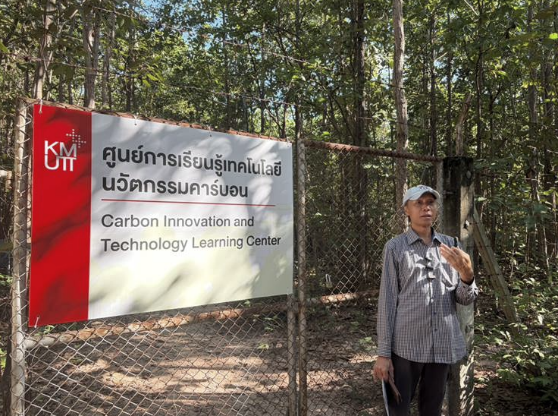
Original sign and communication image for the Ratchaburi Dry Dipterocarp Forest Learning Center.
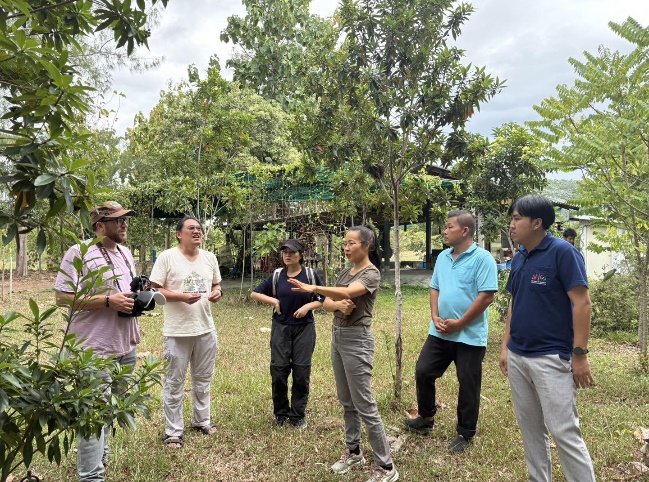
Additional forest field-learning, planting and guidance photographs. Capture dates are not specified.
Bee Park · pollinators, products and practical learning
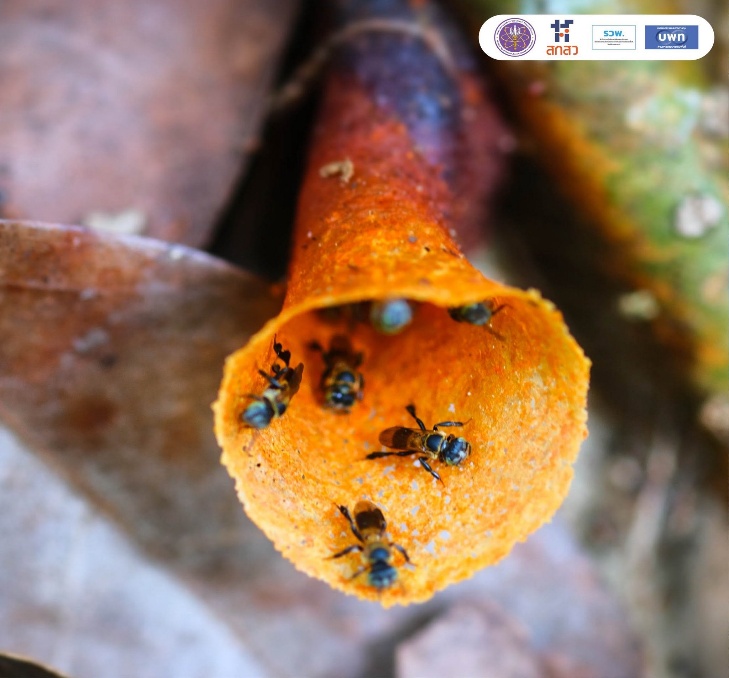
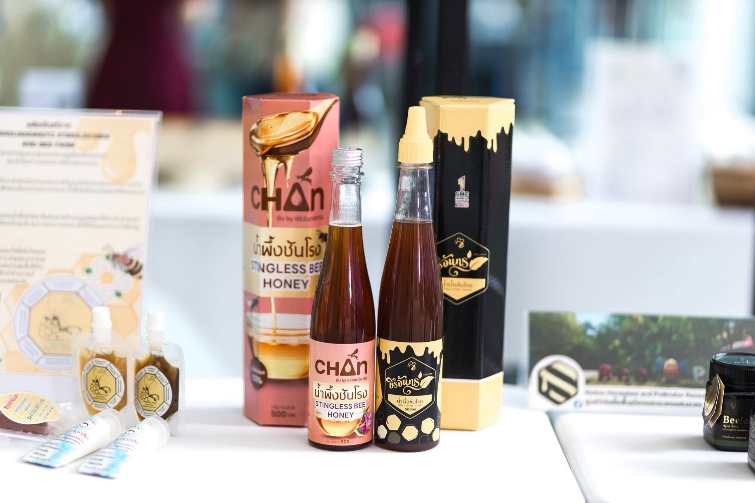
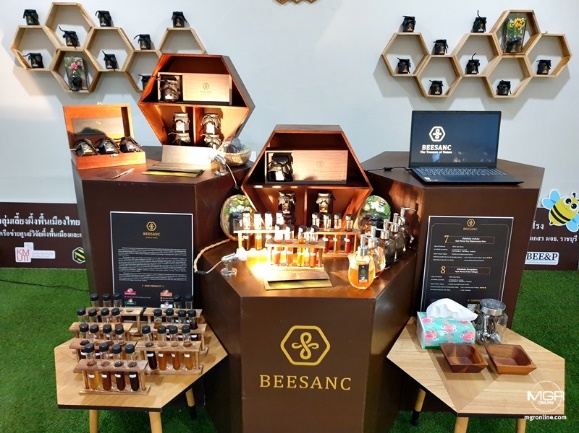
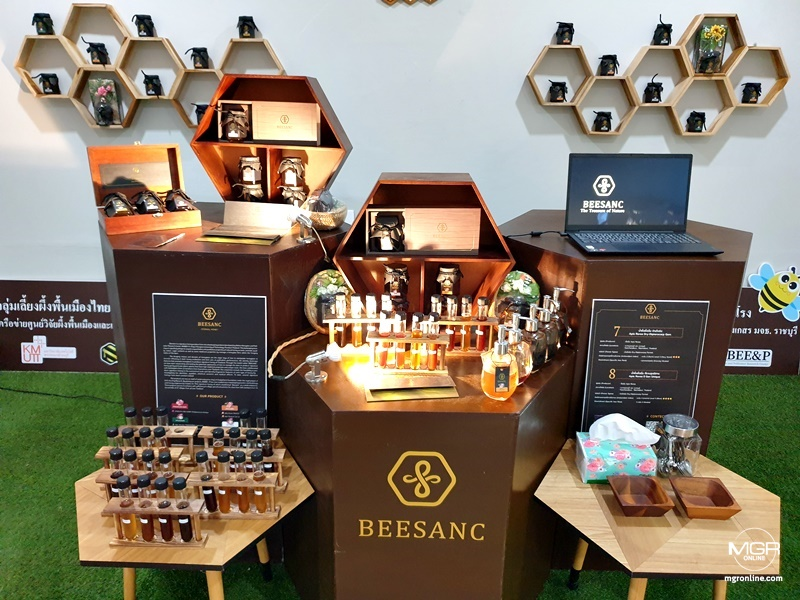
Supplied close-up pollinator communication image. The original logos and visual content are retained.Supplied honey and pollinator-related product display. Capture date is not specified.
Additional Bee Park field practice, honeycomb and learning-session photographs. Capture dates are not specified.
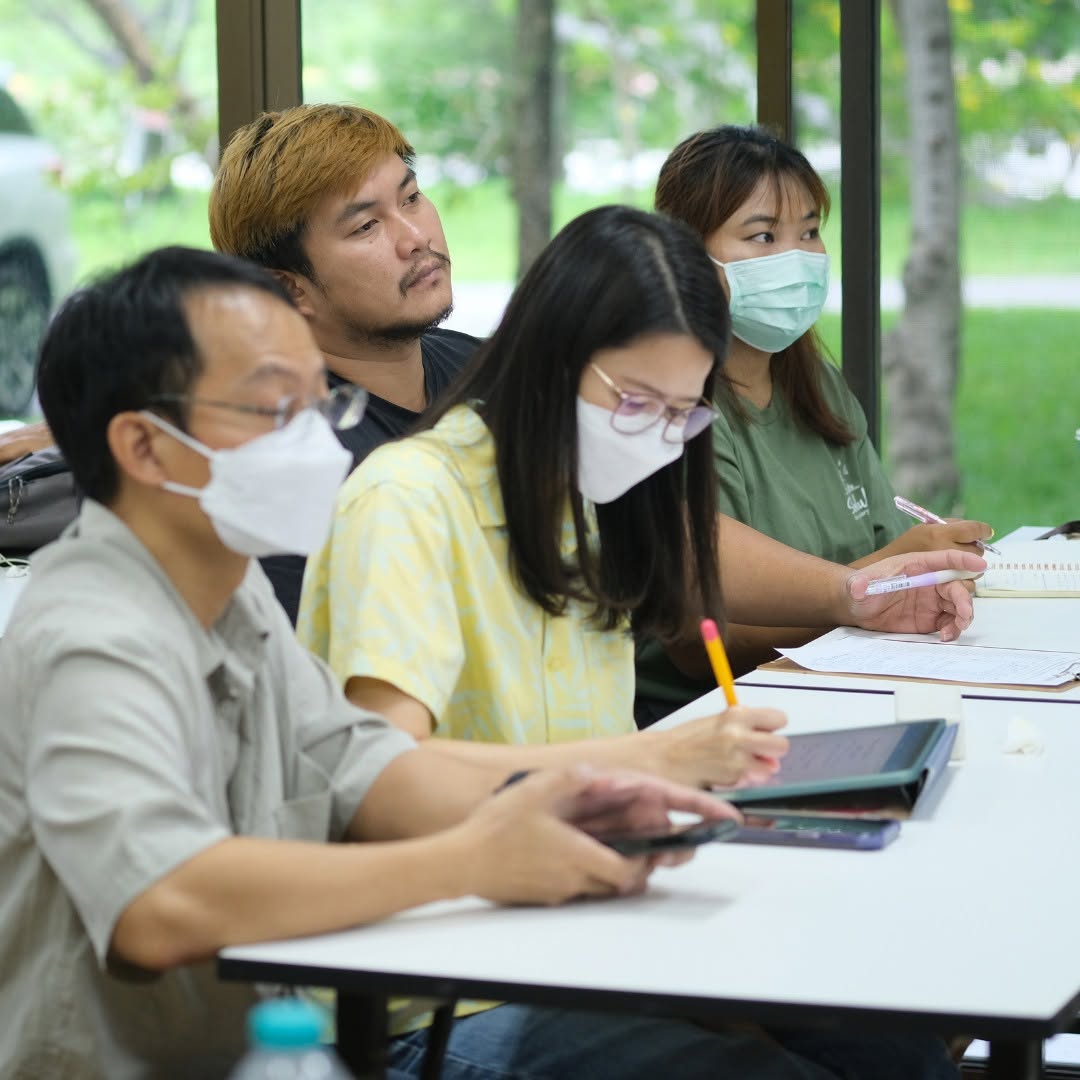
Additional Bee Park learning-session photograph. Capture date is not specified.
2. Related information on our university have policies to ensure that food on campus is sustainably farmed.
KMUTT promotes sustainable campus food provision through support for organic and pesticide free produce, campus vegetable growing and responsible management of food resources. The university’s food safety framework connects sustainable farm produce with food vendors and campus markets. Campus gardens provide practical examples of growing food and reusing organic materials.
Sustainable produce for campus food
The university’s public Food Safety framework identifies support for organic and pesticide free produce as a current initiative. It states that KMUTT partners with sustainable farms to supply pesticide free fruit and vegetables to campus food vendors and markets. It also sets out hygiene guidelines, regular food inspections, promotion of nutritious meals and action to reduce foam packaging. This is a published institutional direction; the webpage does not specify a signed adoption date or a campus wide certified organic purchasing percentage.
KMUTT Sustainability Report 2025 describes organic vegetable gardens at dormitories and other university community spaces. The report connects cultivation with consumption and trading, and describes the use of food and plant residues as fertilizer. It also records the Because We Care Valentine growing initiative. These examples connect sustainable production with campus food availability rather than treating food hygiene alone as proof of sustainable farming.
How growing and resource use connect to campus food
Practice · Connection to campus food provision
Sustainable farm partnerships
Organic and pesticide free produce for vendors and campus markets in the public Food Safety framework.
Dormitory and community gardens
Vegetables for consumption and trading, described in the 2025 institutional report.
Circular use of organic materials
Food and plant residues used to produce fertilizer for growing activities.
Food vendor engagement
Dated training on healthy menus, sanitation and food waste management on 21 February 2026.
Continuing engagement with food vendors · 2026
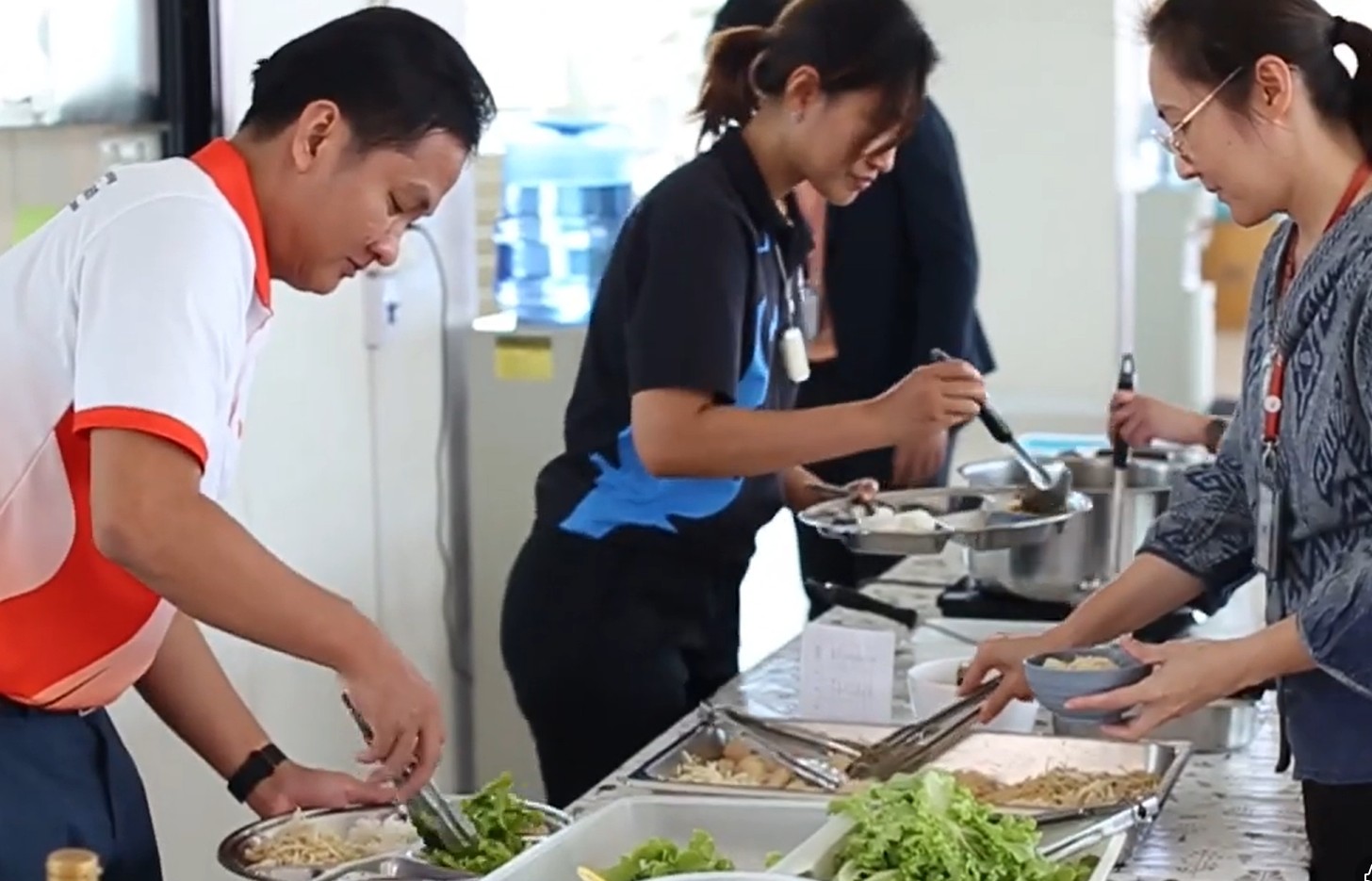
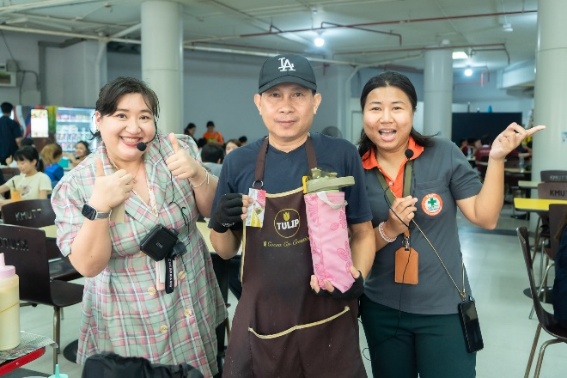
On 21 February 2026, EESH and the Health Care Unit organised food vendor health screening and sustainable food safety training at KMUTT Bangmod. Department of Health specialists addressed food establishment sanitation, personal hygiene and healthy menus. Practical sessions covered energy efficiency and food waste management. This activity demonstrates continuing engagement with campus caterers; it is not a certification of the farming practices of every ingredient purchased.
Campus food vendor training at KMUTT Bangmod on 21 February 2026. Authentic university event photograph.
Campus gardens and food growing
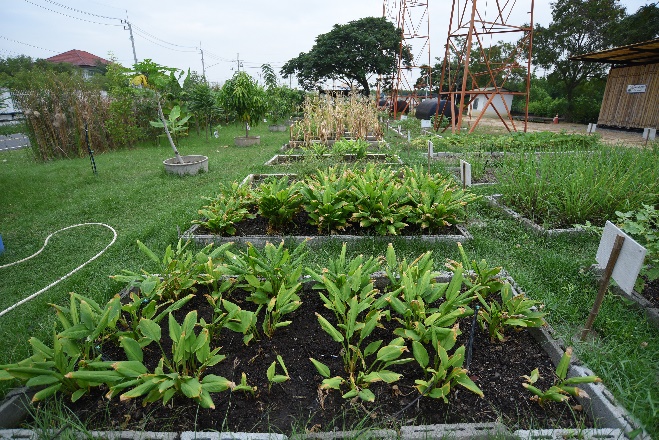
King Mongkut's University of Technology Thonburi (KMUTT) is committed to developing sustainable food growing practices on campus, which is an important part of promoting environmental sustainability and truly benefiting the university community. Sustainable food growing not only helps to create food security but also reduces environmental impacts through environmentally friendly agricultural practices.
Efficient use of space and resources
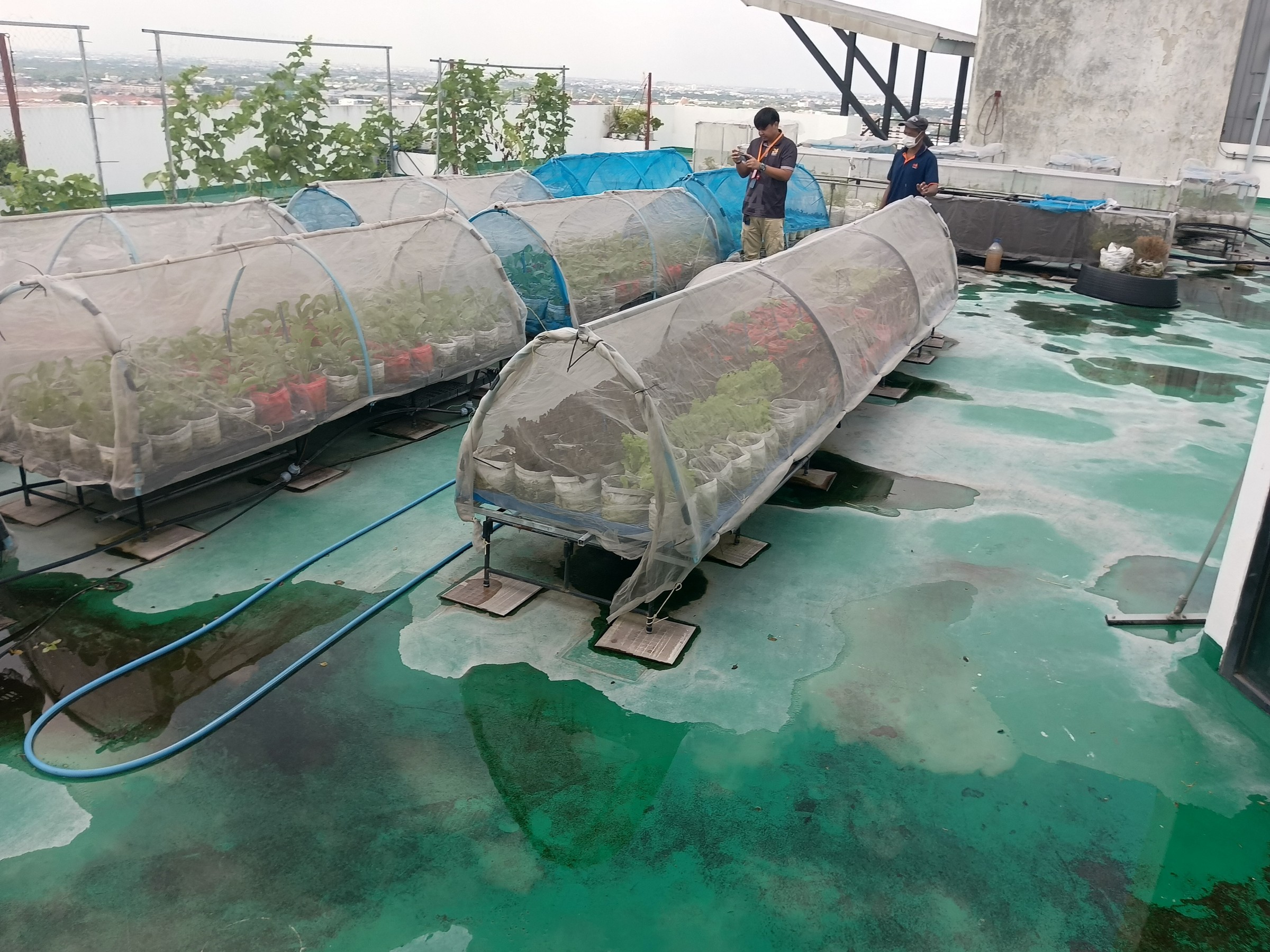
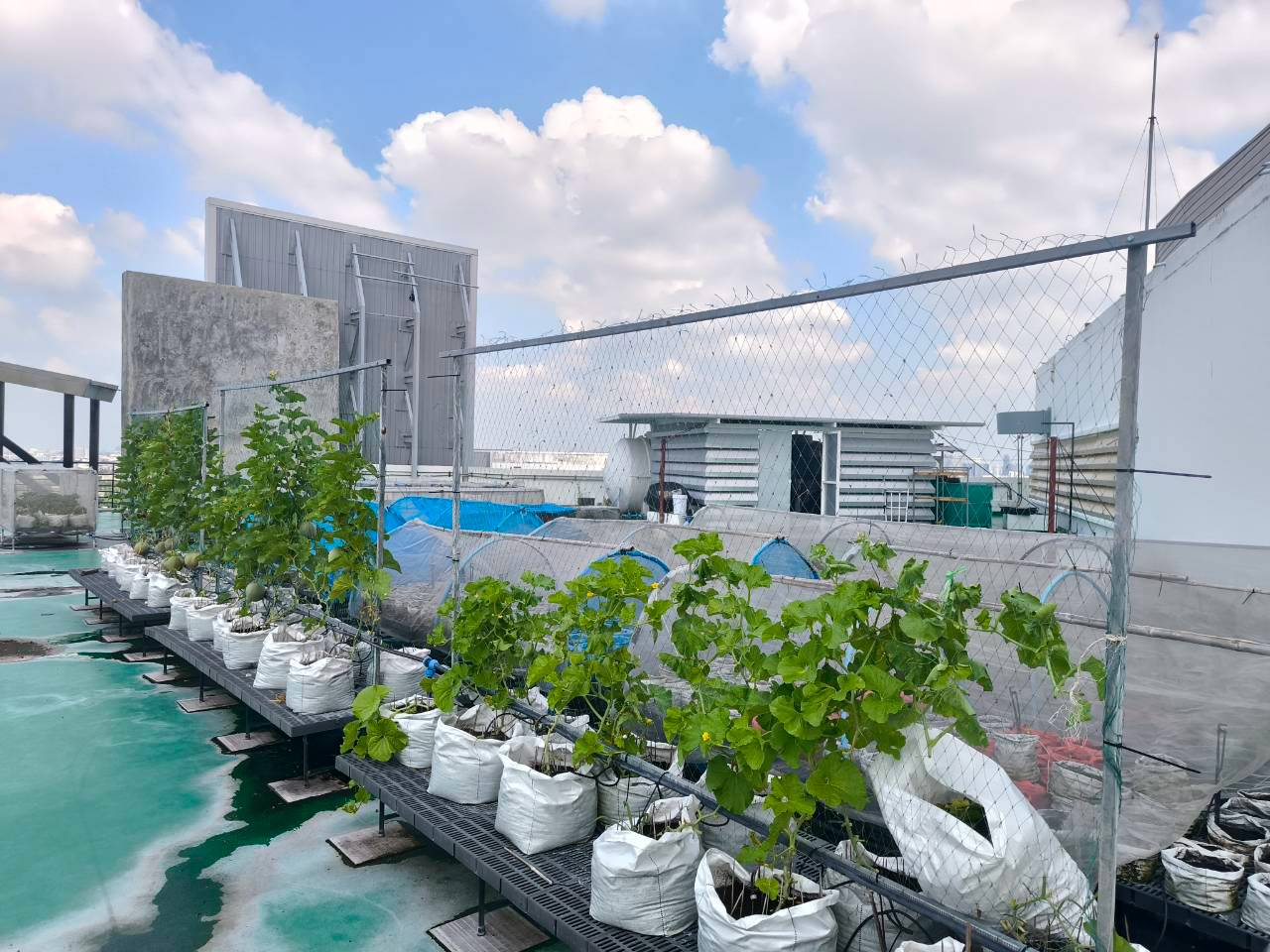
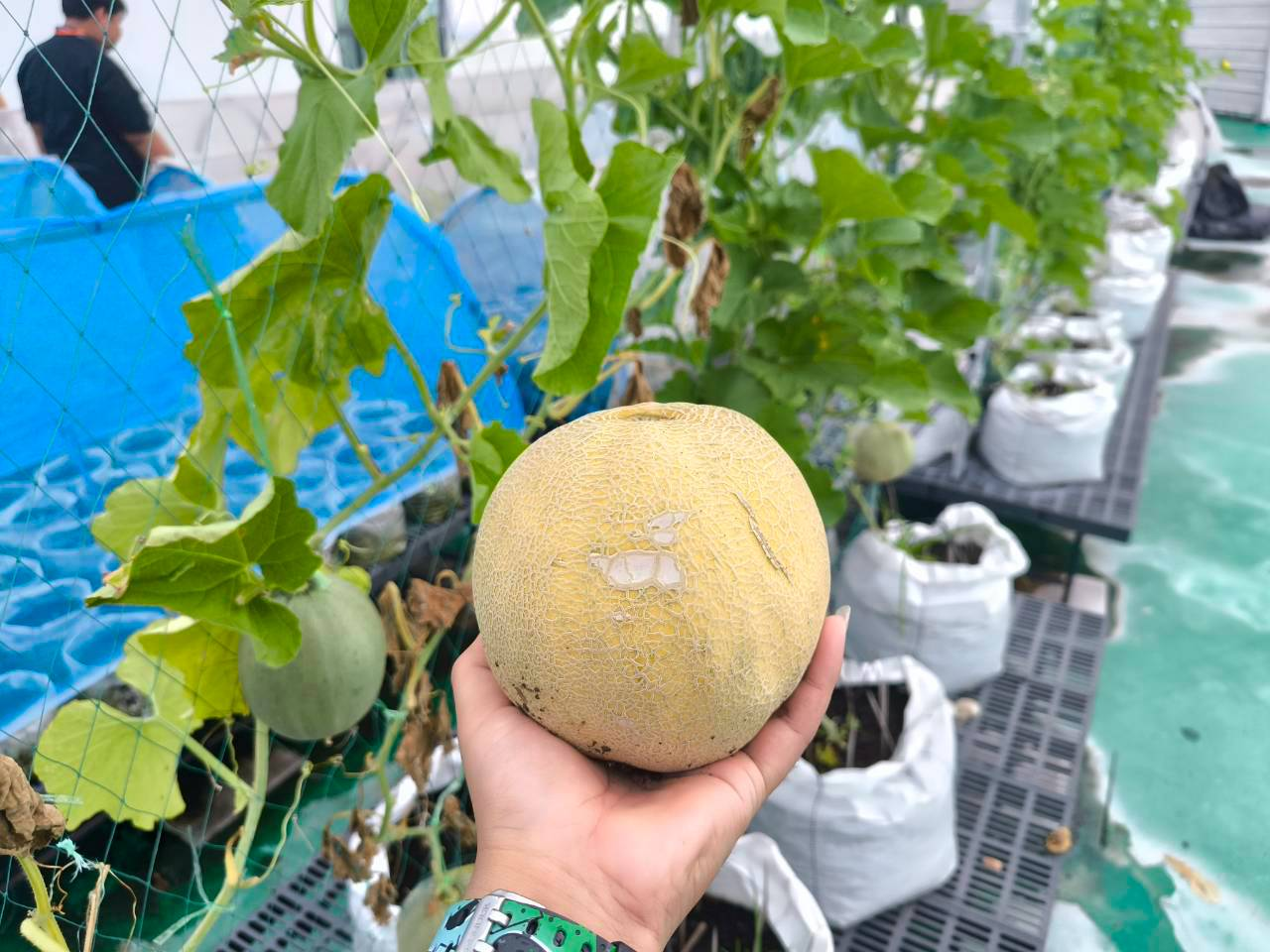
KMUTT has allocated some areas of the university as ecological farming areas, using various growing techniques such as vertical gardening, greenhouse farming, or hydroponics, which help to maximize the efficiency of land and water usage, while reducing the use of chemicals, with an emphasis on using organic fertilizers produced on campus.
Promoting learning and research
Sustainable food growing on campus is also part of creating learning experiences for students and staff. The university organizes research projects on resource-saving growing techniques and increasing agricultural productivity to give students the opportunity to experiment. This learning fosters new innovations that can be applied to sustainable agriculture in society at large.
Building communities and self-reliance
Growing food on campus is another way to help create a closer community among KMUTT members, such as organizing joint harvesting activities or exchanging knowledge about planting and caring for plants, which creates self-reliance and understanding about sustainable resource use in society.
Using produce in daily life
Produce grown on campus will be used in the university’s cafeteria, allowing everyone to eat fresh, chemical-free food. In addition, surplus produce is sold to students and staff at affordable prices, supporting the circular economy in the community and reducing waste.
Leadership in sustainable agriculture
KMUTT is committed to being a leader in creating knowledge and sustainable agricultural methods that can be disseminated and expanded in other communities, focusing on working with organizations that support environmental approaches, as well as promoting collaborative learning with public and private institutions to apply the knowledge and techniques developed at the university to the community and national level.
Inside KMUTT · growing for consumption and trading
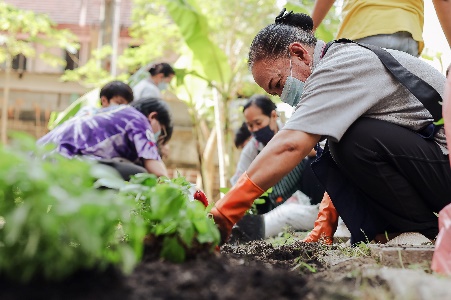
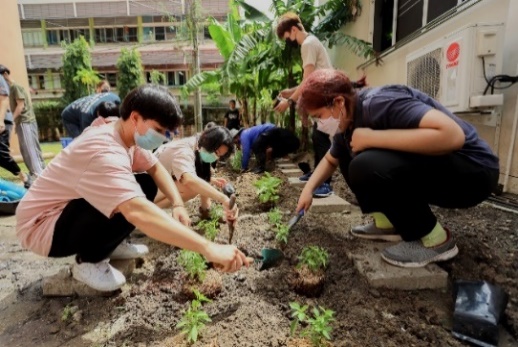
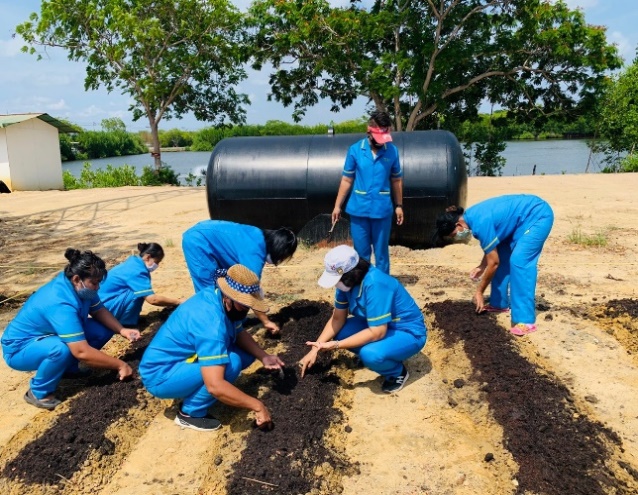
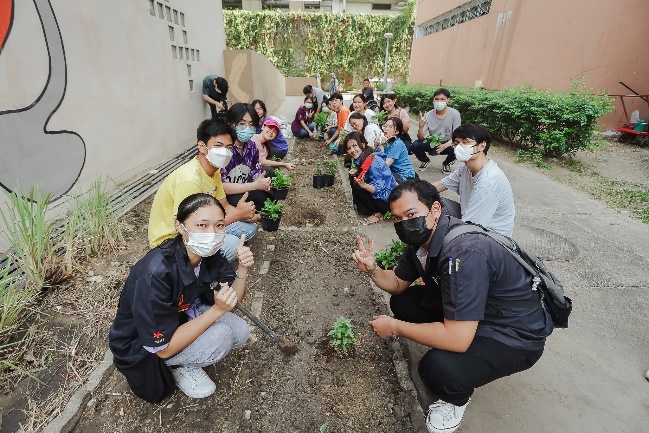
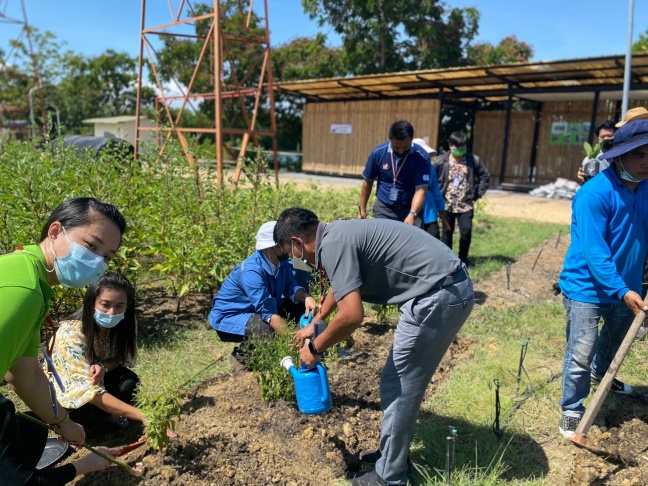
KMUTT has a project to create food security and support the well-being of students, personnel and communities. Students and personnel help carry out the activities and gain practical skills and experience, guided by the philosophy of sufficiency economy. Areas are allocated according to the activities: Part 1 is organic vegetable gardening in student dormitory areas for students or staff to consume. Part 2 is organic vegetable gardening for trading with university personnel and the community, using compost made from leaves and branches within the university as fertilizer for the gardens.
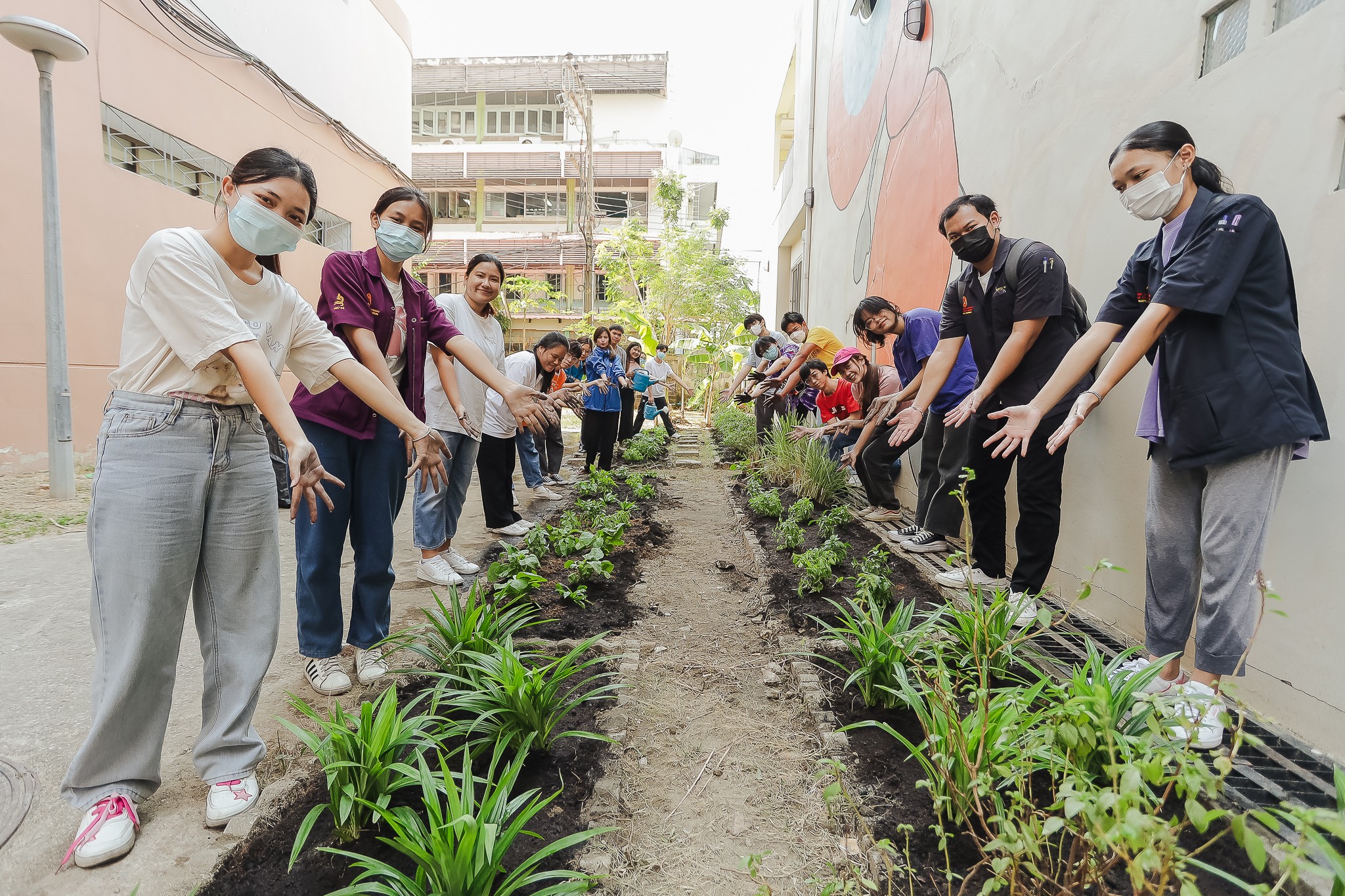
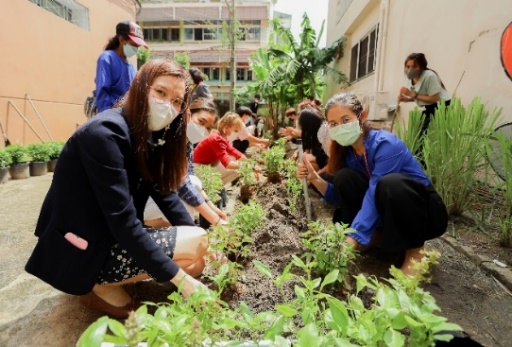
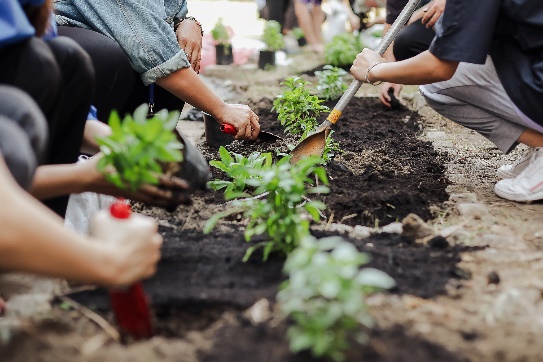
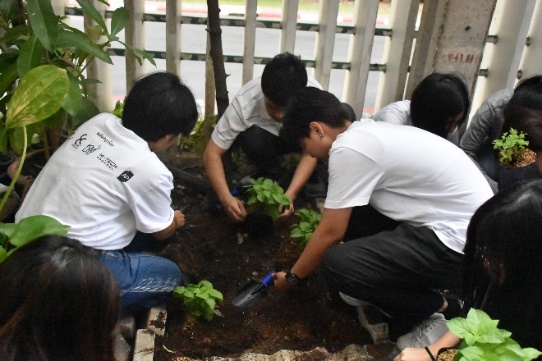
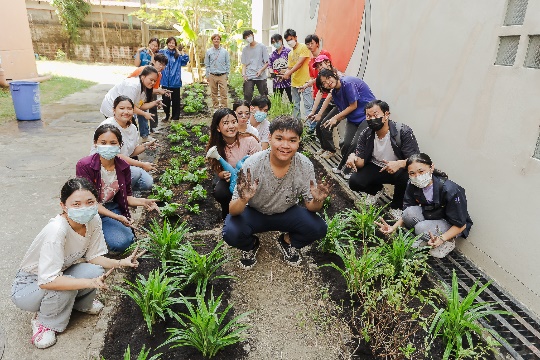
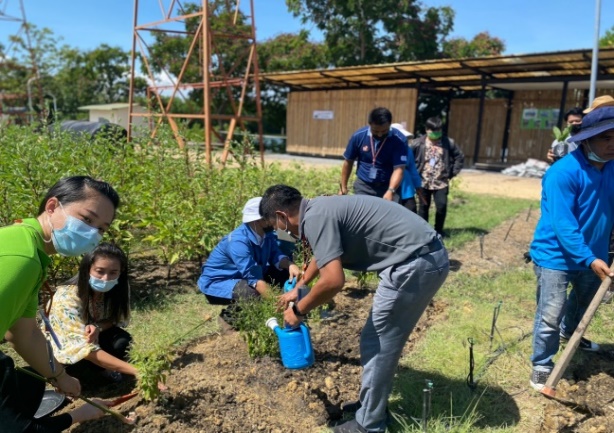
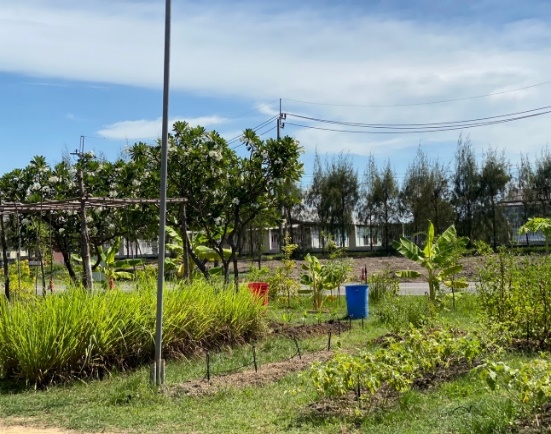
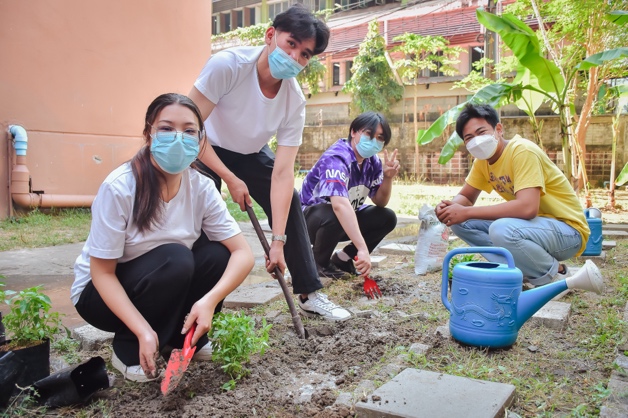
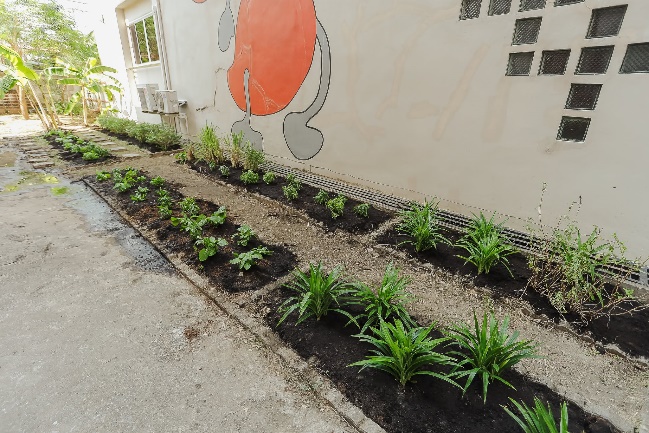
Campus planting photographs supplied with the institutional garden record. Original period and project context apply; no new activity date is assigned.
Cultivating campus food crops
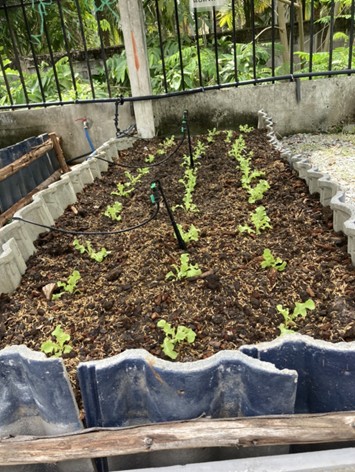
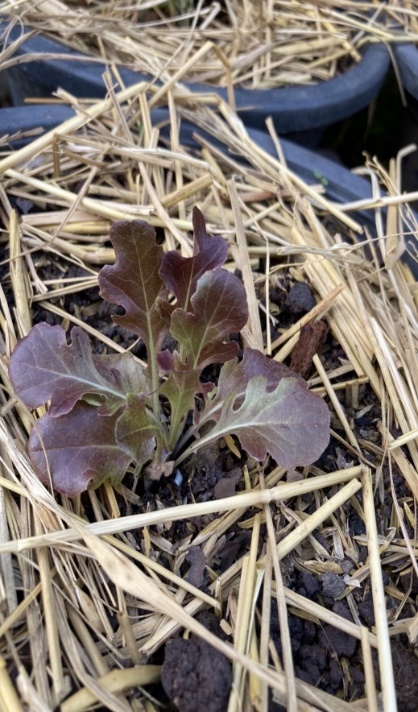
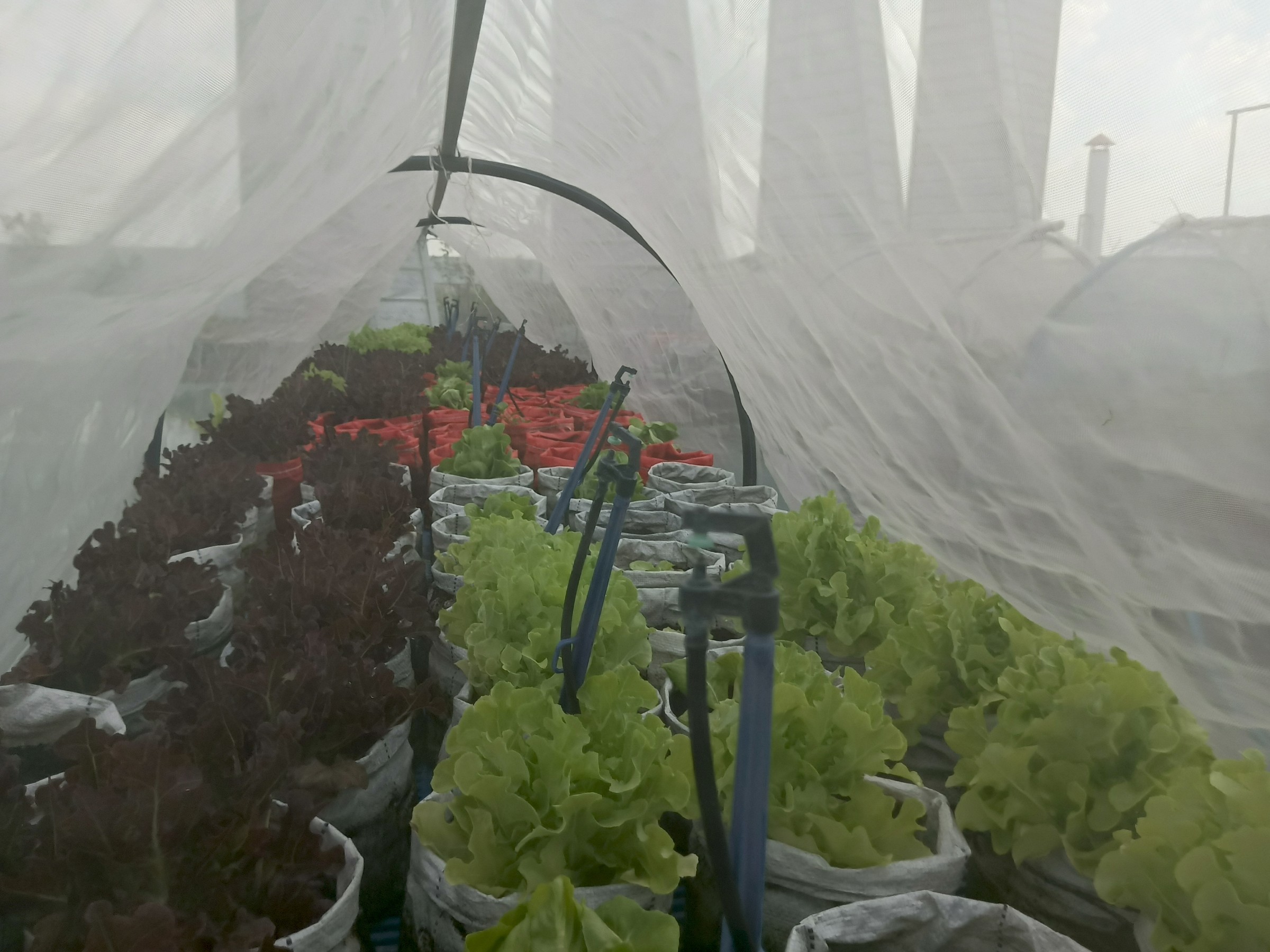
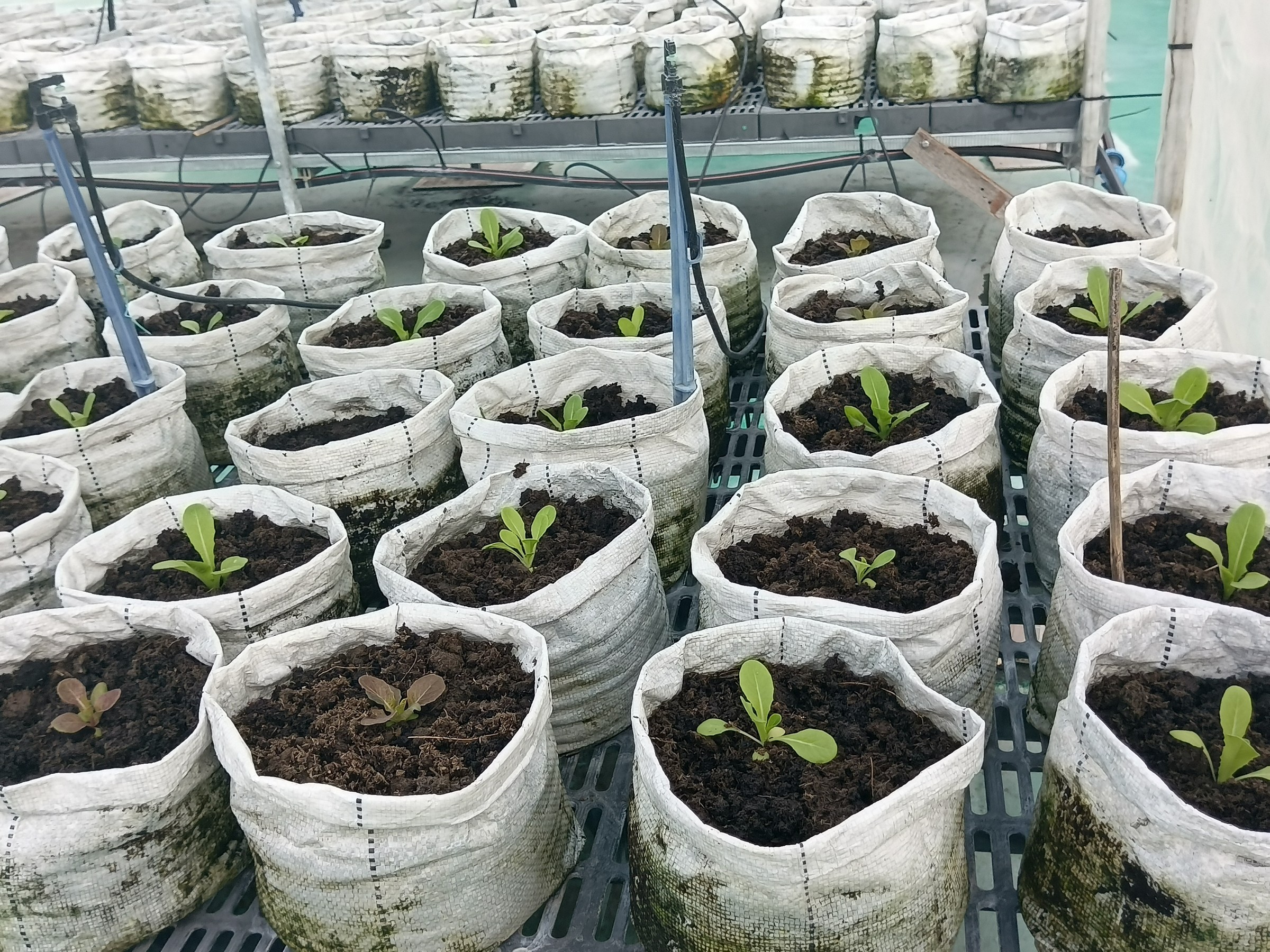
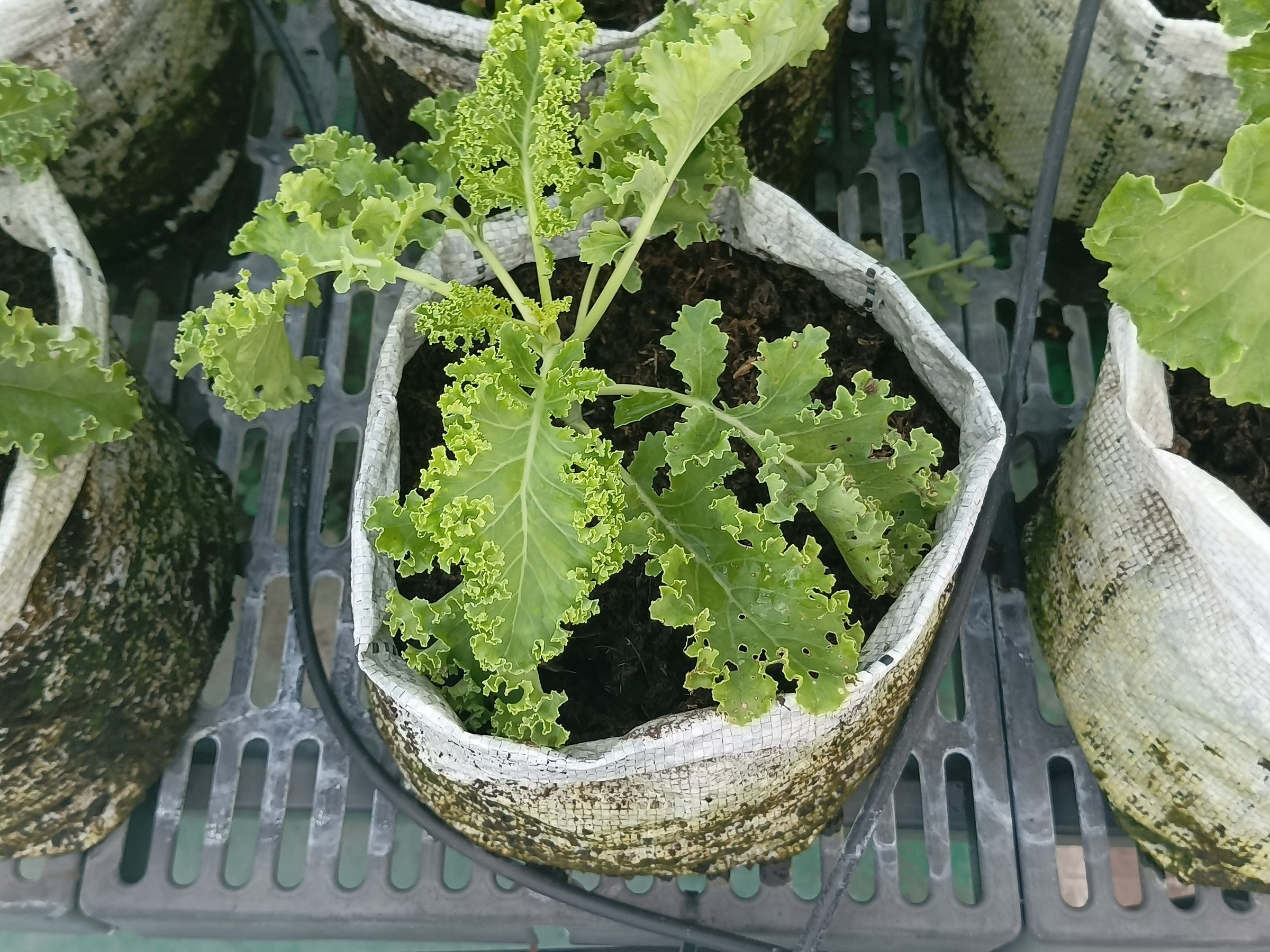
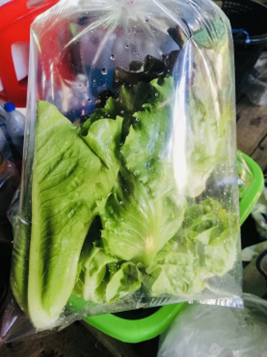
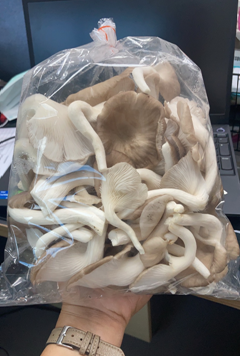
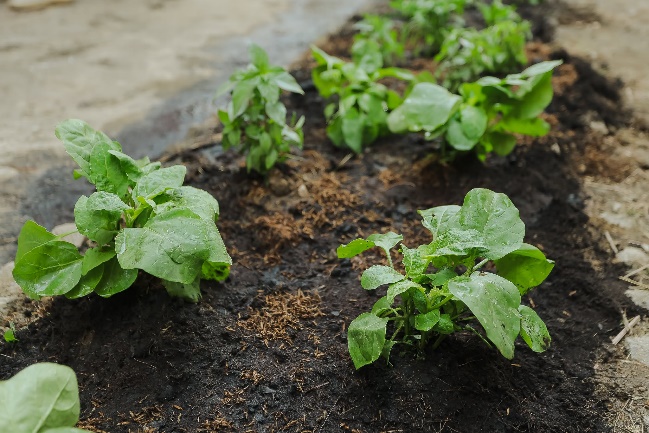
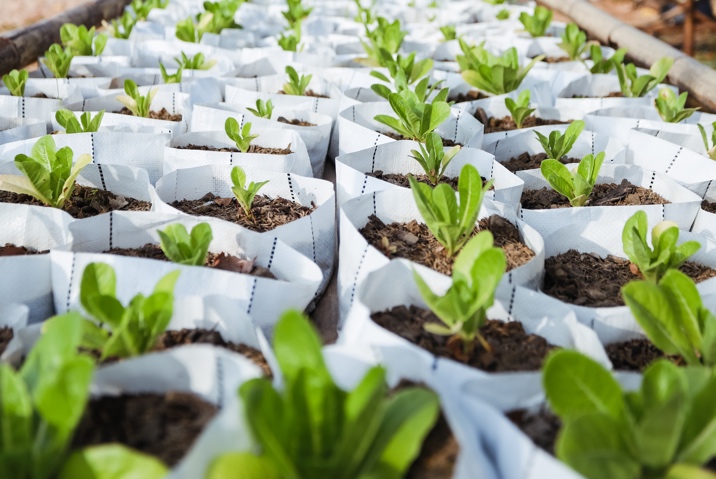
Cultivation of various vegetable gardens by starting to plant water spinach, lettuce, fairy mushroom, Guangdong.
Harvesting and vegetable-garden photographs from the supplied campus growing record. Dates are not specified.
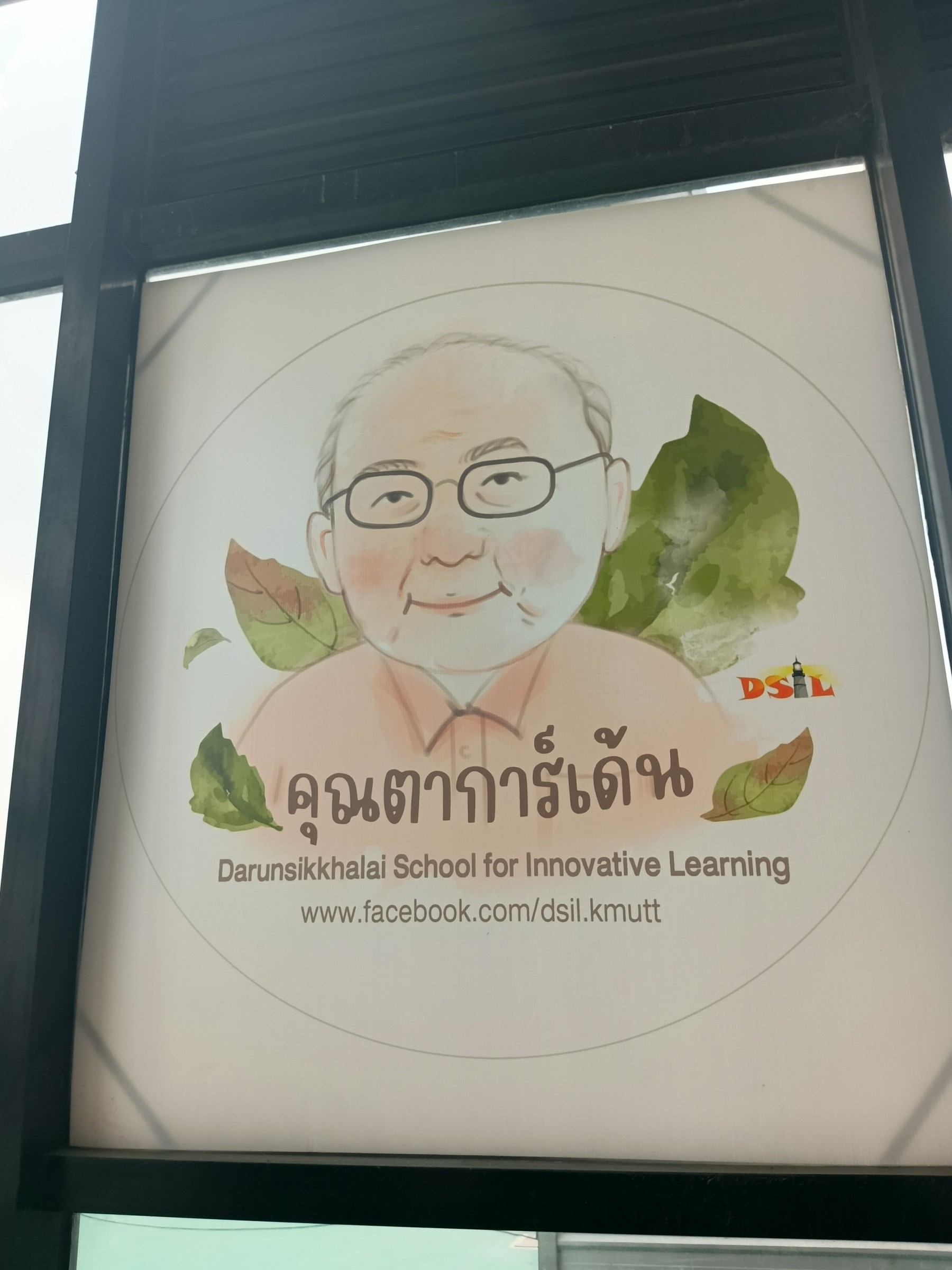
Khun Ta Garden · Darunsikkhalai Sky Vegetable Garden
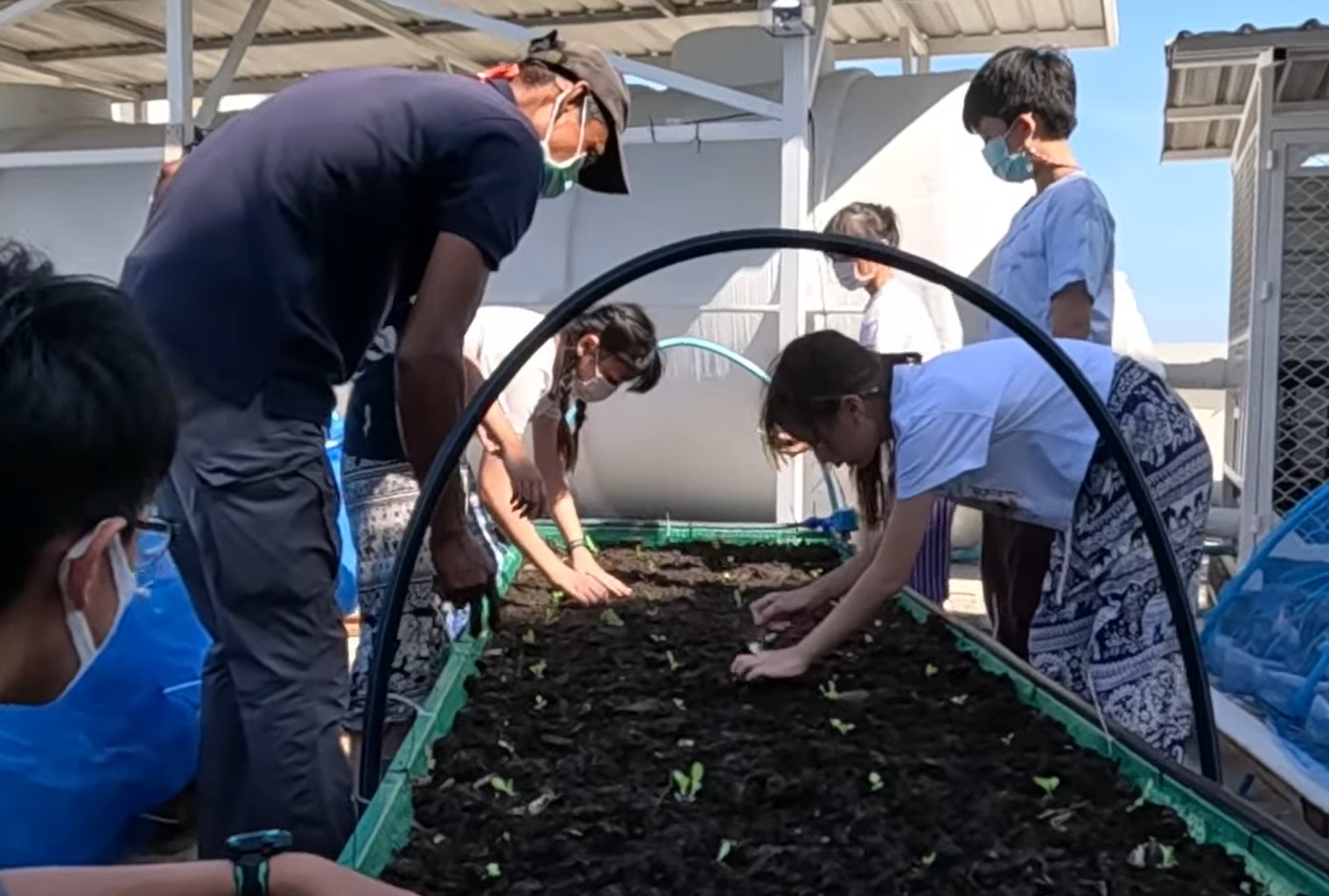
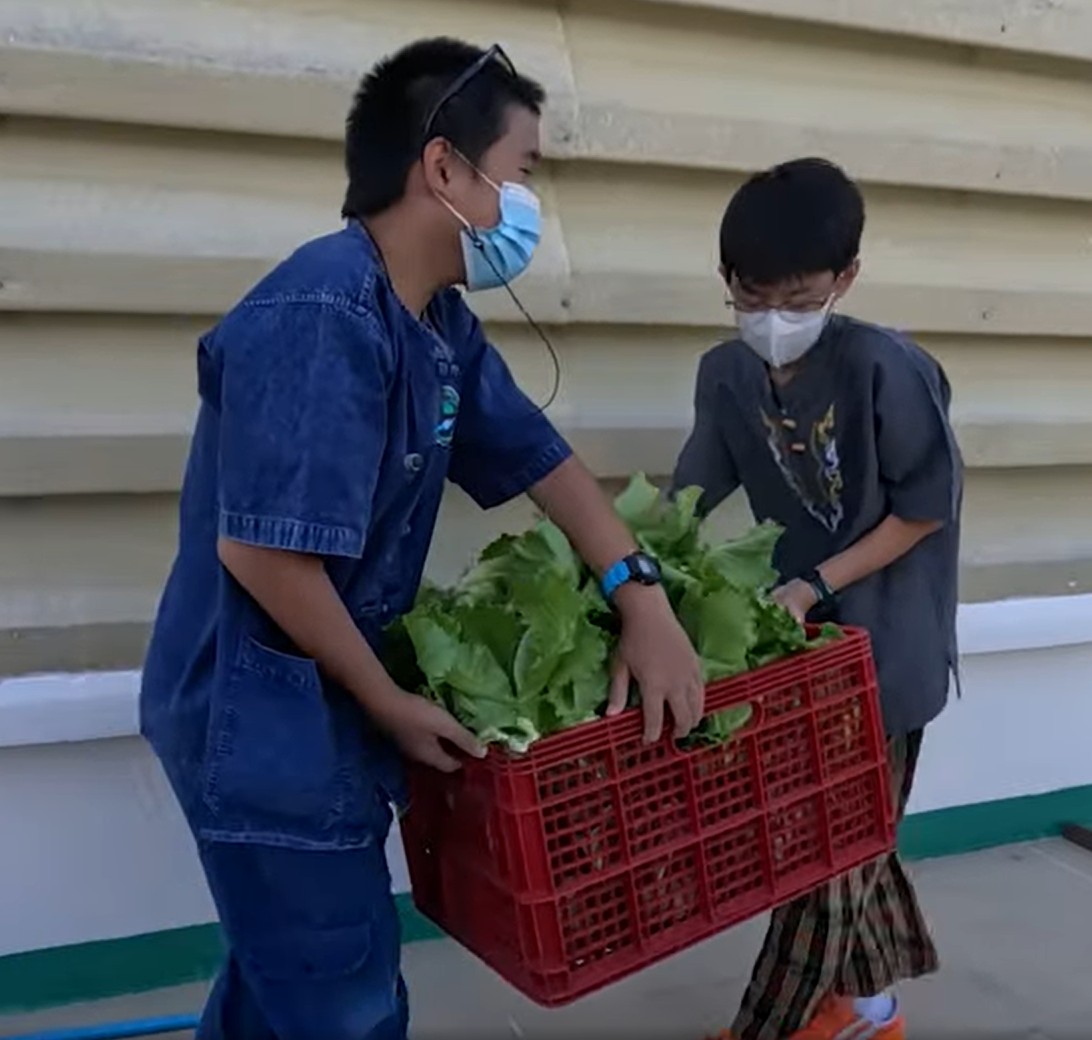
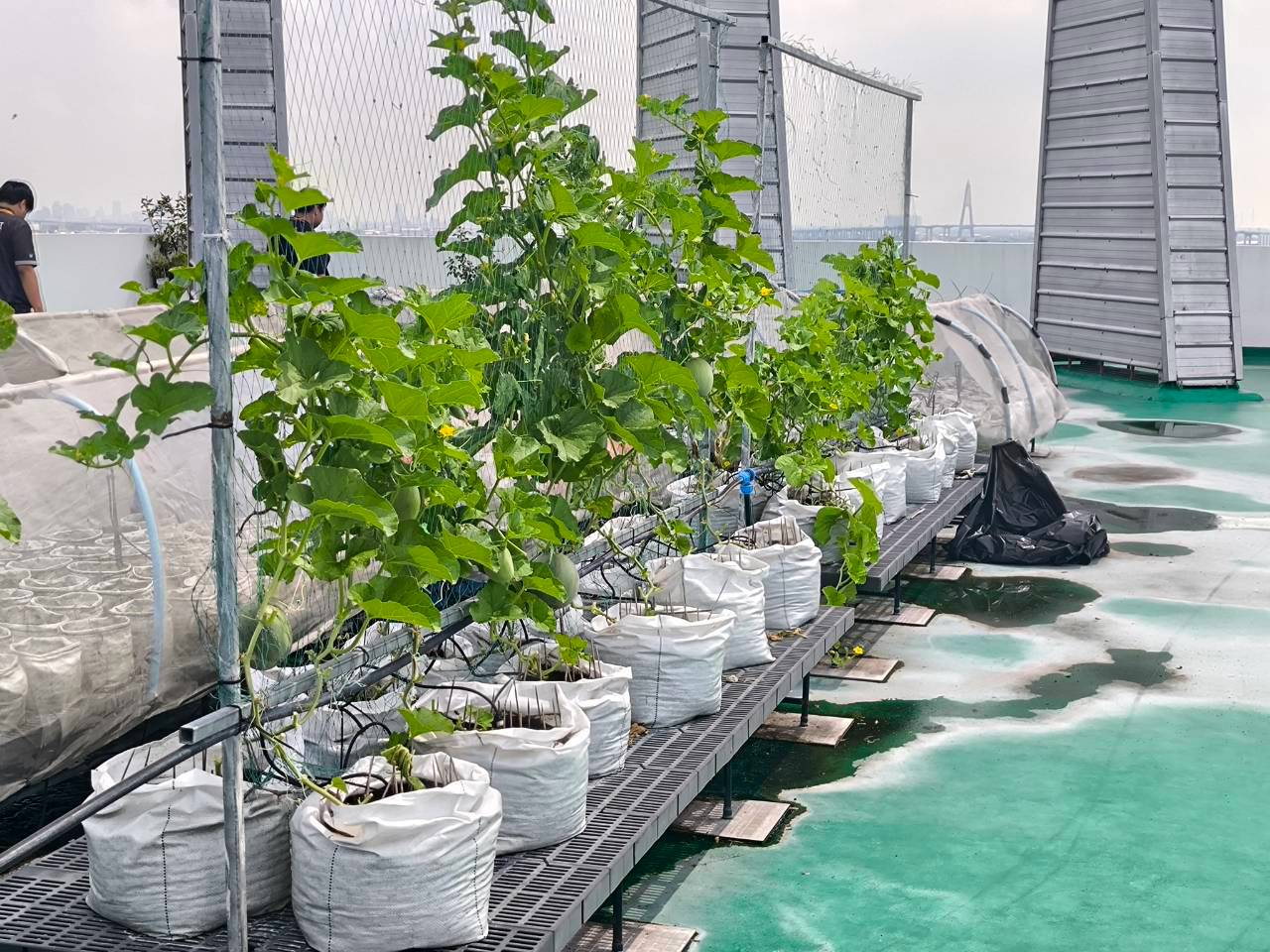
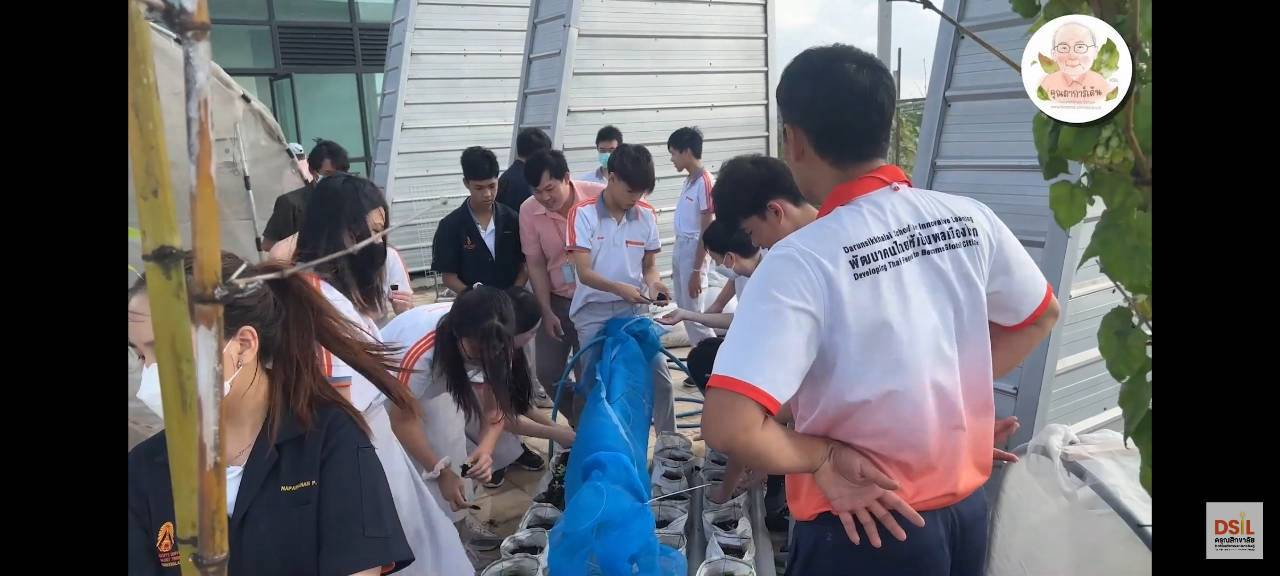
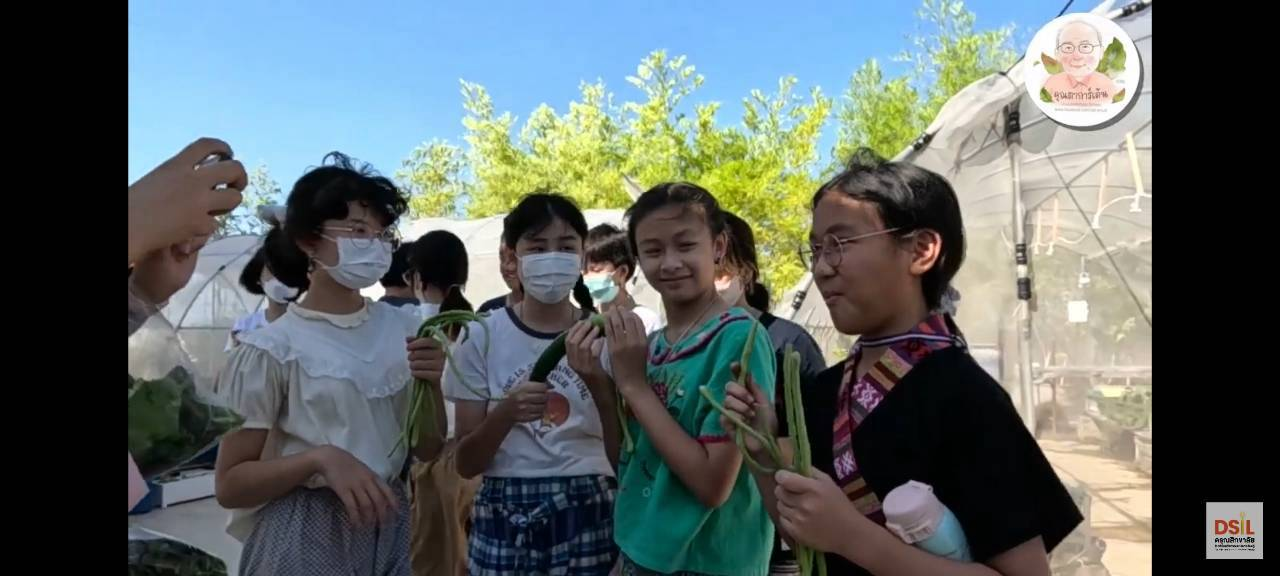
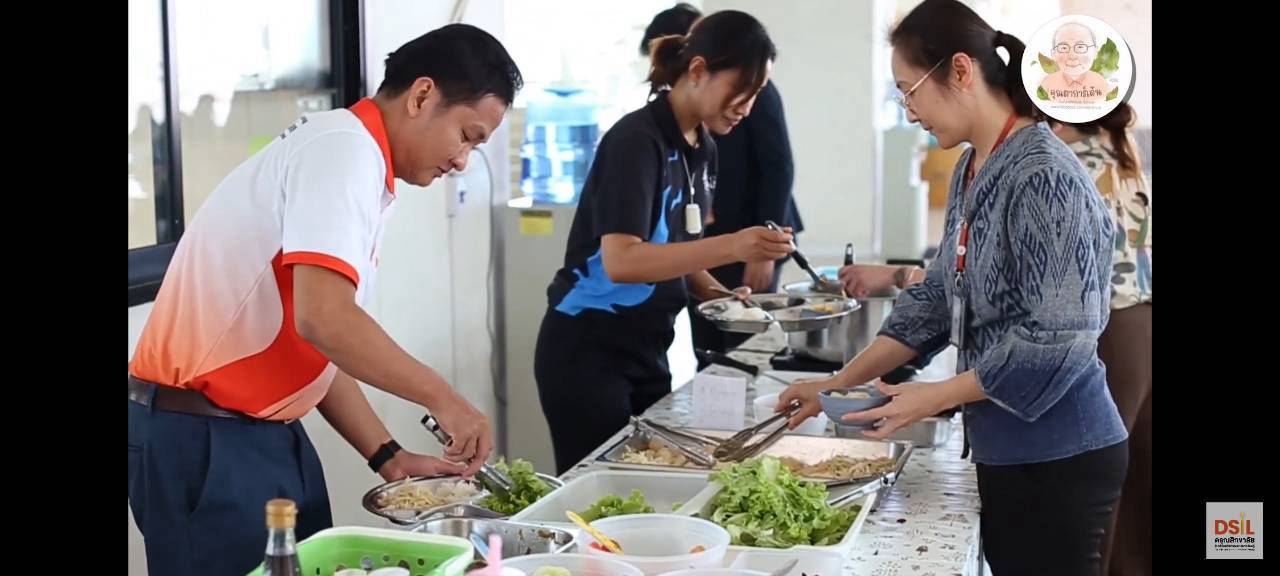
Darunsikkhalai School for Innovative Learning promotes environmental awareness and sustainable living through hands-on vegetable gardening activities at Khun Ta Garden: Darunsikkhalai Sky Vegetable Garden. Students actively participate in planting and growing vegetables as part of their learning experience, gaining practical knowledge about plant cultivation, food production, and the importance of natural resources. The harvested vegetables are used for consumption, encouraging students to appreciate locally grown food and understand the value of sustainable food production.
Darunsikkhalai school-garden planting and learning photographs from the supplied record. Capture dates are not specified.
Harvest and distribution to university personnel
More than 200 kg
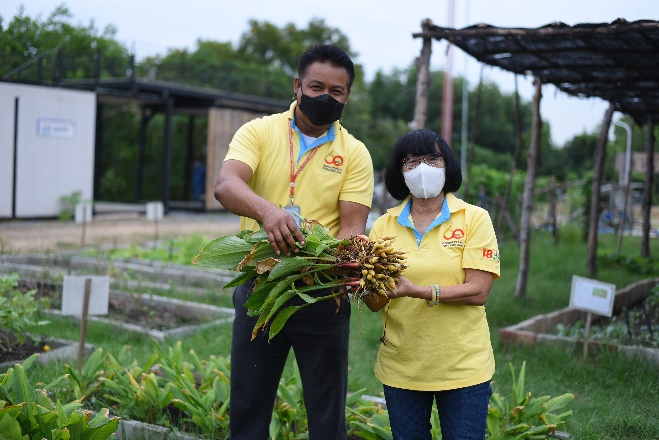
The yield from the cultivation of vegetables in the kitchen garden is more than 200 kg.
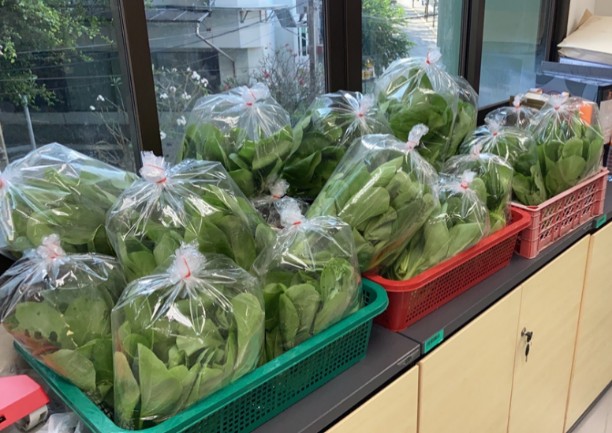
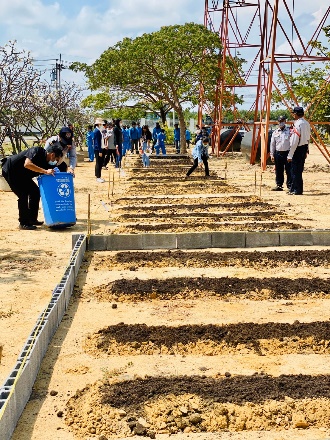
The garden descriptions, crop photographs and distribution records that follow provide the institutional account of on campus growing. The supplied quantity of more than 200 kilograms is retained as reported; it is not recalculated as a newly measured 2026 harvest. Activities explicitly associated with the COVID 19 period retain that historical context.
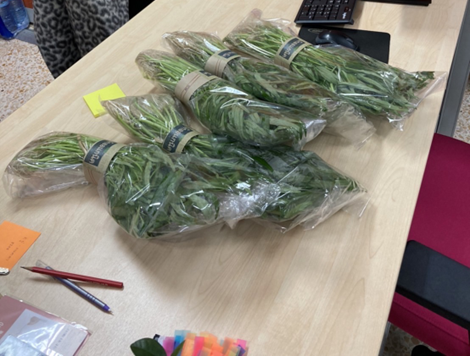
Bagged produce from the supplied university personnel distribution record. The reported harvest quantity is not a newly measured 2026 total.
Organic residues returned to cultivation
The organic compost of King Mongkut's University of Technology Thonburi (KMUTT) has been developed to support sustainable and environmentally friendly agriculture by using natural raw materials that can be found locally, such as vegetable scraps, leaves, and food scraps from the university's cafeteria, through a composting process that focuses on reducing waste and reusing it effectively.
The highlight of KMUTT organic compost is the use of natural microorganisms to accelerate the decomposition process, resulting in a fertilizer rich in nutrients and free from chemicals, suitable for soil nourishment and promoting plant growth. It also helps improve soil structure, reduces reliance on chemical fertilizers, and helps restore the environment. KMUTT encourages students and staff to participate in the production and use of this organic compost in the university's agricultural areas.
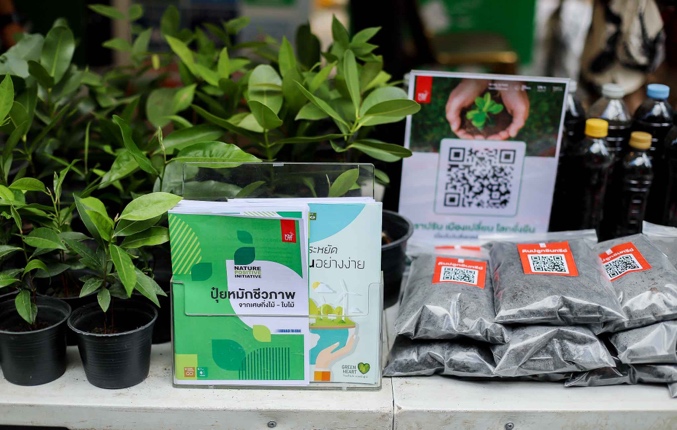
Supplied organic fertilizer and growing-material display. Original labels are retained in the whole photograph; no new certification is inferred.
Inclusive lettuce cultivation · KMUTT Ratchaburi
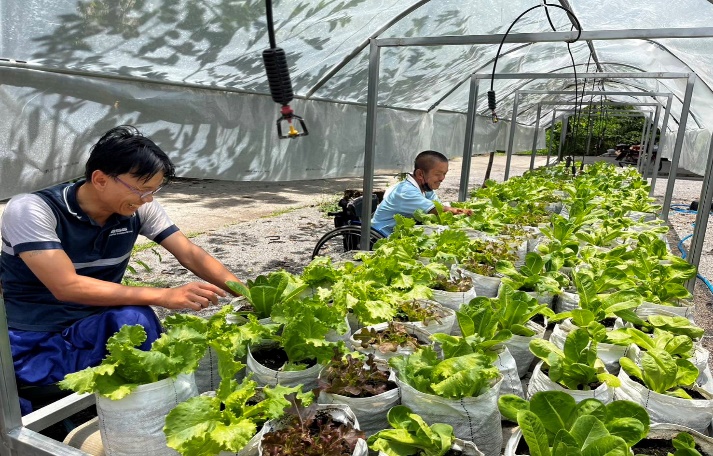
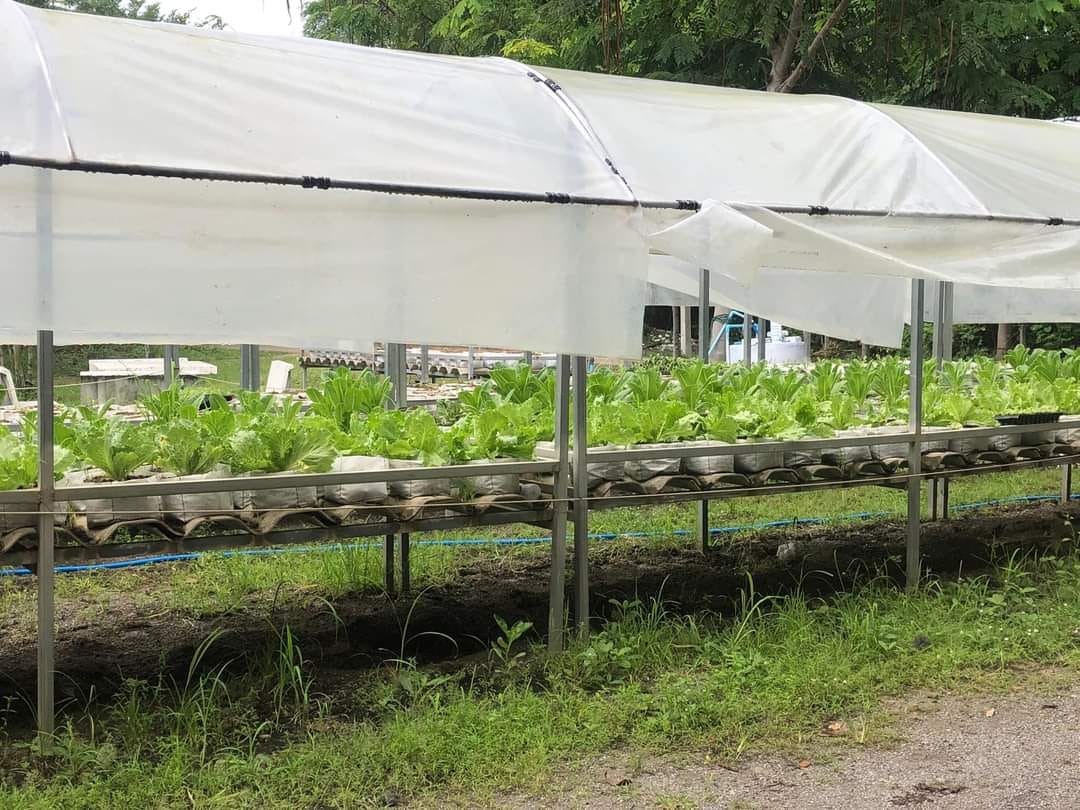
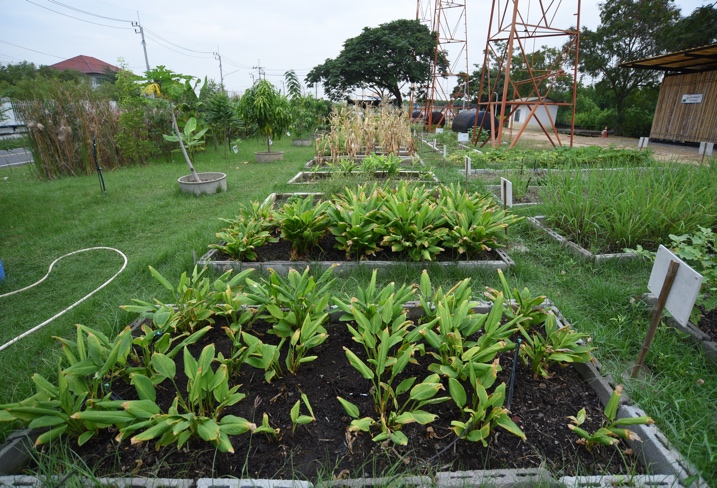
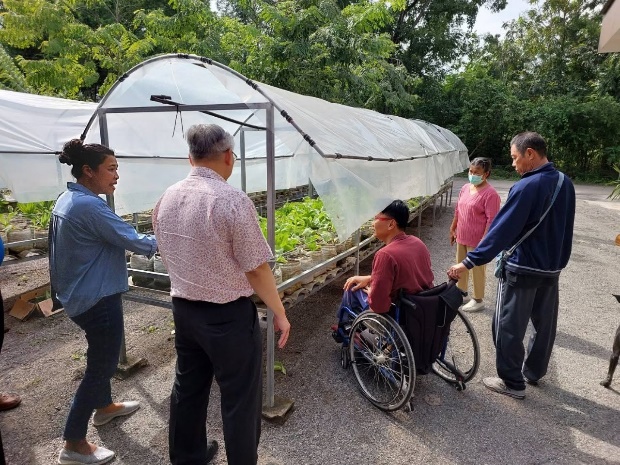
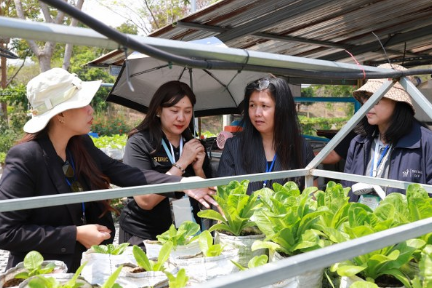
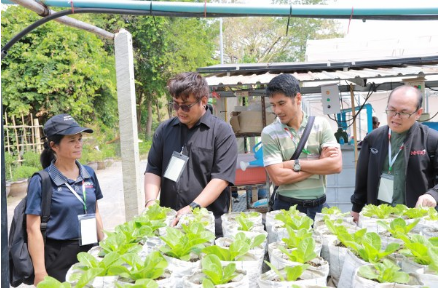
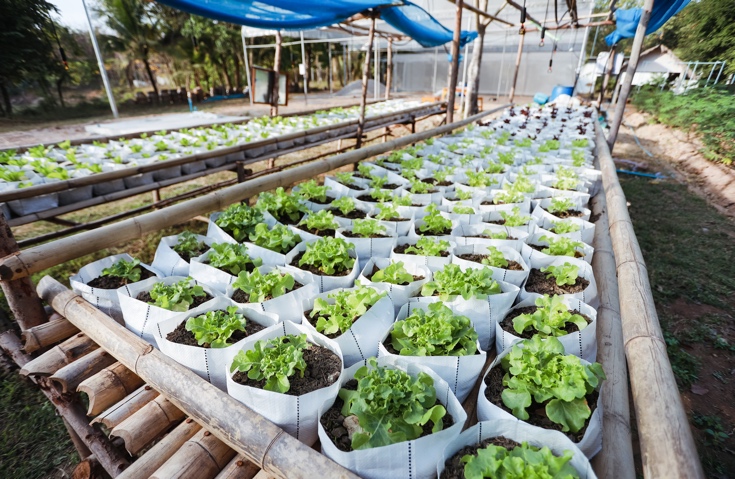
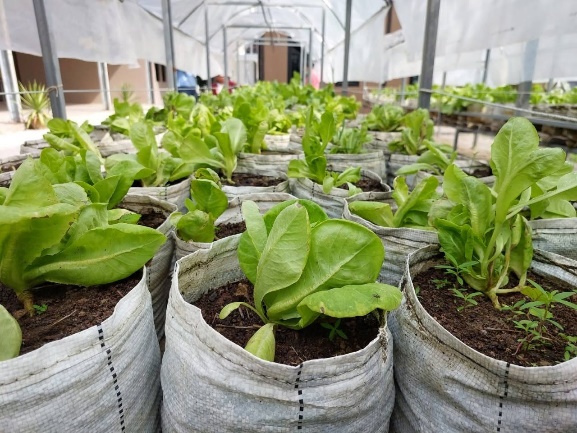
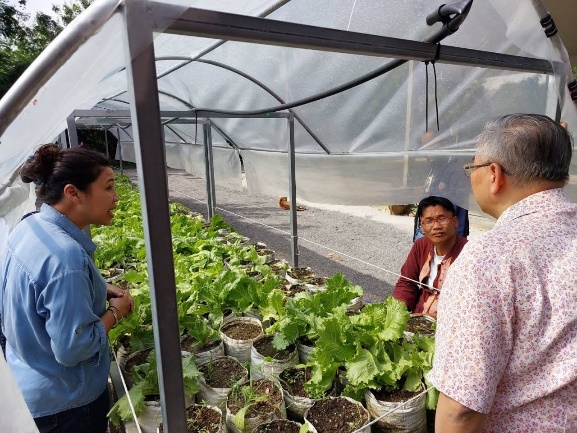
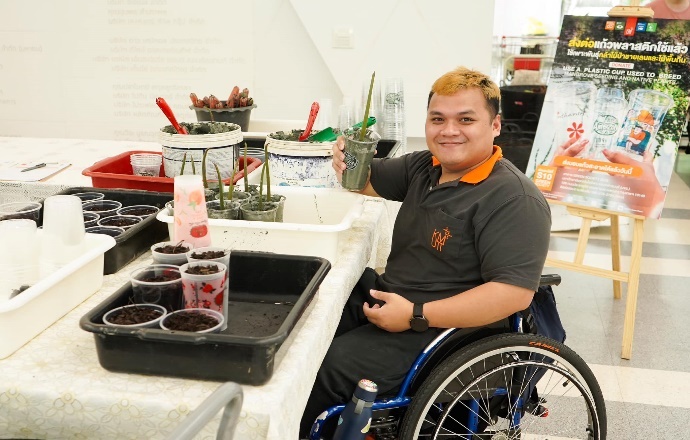
The Chemical-free Lettuce Cultivation Project for People with Disabilities at King Mongkut’s University of Technology Thonburi (KMUTT) Ratchaburi Campus exemplifies the university’s commitment to implementing policies that promote sustainable food production through environmentally friendly and socially responsible agricultural practices. The project employs an innovative hydroponic cultivation system using ceramic tiles instead of soil, which minimizes the use of chemical fertilizers, reduces water consumption, and prevents soil degradation. This system enhances land-use efficiency, supports sustainable resource management, and creates green spaces within the campus, fostering an atmosphere of environmental learning.
A distinctive feature of the project is its inclusive participation, enabling people with disabilities to engage safely and independently in planting, maintaining, and harvesting lettuce, thereby promoting equality and opportunities for skill development.
The chemical-free produce is utilized within the university to encourage healthy and sustainably sourced food consumption.
Beyond its environmental benefits, the project also functions as a living laboratory, providing students and staff with hands-on experiences in sustainable agriculture, efficient resource utilization, and harmonious coexistence with nature.
Overall, this initiative reflects KMUTT dedication to environmental stewardship, social inclusion, and responsible use of natural resources.
Cultivation and greenhouse photographs supplied with the chemical-free lettuce project for people with disabilities. Capture dates are not specified.
Bee Park · native bees, pollinators and Thai honey
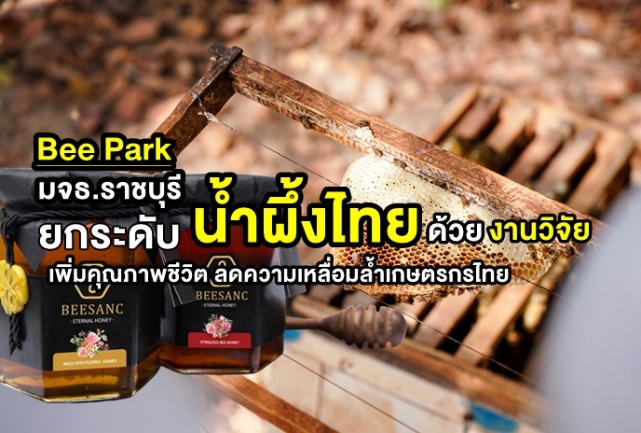
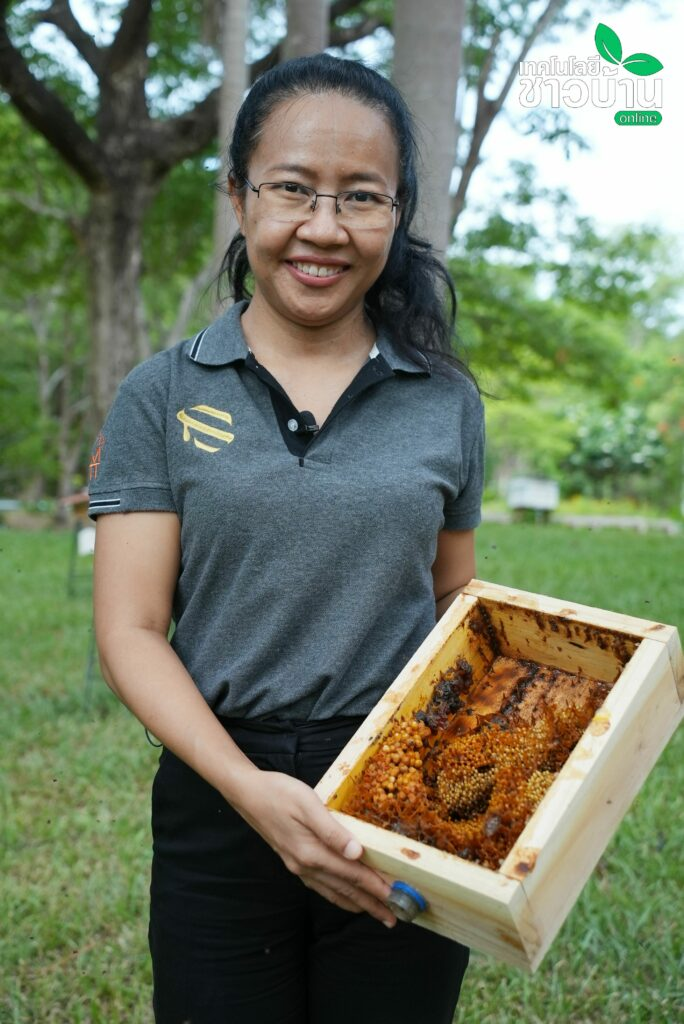
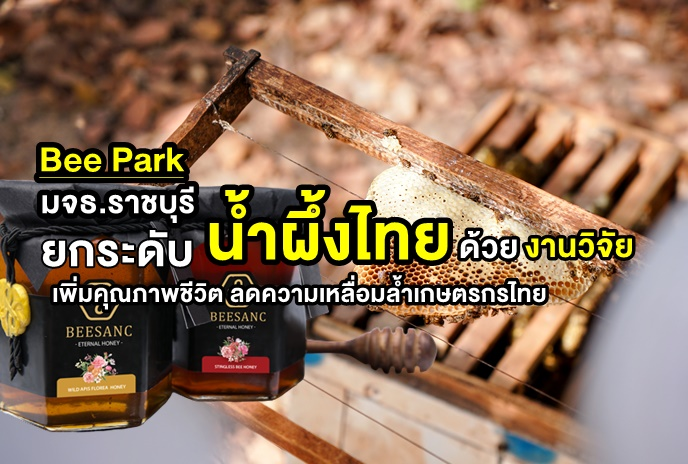
The Native Honeybee and Pollinator Research Center is part of the Bee Park, located within King Mongkut's University of Technology Thonburi. Over the years, the center has studied and researched native bees and pollinators, resulting in the production of high-quality bees, elevating Thai honey, improving the quality of life, and reducing inequality among Thai farmers.
Native bee and honey-learning photographs supplied with the Bee Park research account. Capture dates are not specified.
Because We Care Valentine · growing food together
King Mongkut's University of Technology Thonburi has a clear policy towards becoming a sustainable university in line with the SDGs 2030 target. The university has therefore launched the project "Because We Care Valentine, Growing Vegetables for Eating" by encouraging the KMUTT community to grow organic vegetables for consumption and help reduce expenses in order to create food security. To be a Change Agent and have a Green Heart in bringing knowledge and understanding in energy conservation, environment, and safety to disseminate and expand to the community and society, which will result in good results for the country in the future. In addition, KMUTT also aims to create a learning system and instill awareness in students at all levels in using knowledge to help the community and society through activities that require hands-on practice to see tangible results.
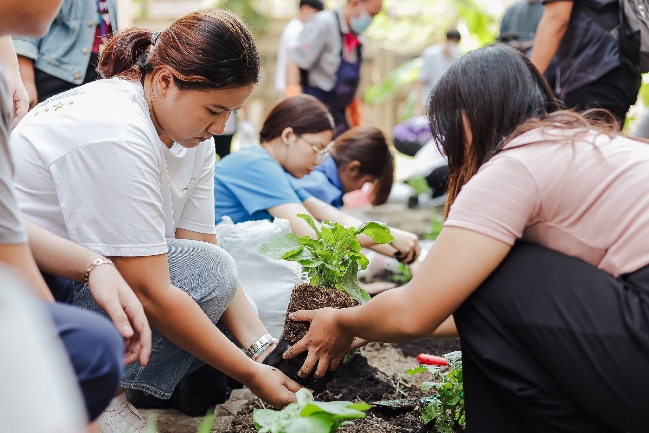
Planting photographs supplied with the Because We Care Valentine growing initiative. Capture dates are not specified; no new year is assigned.
Community support during the COVID-19 period
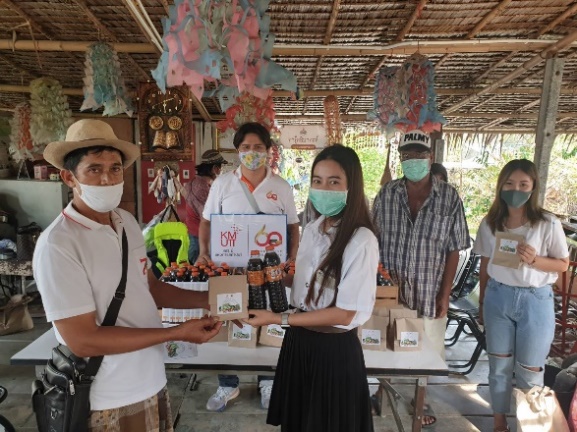
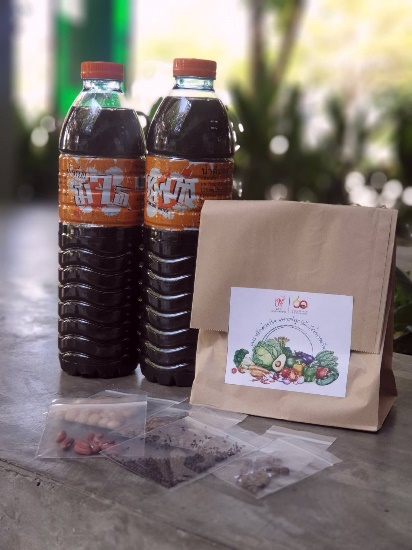
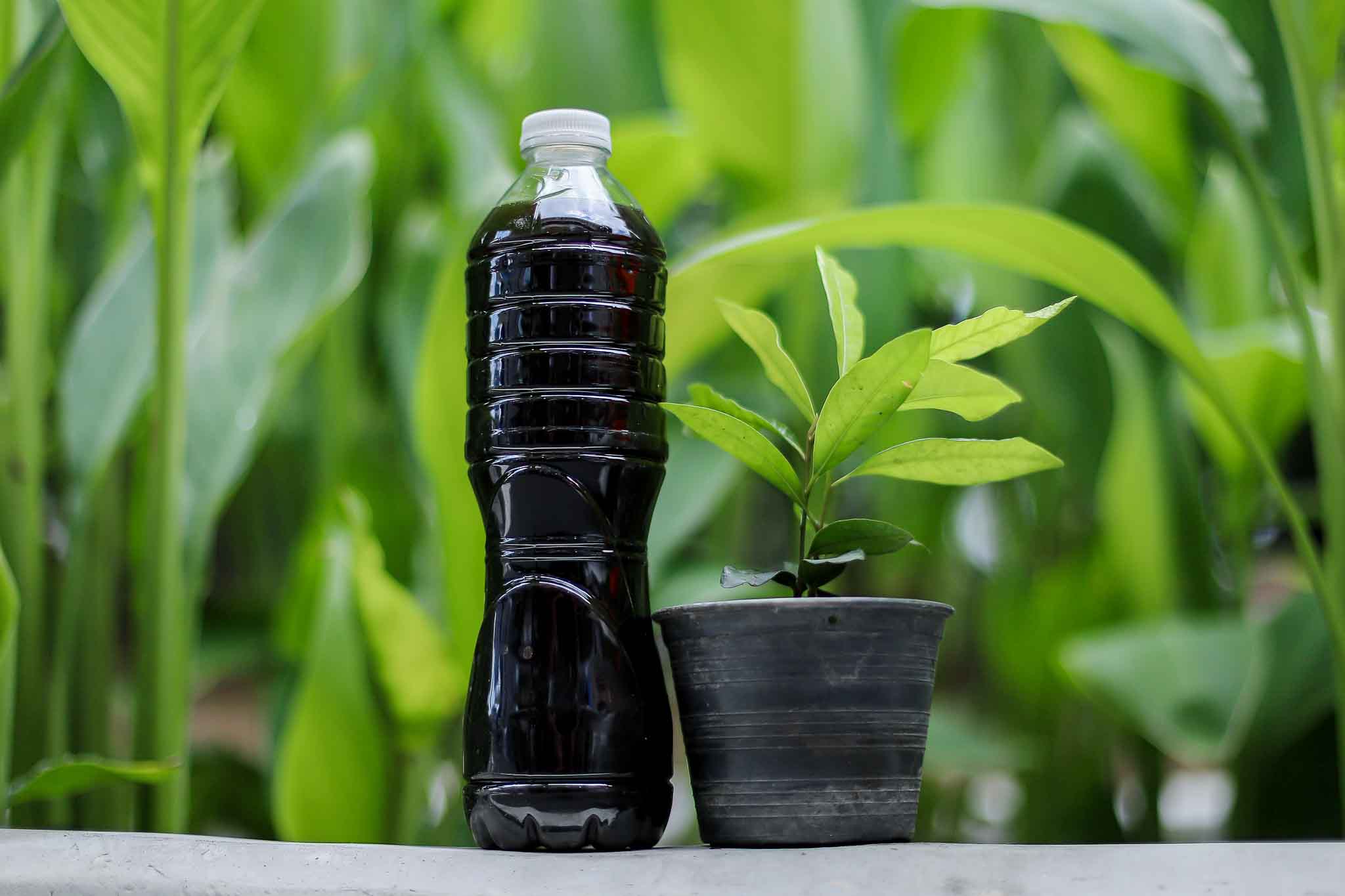
During the COVID-19 situation, KMUTT, led by the Sustainable Activities Promotion Group (EESH), provided bio-fermented water made from food waste from KMUTT biogas production, together with an organic vegetable-growing manual, to people in the Lang Suan Thon community. The Green Heart student group received seed donations from people across Thailand through media channels and online groups. The seeds were intended for donation to 15 communities around the university to grow non-toxic kitchen-garden vegetables for consumption and help reduce household expenses.
Community seed and growing-material distribution photographs supplied with the historical COVID-19 account. These are not presented as a new 2026 activity.
BKK EXPO 2025 · public green-space participation
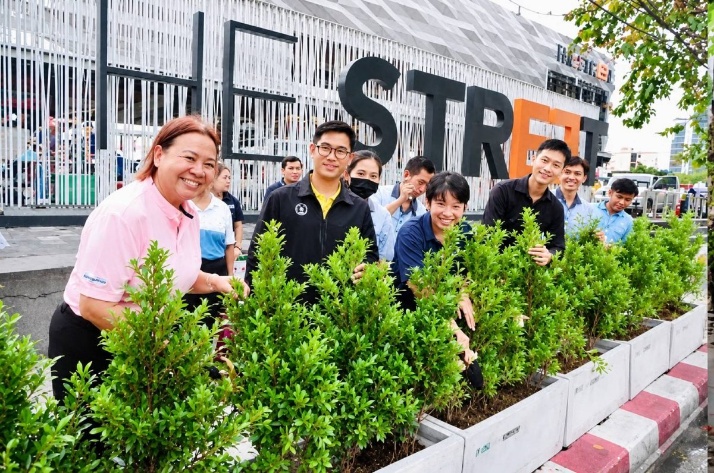
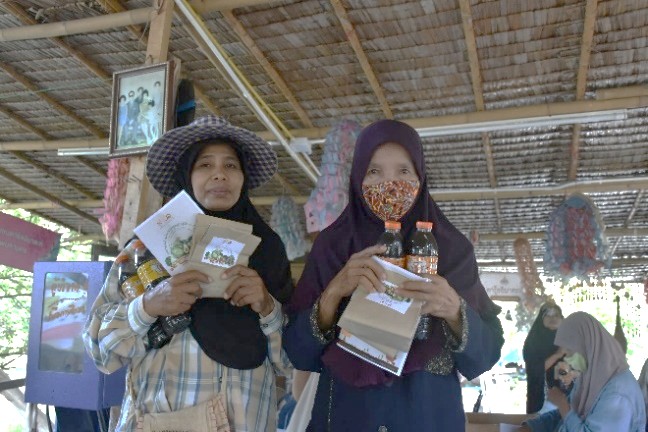
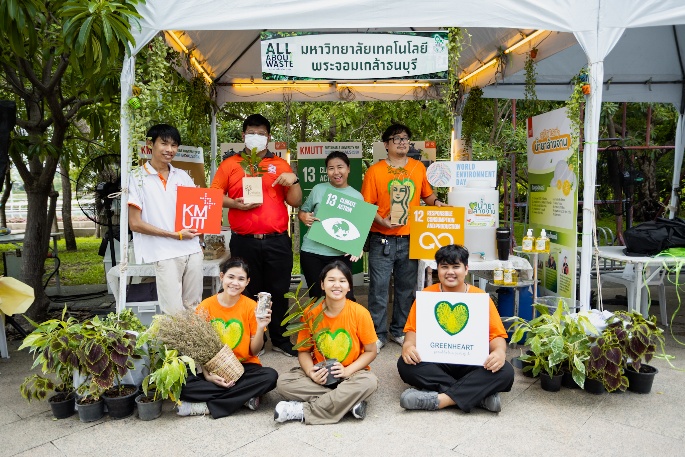
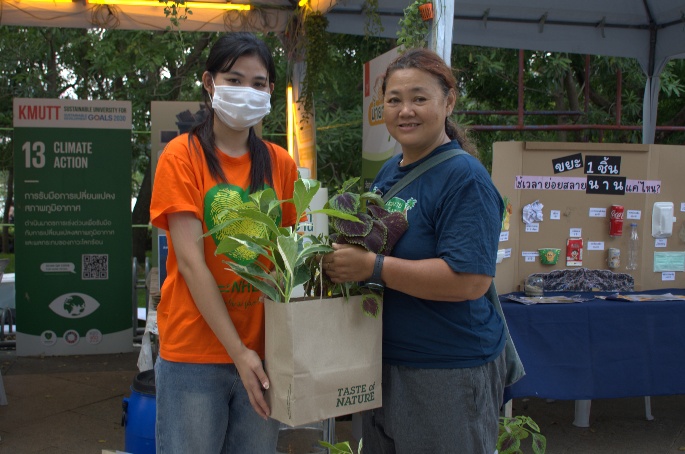
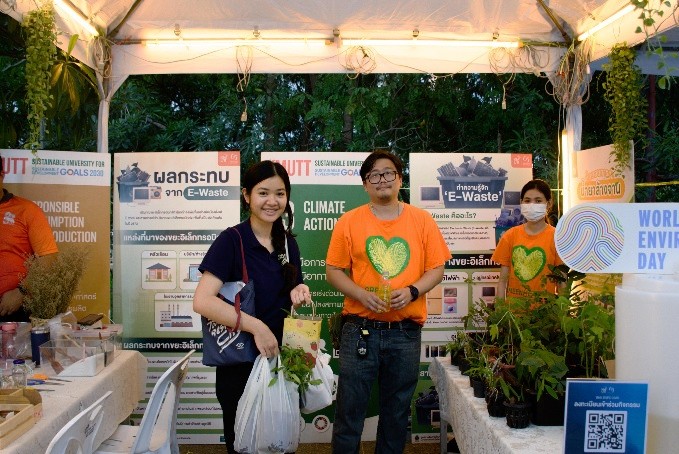
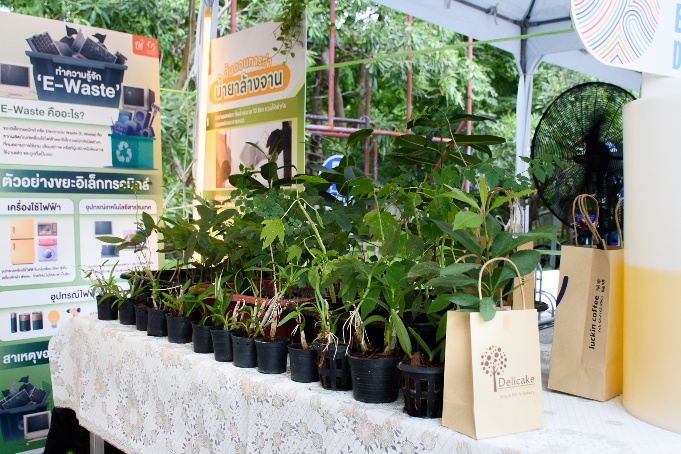
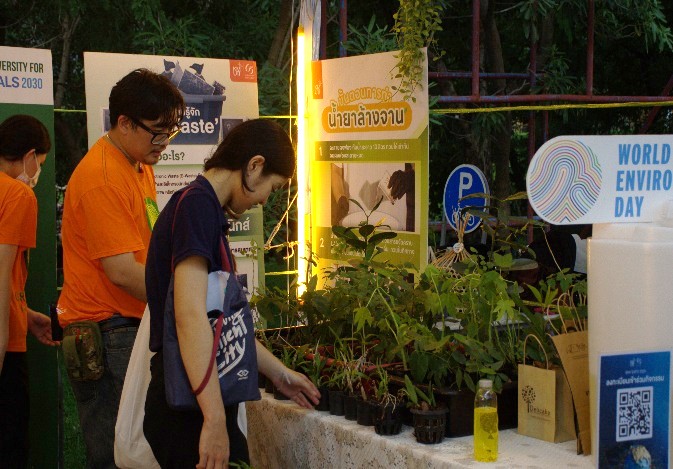
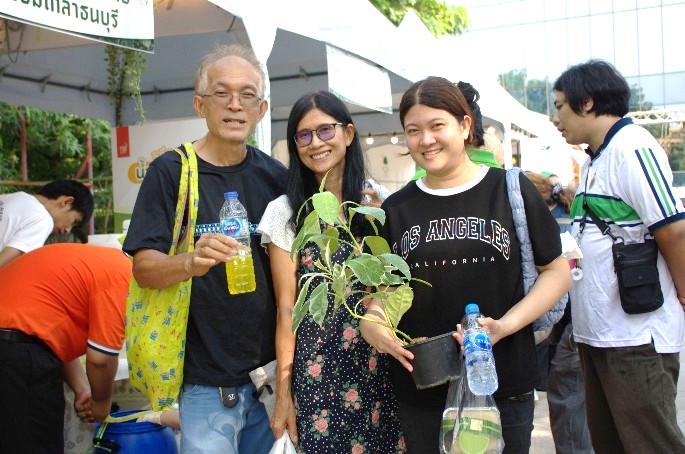
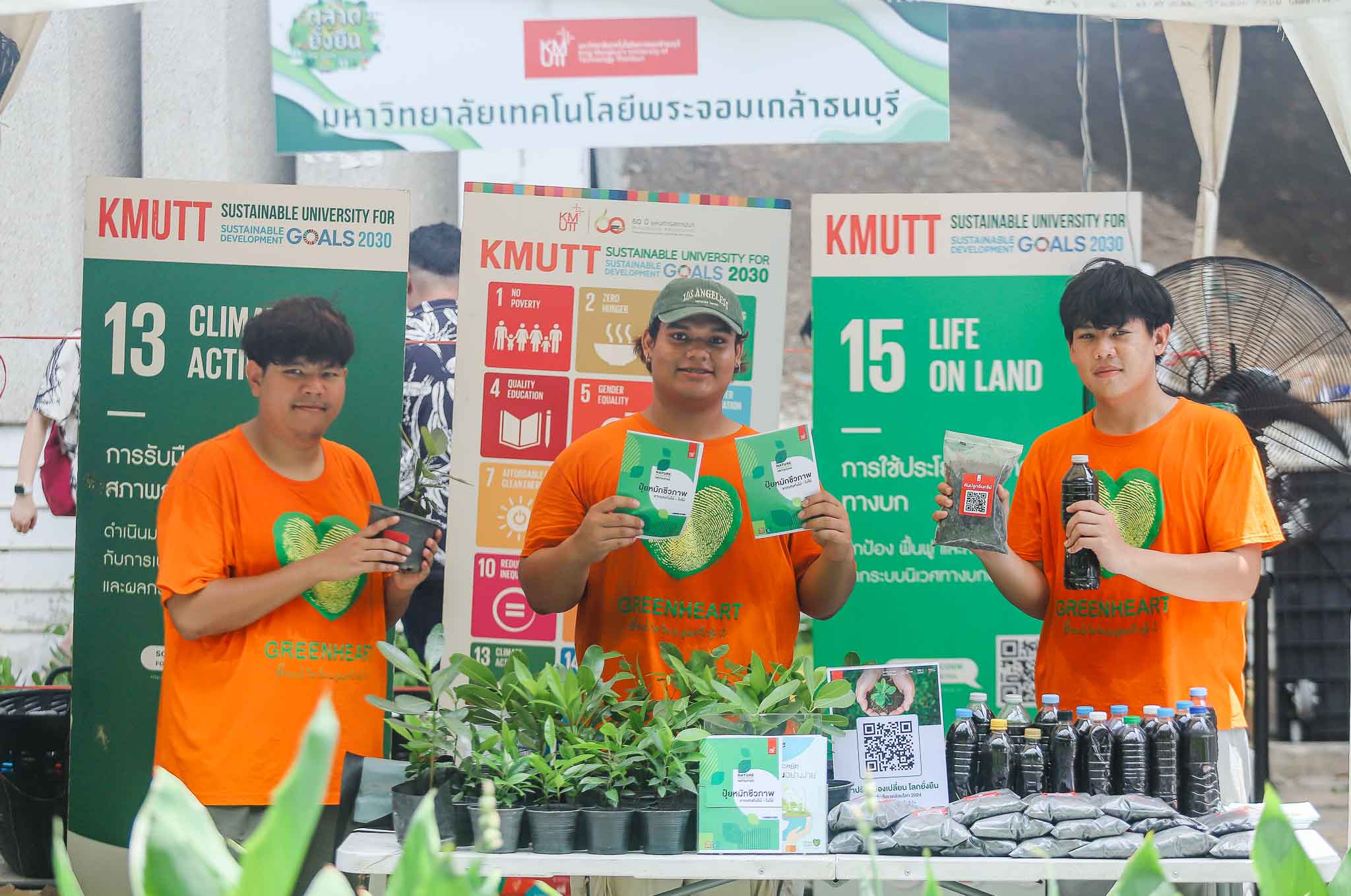
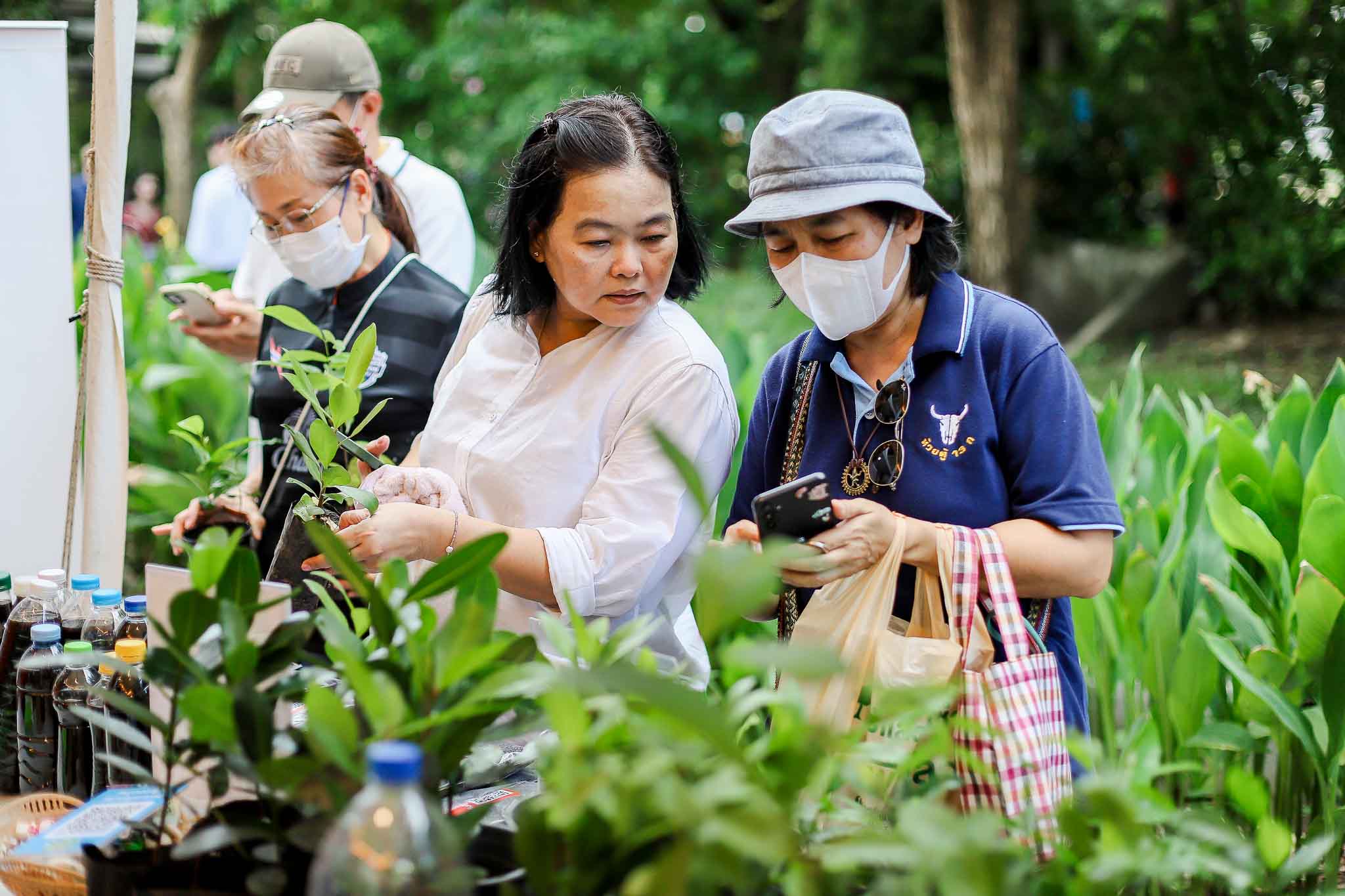
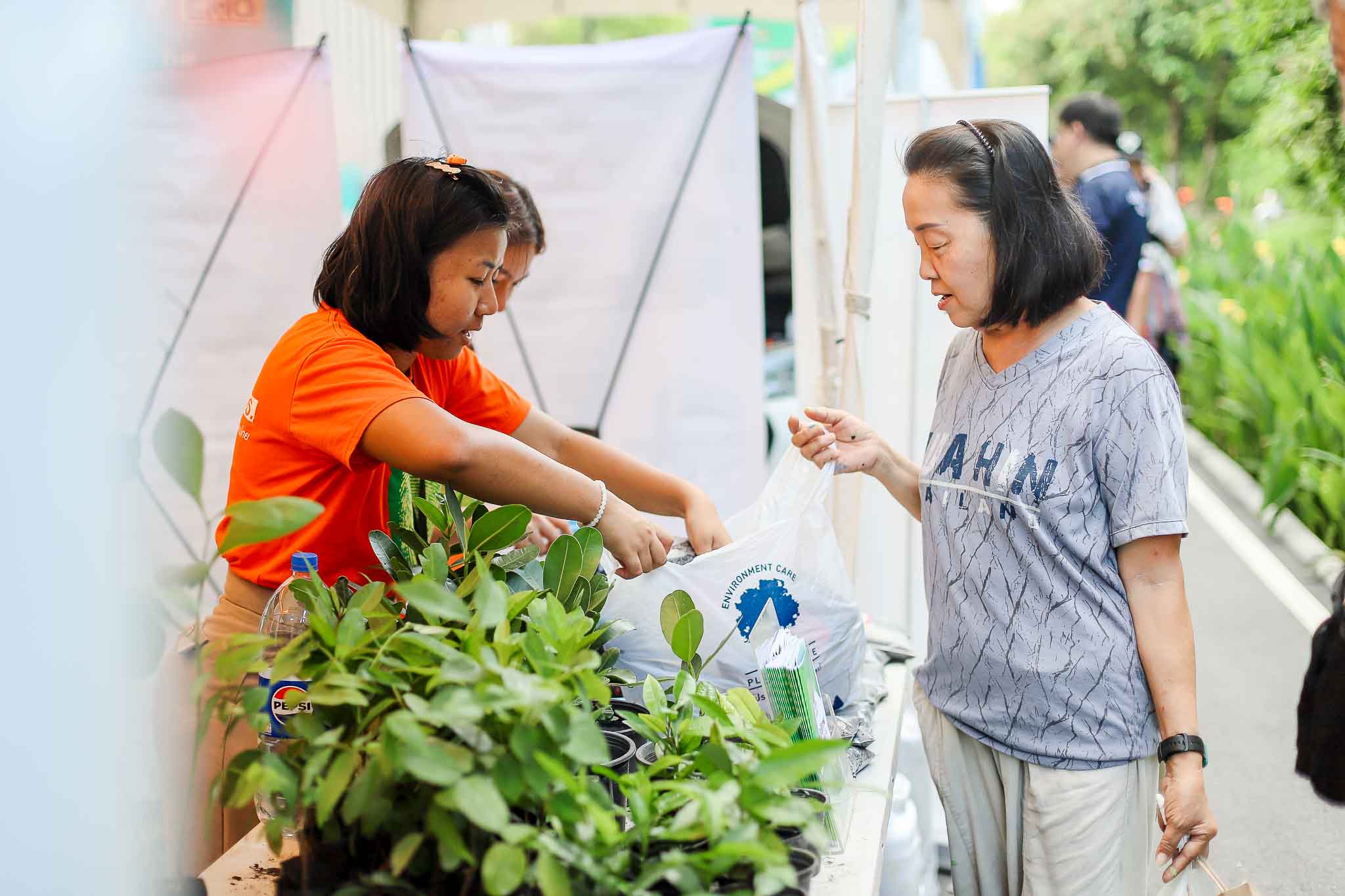
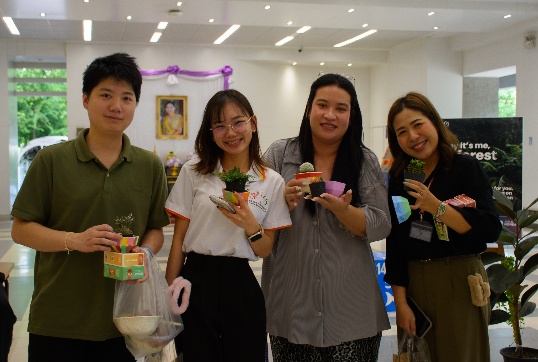
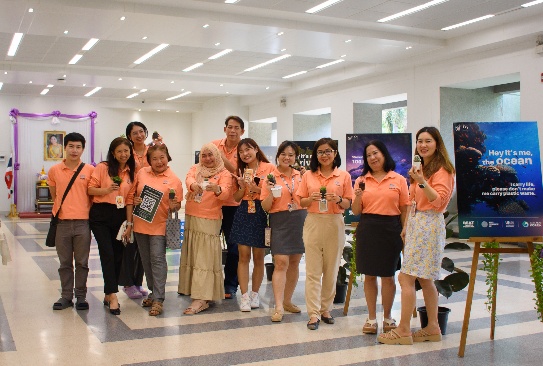
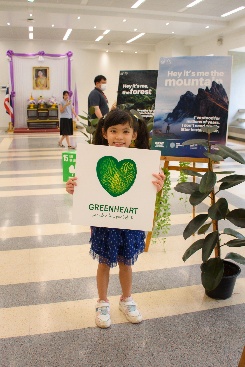
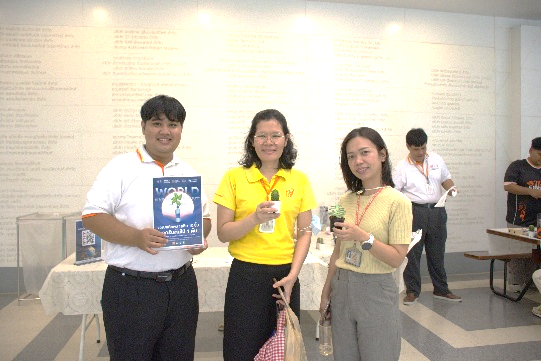
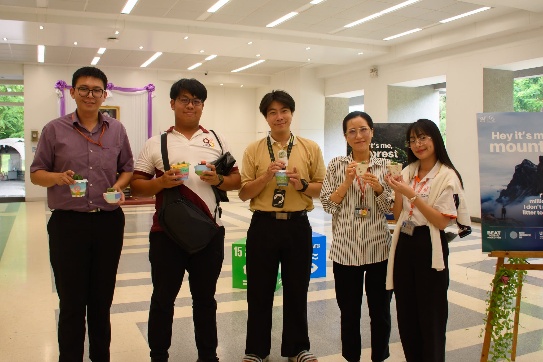
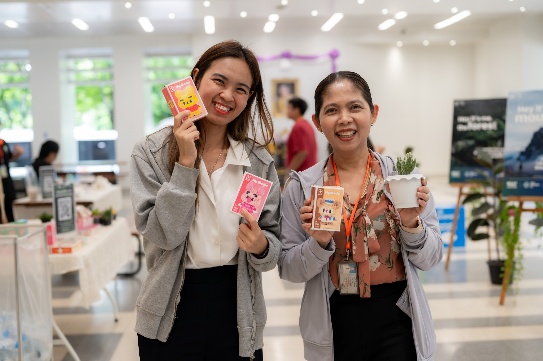
King Mongkut’s University of Technology Thonburi (KMUTT) participated in the BKK EXPO 2025, held from 15–18 May 2025 at Benjakitti Park, Khlong Toei District, Bangkok, under the theme “The City Can Change Because of You.” The event aimed to raise public awareness of environmental conservation, ecosystem restoration, and sustainable urban development. In addition, KMUTT contributed to promoting urban green spaces by distributing tree seedlings to members of the public and event visitors for planting in their own areas. This initiative supports the expansion of green spaces, ecosystem restoration, and public participation in the sustainable conservation of natural resources.
This public seedling-distribution example concerns wider environmental outreach; it does not establish a campus organic food purchasing percentage.
Photographs supplied with the BKK EXPO 2025 account, 15–18 May 2025, Benjakitti Park.
Supplementary growing, distribution and project photographs
Campus planting and growing materials
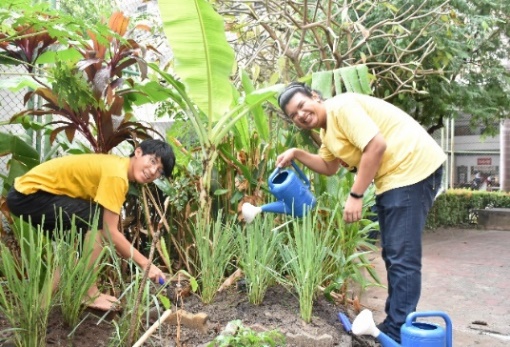
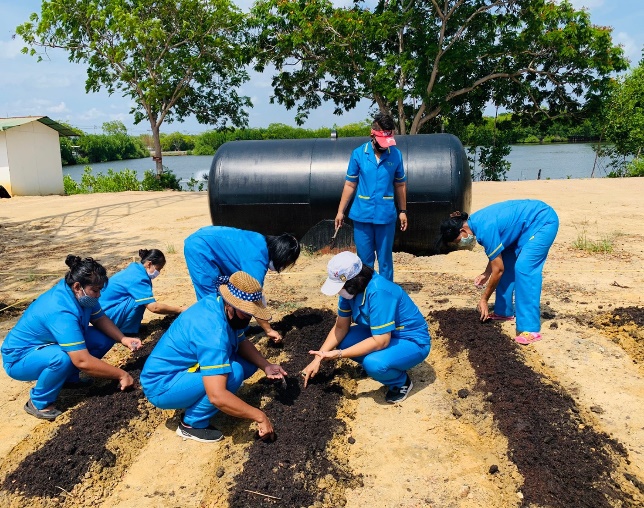
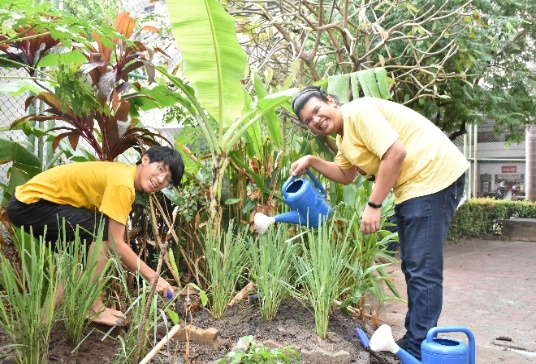
Additional campus planting photographs from the institutional record. Source historical context applies; dates are not newly assigned.
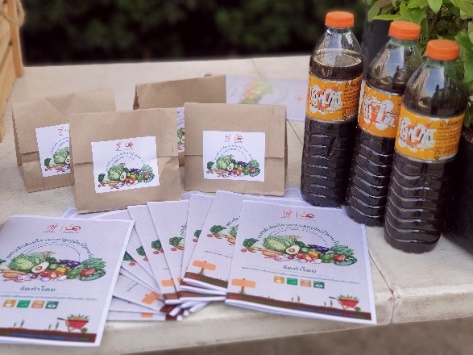
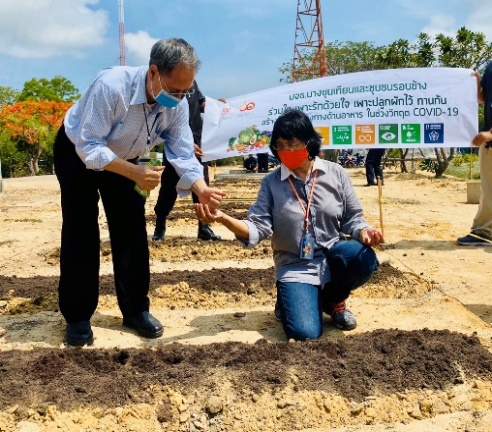
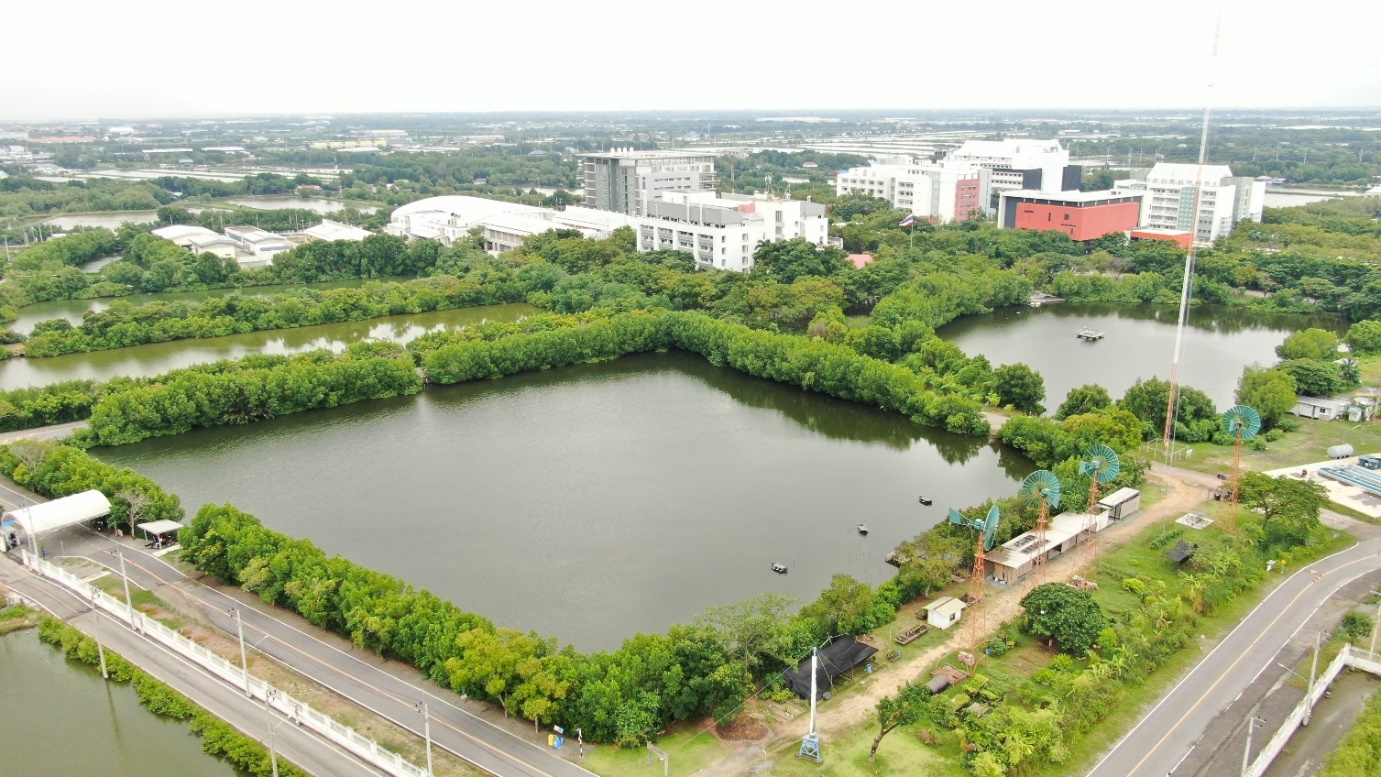
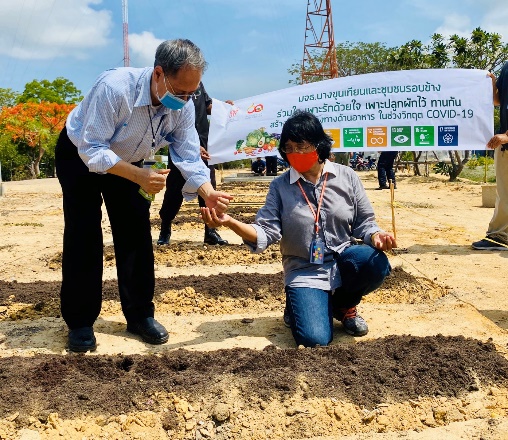
Supplied seeds, growing manual and bio-fermented liquid photograph, retained whole.Original campus planting photograph with a banner referring to the COVID-19 period. The full visual context is retained.Supplied campus aerial photograph; capture date is not specified.
Crop cultivation and harvesting
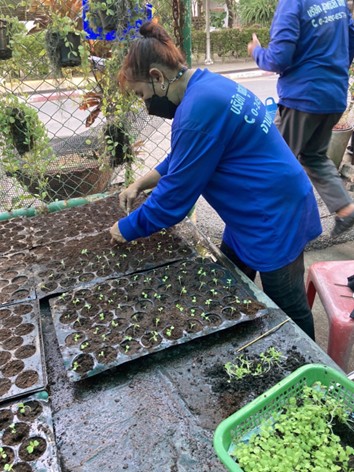
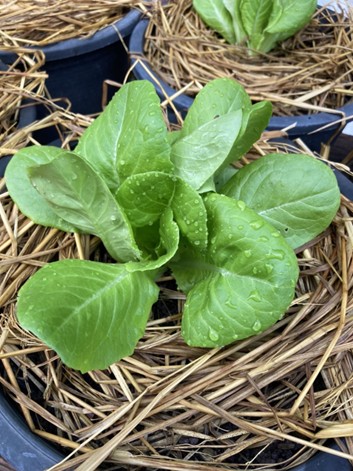
Additional crop-growing, seedling and harvested-produce photographs from the supplied record. Dates are not specified.
Supplied mushroom-growing photograph. Capture date is not specified.
Darunsikkhalai school-garden record
Original Khun Ta Garden / Darunsikkhalai sign, shown whole.Supplied school-garden harvest and learning photograph, shown whole.
Additional school-garden growing-system and crop photographs. Capture dates are not specified.
Additional school-garden resource-use photograph supplied in the institutional record.Food preparation and consumption photograph from the supplied school-garden record.
Produce distribution record
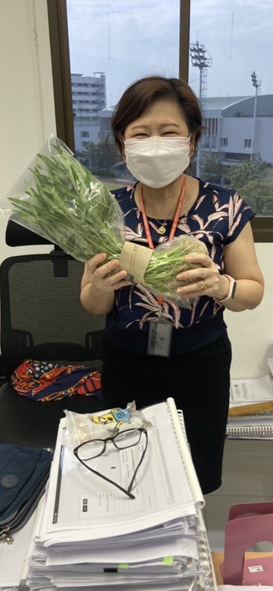
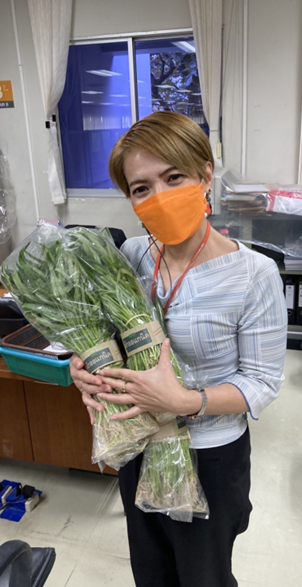
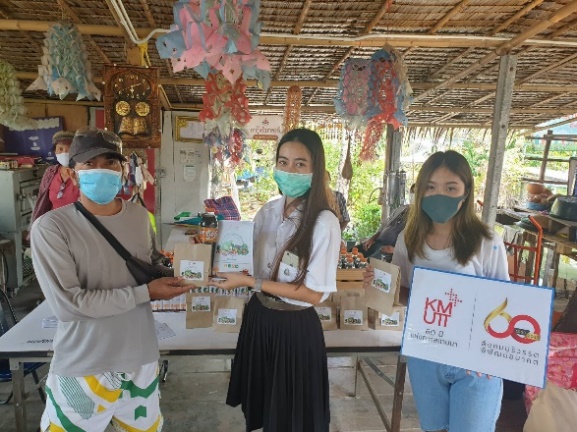
Additional produce and university personnel distribution photographs. The original historical context applies.
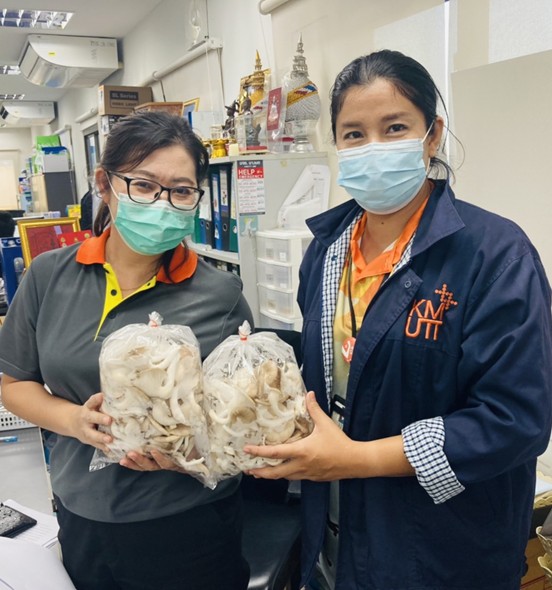
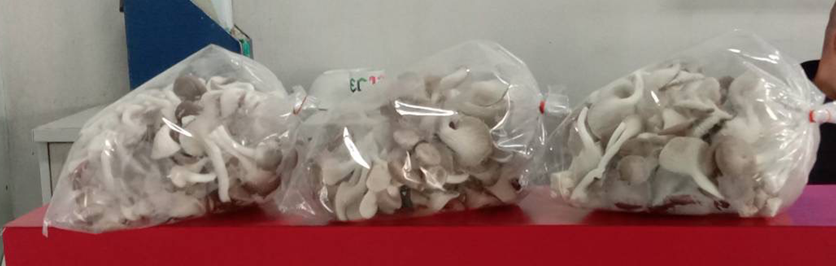
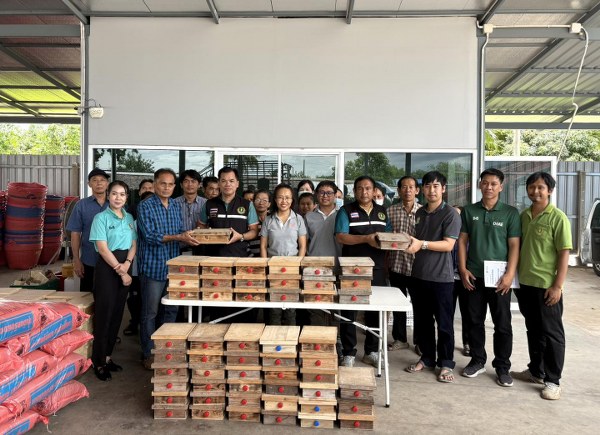
University personnel with harvested mushrooms, from the supplied distribution record.Supplied bagged vegetable distribution photograph.Supplied harvested mushroom distribution photograph, retained whole.
Community and Valentine growing initiatives
Additional community distribution photographs from the COVID-19-period account.
Supplied seeds and bio-fermented liquid photograph, shown whole.
Additional photographs supplied with the Because We Care Valentine growing initiative. Dates are not specified.
BKK EXPO and organic-material reuse
Additional photographs supplied with the BKK EXPO 2025 account.
Original fertilizer and growing-material display photograph; full product labels retained.Supplied bio-fermented liquid and plant photograph; original product label retained.Original organic-material reuse and public-learning photograph supplied in the institutional record.
Additional public participation photographs supplied with the organic-material use record.
Bee Park and inclusive cultivation
Original Bee Park research and Thai-honey communication image. All Thai wording and artwork retained.Original Bee Park entrance and research photograph, shown whole.
Additional native bee and honey-learning photographs from the supplied research account.
Additional participation photographs supplied with the inclusive chemical-free lettuce project. Capture dates are not specified.
3. Related information on our university working directly to maintain and extend existing ecosystems and their biodiversity, of both plants and animals, especially ecosystems under threat.
KMUTT combines a biodiversity policy with habitat restoration, species learning and ecological monitoring. Its principal university associated habitats include the mangrove living laboratory in Samut Sakhon, the Bang Khun Thian campus and the Ratchaburi dry dipterocarp forest. These sites support practical conservation as well as education.
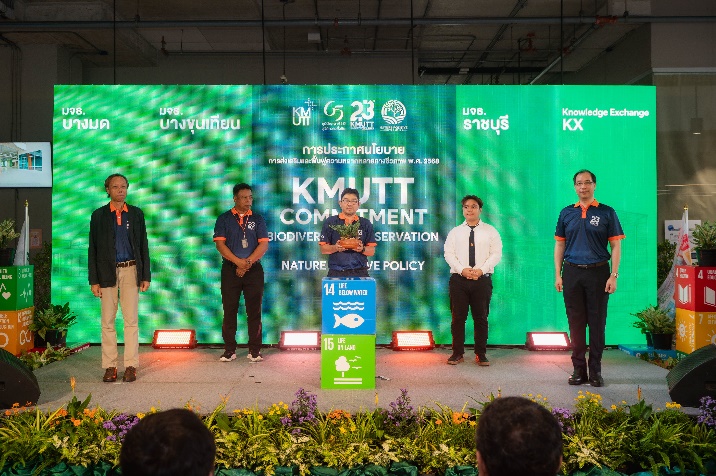
Biodiversity policy · announced 2 September 2025
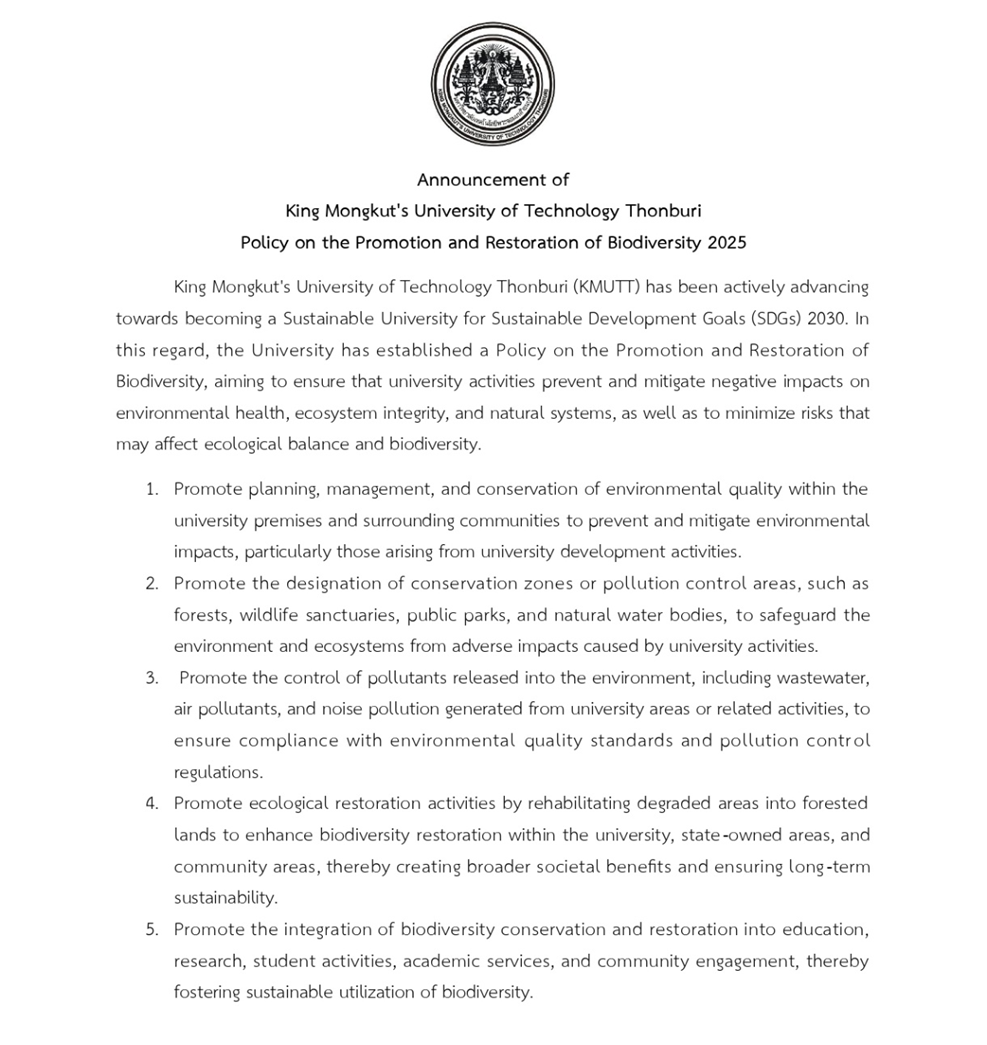
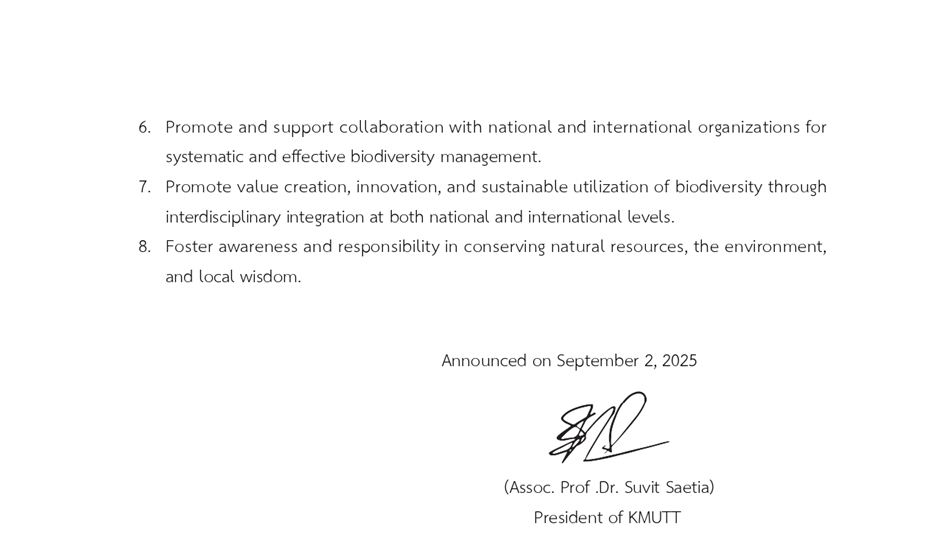
The Policy on the Promotion and Restoration of Biodiversity, announced on 2 September 2025, addresses impacts of university development, conservation zones, pollution control and rehabilitation of degraded land. It extends restoration to university, state and community areas and integrates biodiversity into teaching, research and community services. Its full institutional wording and documentary images are reproduced below.
King Mongkut's University of Technology Thonburi (KMUTT) has established a Policy on the Promotion and Restoration of Biodiversity to promote the conservation, restoration, and sustainable use of biodiversity within the university and surrounding communities. The policy emphasizes the conservation and restoration of natural areas and ecosystems, the integration of biodiversity conservation into education, research, student activities, academic services, and community engagement, and the promotion of awareness and responsibility for natural resources and the environment.
King Mongkut's University of Technology Thonburi (KMUTT) has been actively advancing towards becoming a Sustainable University for Sustainable Development Goals (SDGs) 2030. In this regard, the University has established a Policy on the Promotion and Restoration of Biodiversity, aiming to ensure that university activities prevent and mitigate negative impacts on environmental health, ecosystem integrity, and natural systems, as well as to minimize risks that may affect ecological balance and biodiversity.
Promote planning, management, and conservation of environmental quality within the university premises and surrounding communities to prevent and mitigate environmental impacts, particularly those arising from university development activities.
Promote the designation of conservation zones or pollution control areas, such as forests, wildlife sanctuaries, public parks, and natural water bodies, to safeguard the environment and ecosystems from adverse impacts caused by university activities.
Promote the control of pollutants released into the environment, including wastewater, air pollutants, and noise pollution generated from university areas or related activities, to ensure compliance with environmental quality standards and pollution control regulations.
Promote ecological restoration activities by rehabilitating degraded areas into forested lands to enhance biodiversity restoration within the university, state-owned areas, and community areas, thereby creating broader societal benefits and ensuring long-term sustainability.
Promote the integration of biodiversity conservation and restoration into education, research, student activities, academic services, and community engagement, thereby fostering sustainable utilization of biodiversity.
Promote and support collaboration with national and international organizations for systematic and effective biodiversity management.
Promote value creation, innovation, and sustainable utilization of biodiversity through interdisciplinary integration at both national and international levels.
Foster awareness and responsibility in conserving natural resources, the environment, and local wisdom.
Announced on September 2, 2025
(Assoc. Prof. Dr. Suvit Saetia)
President of KMUTT
Habitats, monitoring and continuing management
King Mongkut's University of Technology Thonburi (KMUTT) has initiated and implemented various projects to preserve and expand biodiversity in the university ecosystem, recognizing the importance of biodiversity in enhancing environmental balance and sustainable community development. These projects are designed to promote sustainable and nature-friendly resource use.
Creating and maintaining green spaces on the university campus. KMUTT has allocated some areas on the university campus as green spaces and forest areas, including planting native trees and plants that attract local animals to live in these areas. In addition to planting trees, the university also focuses on maintaining these forest areas continuously to maintain the balance of the ecosystem and as a space for students and staff to study and research about the environment and nature.
Creating water sources for living things The university has developed wetlands and water sources in many places on the university campus to create a suitable environment for aquatic animals, aquatic plants, and other organisms that mainly rely on water. These water sources not only increase the diversity of life in the area, but also help in collecting rainwater and maintaining the balance of water resources on the university campus, making the university's water ecosystem sustainable.
King Mongkut's University of Technology Thonburi has various activities to increase green spaces within the university, such as planting trees in various areas, whether they are local trees for conservation or planting crops for agriculture, etc., consisting of:
The Nature Positive roadmap describes campus land and vegetation mapping, student and staff species surveys, a biodiversity map and aerial monitoring of mangrove growth over 2022 to 2025. It connects these monitoring activities with avoiding development impacts and restoring habitats. Its 2026 planting calendar includes 25 February and 25 March, matching the dated restoration activities in the institutional record below. A scheduled session is distinguished from the supplied account of completed planting.
Habitat or management component · Evidence of conservation work
Mangrove habitat
University land restoration using nursery propagation and site water management; dated student planting in November 2025.
Dry dipterocarp forest
Forest ecology learning and practical seedling work documented on 7 July 2025.
Monitoring and planning
University roadmap links land mapping, ecological surveys and aerial observation with biodiversity management.
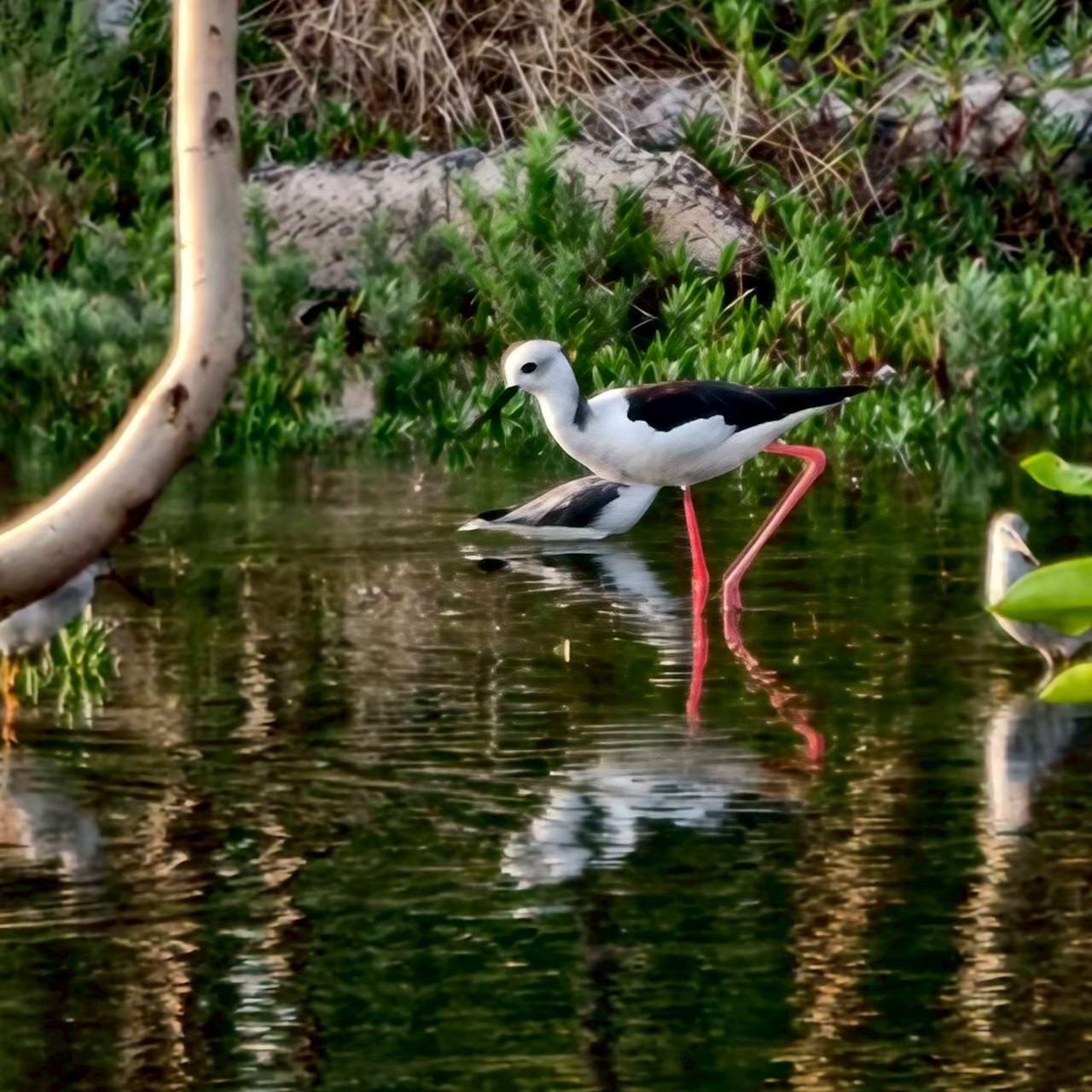
Birds and local flora
Species accounts, site map, photographs and descriptions in the institutional record below provide local habitat context.
Planting quantities describe activities, not survival rates or measured changes in species richness. The original bird and plant tables retain their supplied names and descriptions; they are not represented as a newly dated IUCN assessment. Ratchaburi land area is reported in rai in university records; the mixed acre and rai wording in the supplied narrative is not used to calculate a new area total.
Samut Sakhon · restoring the mangrove living laboratory
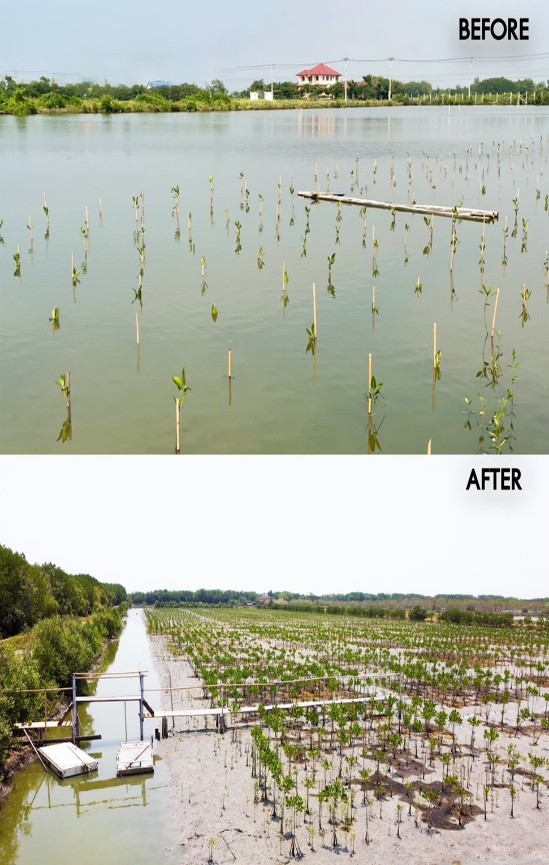
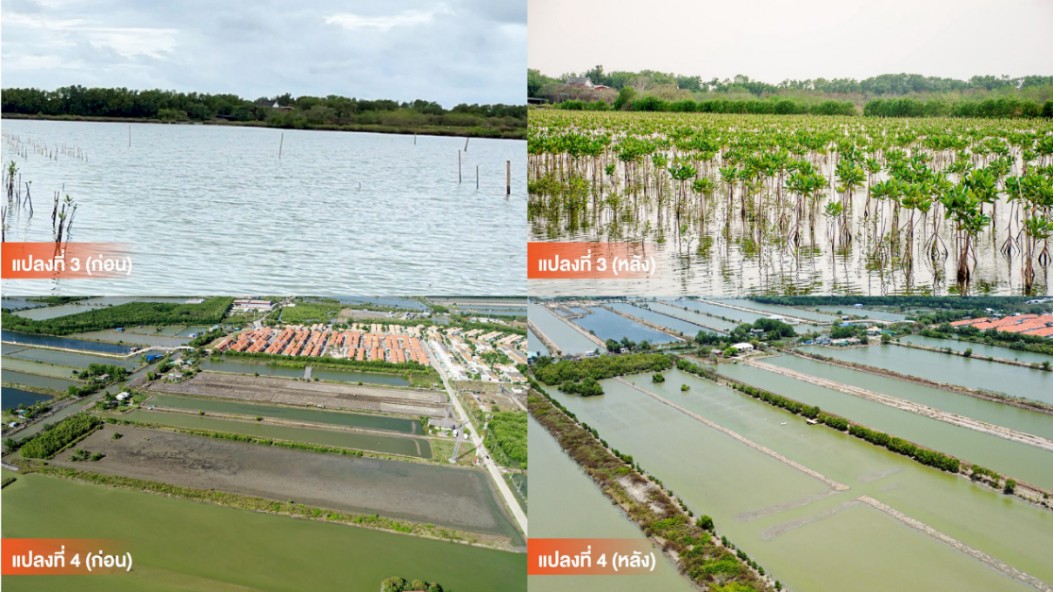
A KMUTT library account published on 4 December 2025 describes restoration of four donated plots totalling 136 rai. Staff adapted planting methods to tidal and salinity conditions after early planting failures: propagules were rooted in a nursery, supported with bamboo and established under managed water conditions. The account reports mangrove planting across nearly all four plots and records 55 Malaysian students planting on 1 November 2025. It also describes purchasing propagules from residents. This is direct habitat restoration with community involvement, rather than a campus greening statement alone.
The development of the mangrove forest area of King Mongkut's University of Technology Thonburi (KMUTT) in the area used to be a coastal fishing industry. Later, the landowner donated this land to the university. When taken care of by the university, initiated the development of the area by organizing the monthly mangrove planting project, the Youth Power Planting Project, New Seedlings, and Sustainable Hearts on World Environment Day 2025, led by the Energy, Environment, Safety and Occupational Health Management Center (EESH). The results of such operations can be expanded to the community, which is one of the university's missions in terms of participation in showing corporate social responsibility (CSR) as a change agent who will bring knowledge and understanding in energy conservation, environment, and safety to disseminate and expand the results to create benefits for society and the country in the future.
Aerial photograph supplied with the mangrove-site record. Original date and location apply.
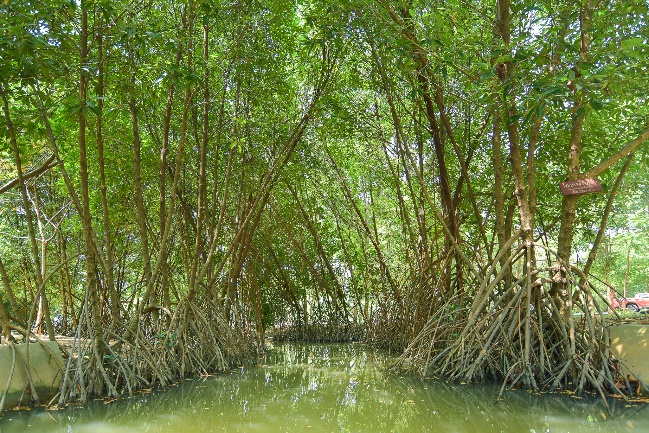
Mangrove habitat photographs from the institutional record. Capture dates are not specified; these are not new survival-rate measurements.
Dated restoration activities
4 December 2025
1,500 mangrove trees
Planted during the commemorative volunteer activity
These are separately reported planting or propagation activities. The figures are not survival rates, a count of established trees across the whole site, or a measured change in species richness.
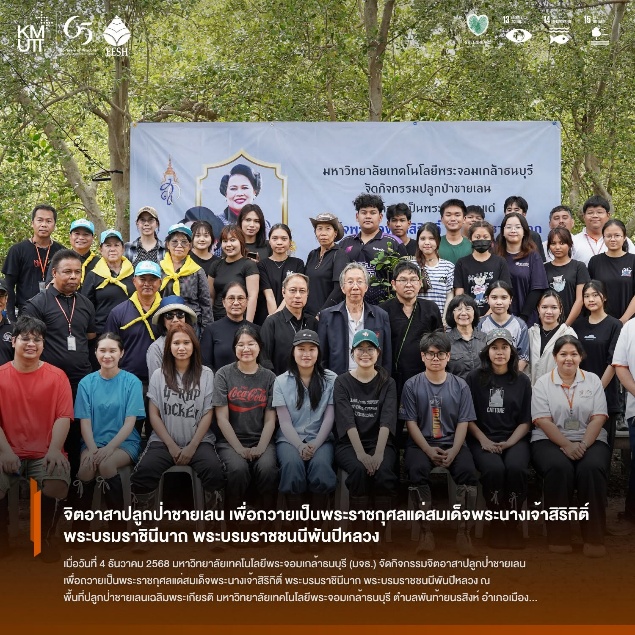
Volunteer mangrove planting · 4 December 2025
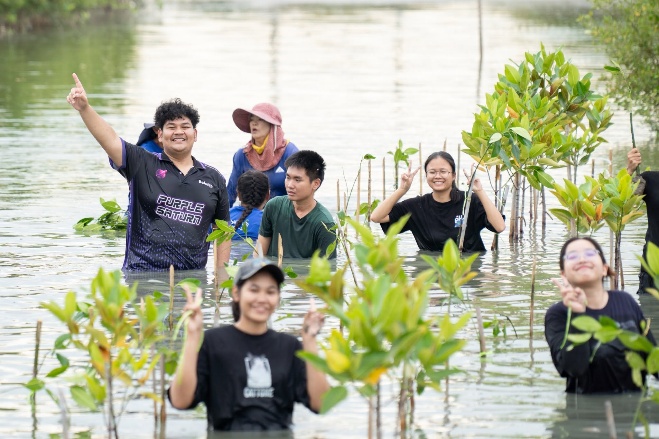
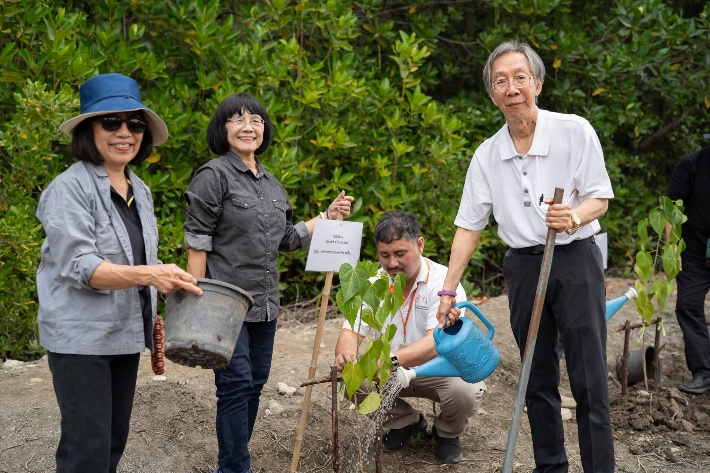
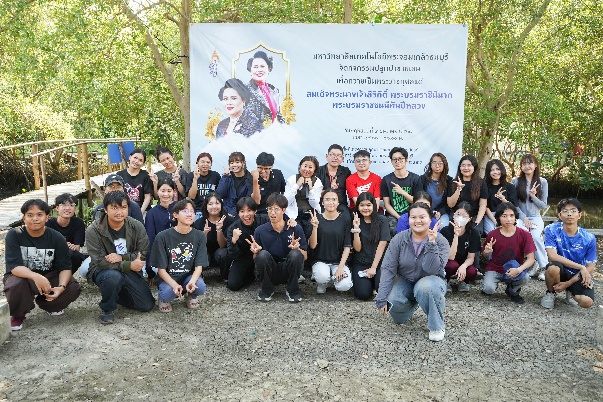
On December 4, 2025, King Mongkut’s University of Technology Thonburi (KMUTT) organized a volunteer mangrove planting activity in tribute to Her Majesty Queen Sirikit The Queen Mother at the Royal Commemorative Mangrove Plantation Area of KMUTT, Phanthai Norasing Subdistrict, Mueang District, Samut Sakhon Province.
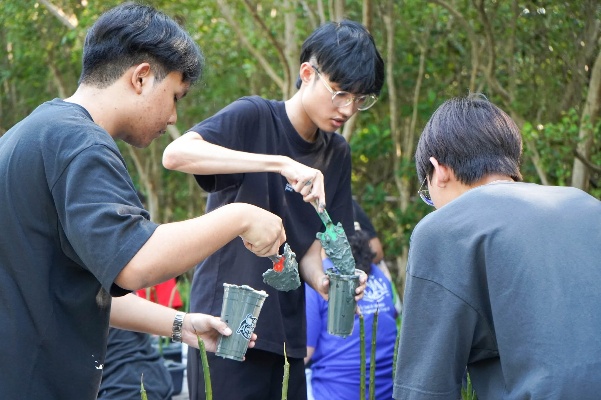
The activity was organized to express profound gratitude for Her Majesty’s invaluable contributions to nature and environmental conservation, as well as to honor her memory through tangible actions that reflect love and remembrance. Participants took part in mangrove seedling cultivation and planted a total of 1,500 mangrove trees to expand the university’s green spaces. The activity also reflected Her Majesty’s royal initiatives on environmental conservation alongside sustainable community development in accordance with the Sufficiency Economy Philosophy.
The event was presided over by Associate Professor Dr. Suwit Saetia, President of KMUTT, and attended by university executives, staff members, students, representatives from Khlong Phitthayalongkon School, officers from Thian Thale Metropolitan Police Station, leaders of the Sao Thong community, and members of the Rak Thale community.
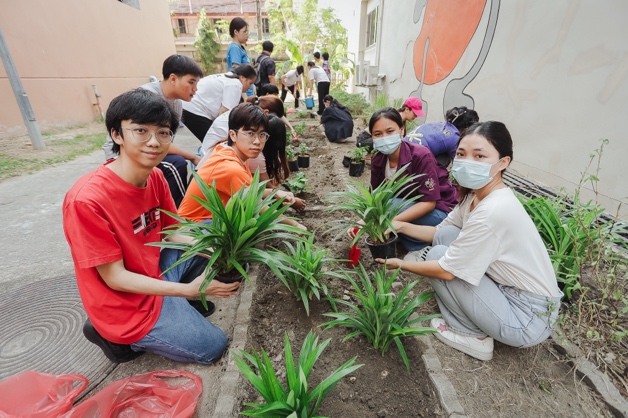
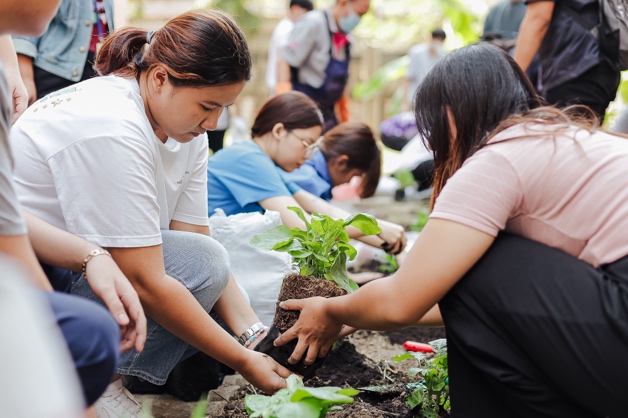
Planting and seedling-work photographs supplied with the 4 December 2025 commemorative volunteer activity.
Mangrove propagation · 25 February 2026
On 25 February 2026, the Energy, Environment, Safety, and Occupational Health Management Center (EESH), in collaboration with the Physical Resources Management Office, KMUTT Bang Khun Thian Campus, organized the Mangrove Forest Planting activity under the Nature Positive Universities concept for February 2026. The activity brought together students, staff, and members of the KMUTT community to propagate 400 mangrove seedlings and explore and learn about the local mangrove ecosystem at Plot 4, King Mongkut’s University of Technology Thonburi, Phanthai Norasing Subdistrict, Mueang Samut Sakhon District, Samut Sakhon Province.
The activity aimed to conserve and restore natural resources, improve the ecological balance of the mangrove ecosystem, and maintain the ecological integrity of the area. The restoration and planting of mangrove trees also contribute to the conservation and enhancement of plant biodiversity and support the long-term sustainability of the existing mangrove ecosystem.
In addition, the activity promoted environmental awareness and encouraged participation among students, staff, and the university community in conserving and restoring natural ecosystems. It also supports KMUTT commitment to reducing greenhouse gas emissions and promoting nature-positive practices.
Through the propagation and planting of mangrove seedlings, the activity directly contributes to maintaining and extending the existing mangrove ecosystem and its biodiversity, including the conservation and restoration of plant species and the habitats that support associated wildlife.
Mangrove learning and propagation photographs supplied with the 25 February 2026 account, Plot 4.
Continuing mangrove restoration · 25 March 2026
On 25 March 2026, the Energy, Environment, Safety, and Occupational Health Management Center (EESH), in collaboration with the Physical Resources Management Office, KMUTT Bang Khun Thian Campus, organized the Mangrove Forest Planting activity under the Nature Positive Universities concept for March 2026. The activity brought together students, staff, and members of the KMUTT community to propagate and plant 100 propagules and 100 seedlings of large-leafed mangrove trees (Rhizophora mucronata), while also learning about the local mangrove ecosystem at Plot 3, King Mongkut’s University of Technology Thonburi, Phanthai Norasing Subdistrict, Mueang Samut Sakhon District, Samut Sakhon Province.
The activity aimed to conserve and restore natural resources, restore the ecological balance of the mangrove ecosystem, and maintain the ecological integrity of the area. The propagation and planting of mangrove trees contribute to the restoration and expansion of existing mangrove habitats, while supporting the conservation and enhancement of plant biodiversity and the ecosystems that provide habitats for associated wildlife.
The activity also encouraged students, staff, and members of the KMUTT community to actively participate in ecosystem conservation and restoration.
Through the continued planting and restoration of mangrove areas, the activity supports the long-term maintenance and enhancement of the existing mangrove ecosystem and its biodiversity.
Learning and planting photographs supplied with the 25 March 2026 account, Plot 3.
Ratchaburi · dry dipterocarp forest ecology
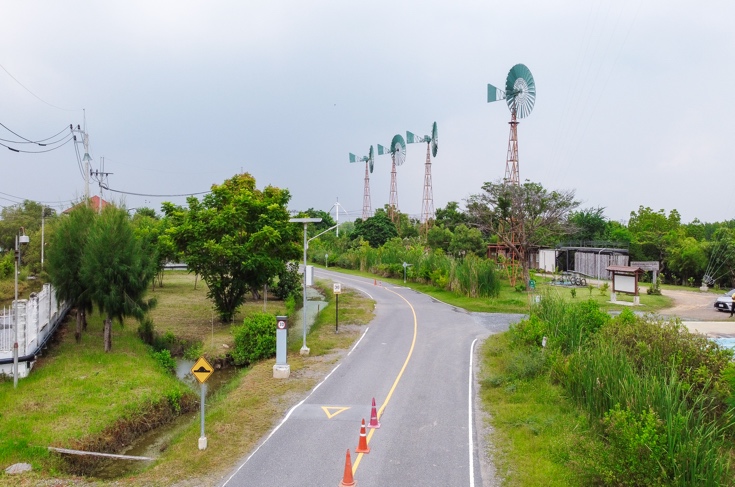
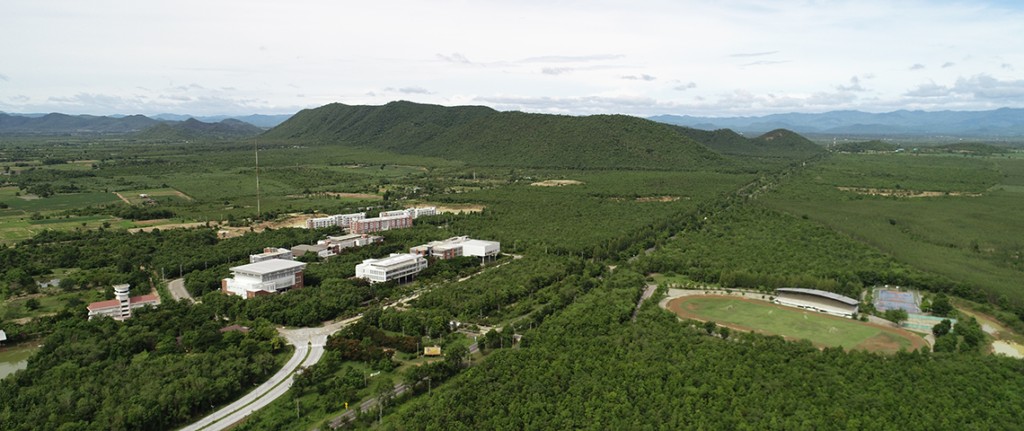
King Mongkut’s University of Technology Thonburi (KMUTT) Ratchaburi Campus, located in Rang Bua Subdistrict, Chom Bueng District, Ratchaburi Province, covers an area of approximately 1,117 acer (rai) . The campus terrain slopes down from Khao Son, and during the rainy season, water flows through the area, creating temporary flooding and lowlands that contribute to diverse habitats.
The original landscape is characterized by dry, seasonally deciduous dipterocarp forest, which is a unique ecosystem in western Thailand. The vegetation structure consists of multiple layers, with upper shrubs such as banana, cycad, and buttonwood, and ground-level plants including turtle wood and forest ferns. This area represents a subtype of dwarf dry dipterocarp forest, exhibiting clear vertical stratification and ecological balance.
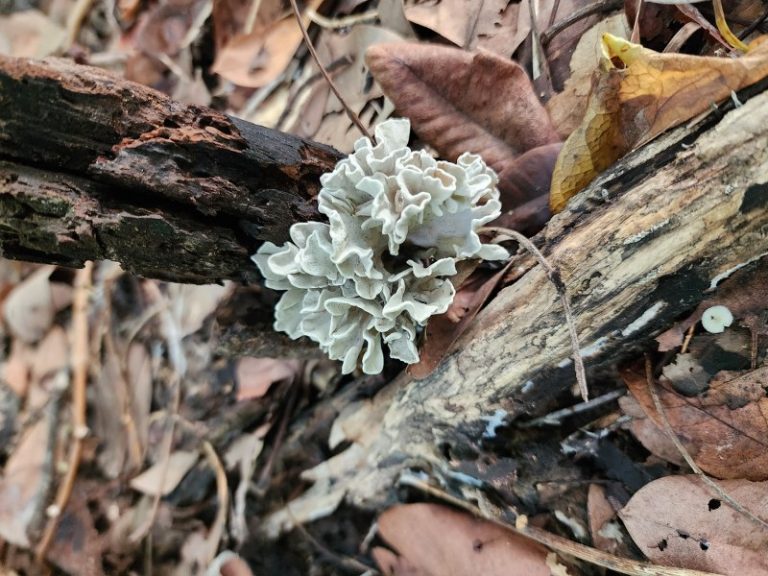
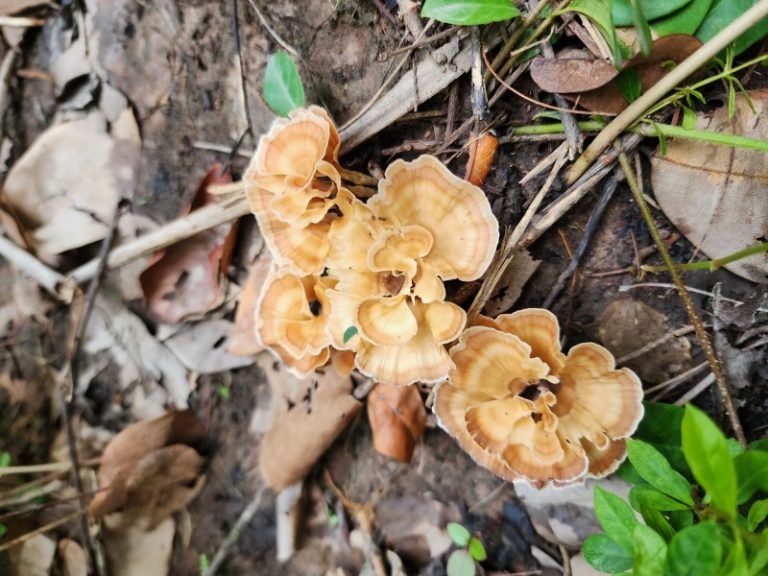
The campus is also home to a variety of fungi, such as bolete mushrooms, and wildlife including birds, squirrels, and numerous insect species, all contributing to its rich biodiversity.
KMUTT Ratchaburi is committed to preserving and enhancing this ecological diversity through continuous conservation efforts, utilizing the area as an outdoor ecological learning and research site that promotes environmental education, scientific study, and the long-term protection of fragile terrestrial ecosystems.
The supplied area wording “1,117 acer (rai)” mixes unit labels. It is preserved in the source account above; no new acre/rai conversion or area total is calculated here.
KMUTT Ratchaburi forest learning and conservation activity on 7 July 2025. The forest is a university associated terrestrial habitat.Map of the area around Aunt Teng Rang Learning Center. The original trail, place and plant labels are retained in the whole source map.
Flora and fungi in the supplied forest record
Names are reproduced as supplied in the institutional record. They are not a newly dated species-richness survey or conservation-status assessment. Some original photographs retain earlier capture-date stamps.
The benefits of dry dipterocarp forests are often directly related to people's daily lives.
Wood: Used as a structural material for various things like houses and fences, or as an energy source, firewood can be burned to make charcoal. The leaves of the rubber tree can be used as materials or food containers, which are easily biodegradable.
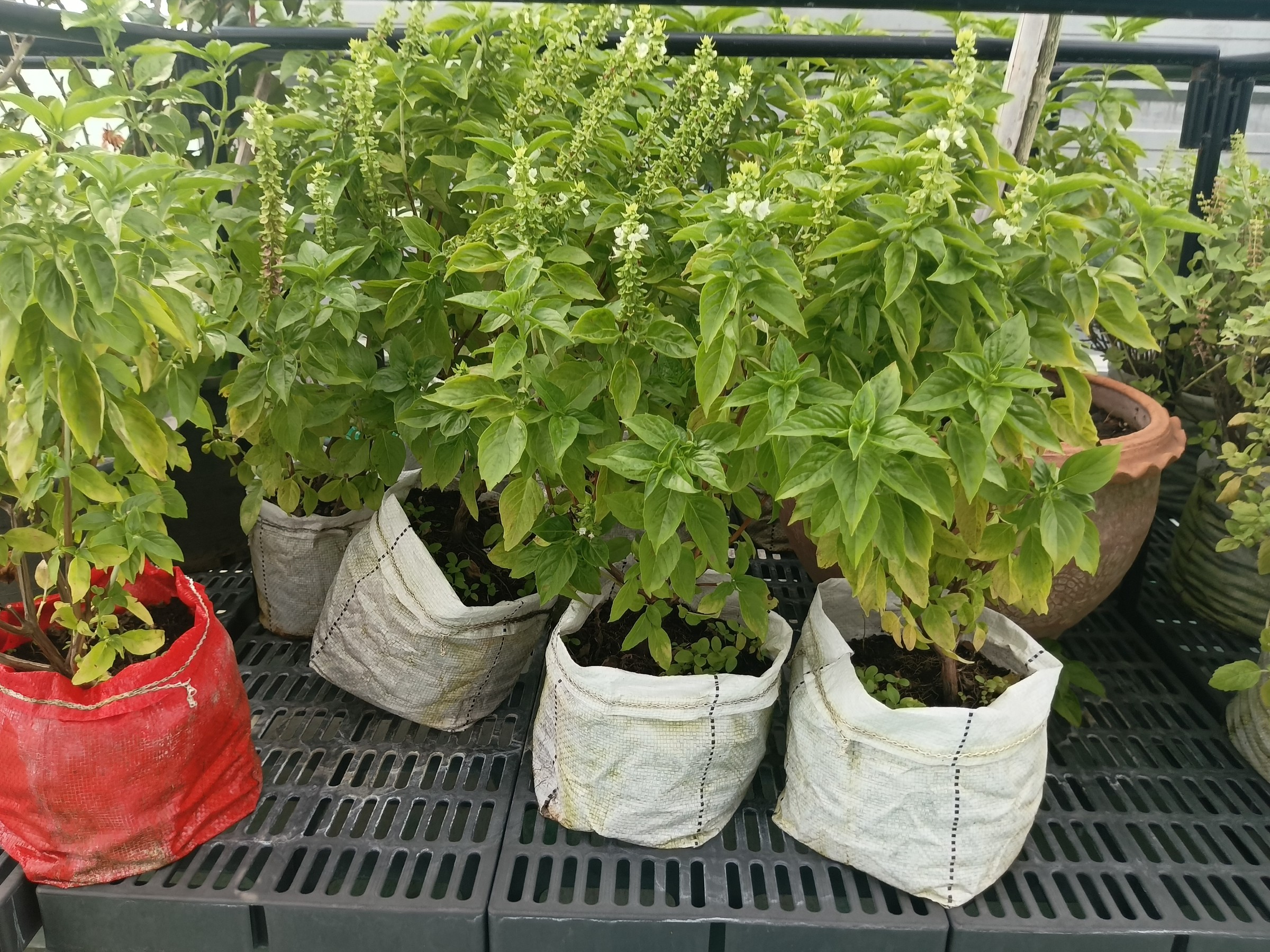
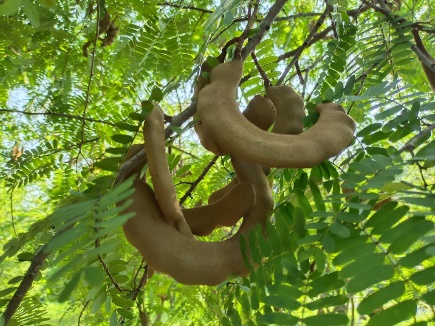
Food sources: both sustenance and income generation for families, include mushrooms, especially the bolete mushroom, and vegetables and fruits that often bloom seasonally, such as sweet basil, phenom flowers, and tamarind.
Medicines: Many plants in the dry dipterocarp forest have medicinal properties, used either directly or in combination with other medicinal ingredients. For example, many tubers, besides being food, have medicinal and preventative properties.
Animal feed: The richness of the forest provides a home for a diverse range of animals, including birds, jungle fowl, reptiles, insects, and bees, which contribute to the balance of the ecosystem. Furthermore, they provide food for humans. In terms of environmental conservation, dry dipterocarp forests retain moisture, alleviate disasters, reduce soil erosion, absorb carbon dioxide, and fine dust. They also serve as a place for relaxation, tourism, relaxation, and learning, accessible to people of all ages. For example, during the dry dipterocarp blooming season, beautiful scenery is created, wafting a rich fragrance throughout the forest. The rotating flowering of flowers and orchids also creates a unique charm that is worth studying and observing. Therefore, dry dipterocarp forests are related to individuals, families, communities, and regions. Therefore, they must be preserved and studied to ensure sustainable use.
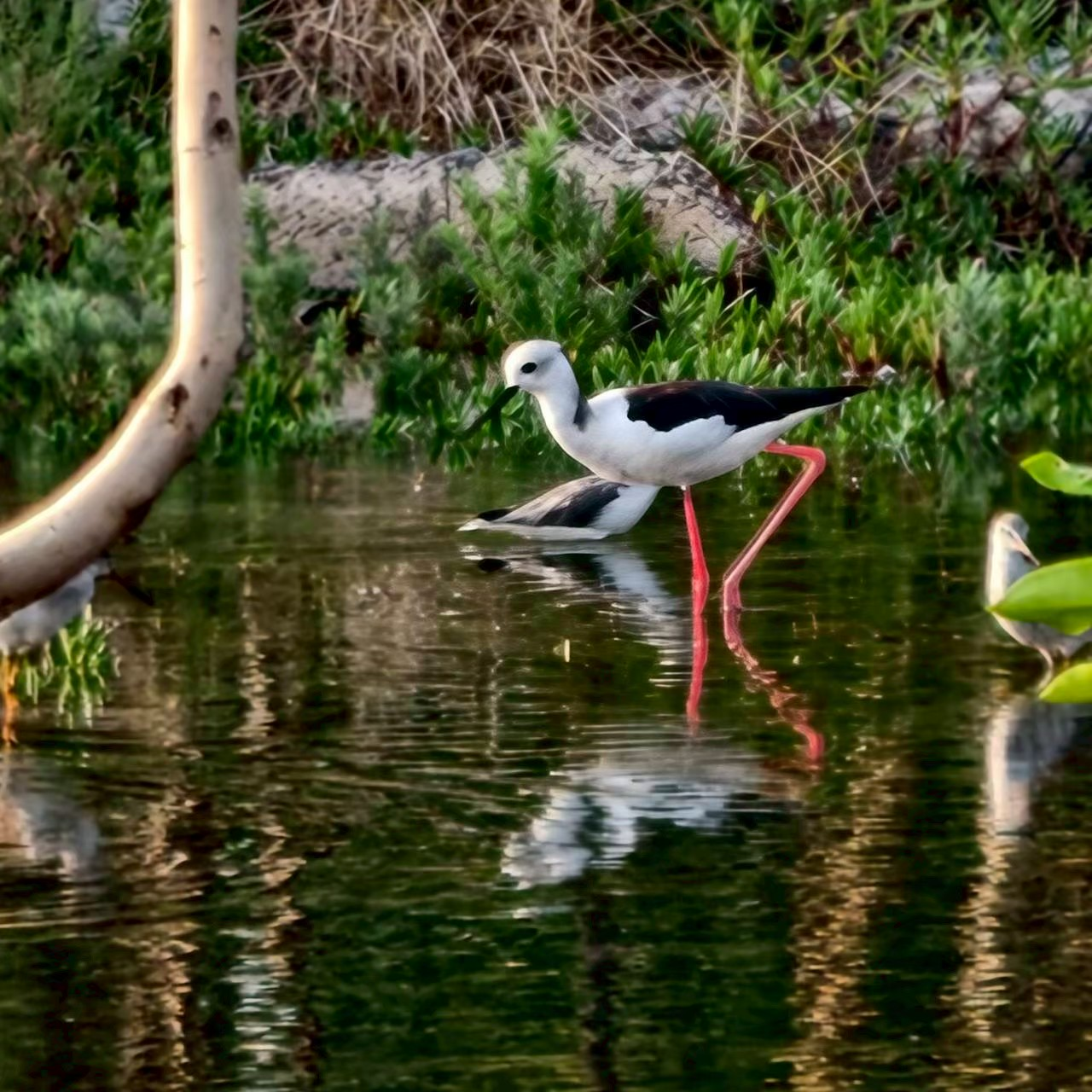
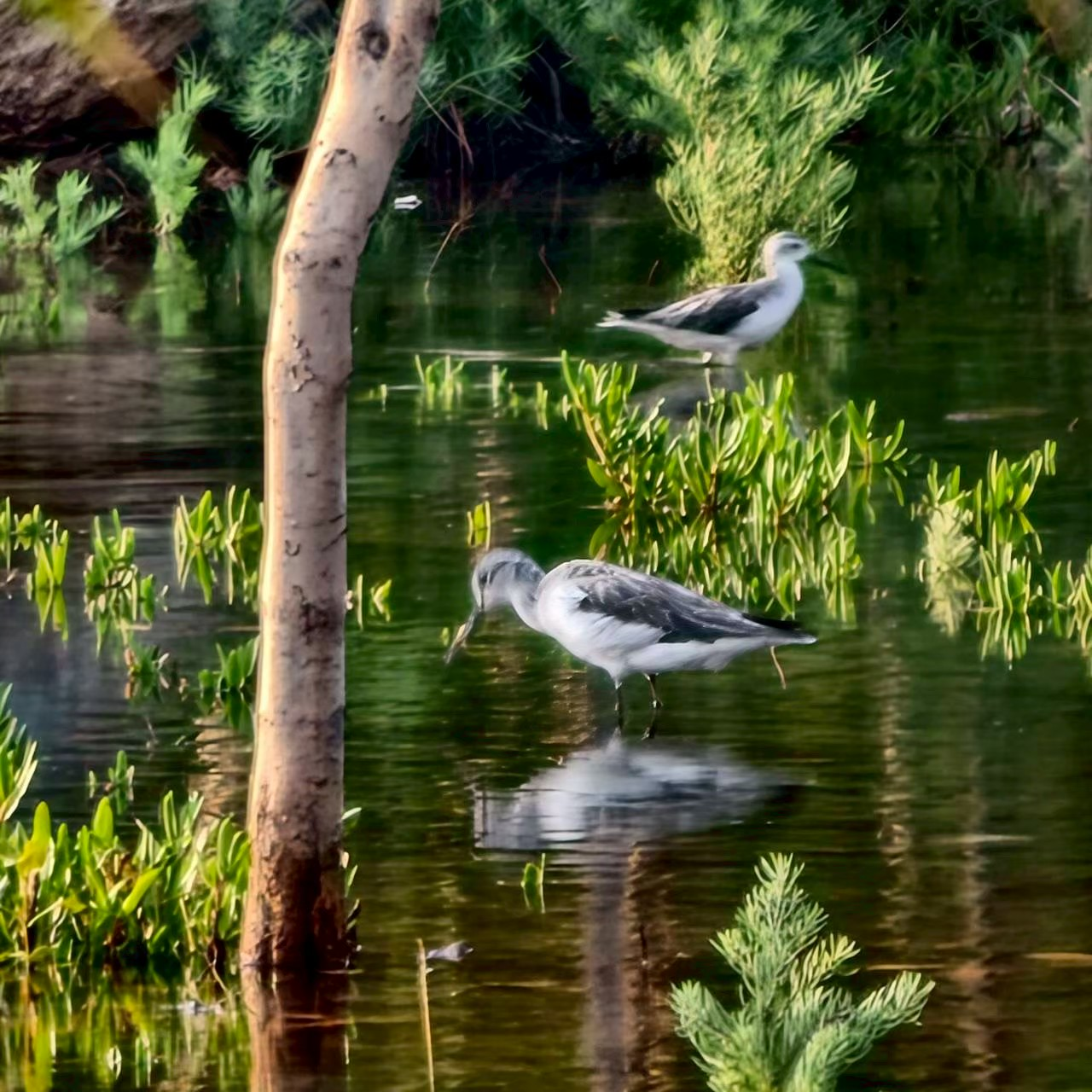
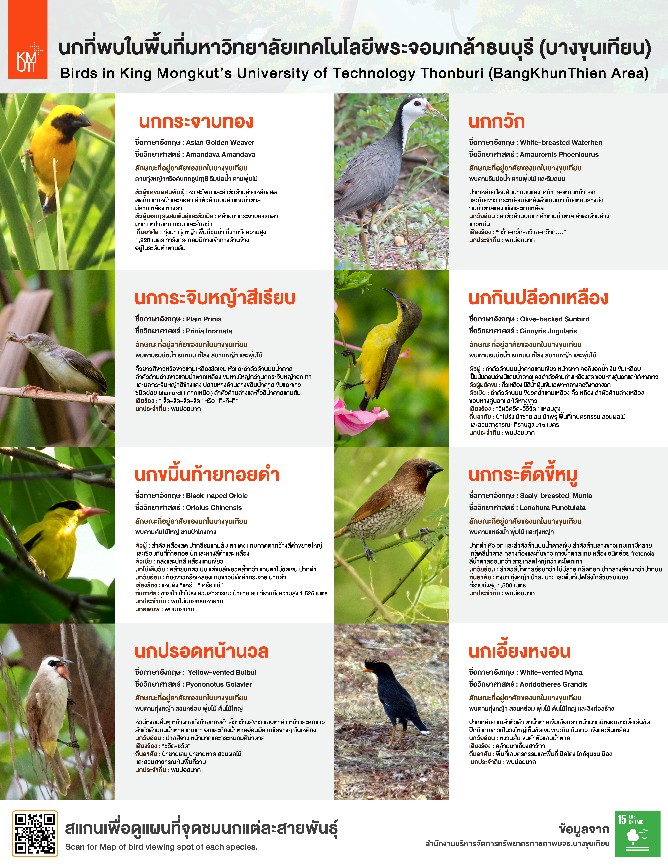
Birds at KMUTT Bang Khun Thian
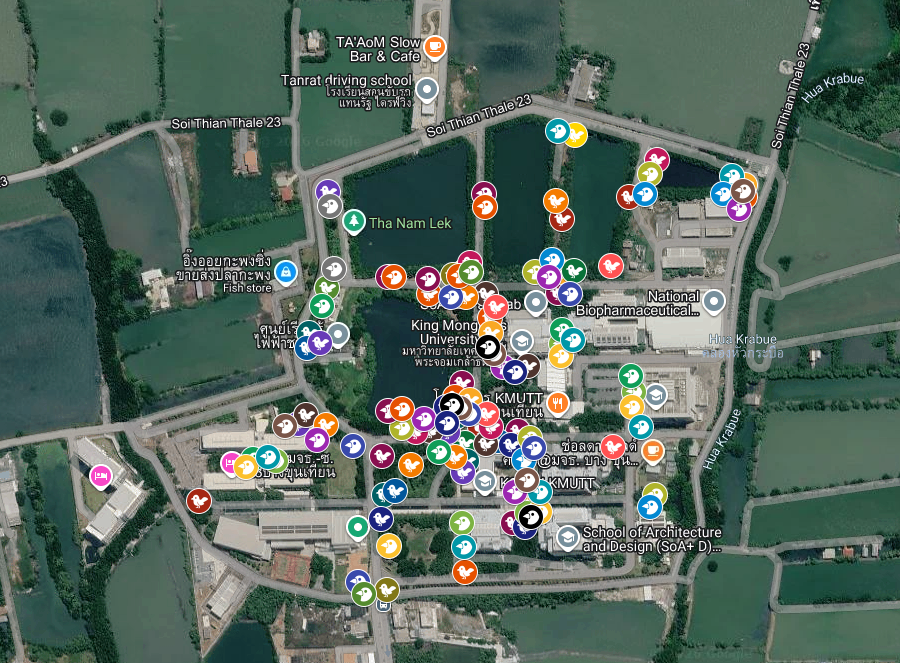
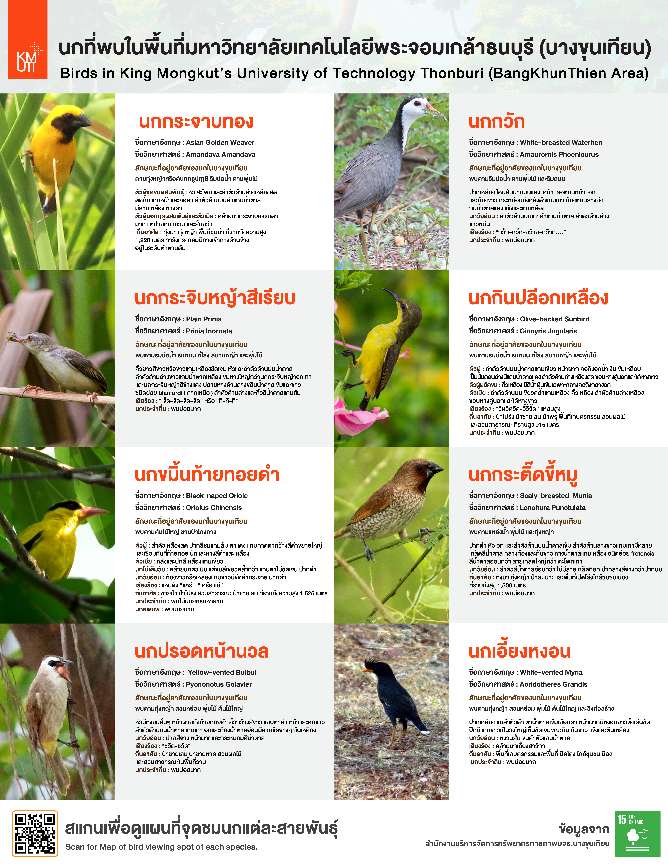
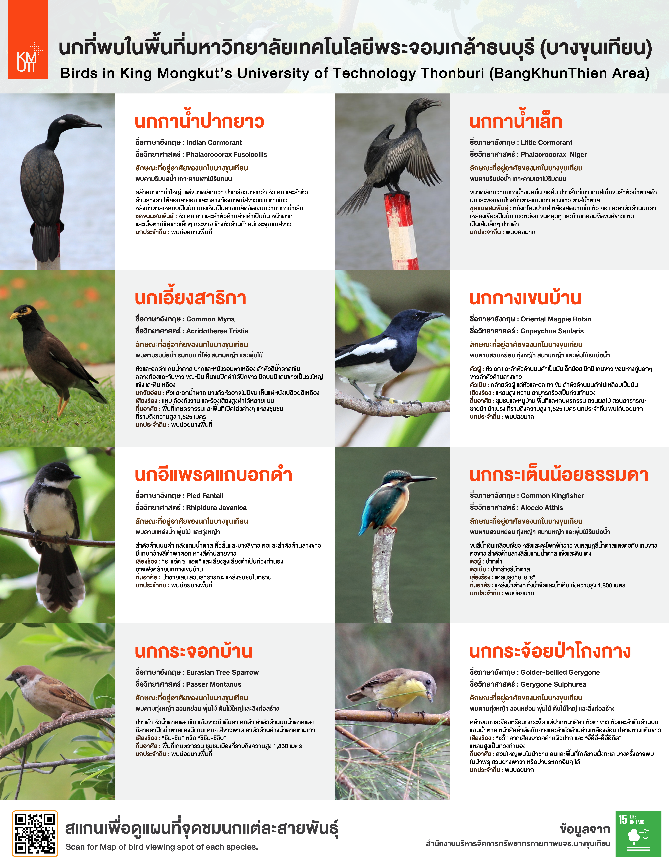
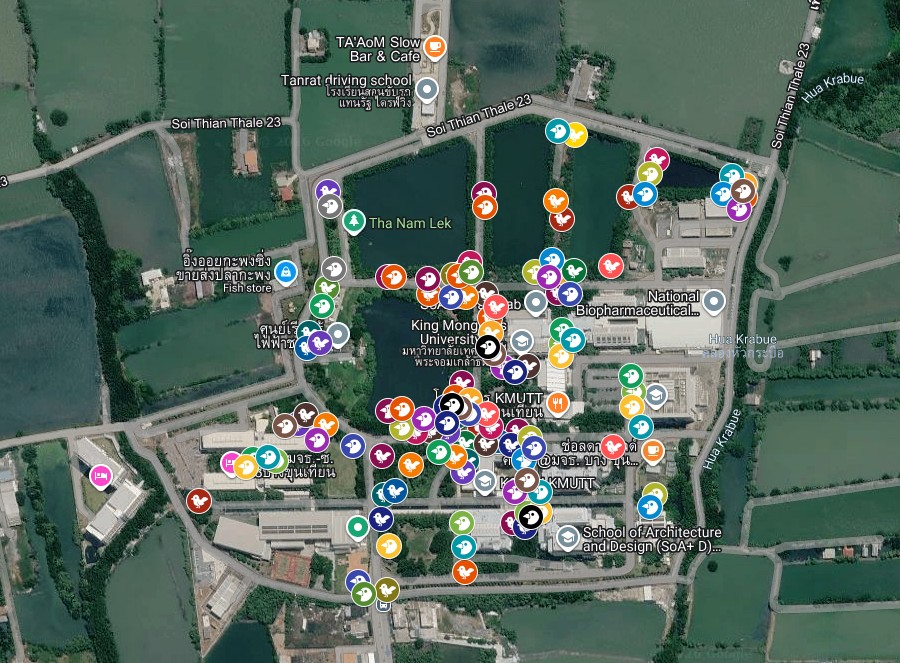
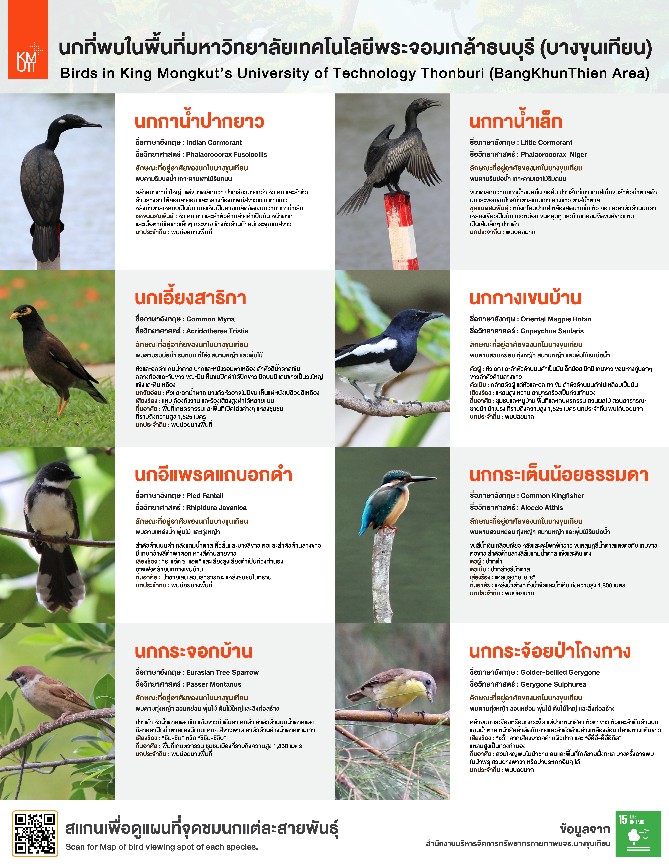
A map to recommend various bird watching spots within the area of KMUTT Bang Khun Thian, created by students and staff who love bird watching.
Original bird-watching location map supplied by KMUTT students and staff. Map markers and place labels are retained whole.
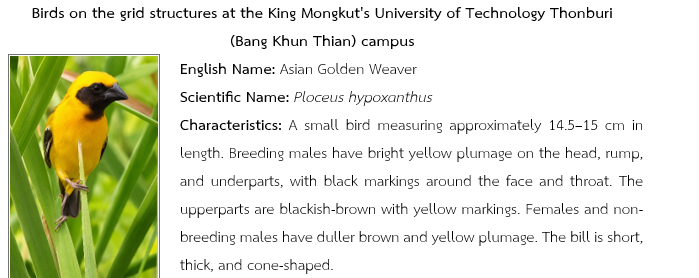
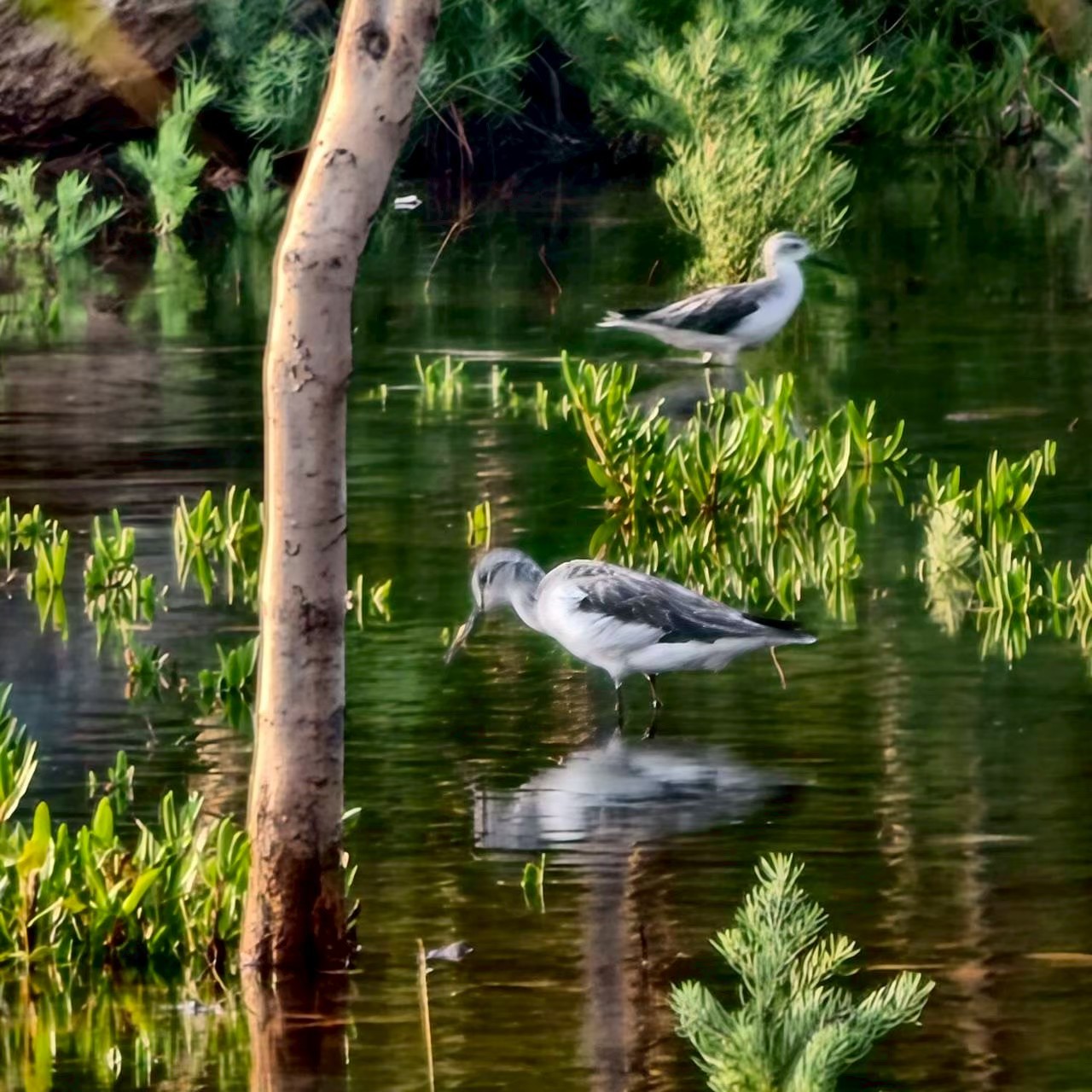
Birds on the grid structures at the King Mongkut's University of Technology Thonburi (Bang Khun Thian) campus
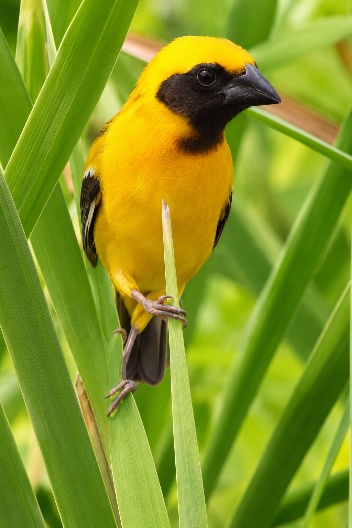
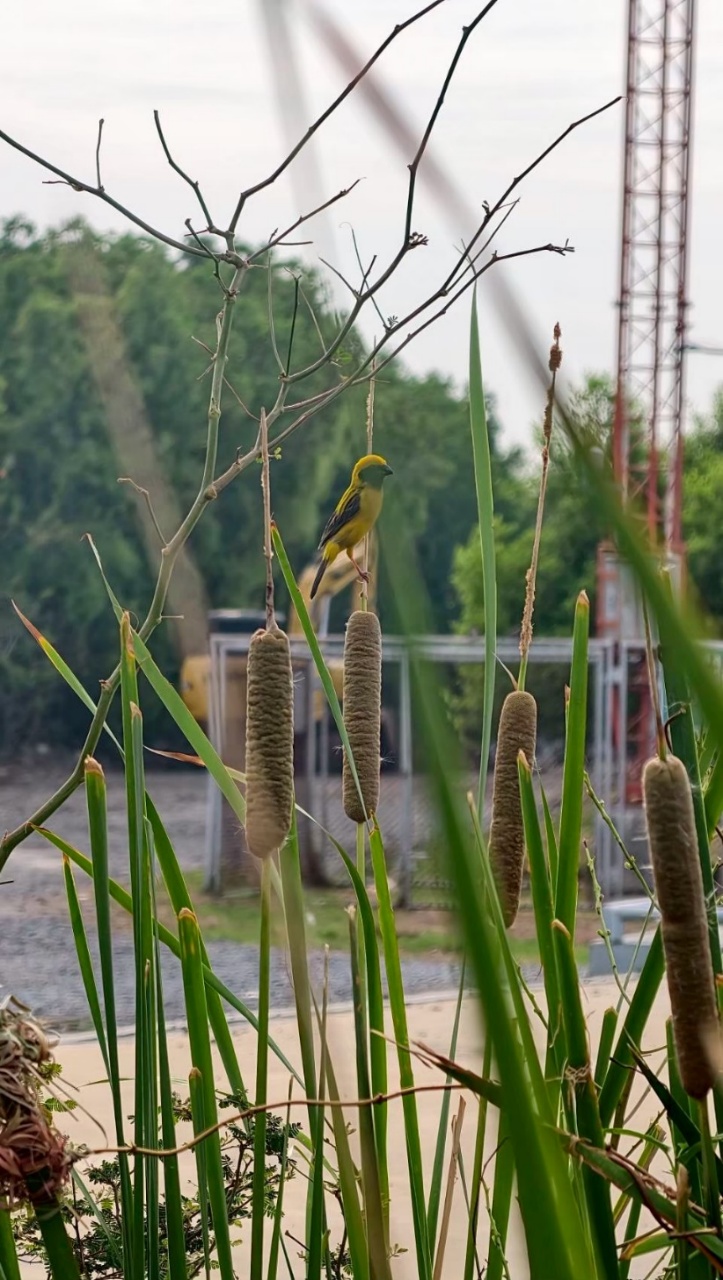
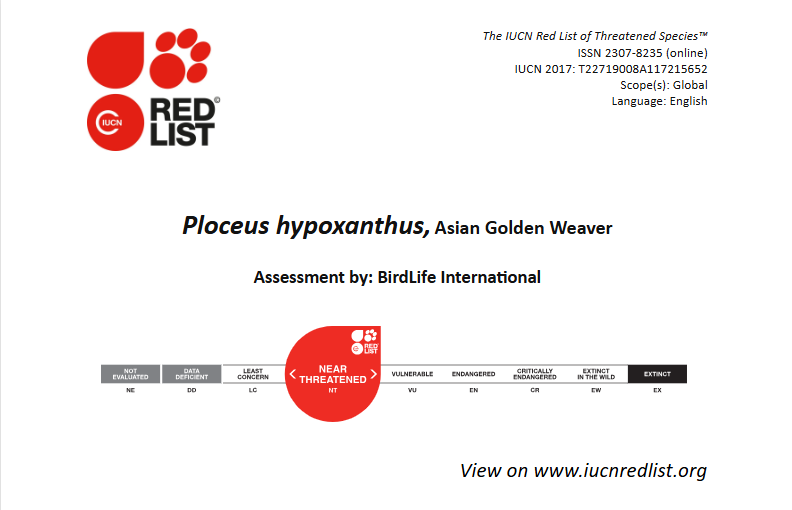
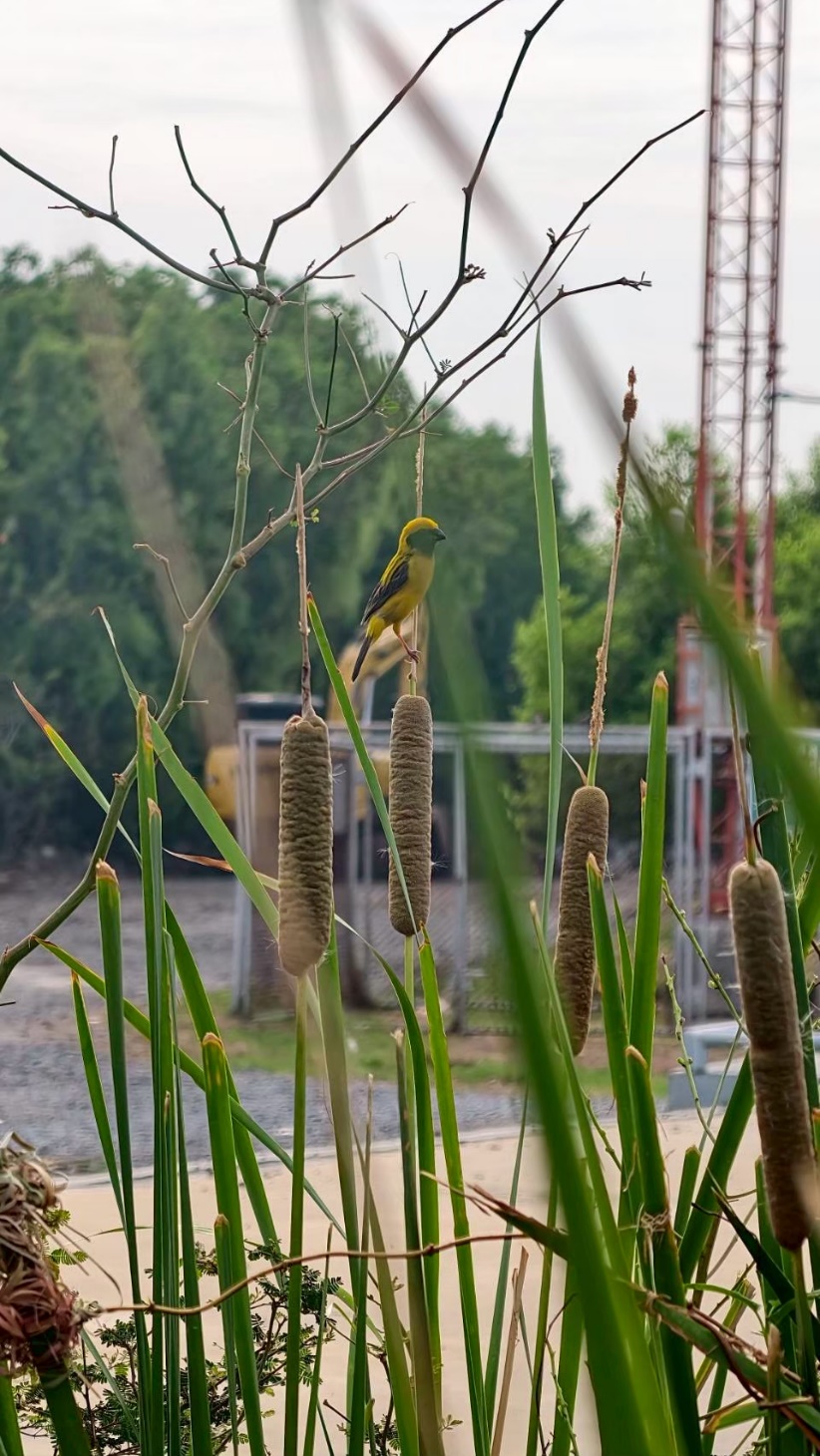
Asian Golden WeaverPloceus hypoxanthus
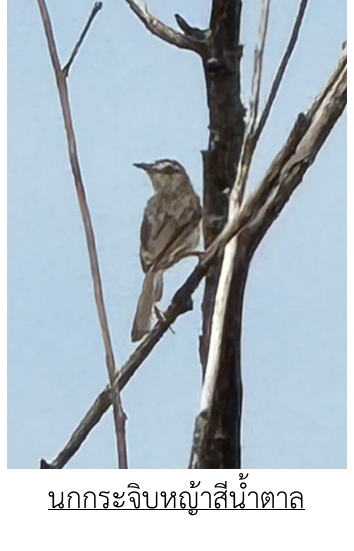
Plain PriniaPrinia inornata
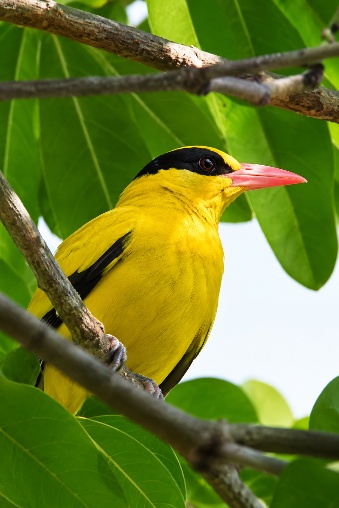
Black-naped OrioleOriolus chinensis
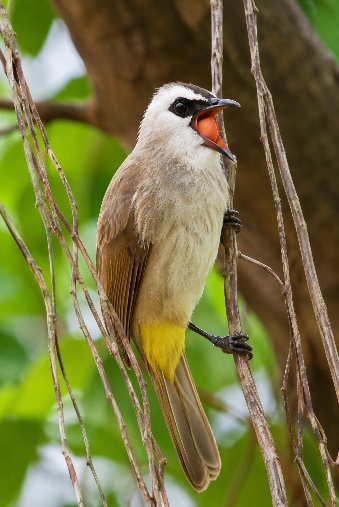
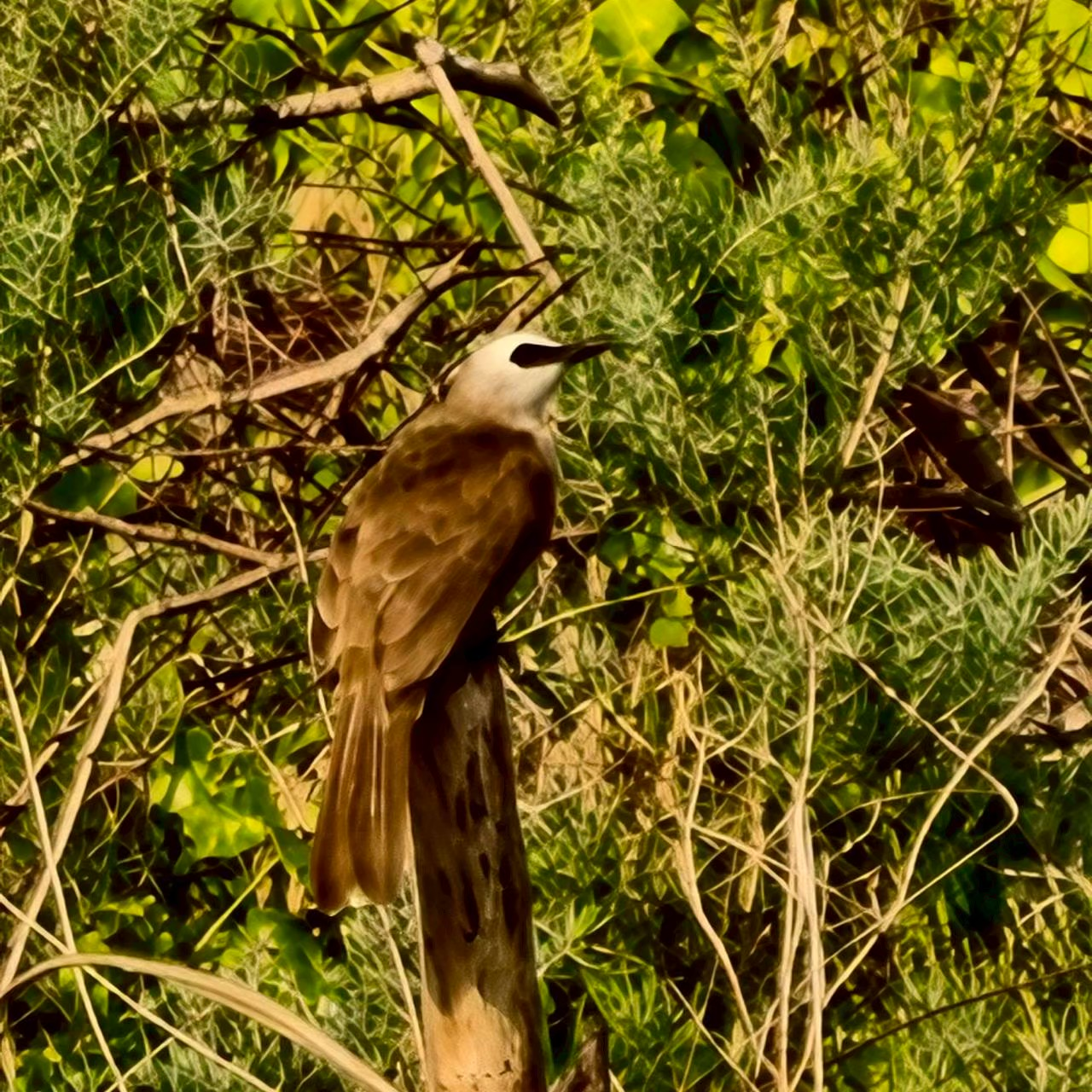
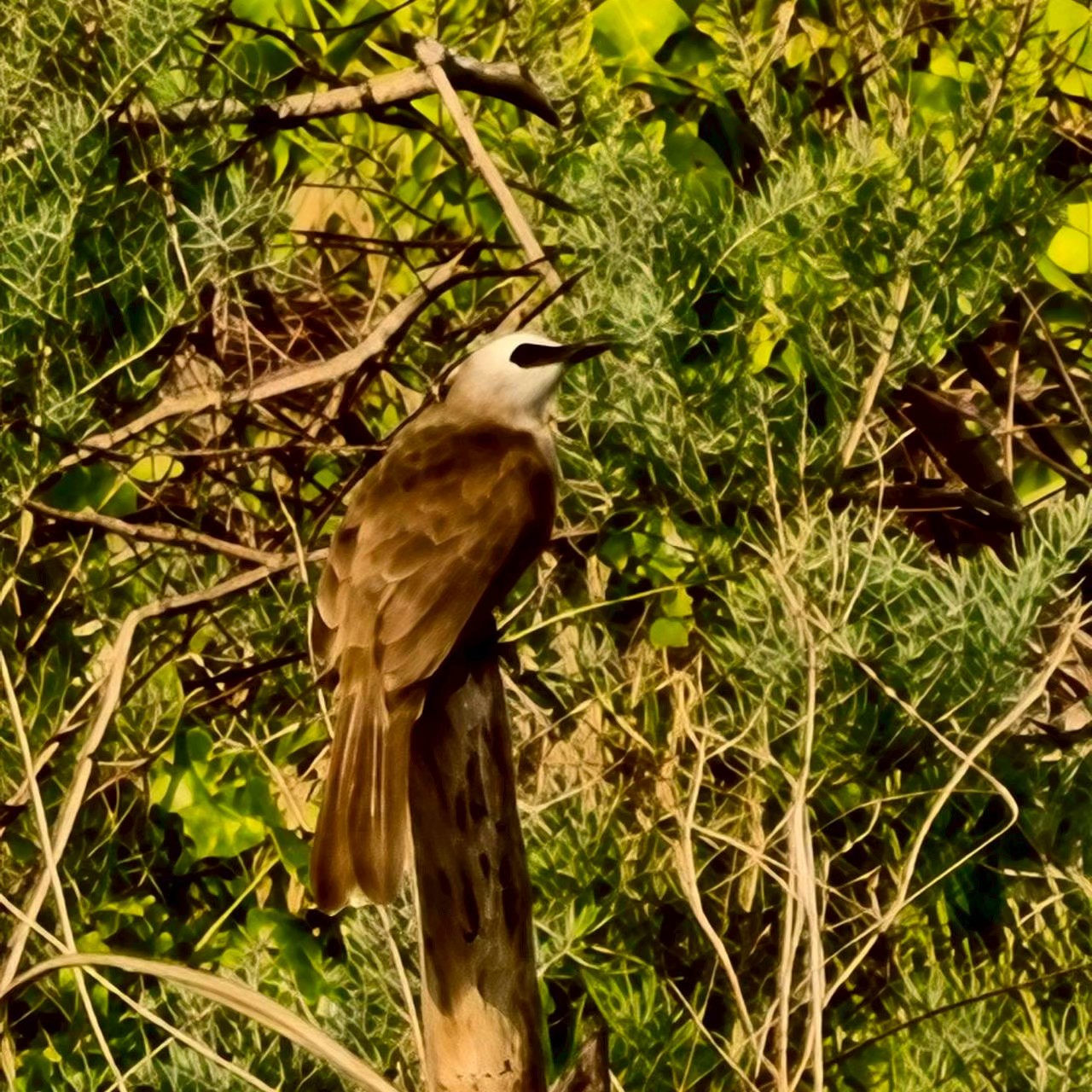
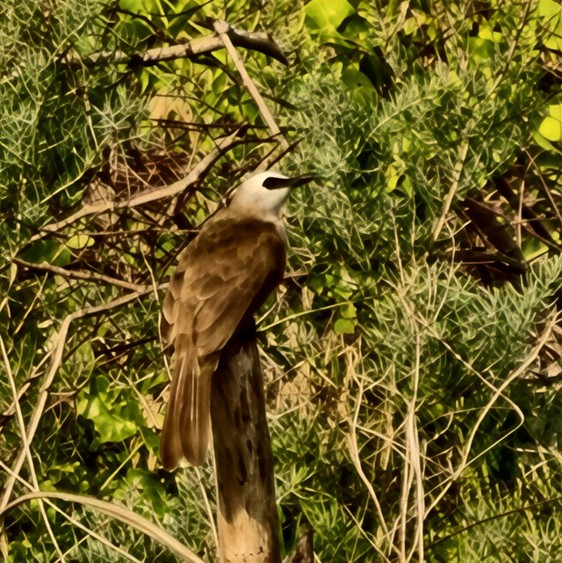
Yellow-vented BulbulPycnonotus goiavier
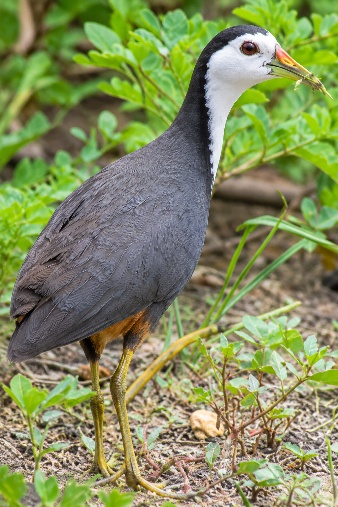
White-breasted WaterhenAmaurornis phoenicurus
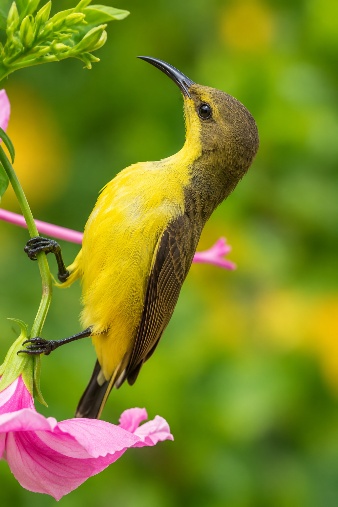
Olive-backed SunbirdCinnyris jugularis
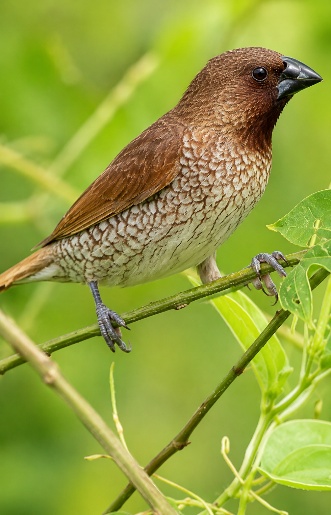
Scaly-breasted MuniaLonchura punctulata
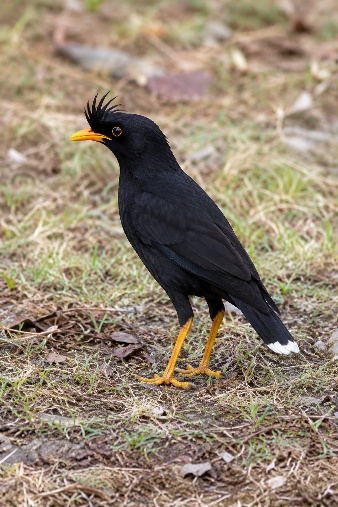
Great Myna (White-vented Myna)Acridotheres grandis
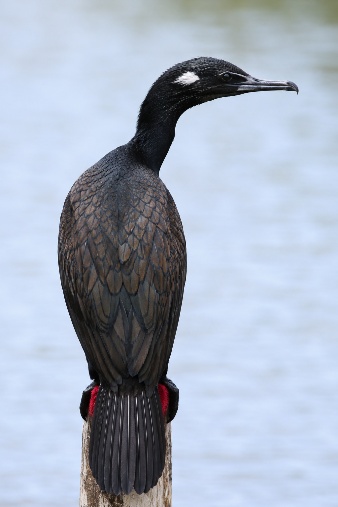
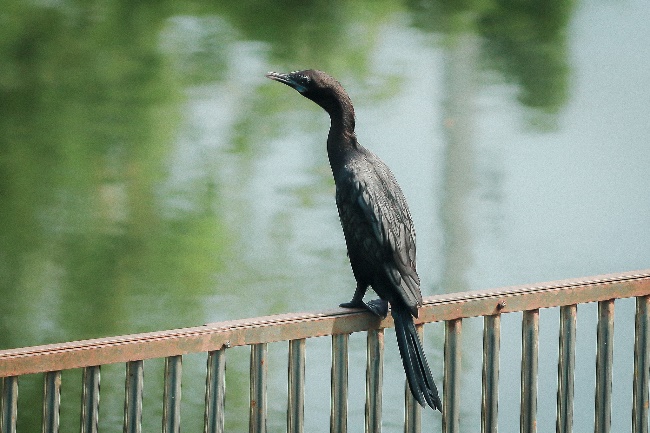
Indian CormorantPhalacrocorax fuscicollis
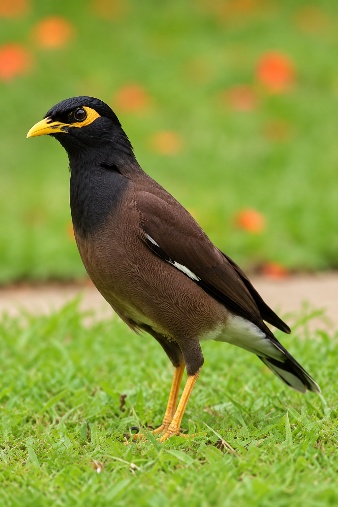
Common MynaAcridotheres tristis
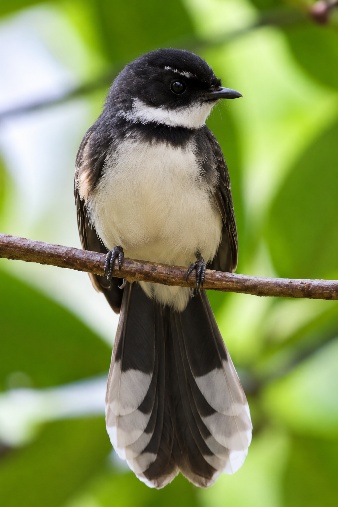
Malaysian Pied FantailRhipidura javanica
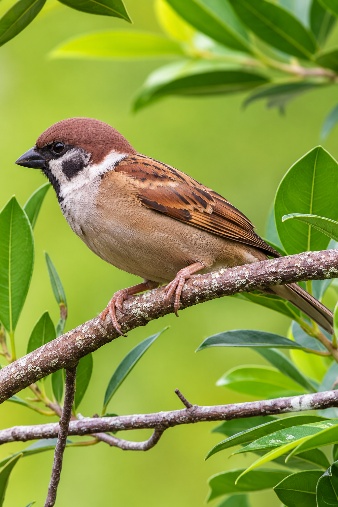
Eurasian Tree SparrowPasser montanus
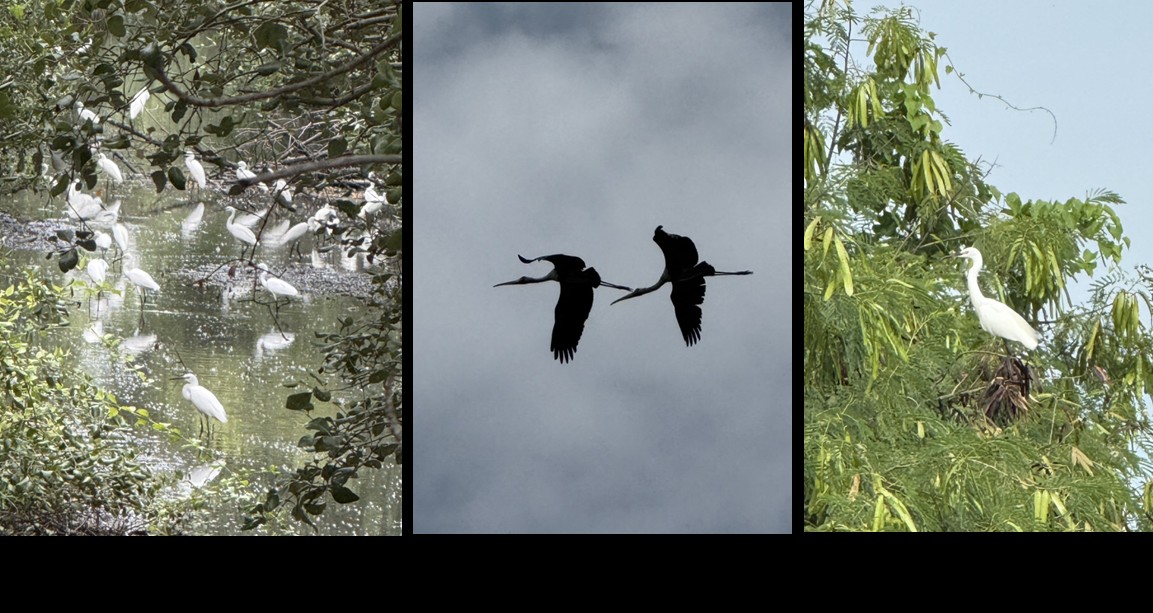
Little CormorantMicrocarbo niger
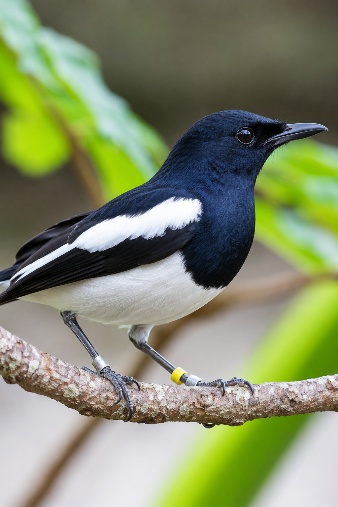
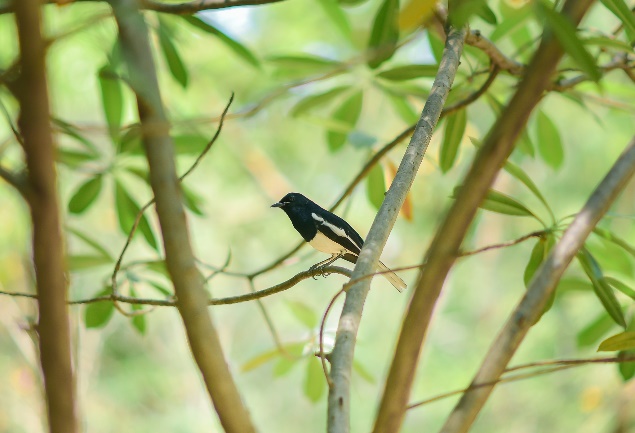
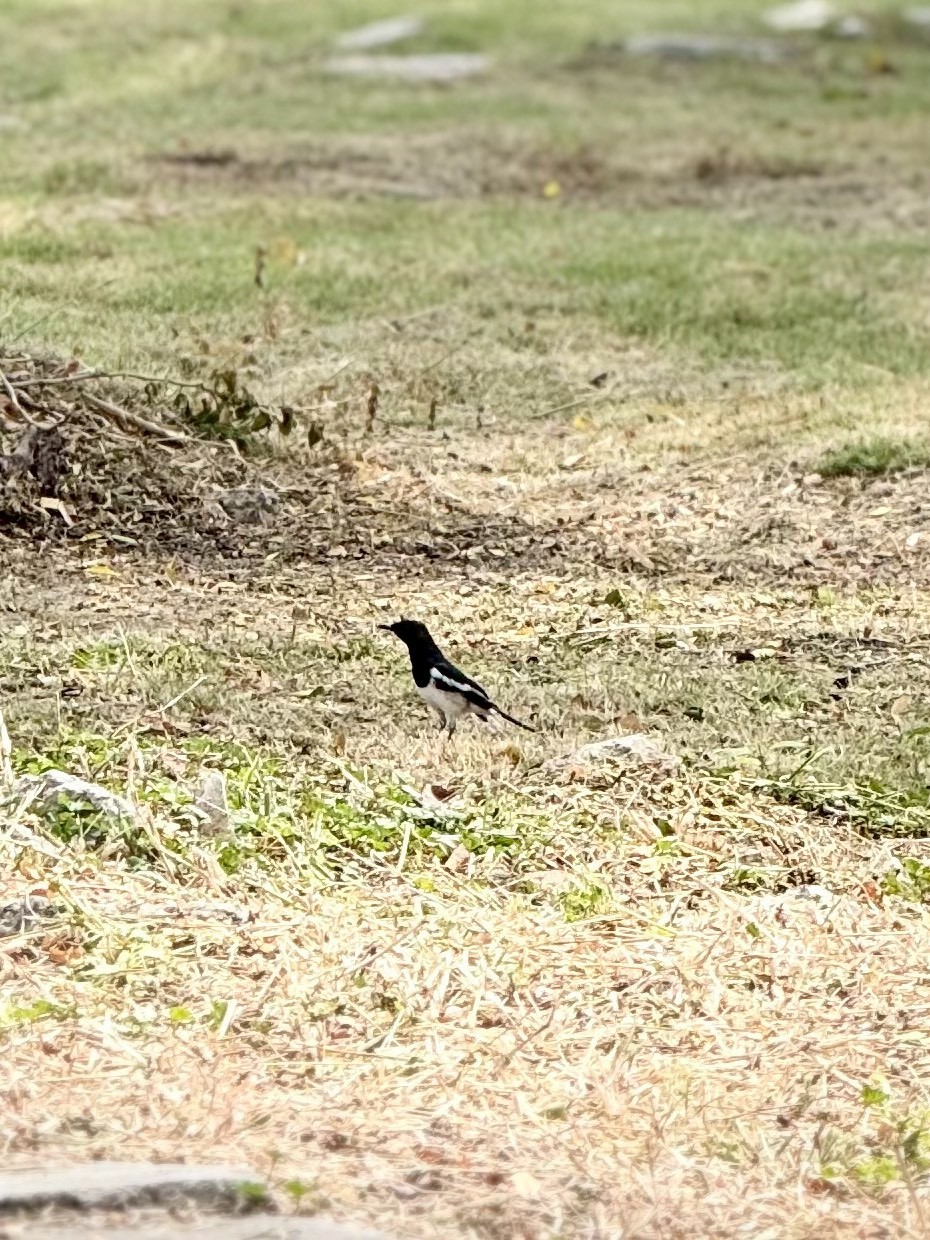
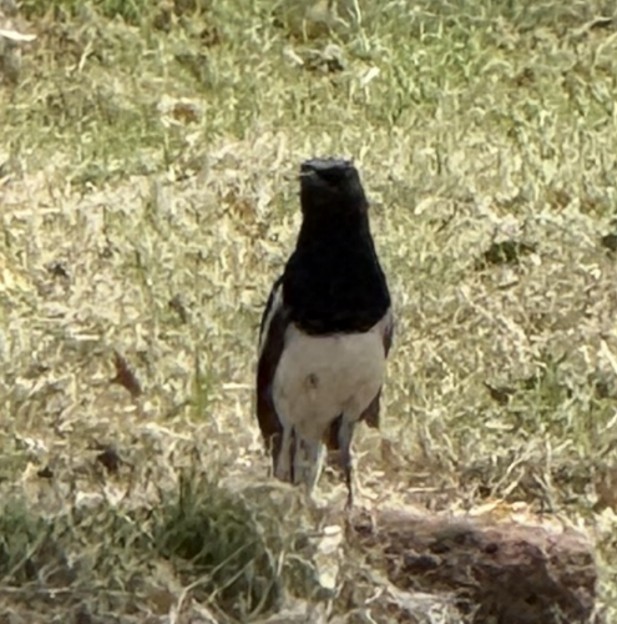
Oriental Magpie-RobinCopsychus saularis
Common KingfisherAlcedo atthis
Golden-bellied GerygoneGerygone sulphurea
Asian Golden Weaver
Ploceus hypoxanthus
A small bird measuring approximately 14.5–15 cm in length. Breeding males have bright yellow plumage on the head, rump, and underparts, with black markings around the face and throat. The upperparts are blackish-brown with yellow markings. Females and non-breeding males have duller brown and yellow plumage. The bill is short, thick, and cone-shaped .
Plain Prinia
Prinia inornata
A small bird about 15 cm in length. It has brown upperparts, a prominent white eyebrow, and pale buff to brownish underparts. It has a relatively long tail, a short pointed bill, and pinkish legs. It is commonly found in grasslands, rice fields, wetlands, scrub , and areas near water.
Little Cormorant
Microcarbo niger
A medium-sized waterbird measuring approximately 51–54.5 cm in length. It has a short neck, short greyish bill, and dark brown to black plumage. During the breeding season, the head, neck, and upperparts become glossy black with a greenish sheen, while fine white feathers may appear around the crown, ears, and nape. It is commonly found in ponds, lakes, rivers, wetlands, and mangrove areas.
Common Kingfisher
Alcedo atthis
A small bird measuring approximately 16–18 cm in length. It has bright blue to greenish-blue upperparts, a long pointed black bill, and orange-brown underparts. The throat and chin are white, with reddish-brown feathers around the ears. Its legs and feet are bright red. It is commonly found near rivers, ponds, wetlands, and other freshwater habitats, where it feeds mainly on small fish
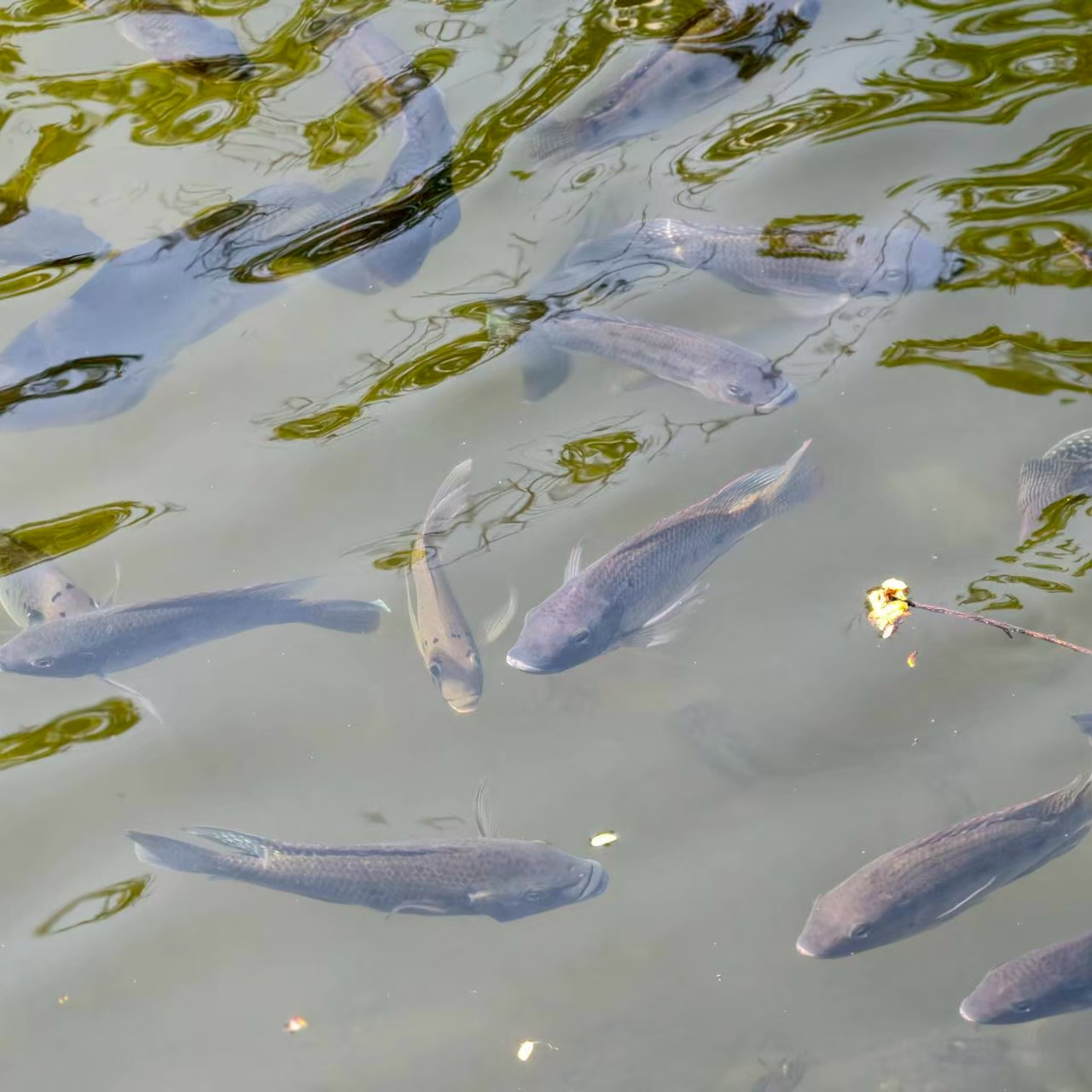
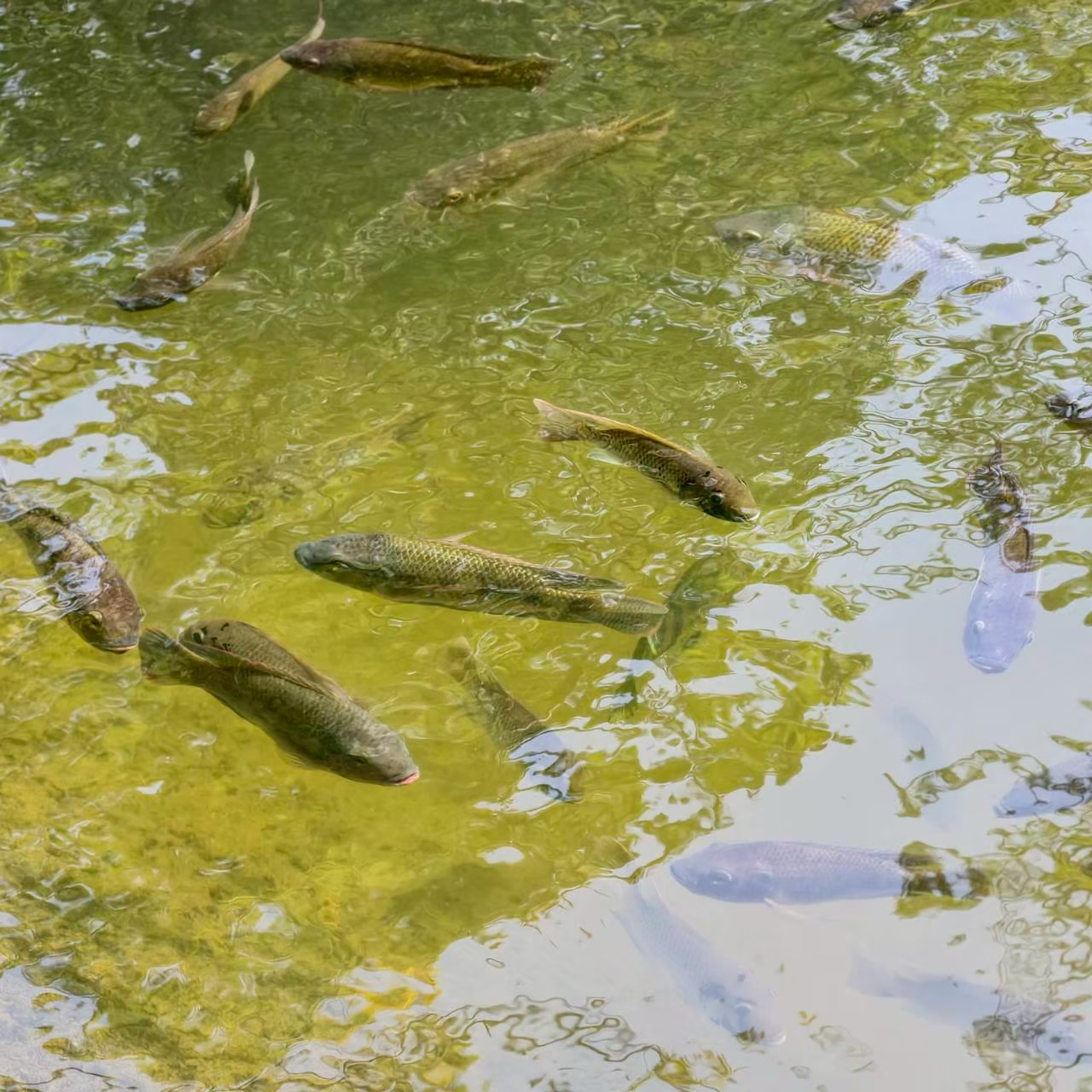
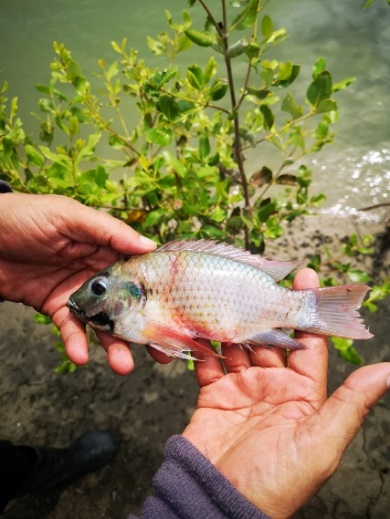
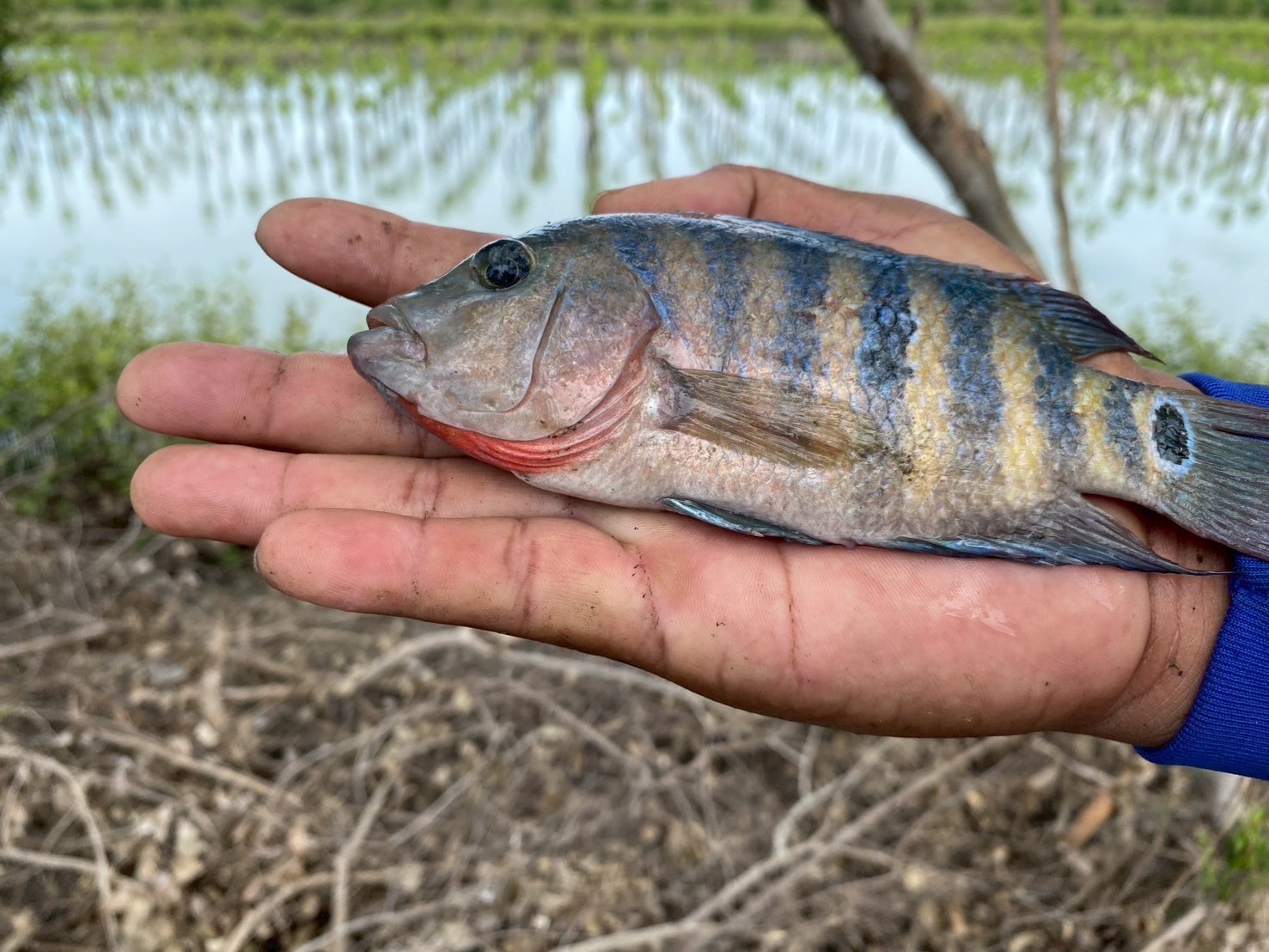
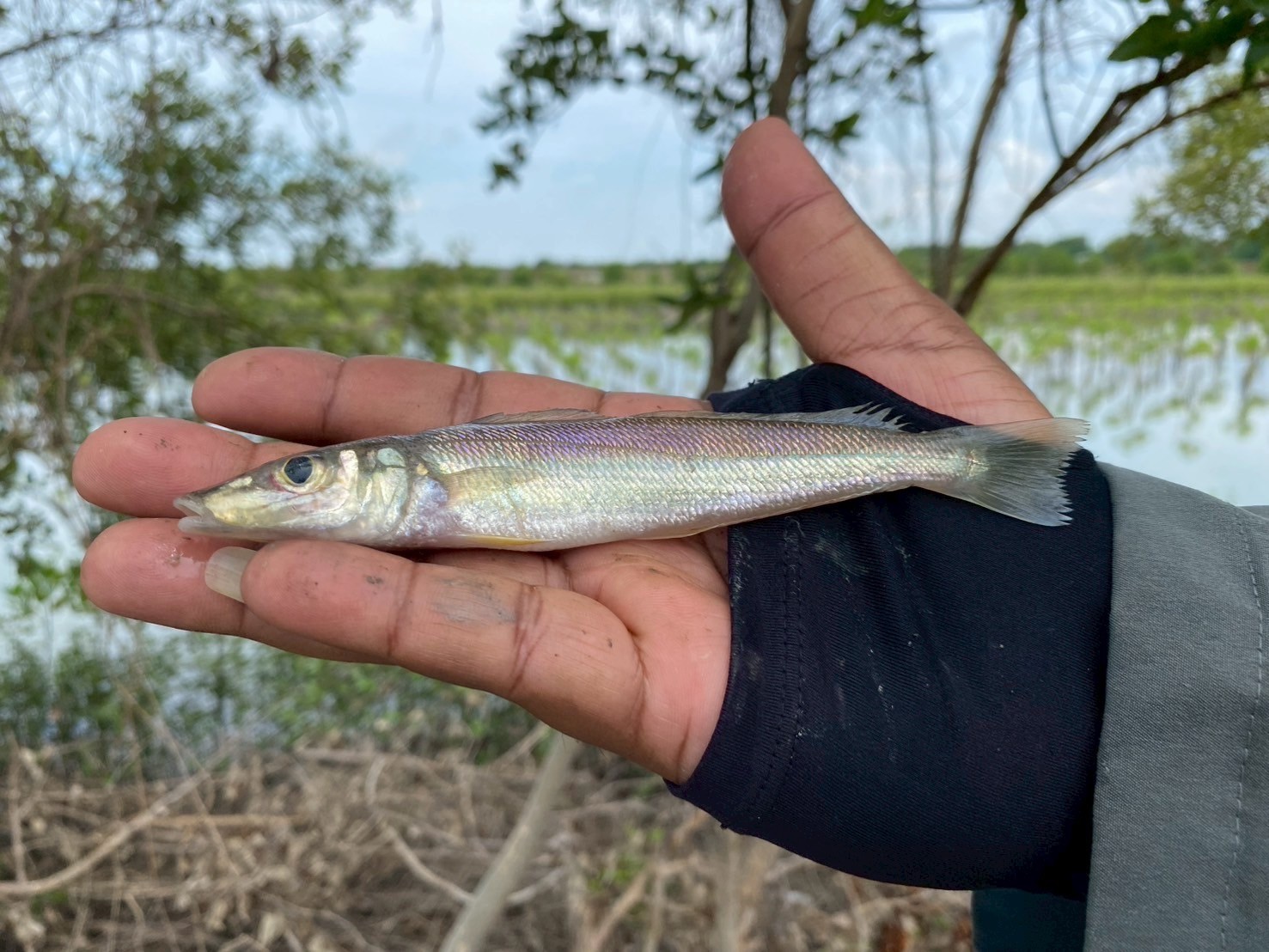
Blackchin Tilapia management in open ecosystems
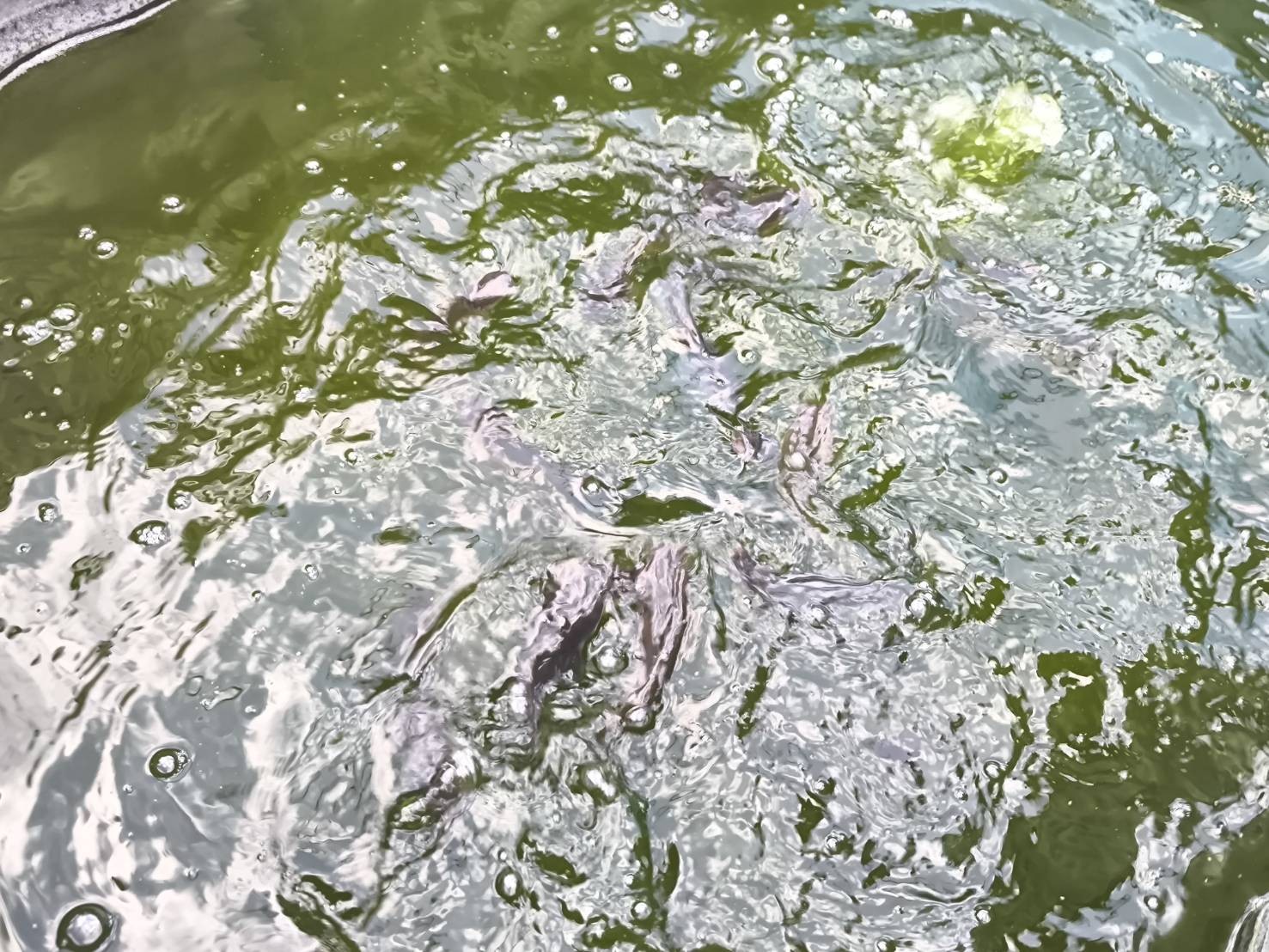
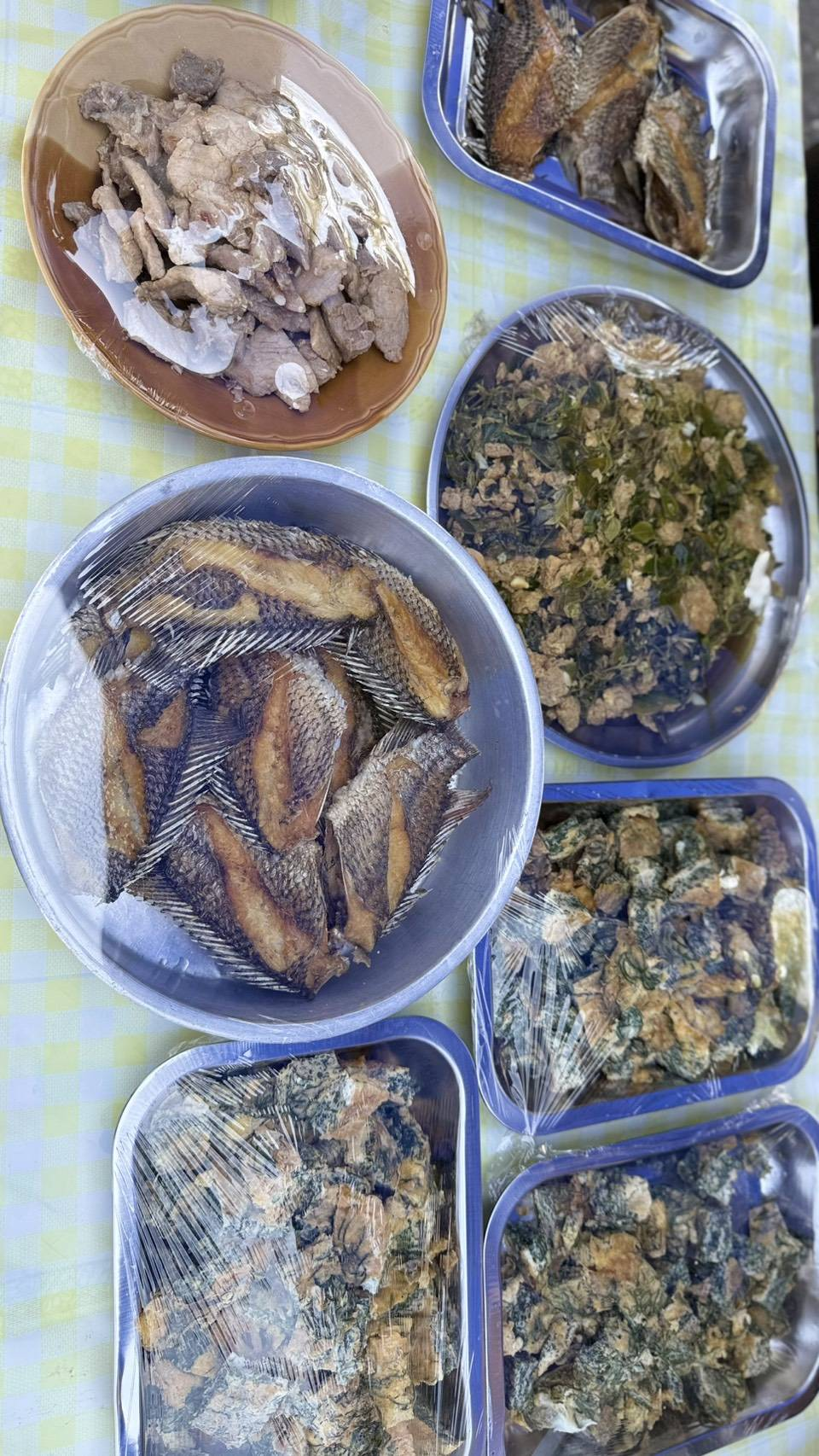
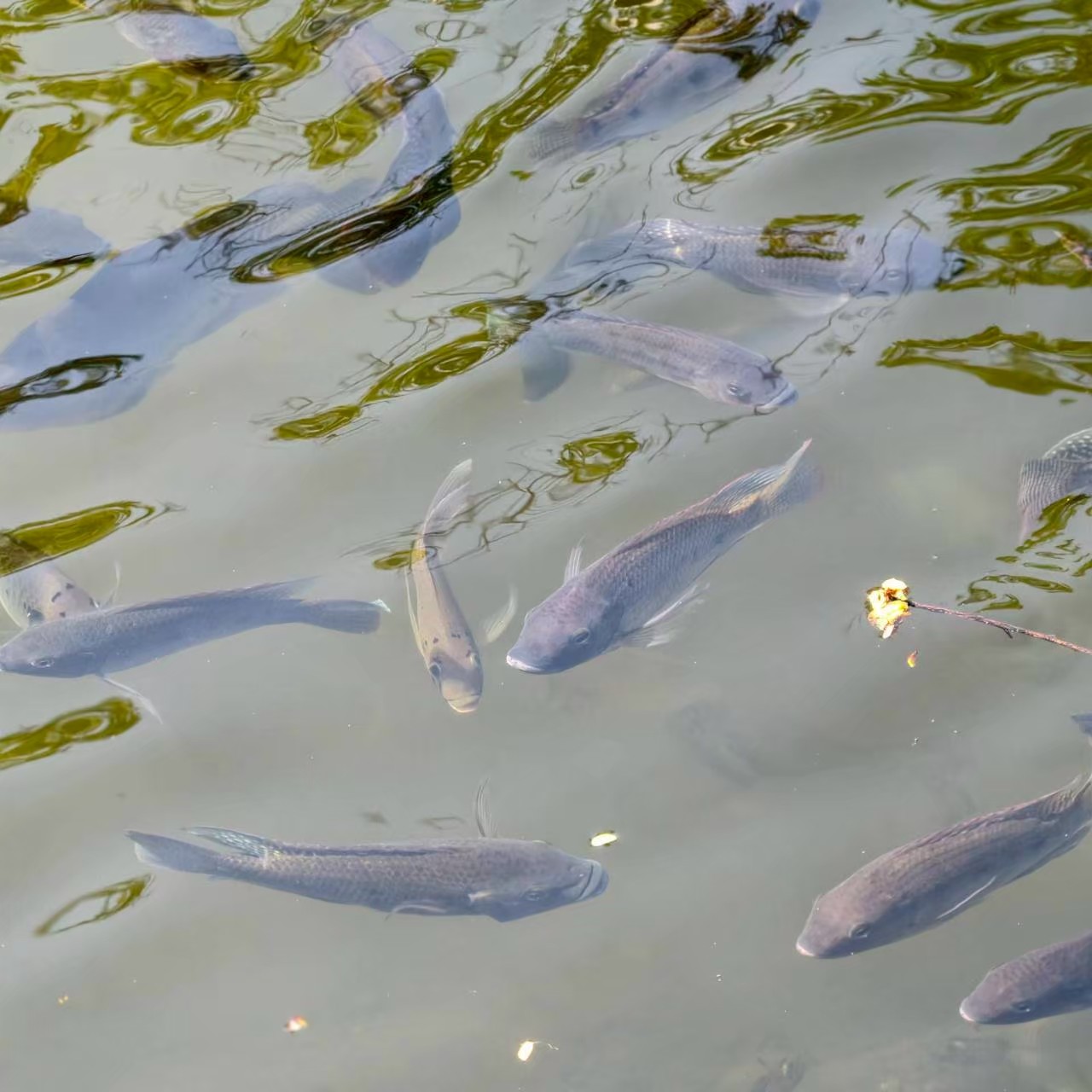
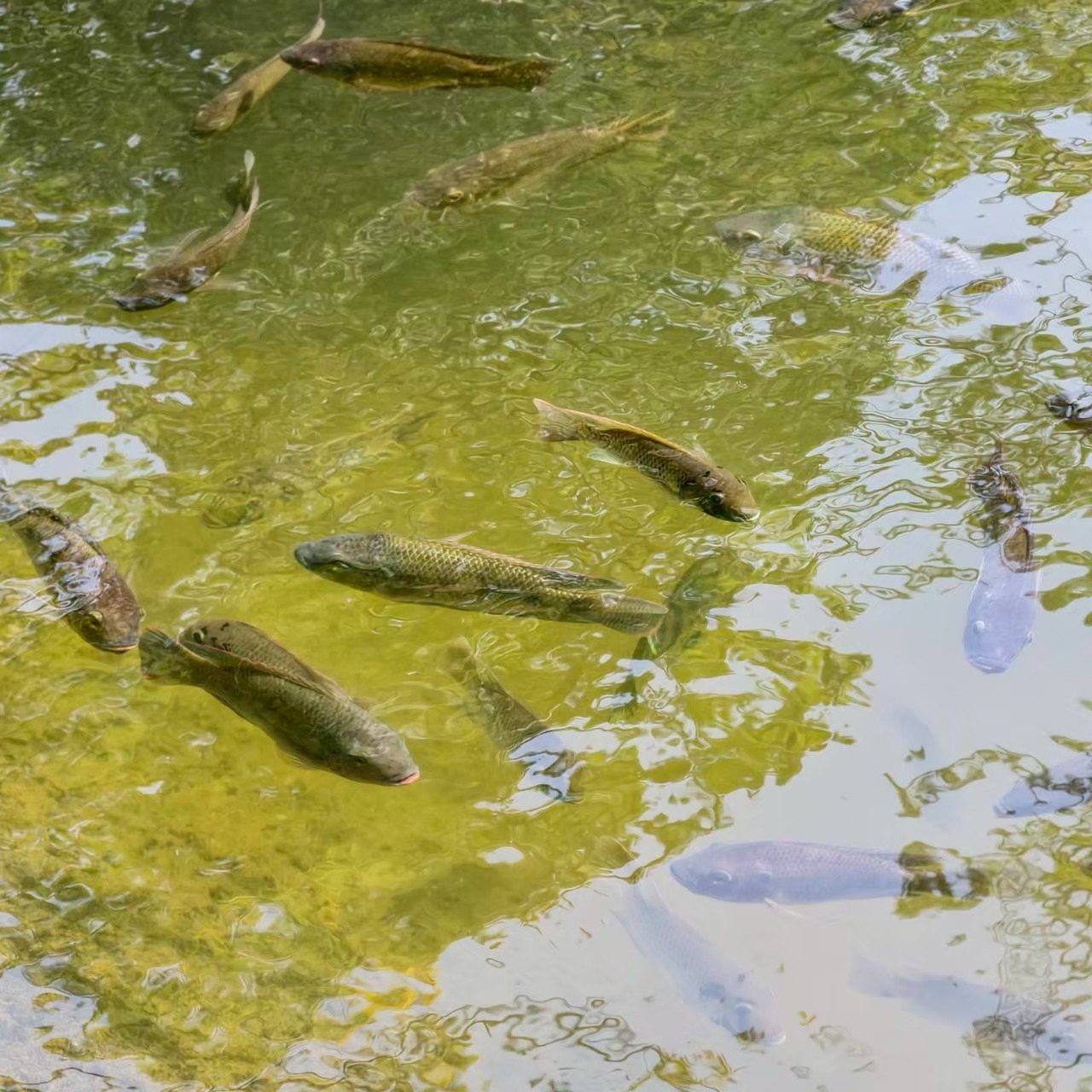
KMUTT has implemented measures to manage the spread of Blackchin Tilapia (Sarotherodon melanotheron), an invasive species found within the university’s open ecosystems. As part of the management approach, the university removes Blackchin Tilapia from affected areas and utilizes the fish as a food resource through appropriate food preparation and consumption. This approach helps reduce the population of the invasive species while promoting the sustainable use of available biological resources.
Photograph supplied with the Blackchin Tilapia management and food-use account. Capture date is not specified.
National Forest Conservation Day · 14 January 2025
On January 14, 2025, the Energy Environment Safety and Health (EESH), King Mongkut’s University of Technology Thonburi (KMUTT), organized the National Forest Conservation Day under the university’s Green & Clean Campus policy. The activity aimed to raise awareness among students and staff about forest conservation, environmental responsibility, and sustainable resource management. It also encouraged active participation in environmental initiatives and promoted the development of students as “Green Heart” individuals and “Change Agents” who can share their knowledge and extend sustainable practices to surrounding communities and society.
Environmental learning and planting photographs supplied with the 14 January 2025 National Forest Conservation Day account.
Seedling exchange · World Environment Day 2025
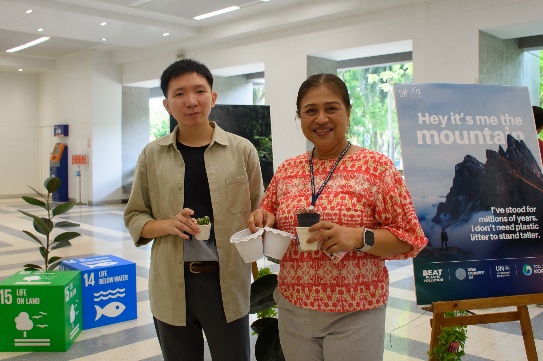
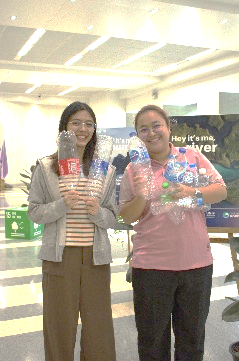
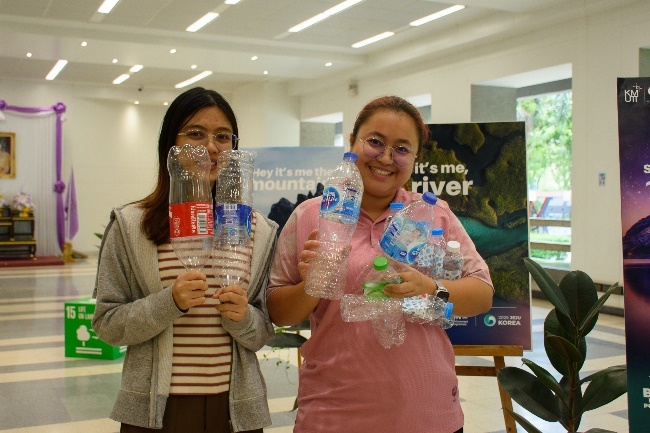
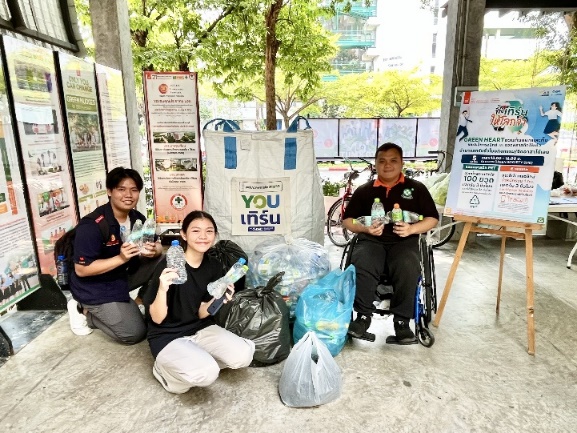
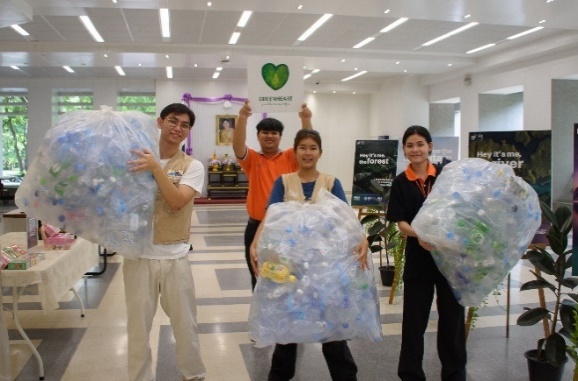
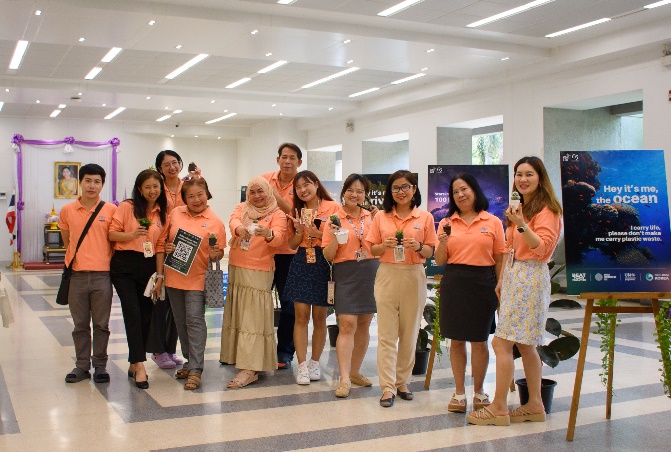
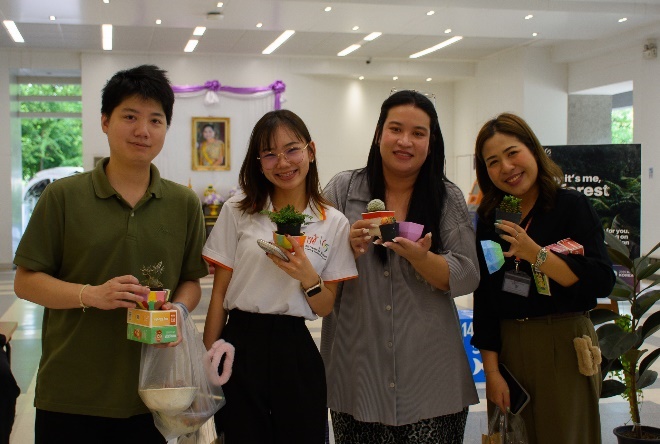
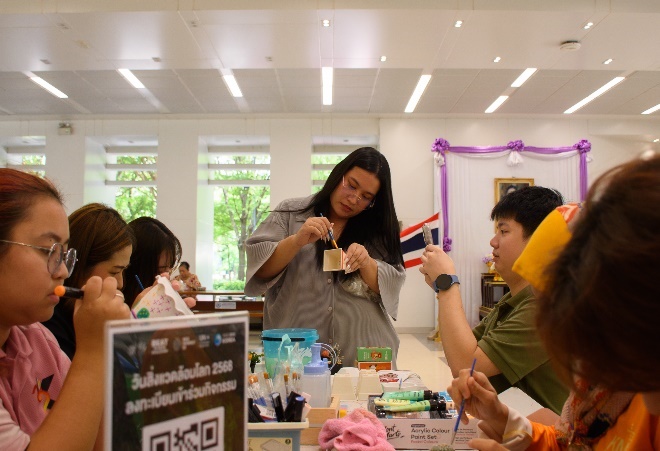
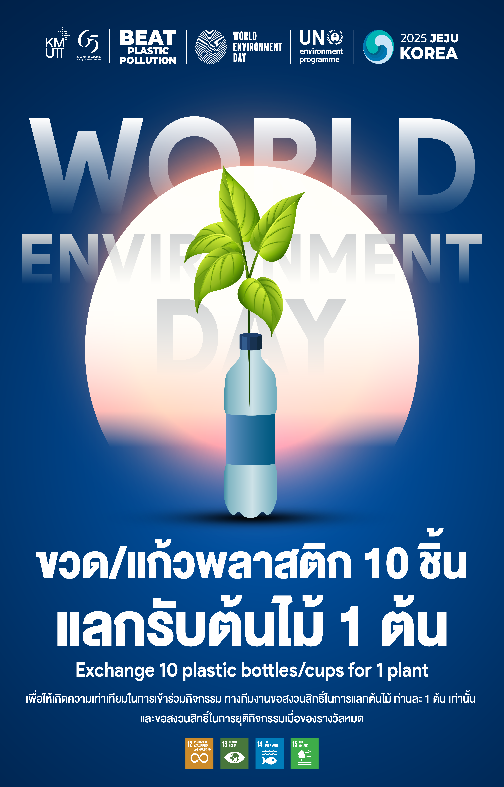
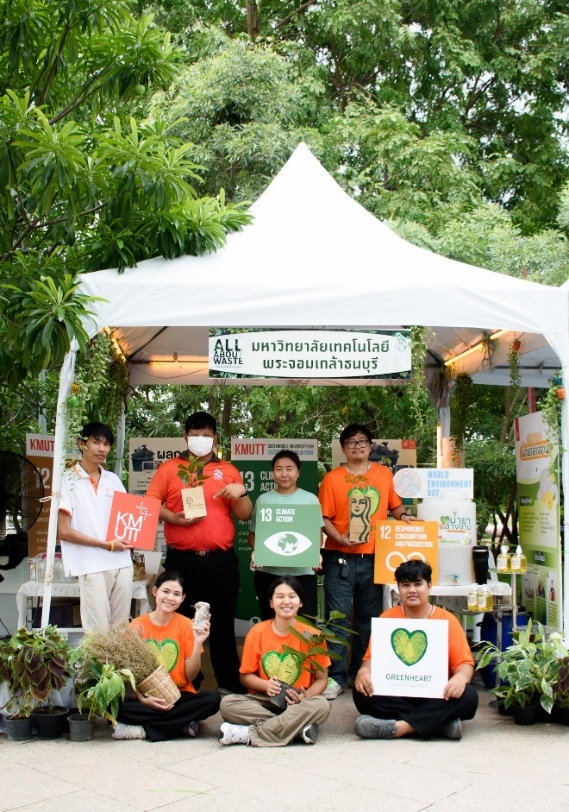
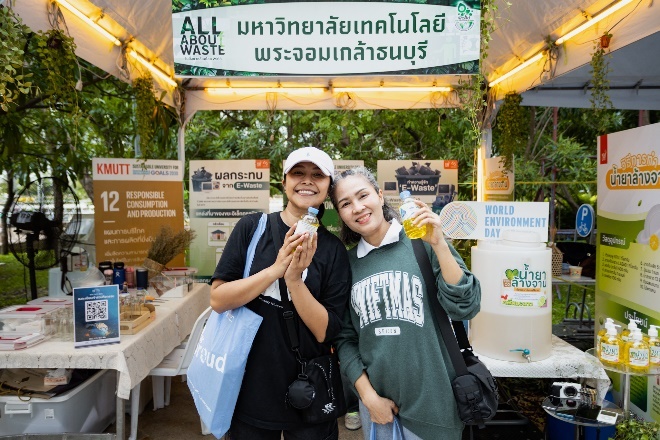
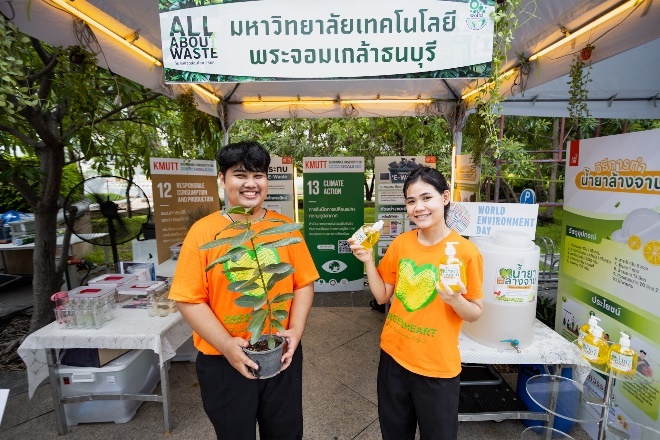
King Mongkut’s University of Technology Thonburi (KMUTT), led by the Energy, Environment, Safety, and Occupational Health Management Center (EESH), organized activities for World Environment Day 2025 under the theme “Beat Plastic Pollution” on Thursday, 5 June 2025. The activity encouraged the KMUTT community to participate in environmental conservation by promoting waste segregation at source and reducing single-use plastic waste. Members of the KMUTT community were invited to bring single-use plastic waste, such as plastic cups, plastic bottles, and plastic bags, to exchange for tree seedlings. A total of 12.7 kilograms of waste was collected, consisting of 11.5 kilograms of plastic bottles and 1.2 kilograms of glass bottles, cans, and opaque plastic bottles. The collected waste was subsequently transferred to the university’s Waste Bank system for further management and recycling.
The distribution of tree seedlings encouraged members of the KMUTT community to plant and maintain trees in their own areas, contributing to the expansion of green spaces and supporting the conservation and enhancement of plant biodiversity within the university community.
Seedling-exchange participation photographs supplied with the 5 June 2025 World Environment Day account.
Supplementary species profiles, policy documents and activity photographs
Original biodiversity policy documents
Original institutional biodiversity policy document · first supplied page.Original institutional biodiversity policy document · continuation and dated signature.Emblem detail supplied with the policy transcription; original small image retained.Signature detail supplied with the policy transcription; not attached to a reconstructed document.
Additional local bird profiles
Black-naped Oriole
Oriolus chinensis
A medium-sized bird about 27 cm in length. It has bright yellow plumage, with a distinctive broad black stripe extending from the base of the bill through the eyes and joining at the back of the neck. The wings and parts of the tail are black, and the bill is strong and pinkish-orange . Females are generally more greenish-yellow, while juveniles may have black streaks on the underparts.
Yellow-vented Bulbul
Pycnonotus goiavier
A small to medium-sized bulbul with greyish-brown upperparts and pale underparts. It has a whitish face and throat, a short crest on the head, and a distinctive yellow patch under the tail. The wings and tail are darker brown, and it commonly inhabits gardens, cultivated areas, scrublands, and secondary forests.
White-breasted Waterhen
Amaurornis phoenicurus
A medium-sized waterbird with a dark grey to black head, neck, breast, and upperparts, contrasting with a white face, throat, and underparts. It has long yellowish-green legs and a short, yellowish bill. It is commonly found around wetlands, rice fields, ponds, marshes, and areas with dense vegetation near water.
Olive-backed Sunbird
Cinnyris jugularis
A small bird with a slender, slightly curved bill. The male has olive-green upperparts, bright yellow underparts, and a distinctive dark blue to black throat and upper breast. The female is generally duller, with olive-green upperparts and yellow underparts without the dark throat patch. It mainly feeds on nectar and also eats small insects.
Scaly-breasted Munia
Lonchura punctulata
A small bird measuring approximately 12–12.5 cm in length. It has a short, thick, black conical bill, dark brown head and upperparts, and pale underparts with distinctive brown scale-like markings on the breast and belly. The center of the belly and undertail are whitish. It is commonly found in rice fields, grasslands, scrub , and open areas, and often occurs in flocks.
Great Myna (White-vented Myna)
Acridotheres grandis
A medium-sized bird with mostly black plumage and a prominent long crest on the forehead. It has a yellow bill and yellow legs, with distinctive white markings on the wings and a white rump and tail. The eyes are dark reddish-brown. It is commonly found in open areas, grasslands, agricultural areas, and around human settlements.
Indian Cormorant
Phalacrocorax fuscicollis
A medium-sized waterbird with mostly dark brown to black plumage, a slender body, and a relatively long, narrow bill. It has a dark head and neck, with a paler brownish throat and neck area. The eyes are greenish, and the bill is greyish with a darker tip. It is commonly found around freshwater lakes, ponds, rivers, wetlands, and other areas with abundant fish.
Common Myna
Acridotheres tristis
A medium-sized bird measuring approximately 24.5–28 cm in length. It has a dark brown head and breast, brown body, yellow bill and yellow skin around the eyes, with yellow legs. The wings have prominent white patches, while the belly and undertail are white. It is commonly found in open areas, agricultural land, gardens, and urban environments.
Malaysian Pied Fantail
Rhipidura javanica
A small bird measuring approximately 17.5–19.5 cm in length. It has dark upperparts with a brownish back, a short and thin white eyebrow, and white throat and underparts with a broad black band across the upper breast. The tail is black with white tips and is often spread into a fan shape. It is commonly found in gardens, open areas, forest edges, mangroves, and around human settlements
Eurasian Tree Sparrow
Passer montanus
A small bird measuring approximately 12–14 cm in length. It has a chestnut-brown crown and nape, a black patch on the cheek, a white throat, and brown upperparts with black streaks. The wings are brown with black markings, and the bill is short and conical. It is commonly found around buildings, gardens, agricultural areas, and urban environments.
Oriental Magpie-Robin
Copsychus saularis
A small bird measuring approximately 19–21 cm in length. It has a black head, back, breast, and tail, with distinctive white patches on the wings and white outer tail feathers. Males have glossy black upperparts and a white belly, while females are generally greyish-brown . It is commonly found in gardens, parks, open woodland, and areas around human settlements.
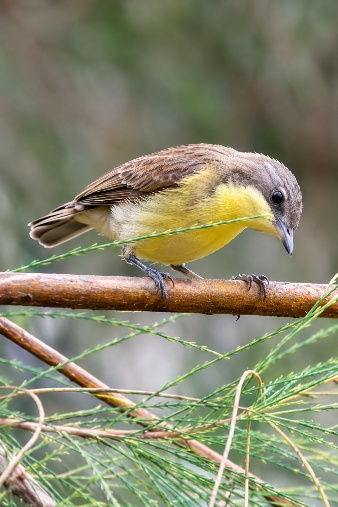
Golden-bellied Gerygone
Gerygone sulphurea
A very small bird measuring approximately 9–10.5 cm in length. It has dark greyish-brown upperparts, a pale white area in front of the eye, and pale yellow underparts. The bill is short and dark, and the tail has distinctive white tips. It is commonly found in mangrove forests and coastal areas.
Original Bang Khun Thian bird information sheet · first sheet.Original Bang Khun Thian bird information sheet · second sheet.
Mangrove habitat, organisms and field learning
Additional mangrove habitat and planting photographs supplied as institutional context; original dates and locations apply.
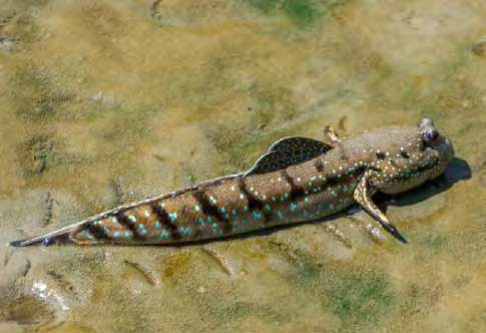
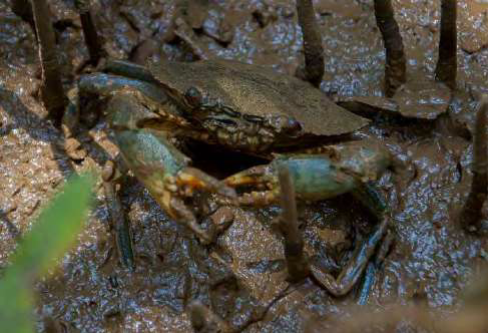
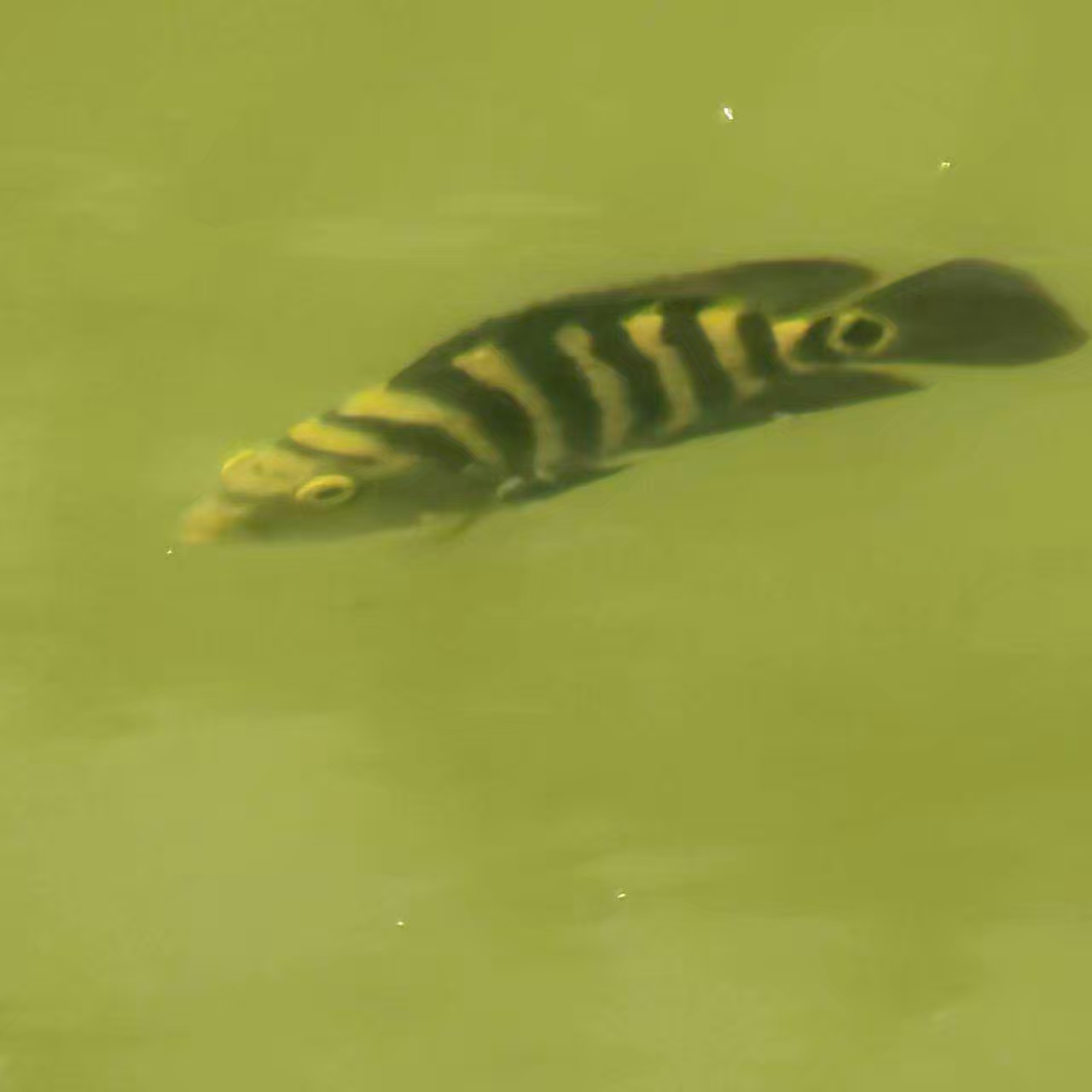
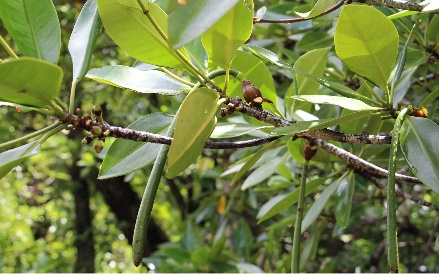
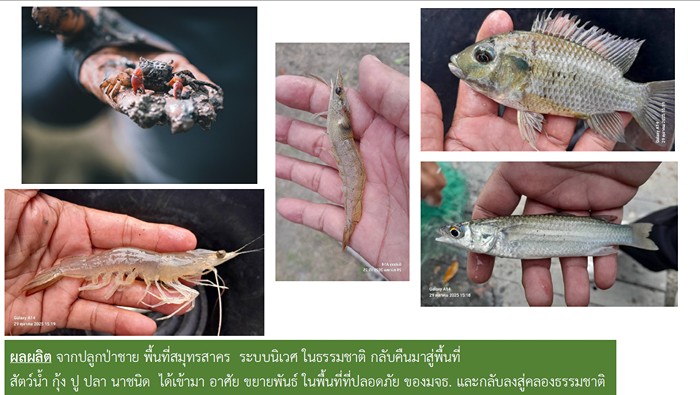
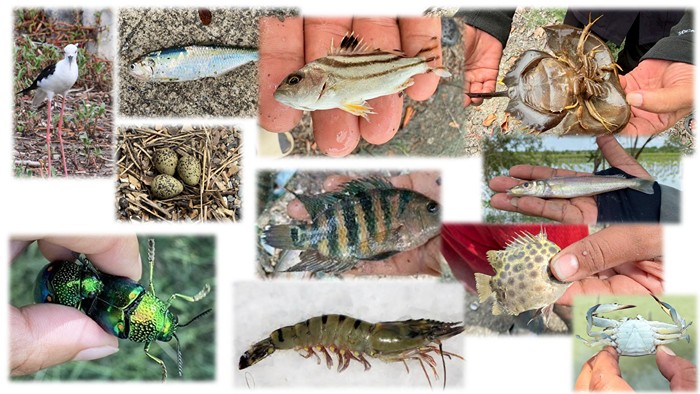
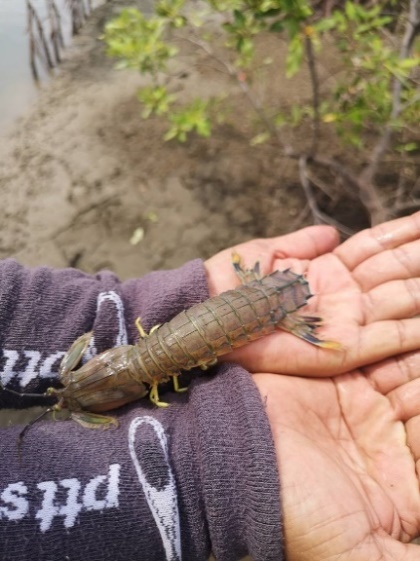
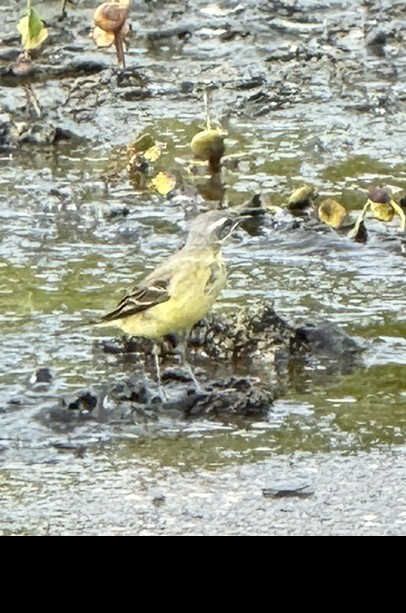
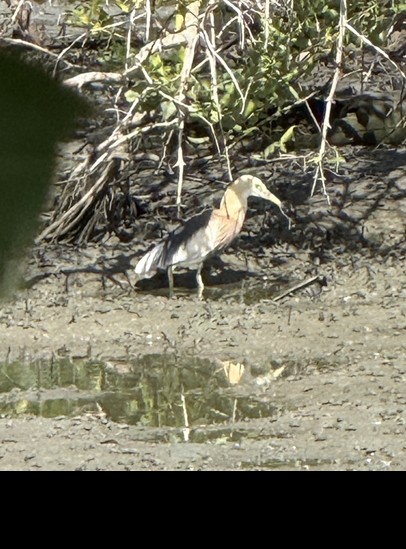
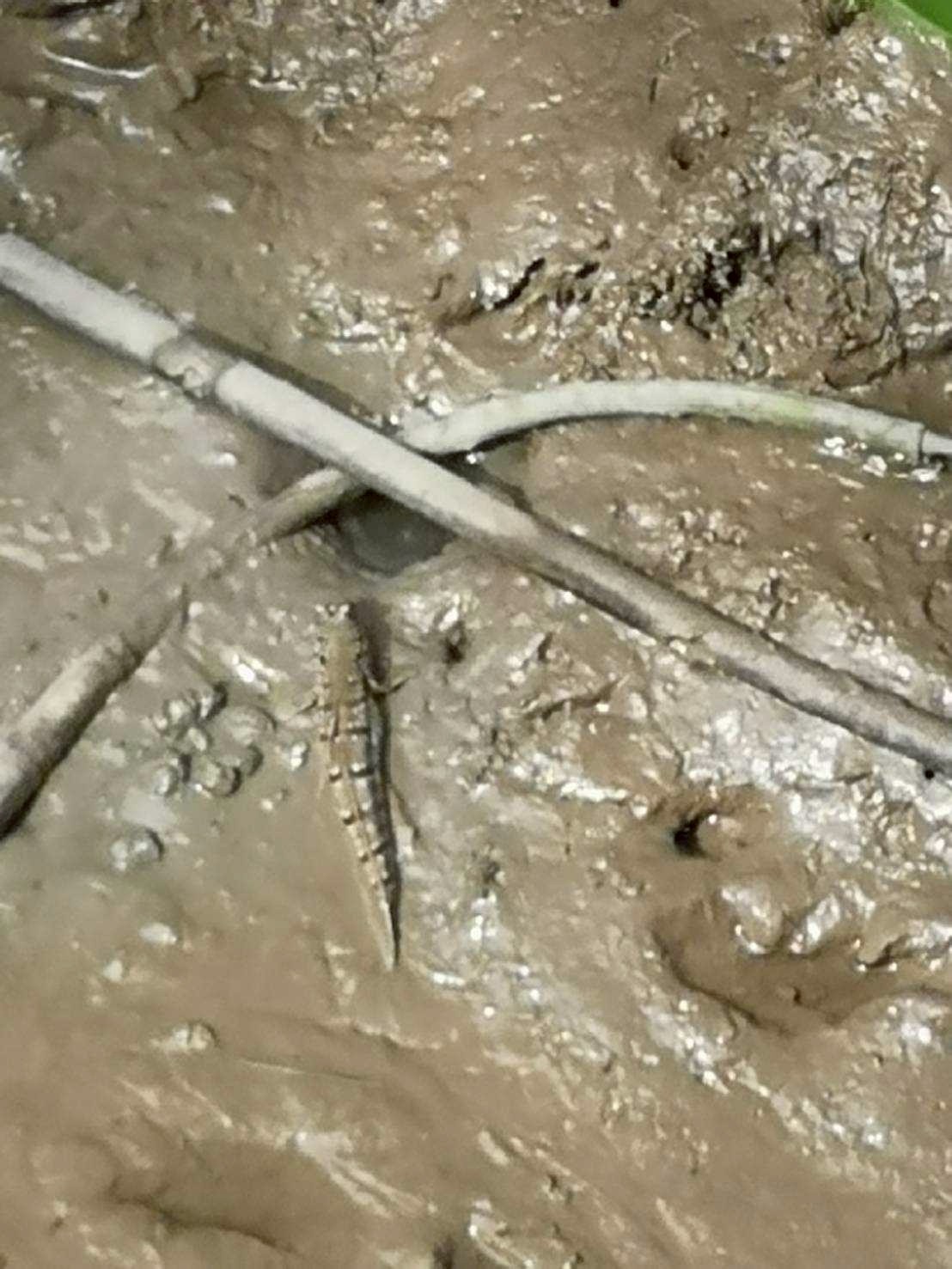
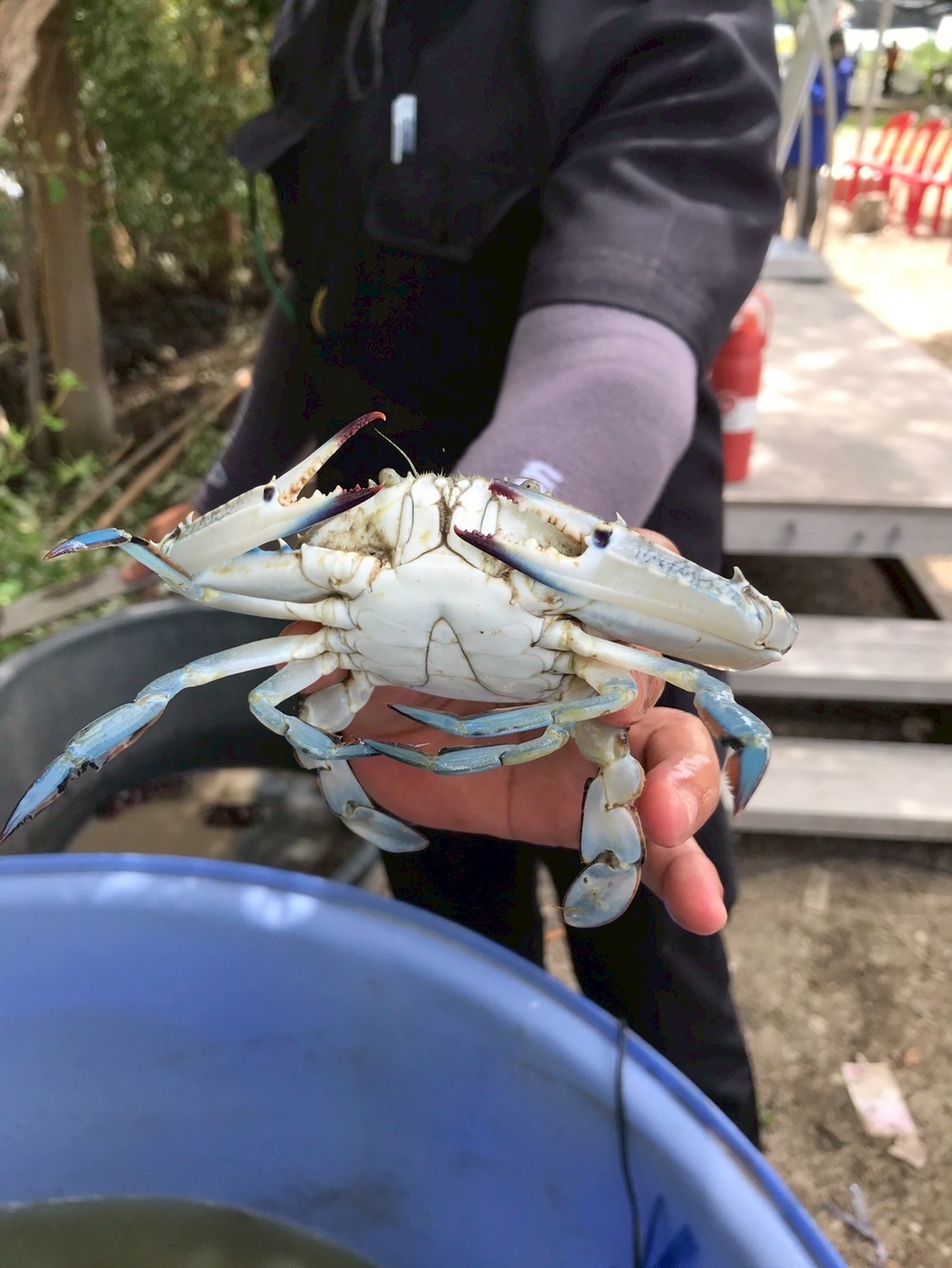
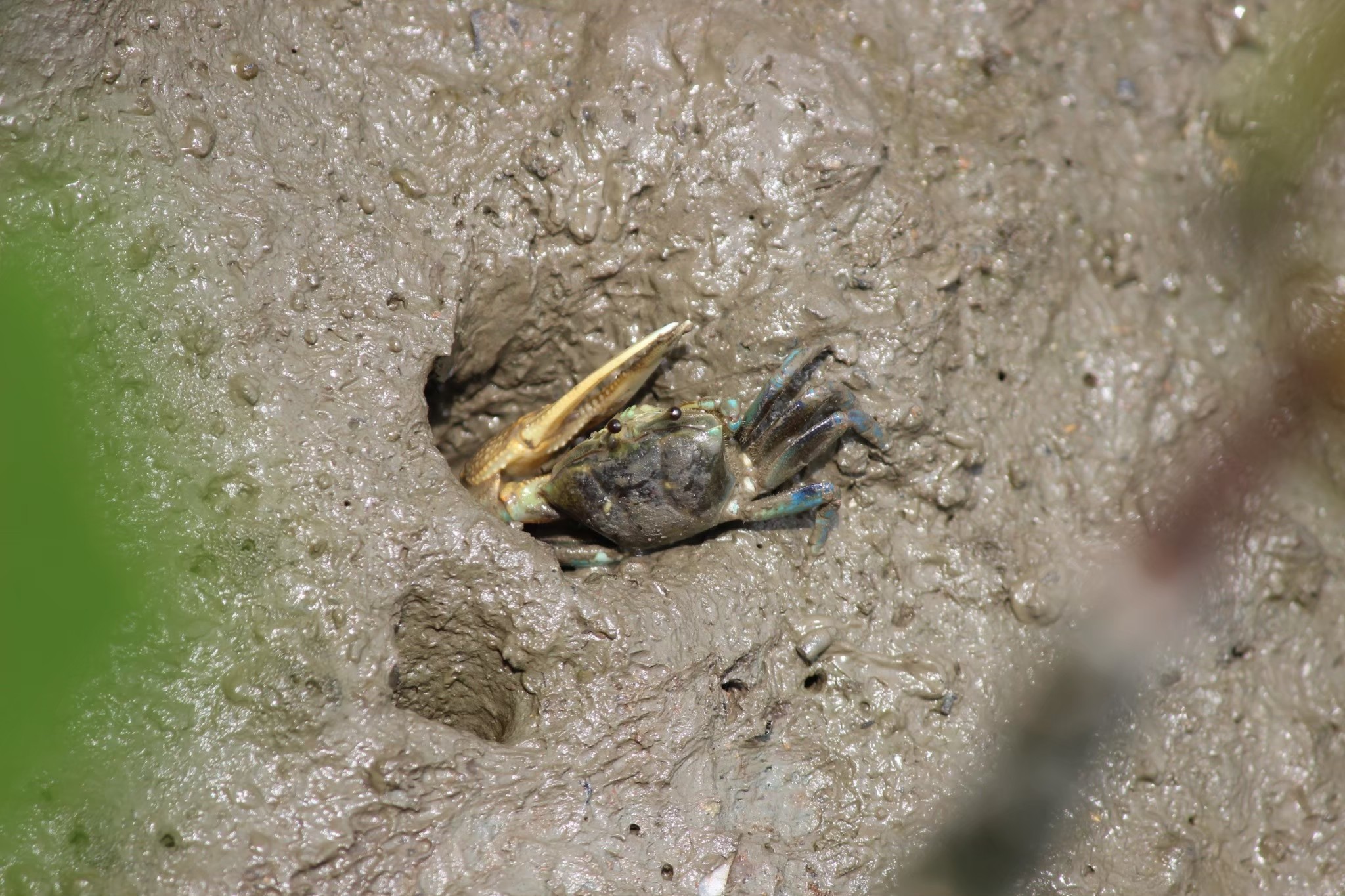
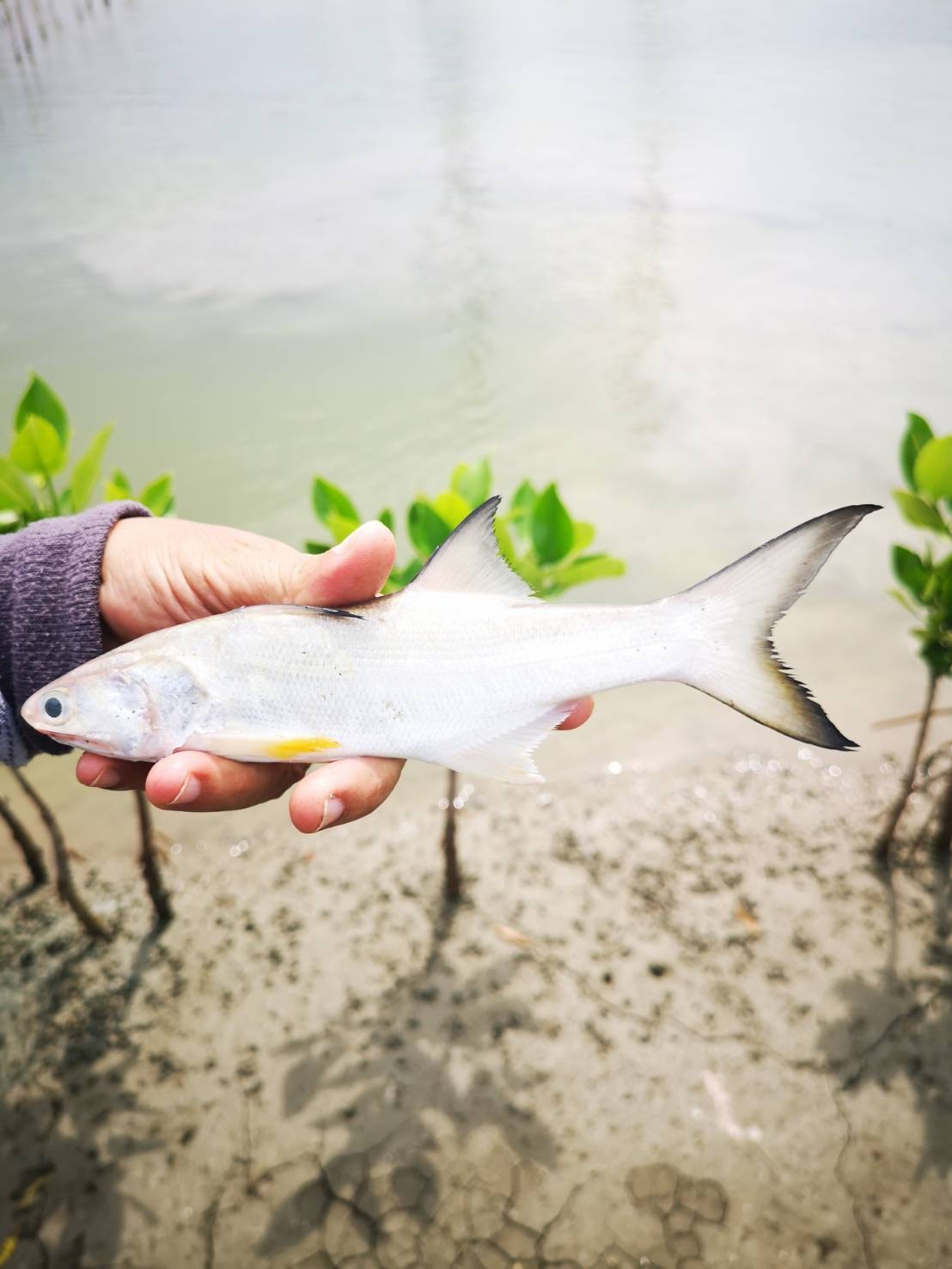
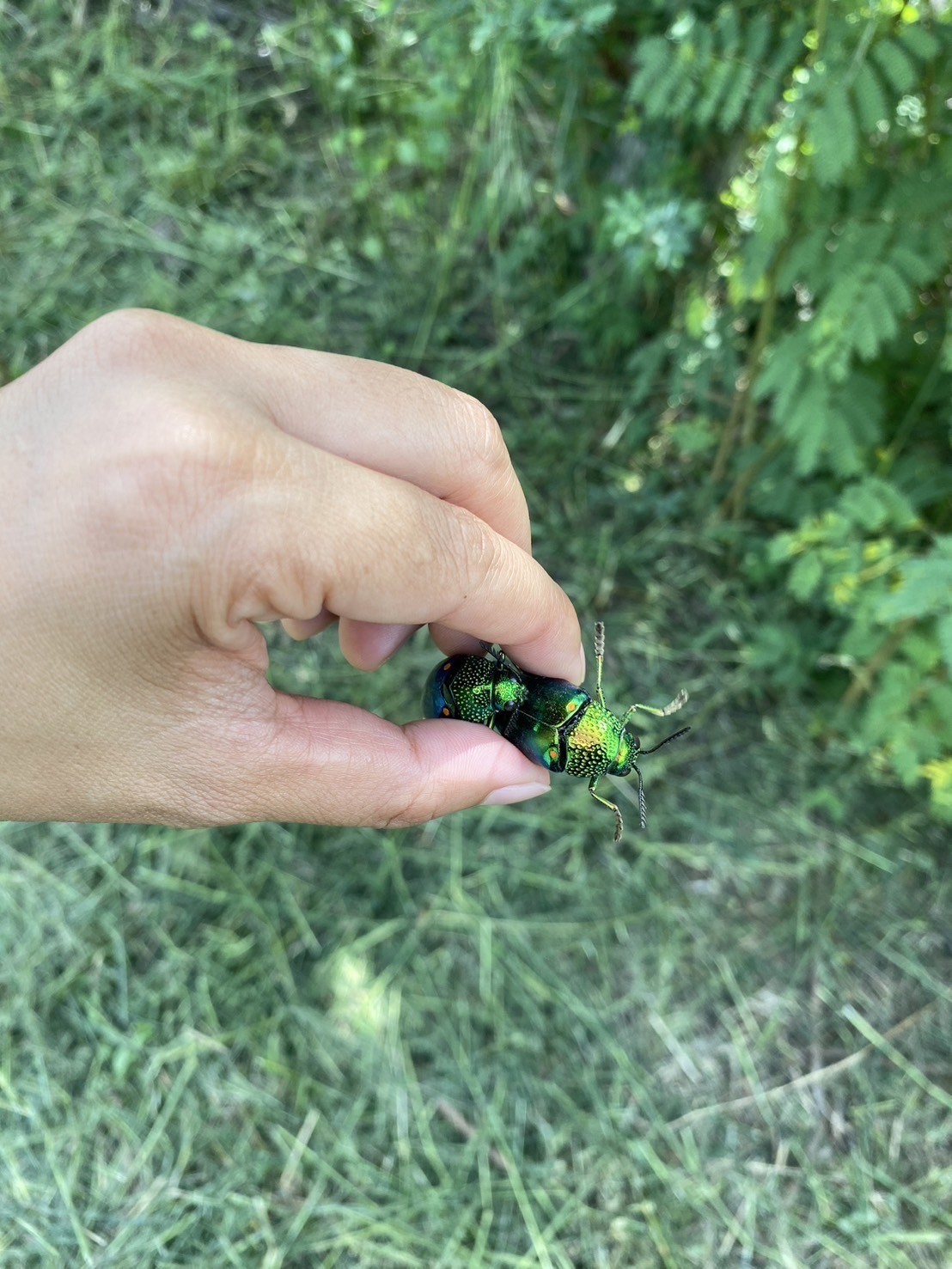
Local organism photographs supplied with the mangrove habitat record; no new species identification or conservation status is assigned.
Additional environmental field-learning photographs in the institutional mangrove record. Original dates and locations apply.
Invasive-species management and conservation learning
Food-use photograph supplied with the Blackchin Tilapia management account, shown whole.
Additional photographs supplied with the National Forest Conservation Day 2025 account.
Original seedling-exchange participation photograph, shown whole.
Additional participation photographs supplied with the World Environment Day 2025 seedling-exchange account.
Portrait participation photographs supplied with the World Environment Day 2025 record.
Dated mangrove restoration · original supporting photographs
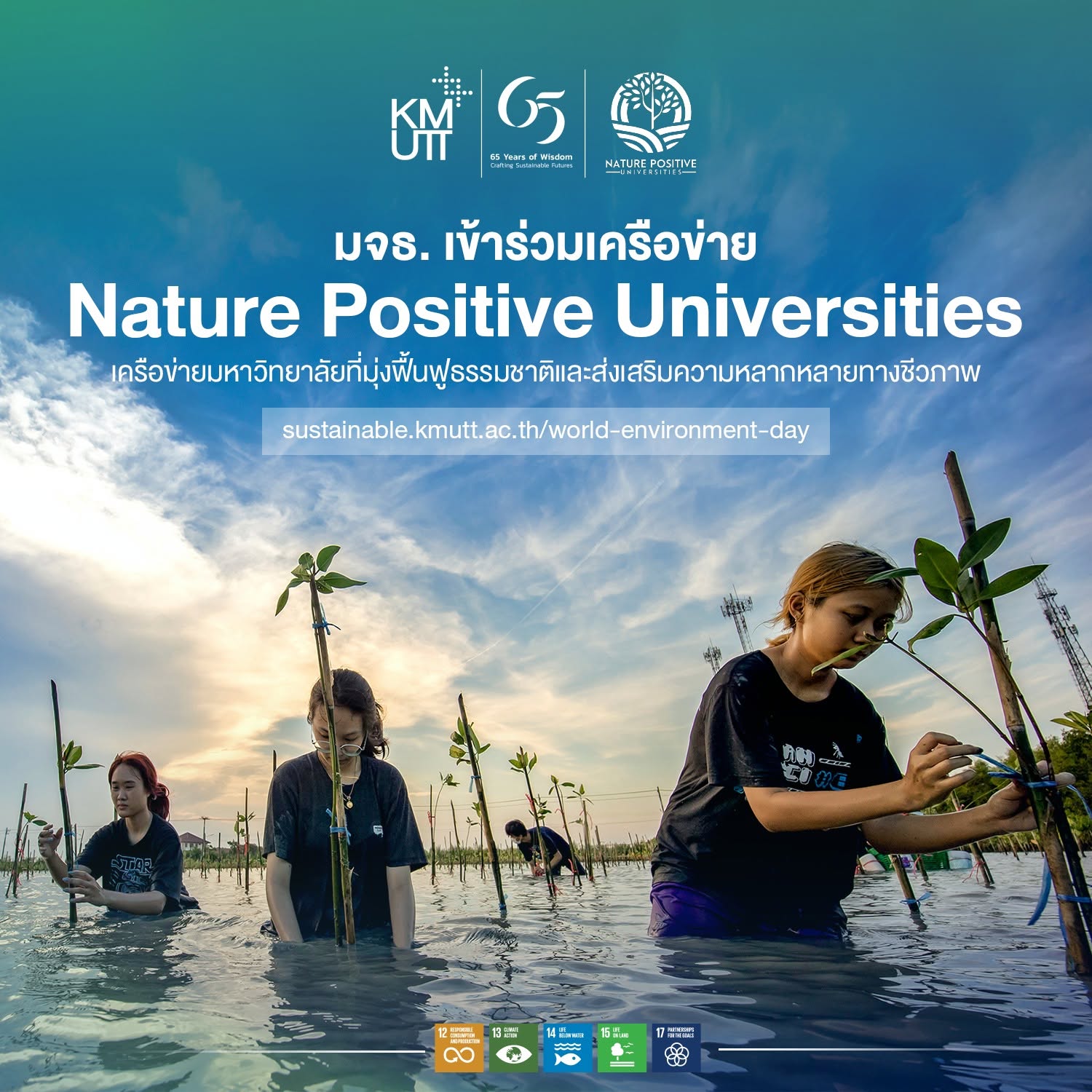
Original commemorative mangrove activity communication image for 4 December 2025. All text and logos are retained.Additional photograph supplied with the 4 December 2025 commemorative planting account.
Additional photographs supplied with the 25 February 2026 mangrove-learning activity.
Additional photographs supplied with the 25 March 2026 restoration activity.
Additional forest flora and fungi photographs
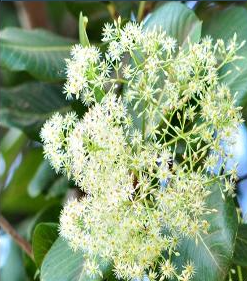
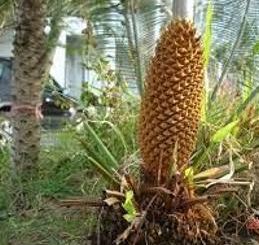
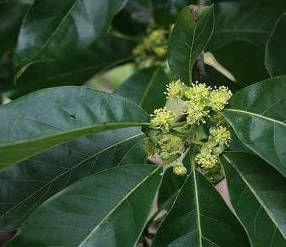
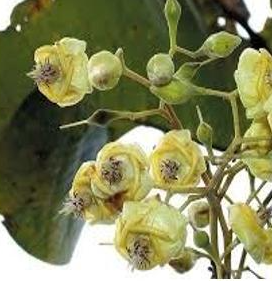
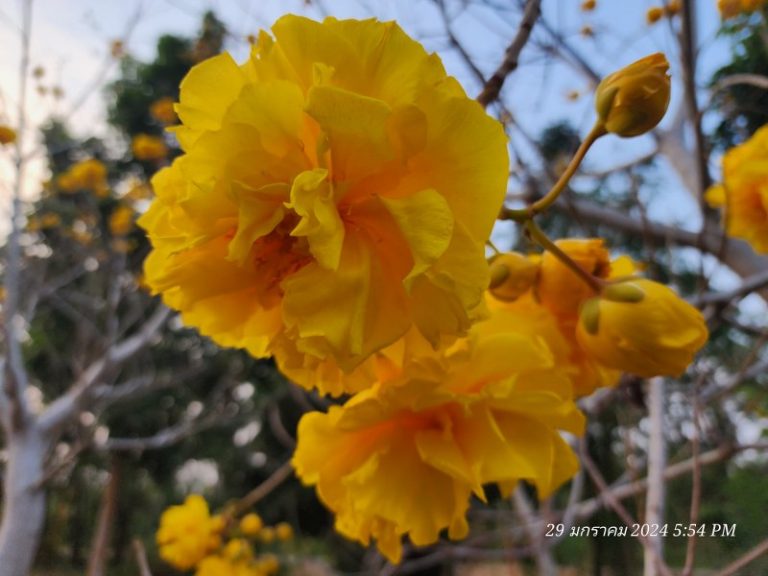
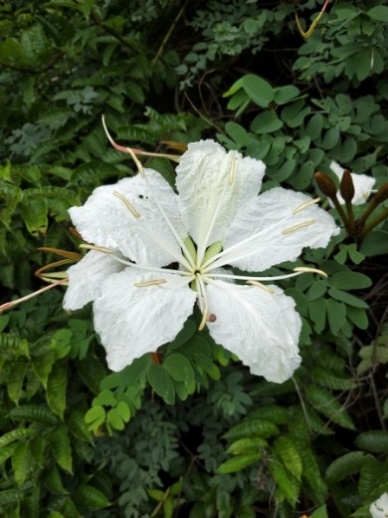
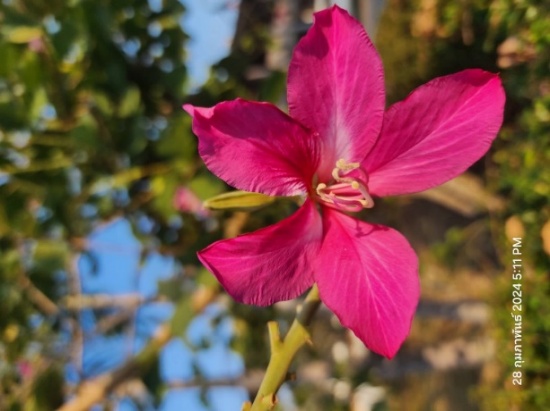
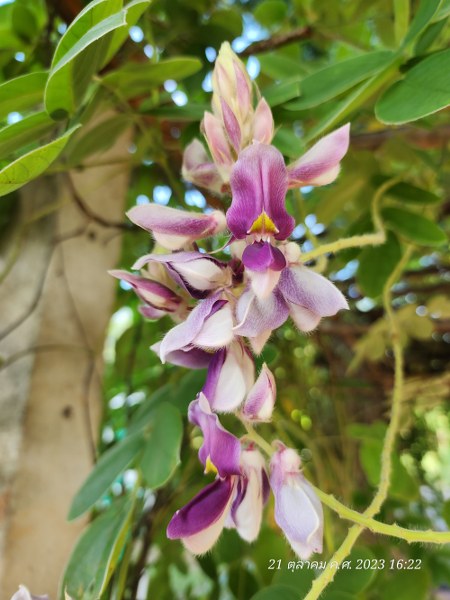
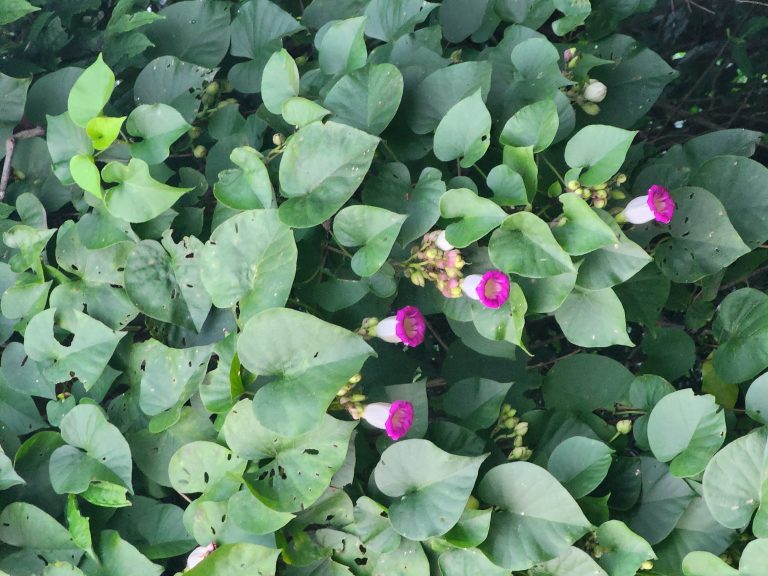
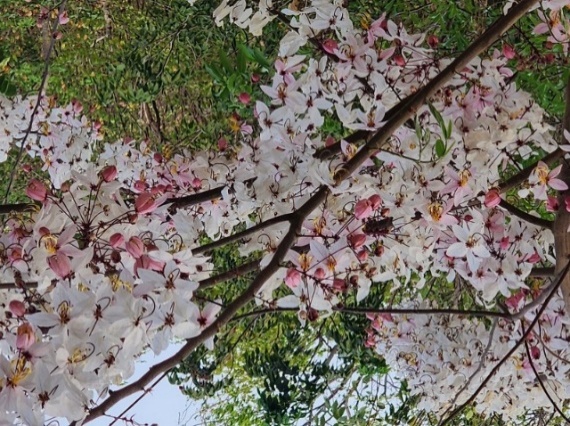
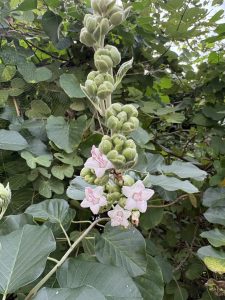
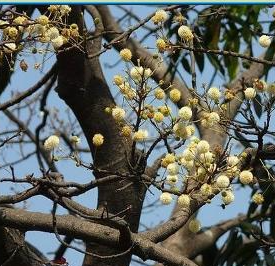
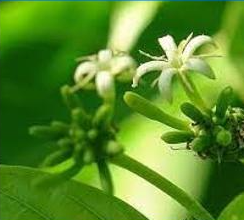
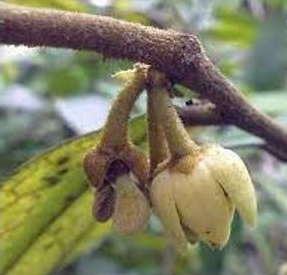
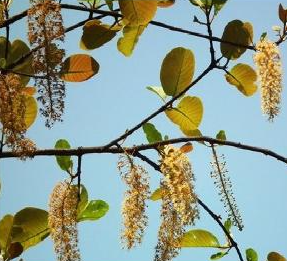
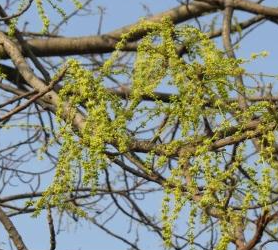
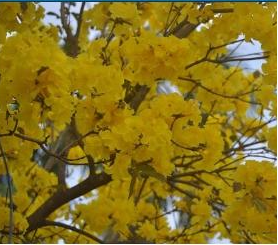
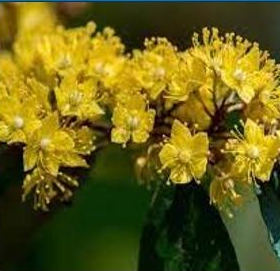
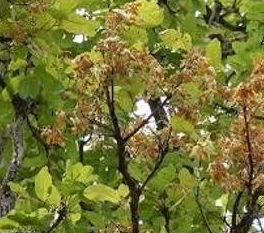
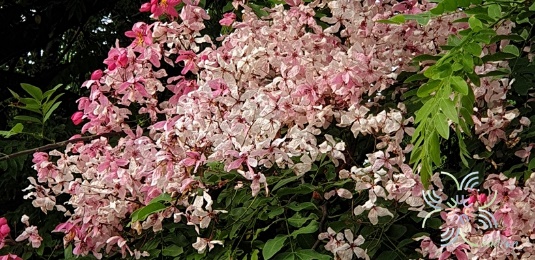
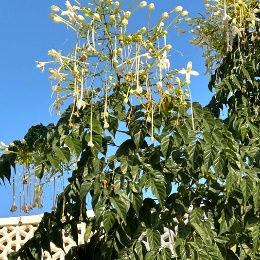
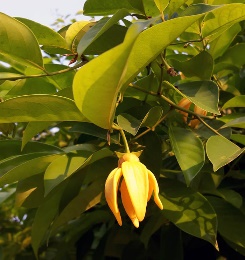
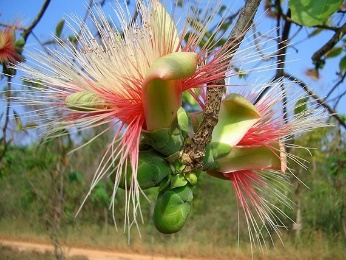
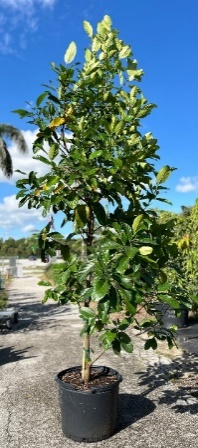
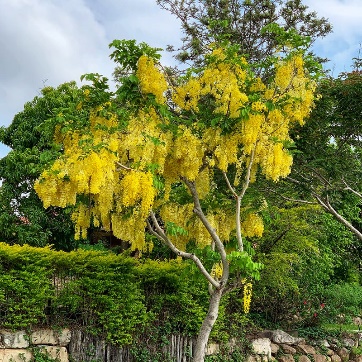
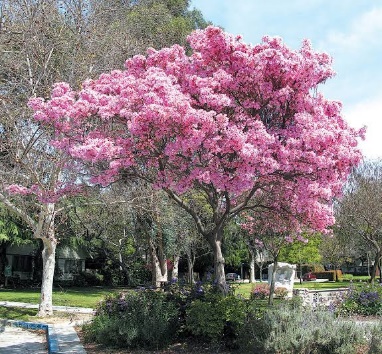
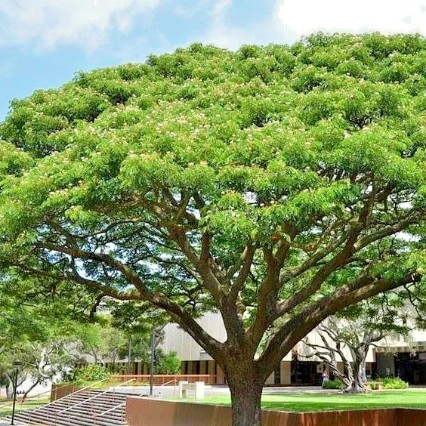
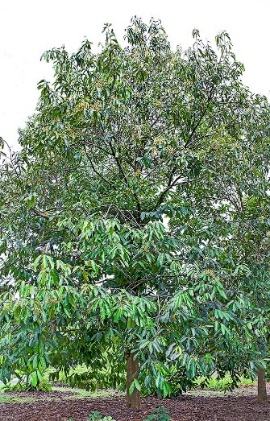
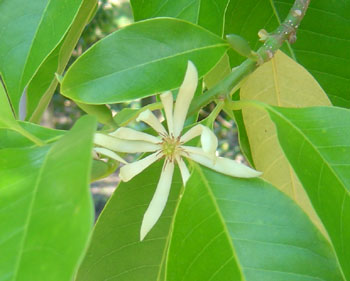
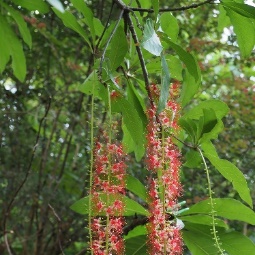
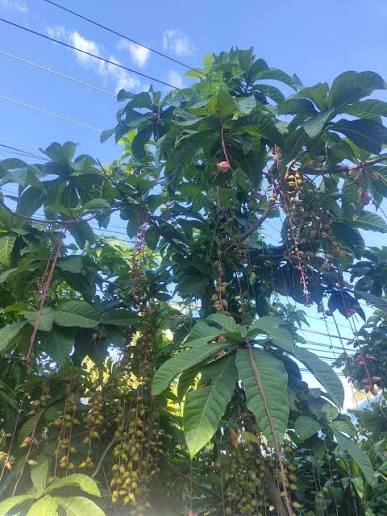
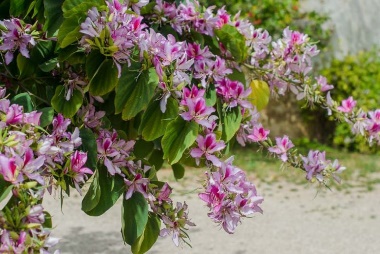
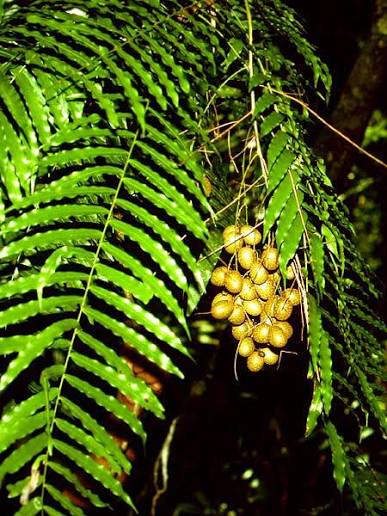
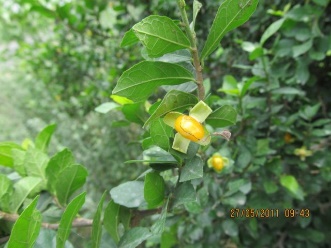
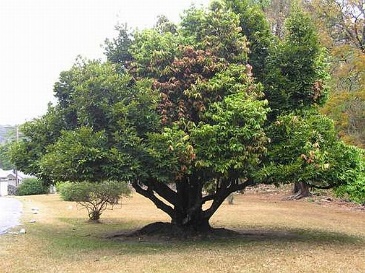
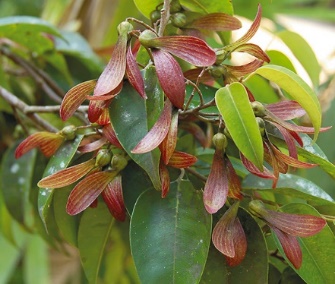
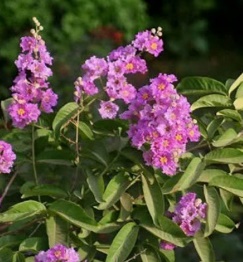
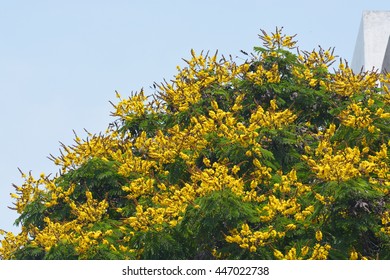
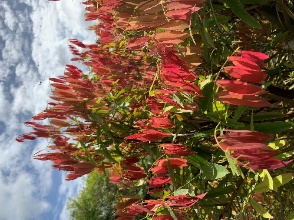
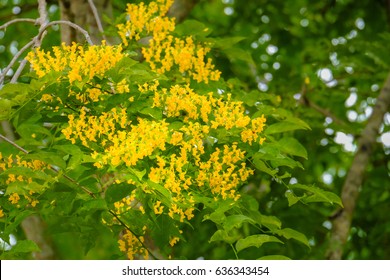
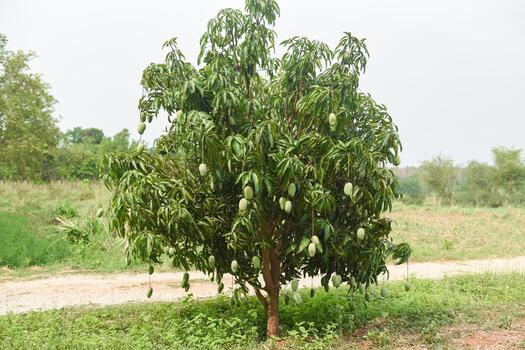
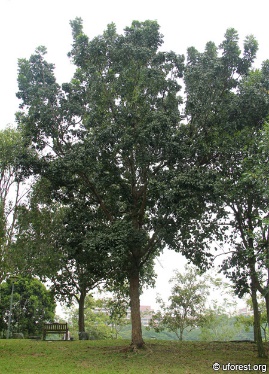
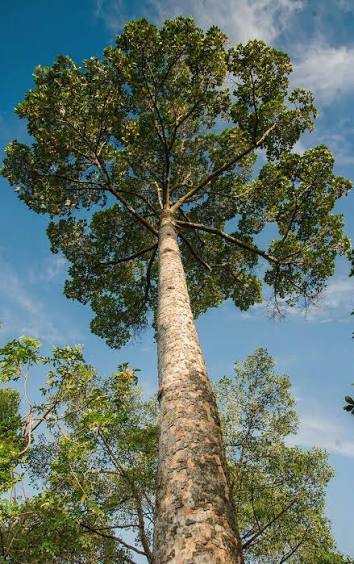
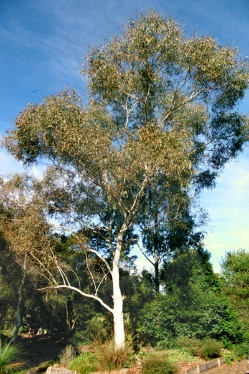
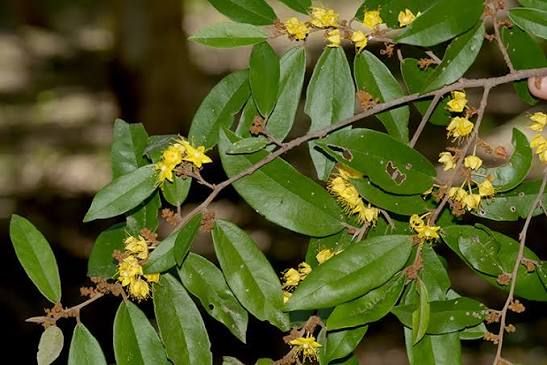
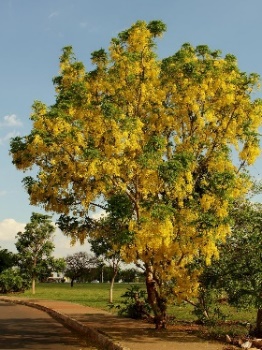
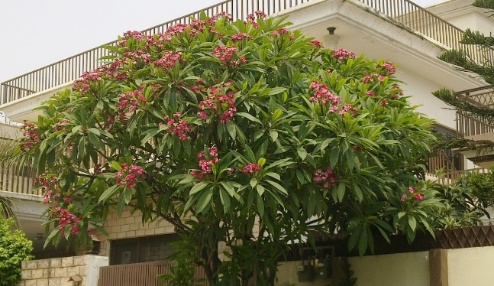
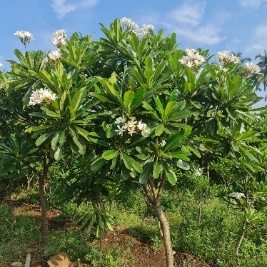
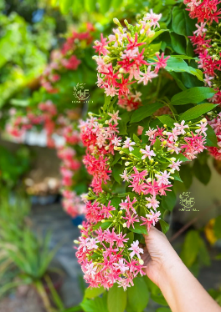
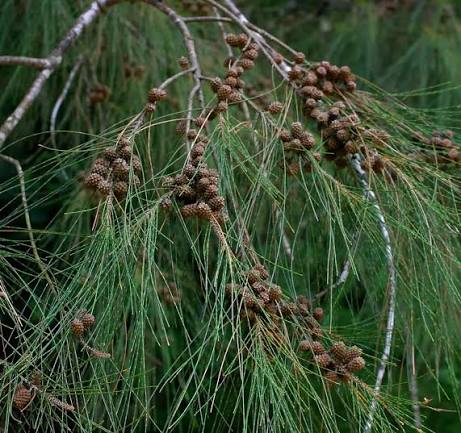
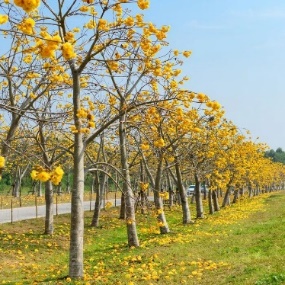
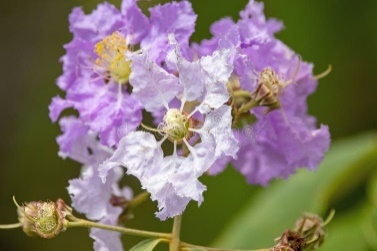
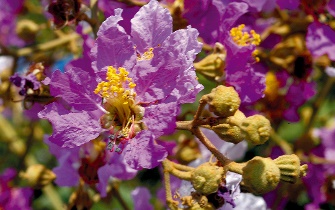
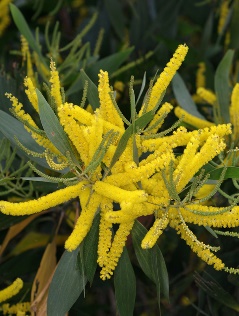
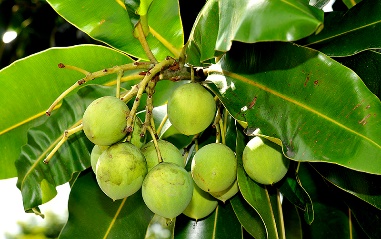
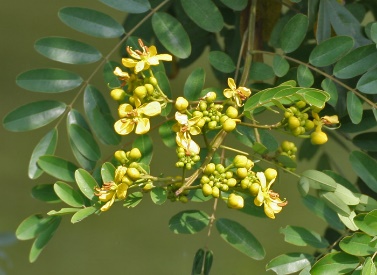
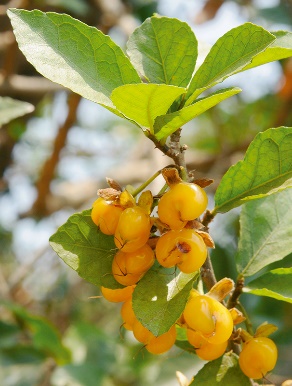
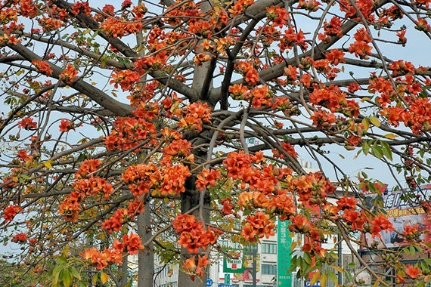
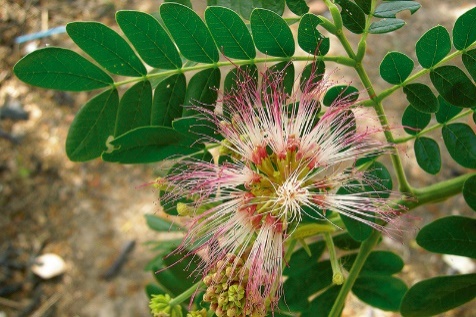
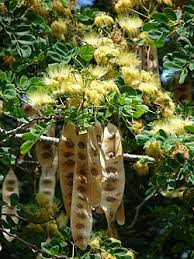
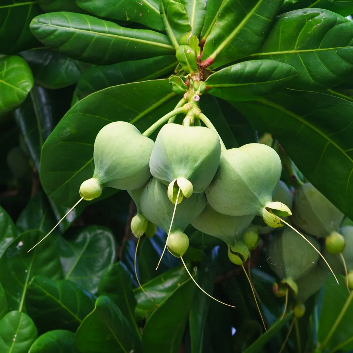
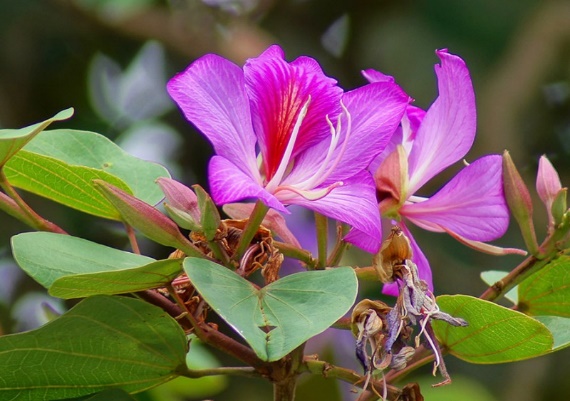
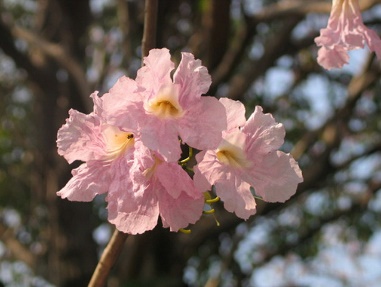
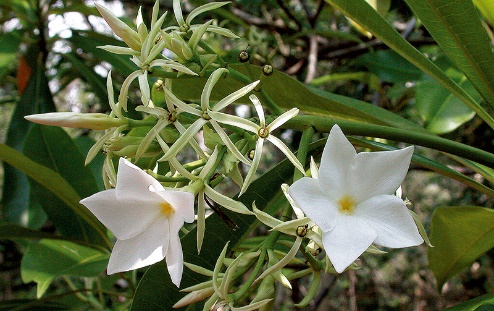
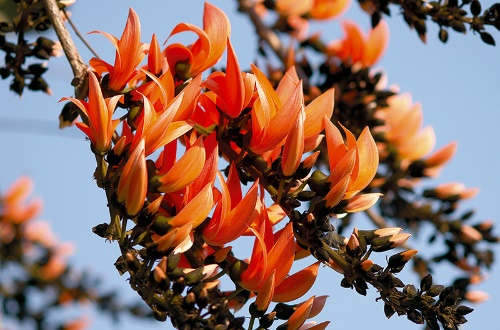
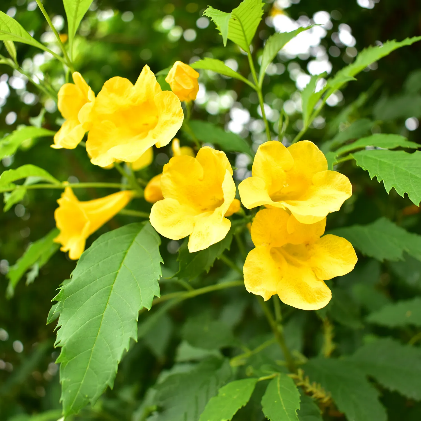
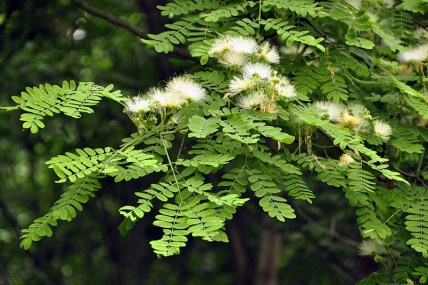
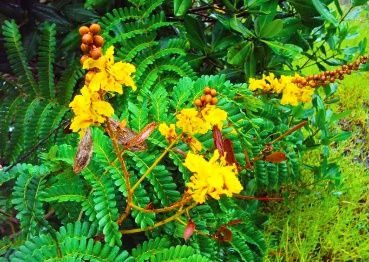
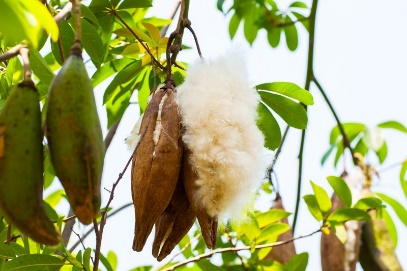
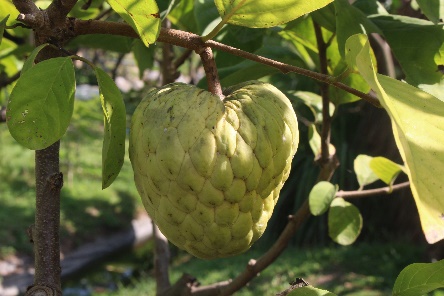
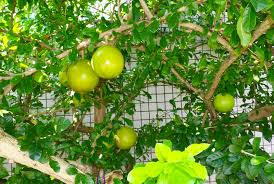
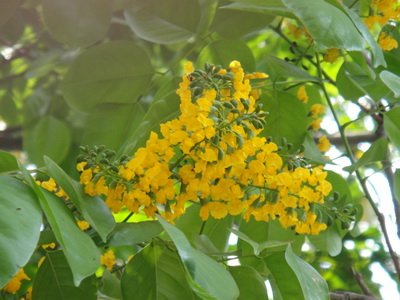
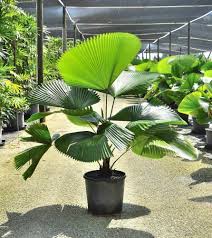
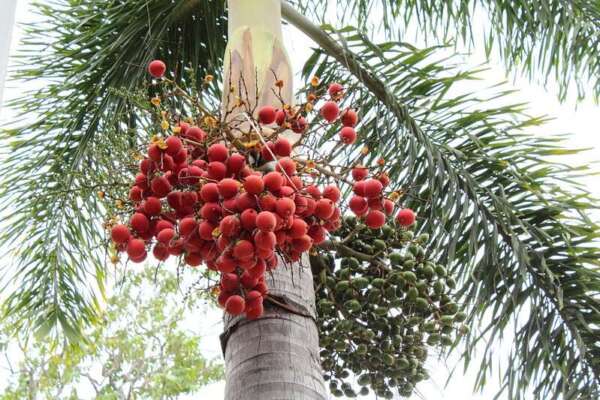
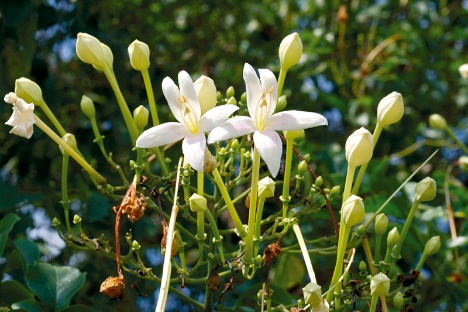
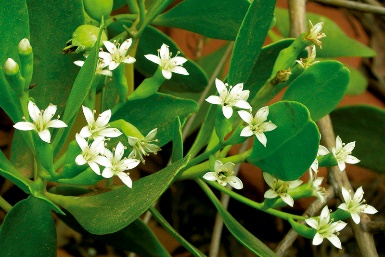
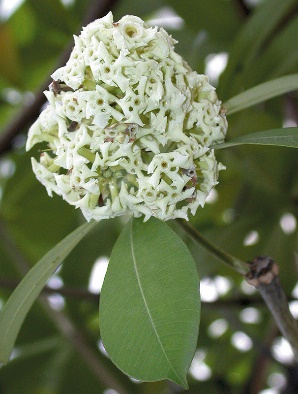
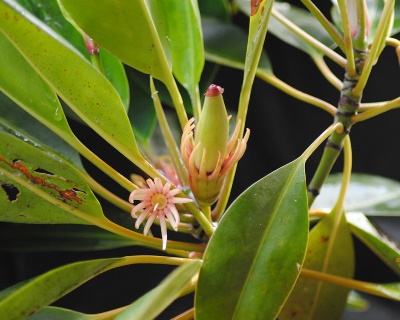
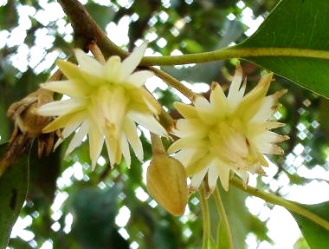
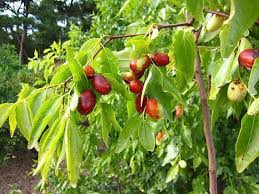
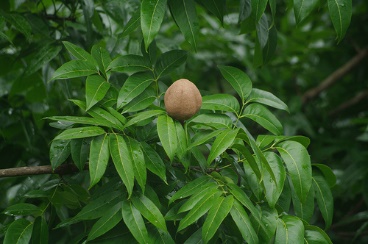
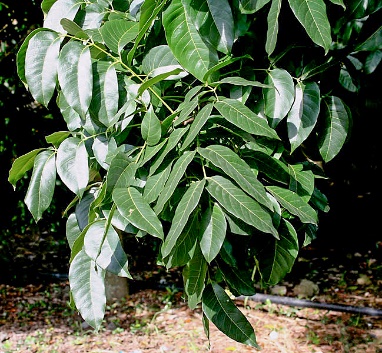
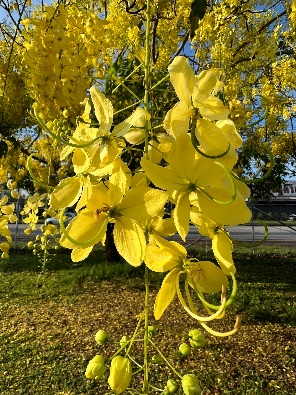
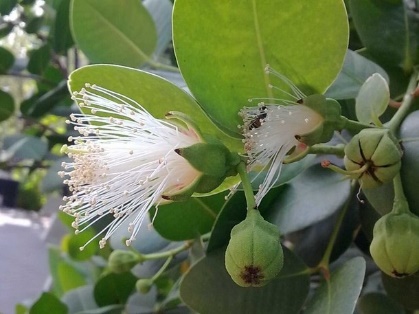
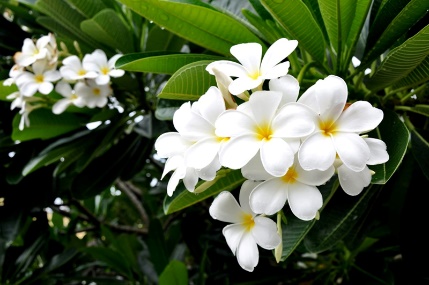
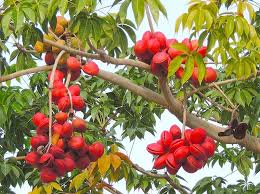
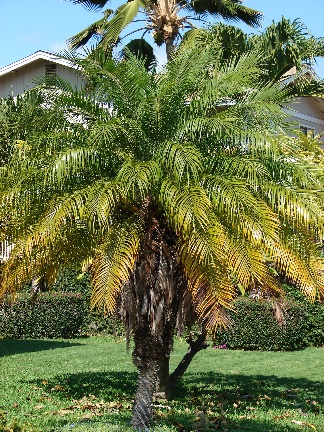
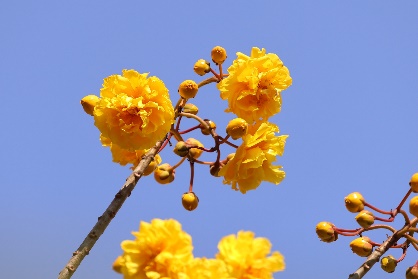
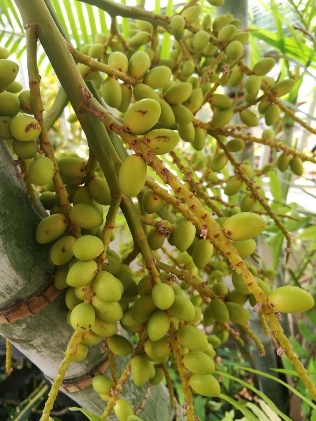
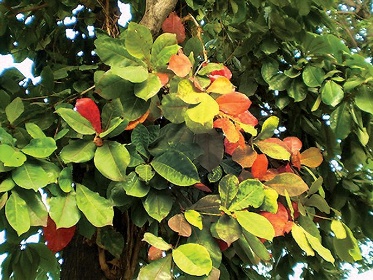
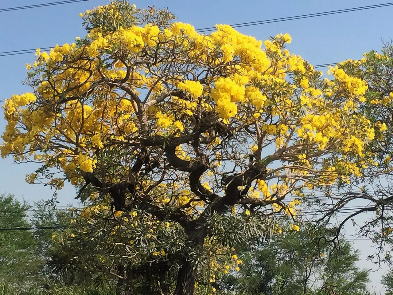
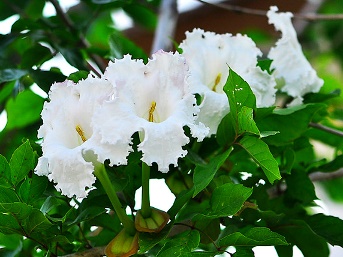
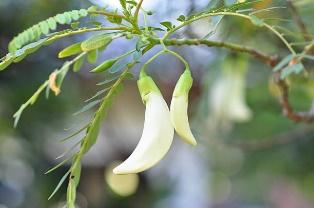
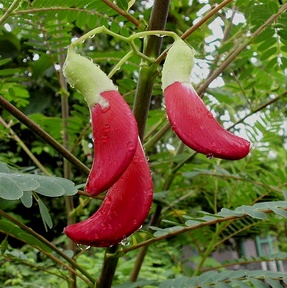
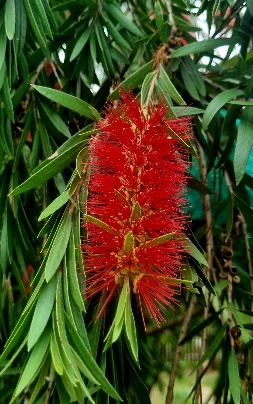
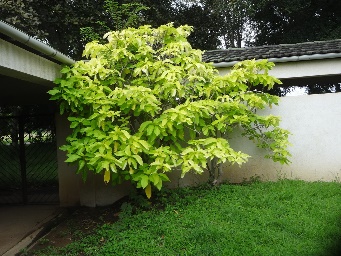
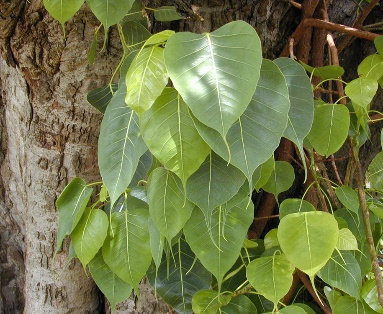
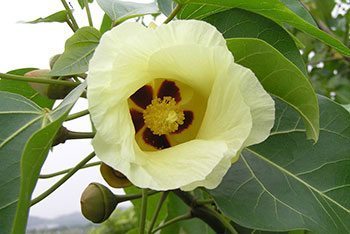
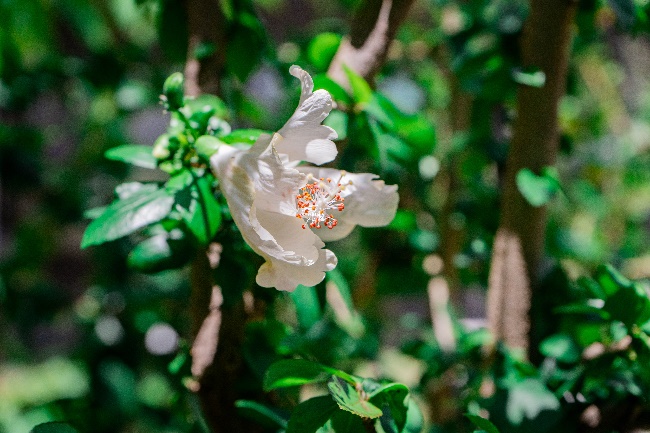
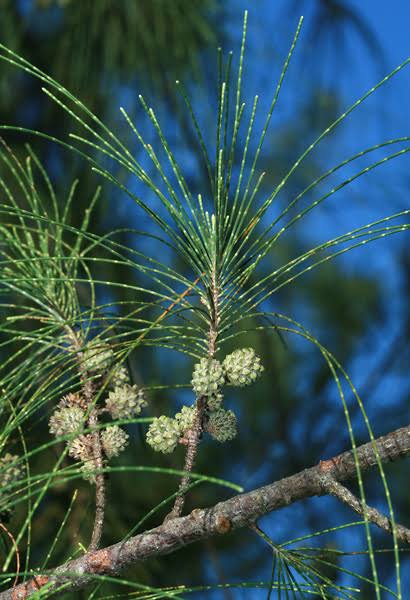
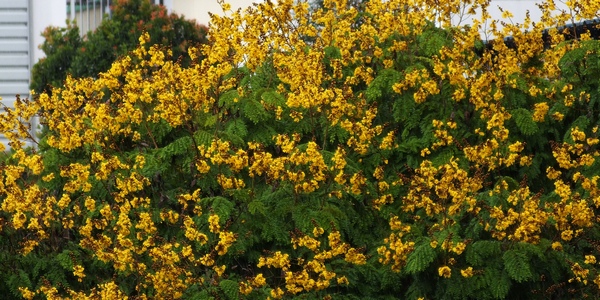
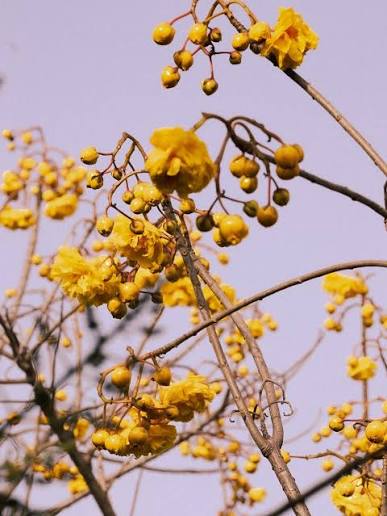
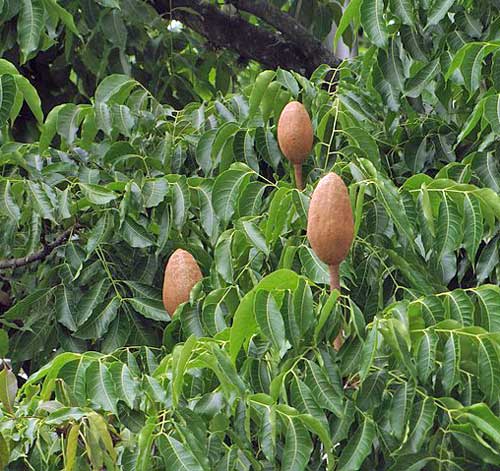
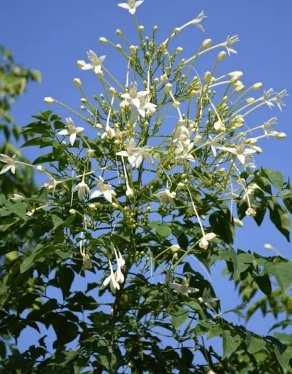
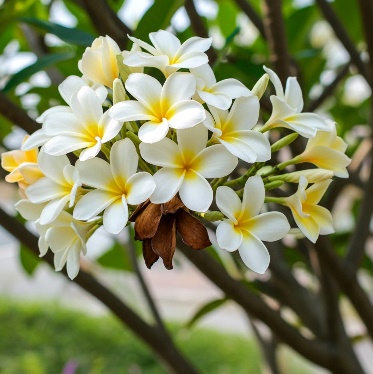
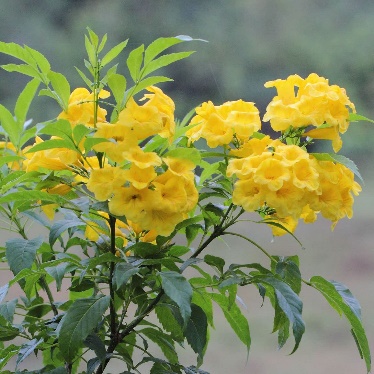
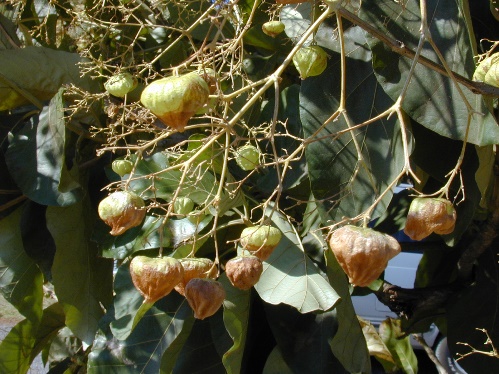
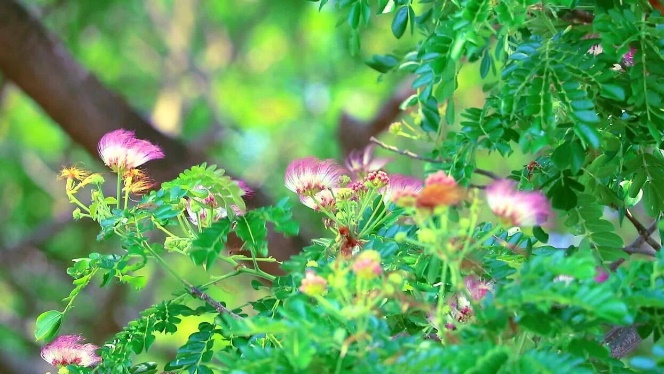
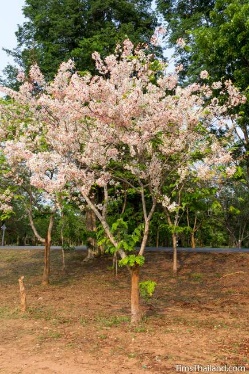
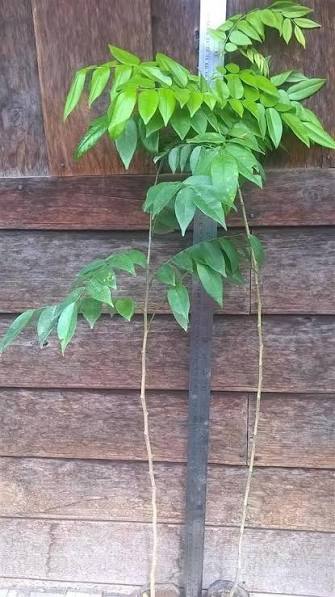
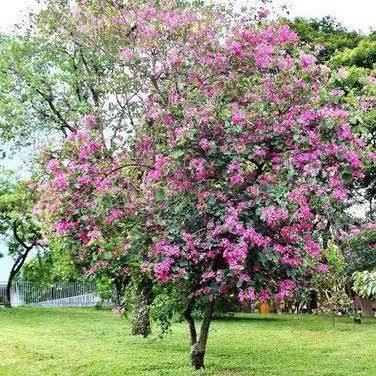
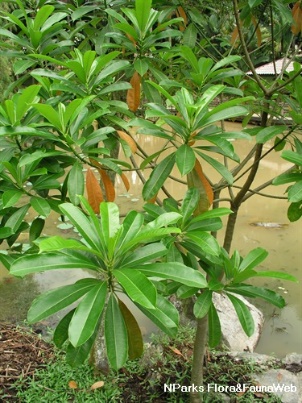
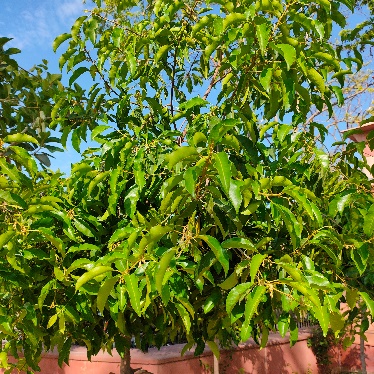
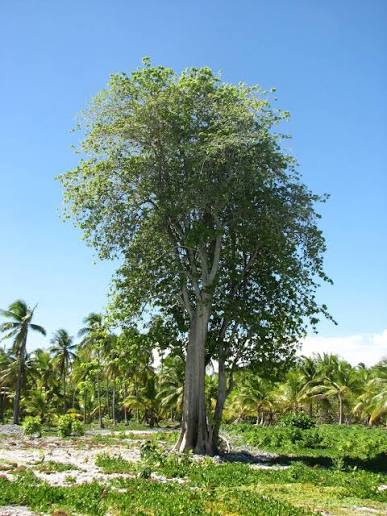
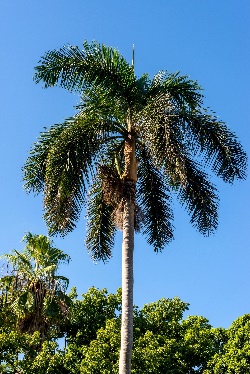
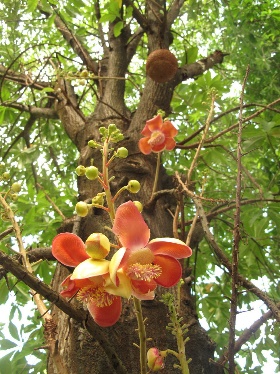
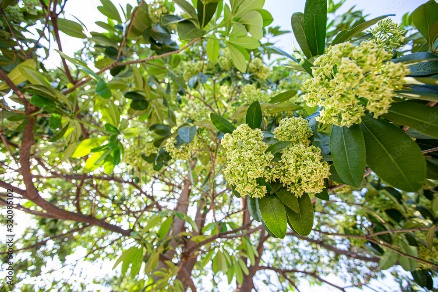
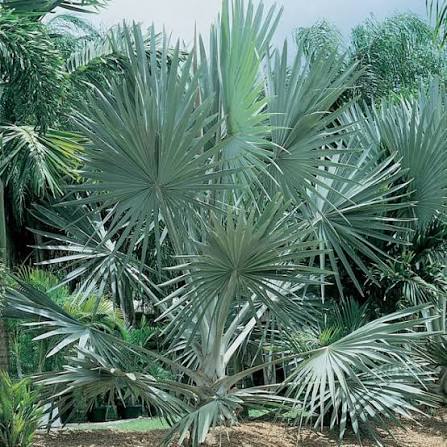
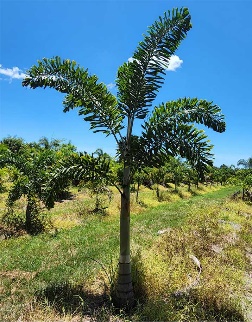
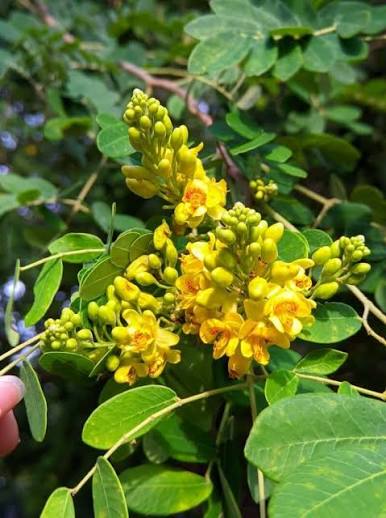
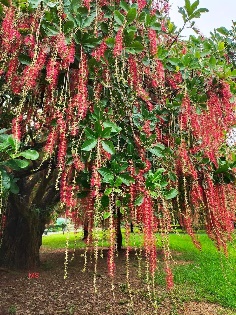
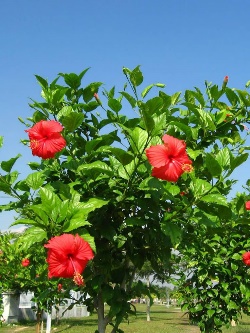
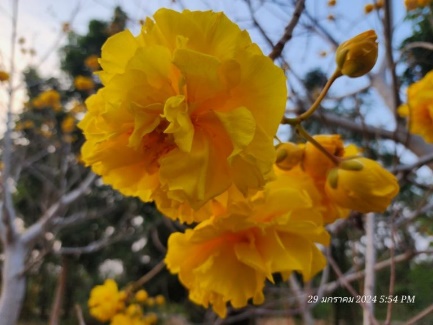
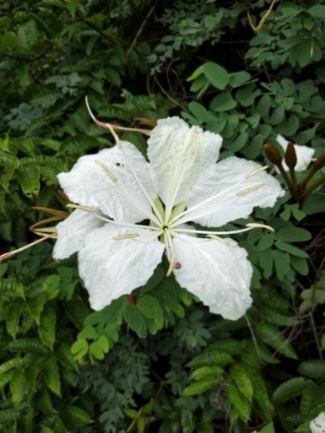
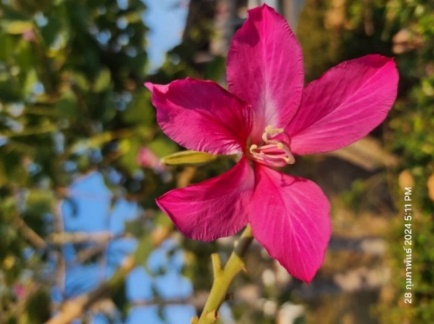
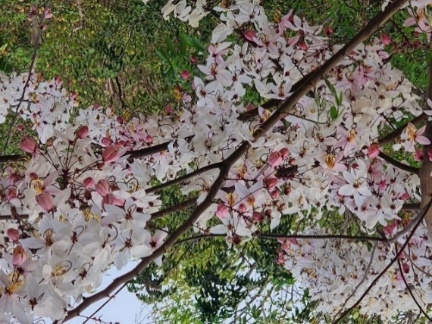
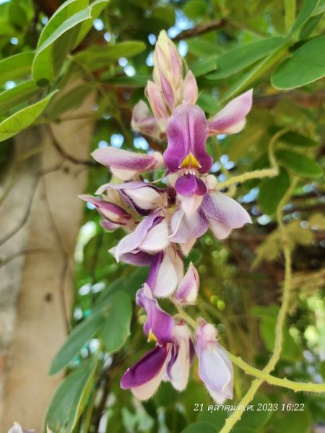
Cochlospermum regium · original source photograph; any visible capture-date stamp is retained.Bauhinia variegate · original source photograph; any visible capture-date stamp is retained.Bauhinia blakeana · original source photograph; any visible capture-date stamp is retained.Afgekia mahidoliae · original source photograph; any visible capture-date stamp is retained.
4. Related information on our university offering educational programmes on ecosystems (looking at wild flora and fauna) for local or national communities.
KMUTT provides ecosystem education through its Ratchaburi forest and Bee Park and its mangrove learning areas. School programmes bring external learners into these university sites to observe plants, fungi and pollinators. Dated school outreach in 2025 complements the institutional accounts of mangrove learning in 2025 and 2026 below.
External school learners · ecosystem education in 2025
16–18 October 2025
120 students
Assumption College Sriracha
The overall October Course cohort; the count is not repeated for each learning station.
8–9 November 2025
82 teachers and students
Rachineeburana School
The reported group includes both teachers and students.
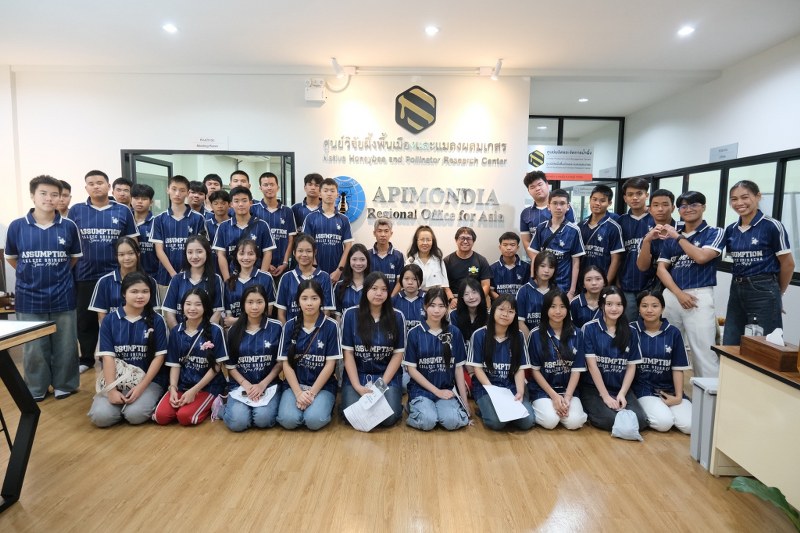
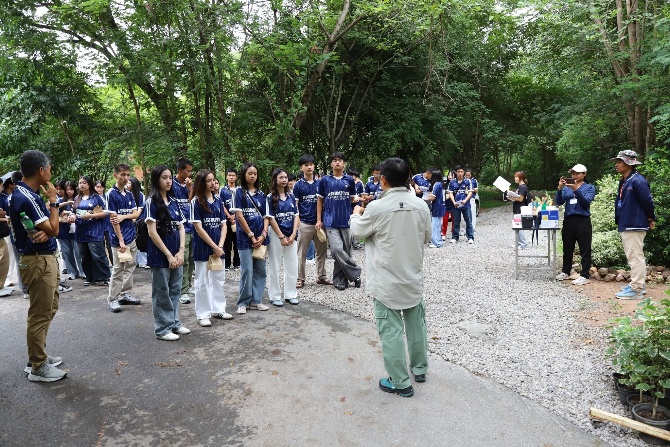
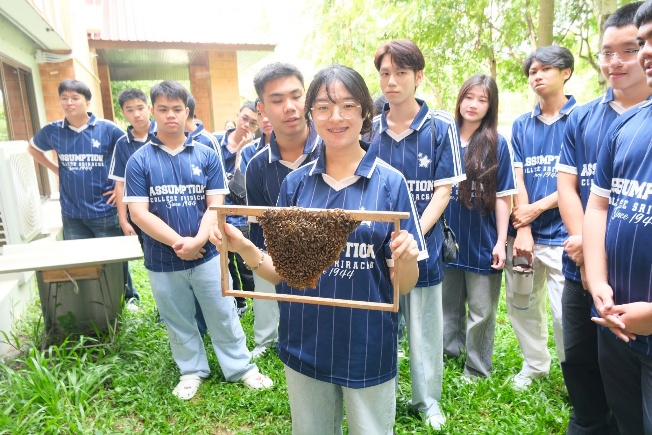
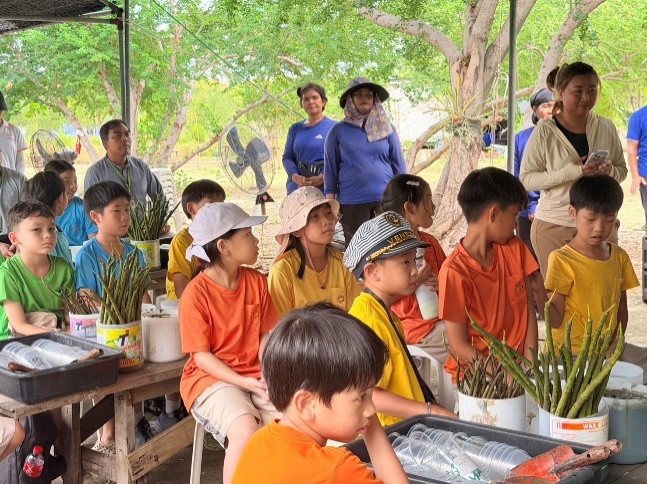
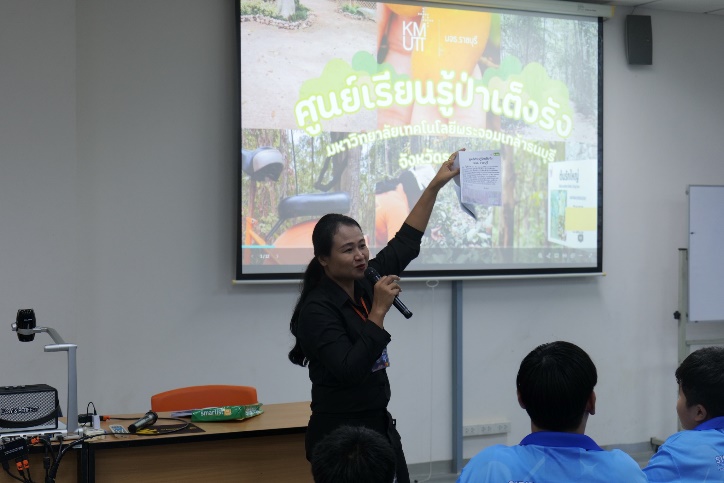
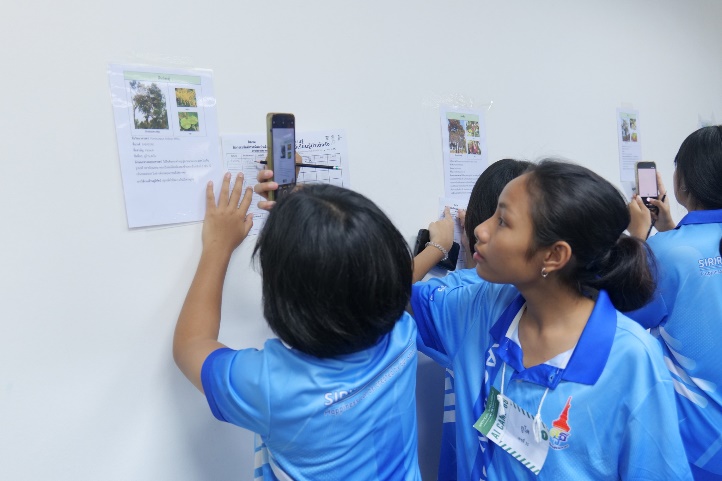
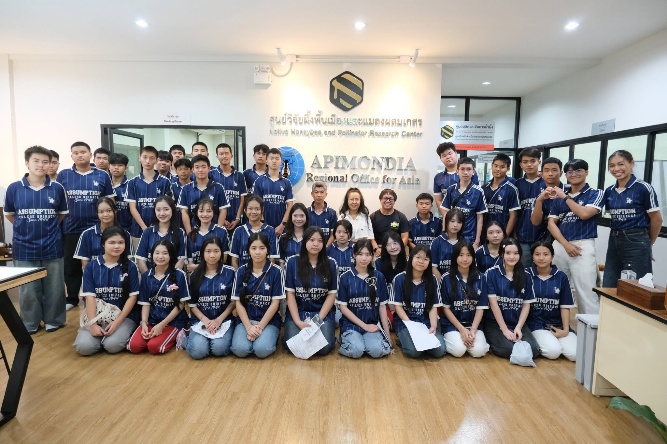
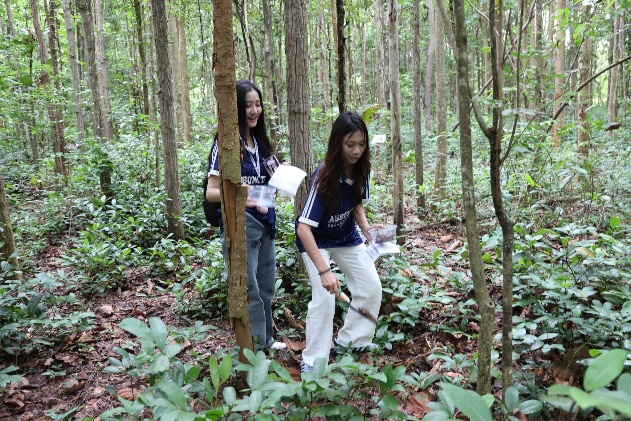
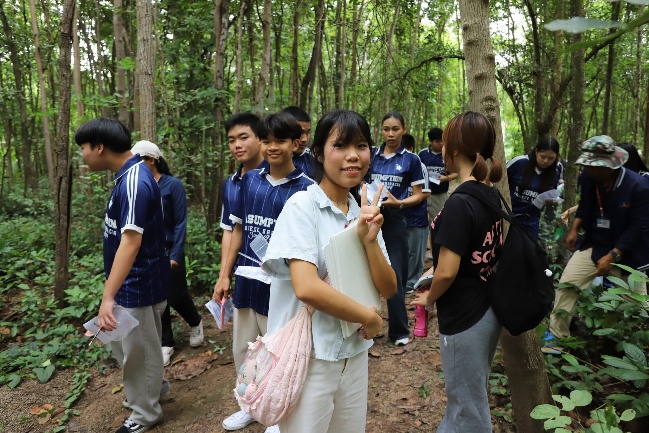
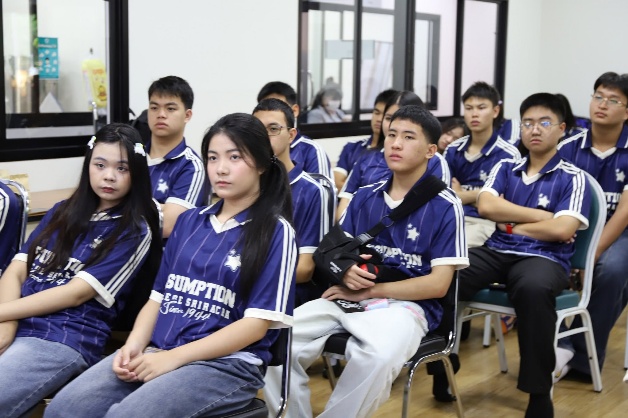
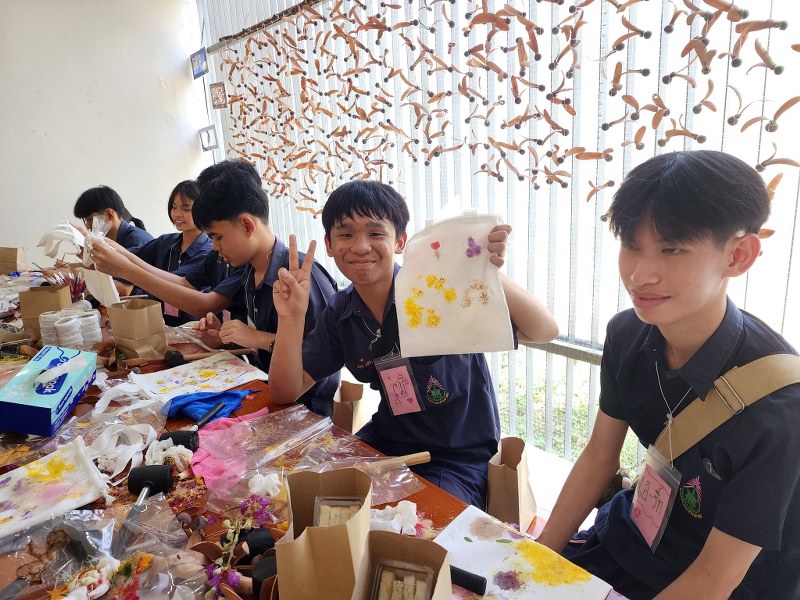
From 16 to 18 October 2025, KMUTT Ratchaburi hosted October Course 2025 Course P Step to University for 120 students from Assumption College Sriracha. The programme combined integrated learning with practical workshops. Its ecosystem related stations included exploration of the dry dipterocarp forest, natural ecosystem and mushroom biology, and environmental science learning at Bee Park. This establishes an external school audience learning about forest organisms and pollinators at university facilities. The 120 figure is the overall course cohort, not a separate count for each station.
Assumption College Sriracha students at the Native Honeybee and Pollinator Research Center during the 16 to 18 October 2025 programme. Official KMUTT photograph.
Learning through ecosystem observation
Learning setting · Organisms and ecological concepts · Participation
Dry dipterocarp forest
Forest plants, fungi and natural ecosystem relationships
External school learners in October Course 2025.
Bee Park
Native bees, pollinators and their environmental roles
School group learning station in October Course 2025.
Mangrove learning area
Mangrove plants, associated wildlife and habitat restoration
Institutional records below describe school and community participation in December 2025 and practical learning in February and March 2026.
Programme continuity and access
The university’s Nature Positive roadmap links surveys and species learning with campus biodiversity management. Its published 2026 reforestation calendar includes 25 February and 25 March, providing a continuing programme framework alongside the supplied activity accounts. The learning sites serve different audiences: university students, visiting school groups and local community participants. Those audiences are identified separately in each event account.
The school course record describes the delivered programme and its learning stations without specifying a participation fee. No free access condition is assigned to that course without an explicit source. Earlier institutional project history remains below with its actual context.
University sites for lifelong ecosystem learning
King Mongkut's University of Technology Thonburi (KMUTT) is committed to serving as a hub for lifelong learning by providing educational spaces focused on natural ecosystems, flora, and fauna for students and the general public. These spaces include: 1. The Mangrove Ecosystem Learning Center (dedicated in honor of His Majesty the King) at King Mongkut's University of Technology Thonburi; 2. The Dry Dipterocarp Forest Learning Center at KMUTT Ratchaburi; and 3. Bee Park (a research center for native bees and pollinators). The objectives, missions, and educational activities for each of these centers are detailed as follows:
Mangrove ecosystem learning centre
Mangrove Lifelong Learning Center in Honor of His Majesty the King, King Mongkut's University of Technology Thonburi
The Mangrove Herbal Learning Center at King Mongkut's University of Technology Thonburi (KMUTT Bang Khun Thian) was established to honor Her Majesty Queen Sirikit The Queen Mother on the auspicious occasion of her 80th birthday.
The project originated from a plot of land formerly used for fishery that was donated to the university. KMUTT took on the task of restoring the degraded, erosion-prone area by integrating practical knowledge and engineering with effective mangrove reforestation efforts.
The site has since been developed into a "Mangrove Learning Center," serving as a hub for students and the general public to engage in educational activities and research.
The findings from these efforts have not only restored the natural ecosystem but have also been extended to the local community. This initiative aligns with the university’s Corporate Social Responsibility (CSR) mission, positioning the institution as a "change agent" dedicated to sharing knowledge and fostering sustainable benefits for society.
Aerial photograph from the supplied mangrove learning-site record. Original dates and context apply.
Mangrove habitat photographs from the institutional learning-site record. Capture dates are not specified.
Local organism photographs supplied with the mangrove learning-site account. No new species identification is assigned.
School and community participation · 4 December 2025
On December 4, 2025, King Mongkut's University of Technology Thonburi (KMUTT) organized a volunteer mangrove reforestation activity in honor of Her Majesty Queen Sirikit The Queen Mother. The event took place at the university’s mangrove reforestation site in Tambon Phanthai Norasing, Mueang District, Samut Sakhon Province.
This initiative served as an expression of profound gratitude for Her Majesty’s invaluable contributions to nature and environmental conservation, while also demonstrating deep love and devotion toward her.
Participants engaged in the cultivation and planting of 1,500 mangrove saplings, contributing to the expansion of green spaces.
Furthermore, the activity aligned with Her Majesty’s royal initiatives on environmental conservation, integrated with sustainable community development based on the Sufficiency Economy Philosophy.
The event was presided over by Associate Professor Dr. Suvit Saetia, President of King Mongkut's University of Technology Thonburi. It was attended by university executives, staff, and students, alongside representatives from Khlong Phitthayalongkon School, the Thian Thale Metropolitan Police Station, leaders from the Sao Thong community, and the Rak Thale (Sea Conservation) community group.
Guidance and learning photographs supplied with the 4 December 2025 volunteer mangrove activity.
Mangrove learning and propagation · 25 February 2026
On 25 February 2026, the Energy, Environment, Safety, and Occupational Health Management Center (EESH), in collaboration with the Physical Resources Management Office, KMUTT Bang Khun Thian Campus, organized the Mangrove Forest Planting Activity under the Nature Positive Universities concept. Students, staff, and members of the KMUTT community participated in propagating 400 mangrove seedlings and learning about the local mangrove ecosystem at Plot 4, KMUTT Bang Khun Thian Campus, Samut Sakhon Province.
Through hands-on planting and exploration of the mangrove area, participants learned about mangrove ecosystems, local biodiversity, and the importance of conserving and sustainably managing natural ecosystems. The activity promoted environmental awareness through direct learning experiences in a natural ecosystem.
Ecosystem teaching and practical propagation photographs supplied with the 25 February 2026 activity, Plot 4.
Mangrove learning and planting · 25 March 2026
On 25 March 2026, the Energy, Environment, Safety, and Occupational Health Management Center (EESH), in collaboration with the Physical Resources Management Office, KMUTT Bang Khun Thian Campus, organized the Mangrove Forest Planting Activity under the Nature Positive Universities concept. Students, staff, and members of the KMUTT community participated in propagating and planting 100 propagules and 100 seedlings of large-leafed mangrove trees (Rhizophora mucronata) at Plot 3, KMUTT Bang Khun Thian Campus, Samut Sakhon Province.
The activity combined hands-on mangrove planting with learning about the local mangrove ecosystem, including mangrove biodiversity and the importance of conserving and sustainably managing natural ecosystems. Through direct experience and exploration of the mangrove area, participants gained knowledge and awareness of the local ecosystem and its associated wildlife.
Practical learning and planting photographs supplied with the 25 March 2026 activity, Plot 3.
Dry Dipterocarp Forest Learning Center
The Dry Dipterocarp Forest Learning Center at KMUTT Ratchaburi is located on the campus of King Mongkut's University of Technology Thonburi (Ratchaburi). This area, characterized by a dry dipterocarp forest, serves as an important ecological site. The university has developed it into a natural, eco-friendly educational space for research on plant species and the structure of the dry dipterocarp forest. It is open to students, the local community, and the general public, providing an opportunity to learn, enhance their knowledge, and contribute to the sustainable preservation of natural resources for the future.
Original English-labelled Dry Dipterocarp Forest Learning Center map. Trail, organism and learning-area labels are shown whole.
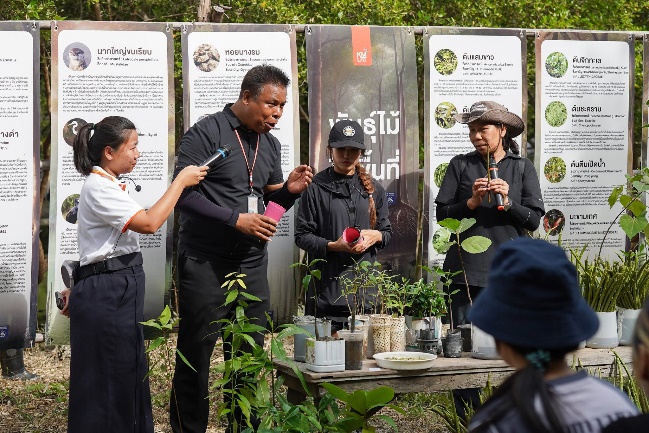
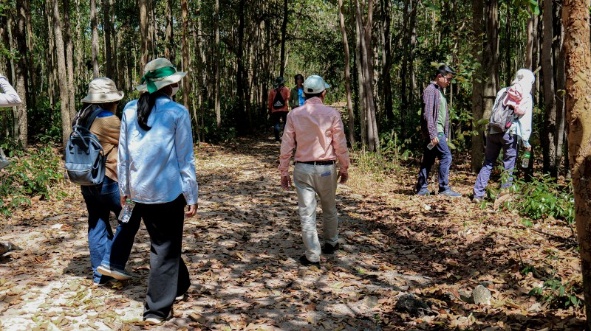
Forest observation and guided-learning photographs from the supplied centre record. Capture dates are not specified.
First-year forest ecosystem learning · 7 July 2025
On 7 July 2025, first-year students of the 2025 academic year participated in a Green University learning activity at the Dry Dipterocarp Forest Learning Center. The activity provided students with an opportunity to learn directly from a natural ecosystem through a guided walk and observation of the dry dipterocarp forest. The learning activities included exploring the forest ecosystem, inoculating mushroom cultures, and planting trees. These hands-on activities allowed students to gain practical knowledge about forest ecosystems, plants, fungi, and the importance of maintaining biodiversity and ecological balance. The activity also raised students’ awareness of environmental conservation and the role of forest ecosystems in mitigating climate change and reducing greenhouse gas emissions, while encouraging them to participate in sustainable environmental practices.
Group and practical planting photographs supplied with the 7 July 2025 Green University activity.
October Course · forest and pollinator learning stations
From 16–18 October 2025, KMUTT Ratchaburi Campus organized the October Course 2025: Step to University for 120 students from Assumption College Sriracha to promote learning experiences in science, mathematics, and technology through integrated learning and hands-on activities.
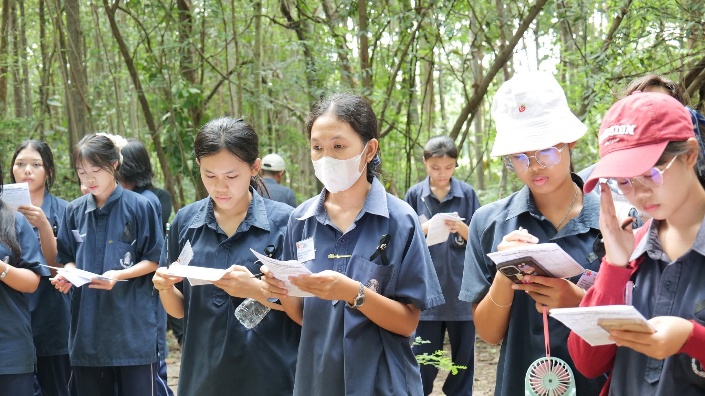
As part of the programme, students participated in a Dry Dipterocarp Forest Ecosystem Exploration, where they explored the natural forest ecosystem and learned about local biodiversity, including forest plants and fungi. The activity provided students with hands-on learning experiences and increased their awareness of ecosystem conservation and biodiversity.
These are activities within the same 120-student October Course cohort described above.
Forest exploration and honeybee learning photographs supplied with the 16–18 October 2025 school course.
Rachineeburana School Learning Camp · 8–9 November 2025
On 8–9 November 2025, KMUTT Ratchaburi Campus welcomed 82 teachers and students from Rachineeburana School to participate in an educational learning camp.
The programme included a Dry Dipterocarp Forest exploration, where students learned about the natural ecosystem, as well as activities on the morphology of fungi and plants. Through these hands-on learning activities, students gained practical knowledge about local ecosystems and biodiversity and developed greater awareness of nature conservation.
Agricultural Technology Transfer Research Center
Photographs supplied under the Agricultural Technology Transfer Research Center heading. The activity date and school affiliation of these photographs are not specified.
Bee Park · native bee and pollinator learning
The research and training history below retains the supplied account and its linked December 2022 feature context. Position descriptions, honey-yield examples and price examples are not presented as newly verified 2025–2026 results.
Native Honeybee and Pollinator Research Center is part of the Bee Park, located in King Mongkut’s University of Technology Thonburi, Rang Bua Subdistrict, Chom Bueng District, Ratchaburi Province. It was established in 2008 and began conducting research on bees and the utilization of Asian native bees.
It focuses on studying the biodiversity and adaptation of native bees, and using engineering technology to develop smart farming technologies, which are the results of collaboration between researchers from various fields of expertise, such as biology, chemistry, computers, and engineering, as well as applying them to create economic benefits.
It also provides technology transfer services to farmer groups interested in developing sustainable native beekeeping.
Assoc. Prof. Dr. Orrawan Duangphakdee, a lecturer at KMUTT Ratchaburi, is the head of the research center and the first Thai expert on bee behavior and bee language.
Most recently, she was the first Thai to be elected to the prestigious position of “Regional President of Asia” of the Executive Board of the International Federation of Beekeepers’ Associations, Apimondia.
Original Bee Park research photograph supplied with the institutional history. It is not assigned to a newly dated school event.
The center’s role is to conduct research on bees in 4 main areas:
Bee ecology and climate
Studying bee behavior, bee diversity, and factors related to agricultural bees and climate change.
Smart hives and bee language
Creating a tool called smart hives to study bee language through the beeconnex application in collaboration with the Department of Computer Engineering, Faculty of Engineering, KMUTT.
Agricultural productivity
Utilizing bees to increase agricultural productivity.
Honey value and farmer support
Creating unique, high-value honey for sale through the “BEESANC” brand, which was created to support honey production from farmers who have been trained throughout Thailand.
Hive and hands-on bee-learning photographs supplied with the Bee Park research and technology-transfer account. Original context applies.
Knowledge transfer, farmers and school learners
“Our center started with research studies by working on bees and bee plants for over 10 years. Then we transferred the knowledge we gained to beekeeping, from the types of bees in Thailand, bee species selection, raising, growing bee food plants, garden design, collection steps, separating and expanding boxes, to the natural honey production process to obtain the best quality honey at the best time, analyzing the nutritional properties and functions of honey, to marketing, focusing on raising bees in the area and being able to raise them all year round. We organized training courses on stingless bee raising for farmers and those interested, which was able to create jobs and generate income for a large number of farmers in our network across the country.
For example, the local bee and stingless bee farmer group in Ban Kha District, Ratchaburi Province, and the Malaburi Phufa Group in Phufa Subdistrict, Bo Kluea District, Nan Province, etc. In addition, we have also trained stingless bee farmers and students from schools in the outskirts of Prathom 1 to 6 to enhance beekeeping skills for underprivileged children. Children from poor families will have the knowledge to use and earn money from honey and stingless bees to continue their education or as an additional income for their families. We have started this model in the outskirts of Ratchaburi and will gradually expand to neighboring provinces such as Phetchaburi and Kanchanaburi.”
Training approaches and source yield examples
Assoc. Prof. Dr. Orrawan said that we teach all types of beekeeping. You can choose the one that is suitable for you. All types that are taught have the potential and are possible to raise nationwide. Even foreign bees can be raised as a profession, but the cost is high. You have to raise hundreds of nests or more to make it worthwhile. It takes quite a lot of time to take care of them and you cannot raise them in every area of Thailand.
While stingless bees can be raised nationwide. Even in condos, anyone can raise them. Women, men, the elderly or disabled, students, any occupation can raise them because stingless bees are small bees, do not sting, are easy to take care of, do not use a lot of space, and are cheap.
Although the amount of honey produced per nest is less than other types of bees, they can produce high-quality honey.
Just set up 2-3 nests without having to feed them anything. The bees will work to pollinate. You will get up to 1 kg of honey per nest. If it is a cavity bee, you will get 5-15 kg of honey per nest. As for the bee, you will get 0.5-1.5 kg of honey per nest.
The purchase price of honey is 1,000-1,500 baht per nest.
Therefore, beekeeping is like saving money in a piggy bank and gradually accumulating. It can be a career to generate additional income. Help reduce inequality and distribute income.
Yield and price examples retain the original source units and context. The source does not clearly identify every bee category in English. These examples are not a current price quotation, a guaranteed return or a 2025–2026 programme-income total.
From more than 15 years of research on bees, we know the behavior of each type of bee and have expanded to study bee food plants, flying ability or flight distance of bees, to landscape management or bee garden design. The head of the research center said that our beekeeping training will be natural but different from other places, we will select from good food plants for bees, honey making process that does not cause loss and have certificate of honey quality and properties from the laboratory.
Supplementary learning-site and programme photographs
Mangrove habitat and ecosystem organisms
Additional habitat and planting photographs from the institutional mangrove-site record. Original dates and context apply.
Original tall wetland-organism observation photograph, shown whole.
Additional organism photographs supplied with the learning-site record. No new species inventory, count or conservation status is inferred.
Community and school field learning
Additional environmental field-learning photographs in the supplied mangrove-centre account. Capture dates are not specified.
Dated mangrove activity photographs
Additional photographs supplied with the 4 December 2025 volunteer activity.
Additional photographs supplied with the 25 February 2026 mangrove learning activity.
Additional photographs supplied with the 25 March 2026 mangrove learning activity.
Dry dipterocarp forest observation and learning
Additional guided-observation, classroom and practical-learning photographs from the forest-centre record. Capture dates and school affiliations are not newly assigned.
First-year and October Course activities
Additional photographs supplied with the 7 July 2025 Green University activity.
Additional version of the October Course Bee Park group photograph supplied in the institutional record. The same cohort is not counted again.
Additional forest-learning photographs supplied with the October Course 2025 school record.
Classroom learning photograph supplied with the October Course 2025 school programme.
Agricultural Technology Transfer Research Center record
Additional photographs under the Agricultural Technology Transfer Research Center heading. Specific activity dates and school affiliations are not stated.
Bee Park exhibits and hives
Original Bee Park honey-product exhibit photograph. Labels retained whole; no current price or certification is inferred.Original native-bee hive photograph from the supplied research and training history.
5. Related information on our university offering educational programme/outreach for local or national communities on sustainable management of land for agriculture and tourism.
KMUTT transfers agricultural knowledge to community and farmer audiences through its native pollinator research centre and environmental partnerships. Dated outreach in 2025 and 2026 connects stingless bee husbandry with agricultural ecosystems, while a 2025 biochar agreement sets out knowledge transfer on crop residues and soil improvement. Campus growing and learning sites provide further institutional context below.
Agricultural outreach · delivery and planned cooperation
Outreach record · Community and agricultural connection
28 May 2025 delivered training
Stingless bee husbandry for an aromatic coconut farmer group in Don Kruai.
25 and 26 April 2026 demonstration event
Practical colony division and expert knowledge exchange for farmers and communities.
4 July 2025 cooperation agreement
Planned transfer of crop residue and biochar knowledge for soil improvement in Wiang Pa Pao.
Stingless bee training with coconut farmers · 2025
On 28 May 2025, the Native Honeybee and Pollinator Research Center at KMUTT Ratchaburi provided instructors for stingless bee training under a project to develop high value agricultural supply chains and services. The session took place with the aromatic coconut large plot farmer group in Village 6, Don Kruai Subdistrict, Damnoen Saduak District, Ratchaburi. The provincial agricultural office and Regional Agricultural Extension and Development Office 2 participated. This is a dated example of transferring pollinator management knowledge to an agricultural community at its production site.
Official KMUTT photograph from the stingless bee training with the Don Kruai coconut farmer group on 28 May 2025.
Community demonstration and learning · April 2026
On 25 and 26 April 2026, a Ratchaburi stingless bee demonstration and learning event was held at the provincial agricultural product centre in Wat Kaeo, Bang Phae District. KMUTT researcher Orrawan Duangphakdee joined specialists from other universities and the Department of Agricultural Extension in a panel on stingless bees and high value economic development. Activities included colony division demonstrations, educational displays and honey product exhibits for farmer and community learning. The university article was published on 28 April.
Crop residues, biochar and soil improvement
On 4 July 2025, KMUTT and Enable Earth signed a cooperation agreement concerning environmental management and biochar in Wiang Pa Pao, Chiang Rai. It provides for knowledge and innovation transfer to help farmers use rice stubble, straw and other crop residues to produce biochar for soil improvement and reduced open burning. These are the agreement’s stated purposes, not evidence that a specified number of farmers had already completed training or achieved measured soil recovery.
Agricultural learning sites and community projects
The following garden, forest and pollinator centre accounts retain the supplied institutional information and photographs. The rooftop garden history begins in 2020 and remains historical context; it is not presented as a new 2025 or 2026 activity. The public event sources above do not state participation fees, so no universal fee exemption is inferred.
Bangmod dormitory garden · food and shared learning
Vegetable gardens within the student dormitories at King Mongkut's University of Technology Thonburi (Bangmod) have been established to maximize the utility of available space and foster student self-reliance regarding food. By designating areas around the dormitories for the cultivation of safe, homegrown produce, the initiative not only helps reduce living expenses and improves the daily nutritional intake of residents, but also serves as a platform for student interaction and shared learning, while cultivating a mindset centered on sustainable living.
Dormitory-area planting photographs from the institutional garden record. Original period and context apply; no new activity date is assigned.
Bangkhuntien · mangrove learning and food growing
The KMUTT Bangkhuntien Mangrove Forest Learning Center, located within King Mongkut's University of Technology Thonburi (Bangkhuntien campus), serves as a hub for learning about mangrove ecosystem restoration, integrated with the cultivation of kitchen garden vegetables. The center applies the "Food Circular Economy" concept to manage its agricultural produce, distributing the harvest to the university community including staff and campus food vendors at affordable prices. This initiative aims to bolster organizational food security, alleviate the cost of living, and foster practical learning regarding resource management and the mitigation of environmental impacts.
Aerial photograph supplied with the Bangkhuntien growing and learning-site record. Capture date is not specified.
Harvesting and garden photographs from the supplied Bangkhuntien institutional record. Original period and context apply.
Khun Ta rooftop garden · established in 2020
Khun Ta Garden was established in 2020, during the COVID-19 pandemic, on the rooftop of the 80th Anniversary Chalermphrakiat Institute for Learning Innovation building at the Thaicom Foundation, KMUTT Bangmod. The initiative was spearheaded by the Chairman, Pharon Israsena Na Ayudhya, with the vision of fostering critical thinking, practical skills, and global citizenship among Thai youth, using agriculture as a tool for their development.
Guided by the Sufficiency Economy Philosophy, the rooftop space was transformed into a small-scale agricultural plot, providing a sustainable source of safe, nutritious food for students, teachers, and school staff.
Khun Ta Garden grows a variety of crops including salad greens, Thai basil, holy basil, sweet potatoes, melons, cucumbers, and water spinach alongside a catfish-rearing project; the harvests are used for meal preparation.
Furthermore, approximately 5 kilograms of daily food scraps and vegetable waste are repurposed into organic compost and liquid fertilizer to enrich the soil.
Teachers and students work together to cultivate the crops, maintain the garden, conduct experiments, and study essential practices such as soil preparation and seed germination.
Additionally, the garden incorporates "Smart Farm" technology, which regulates irrigation, temperature, and humidity to ensure that the plants grow under optimal environmental conditions.
Food resources in the garden account
Food and vegetable waste
Approximately 5 kg each day in the supplied garden-history account
Organic materials returned to soil
Organic compost and liquid fertilizer produced from the residues
Cultivation and practical learning
Soil preparation, seed germination, experiments and crop care
Harvests for meals
Vegetables, other crops and catfish rearing support meal preparation
The approximately 5 kg daily input belongs to the supplied historical garden account. It is not a new university-wide 2025–2026 waste total or an annualised figure.
Rooftop cultivation and melon photographs supplied with the Khun Ta Garden history. The project began in 2020; these photographs are not newly dated to 2025 or 2026.
Knowledge exchange with communities and persons with disabilities
The project promotes lifelong learning through the utilization of local resources and knowledge exchange among researchers, community enterprise groups, network members, and persons with disabilities. As part of the activity, participants visited the agricultural learning area at KMUTT Ratchaburi, where the agricultural plots are managed and maintained by persons with disabilities. The learning area provides a practical setting for participants to gain knowledge about agricultural practices, local resource utilization, and sustainable agricultural development.
The activity also promotes knowledge exchange and practical learning, enabling community participants and persons with disabilities to share experiences and apply knowledge related to agriculture and the sustainable use of local resources within their communities.
Original agricultural-learning photograph showing participation by a person using a wheelchair. The full image and original institutional context are retained.
Community and researcher knowledge-exchange photographs supplied with the agricultural learning-area account. Capture dates are not specified.
Ratchaburi forest · learning and responsible resource use
The Dry Dipterocarp Forest Learning Center at KMUTT Ratchaburi serves as a natural learning and educational site for students, local communities, and interested visitors. The center provides opportunities for participants to explore the forest area and learn about its ecosystem, biodiversity, and the importance of conserving and sustainably managing natural resources. In addition to its educational role, the forest area also provides benefits to local communities living around the learning center. Local residents are able to collect naturally occurring forest products, such as edible mushrooms, from the surrounding forest area. This provides an opportunity for the community to make appropriate use of natural resources while maintaining awareness of the importance of conserving and sustainably managing the forest ecosystem.
Through learning activities and appropriate community use of forest resources, the Dry Dipterocarp Forest Learning Center supports knowledge sharing, sustainable management of natural areas, and the responsible use of forest resources by the surrounding community.
Forest-resource observation and local learning photographs from the supplied record. Original period and context apply.
Bee Park · agricultural knowledge and technology transfer
The following section is the supplied institutional research and training history. The network counts describe that account; they are not a newly measured 2025–2026 partnership total.
Bee Park (Bee Learning Park) is located at KMUTT Ratchaburi, Rang Bua Subdistrict, Chom Bueng District, Ratchaburi Province. It was first established on 31 December 2011 as a venue for knowledge exhibitions about honeybees and their importance, global and Thai native bee diversity, beekeeping and equipment, Bee World, and honey and bee products. It supports technology transfer in line with university policy, through which lecturers and researchers share technology and research knowledge as academic services with students, farmers, organisations, agencies and interested members of the public who come to study and visit. Short-term beekeeping courses help trainees apply the knowledge to develop sustainable careers.
Bee Park manages and develops knowledge generated by the Native Honeybee Research Laboratory. The laboratory has conducted research on bees and the use of native Asian bees since 2008, developing academic knowledge published in international journals and books by Thai and overseas publishers. Its research networks involve 25 agencies and more than 15 leading overseas research institutes from more than 9 countries. Research is also presented at international academic conferences. New information from continuing research is transferred and displayed at Bee Park, KMUTT Ratchaburi. The laboratory focuses on biodiversity and adaptation of native bees and uses engineering technology to develop Smart Farming for beekeeping. This work brings together biology, chemistry, computers and engineering and applies the findings for economic benefits. Technology-transfer services are available to farmers interested in sustainable native beekeeping. The supplied training course topics are listed below.
Original Bee Park entrance and research photograph supplied with the institutional history. Capture date is not specified.
Training topics for agricultural and livelihood use
Course wording is retained from the supplied English record. Some bee-category wording in the first item is unclear and has not been renamed.
Hollow Beekeeping Bee hem and steep for honey production and agricultural productivity through pollination
Micro Beekeeping (Micro beekeeping) to produce organic honey that is unique to the tropical forest.
Identification of the uniqueness of honey and the testing process of real honey – fake honey
Product development and processing of bee and honey products as a guideline for creating a career such as soap, shampoo, skin care cream, etc.
Original Bee Park knowledge-transfer and teaching photograph. The complete image and source watermark are retained; no new event date is assigned.Original practical beekeeping photograph supplied with the training account. The complete image and source watermark are retained.Supplementary site photographs and original institutional narrative
Dormitory growing and participation
Additional dormitory garden photographs from the institutional record. Original period and context apply.
Bangkhuntien site and practical growing
Original learning-site entrance photograph, shown whole.Original tall garden-bed photograph from the institutional record, shown whole.Original planting photograph with a banner referring to the COVID-19 period, retained whole.
Additional planting, site and cultivation photographs in the supplied Bangkhuntien record. Dates are not newly assigned.
Original seeds, manuals and bio-fermented liquid photograph; labels retained whole.Original campus waterside photograph supplied with the institutional growing-site record.
Khun Ta Garden history and learning photographs
Additional rooftop garden photographs from the supplied historical account. The initiative began in 2020.
Original school-garden learning image with its source framing and logos retained.Original school-garden harvest image with its source framing and logos retained.Original meal-preparation image from the school-garden record, shown whole.
Community and inclusive agricultural learning
Additional group, discussion, growing and local-resource learning photographs supplied with the community and inclusive-learning account.
Original growing-area discussion photograph, shown whole.
Responsible use of forest resources
Additional forest-resource and visitor learning photographs from the institutional record. Dates are not specified.
Bee Park original research and training record
Original research portrait supplied with the Bee Park record. The image is retained whole without inferring the missing staff information in the source text.Original Thai Bee Park research and honey communication image, retained whole.Original honey-product display photograph; labels and watermark retained whole.Original native-bee colony photograph, with watermark retained whole.Original hive photograph supplied with the research record, with watermark retained whole.Original bee colony photograph supplied with the research record, with watermark retained whole.
Original laboratory narrative
The original paragraph includes an incomplete staff-reference fragment. It is preserved below without completing the missing information.
Bee Park (Bee Learning Park) is a part that manages and develops knowledge by The Native Honeybee Research Laboratory, where the Native Bee Research Lab has started the study. and has been conducting research on bees and the use of native Asian bees since 2008 with a focus on research and development of new knowledge. in the academic field that has been recognized It is published in international journals. (International Journal), publishing books on bee knowledge, both Thai publishers and foreign publishers (Textbook), creating research networks within 25 agencies and from more than 15 leading research institutes abroad from more than 9 countries and presenting research results at international academic conferences (International Conferences) resulting in new information and knowledge. obtained from ongoing research studies Therefore, the information and knowledge of these be transmitted and displayed in Bee Park, KMUTT, Ratchaburi, currently the Native Honeybee Research Laboratory has Asst. Focus on biodiversity and adaptation of native bees The use of engineering technology to develop smart technology used in bee farming (Smart Farming), which is the result of collaboration of researchers from various specialties such as biology, chemistry, computers and engineering. as well as its application for economic benefits Technology transfer service is available to farmers who are interested in sustainable development of native beekeeping. The content of the courses that are open for training for those who are interested are as follows:
6. Sustainable management of land for agriculture (educational outreach)
KMUTT connects nature based tourism with community learning, cultural knowledge and responsible use of local resources. Its work with the Na Ae Karen Cultural Market in Ratchaburi provides a community led setting where residents share skills and visitors learn about livelihoods linked to the surrounding landscape. Forest, mangrove and pollinator learning sites provide further nature based learning contexts below.
Community destinations, knowledge and responsible resource use
Tourism related component · Connection with sustainable land and resource use
Na Ae community destination
Community public space, resident built bamboo structures and green market product development.
Local knowledge exchange
Forest foods, plants and leaf materials incorporated into visitor learning on 4 October 2025.
Ecological farm learning
Management of a bee farm as an ecological learning and agritourism destination on 20 December 2025.
Na Ae · community knowledge and a green cultural destination
A university project account published on 10 October 2025 describes KMUTT collaboration with Pwo Karen communities and the Ratchaburi highland development centre. The programme combines cultural mapping, community knowledge and the Na Ae market. Residents contributed mapping, GPS and photography skills to document places and traditions. The market occupies a four rai community public site with bamboo buildings constructed by residents. Natural dyes and biodegradable packaging connect product development with its green market approach. The article describes a multi year project beginning in 2021; it does not date every training component to 2025.
Local practitioners as knowledge providers · 4 October 2025
On 4 October 2025, KMUTT Ratchaburi students joined six learning stations at Na Ae with community knowledge holders and craftspeople. Activities included forest food preparation, plant based ornaments and plates made from leaves, alongside silverwork, textiles and traditional craft. These exchanges connect visitor learning with local resource knowledge and the potential for community based ecotourism. Residents were the knowledge providers in this session, rather than being counted as new university trainees.
Community based learning at Na Ae on 4 October 2025. Photograph from the KMUTT library institutional account.
Learning with community enterprises · 20 December 2025
On 20 December 2025, twelve GMI executives, staff and graduate students visited community enterprises and an ecological learning farm. At Suphap Bee Farm they studied farm management, development of an ecological learning destination and sustainable agritourism. A leaf plate enterprise demonstrated resource selection, production and value creation from local natural materials. This was university learning with community enterprises; its twelve participants are not reported as external community trainees.
Nature-learning sites and visitor contexts
The following site accounts retain the supplied descriptions and photographs. Participation fees are not specified in the dated sources above; no universal free access condition is inferred. Site descriptions are distinguished from completed educational events.
Na A Market · the supplied community destination account
The Na A Market in Ban Kha District, Ratchaburi Province, is a community-based agri-tourism destination supported by King Mongkut’s University of Technology Thonburi (KMUTT). This market promotes sustainable land management through the integration of organic farming, cultural preservation, and local economic development. The area showcases responsible agricultural practices such as pesticide-free cultivation and sustainable water use, while maintaining the traditional way of life of the community. KMUTT collaborates with local residents to organize educational activities including agricultural workshops, cultural demonstrations, and farm tours, allowing visitors to gain a deeper understanding of sustainable agriculture and rural land use. Through this collaboration, Na A Market has become a model of educational tourism that strengthens community livelihoods, conserves agricultural land, and promotes environmentally responsible tourism.
Bamboo-building photograph supplied with the Na A community market account. Capture date is not specified.
Community cultural-learning and exhibition photographs supplied with the Na A market record. They are not independently assigned to the 4 October 2025 session.
Bee Park · native pollinators and learning
This section retains the supplied institutional research and visitor-learning context. References to research history and positions are not independently updated as current 2025–2026 appointments or programme outcomes.
Native Honeybee and Pollinator Research Center is part of the Bee Park, located in King Mongkut’s University of Technology Thonburi, Rang Bua Subdistrict, Chom Bueng District, Ratchaburi Province. It was established in 2008 and began conducting research on bees and the utilization of Asian native bees.
It focuses on studying the biodiversity and adaptation of native bees, and using engineering technology to develop smart farming technologies, which are the results of collaboration between researchers from various fields of expertise, such as biology, chemistry, computers, and engineering, as well as applying them to create economic benefits.
It also provides technology transfer services to farmer groups interested in developing sustainable native beekeeping.
Assoc. Prof. Dr. Orrawan Duangphakdee, a lecturer at KMUTT Ratchaburi, is the head of the research center and the first Thai expert on bee behavior and bee language.
Most recently, she was the first Thai to be elected to the prestigious position of “Regional President of Asia” of the Executive Board of Apimondia (Apimondia: International Federation of Beekeepers’ Associations).
Hive and practical-learning photographs from the supplied Bee Park record. Original dates and context apply.
The role of the center is to conduct research on bees in 4 main areas:
Bee research and related factors
1. Continuing studies on bees, honeybees and the factors reported on bees in agriculture and pharmaceutical conditions (climate change).
Smart hives and bee language
2. Create a tool called smart hives to study bee language through the beeconnex application in collaboration with the Department of Computer Engineering, Faculty of Engineering, KMUTT.
Agricultural productivity
3. Utilizing bees to increase agricultural productivity
Honey value and trained farmers
4. Create unique high-value honey for sale through the “BEESANC” brand, which was created to support honey production from farmers who have undergone training throughout Thailand.
The first item retains the supplied phrase “pharmaceutical conditions (climate change)”. Its intended technical term is unclear, so it has not been reinterpreted.
Research knowledge shared with farmers and school learners
The center started with research studies by working on bees and bee plants for more than 10 years. Then, the knowledge gained was transferred to beekeeping, from the types of bees in Thailand, bee species selection, raising, growing bee food plants, garden design, collection steps, separating and expanding boxes, to the natural honey production process to obtain the best quality honey at the best time, analyzing the nutritional properties and functions of honey, to marketing, focusing on raising bees in the area and being able to raise them all year round.
The center organized a training course on raising stingless bees for farmers and those interested, which was able to create jobs and generate income for many network farmers nationwide, such as the native bee and stingless bee farmer group in Ban Kha District, Ratchaburi Province, the Malabri Phufa Group in Phu Fa Subdistrict, Bo Kluea District, Nan Province, etc.
In addition, stingless bee raising training was provided to teachers and children in marginal schools from grades 1 to 6 to enhance beekeeping skills for underprivileged children.
Children from poor families will have knowledge to use and can use the income from honey and stingless bees to continue their education or as an additional income for their families.
This model has already been implemented in areas on the outskirts of Ratchaburi and is gradually being implemented. Expanded to neighboring provinces such as Phetchaburi and Kanchanaburi.
Ratchaburi forest · educational tourism and conservation
The Dry Dipterocarp Forest Learning Center at KMUTT Ratchaburi Campus is an outstanding example of sustainable land management for educational tourism and biodiversity conservation. Located within the university’s natural dry dipterocarp forest ecosystem, the center serves as a living classroom for students, researchers, and visitors to explore forest ecology, soil-water interactions, and native plant species.
The area supports a wide range of wildlife, including birds, squirrels, and insects, while the university implements conservation activities such as reforestation, biodiversity monitoring, and guided educational walks.
These programs not only preserve and enhance the ecological value of the land but also raise awareness of environmental stewardship and the importance of coexisting sustainably with nature.
The center has become a key eco-tourism site in Ratchaburi, combining academic learning, community engagement, and conservation to support KMUTT mission of sustainable development.
Original Dry Dipterocarp Forest nature-learning communication image. Text, map and graphic framing are retained whole.
Forest teaching and practical-learning photographs supplied as site context. No new visitor or community-trainee count is inferred.
Mangrove learning and conservation-tourism activities
The Mangrove Planting Project Area in Honor of the Monarchy at KMUTT is a wetland area developed from land donated by the private sector to the university. KMUTT has developed it into a learning centre for the mangrove ecosystem and also uses it for conservation-tourism activities for students and staff. The area is sometimes opened to private-sector groups to carry out activities as well.
Aerial photograph supplied with the mangrove learning and conservation-tourism site record. Capture date is not specified.
Guided propagation and practical-learning photographs supplied with the mangrove visitor-site record. Original dates and context apply.
Supplementary visitor-site photographs and original site description
Bee Park colonies, demonstrations and visitors
Additional colony and demonstration photographs supplied with the pollinator-centre record. Capture dates are not specified.
Original Bee Park entrance photograph, with source watermark and lettering retained whole.Original Bee Park teaching photograph, with source watermark retained whole.
Additional study and visitor-learning photographs supplied with the Bee Park account. No new participant count or dated event association is assigned.
Forest site communications and learning photographs
Original forest-learning-centre communication graphic with text and QR code retained whole.Original forest-learning collage and map graphic, shown whole.Original Ratchaburi campus and forest aerial communication image, shown whole.Additional forest-resource learning photograph from the supplied site record.
Additional forest observation and planting photographs from the institutional record. Original context applies.
Original community-market identity photograph
Original Na Ae / Na A market sign photograph, retained whole. The supplied record uses these English transliteration variants.
Mangrove habitat and visitor participation
Additional habitat, visitor-group and practical conservation photographs from the institutional mangrove record. Original dates and context apply; these are not independently assigned to the dated Na Ae or GMI visits.
Original mangrove site description
Mangrove Planting Project Area in Honor of the Monarchy King Mongkut's University of Technology Thonburi (KMUTT) is a wetland area donated by KMUTT from private sector. KMUTT has developed the area into a learning center for mangrove ecosystem. In addition, KMUTT also uses this area for conservation tourism activities for KMUTT students and staff. Sometimes, the area is opened for private sector to come and do activities as well.
1. Sustainable use, conservation and restoration of land (policy)
KMUTT Policy on the Promotion and Restoration of Biodiversity was announced on 2 September 2025 by the university president. It establishes commitments to prevent development impacts, protect ecosystems, restore degraded land and integrate sustainable biodiversity use into university activities. Its scope includes university premises and surrounding communities, with restoration extending to state and community areas.
Policy date and issuing authority
Announced
2 September 2025
University president named in the policy
Associate Professor Dr Suvit Saetia
The policy issue date is 2 September 2025. The president named in the policy is Associate Professor Dr Suvit Saetia. The 2026 programme calendar is implementation context, not a newly claimed policy review date. The institutional account and the complete policy provisions below retain their actual wording and dates.
The policy announcement · September 2025
On September 2, 2025, King Mongkut's University of Technology Thonburi (KMUTT) marked another significant milestone on its path to becoming a Sustainable University by officially announcing the "2025 Biodiversity Promotion and Restoration Policy" among faculty, staff, and students at the "23rd King Mongkut's University of Technology Thonburi Occupational Safety Week 2025". This announcement marked a tangible elevation of the university's environmental performance.
Announcement-stage photographs from the supplied institutional record. The policy account identifies the event as the 23rd KMUTT Occupational Safety Week 2025.
Policy on the Promotion and Restoration of Biodiversity
King Mongkut's University of Technology Thonburi (KMUTT) has been actively advancing towards becoming a Sustainable University for Sustainable Development Goals (SDGs) 2030. In this regard, the University has established a Policy on the Promotion and Restoration of Biodiversity, aiming to ensure that university activities prevent and mitigate negative impacts on environmental health, ecosystem integrity, and natural systems, as well as to minimize risks that may affect ecological balance and biodiversity.
Promote planning, management, and conservation of environmental quality within the university premises and surrounding communities to prevent and mitigate environmental impacts, particularly those arising from university development activities.
Promote the designation of conservation zones or pollution control areas, such as forests, wildlife sanctuaries, public parks, and natural water bodies, to safeguard the environment and ecosystems from adverse impacts caused by university activities.
Promote the control of pollutants released into the environment, including wastewater, air pollutants, and noise pollution generated from university areas or related activities, to ensure compliance with environmental quality standards and pollution control regulations.
Promote ecological restoration activities by rehabilitating degraded areas into forested lands to enhance biodiversity restoration within the university, state-owned areas, and community areas, thereby creating broader societal benefits and ensuring long-term sustainability.
Promote the integration of biodiversity conservation and restoration into education, research, student activities, academic services, and community engagement, thereby fostering sustainable utilization of biodiversity.
Promote and support collaboration with national and international organizations for systematic and effective biodiversity management.
Promote value creation, innovation, and sustainable utilization of biodiversity through interdisciplinary integration at both national and international levels.
Foster awareness and responsibility in conserving natural resources, the environment, and local wisdom.
How the provisions apply to university land
Policy provision · Conservation and management commitment
Clause 1
Plan and manage environmental quality on university premises and in surrounding communities, addressing development impacts.
Clause 2
Promote conservation and pollution control zones to safeguard forests, natural water bodies and other ecosystems affected by university activities.
Clause 3
Control wastewater, air pollution and noise to comply with environmental quality requirements.
Clause 4
Rehabilitate degraded land into forested areas on university, state and community land.
Clauses 5 to 8
Integrate biodiversity into education, research and services; collaborate with partners; support sustainable use and conservation awareness.
Application to university-associated ecosystems
The 2025 policy gives a common basis for managing the Ratchaburi forest and university associated mangrove areas. The Nature Positive roadmap connects this commitment with land mapping, ecological surveys, avoidance of negative impacts in new construction and habitat restoration. Its annual planting schedule for 2026 provides an operational framework; a calendar does not by itself establish attendance or planting outcomes.
Restoration practice documented in 2025
The university library’s account of the Samut Sakhon living laboratory, published on 4 December 2025, describes four plots totalling 136 rai and the adaptation of mangrove propagation and water management to local conditions. It records student participation on 1 November 2025 and involvement of nearby residents in supplying propagules. This provides a dated example of restoration work on university land alongside the policy commitment.
Mangrove planting and group photographs supplied with the institutional conservation record. Capture dates are not specified; these images are not independently assigned to 1 November 2025.
Conservation programmes supporting the policy
KMUTT journey in conserving biodiversity has not just begun, but is the result of years of continuous work. KMUTT has integrated the concept of sustainable development into all aspects of university management. KMUTT has initiated many projects that promote the Urban Ecosystem, such as:
Green Space Development
Continuously increasing green spaces, designing landscaping that supports the habitat of local organisms, and creating a mini-urban forest within the university grounds.
Research and Innovation
Supporting research related to environmental restoration, wastewater treatment, and efficient waste management to minimize the impact on the surrounding ecosystem.
Awareness Building
Instilling the "Green Heart" concept in students and staff through activities and teaching, raising awareness of the importance of coexisting with nature.
These efforts have transformed the KMUTT campus into a small "oasis" of increased biodiversity, as evidenced by the return of various bird species and increased numbers of pollinators. The announcement of the "2025 Biodiversity Promotion and Restoration Policy" provides a clearer and more directional framework for operations, with the primary goal of integrating biodiversity into all aspects of the university's operations.
The institutional narrative describes returning birds and increased pollinators qualitatively. No quantified species-richness result, pollinator count or measured trend is supplied here.
Original policy documents · full pages and signature
KMUTT Policy on the Promotion and Restoration of Biodiversity announced 2 September 2025. First supplied page.KMUTT Policy on the Promotion and Restoration of Biodiversity announced 2 September 2025. Continuation, issue date and original signature.
2. Monitoring IUCN and other conservation species (policies)
KMUTT biodiversity policy of 2 September 2025 provides a university framework for ecosystem protection, restoration and management of development impacts. Its Nature Positive roadmap links this framework with ecological surveys and a campus species database. The institutional species accounts below identify animals and plants of conservation interest and reproduce the original reference material.
Species identity and the date of the evidence
Species in the institutional record · Reference and interpretation
Asian Golden WeaverPloceus hypoxanthus
The supplied IUCN assessment is Near Threatened, published in 2017. The assessment year is retained rather than presented as a new campus survey.
Eurasian OtterLutra lutra
A 2025 IUCN Otter Specialist Group publication identifies the global status as Near Threatened, citing the amended 2022 assessment.
Smooth coated OtterLutrogale perspicillata
The Nature Positive campus fauna page uses this different scientific name. It is kept distinct from the Eurasian Otter account supplied in the original document.
Animal records: names, characteristics and original images
Asian Golden Weaver
Ploceus hypoxanthus
Birds on the grid structures at the King Mongkut’s University of Technology Thonburi (Bang Khun Thian) campus
Characteristics. A small bird measuring approximately 14.5–15 cm in length. Breeding males have bright yellow plumage on the head, rump, and underparts, with black markings around the face and throat. The upperparts are blackish-brown with yellow markings. Females and non-breeding males have duller brown and yellow plumage. The bill is short, thick, and cone-shaped.
Eurasian Otter
Lutra lutra
Characteristics. A medium-sized semi-aquatic mammal with a long, streamlined body, short legs, webbed feet, and a long, muscular tail. It has dense brown fur, with a lighter-colored throat and chest. It is well adapted to aquatic environments and is commonly associated with rivers, streams, wetlands, and other freshwater habitats.
The bird profile is reproduced whole, including its campus context. The otter image remains an institutional photograph with the species-identity limitation stated above.
A policy framework for species and habitats
The 2025 policy promotes conservation zones and protects ecosystems from university activities. It also addresses pollution, restoration and integration of biodiversity into research and services. The Nature Positive roadmap describes primary species data collection by students and staff and mapping of campus flora and fauna. These provisions establish a general conservation and monitoring framework. The policy wording reproduced below does not itself list IUCN categories or prescribe a species specific survey frequency.
King Mongkut's University of Technology Thonburi announced the "Biodiversity Promotion and Restoration Policy 2025" on September 2, 2025. The main points of the policy are the conservation of natural resources and the diversity of ecosystems within the university area, which includes the protection and conservation of various species of life.
This policy is in line with Section 2 of the policy document, which states that the university promotes the designation of environmental conservation areas or pollution control zones, such as forest areas, wildlife sanctuaries, public parks, and natural water sources, to prevent the environment and ecosystem from being affected by the university's various activities.
Monitoring and protection: the institutional account
A global Red List category describes conservation status; it does not independently prove that a species occurs on a particular campus. The original photographs, plant and animal descriptions, and references remain below as institutional records. The university fauna page and the supplied otter record use different taxa, so no new claim that the photographs establish both species is made.
King Mongkut’s University of Technology Thonburi (KMUTT) has established the Policy on the Promotion and Restoration of Biodiversity 2025 as a framework for conserving, restoring, and sustainably managing biodiversity and ecosystems within the university and surrounding areas. The policy emphasizes the conservation and restoration of natural areas, the protection of ecosystems, and the promotion of appropriate biodiversity management.
Under this policy framework, the University places importance on surveying and identifying species found within university areas, including species of conservation importance, to support the monitoring of their status and the protection of their habitats. Through biodiversity surveys, the Asian Golden Weaver (Ploceus hypoxanthus) and the Eurasian Otter (Lutra lutra) were identified as species assessed as Near Threatened (NT) according to the IUCN Red List.
The presence of these conservation-important species within the university area highlights the importance of maintaining green spaces, water sources, and natural habitats within the campus to support species survival and local biodiversity. KMUTT promotes ecosystem conservation and restoration alongside raising awareness and encouraging the participation of students, staff, and local communities in the conservation of natural resources and the environment.
Read the survey statement above together with the taxonomic distinction: Lutra lutra and Lutrogale perspicillata are different species. The supplied photograph is retained as an institutional record and is not treated as independent confirmation of both taxa.
Plant species in the institutional conservation record
In addition to the Asian Golden Weaver (Ploceus hypoxanthus) and Eurasian Otter (Lutra lutra), biodiversity surveys at KMUTT have also identified several plant species listed on the IUCN Red List, including Siamese Rosewood (Dalbergia cochinchinensis), Vatica (Vatica diospyroides), Teak (Tectona grandis), Makha Wood (Afzelia xylocarpa), Ironwood (Hopea odorata), and Yang (Dipterocarpus alatus). These species further demonstrate the conservation value of the plant and animal biodiversity found within KMUTT areas and highlight the importance of continued biodiversity monitoring and habitat conservation.
The catalogue below transcribes the categories and publication years visible in the supplied reference graphics. These are historical document labels, not newly checked current Red List assessments or campus survey dates. The narrative also names Vatica diospyroides; no separate Vatica assessment image is supplied here.
Original species names and supplied reference-document categories
Common name in the source
Scientific name
Category shown
Publication year shown
Siamese Rosewood
Dalbergia cochinchinensis
Vulnerable
Not shown
Ironwood
Hopea odorata
Vulnerable
2017
Burma Padauk
Pterocarpus indicus
Endangered
2018
Burma Padauk
Pterocarpus macrocarpus
Endangered
2019
Black rosewood
Afzelia xylocarpa
Endangered
1998
Broad-leaved Mahogany
Swietenia macrophylla
Endangered
2023
Yang
Dipterocarpus alatus
Vulnerable
2023
Teak
Tectona grandis
Endangered
2022
Norfolk Island Pine
Araucaria heterophylla
Vulnerable
2024
Sonneratia
Sonneratia ovata
Near Threatened
2010
Ivory Coast Almond
Terminalia ivorensis
Vulnerable
1998
The source uses “Burma Padauk” for two different scientific names and uses both “Makha Wood” and “Black rosewood” for Afzelia xylocarpa. The original labels remain distinguishable by scientific name; common-name equivalence is not independently resolved here.
Policy on the Promotion and Restoration of Biodiversity 2025
King Mongkut's University of Technology Thonburi (KMUTT) has been actively advancing towards becoming a Sustainable University for Sustainable Development Goals (SDGs) 2030. In this regard, the University has established a Policy on the Promotion and Restoration of Biodiversity, aiming to ensure that university activities prevent and mitigate negative impacts on environmental health, ecosystem integrity, and natural systems, as well as to minimize risks that may affect ecological balance and biodiversity.
Promote planning, management, and conservation of environmental quality within the university premises and surrounding communities to prevent and mitigate environmental impacts, particularly those arising from university development activities.
Promote the designation of conservation zones or pollution control areas, such as forests, wildlife sanctuaries, public parks, and natural water bodies, to safeguard the environment and ecosystems from adverse impacts caused by university activities.
Promote the control of pollutants released into the environment, including wastewater, air pollutants, and noise pollution generated from university areas or related activities, to ensure compliance with environmental quality standards and pollution control regulations.
Promote ecological restoration activities by rehabilitating degraded areas into forested lands to enhance biodiversity restoration within the university, state-owned areas, and community areas, thereby creating broader societal benefits and ensuring long-term sustainability.
Promote the integration of biodiversity conservation and restoration into education, research, student activities, academic services, and community engagement, thereby fostering sustainable utilization of biodiversity.
Promote and support collaboration with national and international organizations for systematic and effective biodiversity management.
Promote value creation, innovation, and sustainable utilization of biodiversity through interdisciplinary integration at both national and international levels.
Foster awareness and responsibility in conserving natural resources, the environment, and local wisdom.
Announced on September 2, 2025
(Assoc. Prof. Dr. Suvit Saetia) President of KMUTT
Original policy documents · complete pages, seal and signature
Original policy page: announcement, preamble and clauses 1–5.Original policy continuation: clauses 6–8, 2 September 2025 issue date and president signature.
Separate university seal image supplied with the policy transcript.Separate signature image supplied with the policy transcript; the full signed page is preserved above.
Original species assessment graphics · full reference images
Supplied IUCN Asian Golden Weaver assessment cover: Ploceus hypoxanthus, Near Threatened, publication 2017.Supplied IUCN Eurasian Otter assessment cover: Lutra lutra, amended version, publication 2022.Siamese Rosewood — Dalbergia cochinchinensis. Original reference graphic: Vulnerable; publication year not shown.Ironwood — Hopea odorata. Original reference graphic: Vulnerable; 2017.Burma Padauk — Pterocarpus indicus. Original reference graphic: Endangered; 2018.Burma Padauk — Pterocarpus macrocarpus. Original reference graphic: Endangered; 2019.Black rosewood — Afzelia xylocarpa. Original reference graphic: Endangered; 1998.Broad-leaved Mahogany — Swietenia macrophylla. Original reference graphic: Endangered; 2023.Yang — Dipterocarpus alatus. Original reference graphic: Vulnerable; 2023.Teak — Tectona grandis. Original reference graphic: Endangered; 2022.Norfolk Island Pine — Araucaria heterophylla. Original reference graphic: Vulnerable; 2024.Sonneratia — Sonneratia ovata. Original reference graphic: Near Threatened; 2010.Ivory Coast Almond — Terminalia ivorensis. Original reference graphic: Vulnerable; 1998.
3. Local biodiversity included in planning and development
KMUTT incorporates ecosystem protection into university development through its biodiversity policy and Nature Positive planning framework. The policy announced on 2 September 2025 explicitly addresses impacts arising from development activities. Campus maps, tree inventories, bird records and the Samut Sakhon living laboratory account provide site information relevant to these planning commitments.
Biodiversity in development decisions
Planning component · University commitment or documented practice
Prevent development impacts
Clause 1 of the 2025 biodiversity policy addresses environmental planning and conservation on university premises and in surrounding communities.
Protect sensitive habitats
Clause 2 promotes conservation zones and protection of forests and natural water bodies from university activities.
Control pollution and restore land
Clauses 3 and 4 connect development with pollution control and rehabilitation of degraded areas.
Use ecological information
The roadmap describes land mapping, primary species surveys and a biodiversity map, and identifies avoidance of negative nature impacts in new construction.
Designing for the mangrove ecosystem
The KMUTT library account published on 4 December 2025 describes development of four plots totalling 136 rai into a mangrove living laboratory. Site managers adapted nursery propagation, plant supports and water control to tidal conditions after an initial planting failure. This links development of a university learning site to the requirements of its mangrove habitat. The account describes near complete planting across the plots and plans for renovating a building as a learning centre; the planned renovation is distinguished from completed construction.
Original before-and-after development comparisons supplied by KMUTT. The complete paired photographs and BEFORE/AFTER labels are retained. Image dates and a quantitative habitat-change measurement are not supplied.
Samut Sakhon · site, adaptation and continuing development
Project origin and site
The KMUTT Samut Sakhon project, a model shared learning area (Living Lab) for mangrove ecosystems, involves King Mongkut's University of Technology Thonburi (KMUTT) receiving four plots of land totaling 136 rai from the private sector. The project commenced in 2022 with the goal of bolstering the university's aspiration to achieve carbon neutrality by 2040 (KMUTT Neutrality 2040) by developing the area into a carbon sink and a practical learning center for students and visitors.
A 136-rai (approximately 22-hectare) plot of land located in Phanthai Norasingh Subdistrict, Samut Sakhon Province, under the supervision of the Physical Resource Management Office, King Mongkut's University of Technology Thonburi (KMUTT), Bang Khun Thian Campus (BMO), aims to restore the mangrove ecosystem from a former cockle farming area and develop it into a "Living Lab" (Shared Learning Area). The area is divided into four plots: Plot 1: 42 rai 2 ngan 95 sq.wah; Plot 2: 29 rai 2 ngan 12.4 sq.wah; Plot 3: 35 rai 2 ngan 36.4 sq.wah; and Plot 4: 28 rai 2 ngan 50.3 sq.wah.
Original location map of the Samut Sakhon mangrove living laboratory. Four plot boundaries and labels remain whole.
Responding to tidal conditions
The initial attempt to plant 2,000 mangrove saplings failed due to natural factors such as tidal currents that were out of sync with the mangrove's life cycle. Later, the team discovered a method to cultivate mangrove saplings by rooting seedlings in a nursery for about a week until they developed roots and leaves. They were then planted in stakes supported by bamboo poles and ropes to prevent them from falling over. The water in the area had to be drained completely for one month. Once the mangrove saplings survived, water was returned to the area.
Community participation
This project fosters engagement between the university and the community through the purchase of mangrove saplings to generate supplementary income for local residents. It also involves collaboration with the Energy, Environment and Health (EESH) Center to recruit participants for mangrove planting activities, targeting both Thai and international students, including those from Japan and the United States. On November 1, 2025, a group of 55 students from Malaysia participated in planting mangrove saplings.
Next steps for the learning centre
Currently, the KMUTT area development project, Samut Sakhon Province A prototype of a joint learning space (Living Lab) on mangrove ecosystems. Four plots of mangrove trees have been planted until almost the entire area is covered, and the next goal of the project is to strengthen academics. By renovating the building into a learning center. and increase public relations so that more people come to use the services in the area
The library account was published on 4 December 2025. Its building renovation and stronger academic/public engagement are plans in that account; the source does not establish that the building work has since been completed.
Site information supporting development planning
The institutional material below contains maps and inventories for Bangmod, Bang Khun Thian, Ratchaburi and Samut Sakhon. Plant names, photographs and original counts remain available as the supplied baseline material. The mangrove nursery and wildlife accounts illustrate why water movement, vegetation and habitat continuity matter when developing these sites. These records are not relabelled as a new 2026 inventory, and a species list alone is not presented as proof of a completed project level environmental impact assessment.
King Mongkut's University of Technology Thonburi is a watershed area surrounded by streams. As a result, many animals use the water in the streams within the university, making it a small natural ecosystem, especially amphibians and various species of birds. From a bird population survey at the university, it was found that more than 50 species of birds circulate water in the streams within the university. In the past year, the university has organized activities to promote conservation and increase plant and animal life within the university.
The “more than 50” bird statement and “past year” activity wording belong to the supplied institutional baseline. No survey year is added, and this is not a new 2026 census.
Natural-area examples from the original multi-campus collection. The individual photographs do not supply campus-specific labels or capture dates.
Bangmod · campus context and tree inventory
This 52 acre campus is located on the west side of Bangkok, embraced with Bangkok Metropolitan Park and Youth Center. It is the main campus of KMUTT. It houses Faculty of Engineering, Faculty of Science, Faculty of Industrial Education and Technology, School of Energy, Environment and Materials, School of Information Technology, School of Liberal Arts, the Joint Graduate School of Energy and Environment, Graduate School of Management and Innovation, Institute of Field Robotics, Institute for Scientific and Technological Research and Services, Computer Center and KMUTT Library.
Original KMUTT Bangmod campus map. Map labels, QR and attribution remain whole.
Green-space photographs from the supplied Bangmod campus record. Original capture dates are not specified.
Bangmod · complete original tree inventory
The original “Number (of trees)” cells are blank. They remain blank here; no zeros, tree totals or new survey date have been inferred. Source images include illustrative plant references and some original stock-image watermarks; these remain whole and are not newly added campus photographs.
Bangmod · tree species inventory as supplied
(Common Name)
(Scientific Name)
Number (of trees)
Example image
Pink shower, Wishing tree
Cassia bakeriana Craib
Cork tree, Indian cork tree
Millingtonia hortensis L.f.
Climbing ilang-ilang
Artabotrys hexapetalus ( L.f. ) Bhandari
Wild guava, Careya
Careya arborea Roxb .
Banyan
Ficus altissima Blume
Traveller's tree
Ravenala madagascariensis Sonn.
Orange jessamine, China box
Murraya paniculata (L.) Jack
Lignum vitae
Guaiacum officinale L.
Milky tree
Manilkara hexandra ( Roxb .) Dubard
Autograph tree, Pitch apple
Clusia rosea Jacq.
Jackfruit
Artocarpus heterophyllus Lam.
Siamese rough bush, Toothbrush tree
Streblus asper Lour .
Golden shower, Golden rain tree
Cassia fistula L.
Trumpet tree
Dolichandrone serrulata (Wall. ex DC .) Seem.
Rain tree, Samanea
Samanea saman (Jacq.) Merr .
Dracaena
Dracaena cochinchinensis ( Lour .) S. C.Chen
Vatica
Vatica diospyroides Symington
White sandalwood, White champaca
Magnolia alba (DC.) Figlar & Noot.
Indian oak
Barringtonia acutangula (L.) Gaertn .
– ( สายพันธุ์กลุ่มปาล์ม/จิก)
Barringtonia sp. / Arecaceae family
Purple orchid tree
Bauhinia purpurea L.
Lepisanthes
Lepisanthes fruticosa ( Roxb .) Leenh.
– ( ไม้พุ่มประดับตระกูลข่อย)
Streblus sp. / Moraceae family
Ebony, False ebony
Diospyros rhodocalyx Kurz
Ironwood, Thingan
Hopea odorata Roxb .
Bungor
Lagerstroemia calyculata Kurz
Pong pong , Suicide tree
Cerbera odollam Gaertn .
Fishtail palm
Caryota mitis Lour .
Scrambled egg bush
Senna surattensis ( Burm.f .) Irwin & Barneby
Flame of the forest, Bastard teak
Butea monosperma (Lam.) Taub.
Yellow flamboyant, Copperpod
Peltophorum pterocarpum (DC.) Backer ex K.Heyne
Ironwood, Ceylon ironwood
Mesua ferrea L.
Burma padauk / Narra
Pterocarpus indicus Willd. / Pterocarpus macrocarpus Kurz
Bangmod · historical campus description and additional photographs
Not more than 45 minutes from Suvarnabhumi Airport, you will reach to KMUTT which is located in ‘Thonburi’, the name of former capital of Thailand. Half a century ago, this area was full with orange orchard and it was remote and underdeveloped. However, as KMUTT yearly enrolments increased rapidly, the area soon became a new satellite city with ever-increasing shop-houses, apartment buildings, restaurants, cinema houses, department stores and places of entertainment. In addition, in just 25 minutes, you can reach downtown of Bangkok: Sathon, Silom, Siam, Sukhumvit by many means of comfortable.
Travel times and surrounding-area descriptions reproduce the original historical campus narrative; they are not newly verified journey estimates.
Additional supplied campus and multi-campus natural-area photographs. Only photographs originally grouped under Bangmod are treated as Bangmod context; the initial collection does not independently identify every image location.
Bang Khun Thian · coastal habitat and species records
KMUTT campuses provide environments that foster world-class education and research opportunities. It is 20 km away from the Ratburana Campus, with total area of 80 acres. KMUTT in Bangkhuntien includes School of Architecture and Design, School of Bioresources and Technology, Pilot Plant Development and Training Institute and Industrial Park.
KMUTT Bang Khun Thian campus is situated in an area surrounded by a rich coastal ecosystem and mangrove forests, making it a valuable habitat for diverse species. Surveys have revealed the presence of over ten species of resident and migratory birds, as well as reptiles and amphibians inhabiting natural waterways. Furthermore, the campus's green spaces are teeming with mangrove trees and salt-tolerant plants such as Avicennia marina and Sonneratia caseolaris, which serve as both food sources and nurseries for various aquatic animal larvae.
Maintaining the ecological balance at KMUTT Bang Khun Thian not only protects local biodiversity but also provides a living natural laboratory for students and researchers. The collaboration between the university and the surrounding community in conserving and restoring these green spaces reflects a commitment to sustainable development, making the Bang Khun Thian campus a prime example of the symbiotic relationship between educational innovation and a pristine natural environment.
Original Bang Khun Thian campus map. Campus keys, site features and original attribution remain whole.
Coastal-campus vegetation and water habitat in the supplied Bang Khun Thian record. No new habitat area or capture date is assigned.
Bird-watching and species records
A map to recommend various bird watching spots within the area of KMUTT Bang Khun Thian, created by students and staff who love bird watching.
Original bird-watching location map produced by KMUTT students and staff. All markers and place labels are retained.
Birds on the grid structures at the King Mongkut's University of Technology Thonburi (Bang Khun Thian) campus
Asian Golden WeaverPloceus hypoxanthus
Plain PriniaPrinia inornata
Black-naped OrioleOriolus chinensis
Yellow-vented BulbulPycnonotus goiavier
White-breasted WaterhenAmaurornis phoenicurus
Olive-backed SunbirdCinnyris jugularis
Scaly-breasted MuniaLonchura punctulata
Great Myna (White-vented Myna)Acridotheres grandis
Indian CormorantPhalacrocorax fuscicollis
Common MynaAcridotheres tristis
Malaysian Pied FantailRhipidura javanica
Eurasian Tree SparrowPasser montanus
Little CormorantMicrocarbo niger
Oriental Magpie-RobinCopsychus saularis
Common KingfisherAlcedo atthis
Golden-bellied GerygoneGerygone sulphurea
Bang Khun Thian · complete original tree inventory
The original “Number (of trees)” cells are blank. They remain blank here; no zeros, tree totals or new survey date have been inferred. Source images include illustrative plant references and some original stock-image watermarks; these remain whole and are not newly added campus photographs.
Bang Khun Thian · tree species inventory as supplied
(Common Name)
(Scientific Name)
Number (of trees)
Example image
Bungor
Lagerstroemia floribunda
Earleaf Acacia
Acacia auriculiformis
Alexandria Laurel / Borneao Mahogany
Calophyllum inophyllum
Banana
Musa spp.
Jackfruit
Artocarpus heterophyllus
Siamese Cassia
Senna siamea
Siamese Rough Bush
Streblus asper
Red Silk Cotton Tree
Bombax ceiba
Nipa Palm
Nypa fruticans
Rain Tree
Samanea saman
Golden Rain Tree
Samanea saman (Golden variant)
Fish Poison Tree
Barringtonia asiatica
Purple Orchid Tree
Bauhinia purpurea
Pink Trumpet Tree
Tabebuia rosea
Rose Apple
Syzygium samarangense
Jamaica Cherry
Muntingia calabura
Cannonball Mangrove
Xylocarpus granatum
Milky Mangrove
Excoecaria agallocha
Suicide Tree
Cerbera odollam
Flame of the Forest
Butea monosperma
Yellow Elder / Trumpetbush
Tecoma stans
–
Albizia procera
Yellow Flamboyant / Copperpod
Peltophorum pterocarpum
Kapok Tree
Ceiba pentandra
Sugar Apple / Custard Apple
Annona squamosa
Calabash Tree
Crescentia cujete
Burma Padauk
Pterocarpus indicus
Royal Palm
Roystonea regia
Chinese Fan Palm
Livistona chinensis
Oil Palm
Elaeis guineensis
Fiji Fan Palm
Pritchardia pacifica
Foxtail Palm
Wodyetia bifurcata
Cork Tree
Millingtonia hortensis
Lumnitzera
Lumnitzera littorea
Devil Tree / White Cheesewood
Alstonia scholaris
Large-leafed Mangrove
Bruguiera gymnorhiza
Asian Bullet Wood
Mimusops elengi
Jujube
Ziziphus mauritiana
Kaffir Lime / Makrut Lime
Citrus hystrix
Tamarind
Tamarindus indica
Manila Tamarind
Pithecellobium dulce
Coconut Tree
Cocos nucifera
Mango Tree
Mangifera indica
Star Gooseberry
Phyllanthus acidus
Papaya Tree
Carica papaya
Mahogany
Swietenia mahagoni
West Indian Mahogany
Swietenia mahagoni
Broad-leaved Mahogany
Swietenia macrophylla
Golden Shower Tree
Cassia fistula
Sonneratia
Sonneratia ovata
Plumeria / Frangipani
Plumeria spp.
Norfolk Island Pine
Araucaria heterophylla
Casuarina / Ironwood
Casuarina junghuhniana
Teak
Tectona grandis
Bastard Poon Tree
Sterculia foetida
Miniature Date Palm
Phoenix roebelenii
Yellow Silk Cotton Tree
Cochlospermum regium
Butterfly Palm / Yellow Palm
Dypsis lutescens
Mulberry
Morus alba
Royal Poinciana / Flamboyant
Delonix regia
Pride of Barbados
Caesalpinia pulcherrima
Ivory Coast Almond
Terminalia ivorensis
Tropical Almond
Terminalia catappa
Ashoka Tree / Mast Tree
Polyalthia longifolia
Thatch Screwpine
Pandanus tectorius
Fishtail Palm
Caryota mitis
Bougainvillea
Bougainvillea spectabilis
Silver Trumpet Tree
Tabebuia aurea
Orange Jasmine
Murraya paniculata
Trumpet Tree
Dolichandrone serrulata
Vegetable Hummingbird
Sesbania grandiflora
Red Agati
Sesbania grandiflora (Red variant)
Bottle Brush Tree
Callistemon viminalis
Lettuce Tree
Pisonia alba
White Mangrove
Avicennia alba
Black Mangrove
Avicennia officinalis
Mangrove
Rhizophora spp.
Loop-root Mangrove
Rhizophora mucronata
Asiatic Mangrove
Rhizophora apiculata
Sacred Fig / Bodhi Tree
Ficus religiosa
Portia Tree
Thespesia populnea
Banyan Tree / Ficus
Ficus spp.
Variegated Ficus
Ficus benjamina 'Variegata'
Weeping Fig
Ficus benjamina
Curtain Fig
Ficus microcarpa
Cuban Laurel
Ficus microcarpa (Round leaf)
Chinese Banyan
Ficus microcarpa
Bamboo
Bambusa spp .
Sang Mon Bamboo
Dendrocalamus sericeus
Rough Bamboo
Dendrocalamus asper
Beijing Bamboo
Bambusa multiplex
Man Mu Bamboo
Dendrocalamus spp.
Thyrsostachys
Thyrsostachys oliveri
Lam Ma Lok Bamboo
Bambusa longispiculata
Bulrush Bamboo
Neohouzeaua mekongensis
Hedge Bamboo
Bambusa multiplex
Burma Padauk
Pterocarpus indicus
Bang Khun Thian · complete bird profiles and original information sheets
Asian Golden Weaver
Ploceus hypoxanthus
A small bird measuring approximately 14.5–15 cm in length. Breeding males have bright yellow plumage on the head, rump, and underparts, with black markings around the face and throat. The upperparts are blackish-brown with yellow markings. Females and non-breeding males have duller brown and yellow plumage. The bill is short, thick, and cone-shaped .
Plain Prinia
Prinia inornata
A small bird about 15 cm in length. It has brown upperparts, a prominent white eyebrow, and pale buff to brownish underparts. It has a relatively long tail, a short pointed bill, and pinkish legs. It is commonly found in grasslands, rice fields, wetlands, scrub , and areas near water.
Black-naped Oriole
Oriolus chinensis
A medium-sized bird about 27 cm in length. It has bright yellow plumage, with a distinctive broad black stripe extending from the base of the bill through the eyes and joining at the back of the neck. The wings and parts of the tail are black, and the bill is strong and pinkish-orange . Females are generally more greenish-yellow, while juveniles may have black streaks on the underparts.
Yellow-vented Bulbul
Pycnonotus goiavier
A small to medium-sized bulbul with greyish-brown upperparts and pale underparts. It has a whitish face and throat, a short crest on the head, and a distinctive yellow patch under the tail. The wings and tail are darker brown, and it commonly inhabits gardens, cultivated areas, scrublands, and secondary forests.
White-breasted Waterhen
Amaurornis phoenicurus
A medium-sized waterbird with a dark grey to black head, neck, breast, and upperparts, contrasting with a white face, throat, and underparts. It has long yellowish-green legs and a short, yellowish bill. It is commonly found around wetlands, rice fields, ponds, marshes, and areas with dense vegetation near water.
Olive-backed Sunbird
Cinnyris jugularis
A small bird with a slender, slightly curved bill. The male has olive-green upperparts, bright yellow underparts, and a distinctive dark blue to black throat and upper breast. The female is generally duller, with olive-green upperparts and yellow underparts without the dark throat patch. It mainly feeds on nectar and also eats small insects.
Scaly-breasted Munia
Lonchura punctulata
A small bird measuring approximately 12–12.5 cm in length. It has a short, thick, black conical bill, dark brown head and upperparts, and pale underparts with distinctive brown scale-like markings on the breast and belly. The center of the belly and undertail are whitish. It is commonly found in rice fields, grasslands, scrub , and open areas, and often occurs in flocks.
Great Myna (White-vented Myna)
Acridotheres grandis
A medium-sized bird with mostly black plumage and a prominent long crest on the forehead. It has a yellow bill and yellow legs, with distinctive white markings on the wings and a white rump and tail. The eyes are dark reddish-brown. It is commonly found in open areas, grasslands, agricultural areas, and around human settlements.
Indian Cormorant
Phalacrocorax fuscicollis
A medium-sized waterbird with mostly dark brown to black plumage, a slender body, and a relatively long, narrow bill. It has a dark head and neck, with a paler brownish throat and neck area. The eyes are greenish, and the bill is greyish with a darker tip. It is commonly found around freshwater lakes, ponds, rivers, wetlands, and other areas with abundant fish.
Common Myna
Acridotheres tristis
A medium-sized bird measuring approximately 24.5–28 cm in length. It has a dark brown head and breast, brown body, yellow bill and yellow skin around the eyes, with yellow legs. The wings have prominent white patches, while the belly and undertail are white. It is commonly found in open areas, agricultural land, gardens, and urban environments.
Malaysian Pied Fantail
Rhipidura javanica
A small bird measuring approximately 17.5–19.5 cm in length. It has dark upperparts with a brownish back, a short and thin white eyebrow, and white throat and underparts with a broad black band across the upper breast. The tail is black with white tips and is often spread into a fan shape. It is commonly found in gardens, open areas, forest edges, mangroves, and around human settlements
Eurasian Tree Sparrow
Passer montanus
A small bird measuring approximately 12–14 cm in length. It has a chestnut-brown crown and nape, a black patch on the cheek, a white throat, and brown upperparts with black streaks. The wings are brown with black markings, and the bill is short and conical. It is commonly found around buildings, gardens, agricultural areas, and urban environments.
Little Cormorant
Microcarbo niger
A medium-sized waterbird measuring approximately 51–54.5 cm in length. It has a short neck, short greyish bill, and dark brown to black plumage. During the breeding season, the head, neck, and upperparts become glossy black with a greenish sheen, while fine white feathers may appear around the crown, ears, and nape. It is commonly found in ponds, lakes, rivers, wetlands, and mangrove areas.
Oriental Magpie-Robin
Copsychus saularis
A small bird measuring approximately 19–21 cm in length. It has a black head, back, breast, and tail, with distinctive white patches on the wings and white outer tail feathers. Males have glossy black upperparts and a white belly, while females are generally greyish-brown . It is commonly found in gardens, parks, open woodland, and areas around human settlements.
Common Kingfisher
Alcedo atthis
A small bird measuring approximately 16–18 cm in length. It has bright blue to greenish-blue upperparts, a long pointed black bill, and orange-brown underparts. The throat and chin are white, with reddish-brown feathers around the ears. Its legs and feet are bright red. It is commonly found near rivers, ponds, wetlands, and other freshwater habitats, where it feeds mainly on small fish
Golden-bellied Gerygone
Gerygone sulphurea
A very small bird measuring approximately 9–10.5 cm in length. It has dark greyish-brown upperparts, a pale white area in front of the eye, and pale yellow underparts. The bill is short and dark, and the tail has distinctive white tips. It is commonly found in mangrove forests and coastal areas.
Original Bang Khun Thian bird information sheet · first sheet.Original Bang Khun Thian bird information sheet · second sheet.
Bang Khun Thian · additional habitat and biodiversity photographs
Additional Bang Khun Thian habitat and organism photographs from the institutional record. Original periods apply; no new species identification, survey date or current Red List status is inferred.
Ratchaburi · development setting and forest ecology
This is located in Ratchaburi province with total area of 460 acres. This site is highly suitable for teaching and learning, conducting research, providing academic services in the area, and disseminating knowledge about technology and arts. The campus can be developed into the country’s “Western Educational Park/Industrial Park”. A program in Information Technology has started since 1996.
Original Ratchaburi campus map. Campus location keys and original attribution remain whole.
Ratchaburi campus buildings within the supplied landscape context. Photograph dates are not specified.
Ratchaburi · complete original tree inventory
The original “Number (of trees)” cells are blank. They remain blank here; no zeros, tree totals or new survey date have been inferred. Source images include illustrative plant references and some original stock-image watermarks; these remain whole and are not newly added campus photographs.
Ratchaburi · tree species inventory as supplied
(Common Name)
(Scientific Name)
Number (of trees)
Example image
Casuarina, Ironwood
Casuarina junghuhniana Miq.
Yellow flamboyant, Copperpod
Peltophorum pterocarpum (DC.) Backer ex K.Heyne
Yellow silk cotton
Cochlospermum regium (Mart. & Schrank) Pilg.
Queen's crape myrtle, Pride of India
Lagerstroemia speciosa (L.) Pers.
Banyan, Ficus
Ficus spp.
Golden shower tree
Cassia fistula L.
Burma padauk, Narra
Pterocarpus macrocarpus Kurz
Flamboyant, Peacock flower
Delonix regia (Bojer ex Hook.) Raf.
Broad-leaf mahogany
Swietenia macrophylla King
Tree jasmine, Indian cork tree
Millingtonia hortensis L.f.
Plumeria, Frangipani
Plumeria spp.
Yellow elder, Trumpetbush
Tecoma stans (L.) Juss. ex Kunth
Teak
Tectona grandis L.f.
Rain tree, East Indian walnut
Samanea saman (Jacq.) Merr.
Foxtail palm
Wodyetia bifurcata A.K.Irvine
Mango
Mangifera indica L.
King tree, Compass tree
Koompassia excelsa (Becc.) Taub.
Pink shower, Wishing tree
Cassia bakeriana Craib
Chinese fan palm, Fountain palm
Livistona chinensis (Jacq.) R.Br. ex Mart.
Siamese rosewood
Dalbergia cochinchinensis Pierre
Thyrsostachys bamboo
Thyrsostachys siamensis Gamble
Ironwood
Hopea odorata Roxb .
Flamboyant, Peacock flower
Delonix regia (Bojer ex Hook.) Raf.
Ivory coast almond
Terminalia ivorensis Chev.
Orchid tree
Bauhinia spp.
Pong pong, Suicide tree
Cerbera odollam Gaertn .
Bullet wood, Asian bulletwood
Mimusops elengi L.
Lettuce tree
Pisonia grandis R.Br.
Royal palm
Roystonea regia (Kunth) O.F.Cook
Cannonball tree
Couroupita guianensis Aubl.
Blackboard tree, Devil tree
Alstonia scholaris (L.) R.Br.
Bismarck palm
Bismarckia nobilis Hildebr. & H.Wendl.
White meranti
Shorea roxburghii G.Don
Cycad
Cycas spp.
Norfolk Island pine
Araucaria heterophylla (Salisb.) Franco
Javanese fan palm
Livistona rotundifolia (Lam.) Mart.
Fishtail palm
Caryota mitis Lour.
Siamese cassia, Siamese senna
Senna siamea (Lam.) Irwin & Barneby
Barringtonia
Barringtonia asiatica (L.) Kurz
Hibiscus, China rose
Hibiscus rosa-sinensis L.
Asian palmyra palm, Toddy palm
Borassus flabellifer L.
Dry dipterocarp forest learning centre
KMUTT Ratchaburi Campus is located in Rang Bua Subdistrict, Chom Bueng District, Ratchaburi Province. Covering an area of 1,117 rai, it slopes down from Khao Son. Water flows through the area during the rainy season, leading to flooding and subsequent lowlands. The original location was dry, seasonally dry … The canopy of shrubs includes banana, cycad, and buttonwood, among others, and the ground plants include turtle wood and forest fern, among others. It can be said that the dry dipterocarp forest community within the university is a sub-community of the dwarf dry dipterocarp forest in terms of vertical structural divisions, and there is a variety of fungi, such as bolete mushrooms, as well as animals such as birds, squirrels, and many types of insects.
The campus introduction describes 460 acres; the forest account describes 1,117 rai. Both source scopes and units are retained without combining them or asserting a reconciled site area. The original ellipsis and broad plant labels remain unchanged.
Original dry dipterocarp forest learning-centre trail map. All Thai labels, trail and illustrations remain whole.
Forest-learning and trail photographs supplied with the Ratchaburi learning-centre account; capture dates are not specified.
Ratchaburi · original local context, additional photographs and forest species examples
Ratchaburi province (Chom Bueng Distric), is approximately 130 kilometres from Bangkok. It is located west of Bangkok and borders on Myanmar to the west having the Tanaosi Range as a borderline. Neighboring provinces are Kanchanaburi, Nakhon Pathom, Samut Sakhon, Samut Songkhram and Phetchaburi. The province is full of cultural heritage, historical sites, beautiful landscapes and natural attractions such as floating markets, famous temples, flower and fruit farms, hot springs, waterfalls and caves.
Additional Ratchaburi campus and forest-learning photographs from the original record. No new activity date is assigned.
Forest flora and fungi labels are reproduced as supplied. Spelling, taxonomic rank and organism identification have not been independently revised.
Living laboratory · institutional purpose and habitat continuity
Located on land at the intersection of Bang Khun Thian – Chaitalay Road, Thanthai Norasing Subdistrict, Mueang Samut Sakhon District, Samut Sakhon Province, it is divided into four plots with a total area of 136 rai, 1 ngan, and 94:10 square wah. Originally, the land belonged to Pruksa Real Estate Public Company Limited and its subsidiaries. Mr. Thongma Vijitpongpun, Chairman of the Executive Committee and President of Pruksa Real Estate Public Company Limited, later donated the land to King Mongkut's University of Technology Thonburi.
In 2022, KMUTT conducted reforestation activities according to its annual sustainable activity plan. This aimed to increase the green area of mangrove trees and native plant species, creating habitats and food sources for aquatic animals, birds, and humans, crucial for the balanced and abundant coexistence of all life forms. It also aims to become a learning center for mangrove ecosystems for the university and community in the future.
King Mongkut's University of Technology Thonburi aims to develop the land in accordance with the Sustainable Development Goals (SDGs) and aims to become a sustainable university within KMUTT framework. The objective is to develop the Mangrove Ecosystem Learning Center as a learning space, research and development center, and a learning center for students and the surrounding community. This aims to promote lifelong learning, integrating science, environment, and technology with community lifestyles, fostering balanced development across the three pillars of sustainability: social (People), economic (Prosperity), and environmental (Planet).
This includes strategic plans such as achieving net-zero carbon emissions by 2040, contributing to the country's preparation for Carbon Neutrality 2040. The SDGs emphasize the development of green infrastructure that fosters healthy ecosystems and environments that are resilient to climate change. The SDGs emphasize the creation of sound management systems, leading to comprehensive practices through hands-on activities that create concrete outcomes. This also fosters awareness of energy conservation, environmental awareness, and health and safety among KMUTT students, fostering them to be Green Hearts and Change Agents, who will disseminate and expand their knowledge and understanding of sustainability to the wider community and society. Which will bring about good results for the country in the future.
Land-area wording “136 rai, 1 ngan, and 94:10 square wah” is retained from this account; the punctuation is not silently converted. The 2040 carbon statements are strategic aims, not reported measured carbon removals.
Original before-and-after site comparisons. Full labels and complete photo pairs retained; original dates are not supplied.
Original before-and-after water, planting and channel comparisons. Full frames retained; no survival percentage or measured carbon outcome inferred.
Original comparisons across the four plots. Complete plot labels and photographs retained; the images do not establish a new survey date.
Organisms documented in the mangrove learning area
Figure 17. The benefits from agricultural cultivation in the Samut Sakhon area have led to the restoration of the natural ecosystem. Aquatic animals such as shrimp, crabs, and various fish species have inhabited and reproduced in the safe areas of KMUTT and are returning to the natural canals.
Original institutional montages of animals associated with the mangrove-site account. Image text, composite frames and original labels remain whole.
The supplied register contains aquatic organisms, birds and an insect. Its original names are reproduced below; a photographed record is not converted into a measured population trend, native-species designation or conservation-status assessment.
Common name = Mud crabScientific name = Scylla olivacea
Common name = Blackchin tilapiaScientific name = Sarotherodon melanotheron
Common name = Giant tiger prawnScientific name = Penaeus monodon
Round-tail horseshoe crabScientific name = Carcinoscorpius rotundicauda
Common name = Whiteleg shrimpScientific name = Litopenaeus vannamei
Common name = Sea catfishScientific name = Plotosus lineatus
Common name = Yellow prawn-gobyScientific name = Cryptocentrus cinctus
Common name = Mantis shrimpScientific name = Stomatopoda
Common name = Eastern Yellow WagtailScientific name = Motacilla tschutschensis
Common name = Javan Pond HeronScientific name = Ardeola speciosa
Common name = Brown PriniaScientific name = Prinia polychroa
Common name = Oriental Magpie-RobinScientific name = Copsychus saularis
Common name = Little EgretScientific name = Egretta garzetta
Common name = Marsh SandpiperScientific name = Tringa stagnatilis
Common name = Yellow-vented BulbulScientific name = Pycnonotus
Common name = Oriental Magpie-robinScientific name = Copsychus saularis
Common name = MulletScientific name = Mugil cephalus
Common name = Sea bassScientific name = Lates calcarifer
Common name = Coastal horseshoe crabScientific name = Tachypleus gigas
Common name = Shortfin eelScientific name = Anguilla bicolor
Common name = Sundaic paddler crabScientific name = Varuna litterata
Common name = Marble gobyScientific name = Oxyeleotris marmorata
Common name = Mangrove CrabScientific name = Episesarma mederi
Common name = MudskipperScientific name = Periophthalmus barbarus
Common name = Blue swimming crabScientific name = Portunus pelagicus
Common name = Fiddler CrabScientific name = Uca annulipes
Common name = Fourfinger threadfinScientific name = Eleutheronema tetradactylum
Common name = Goldstripe sardinellaScientific name = Sardinella gibbosa
Common name = Malayan leaffishScientific name = Pristolepis fasciata
Common name = TripodfishScientific name = Triacanthus nieuhofii
Common name = Green ScatScientific name = Scatophagus argus
Common name = Silver SillagoScientific name = Sillago sihama
Common name = Jewel BeetleScientific name = Sternocera aequisignata
Mangrove learning area · all original organism photographs
Figure 22. Small aquatic animals that inhabit the area make it a nursery for aquatic life. This is the original figure caption; the register also includes non-aquatic animals.
KMUTT institutional approach links alien species management with protection and restoration of campus biodiversity. The university’s Sustainability Report 2025 explicitly describes native species landscaping and invasive alien species phase out under its Green and Clean Campus policy. The biodiversity policy announced on 2 September 2025 supplies the broader environmental planning and ecosystem protection framework.
Native species landscaping and invasive alien species phase-out
Page 39 of KMUTT Sustainability Report 2025 connects the Green and Clean Campus policy with development of the 136 rai Samut Sakhon mangrove area and states that it promotes native species landscaping and invasive alien species phase out. This identifies alien species reduction as part of university campus management. The report does not give an alien species removal total or a separate date of adoption for this particular provision.
Documentary excerpt from KMUTT Sustainability Report 2025 page 39 University Policies and Commitments. The native species and invasive alien species provision appears in the Green and Clean Campus policy entry.
Blackchin Tilapia management in campus ecosystems
Blackchin Tilapia · Sarotherodon melanotheron
Population management
KMUTT has implemented measures to reduce the ecological impacts of Blackchin Tilapia (Sarotherodon melanotheron), an alien species found in the university’s open water ecosystems. As part of the management approach, the University removes Blackchin Tilapia from affected areas to help control its population and reduce potential impacts on native aquatic species and the surrounding ecosystem.
Responsible utilization
The removed fish are also utilized as a food resource through appropriate preparation and consumption. This approach combines alien species population management with responsible utilization, while supporting the protection of native biodiversity and maintaining the ecological balance of campus aquatic ecosystems.
Original specimen and prepared-fish photographs from the institutional management account. The photographs use matching portrait frames and link to their complete originals; capture dates are not supplied.
Through these measures, KMUTT contributes to reducing the potential impacts of alien species and promoting the sustainable management of biodiversity within its campus ecosystems.
Original participation and prepared-food photograph accompanying the KMUTT Blackchin Tilapia management record. The source does not establish a new event date or an attendance total.
This institutional account describes removal and responsible use. No number removed, new activity date, population-reduction percentage or measured recovery of native species is supplied.
What each part of the evidence establishes
Evidence component · What it establishes
2025 institutional report
Express direction supporting native species landscaping and invasive alien species phase out.
Biodiversity policy dated 2 September 2025
University framework for ecological protection, planning and restoration.
Campus species inventory
Identification of Blackchin Tilapia in the university’s public fauna information.
Supplied Blackchin Tilapia account
Institutional description of removal and use of captured fish; no new event date or population reduction percentage is assigned.
Connection with the biodiversity policy
The 2 September 2025 policy addresses prevention of environmental impacts, conservation zones, pollution control and ecological restoration. The Nature Positive roadmap also identifies primary species recording and a campus fauna inventory. Its fauna list includes Blackchin Tilapia under the scientific name Sarotherodon melanotheron. These records provide a context for the Blackchin Tilapia management account and photographs retained below. The species listing itself is not treated as evidence of a new removal event.
King Mongkut’s University of Technology Thonburi (KMUTT) has established the Policy on the Promotion and Restoration of Biodiversity 2025 as a framework for conserving, restoring, and sustainably managing biodiversity and ecosystems within the university and surrounding communities. The policy aims to prevent and mitigate negative impacts on environmental health, ecosystem integrity, and natural systems, while promoting the responsible management and sustainable utilization of biodiversity. The policy emphasizes the planning, management, and conservation of environmental quality; the designation and protection of conservation areas and natural ecosystems; and the restoration of degraded areas to support biodiversity recovery. It also promotes the integration of biodiversity conservation and restoration into education, research, student activities, academic services, and community engagement, as well as collaboration with relevant organizations for effective biodiversity management.
In relation to the management of alien species, the policy provides a broader framework for addressing factors that may affect the ecological balance and integrity of campus ecosystems. The management and reduction of the impacts of alien species are therefore considered as part of the University’s broader approach to protecting native biodiversity and maintaining healthy and resilient ecosystems. KMUTT implements appropriate measures to manage alien species that may affect campus ecosystems, with the aim of preventing their spread, reducing ecological impacts, and supporting the conservation of native species and habitats. Through this policy framework and related management measures, KMUTT promotes responsible biodiversity management and seeks to maintain the ecological integrity of its campus ecosystems while reducing potential pressures from alien species.
Policy on the Promotion and Restoration of Biodiversity 2025
King Mongkut's University of Technology Thonburi (KMUTT) has been actively advancing towards becoming a Sustainable University for Sustainable Development Goals (SDGs) 2030. In this regard, the University has established a Policy on the Promotion and Restoration of Biodiversity, aiming to ensure that university activities prevent and mitigate negative impacts on environmental health, ecosystem integrity, and natural systems, as well as to minimize risks that may affect ecological balance and biodiversity.
Promote planning, management, and conservation of environmental quality within the university premises and surrounding communities to prevent and mitigate environmental impacts, particularly those arising from university development activities.
Promote the designation of conservation zones or pollution control areas, such as forests, wildlife sanctuaries, public parks, and natural water bodies, to safeguard the environment and ecosystems from adverse impacts caused by university activities.
Promote the control of pollutants released into the environment, including wastewater, air pollutants, and noise pollution generated from university areas or related activities, to ensure compliance with environmental quality standards and pollution control regulations.
Promote ecological restoration activities by rehabilitating degraded areas into forested lands to enhance biodiversity restoration within the university, state-owned areas, and community areas, thereby creating broader societal benefits and ensuring long-term sustainability.
Promote the integration of biodiversity conservation and restoration into education, research, student activities, academic services, and community engagement, thereby fostering sustainable utilization of biodiversity.
Promote and support collaboration with national and international organizations for systematic and effective biodiversity management.
Promote value creation, innovation, and sustainable utilization of biodiversity through interdisciplinary integration at both national and international levels.
Foster awareness and responsibility in conserving natural resources, the environment, and local wisdom.
Policy issue date
Announced on September 2, 2025
Named signatory
(Assoc. Prof. Dr. Suvit Saetia) President of KMUTT
Original biodiversity policy · full pages, seal and signature
Original biodiversity policy announcement, preamble and clauses 1–5. Policy announced on 2 September 2025.Original biodiversity policy continuation: clauses 6–8, original 2 September 2025 date and president signature.
Separate original university seal supplied with the policy transcript.Separate original signature fragment supplied with the transcript. The full signed page remains above; no new signed instrument is created.
5. Related information on our university on collaborating with the local community, e.g. through partnerships, in efforts to maintain shared land ecosystems.
KMUTT links university expertise with local participation in conserving forests and coastal land ecosystems. The community relationship is illustrated by the Samut Sakhon mangrove restoration project, while the 2026 agreement with the Department of Marine and Coastal Resources provides a further institutional partnership for conservation research. These additions complement the forest, school and community activities documented in the supplied evidence.
Mangrove restoration with local participation
A KMUTT Library article published on 4 December 2025 describes restoration of four donated plots totalling 136 rai in Phanthai Norasing, Samut Sakhon. The project began in 2022. Its 2025 account records an adaptive planting approach using rooted propagules, bamboo supports and temporary water management after earlier planting difficulties. KMUTT purchases mangrove propagules from local residents, linking restoration inputs with community income. EESH coordinates student participation. The article also records a visit by 55 Malaysian students on 1 November 2025. This is a practical connection between university restoration work and people living around the shared coastal ecosystem. The planned learning-centre renovation is a future development in that account.
Local residents supply propagules for purchase; EESH coordinates student involvement. The 55 Malaysian students belong to the 1 November 2025 visit. The planned learning-centre renovation is not reported here as completed work.
Rayong Bay · learning with local fishing communities
King Mongkut's University of Technology Thonburi (KMUTT) conducted interdisciplinary fieldwork in collaboration with local small-scale fishing communities around Rayong Bay from 9–10 December 2025. The activity brought together researchers and students from different disciplines to study the coastal ecosystem, local fishing culture, and how coastal communities understand and respond to environmental changes.
Through the KMUTT Social Lab and a participatory approach, community members and university participants jointly collected field data, mapped seasonal aquatic resources, and exchanged local and scientific knowledge. This collaboration provided a shared learning space connecting academic research with community knowledge and supported greater understanding of the conservation and sustainable management of the shared coastal ecosystem.
Community discussion and field-learning photographs supplied with the Rayong Bay account, 9–10 December 2025. The account describes participatory data collection, seasonal resource mapping and exchange of local and scientific knowledge.
Schools as partners in ecosystem learning
22–23 March 2026
Bangpakok Wittayakom School
160
Grade 10 students
Two-day engineering, science and environmental learning camp; includes plant tissue culture and forest ecosystem exploration.
8 November 2025
Rachineeburana School
82
Teachers and students
Forest ecosystem field learning, Haga Altimeter carbon-storage estimation and collaborative planting of 93 trees.
These are different activities and participant groups. The 82 figure includes teachers and students; the 93 trees belong to that November 2025 activity. No combined participation total or tree-survival result is inferred.
Bangpakok Wittayakom · a two-day environmental learning camp
King Mongkut's University of Technology Thonburi (KMUTT) Ratchaburi organized a two-day learning camp for 160 Grade 10 students from Bangpakok Wittayakom School on 22–23 March 2026. The camp combined engineering and science learning with environmental education, including plant tissue culture and exploration of the dry dipterocarp forest ecosystem at the KMUTT Ratchaburi Campus.
University faculty, staff, and students collaborated to provide hands-on learning activities that introduced participants to the local forest ecosystem and encouraged greater understanding of nature and biodiversity. The activity strengthened collaboration between KMUTT and the school through shared environmental learning and supported awareness of the importance of conserving and sustainably managing local terrestrial ecosystems.
Group and field-learning photographs supplied with the Bangpakok Wittayakom School camp, 22–23 March 2026. The 160 figure describes the Grade 10 camp cohort, not a separate count for each activity.
Rachineeburana · forest observation, measurement and planting
On 8 November 2025, KMUTT Ratchaburi, together with the Dry Dipterocarp Forest Learning Center, organized a field-based learning activity for 82 teachers and students from Rachineeburana School. Participants explored the dry dipterocarp forest ecosystem, studied mushrooms and plant species, and learned how to estimate tree carbon storage using a Haga Altimeter.
The activity also included the collaborative planting of 93 trees, strengthening environmental awareness and practical understanding of forest ecosystems. Through direct field experience, participants developed observation, data-recording, and analytical skills while gaining greater awareness of biodiversity conservation and the sustainable management of the local terrestrial ecosystem.
Forest measurement and student recording photographs supplied with the Rachineeburana School activity on 8 November 2025. Participation comprised 82 teachers and students; the account also records planting 93 trees.
Dry dipterocarp forest · research and community knowledge exchange
King Mongkut's University of Technology Thonburi (KMUTT) joined the Sustainable University Network of Thailand (SUN Thailand) to promote knowledge exchange and collaboration on sustainable university development. At the KMUTT Ratchaburi Campus, the University conducts carbon research and monitoring within approximately 1,000 rai of dry dipterocarp forest, generating scientific data on carbon exchange, water, temperature, and humidity to support understanding and sustainable management of the forest ecosystem.
The site has also been developed as a Carbon and Dry Dipterocarp Forest Learning Center for local communities, with support from Ratchaburi Province. Through collaboration among KMUTT, relevant stakeholders, and local communities, the initiative promotes knowledge sharing and awareness of the conservation and sustainable management of the shared dry dipterocarp forest ecosystem.
Original Carbon Innovation and Technology Learning Center sign and field photograph supplied with the SUN Thailand forest-research account. The source account does not specify an activity date.
The approximately 1,000 rai figure describes the forest research setting in this account. Carbon exchange, water, temperature and humidity are monitored variables; the source does not supply a quantified carbon-removal outcome here.
King Mongkut's University of Technology Thonburi (KMUTT) has joined the Nature Positive Universities Network under the UN Decade on Ecosystem Restoration, demonstrating its commitment to promoting nature-positive university development and the conservation and restoration of biodiversity. KMUTT has submitted a Nature Positive Pledge and will collaborate with universities and relevant stakeholders to promote actions for restoring and maintaining biodiversity.
These efforts include mangrove restoration, tree planting, ecosystem surveys, and student engagement in sustainability initiatives. Through collaboration and knowledge exchange, KMUTT supports the conservation and sustainable management of natural ecosystems and promotes shared responsibility for maintaining biodiversity.
Original Nature Positive Universities network communication image supplied by KMUTT. The blue artwork, Thai text, logos and complete composition are retained unchanged. No joining date is inferred.
Environmental expertise for local sectors and communities
King Mongkut's University of Technology Thonburi (KMUTT) Ratchaburi provides academic and technical services to local industries, agricultural sectors, and communities in Ratchaburi Province to support sustainable environmental management. The services include water quality analysis, assessment of natural water resources, environmental management planning, and consultation on wastewater and waste management.
Through collaboration with local sectors and communities, KMUTT applies its academic expertise and environmental technologies to address local environmental challenges and support the sustainable management of natural resources. These services strengthen knowledge exchange between the University and local stakeholders and contribute to sustainable environmental management in the surrounding area.
Forest field-visit photographs supplied with the environmental academic-services account. The accompanying account lists water analysis, resource assessment, planning and wastewater/waste advice; these photographs are not relabelled as a newly dated water-analysis event.
Marine and coastal resources · the 26 August 2026 agreement
KMUTT and the Department of Marine and Coastal Resources signed a research, development and academic cooperation agreement on 26 August 2026. The partners agreed to exchange expertise and personnel, develop research and innovation, and promote application of research to conservation, restoration and management of marine and coastal resources. The Mangrove Resources Research and Development Institute participated in the signing. This establishes an institutional cooperation mechanism; the signing itself is not presented as a completed restoration outcome or as evidence of local residents attending the ceremony.
KMUTT and Department of Marine and Coastal Resources cooperation ceremony, 26 August 2026. Photograph: KMUTT official news, published 27 August 2026.
How shared ecosystem stewardship is organised
King Mongkut's University of Technology Thonburi (KMUTT) recognizes that the conservation and sustainable management of natural ecosystems require cooperation among universities, local communities, government agencies, and other relevant stakeholders. Natural areas and ecosystems often extend beyond institutional boundaries and are shared resources that provide environmental, social, educational, and economic benefits to surrounding communities. Therefore, effective ecosystem conservation requires not only actions within university areas but also collaboration with local stakeholders who are directly connected to and dependent on these natural resources.
In this regard, KMUTT promotes collaboration with local communities and relevant organizations to support the conservation, restoration, and sustainable management of shared natural ecosystems. Through these collaborations, the University contributes academic knowledge, research expertise, learning opportunities, and practical support, while local communities contribute local knowledge, experience, and participation in the management of natural areas. This collaborative approach helps strengthen knowledge exchange, community engagement, and shared responsibility for maintaining local ecosystems and biodiversity.
KMUTT collaboration with local stakeholders includes activities related to natural resource conservation, ecosystem learning, biodiversity, environmental management, and sustainable use of local natural resources. These activities provide opportunities for students, staff, community members, and other stakeholders to participate in practical conservation activities and exchange knowledge based on local conditions.
The following activities demonstrate KMUTT efforts to work collaboratively with local communities and relevant stakeholders to maintain and sustainably manage shared natural ecosystems.
Additional original photographs · community, network and school activities
SUN Thailand · original additional photographs
Original SUN Thailand sign and participant photograph. Complete banner and logo retained; no new date assigned.Additional forest visit photograph supplied with the SUN Thailand account. Activity date is not specified.Original small-resolution field photograph supplied with the SUN Thailand account. No detail is inferred from the low resolution.
Rayong Bay · additional local fieldwork records
Additional group and fishing-waterway photographs supplied with the 9–10 December 2025 Rayong Bay fieldwork account.
Portrait fieldwork photographs supplied with the Rayong Bay account: a fishing-community participant and observation of fishing equipment.
Original group discussion photograph supplied with the Rayong Bay participatory fieldwork account.Original discussion photograph and working board from the Rayong Bay fieldwork account. Complete portrait frame and board retained.
Additional indoor hands-on learning photographs supplied with the Bangpakok Wittayakom camp, 22–23 March 2026. No new activity-specific attendance count inferred.
Additional forest instruction and measuring photographs supplied with the 8 November 2025 Rachineeburana activity. Original cohort and planting figures apply.
1. Related information on our university having water quality standards and guidelines for water discharges (to uphold water quality in order to protect ecosystems, wildlife, and human health and welfare, etc.).
KMUTT combines wastewater treatment, water-quality checks before discharge and ecological drainage at Bang Khun Thian. The 2025 sustainability report describes treatment followed by solar-powered recycling and constructed wetlands, with monthly water-balance analysis. The biodiversity policy dated 2 September 2025 also calls for control of pollutants, including wastewater, to protect the environment. These controls connect university operations with protection of surrounding ecosystems.
Published monitoring and comparison values
The university monitoring programme identifies Central Laboratory Services, Department of Environmental Engineering, as the testing unit. Sampling and laboratory analysis are followed by review of accuracy and quality control before certification. Its published sewage-system comparison limits include the values below. These are reproduced as the university’s operational reference values, without extending them to every legal discharge category.
Parameter · Published comparison limit
pH
5–9
Suspended solids
30 mg/L
Biochemical oxygen demand (BOD)
20 mg/L
Selected rows from the published 2025 results: January pH 7.42, suspended solids 27 and BOD 19; June 7.62, 22 and 14; December 7.2, 12 and 17. Solids and BOD are in mg/L. The source does not assign these selected rows to every treatment plant separately.
Published 2025 monthly SS and BOD readingsZero-based scale from 0 to 35 mg/L. Solid green is suspended solids; dashed grey is BOD. Reference lines mark the published sewage-system comparison values of 30 and 20 mg/L. No plant-specific attribution is supplied.010203035SS reference 30BOD reference 20January · SS 27 mg/LFebruary · SS 19 mg/LMarch · SS 23 mg/LApril · SS 29 mg/LMay · SS 24 mg/LJune · SS 22 mg/LJuly · SS 17 mg/LAugust · SS 18 mg/LSeptember · SS 24 mg/LOctober · SS 5 mg/LNovember · SS 9 mg/LDecember · SS 12 mg/LJanuary · BOD 19 mg/LFebruary · BOD 20 mg/LMarch · BOD 16 mg/LApril · BOD 14 mg/LMay · BOD 12 mg/LJune · BOD 14 mg/LJuly · BOD 13 mg/LAugust · BOD 15 mg/LSeptember · BOD 13 mg/LOctober · BOD 6 mg/LNovember · BOD 12 mg/LDecember · BOD 17 mg/LJanFebMarAprMayJunJulAugSepOctNovDecmg/LSolid green: suspended solids (SS).Dashed grey: biochemical oxygen demand (BOD). The reference lines reproduce published sewage-system comparison values; they are not presented as a universal legal discharge classification.
Published monthly water-quality results · 2025
Month
pH
SS (mg/L)
BOD (mg/L)
TKN (mg/L)
Fat, oil and grease (mg/L)
January
7.42
27
19
16
ND
February
7.1
19
20
18
1.5
March
7.32
23
16
9
ND
April
7.48
29
14
9
ND
May
7.68
24
12
10
ND
June
7.62
22
14
12
ND
July
7.55
17
13
11
ND
August
7.62
18
15
11
ND
September
7.24
24
13
9
ND
October
7.1
5
6
5.8
2.3
November
7.1
9
12
1.4
1.1
December
7.2
12
17
12.8
1.2
SS, BOD, TKN and fat/oil/grease are shown using the mg/L units in the published comparison table; pH has no concentration unit. “ND” is retained exactly as printed and is not converted to zero. The source does not give a reporting limit for ND or identify each row by treatment plant.
Definitions and comparison values in the supplied graphic
Parameter
Definition as published
Comparison value
pH
A measure of how acidic/basic water is. The range goes from 0 to 14
5–9
SS (Suspended Solids)
Small solid particles which remain in suspension in water as a colloid
30 mg/L
TKN (Total Kjeldahl Nitrogen)
Used to measure organic nitrogen and ammonia from urea and manure
35 mg/L
BOD (Biochemical Oxygen Demand)
The amount of dissolved oxygen needed by aerobic biological organisms to break down organic material present in a given water sample at a certain temperature over a specific time period
20 mg/L
Fat oil & Grease
The amount of oil and fat in various forms contaminated in wastewater
20 mg/L
Sampling, laboratory review and ongoing controls
King Mongkut's University of Technology Thonburi (KMUTT) conducts monthly water quality monitoring, with certain parameters such as heavy metals assessed on a quarterly basis. This process evaluates water quality prior to its discharge into public water bodies. Water samples are collected from various buildings and pumping points, and are analyzed based on key indicators, including pH, suspended solids (SS), biochemical oxygen demand (BOD), total Kjeldahl nitrogen (TKN), total dissolved solids (TDS), sulfides, and fats, oils, and grease. This includes various heavy metals namely arsenic, mercury, cadmium, and chromium with established standards for controlling wastewater discharge from certain types and sizes of buildings.
The published graphic identifies the sampling scope below as Bangmod. These steps are not reassigned to every Bang Khun Thian treatment plant.
Sampling
At more than 13 locations in KMUTT Bangmod Campus.
Delivery and tracking
Water samples go to Central Laboratory Services, Department of Environmental Engineering, Faculty of Engineering.
Analysis
Tests include pH, SS, BOD, TKN, total phosphorus, arsenic, mercury, cadmium and chromium.
Review before certification
The lab supervisor reviews the accuracy of analytical results and quality-control results before certification.
Reporting
Results are communicated to students and the public via the KMUTT sustainability website and yearly reports.
Ongoing monitoring
Monthly monitoring continues.
KMUTT conducts monthly wastewater quality monitoring and analyzes the results to identify timely preventive and corrective measures for water pollution, thereby minimizing environmental impact.
Original water-sampling photographs supplied with the campus pollution-control record. Individual sampling dates are not specified.
Bang Khun Thian · treatment, recycling and ecological drainage
To use university campus as living lab for water sustainability, KMUTT implements water balance system in Bang Khun thian campus as a living lab for teaching and research. The four main steps for Water balance system has been done including: Prevention wastewater from entering the campus water system, Aerobic Wastewater treatment, Water recycling program, Bio-ecological drainage system using wetland. For Balance water management system, wastewater from all building in KMUTT Bang Khun Thian will be treated by using aerobic wastewater treatment plant followed by water recycling with solar cells pumping to artificial reservoir pond. Bio-ecological drainage system has been chosen to use with constructed wetland which can remove pollutants and reducing peak flow. The water balance water analysis has been done with monthly checked. The results show campus balance water can help for water resource management and need to control water quality to meet the standards. Water balance is reflected in SDG 6, which focuses on sustainably water and also supports the achievement of many other SDGs, including SDG 7, SDG 11 and taking actions against climate change impacts (SDG 13) and stop biodiversity loss (SDG 15).
Original Bang Khun Thian water-balance and recycling map. Complete labels, arrows and embedded illustrations are retained; no new year or performance total is assigned.Original constructed-wetland drainage map supplied with the institutional pollution-control record. All flow directions, pond labels and map entries remain whole.
Recycled water for non-drinking uses
At KMUTT, Grey water and black water are totally separated from wastewater treatment process. Wastewater from baths, sinks, washing machines and other kitchen appliances are defined as grey water whereas wastewater from toilets, which likely contains pathogens is defined as blackwater. For water recycling program in campus, greywater is take in recycling schemes. These recycled water is used for nonportable (not for drinking) purposes within campus such as gardening, toilet flushing, floor cleaning, bike cleaning and construction activities i.e. concrete mixing. By recycling water, campus could reduce the volume of water used in each activities up to 65,000 m3/year. The following figures present the implementation of water recycling program of KMUTT:
The source describes a potential reduction of up to 65,000 m³/year. It does not assign a new reporting year or provide a measured 2025 recycled-water meter total. The recycled water described here is not for drinking.
Original Water Recycling Program at KMUTT communication graphic. The original artwork, map, numerical labels, Thai text and use illustrations are unchanged.
Original cleaning-activity photographs supplied with the campus water-recycling account. Capture dates are not specified.
Original bicycle-cleaning and irrigation photographs supplied with the recycled-water use account. The source does not provide separate reuse volumes for these activities.
Pollution prevention before water reaches public systems
King Mongkut's University of Technology Thonburi It has a clear policy towards becoming a green university. Promoting sustainable environmental management and water is one of the priorities of KMUTT, including water pollution caused by consumption such as waste water from toilets. Wastewater coming from the laboratory is much less likely to be contaminated with chemicals to come out of the university water system. It is strictly regulated and enforced. To organize a hazardous waste chemical management system that supports waste chemicals that come from laboratory experiments.
In addition, training on waste chemicals is provided to all laboratory staff, including all students.
The wastewater generated inside the building enters the building's sewage system before being discharged into the gutter, flowing into the water well along the way. The water that passes through the wastewater treatment system flows into the 1st pond, through the 2nd water reservoir, and to the 3rd water well, where each pond has an aeration system and aquatic plants such as red mangroves, lam, poolpan, samae, Eichhornia crassipes, Umbrella plant, hyacinth to help treat the water before going to the pumping point to the outside.
Treatment designs documented in the institutional record
SBT MICA SAND · four treatment chambers
The following figure shows type of waste water treatment, SBT MICA SAND. It separates into 4 steps including with solid separation chamber, anaerobic filter chamber, aeration chamber and sedimentation chamber. At campus, toilet and cafeteria are main source of black and gray water which they are treated before release to public cannel. For more information about treatment process, by link : http://www.santech.co.th/15828374/sbt-mica-sand
Original SBT MICA SAND treatment schematic: solid separation, anaerobic filter, aeration and sedimentation chambers. All original labels and flow arrows remain whole.
Aeration and sedimentation
The main wastewater treatment system of KMUTT. Activated sludge dewatering systems generally consist of two important parts: the aeration tank and the sedimentation tank. where the waste water is sent to aeration tank. Which has as many slugs as designed The conditions inside the aeration tank are favorable for the growth of aerobic microorganisms. These microorganisms eventually decompose organic matter in the wastewater to form carbon dioxide and water. The treated wastewater will flow to the sedimentation tank to separate the sludge from the clear water. A portion of the sludge that separates at the bottom of the sedimentation tank is pumped back into the aeration tank to maintain the specified concentration of the sludge in the aeration tank. And the other part will be the excess sludge that must be disposed of. As for the clear water, the upper part is wastewater that can be drained into the environment.
Original main wastewater-treatment system photograph supplied with the aeration/sedimentation account. No new plant capacity, activity year or test-result attribution is assigned.
Published guideline scope and conservation practices
King Mongkut's University of Technology Thonburi water quality is monitored regularly. It is valued by water quality before being released into public water bodies. It does not exceed the standards for controlling sewerage from buildings of certain types and sizes, so it does not affect the aquatic ecosystem and the environment, and there are guidelines to promote the conservation of water resources, such as economical use of water such as water resources development, water recycling, etc.
The original institutional account above is retained in full. The comparison values shown here refer to the published sewage-system table; selected rows are not used to calculate a new ecosystem-wide or all-plant legal compliance conclusion. Original documents on drainage from certain building types and sizes remain available below.
Wastewater-treatment knowledge exchange · 8 August 2026
The Foundation for the Development of KMUTT held a wastewater-treatment discussion on 8 August 2026 at Science Connect, Faculty of Science, with online participation. Speakers represented the Pollution Control Department, university environmental chemistry and wastewater/building-engineering practice. This provides dated evidence of knowledge exchange on wastewater-treatment standards; it is separate from the laboratory results and does not establish new treatment-plant performance figures.
Official photograph of the wastewater-treatment discussion held on 8 August 2026. Source: Foundation for the Development of KMUTT.
Original graphics, documents and additional photographs
Original blue 2025 results graphic
Original Water Quality: Testing and Results 2025 graphic. The blue artwork, complete monthly table, reference definitions, workflow and logos are unchanged; readable data are also provided as native HTML above.
Original background definition
A sustainable water balance is defined by the AWS (2014) as “The state when the amount and timing of water use, including whether the volumes withdrawn, consumed, diverted, and returned at the site and in the watershed, are sustainable relative to renewable water supplies and are maintaining environmental flow regimes and renewable aquifer levels. Water balance has become a tool for managing water resources and also a tool for protecting and maintaining the ecosystem of an environment. Managing accurate water balance assessment is necessary for short and long term water resource management.
The AWS (2014) definition and surrounding narrative retain the supplied wording and punctuation. No new legal-standard adoption date is inferred.
Campus communication and recycling-use graphics
Original campus sustainability and water-management communication board. All diagram entries, QR codes and blue graphics are retained whole.Original blue non-drinking recycled-water use illustration. All five uses and icons remain unchanged.
Additional original recycling and landscape photographs
Original recycling equipment photograph supplied with the institutional account. Original equipment details retained.
Additional source irrigation photographs. No new year or separate metered water volume is assigned.
Additional source landscape-irrigation and planted-building photographs. Original context applies.
Original planted-building photograph retained whole.
Additional original sampling and treatment records
Original framed sampling photographs. Embedded original borders and complete images are preserved.
Additional original water-sampling photographs supplied with the campus pollution-control account.
Original treatment-chamber photograph supplied with the wastewater-treatment account. No new capacity or date inferred.
Original drainage-standard documents
Original composite drainage-standard document image. All original pages, dates and entries are preserved whole; no separate updated legal interpretation is inferred.Original continuation of the drainage-standard document composite. All original pages, dates and entries remain whole.
2. Related information on our university having a policy on reducing plastic waste on campus.
KMUTT addresses plastic waste through university measures, reusable alternatives, campus vendors and student engagement. The supplied signed policy and programme records are retained below. The Sustainability Report 2025 also records a single-use plastics ban effective from May 2021 as part of the university’s environmental commitments. The new 2025 evidence adds a dated example of policy communication and a separately identified programme-reported reduction result.
A separately reported programme indicator for 2025
61%
2025 programme-reported reduction · 2017 baseline
The public Say No to Single Use Plastics programme reports a 61% reduction for 2025 against the 2017 baseline. This is the university programme’s reported indicator, rather than a recalculation of the original document’s figures or a claim of complete elimination. It is presented separately from the original 2022 result and other historical targets.
Policy coverage and practical measures
Measure · Coverage in the supplied institutional policy
University units, shops, convenience stores and food outlets across study areas; reusable or environmentally preferable alternatives promoted from 1 May 2021.
Plastic recovery
Waste separation and appropriate collection systems, with a 50% plastic recycling target from 1 January 2022.
Communication and participation
Units campaign, remind users and introduce related measures; reduction at source is complemented by separation and recovery.
These are policy requirements, exceptions and targets. Historical targets, discounts and earlier programme results in the retained record keep their original context; they are not converted into newly measured 2025 or 2026 outcomes.
Full campus measures · four categories, recovery and participation
1. Request all agencies including shops convenience store and food stores sold within the universities of all study areas Refrain from using plastic (Completely cancel use) for 4 types, 4 types as follows:
Thin plastic bags with handles. Plastic bags with handles. Thickness less than 36 microns
Foam food packaging box Food packaging foam box Does not include foam used for cushioning in the industrial sector.
Thin plastic glass, plastic glass, thickness less than 100 microns.
Plastic straws, except for use in necessary cases, such as use in children, the elderly, patients, etc. They are asked to choose to use equipment that can be reused or environmentally friendly alternative materials from May 1, 2021 onwards.
Recovery and the recycling target
2. Establish an environmental energy management center. Occupational safety and health in collaboration with the Office of Building and Site Management Including related agencies Develop a comprehensive waste management system that can direct plastic waste into appropriate systems. It focuses on increasing the efficiency of reusing plastic waste into the circular economy, promoting waste reduction and separation. The goal is to promote the recycling of plastics to 50% From 1 January 2022 by bringing plastic back into the circular economy system. which is the reuse of plastic, consisting of
Thick plastic bags with handles
Single-layer plastic film packaging
All types of plastic bottles
Bottle caps
Plastic cups
Trays and food boxes
Plastic spoons, forks, knives
Communication and campus-wide implementation
3. Have every agency campaign, encourage, warn and raise awareness and prepare relevant measures or announcements. to be practiced seriously and strictly Focus on promoting sustainable consumption. By strengthening awareness of appropriate consumption. especially the reduction Stop using single-use plastics that have an impact on the environment. and cannot be brought back into the circular economy system for sustainable health and environment.
The four restricted product categories in this policy are distinct from the historical campaign’s “No BIG 4” list below. The 50% recycling figure is a target from 1 January 2022; it is not the same indicator as the reported plastic-use reduction for 2025.
First Date · putting prevention into practice on 20 July 2025
The official First Date account describes cooperation between Student Government and university units to encourage new students to bring personal cups, avoid foam boxes and single-use plastic containers, and use reusable alternatives. Volunteers at disposal points advised participants on correct separation of remaining waste. The event shows plastic prevention messages being put into practice alongside waste handling.
Official KMUTT First Date photograph, activity held on 20 July 2025. The accompanying university report describes reusable cups and containers and avoidance of single-use packaging.
Plastic reduction programme · the original campaign history
KMUTT set up Plastic Reduction program since 2015 and make our goal to “No BIG 4 (Plastic Bags / Plastic bottles / Plastic Straws / Plastic spoon and fork) single use plastics usage within KMUTT by 2025.For plastic reduction program, KMUTT initiate the campaign since 2015 which educate and promote all students and staff to reduce plastic bottle by using personal mug campaign.In 2018, KMUTT has launched student engagement projects which one of the most attractive project is “Say No to Single Use Plastic “which fit to the goal of Plastic Reduction Program in KMUTT. Also, in 2018 KMUTT promote Personal Food Container usage for all in KMUTT which align to Personal mug usage. For this campaign, all canteen, food court, coffee shops and convenient store join these activities by 5 baths discount per each of personal food container usage and personal mug usage. In 2019, KMUTT launch the new campaign to reduce plastic bag by promote all freshman to use fabric bag and reuse bag. Moreover, KMUTT Student council promote this campaign to all student in KMUTT to make KMUTT can reach our goal by 2025.
The 2015, 2018 and 2019 activities and the goal stated for 2025 are retained as programme history. A goal to stop “No BIG 4” use is not relabelled as proof of complete elimination.
Fabric bags and campus vendors
In 2019, KMUTT launch the new campaign to reduce plastic bag by promote all freshman to use fabric bag and reuse bag. All freshmen students get their own fabric bag from University at the beginning of the year. Also, there are more than 20 “Please Reuse Me “corners within KMUTT which provide fabric bags to barrow for use and return back. Furthermore, KMUTT communicate all student and staff to join this campaign by using E communication via Facebook ,Line ,Instagram and video clip https://youtu.be/xNQEN_b4fk0 to promote KMUTT fabric bag usage which provide for all in a reasonable price in KMUTT bookstore. All convenient stores such as 7-ELEVEN, Amazon and D’ORO coffee shop, bookstores, canteen and food courts within KMUTT have joined the campaign. Moreover, KMUTT Student council promote this campaign to all students in KMUTT which make KMUTT can reach our goal to plastic usage reduction by 2023. According to our activities above, the result in 2022 shows 68% reduction of plastics usage in KMUTT compare to 2017 baseline.
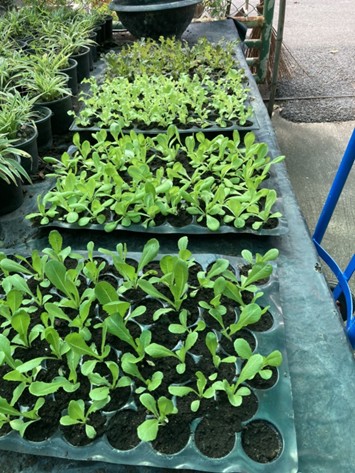
In order to encourage the use of fabric bag, each convenience store in campus such as 7-ELEVEN, Amazon and D’ORO coffee are not allow to give a plastic bag to the customer, unless they pay for it. As a result of the above, more than 65 percentage of plastic bag is reducing compare with last year.
The 68% result is labelled 2022 against the 2017 baseline in the original account. The “more than 65” plastic-bag reduction is a separate historical statement with an unnamed previous year. These figures are retained without reconciling them into the 61% programme indicator reported for 2025.
Please Reuse Me · borrow, return and share
KMUTT Please Reuse Me, invite each other to share, invite each other to use cloth bags where students or personnel can pick up the cloth bag conveniently If you don't use it, bring it back or bring the unused cloth bag to donate at the service point to reduce the use of single-use plastic bags.
Original four-step Please Reuse Me communication poster. All Thai instructions, artwork and original labels remain whole.
KMUTT ONE LESS · personal food containers
Our campus provides a policy that every food stores must give a 5-baht discount to the customer who bring their own food containers instead of using the one by the store.
Original personal-container campaign graphic describing the 5-baht discount. This historical campaign communication is retained; no newly verified current offer is implied.
Personal bottles and campus refill points
Our University provide a drinking water tap around the campus, so that our student could bring their own bottle and filled with the drinking water. For drinking water quality, we have monthly check and test according to standard of drinking water by using Central laboratory services and KMUTT Food Safety Center, Faculty of Sciences. In addition, a person who bring their own bottle for filling their beverage could upsize from small to large volume for free !
Original campus drinking-water refill-point photographs supplied with the personal-bottle campaign. The accompanying discounts and upsizing incentive remain in their original campaign context.
ECOLIFE · shop participation and recorded sustainability behaviour
Description :KMUTT is promoting 37 shops within the university to join the ECOLIFE campaign. The university's shops and personnel are Ecolife through the Ecolife application, one of the platforms that we would like you to be a part of taking care of the world. Through the network of green shops, products and services across the country (ECOMAP) to reduce plastic use, use it wisely and sustainably, no matter what part you play in caring for the world, we have ECOPOINTs to redeem. And in 2025, KMUTT participated in the award ceremony to express appreciation and honor the outstanding performance of higher education institutions. King Mongkut's University of Technology Thonburi has been considered to receive the award "The University with the highest sustainability behavior and recycling waste separation" From data recording with ECOLIFE Platform in the project "ECOLIFE in Towards Carbon Neutrality"
Original ECOLIFE award photograph supplied with the account of the 2025 recognition. The source describes participation by 37 shops; this is not converted into a new plastic-mass or emissions result.
GC YOU Turn · plastic collection and recovery
KMUTT is one of the participants in the GC YOU Turn Platform project, which is a platform that brings used plastics back into the waste management process systematically and has digital storage data. KMUTT has become a collection point for used plastic bottles. Students who were interested in joining this activity brought plastic bottles to be collected and sent. Waiting for GC YOU to come pick up the plastic bottles and take them to the plastic waste separation center. The PET and HDPE plastics will be sent to the ENVICCO factory. To process recycled plastic pellets that meet standards and are ready to forward them to add value into various products. And plastic collected through GC YOU Turn will be taken into account for reducing greenhouse gas emissions.
Original bottle-collection and participant photographs supplied with the GC YOU Turn account. The described PET/HDPE recovery pathway and digital records do not provide a new collected mass or greenhouse-gas reduction quantity here.
Bring-your-own containers · participation through campus shops
KMUTT is organizing an activity to promote reuse by asking for cooperation from shops to offer a 5-10 baht discount to students and staff who bring their own containers, such as lunch boxes or drinking glasses, to purchase food or drinks at shops on campus. To help cultivate awareness and create habits that care for the environment and reduce waste generation. In addition to discounts, if our staff finds you, they will also give away small prizes to those who bring their own drinking glasses or lunch boxes to buy food.
Participant photographs supplied with the bring-your-own-container campaign. The 5–10 baht discount and small-prize descriptions retain their source context; no new effective date or universal current promotion is established.
Used cups as seedling containers
KMUTT organizes activities for the KMUTT community to grow seedlings on important days, using used plastic cups as pots for growing mangrove and local seedlings. The glasses used as pots were donated by students and staff. These glasses will be recycled into pots for planting seedlings in the future. The event also promoted a request for cooperation to “Say No to Single Use Plastics.”
Original used-cup seedling and hands-on participation photographs. These document the reuse activity described in the source; no seedling total or quantified plastic saving is added.
World Environment Day 2025 · Beat Plastic Pollution
King Mongkut's University of Technology Thonburi (KMUTT), led by the EESH Center, organized activities for World Environment Day 2025 under the theme "Beat Plastic Pollution." This activity promotes waste separation from the source, inviting the KMUTT community to bring single-use plastic waste such as plastic cups, plastic bottles, and plastic bags to exchange for souvenir trees and cloth bags that can be decorated by yourself.
Original campus participation and cloth-bag decoration photographs supplied with the EESH World Environment Day 2025 account. This campus activity is kept distinct from the BMA-network event below.
All About Waste · learning with the Bangkok network
KMUTT, in collaboration with the Bangkok Metropolitan Administration network, organized the World Environment Day 2025 event "All About Waste". King Mongkut's University of Technology Thonburi (KMUTT) is participating in solving the climate crisis by promoting and raising awareness of environmental issues in the World Environment Day 2025 event, "All About Waste." Led by Green Heart students, the activities were led along with the presentation of an exhibition under the theme of Waste Management Mechanisms through Sustainable Behavioral Change Under the guidelines for reducing waste in daily life and promoting the use of leftover materials to create art, consisting of:
Workshop on dried flowers in a bottle garden to reduce the amount of organic waste from fresh flowers
Creative activities on fabric to reduce the amount of single-use plastic waste
An activity to learn how to make your own dishwashing liquid for household use, reducing the amount of single-use plastic waste and household expenses.
The implementation of this activity is just one mechanism to reflect the invitation for all parties to participate in reducing waste generation through various mechanisms that can be done by oneself and can be started from today.
Original Bangkok-network exhibition and dried-flower jar activity photographs supplied with the All About Waste account, World Environment Day 2025.
Green Heart 2026 · reuse and separation in student dormitories
The Green Heart 2026: New Semester, Green Heart project was organized by the Energy, Environment, Safety, and Occupational Health Management Center (EESH) in collaboration with KMUTT Student Dormitories and Green Heart student leaders as part of the Green Dormitory campaign. The project promoted awareness among new and current students living in university dormitories regarding environmental policies and waste management practices. Green Heart student leaders also provided knowledge on proper waste segregation and encouraged students to reduce single-use plastic waste at source. As part of the initiative, students were encouraged to bring their own reusable containers to receive free food and beverages, reducing the use of single-use plastic containers. The activity also promoted proper waste management at the disposal stage and encouraged students and staff to participate in creating a more sustainable campus environment.
Original reusable-container participation and disposal-point guidance photographs supplied with Green Heart 2026. The title supplies the year; no exact activity date or participant total is inferred.
Seasonal reuse and sharing with communities
KMUTT is transforming plastic waste such as water bottles, drinking glasses, old plant pots, and even coffee bags into creative products. Join us in creating eco-friendly Christmas trees from recycled plastic, because sustainable happiness begins with our own hands. And all KMUTT students and staff are joining together as Santa Claus, spreading smiles and giving gifts to children in communities and schools in need, fulfilling their happiness and building a sustainable force together. Collaboration to share happiness and continue sustainability by Office of Building and Ground Management ,Student Affairs Office ,Student financial aid Unit , KMUTT ,Strategic Communications and Marketing Unit ,Benefits and Property Utilization Unit, KMUTT ,KMUTT Student Union Christian Club KMUTT, Energy Environment Safety and Health (EESH).
Original recycled-material Christmas display supplied with the seasonal community-sharing account. The source does not specify a new year or quantify the reused material.
Bangmod Outdoor · shared containers and separation at events
KMUTT continually organizes various activities, initiated by students and staff, with the aim of promoting extra-curricular learning and enhancing business experience for students. However, organizing an event every time often comes with an unavoidable problem: the amount of waste generated at the event. Recognizing this problem, the student organizers collaborated with university officials to discuss and find concrete ways to reduce waste.
An example of an activity that actually applies this concept is the "Bangmod Outdoor" activity. In addition to screening movies, there is also a market selling food and products, with many entrepreneurs participating with booths. The university has established a system for borrowing and returning common containers such as glasses, plates, and bowls, instead of using single-use plastic containers. In addition, waste separation points have been established, operated by student volunteers who play a key role in properly separating waste into categories, including recyclable waste, food waste, and general waste. The results of this activity were able to separate 100% of the waste and reduce the amount of waste that had to be disposed of by more than 70% Compared to traditional event formats, this is a good example of the integration between event organization, students, and environmental concepts, which can be expanded and developed into other university activities in the future.
The reported 100% separation and more-than-70% reduction in waste requiring disposal are event-level statements compared with traditional event formats. The source does not give a waste-mass denominator, measurement method or event date here; they are not campus-wide 2025/2026 totals.
Original shared-container lending and volunteer waste-separation photographs supplied with the Bangmod Outdoor event account. No new event date or attendance total is assigned.
Original policy pages, campaign artwork and additional photographs
Signed policy · complete original pages
Original KMUTT policy document · first page. Product thresholds, exceptions and original effective dates retained.Original policy continuation, date and signature. The 50% recycling target remains a target, not a measured result.Original illustrated four-product policy notice. All original text, dates, artwork, recycling target and QR remain unchanged.
Original campaign posters and vendor photographs
Original blue Say No to Single Use Plastic poster. Starting-date wording, artwork and logos remain whole.Original reuse-cup campaign communication graphic, kept whole.Original 25 July campaign artwork. It is not assigned to the 20 July 2025 First Date event.Original composite fabric-bag and Please Reuse Me photographs, shown whole.
Original convenience-store campaign photographs from the historical campus vendor account. No new year assigned.
Original reusable-cup campaign poster. All Thai conditions and displayed quantities remain whole; no newly current offer is inferred.
Additional personal-bottle and refill records
Additional original personal-bottle campaign participation photographs. Historical offer conditions remain in the narrative.
Original drinking-water-use photograph shown whole.Original water-refill communication image. Blue artwork, Thai text, logos and existing labels retained without alteration.Original water-refill communication image. Blue artwork, Thai text, logos and existing labels retained without alteration.Original water-refill communication image. Blue artwork, Thai text, logos and existing labels retained without alteration.Original water-refill communication image. Blue artwork, Thai text, logos and existing labels retained without alteration.Additional original refill-point photograph, shown whole.
Original packaging-reuse account and bag-sharing records
Students pack coffee beans left over from a coffee shop on campus. Processed into a handle bag for putting things into a coffee cu
The supplied sentence above ends at “coffee cu”. It is preserved exactly as supplied; the missing ending and intended material description have not been reconstructed.
Original photograph of coffee-product packaging supplied with the packaging-reuse account. No completion of the truncated sentence is inferred.
Original shop and packaging-reuse photographs supplied with the source account.
Original KMUTT bookstore campaign photograph, shown whole.Original blue recycling and packaging-reuse communication poster. Text, product labels and artwork retained whole.
Original cloth-bag sharing and use photographs. The original programme context applies.
Original Please Reuse Me participation photograph with service signage, shown whole.Original Please Reuse Me sign and instructions, kept whole.
ECOLIFE and GC YOU Turn · additional original records
Original ECOLIFE group recognition photograph. No new participant total or current shop count added.Original ECOLIFE participation artwork. QR, text, existing labels and complete layout preserved.Original ECOLIFE participation artwork. QR, text, existing labels and complete layout preserved.Original ECOLIFE participation artwork. QR, text, existing labels and complete layout preserved.Original ECOLIFE participation artwork. QR, text, existing labels and complete layout preserved.
Additional original GC YOU Turn collection and participant photographs.
Original GC YOU Turn participation photograph and notice, shown whole.Original GC YOU Turn award photograph, including original award and displayed amount. No new award total or emissions quantity inferred.Original GC YOU Turn award photograph, including original award and displayed amount. No new award total or emissions quantity inferred.Original GC YOU Turn award photograph, including original award and displayed amount. No new award total or emissions quantity inferred.
Additional vendor, container and seedling activity records
Original vendor photograph supplied with the container incentive account.Additional original vendor photograph, kept whole.Original KMUTT Market bring-your-own-container discount poster. Historical conditions retained.Original vendor participation photograph, shown whole.
Additional original bring-your-own-container campaign photographs.
Additional original reused-cup seedling participation photographs.
Original group photograph supplied with the seedling reuse account. No new activity date or count inferred.
World Environment Day 2025 · additional campus and network records
Additional original campus Beat Plastic Pollution participation photographs, World Environment Day 2025.
Original blue World Environment Day communication poster. All displayed exchange conditions, text, logos and complete artwork remain unchanged.Original Bangkok-network exhibition group photograph supplied with the All About Waste account.
Additional original All About Waste exhibition and participant photographs.
Dormitories, seasonal activities and sustainable events · original supporting photographs
Additional original Green Heart 2026 reuse and waste-separation photographs.
Original Green Heart 2026 communication image, including year, Thai text, logos and complete layout.
Original seasonal reuse and community-sharing activity photographs. No new event year or beneficiary total inferred.
Original recycled-material seasonal display photograph, shown whole.
Additional original Bangmod Outdoor event and shared-container photographs.
This URL is incomplete in the supplied source and has not been reconstructed.
3. Related information on our university having a policy on waste disposal – covering hazardous materials.
KMUTT manages hazardous waste through a university safety policy, laboratory segregation and labelling, designated storage, records, collection and treatment or licensed disposal. These arrangements aim to prevent exposure and contamination of land and water. The original policy, operational diagrams, Safety Card examples and waste-handbook pages are retained. New evidence documents departmental implementation through financial year 2025 and practical staff training in June 2026.
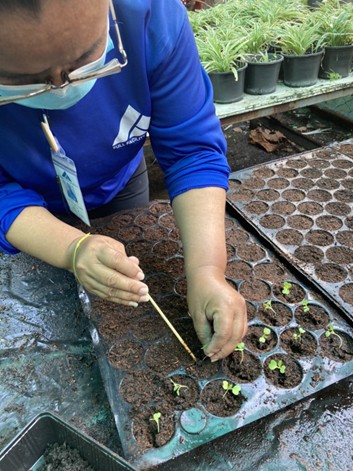
Reported treatment status · 2025
100%
Programme-reported treatment of toxic waste
The public hazardous-waste programme reports that 100% of toxic waste generated by KMUTT was treated according to standard practice in 2025. This is the university’s reported treatment status, not an independently recalculated waste mass. The original account’s annual waste quantities and historical system dates remain unchanged.
Controls from prevention to disposal
Stage · Institutional control
Reduce and report
Safety-policy clauses 4 and 5 address elimination, treatment or avoidance of hazardous substances and systematic reporting of their possession, use and release. Supplied signed policy retained below.
Segregate and identify
Waste classifications, compatible containers, labels and forms are provided through the hazardous-waste collection handbook.
Store and collect
Designated storage separates waste from ordinary streams; the programme describes containers kept off the ground and under cover to prevent leakage.
Treat or dispose
Laboratory treatment, reuse or recycling where appropriate, and collection for licensed disposal are distinguished in the supplied process records.
Departmental implementation through financial year 2025
A chemical-engineering laboratory case study published on 25 August 2026 examines segregation, recording, storage, treatment and external disposal through financial year 2025. It describes knowledge and risk assessment using Google Forms and Pre–Post Waste Analysis to manage waste at source. Preliminary treatment reduced acid and base waste streams L01 and L02. External disposal expenditure was THB 8,000 in financial year 2025. The amount is specific to the studied laboratory and is not presented as the university-wide disposal total.
Hands-on training · 12 June 2026
EESH held a hands-on chemical and hazardous-waste management course at UX 702, Bangmod, on 12 June 2026. Its 42 participants included staff, researchers, laboratory-network members and safety personnel. The programme covered chemical information and storage, unused chemicals, personal protective equipment, spill kits, spill recovery and emergency response. These activities build the practical capability to contain and collect a chemical release before it spreads into the environment.
PPE and spill-recovery practice during EESH training on 12 June 2026. Official KMUTT photograph of a training exercise.
Safety policy and institutional responsibilities
King Mongkut's University of Technology Thonburi (KMUTT) With a clear policy towards becoming a sustainable university, KMUTT is committed to reducing the use and release of hazardous substances that affect the safety of students. By systematically reporting the possession, use and discharge of hazardous substances, hazardous wastes, kmutt is a university with safety management that is a model and a good example for students. It also aims to expand the impact on both public and private sectors in applying these management systems to the nation.
Regarding the hazardous waste management policy, KMUTT has a KMUTT Safety Policy that covers the management of hazardous waste. Section 4 declares that KMUTT has a mission to develop methods to eliminate, treat, or avoid the use of hazardous substances or methods that affect the safety of students, KMUTT personnel, and surrounding communities. Section 5 also declares that KMUTT is committed to reducing the use and release of hazardous substances and hazardous waste that affect the safety of students, personnel, and surrounding communities by systematically reporting the possession, use, and release of those hazardous substances and hazardous waste.
King Mongkut's University of Technology Thonburi There is a chemical management system. and a hazardous waste management system that all students and personnel using the laboratory must follow. For safety from work
The supplied signed Safety Policy is dated 7 May 2018. Its complete original is retained in the supporting records; the historical policy is not assigned a new 2025 or 2026 issue date.
Laboratory waste management · the original system account
More than 2,000 chemical substances are handled in educations and researches laboratories and nearly 12 tons of Hazardous waste was generated in each year. Therefore, Hazardous waste management system for laboratory is set up by Energy Environment Safety and Health organization (EESH) in 2007. The main concept of system is chemical substance collection (Ignitability, Corrosivity, Reactivity and Toxicity), storage and disposal of waste. In recent year, system is continue improving and developing under the standard of Enhancement of Safety Practice of Research Laboratory in Thailand or ESPReL. This system is consists of three steps, including of waste segregation, waste storage and collection and waste treatment. The following detail below present the waste segregation methods which are applied within campus. To ensure that hazardous waste is handled in a good manner that protects human health and the environment, hazardous waste container have been provided to all laboratories according to laboratory request form which is one category in Hazardous waste segregation manual.
The more-than-2,000 substances, nearly 12 tons annually and 2007 system date belong to the original programme account. They are not newly measured 2025 or 2026 quantities, and are not used to recalculate the reported 100% treatment status.
Original laboratory hazardous-waste management overview. All labels, timing descriptions and original artwork retained unchanged.
The narrative describes monthly transfer and twice-yearly training, while this supplied overview diagram contains different timing labels. These source descriptions are retained separately; no unified newly confirmed schedule is inferred.
Liquid hazardous waste · 18 classifications
At laboratory, liquid hazardous waste is separated into 18 types including:
L01
Acid waste
L02
Base waste
L03
Salt waste
L04
Phosphorus/Fluoride waste
L05
Cyanide waste
L07
Chromium waste
L08
Mercury waste
L10
Arsenic waste
L11
Heavy metal ion waste
L12
Oxidizing agent
L13
Reducing agent
L14
Combustible waste
L15
Oil waste
L16
Halogen waste
L17
Water complex solution
L18
Flammable waste
L19
Fixative solution waste
L20
Explosive waste
After the experiment, those liquid hazardous waste were segregated and kept in provided container before treated. The briefly process for Liquid Hazardous waste segregation are including
The source policy and handbook retain their actual historical dates. The original drainage-decision wording is retained as part of that record; it does not create a general permission to dispose of laboratory chemicals through a drain. Waste-specific classification, applicable standards and institutional handling procedures remain the basis for each disposal route.
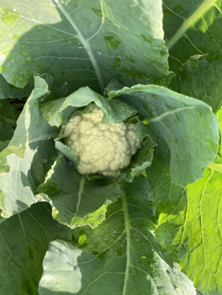
The original EESH-HZW 01 recording and drainage-decision excerpt is retained in the supporting records with this qualification. It is not presented as a general permission for drain disposal.
Original laboratory container storage and liquid-waste handling photographs. The classification and handling descriptions retain their source context.
Solid and special hazardous waste
Solid hazardous wastes have been separated into 5 categories according to physical properties. At laboratory, Hazardous waste segregation flow chart and criteria would be provided to inform for researcher. Physical properties of solid hazardous waste is consists of
S01
Used bottles
S02
Broken glasses ware
S03
Toxic waste
S04
Organic waste
S05
Chemical Contaminated waste
Beside, Ethidium Bromide Waste, Radioactive waste L21, Organic waste L22 and Pilot Plant Activities waste L23 is given special attention for waste segregation and treatment.
The narrative classification names and the supplied poster versions are retained as originally provided. The special-waste codes and descriptions above are not silently renamed from a different graphic.
Separate storage, containment and collection
At campus, all hazardous waste excluding chemical substance from laboratory must be disposed into red bin before sending to hazardous waste storage building. Hazardous waste storage building is located at KMUTT Bangkhunthian campus where all wastes must be segregate upon their physical and chemical properties. Those hazardous waste would be stored up off the ground, on container, and under cover. This will prevent any leakage to the ground. We also record the volume of hazardous waste in each day and collect them as waste management collection.
To ensure that hazardous waste is handled in a good manner for protecting human health and environment, hazardous waste container have been provided to all laboratories. All liquid hazardous waste container are made from Polyethylene. Each liquid hazardous waste container is labeled to indicate the type of hazardous waste. These liquid hazardous wastes will be kept in waste storage area in laboratory. Once a month all containers would be move to Hazardous waste building at KMUTT Bangkhunthian campus.
a Temporary Hazardous Waste Storage to safely store the Hazardous Waste received from the labs where they are originated until they are picked up from the authorized Company
Original hazardous-waste storage building and temporary storage photographs. The narrative distinguishes laboratory chemical containers from the non-laboratory hazardous waste sent to red bins.
Laboratory skills and role-specific training
Hazardous Waste Management Training is run throughout twice a year at KMUTT Bangmod and Bangkhuntian campus. This intensive 1-day training course is aimed at providing students and staff with basic theoretical and practical laboratory skills, giving them the confidence to work safely in both bioscience laboratory and chemical science laboratory. In addition to getting theoretical background, the students and staffs will have the opportunity to use and familiarize themselves with several essential laboratory equipment. All students will receive a certificate of attendance detailing the topics covered in theoretical and lab sessions and a safety card for laboratory access. The following table present course topics related to responsible person:
Course topics in the supplied matrix
Law and regulation
Safety management system
Chemical substances management
Waste management
Chemical substances and waste database
Risk Assessment
Physical safety in laboratory
Emergency planning
Personal Protective Equipment
Safety data sheet
Safety Sign
Original role headings: Manager · Research Group Leader · Students/Researchers · Maid. The person-symbol markers have no visible explanatory legend and are not interpreted as attendance counts or proficiency scores.
Original course-topic and responsible-person matrix. All role headings, topic rows and person-symbol markers remain whole.
Safety Card · training before laboratory access
The KMUTT Safety Card is a safety certification system designed to ensure that students, researchers, staff, and other personnel have the essential knowledge and understanding of safety practices before accessing laboratories, workshops, and other designated work areas.
To ensure that safety training is appropriate for different levels of experience and responsibilities, the Safety Card system provides different training and assessment categories for specific target groups, including undergraduate students, graduate students, international students, researchers and staff, and school students. The training content and assessment are designed according to the needs and characteristics of each group. Participants complete the relevant safety training and assessment before receiving a Safety Card, which serves as evidence of their completion of the required safety training and qualification to access designated areas
Safety Card categories · Original examples
School Students
Original example: School Students. Complete card retained; this is an evidence example, not a newly issued credential.
Undergraduate Students
Original example: Undergraduate Students. Complete card retained; this is an evidence example, not a newly issued credential.
Graduate Students
Original example: Graduate Students. Complete card retained; this is an evidence example, not a newly issued credential.
Researchers & Staff
Original example: Researchers & Staff. Complete card retained; this is an evidence example, not a newly issued credential.
International Students
Original example: International Students. Complete card retained; this is an evidence example, not a newly issued credential.
Back of the Safety Card
Original example: Back of the Safety Card. Complete card retained; this is an evidence example, not a newly issued credential.
Hands-on chemical management and spill response
The workshop provides participants with practical knowledge and hands-on training on the chemical management system at KMUTT, with a focus on the safe handling, segregation, storage, and disposal of chemical hazardous waste.
Participants also learn appropriate procedures for responding to chemical spills and leaks, including the use of appropriate equipment and methods for containing, collecting, and safely managing spilled chemicals to prevent further exposure and environmental contamination.
Original workshop instruction and PPE-assisted spill-response practice photographs. These are training records; no actual accident or additional attendance total is inferred.
Waste reduction, treatment and licensed disposal
set guideline or measure to reduce waste in laboratory
Waste reduction from chemical usage reduction and replacement
Waste reduction from reuse/recycle
Waste disposal by using licensed company
Original collection truck and hazardous-waste loading photographs supplied with the licensed-disposal account. No new contractor identity or disposal mass is inferred.
Classification and collection resources
The original collection handbook and classification posters provide the documented labels, forms and waste pathway. Complete original pages and the solid/special and liquid classification posters are retained in the supporting records.
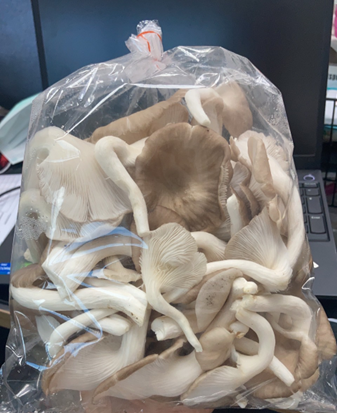
Original hazardous-waste collection pathway poster, shown whole. It distinguishes laboratory handling, faculty storage, central storage, treatment where applicable, licensed external disposal and the disposal certificate.
Original policy, handbook, classifications and additional photographs
Complete signed policy and additional operational photographs
Complete original KMUTT Safety Policy, dated 7 May 2018. All clauses, signature and date preserved.
Original hazardous-waste transport and loading photographs supplied with the university policy account.
Original designated hazardous-waste storage building photograph.Original laboratory work photograph supplied with the hazardous-waste system account.
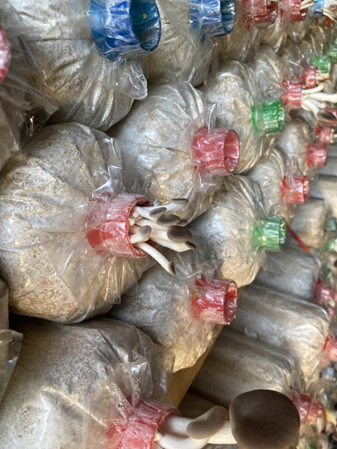
Additional original hazardous-waste handling and container-movement photographs.
Original liquid-waste recording and drainage-decision excerpt
The source policy and handbook retain their actual historical dates. The original drainage-decision wording is retained as part of that record; it does not create a general permission to dispose of laboratory chemicals through a drain. Waste-specific classification, applicable standards and institutional handling procedures remain the basis for each disposal route.
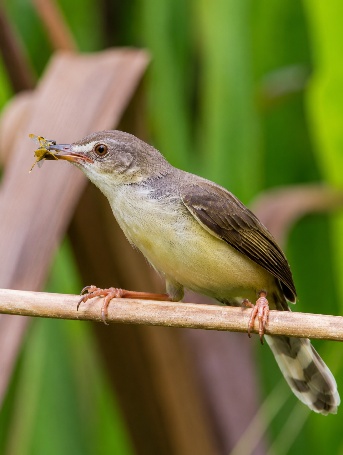
Fill types and concentration of each chemicals in form EESH-HZW 01
Compare concentrations of used chemicals with wastewater drainage standard of DIW. If do not comply with the standard. Consider the next step. But If comply with the standard. That chemical is not taken into account.
Compare concentrations of chemicals in final wastewater with wastewater drainage standard of DIW. If do not comply with the standard. Consider the next step. But If comply with the standard. Dumped into the sewer.
Segregate types of liquid hazardous waste by use KMUTT Hazardous Waste Segregation Flowchart.
Record the type of segregated waste in form EESH-HZW 01
Additional original training and collection photographs
Additional original chemical-management classroom, demonstration and spill-practice photographs. No undated photograph is assigned a newly inferred event date.
Additional original hazardous-waste loading photograph.
Hazardous Waste Collection handbook · original pages
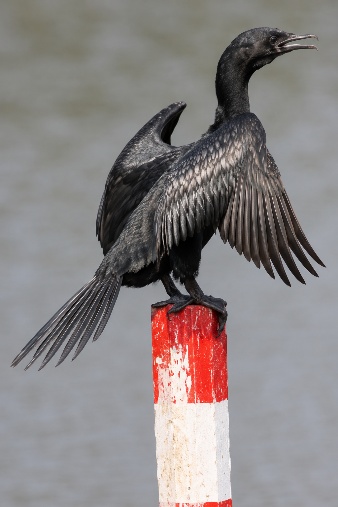
Original hazardous-waste collection handbook cover. All classifications, forms, labels, Thai wording, original dates and diagrams retained whole without reconstruction.Original hazardous-waste collection handbook page or page composite. All classifications, forms, labels, Thai wording, original dates and diagrams retained whole without reconstruction.Original hazardous-waste collection handbook page or page composite. All classifications, forms, labels, Thai wording, original dates and diagrams retained whole without reconstruction.Original hazardous-waste collection handbook page or page composite. All classifications, forms, labels, Thai wording, original dates and diagrams retained whole without reconstruction.Original hazardous-waste collection handbook page or page composite. All classifications, forms, labels, Thai wording, original dates and diagrams retained whole without reconstruction.Original hazardous-waste collection handbook page or page composite. All classifications, forms, labels, Thai wording, original dates and diagrams retained whole without reconstruction.Original hazardous-waste collection handbook page or page composite. All classifications, forms, labels, Thai wording, original dates and diagrams retained whole without reconstruction.Original hazardous-waste collection handbook page or page composite. All classifications, forms, labels, Thai wording, original dates and diagrams retained whole without reconstruction.
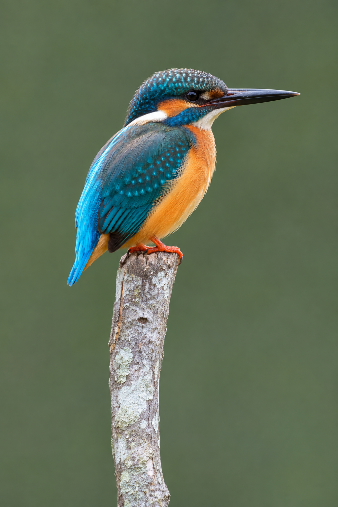
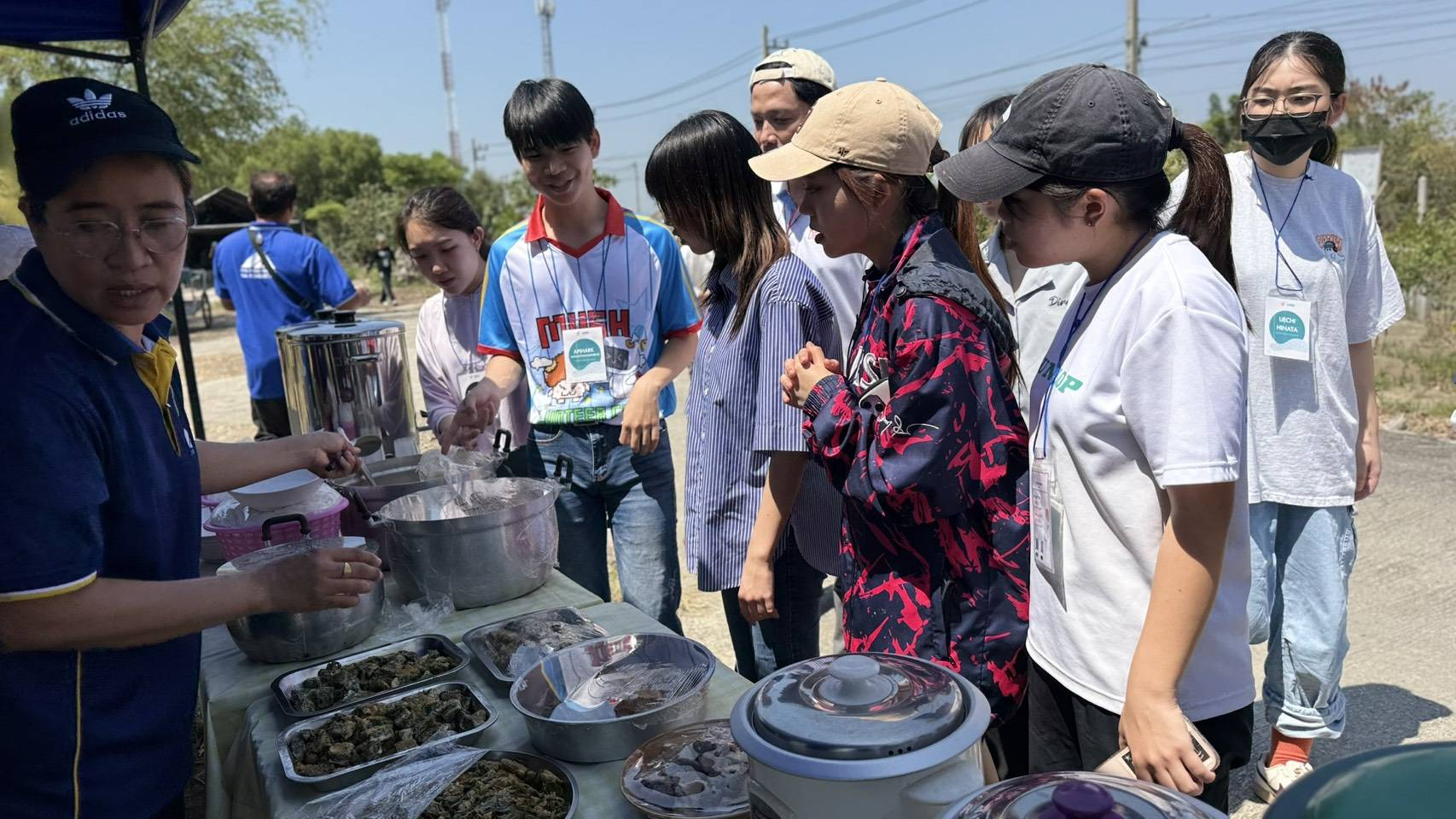
Original classification flowchart and posters
Original hazardous-waste segregation flowchart. All labels and source artwork preserved whole; no category renaming or missing-code completion.Original liquid hazardous-waste classification poster. All labels and source artwork preserved whole; no category renaming or missing-code completion.Original solid and special hazardous-waste classification poster. All labels and source artwork preserved whole; no category renaming or missing-code completion.
Protect habitats and share ecological knowledge at KMUTT
Connect forest and mangrove restoration, native pollinator research and responsible campus management with practical learning for schools and communities.
Living habitats and practical participation
Each figure retains its own scope
Mangrove Living Lab project area
136rai across four donated plots
Trees planted in a forest activity
157Suphannika trees · 7 July 2025
Students in October Course
120overall school cohort · 16–18 October 2025
Project area, planted trees and a school cohort measure different things. They are not combined into a biodiversity gain or survival rate.
Three settings for ecological learning and action
Dry dipterocarp forest
Ratchaburi
Learn from forest organisms and local ecology
The 7 July 2025 activity combined a forest trail survey, carbon-storage learning and mushroom inoculation on dipterocarp seedlings. October Course brought external school learners to forest, fungi and pollinator stations; its 120 students are one overall cohort.
Mangrove living laboratory
Samut Sakhon
Adapt restoration to tidal conditions
Rooted propagules, bamboo supports and temporary water management respond to earlier planting difficulties. Residents supply propagules. The 2025 account records 55 Malaysian students planting on 1 November; 136 rai describes the project area, not verified surviving forest.
Native pollinators and food
Bee Park and growing sites
Connect conservation with agricultural practice
Stingless bee training reached coconut farmers in Don Kruai on 28 May 2025, followed by community demonstrations on 25–26 April 2026. Sustainable farm partnerships and campus gardens also connect food provision with responsible growing and reuse of organic residues.
Bring biodiversity into university decisions
Policy announced 2 September 2025
Record ecological information
Campus maps and student–staff species surveys support decisions. Historical conservation assessments retain their original years; they are not a new campus census.
Avoid development impacts
The 2 September 2025 biodiversity policy promotes conservation zones and protection of forests and water bodies. The 2025 report also supports native landscaping and invasive species phase-out.
Restore and sustain habitats
Nursery-based restoration and community propagule supply complement conservation learning. Land rehabilitation, research and community services form part of the institutional policy.
Contain operational pressures
Wastewater checks, plastic prevention and hazardous-waste controls protect land and water. The programme reports 100% toxic-waste treatment in 2025; 42 participants practised chemical and spill response on 12 June 2026.
The waste-treatment percentage is a programme-reported management indicator. Policy commitments, training and species records do not establish that all ecological impacts have been eliminated.
Work with the people who know these landscapes
Community knowledge
Na Ae · 4 October 2025
Six stations led by local practitioners
Forest foods, plant ornaments and leaf plates were taught alongside silverwork, textiles and traditional crafts. These exchanges support nature-based visitor learning and local livelihoods, with residents recognised as knowledge providers.
Conservation partnerships
2025–2026 agreements
Link university expertise with shared ecosystems
The 4 July 2025 Enable Earth agreement concerns crop-residue biochar, soil improvement and reduced burning. The 26 August 2026 DMCR agreement supports conservation research and expertise exchange. These commitments are distinguished from measured recovery outcomes.
Sources and reporting notes
Biodiversity policy and Nature Positive planning
Policy announced 2 September 2025. Mapping, primary species surveys and avoidance of negative impacts in new construction inform planning. A species list is not proof of a completed project-level impact assessment.
Library account published 4 December 2025: four donated plots totalling 136 rai, adaptive nursery and water management, resident propagule suppliers and 55 Malaysian students on 1 November 2025. Area is not a survival census.
Forest trail survey, seedling mushroom inoculation and 157 Suphannika trees planted in one learning activity. Tree planting does not establish increased species richness.
16–18 October 2025: 120 Assumption College Sriracha students in the overall course. Forest, fungi and Bee Park activities are stations, not separate 120-person cohorts. No participation fee condition is inferred.
Delivered training at Don Kruai on 28 May 2025. Pollinator management knowledge was shared with an aromatic coconut farmer group; no new training total is invented.
Signed 4 July 2025 with Enable Earth. Crop-residue use, soil improvement and reduced open burning are stated purposes, not measured soil recovery or completed farmer-training totals.
4 October 2025: six stations shared forest foods, plant ornaments, leaf plates, silverwork, textiles and traditional crafts. Residents supplied knowledge; they are not counted as newly trained university beneficiaries.
Sustainability Report 2025, page 39: native species landscaping and invasive alien species phase-out. The record does not establish a newly measured invasive-species removal total.
Hazardous-waste programme and 2025 treatment status
The programme reports 100% of toxic waste treated according to standard practice in 2025. This is a reported management indicator, not an independent audit or a recalculated waste mass.
12 June 2026: 42 staff, researchers, laboratory-network members and safety personnel. Training covered storage, PPE, spill kits, recovery and emergency response.
Agreement signed 26 August 2026 with the Department of Marine and Coastal Resources. Expertise exchange and research cooperation do not by themselves establish completed restoration outcomes.
Institutional direction supports organic and pesticide-free produce, sustainable farm partnerships and campus food provision. No campus-wide certified organic purchasing share or signed adoption date is supplied.
Find news, projects, and content across the website.
We use cookies on our website
Cookies help us provide a better and more convenient browsing experience. By selecting “Accept”, you agree to our use of cookies as described in our Website Policy
and Cookies Policy.
Browser preferences
Cookie Settings
What are cookies?
Small files that help websites remember your preferences. You can review or change how your browser handles them at any time.
Choose your browser to view the instructions
Google Chrome
Manage your cookie preferences
5 steps
Step 1
Open Chrome on your computer.
Step 2
Select the three-dot menu, then choose Settings.
Step 3
Open Privacy and security.
Step 4
Select Third-party cookies.
Step 5
Choose the option that matches your preference.
Microsoft Edge
Manage your cookie preferences
5 steps
Step 1
Open Microsoft Edge on your computer.
Step 2
Select the three-dot menu, then choose Settings.
Step 3
Open Cookies and site permissions.
Step 4
Select Manage and delete cookies and site data.
Step 5
Turn your preferred cookie options on or off.
Mozilla Firefox
Manage your cookie preferences
5 steps
Step 1
Open Firefox on your computer.
Step 2
Select the menu button, then choose Settings.
Step 3
Open Privacy & Security.
Step 4
Go to Cookies and Site Data.
Step 5
Clear data, manage data, or change permissions as needed.
Apple Safari
Manage your cookie preferences
3 steps
Step 1
Open Safari and select Settings.
Step 2
Select the Privacy tab.
Step 3
Choose your website tracking and cookie preferences.
i Browser menus may vary slightly depending on your browser version and device.