
Food Safety
Hygiene, quality, and sustainable practices for campus dining services, vendors, and cafeterias at KMUTT.
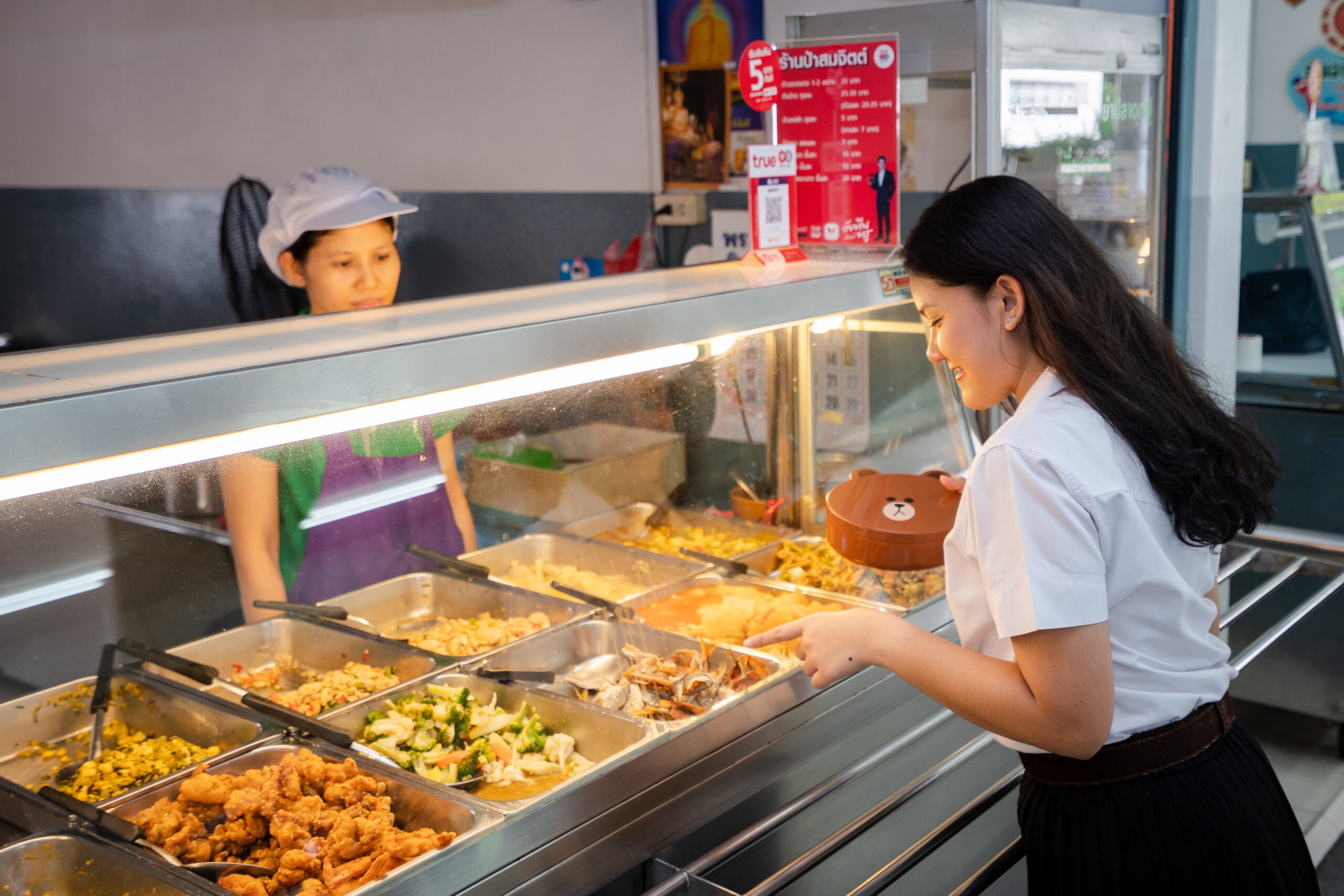
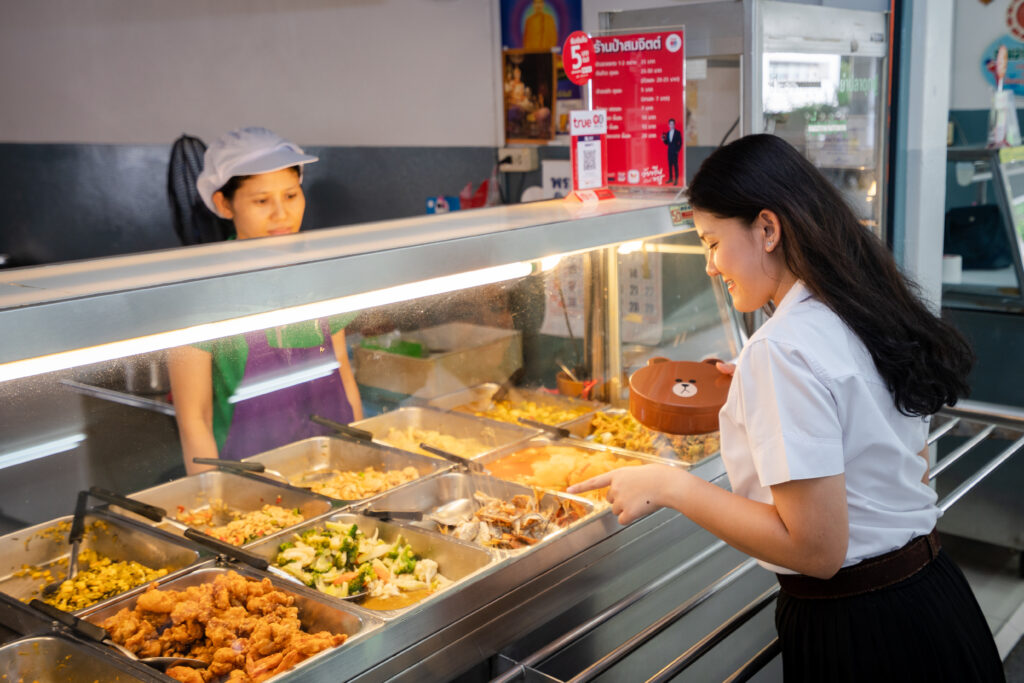
Food safety is a critical aspect of ensuring the well-being of students, faculty, and staff at King Mongkut’s University of Technology Thonburi (KMUTT). With a large community relying on campus dining services, food vendors, and cafeterias, maintaining high standards of hygiene and food quality is essential. The sections below outline food safety challenges at KMUTT, measures implemented to address them, and strategies for further improvement on campus.
Challenges in Food Safety at KMUTT
Several food safety challenges must be managed to ensure a safe and healthy environment:
-
1
Food Contamination
Improper handling, storage, and preparation of food can lead to bacterial contamination, increasing the risk of foodborne illnesses.
-
2
Hygiene Practices
Some food vendors may not strictly adhere to hygiene protocols, leading to unsanitary conditions.
-
3
Pesticide Residues in Produce
Fruits and vegetables may contain pesticide residues that pose health risks to consumers.
-
4
Use of Unsustainable Packaging
The continued use of foam food packaging contributes to environmental pollution and potential chemical contamination.
-
5
Lack of Awareness
Many students and staff may not be fully aware of proper food safety practices, which can contribute to health risks.
Solutions and Current Initiatives
To combat these challenges, KMUTT has implemented various strategies to enhance food safety on campus:
-
1
Strict Hygiene Regulations
The university has established hygiene guidelines that food vendors and cafeteria staff must follow, including regular handwashing, proper storage of ingredients, and thorough cooking processes.
-
2
Regular Food Inspections
KMUTT conducts routine food safety inspections to ensure compliance with health and safety regulations.
-
3
Promoting Clean and Healthy Eating
The university encourages vendors to offer clean, nutritious, and balanced meals that align with food safety standards.
-
4
Eliminating Foam Packaging
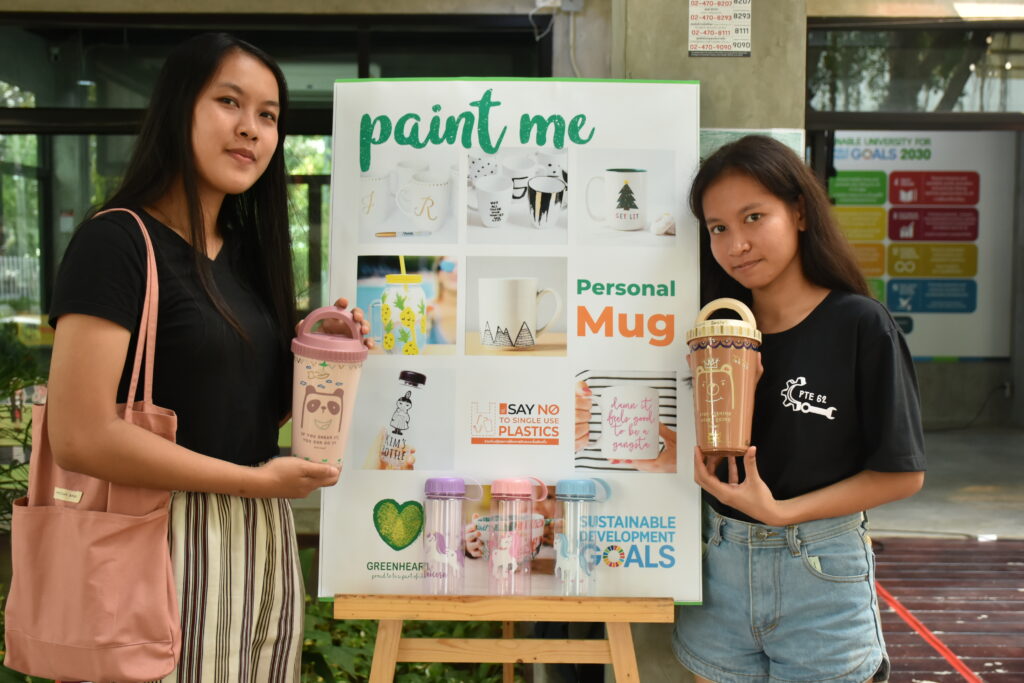
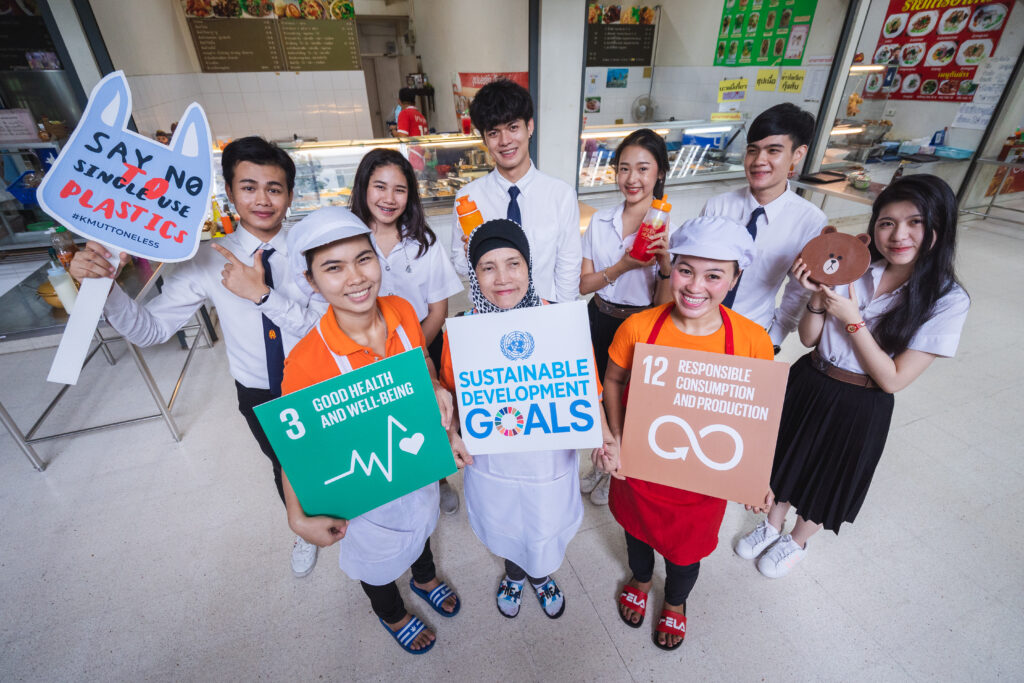
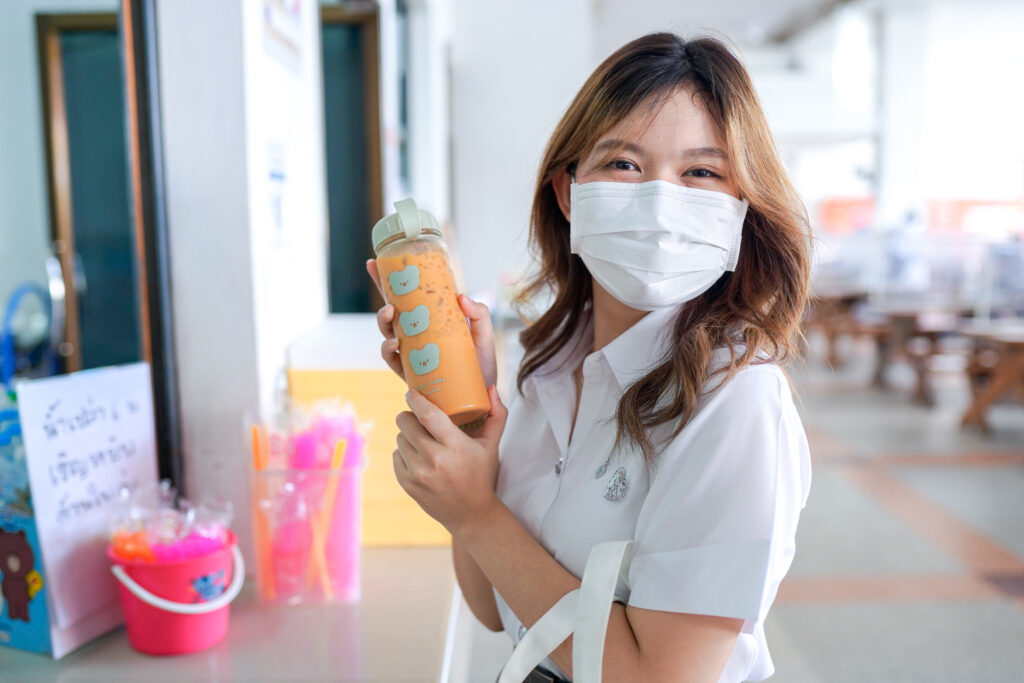
KMUTT has taken a proactive approach by discouraging the use of foam food containers and promoting eco-friendly alternatives.
-
5
Supporting Organic and Pesticide-Free Produce
The university partners with sustainable farms to provide pesticide-free fruits and vegetables to food vendors and campus markets.
-
6
Raising Awareness
Educational campaigns and workshops are conducted to inform students and staff about safe food practices, including proper food handling and waste reduction.
Future Development Strategies
KMUTT aims to further strengthen its food safety initiatives through the following approaches:
-
1
Implementation of a Digital Food Safety Monitoring System
A digital platform could be developed to track food hygiene compliance and allow students to report food safety concerns in real-time.
-
2
Expansion of Sustainable and Organic Food Programs
The university plans to increase the availability of organic, pesticide-free produce and promote healthier meal options.
-
3
Stronger Vendor Certification Program
Food vendors will undergo additional training and certification to meet enhanced food safety standards.
-
4
Increased Collaboration with Food Safety Experts
Partnering with food safety professionals and organizations will help improve food quality control and risk assessment strategies.
-
5
Incentivizing Sustainable Practices
Providing incentives for vendors who use biodegradable packaging and follow strict hygiene protocols will encourage wider adoption of safe food practices.
Food safety remains a top priority at KMUTT, as it directly impacts the health and well-being of the university community. By addressing existing challenges, enforcing strict hygiene regulations, and promoting sustainable food practices, KMUTT is actively working towards a safer and healthier campus. Moving forward, continued innovation and collaboration will ensure that food safety standards remain high, benefiting both current and future generations of students and staff.
Food-Related Activities & News
Latest posts and activities related to food on campus. Click any card to read the full article.

Mar 25, 2026
‘Plant-Based Caviar’: KMUTT Students’ Food Innovation Clinches National Gold, Ready for Global Market Expansion
Read article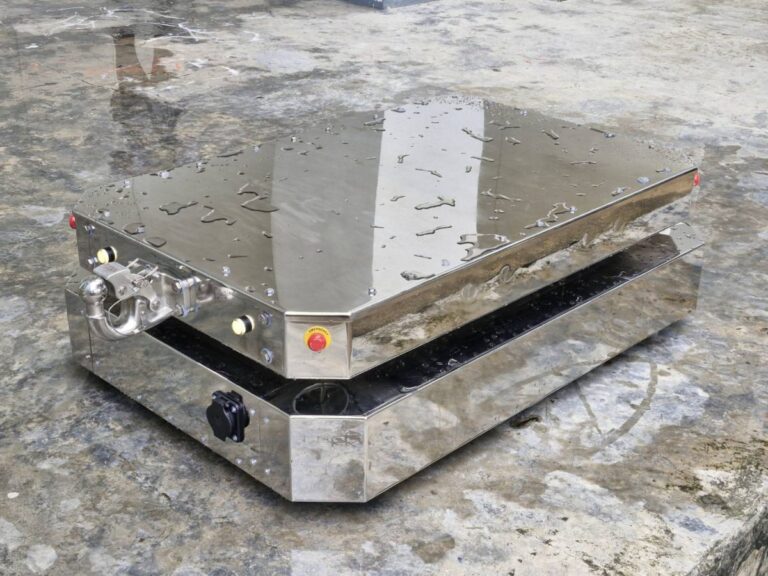
Feb 23, 2026
FIBO KMUTT Unveils ‘CARVER’: The Autonomous Mobile Robot Revolutionizing the Frozen Seafood Industry
Read article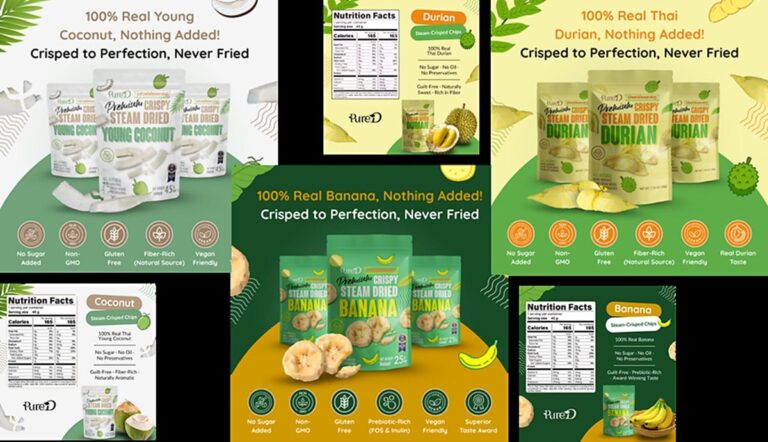
Feb 23, 2026
KMUTT Propels “Low-Pressure Superheated Steam Drying” Technology: Elevating Thai Fruits to Crispy, Healthy Snacks with Zero Oil
Read article
Feb 21, 2026
KMUTT Empowers Food Vendors with Health Screenings and Sustainable Food Safety Training 2026
Read article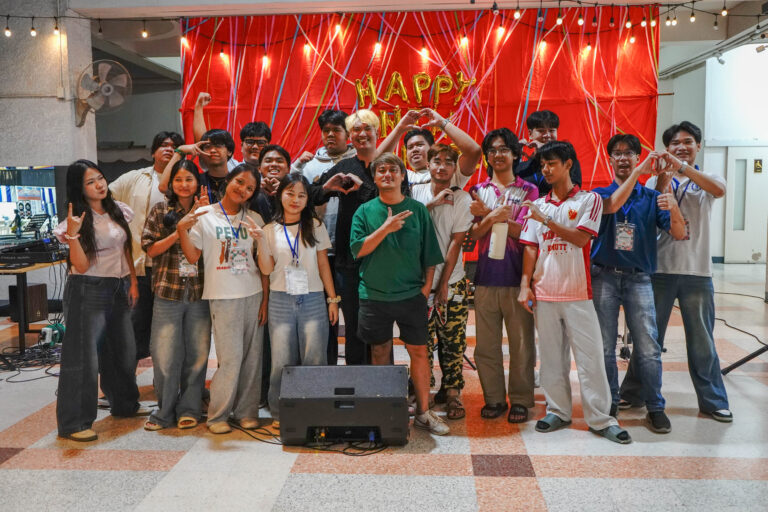
Jan 24, 2026
“Green Heart Back to School 2026”: KMUTT Promotes Sustainable Living and Waste Management for Students
Read article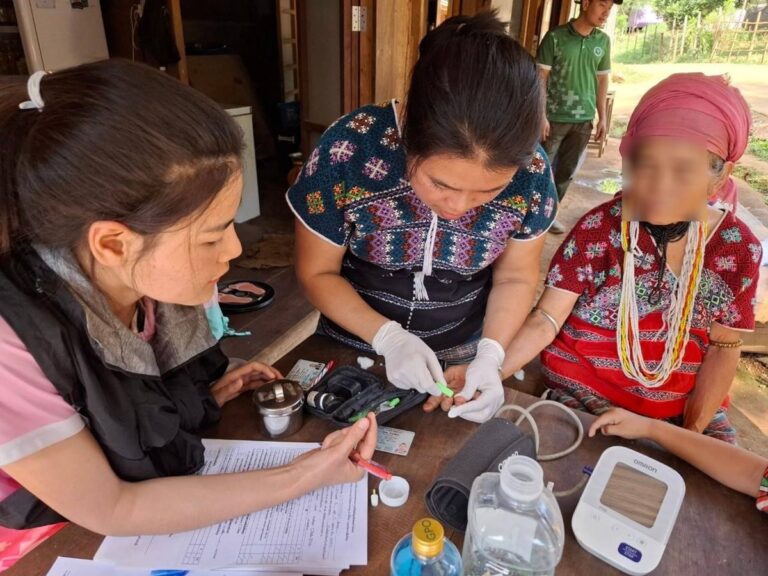
Nov 19, 2025
The “Super VHV” Model: Community Health Innovators as a Solution for Thailand’s Remote Public Health System
Read article


