
Green Facilities
Transforming KMUTT into a model of a "green" and smart campus initiative through sustainable infrastructure and environment design.
Target 2024
Become the model of a "green" campus and smart campus initiative for sustainability.
Status 2025
Smart energy and smart building concepts are actively applied and developing within campus.
Creative Green Learning Space
(Learning Garden & LX Building)
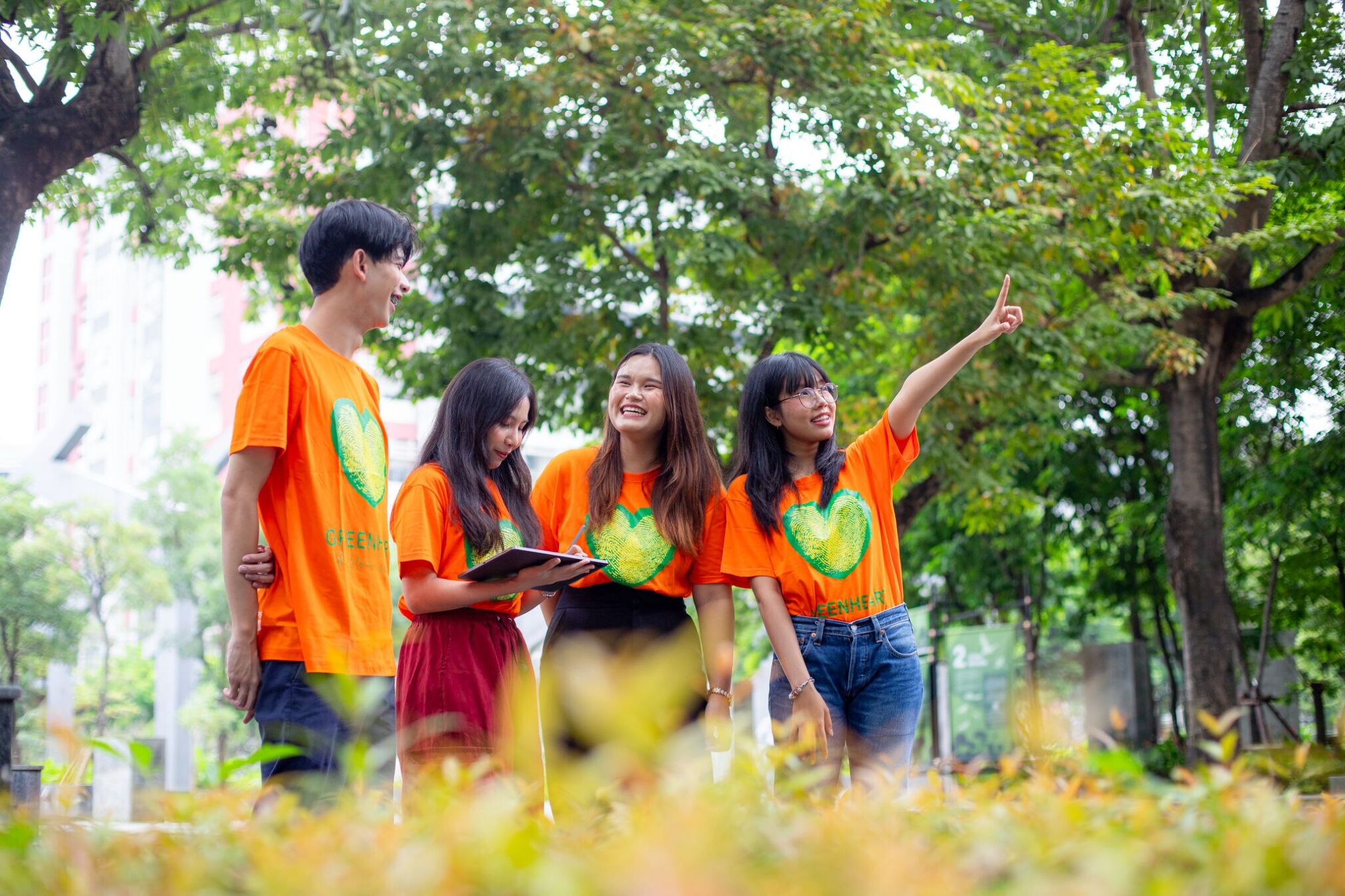
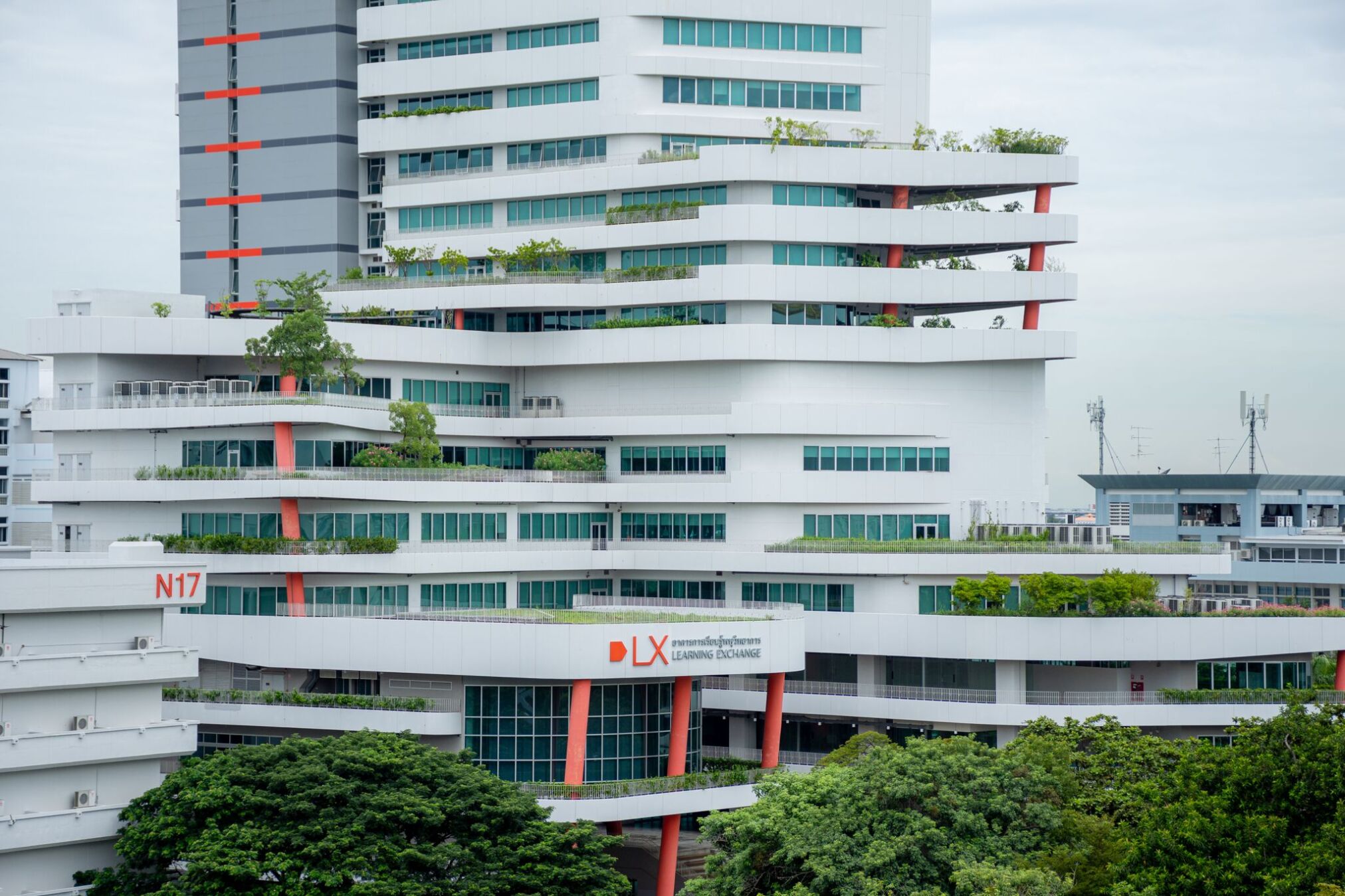
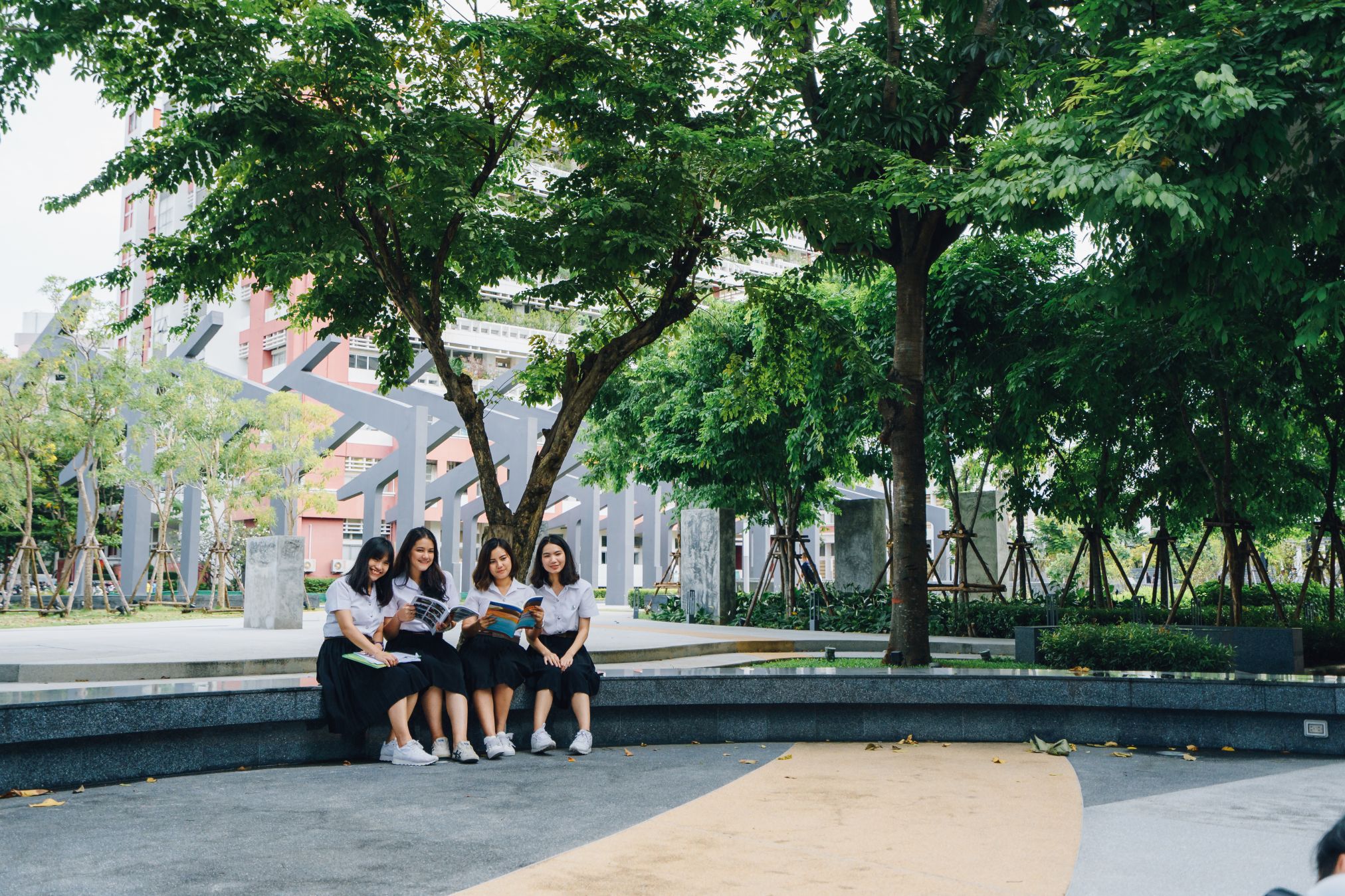
KMUTT has integrated SDGs to promote ecological awareness. Traditional learning spaces are expanding; places like the Learning Garden and Learning Exchange (LX) building allow students to collaborate outside conventional classrooms.
With the concept of "Learning can and should happen everywhere on campus", these spaces promote a green heart and aim to build change agents for the community.
Green Transportation
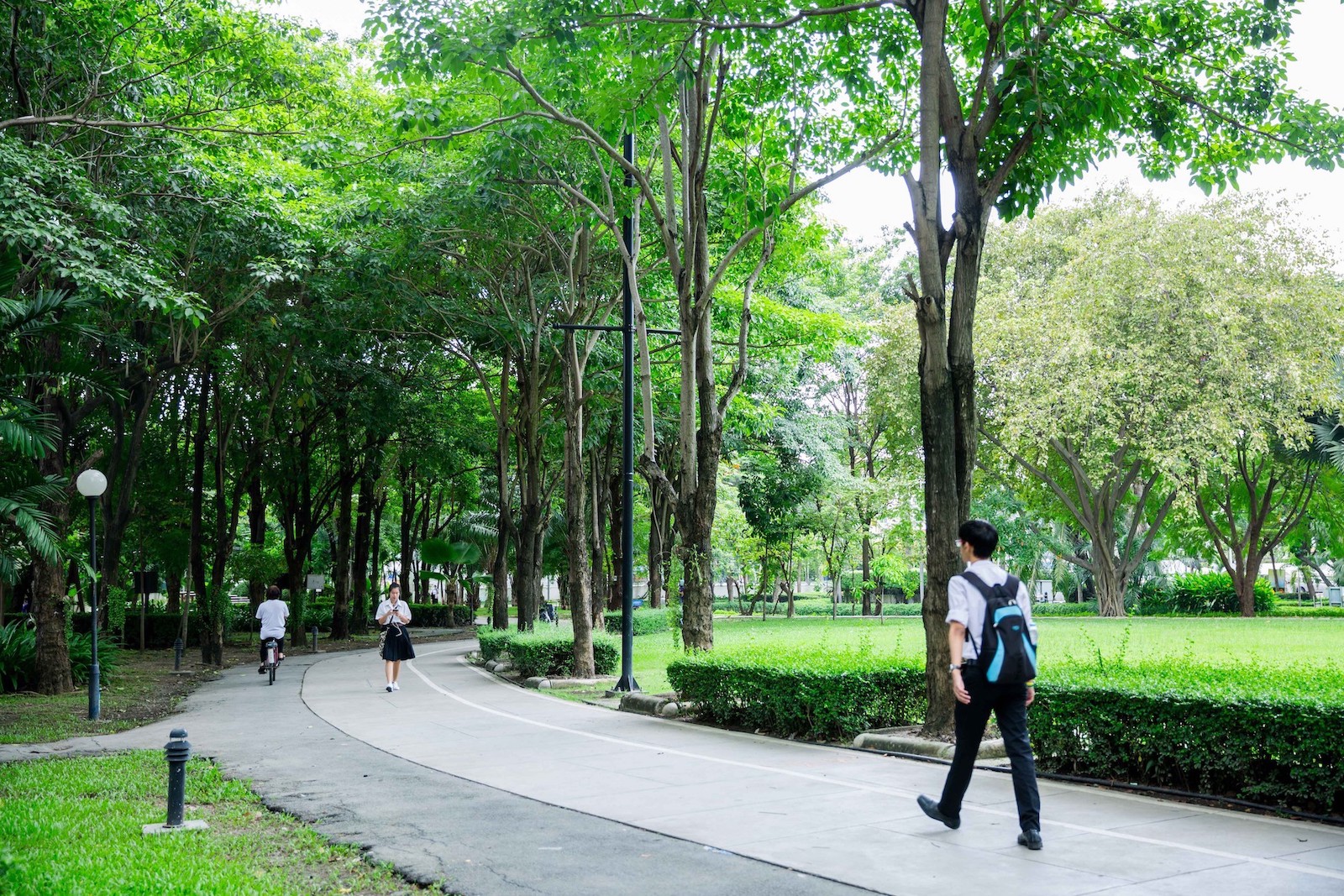
Under the KMUTT Transportation policy, we promote a Walk & Bike Society within our campus. We are committed to supporting infrastructure and built environments that ensure a Green & Clean Campus.
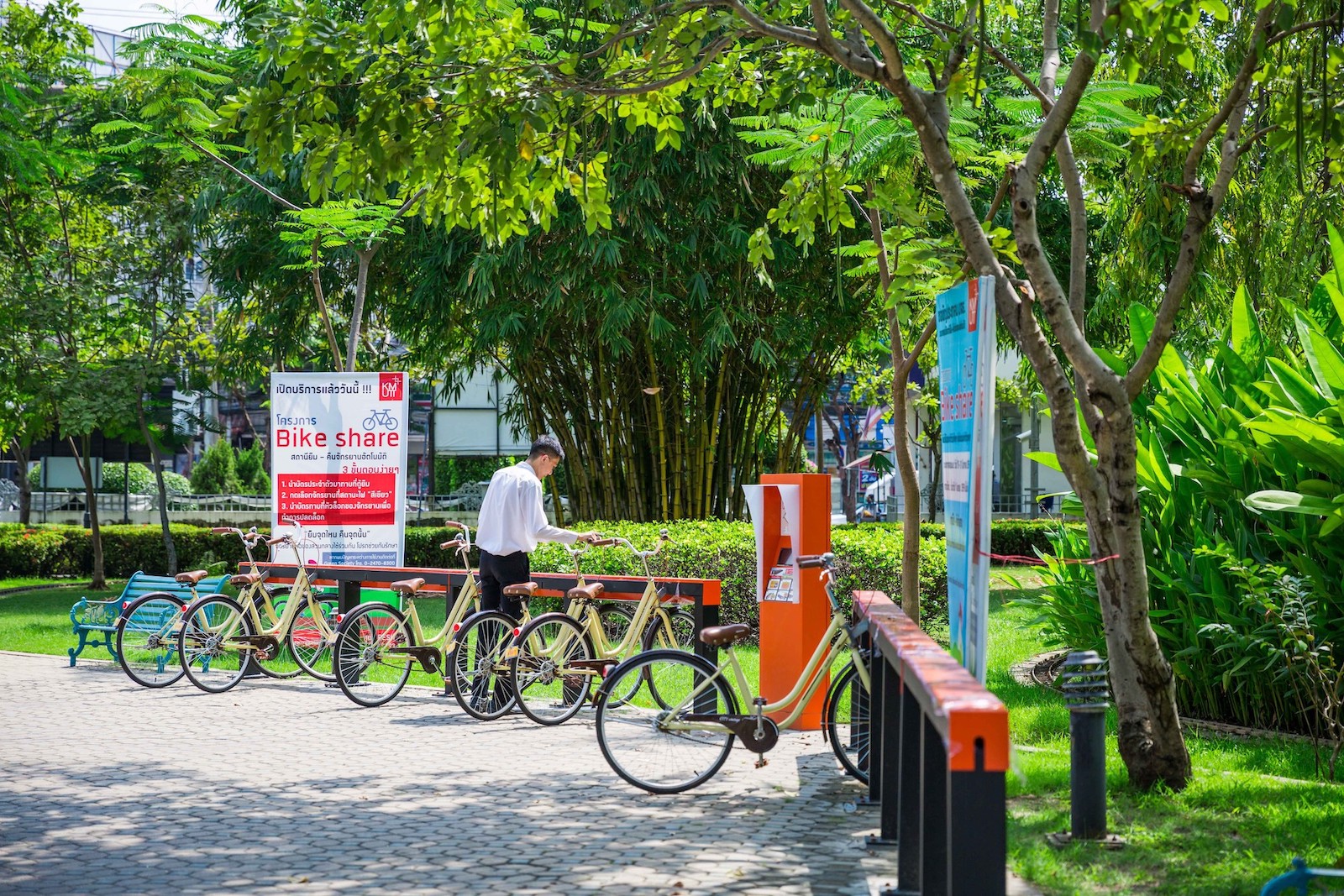
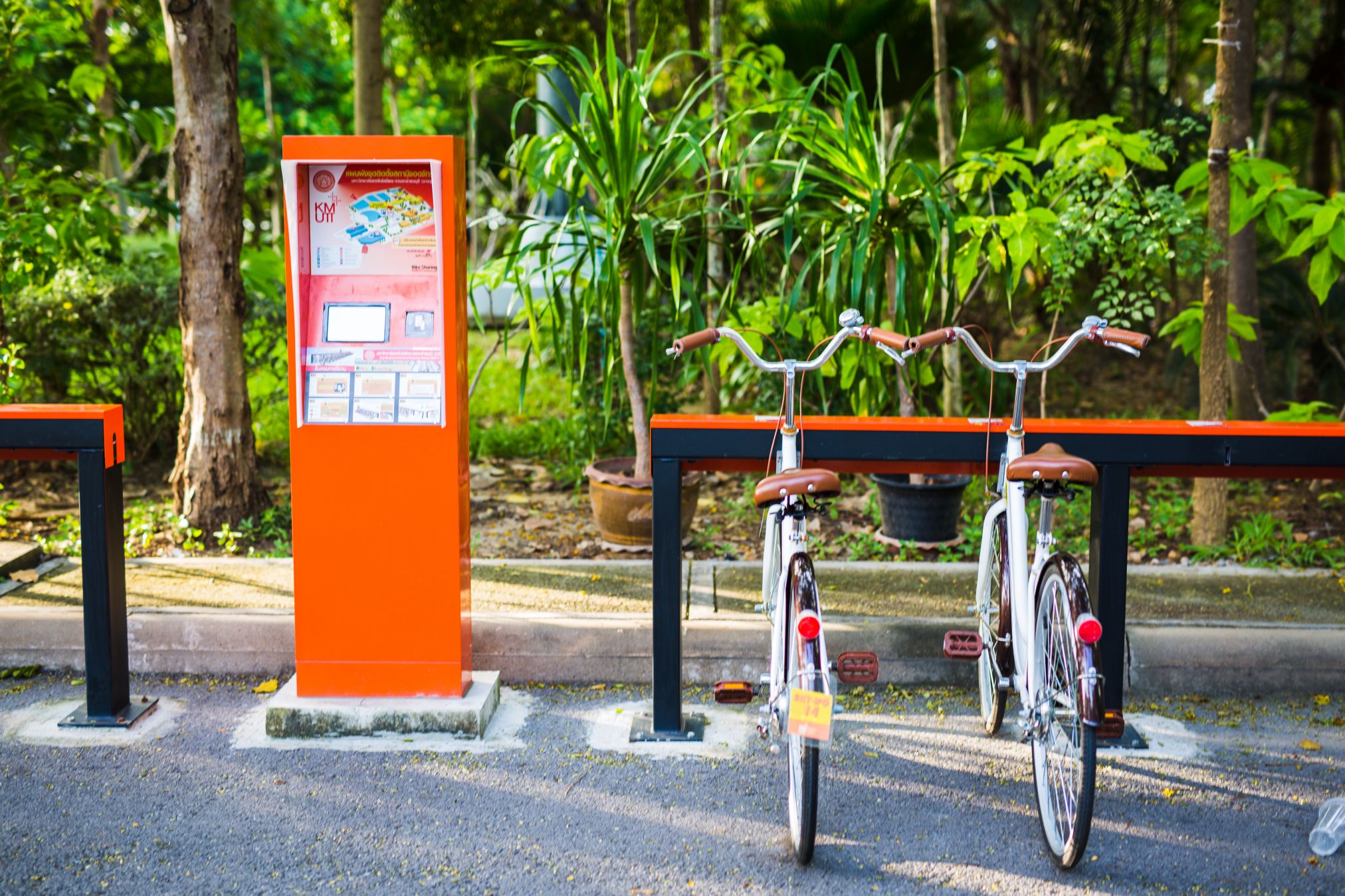
The KMUTT Walk & Bike Master plan includes dedicated Bike Lanes, seamless Building Access, designated Bike Parking Areas, a Bike Repairing Center, and a Bike Café. These elements are actively functioning and expanding.
- Dedicated Bike Lanes
- Bike Parking & Building Access
- Repairing Center & Bike Café
Green Building
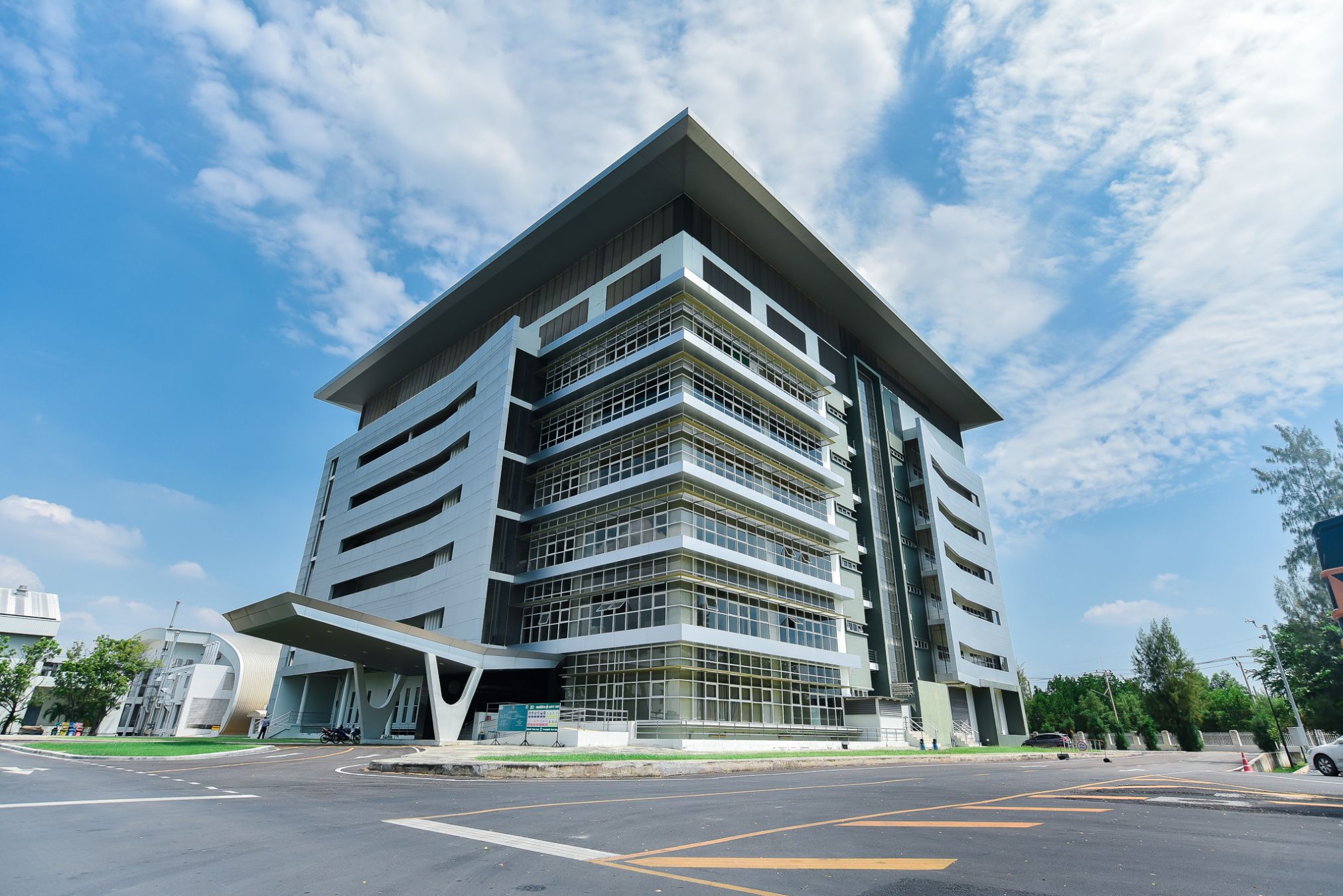
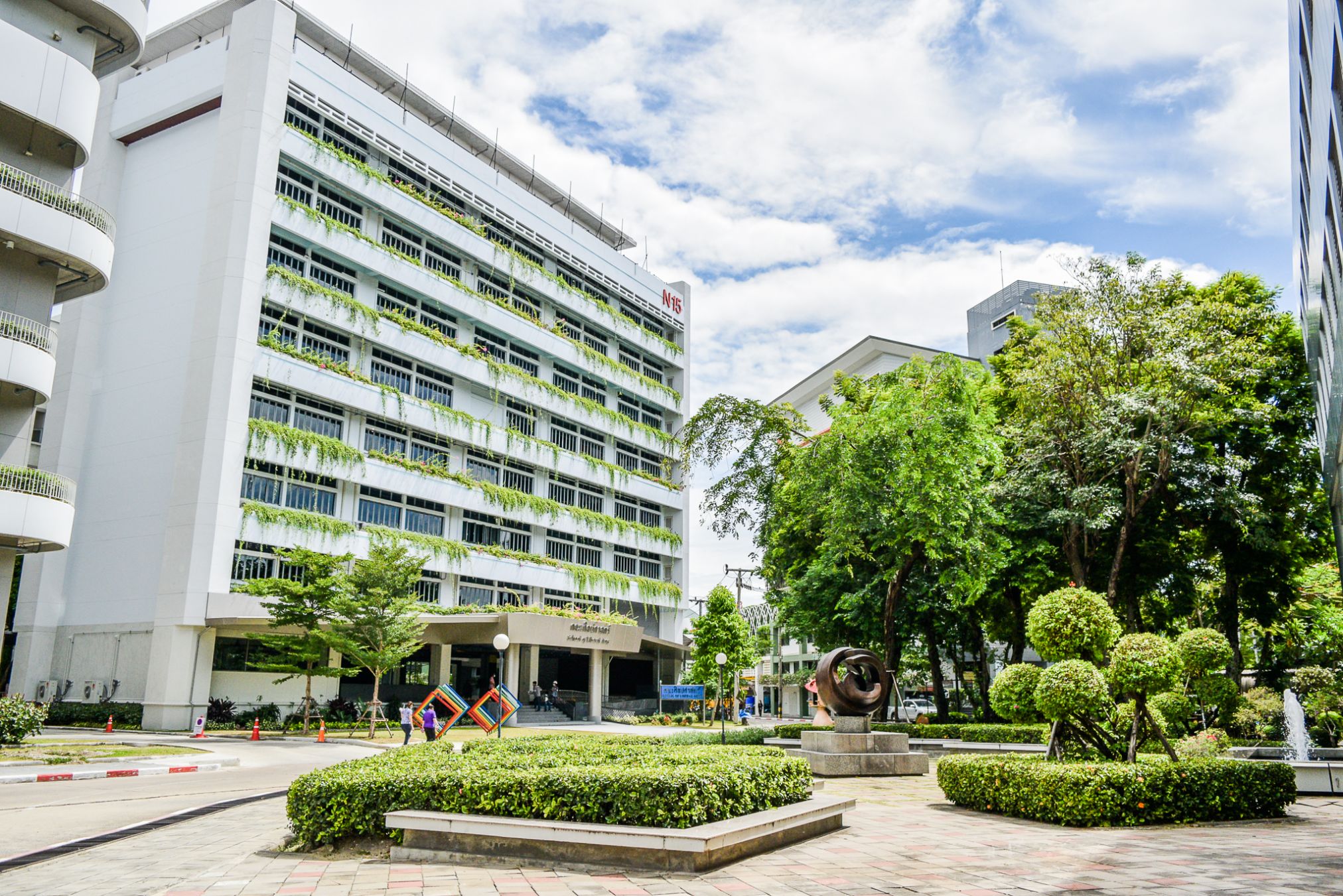
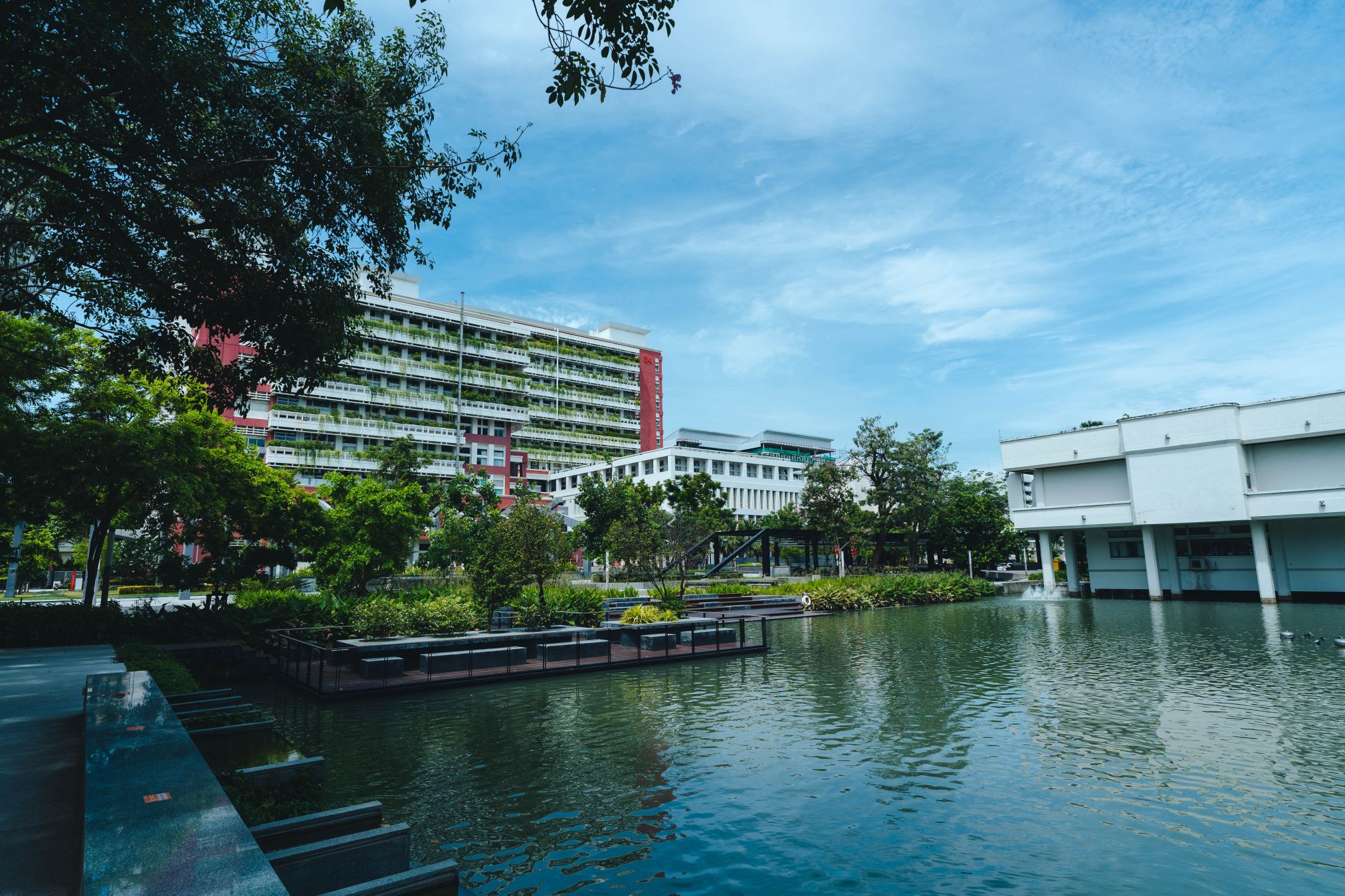
Our green building concept focuses on innovative design with low energy consumption, safety, clean energy usage, and greenhouse gas emission reduction. This covers the building’s entire life-cycle: from planning and design to operation and demolition.
All construction layouts comply with the Energy Conservation Building standard B.E. 2009 (Thailand).
Green IT Initiation
KMUTT established advanced IT infrastructure to support self-directed learning, including online media, high-speed networks, and automatic library systems.
Operating since 2010, our Green IT Initiation minimizes negative environmental impacts via Green Procurement for energy-saving equipment. This maximizes energy efficiency, saves costs, and reduces GHG emissions. Practices like e-meetings and 2-sided printing further reduce resource consumption.

MODLINK Application
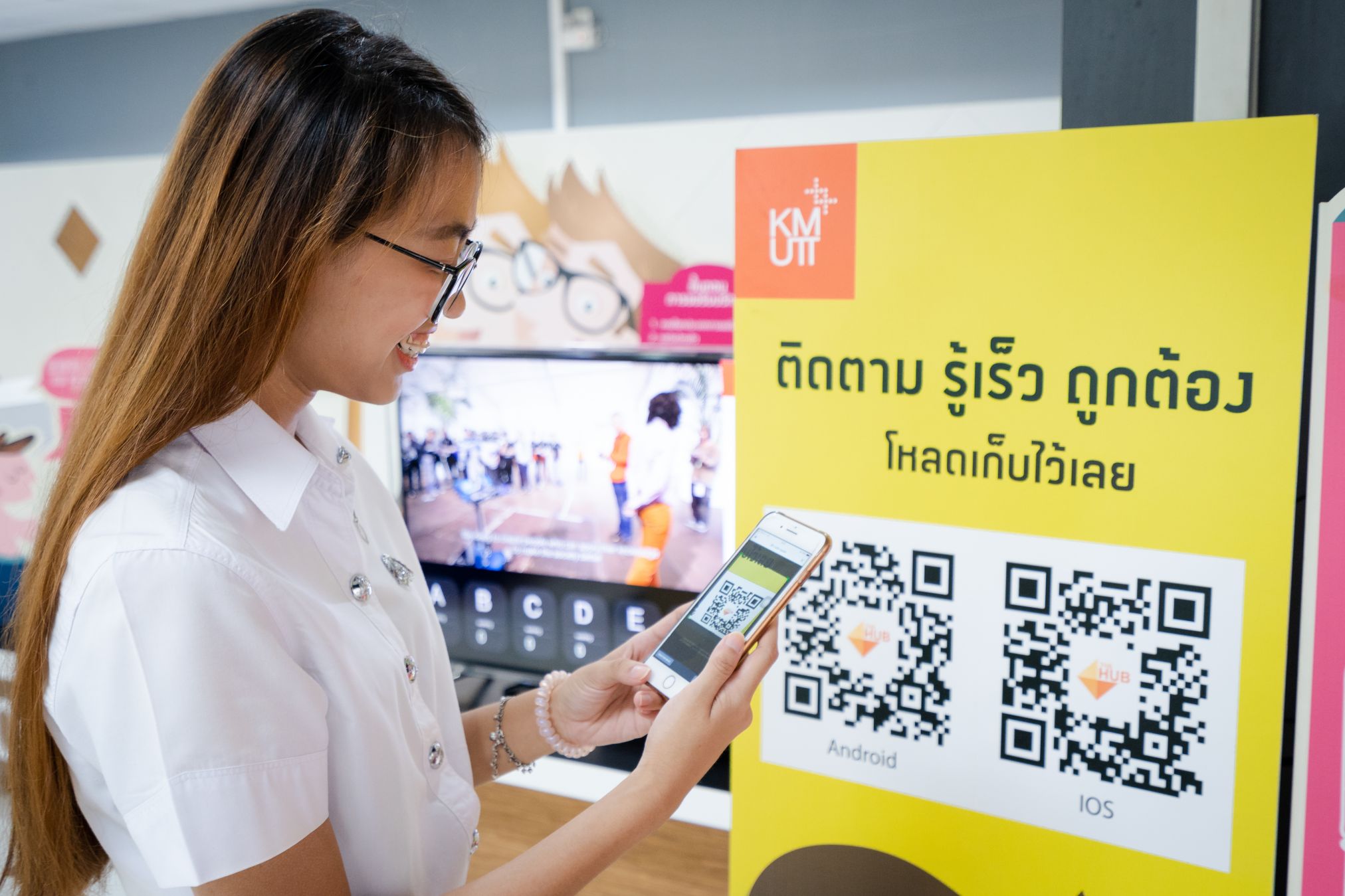
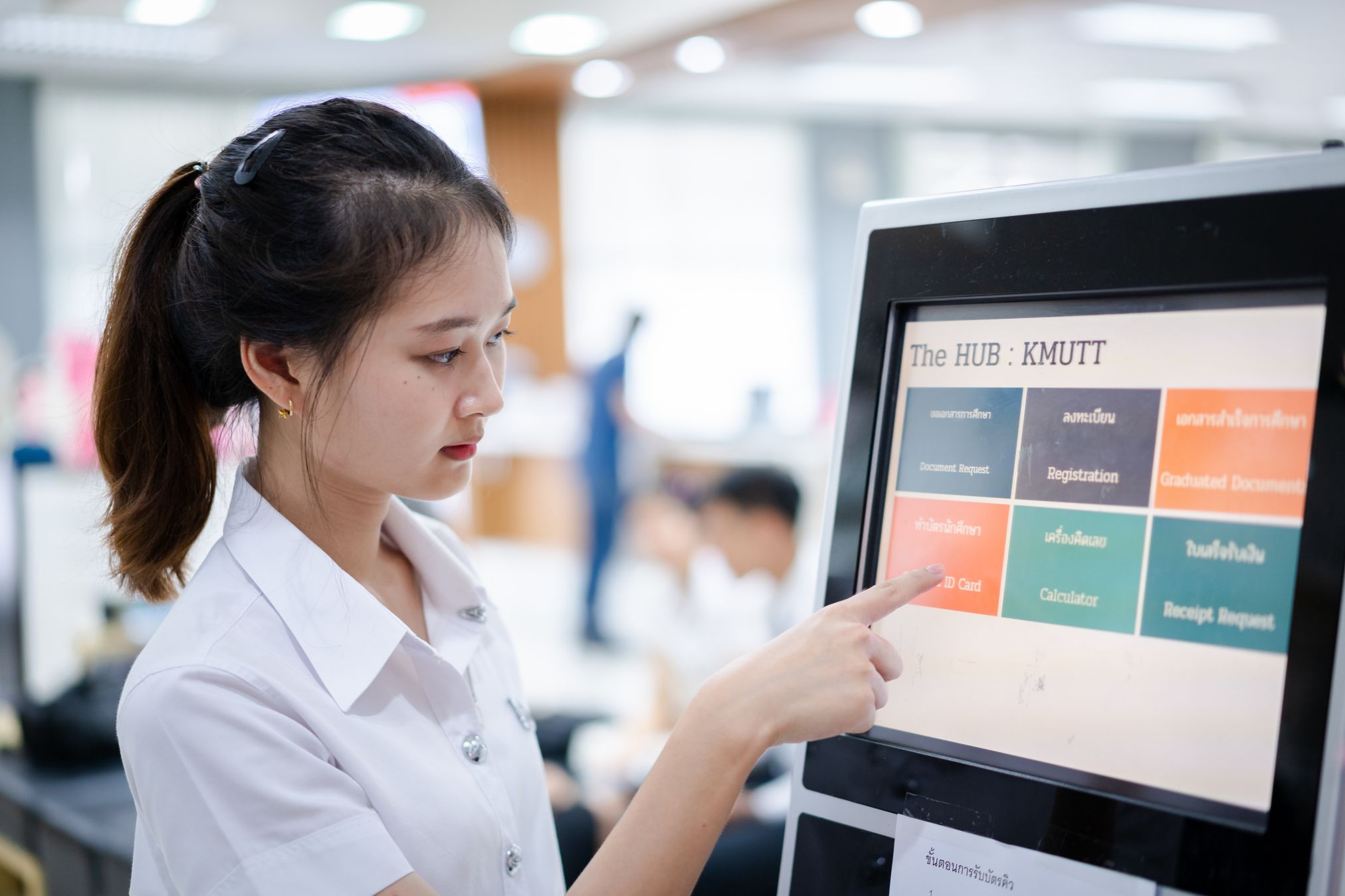
As part of our smart digital ecosystem, the MODLINK platform seamlessly connects both university staff and students to essential services. By offering digital ID cards, activity tracking, notifications, and electronic document requests, MODLINK strongly supports our paperless campus initiative.
Smart Environments
Implementing intelligence and efficiency at the room level.
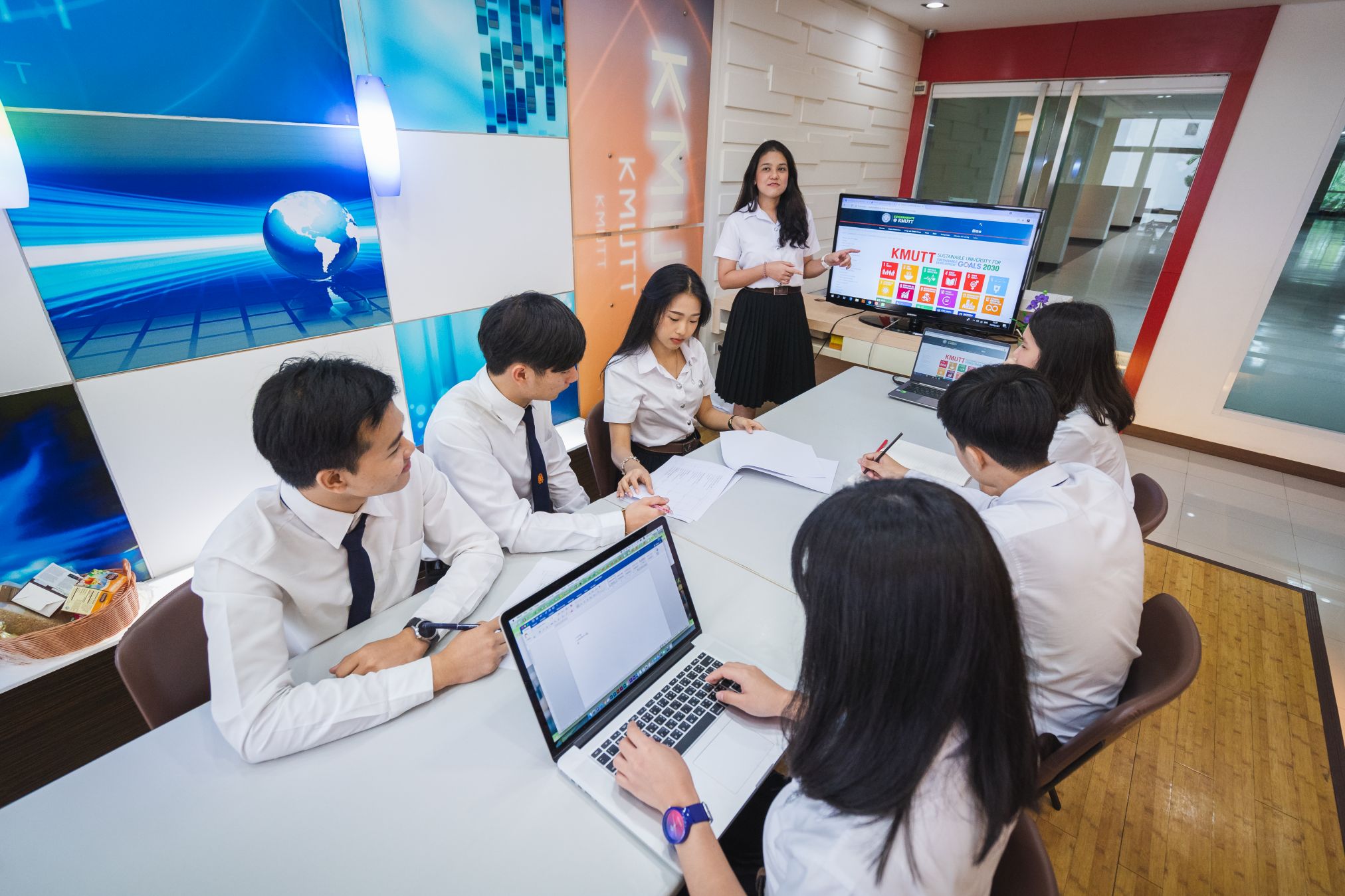
Green Classroom
Utilizes a "Smart Classroom" concept with energy-efficient appliances, smart scheduling to match occupancy, temperature settings fixed at 26-27°C, and smart lighting systems (LEDs, dimmers, motion sensors).
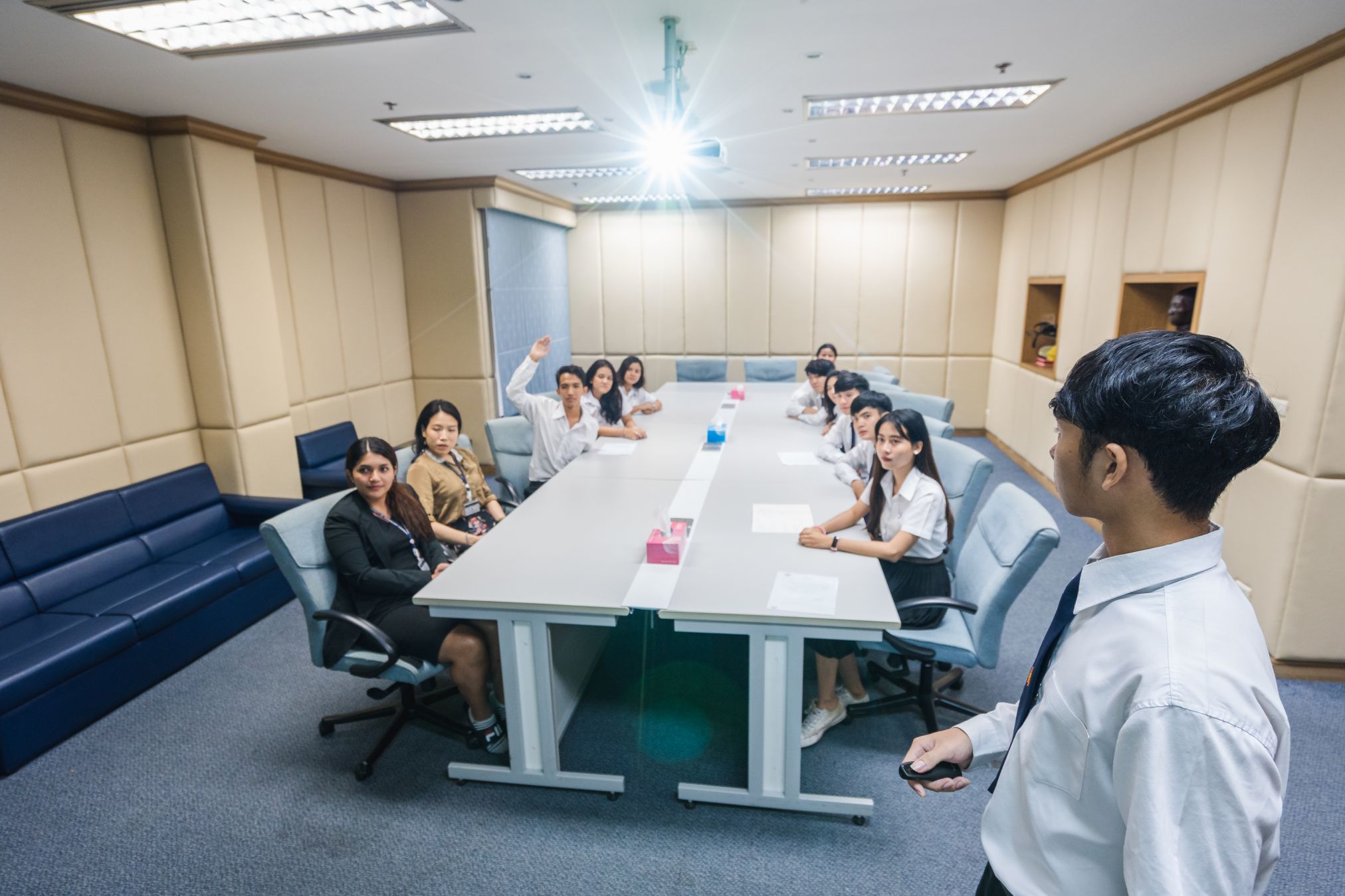
Green Office
Initiated in 2012, utilizing building envelopes with Low-e glass, evaporative coolers, and automated shade systems coordinated with smart lighting to meticulously control and reduce electricity use.
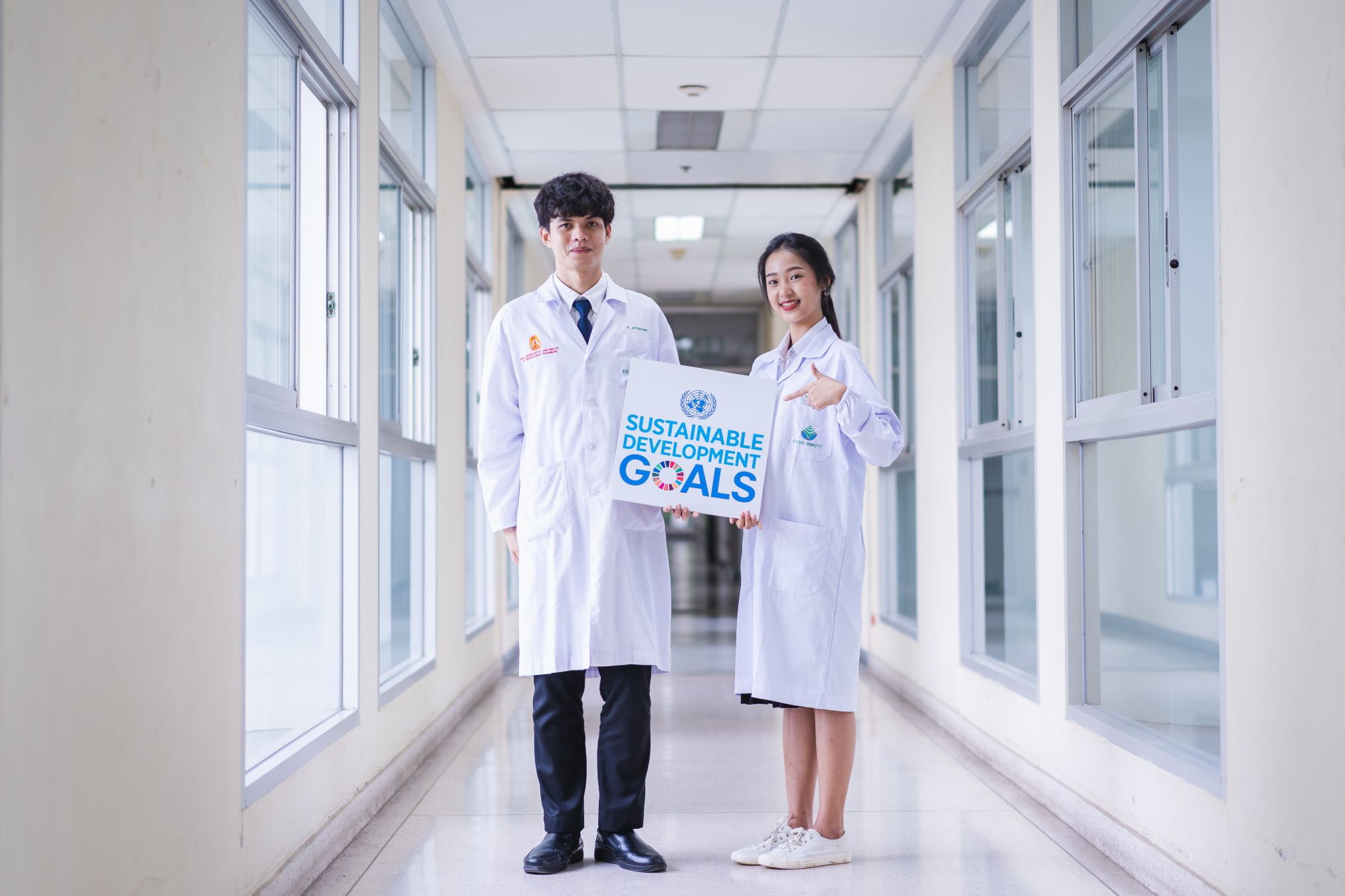
Green Laboratory
Follows Good Laboratory Practices standard to manage chemical & hazardous wastes safely. Integrates energy-efficient equipment while maintaining strict risk awareness and compliance.


