

Forested Vegetation
Areas on Campus
A commitment to preserving natural ecosystems and enriching biodiversity within our university.
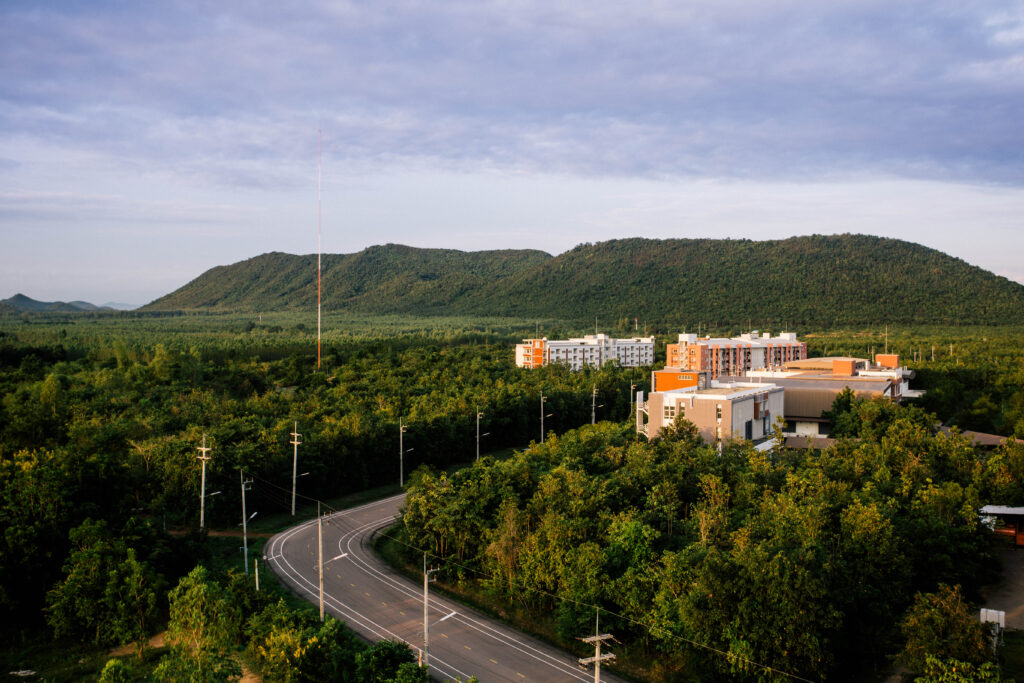
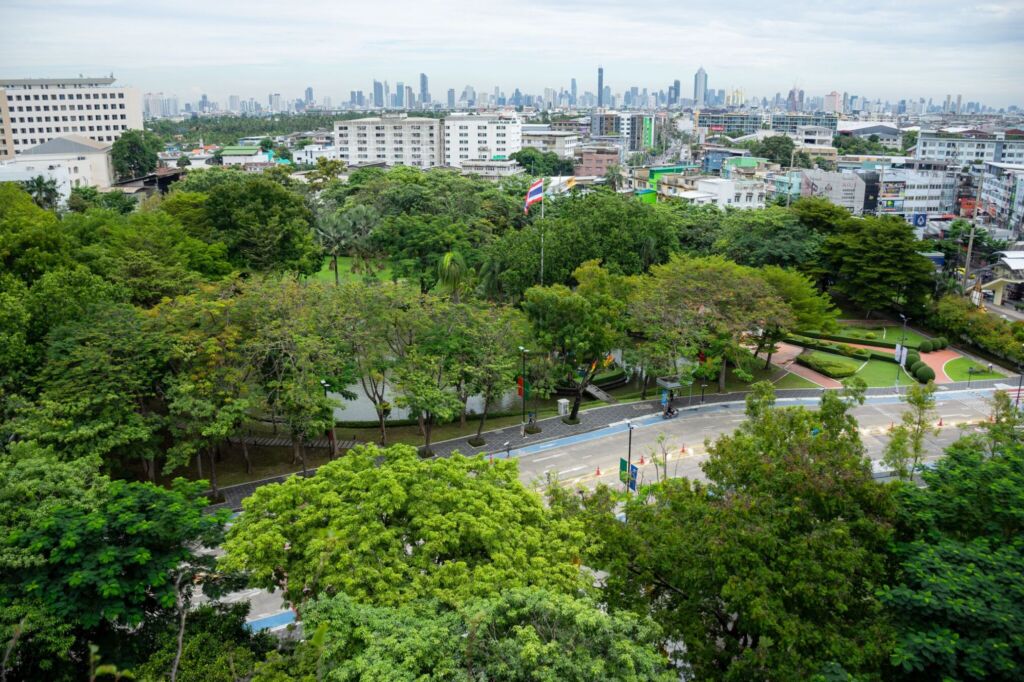
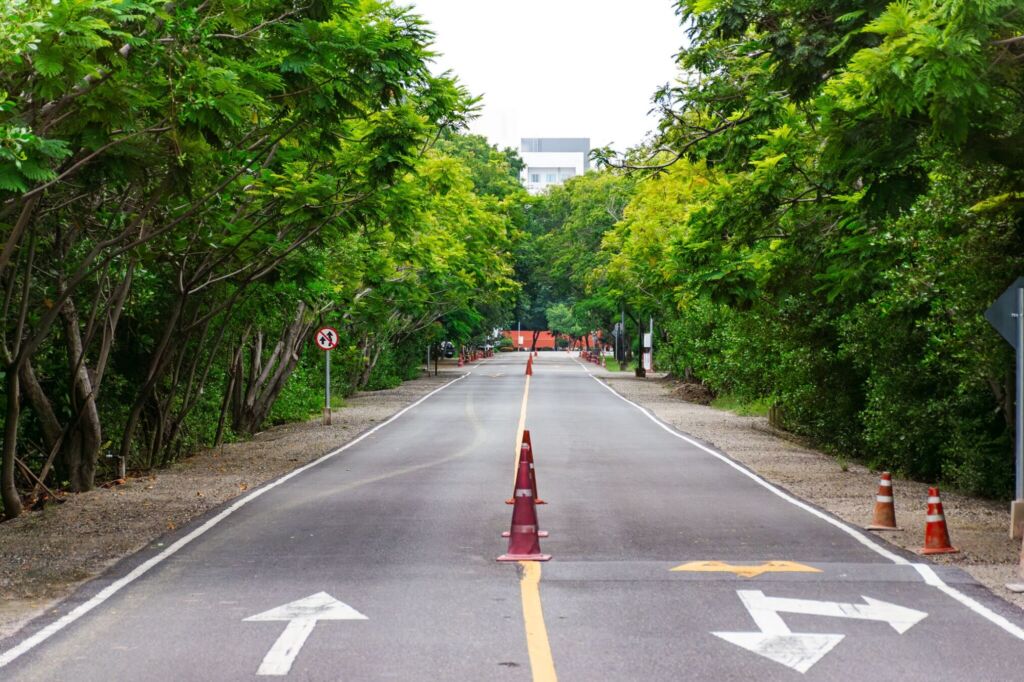
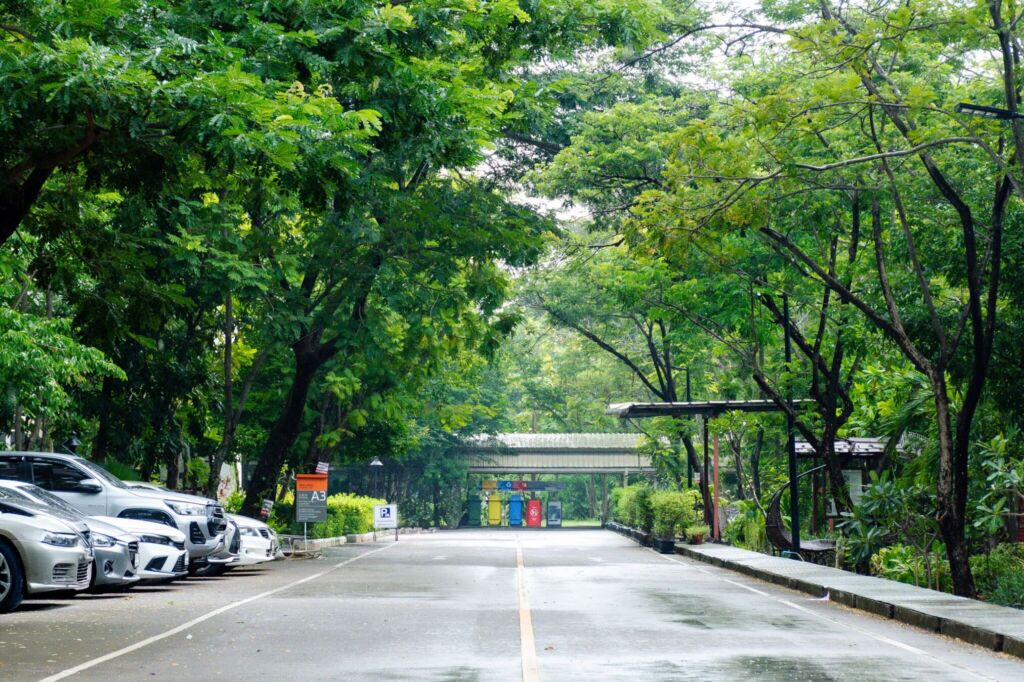
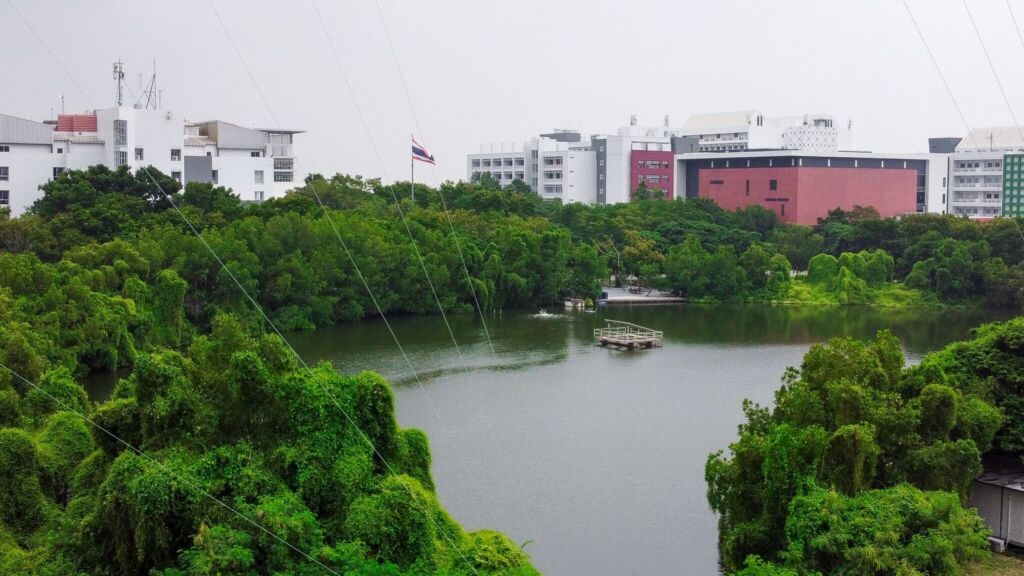
In 2025, KMUTT has shown remarkable progress in expanding its forest vegetation areas across its campuses, demonstrating a profound commitment to environmental conservation and sustainability. This green expansion not only enriches the biodiversity within campus areas but also contributes significantly to improved air quality, reduced urban heat, and sustainable land use.
A Steady Growth of Forest Vegetation
Tracking our campus green areas in 2025
Total Campus Area
Total Forest Area
Percentage Covered
Bangmod
sq. meters
Ratchaburi
sq. meters
Bangkhuntien
sq. meters
KX Building
sq. meters
Beyond Numbers: The Impact
KMUTT’s efforts extend beyond merely increasing forest cover. These green spaces serve as vital habitats for various plant and animal species, helping to protect local ecosystems. Additionally, the forests contribute to carbon sequestration, aligning with global climate goals by reducing carbon dioxide levels in the atmosphere.
Educational & Research Focus
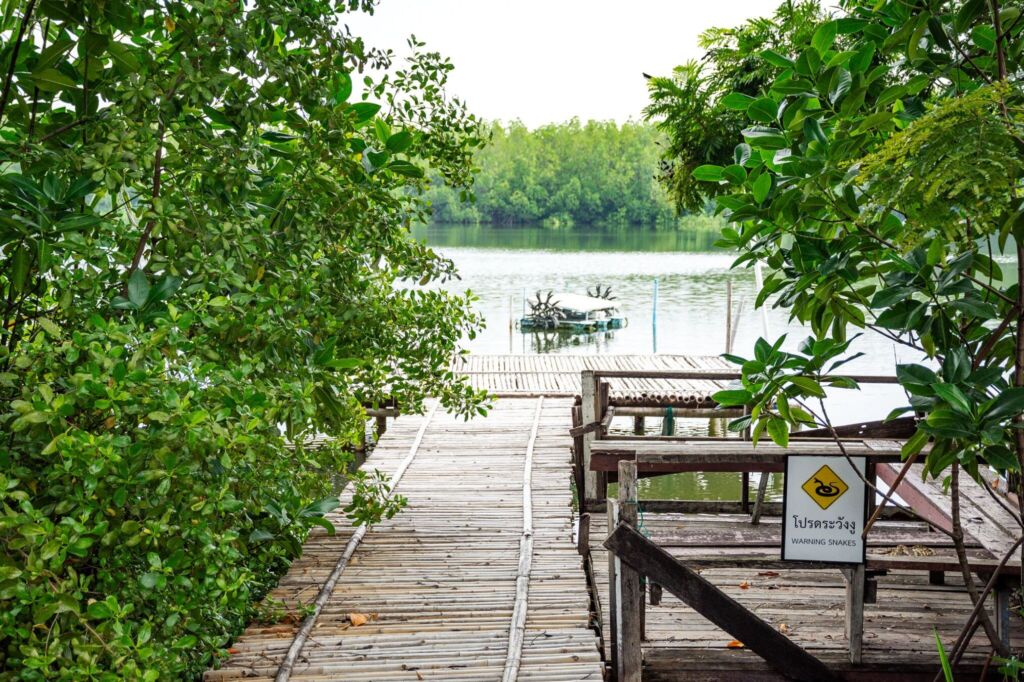
The forest areas also serve as open laboratories for students and researchers, providing a practical learning environment to study ecology, forestry, and environmental science. KMUTT’s green spaces foster a deeper connection between the university community and nature.
"By continuously expanding its green areas, KMUTT is not only creating a more sustainable campus but also setting an inspiring example for other institutions to follow."
Campus Nature Gallery
Exploring the beauty and biodiversity of our forested vegetation areas.