

Renewable Energy
Usage
KMUTT promotes reducing fossil fuel usage by integrating renewable energy. This not only serves clean energy consumption but also acts as a living Learning Center for our community.
Target 2026
10%
Electrical energy usage from renewable sources.
Installing 2 MW capacity of solar rooftop by 2026.
Current Status (2025)
1.92%
Renewable energy usage of total final energy consumption of electric.
Current: 337.12 kW capacity of solar rooftop installed.
Summary of Energy Resources
Historical capacity progression and annual energy savings across different renewable sources.
Solar Power Integration
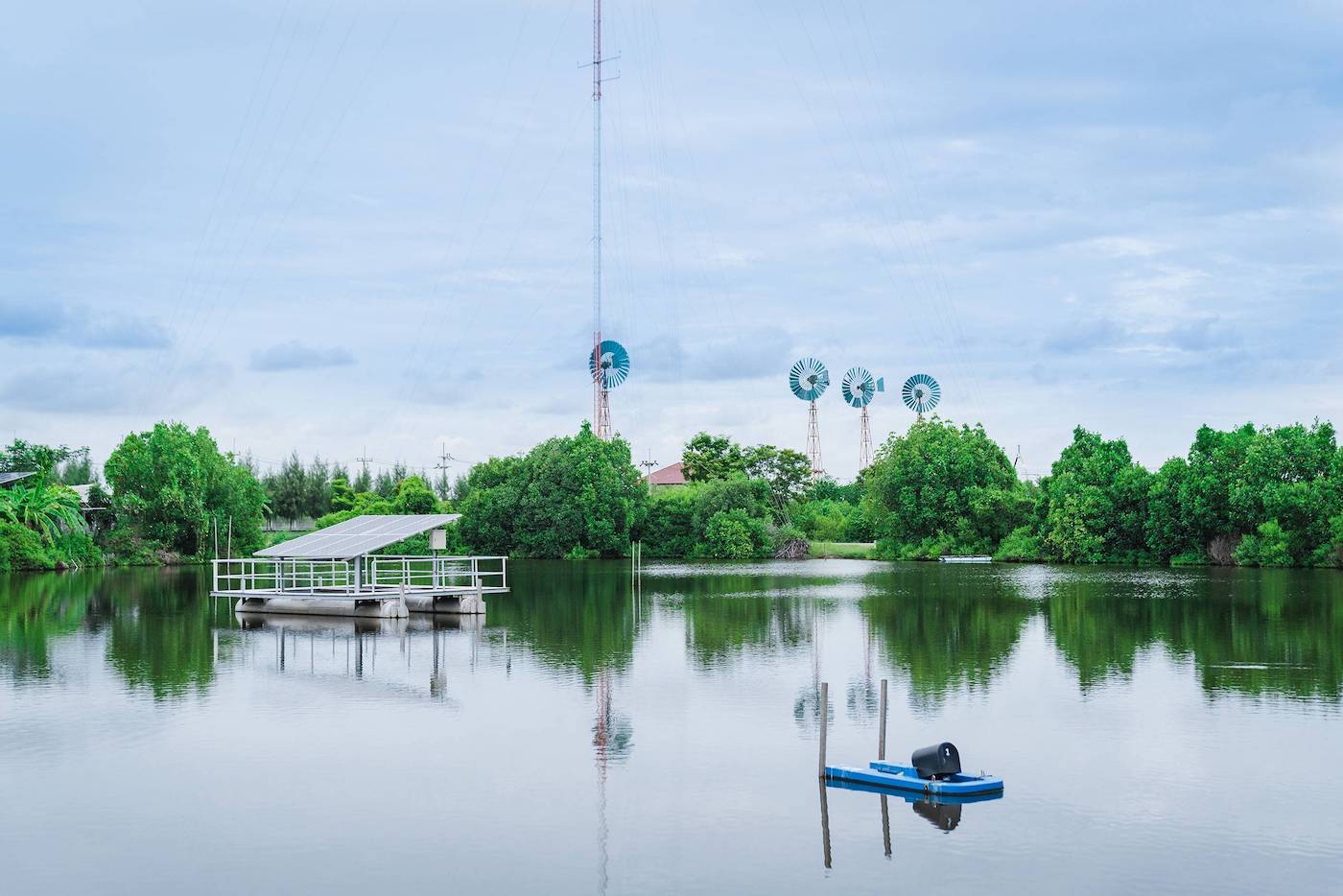
Solar rooftop and solar floating energy in KMUTT campus have tremendous potential growth. At the moment, On-Grid solar rooftops (amounting to 337.12 kWp) operate around campus, aiming to reduce electricity usage from the Metropolitan Electricity Authority (MEA) during peak demand.
The university continues to expand its installed capacity. In the coming years, we plan to ramp up rooftop solar panels across all buildings at both Bangmod and Bangkhuntien campuses, pushing the capacity up to 2.6 MWp (approx. 5% of total electricity consumption).
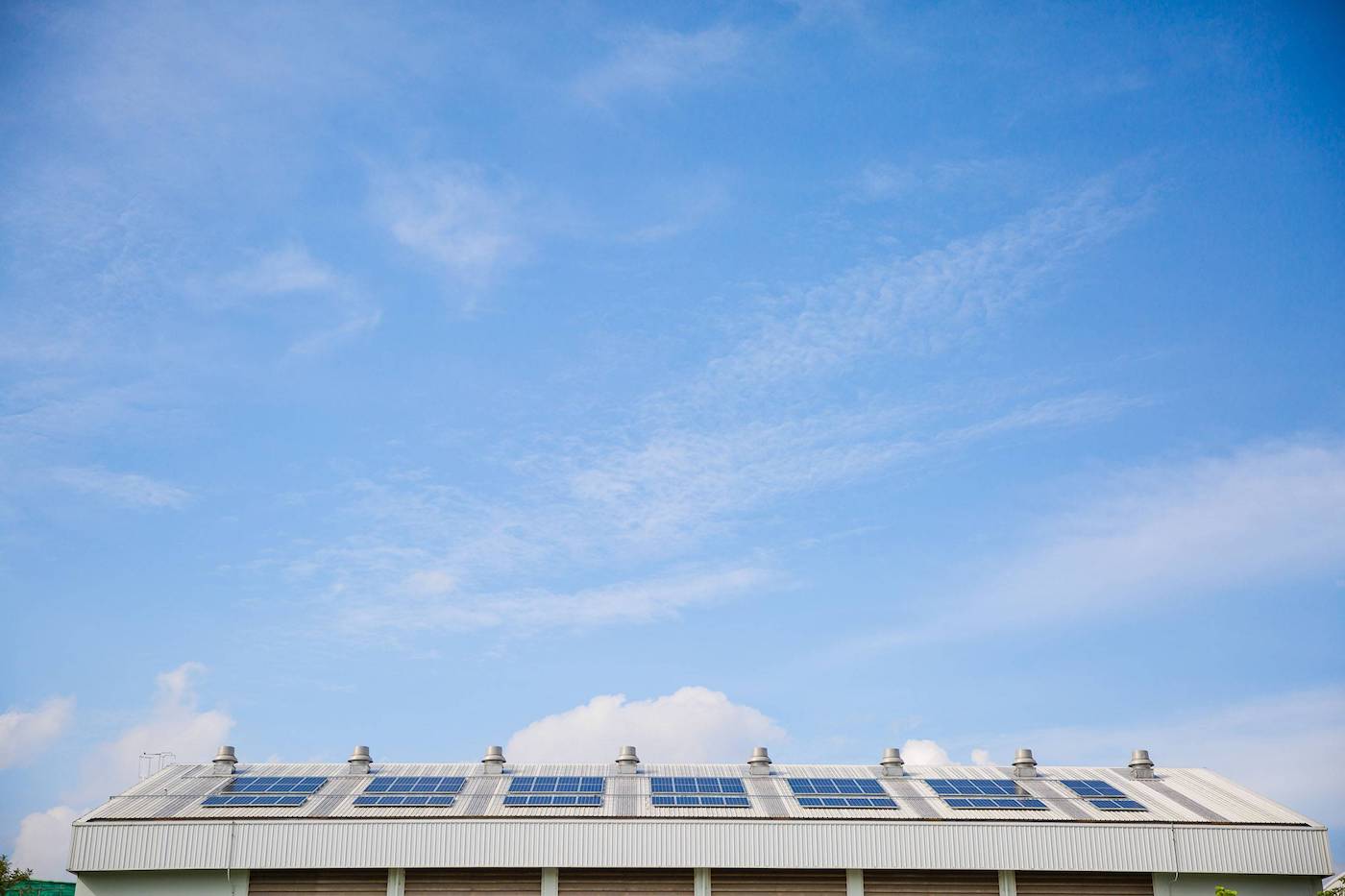
15 Sets of Solar Cells Installed
Detailed breakdown of current solar sites and their capacities.
Biogas & Bioethanol
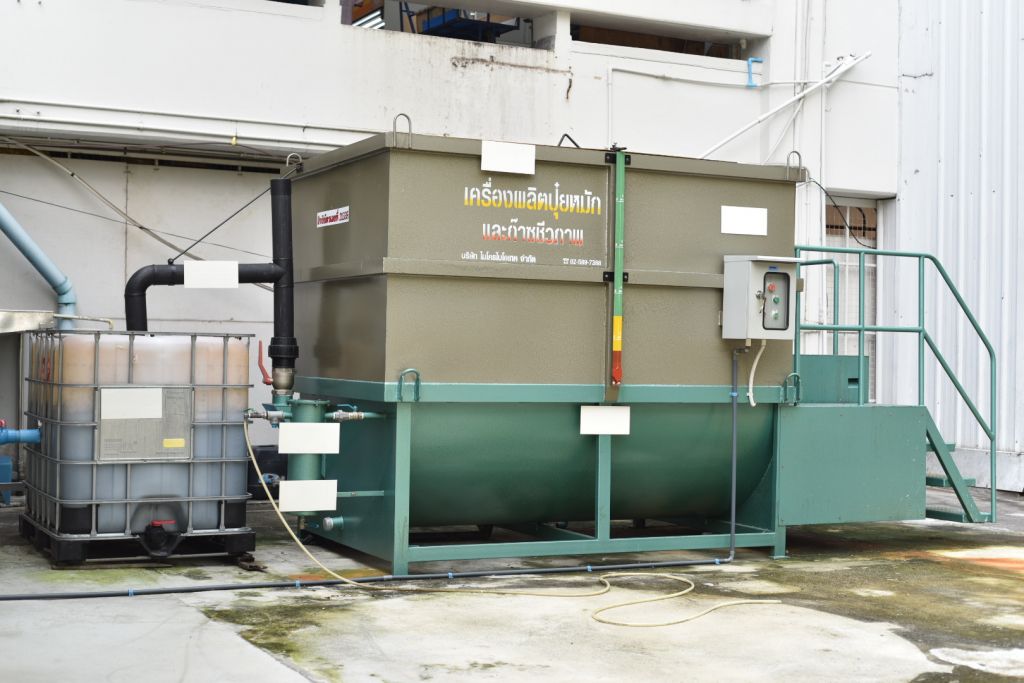
Biogas is produced through an aerobic digestion process where food wastes from KMUTT’s food center are broken down by micro-organisms. Producing 18 m³ per day, this methane-rich gas is used to boil water at the cafeteria, replacing LPG and reducing greenhouse gas emissions by up to 4,970 kgCO2.
Bioethanol Pilot Plant uses agricultural waste (sugar cane, molasses, cassava) to produce 99.99% pure ethanol. This product fuels our Clean Energy Van/Bus fleet (ED-95) and acts as a demonstration site to promote clean technology in Thailand.
Wind Power
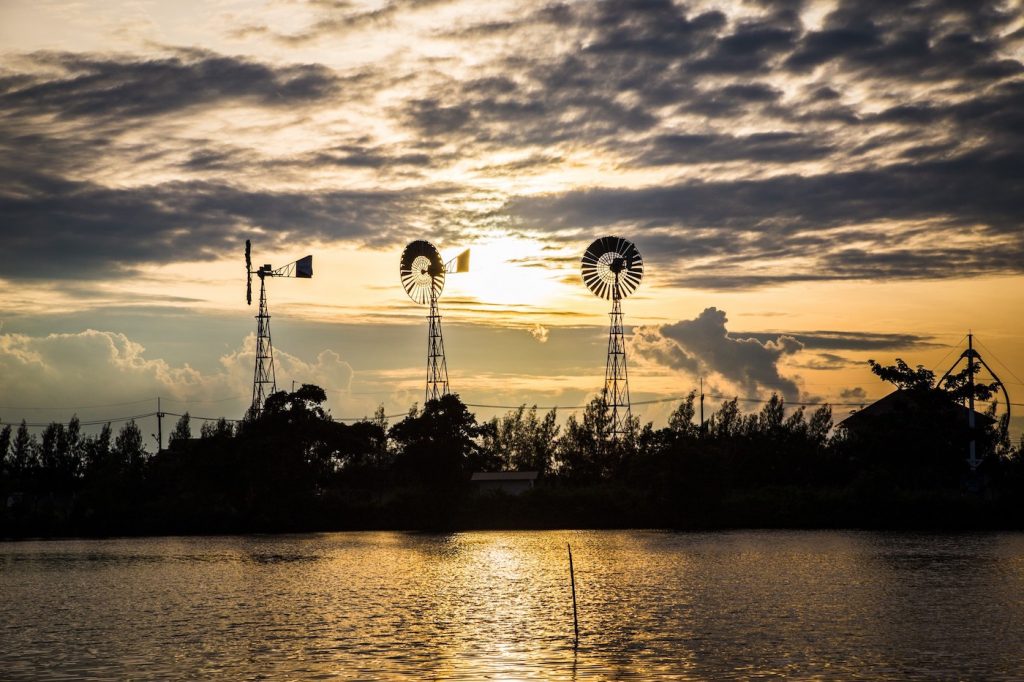
Wind turbines convert kinetic energy from the wind into mechanical power, and then electricity. At the KMUTT Bangkhuntien campus, more than 4 Horizontal Axis Wind Turbines are installed with a capacity of 11.2 kWp.
These wind turbines contribute directly to the campus grid, helping to reduce greenhouse gas emissions by up to 1,027.71 kgCO2 annually.
Hydropower
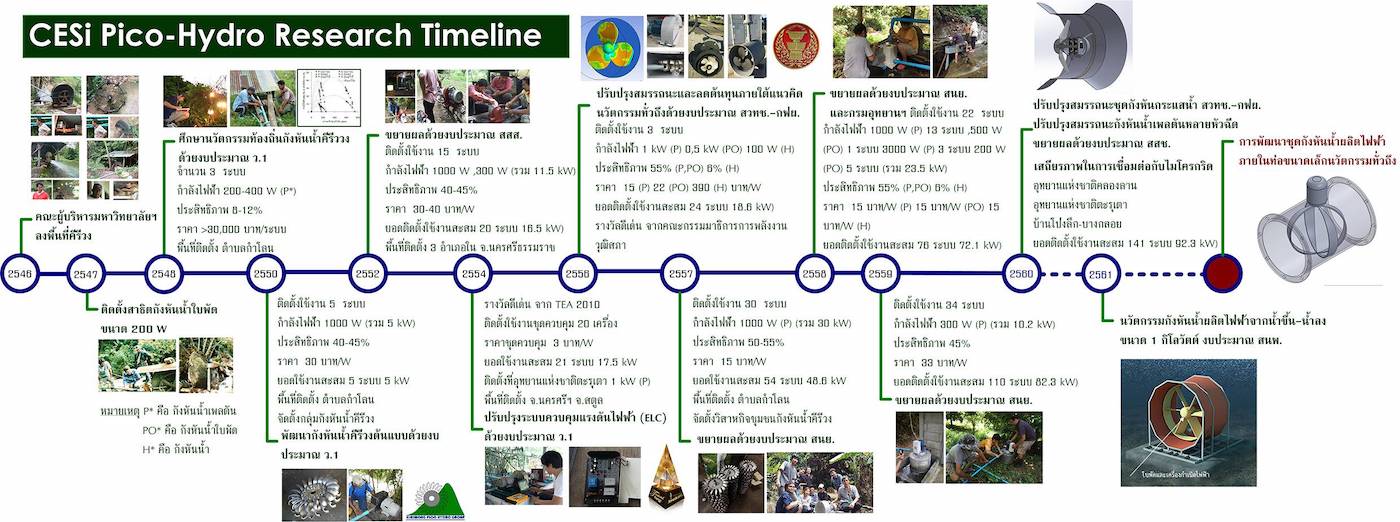
A conversion of energy from flowing water into electricity. At KMUTT Bangkhuntien campus, a hydro turbine is installed at 4.6 kWp with an annual energy saving of 18,834 kWh/year.
Most research and feasibility studies for small-scale hydro turbines are located at this campus. Furthermore, more than twenty hydro turbines developed here have been installed in remote rural areas around Thailand where electricity access is limited.


