
Annual Electricity
Consumption
Tracking our progress and demonstrating leadership in energy management across all university operations, academic excellence, and research innovation.
Target 2026
20%
Reduction on energy usage (capita/year).
Compared to 2003 baseline by 2026.
Current Status (2025)
23.35%
Reduction on energy usage (capita/year).
Compared to 2003 baseline — 2026 target exceeded.
The 3 Pillars of Conservation
Our holistic approach to maintaining a high concern for saving electricity and driving sustainability across the campus.
Peopleware
Focusing on the human role in electricity conservation. Through the Energy Policy 2018 (inspired by THAILAND’S ENERGY 4.0), we persuade students and staff towards better consumption behaviors. We actively host successful events like the 60+ Earth Hour, Energy Day, and World Environment Day.
Hardware
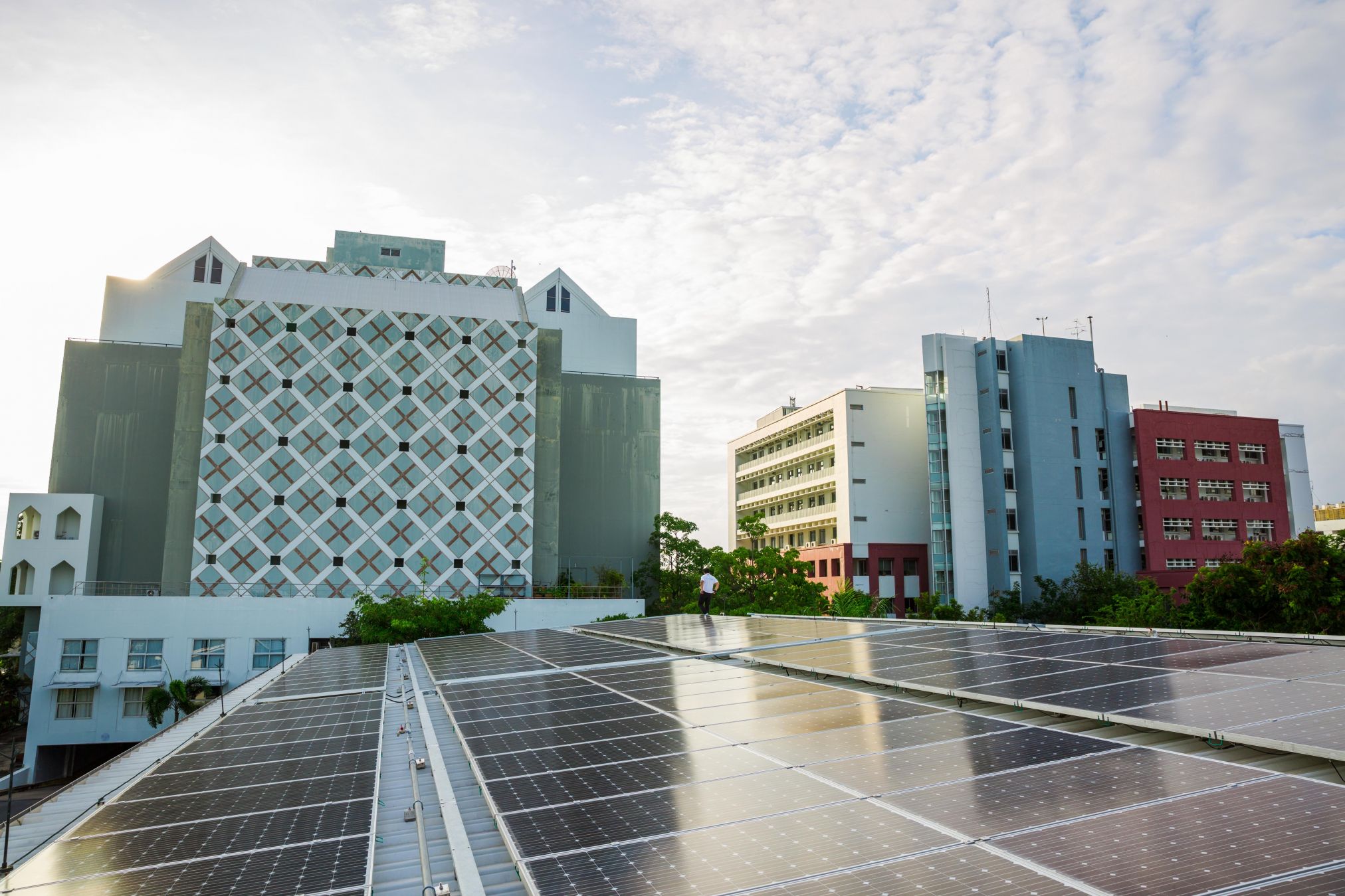
Implementing physical upgrades by replacing inefficient equipment with energy-efficient devices. This includes smart lighting, motion/water sensors, LED fixtures, and inverter chillers. Furthermore, we increase alternative sources like Solar Energy (rooftop and floating) to offset fossil fuel use during peak demands.
Software
Utilizing intelligent systems, data, and programs to operate the Building Automation System (BAS). By monitoring data continuously, we can study trends in energy consumption, analyze power demand profiles in real-time, and optimize overall campus efficiency.
Consumption Trends
Electricity consumption dynamics navigated from 25.5M kWh in 2015 to 29.22M kWh in 2025. While the absolute demand naturally reflects our scale of operations, academic excellence, and facility expansion, KMUTT has consistently demonstrated leadership in per-capita energy management.
Through our three pillars (Peopleware, Hardware, Software), we continually optimize energy performance across the entire campus.
Total Consumption (2025)
29,220,724.61
Kilowatt-hours (kWh)
Electricity Consumption (kWh) Per Year
Historical progression between 2009-2025
Electricity Consumption (kWh) Per Month
Monthly Comparison: 2024 vs 2025
The ratio of total electricity usage towards campus population
2003 - 2025
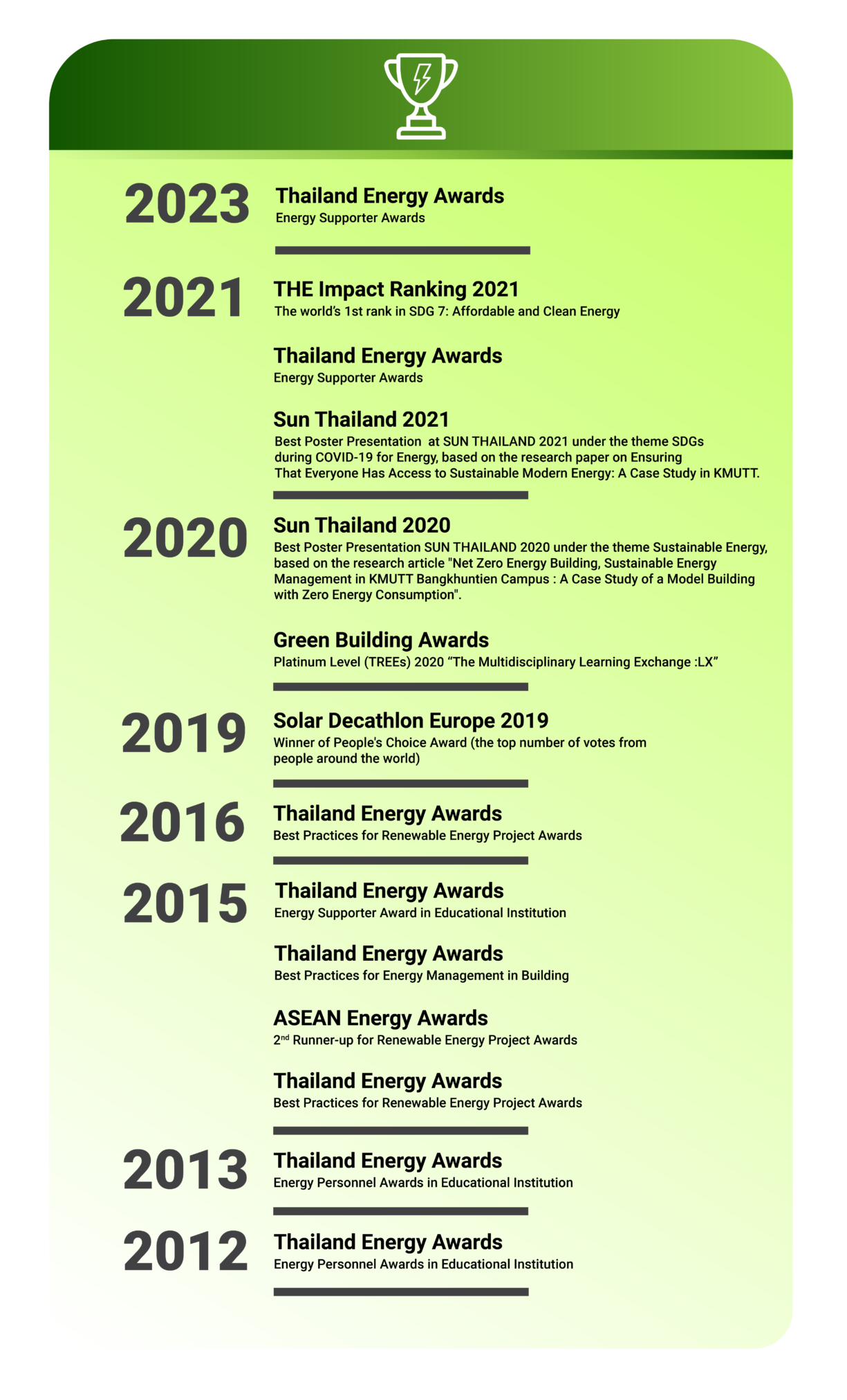
Guaranteed by Excellence
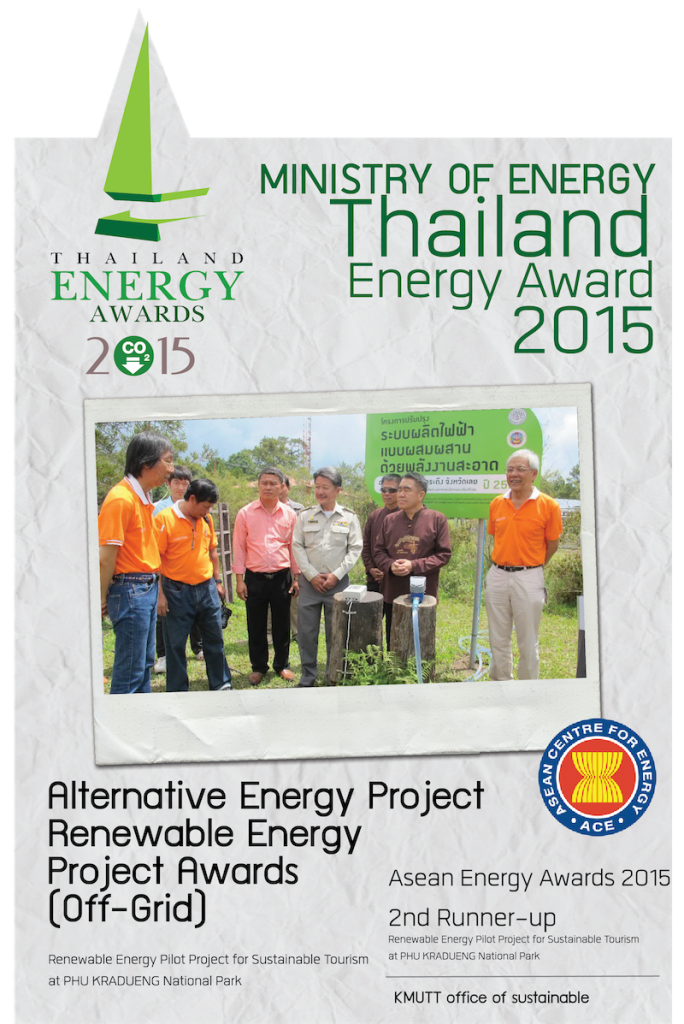
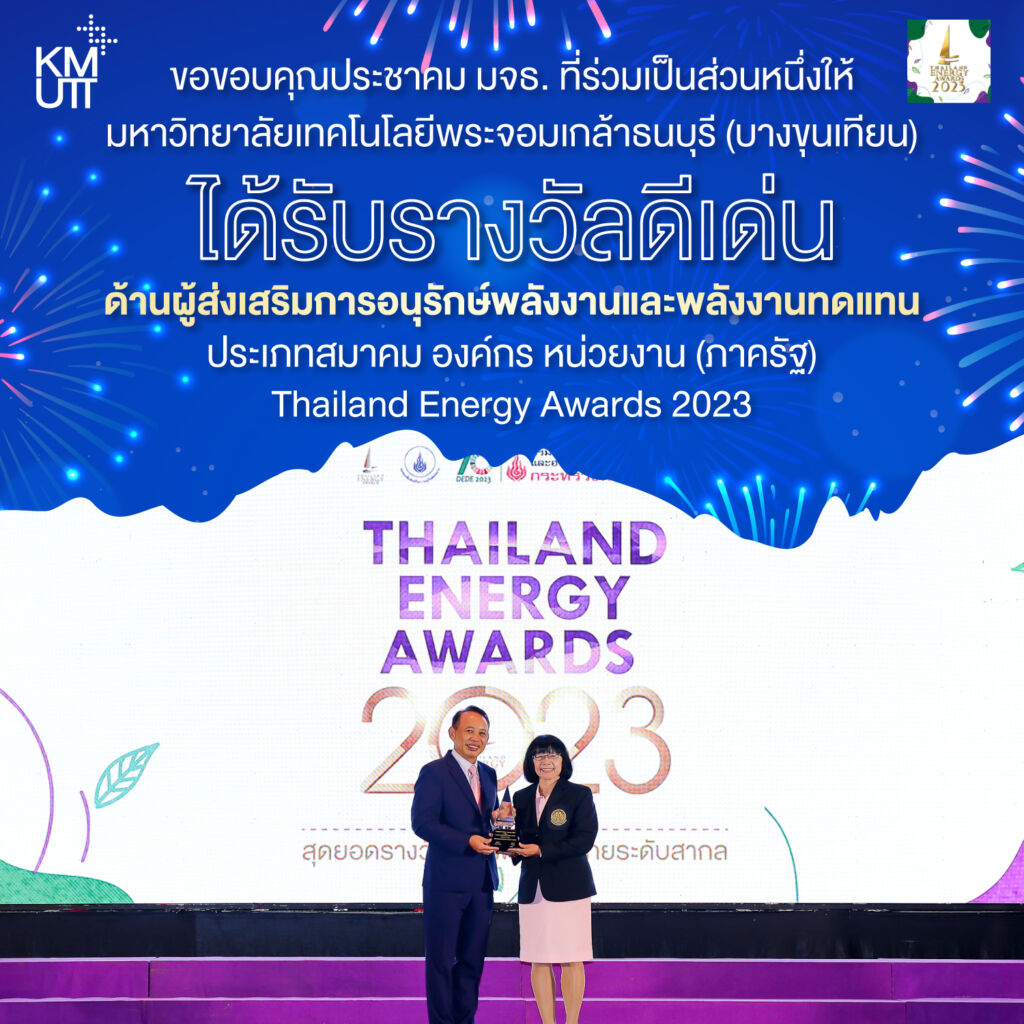
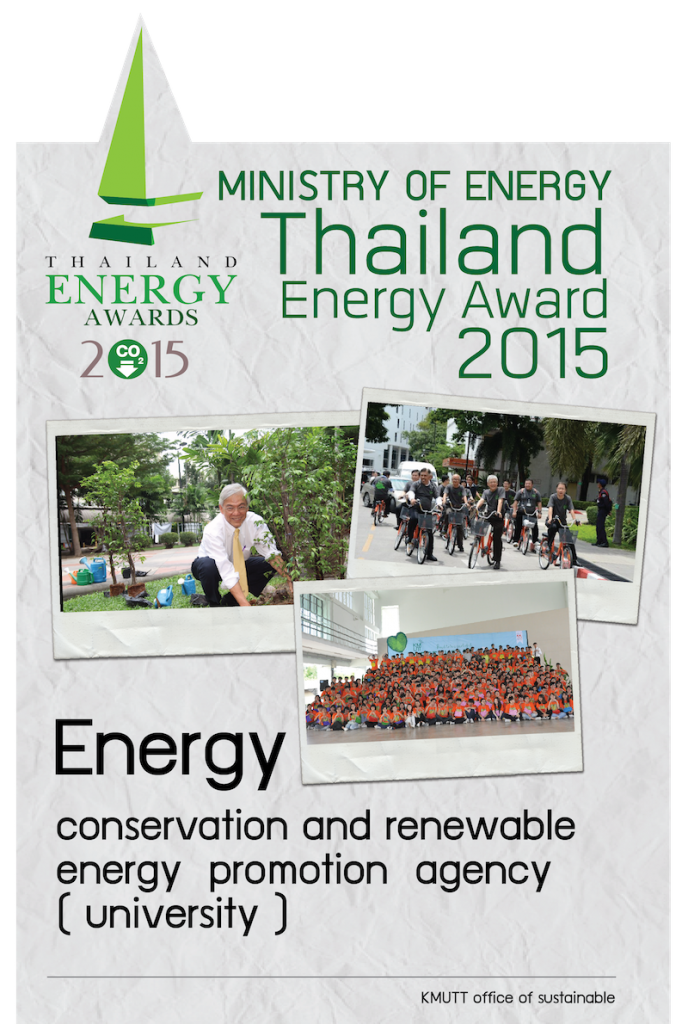
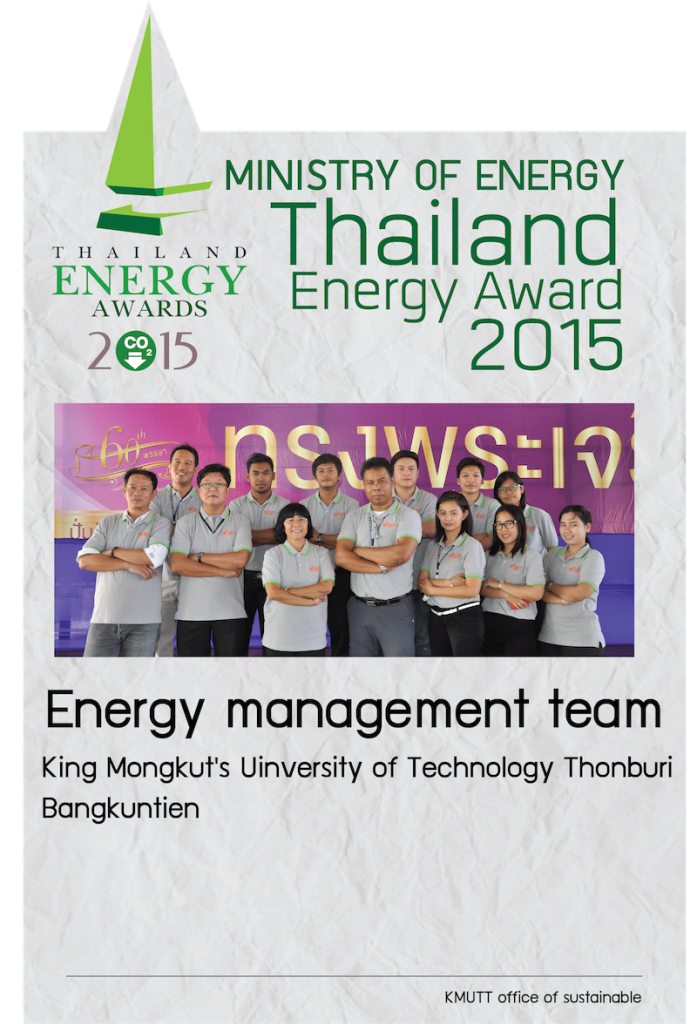
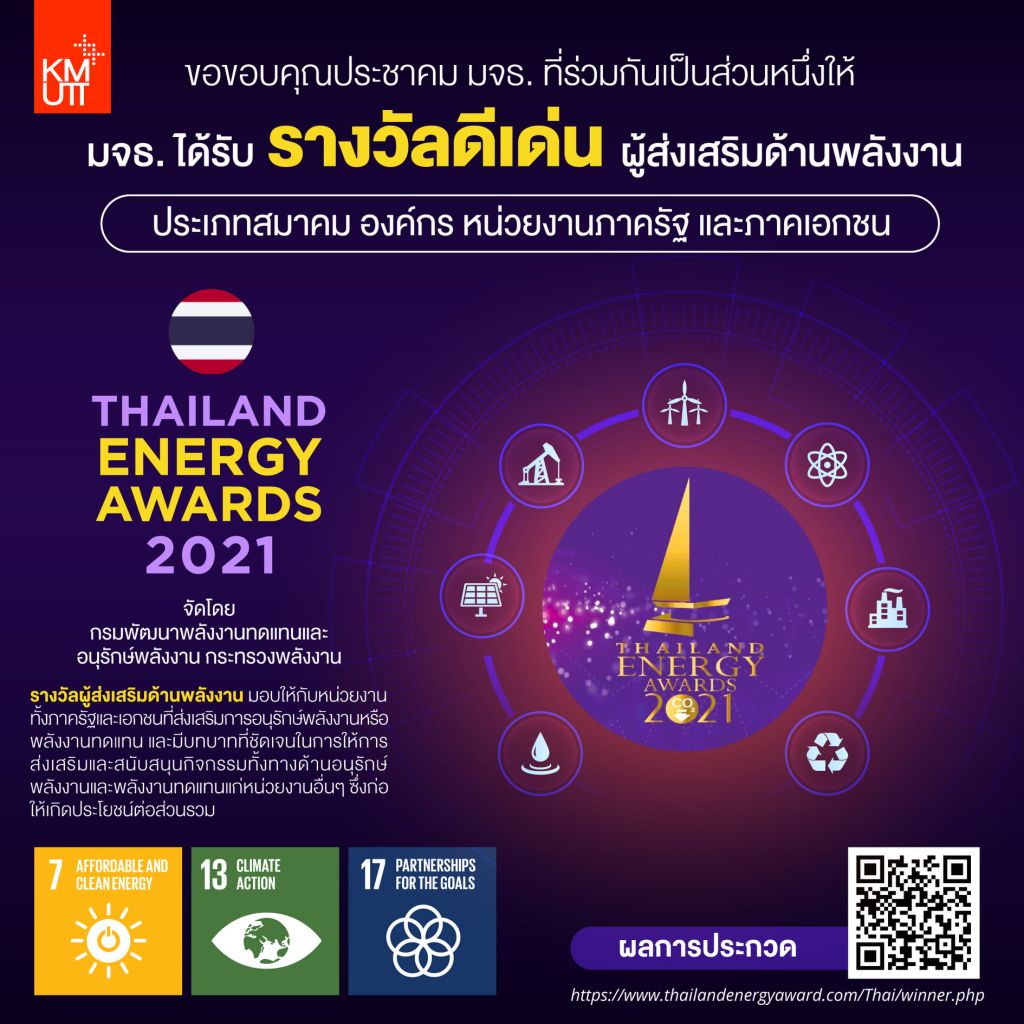
Our continuously decreasing per-capita electricity usage and outstanding management are officially recognized by the Thailand Energy Awards and global rankings.