Goal 1: No poverty

End poverty in all its forms everywhere.

1.3 UNIVERSITY ANTI-POVERTY PROGRAMMES

1. Related information on our university as a body having targets to admit students who fall into the bottom 20% of household income group (or a more tightly defined target) in the country.

KMUTT combines outreach to prospective students with financial assistance intended to reduce barriers to university education. The evidence below adds a dated 2025 progression activity to the university’s supplied scholarship and bursary record, while retaining that original record in full. Outreach coverage, scholarship capacity and awards to enrolled students are reported as separate measures.

A vocational education pathway in 2025

Documented outreach
14 collegesBangkok vocational colleges
Roadshow period
5 Feb–12 Mar2025 academic intake guidance

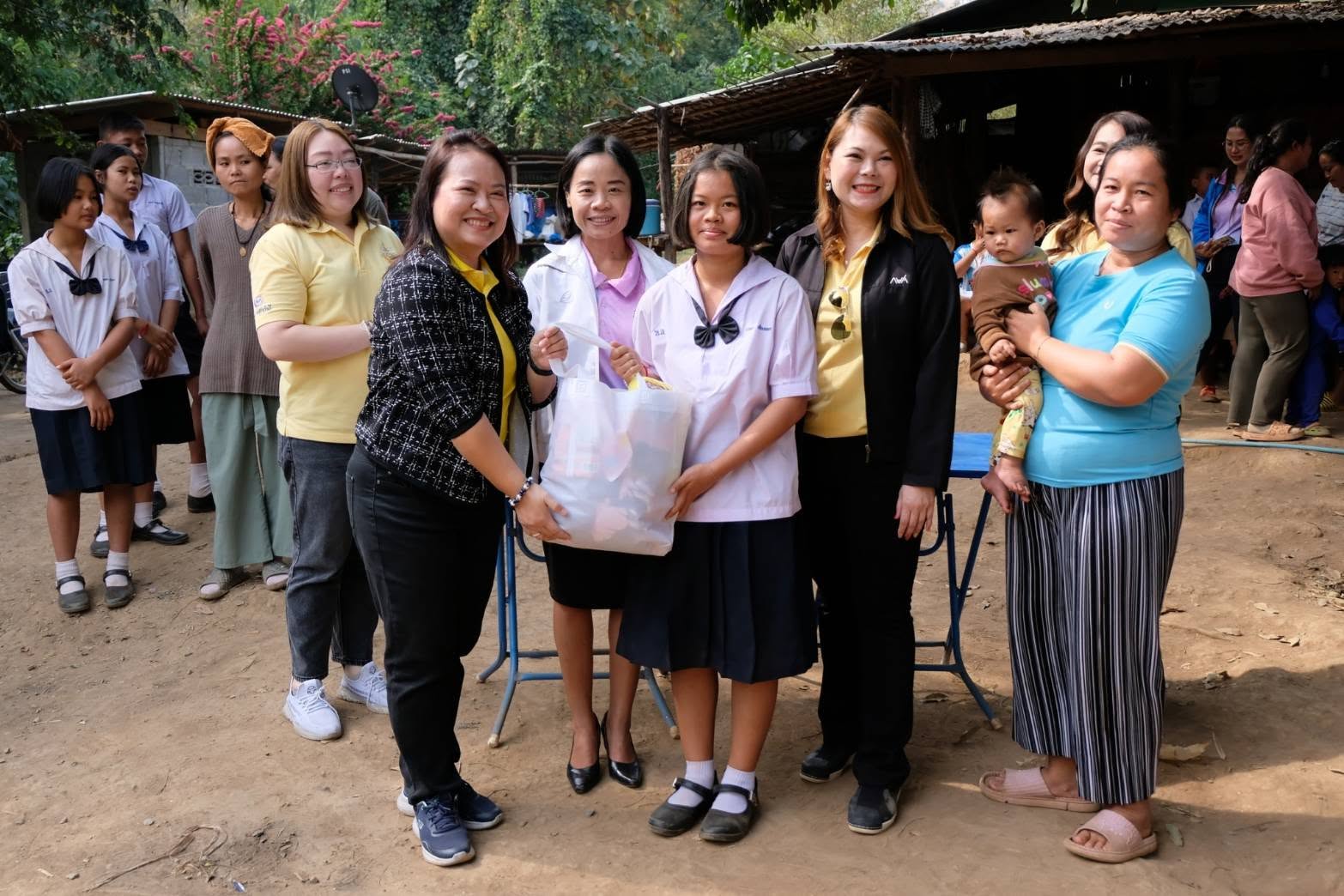
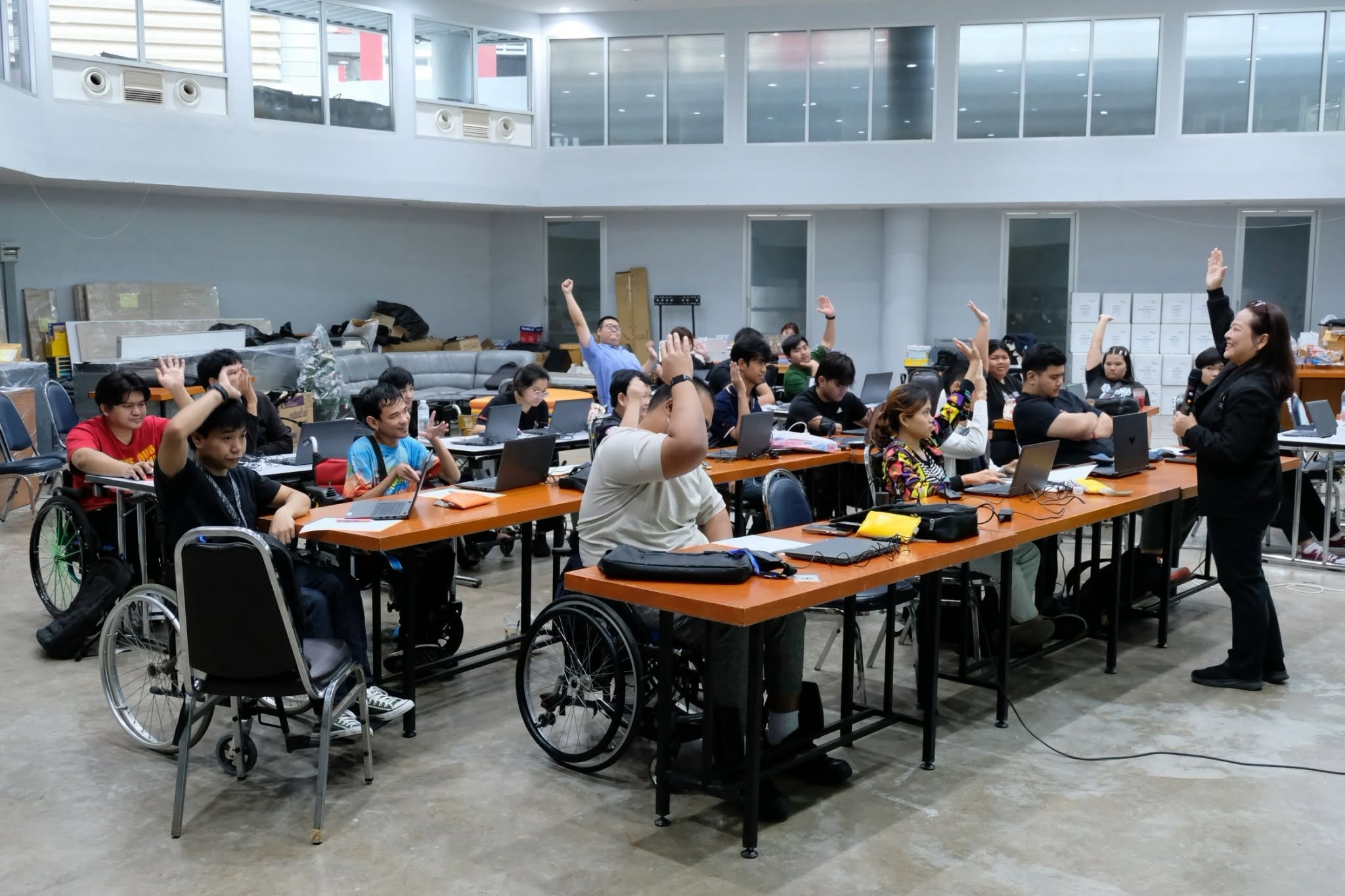
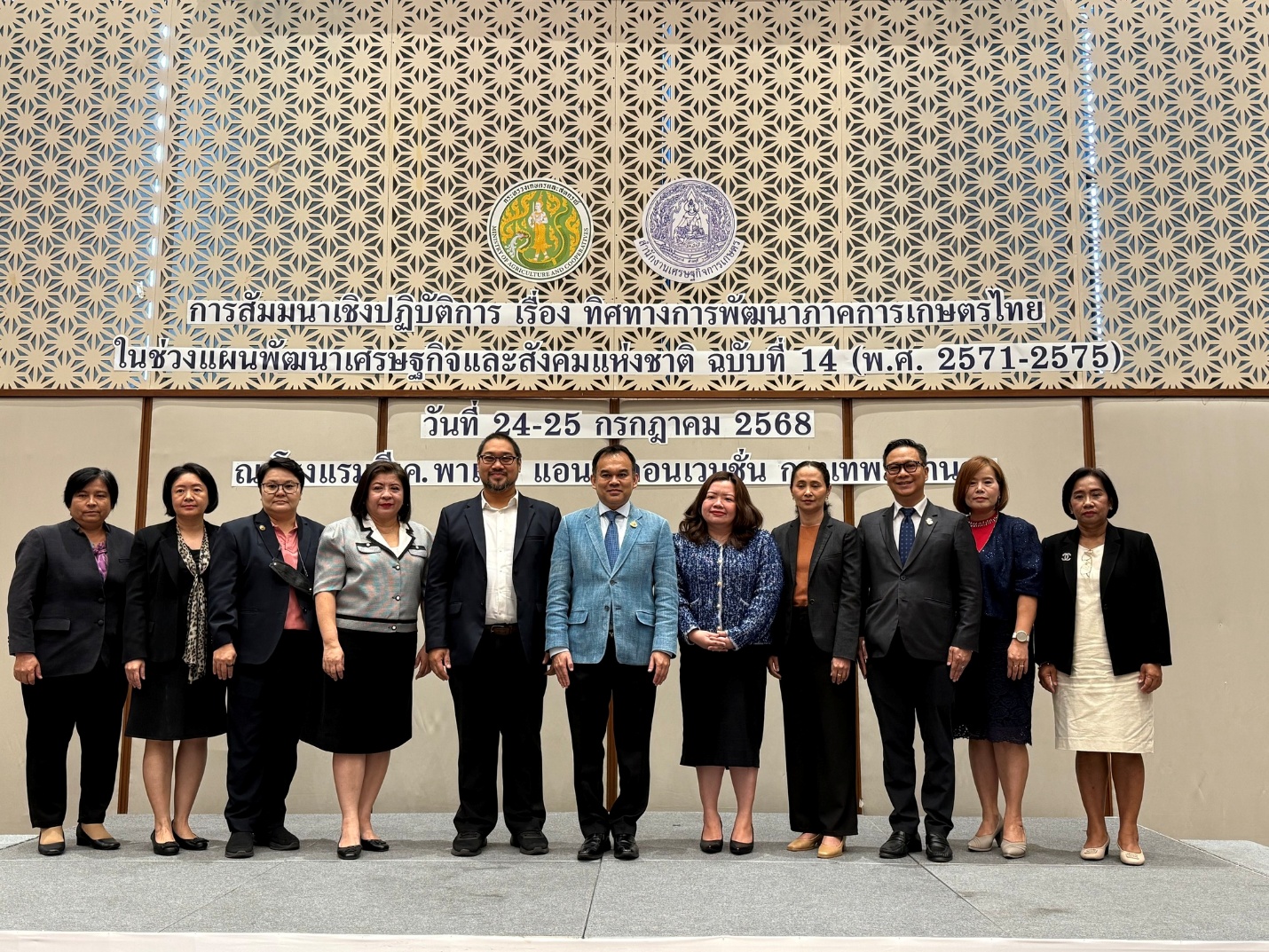
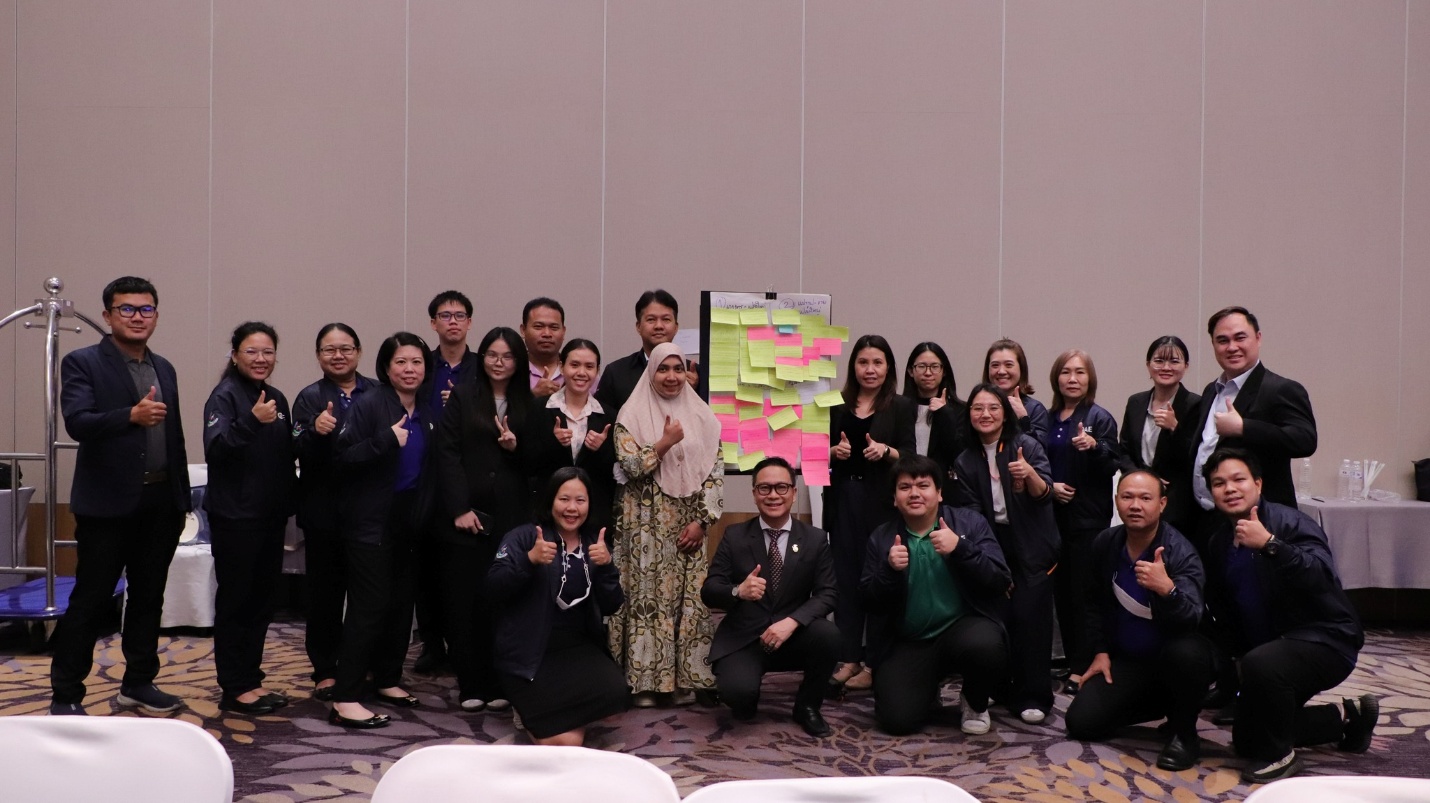
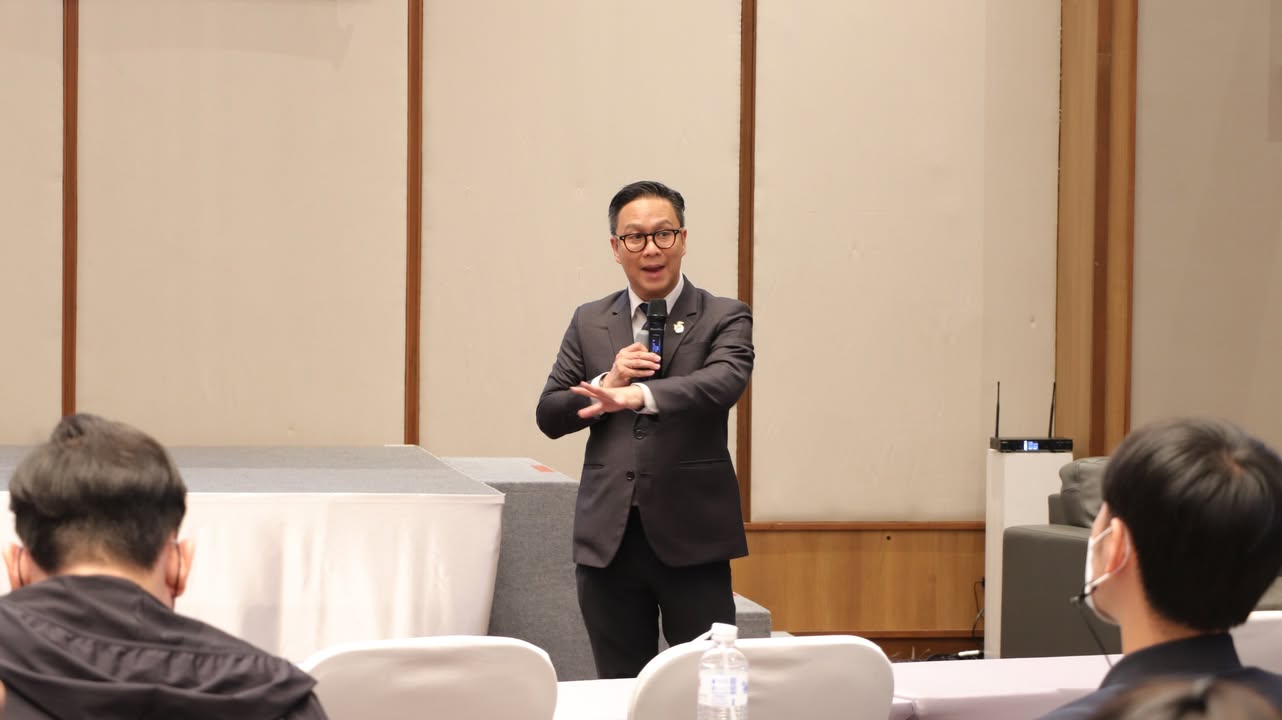
From 5 February to 12 March 2025, the Faculty of Industrial Education and Technology organised a roadshow across 14 vocational colleges in Bangkok. The activity introduced higher vocational diploma students in digital business technology and digital graphics to the bachelor’s programme in Educational Communications and Technology for the upcoming 2025 academic intake. ETM 358 students supported the outreach, including communication through ECT Social Lab channels.

Alongside programme guidance, the faculty provided lunch scholarships to college representatives for onward assistance to financially disadvantaged learners. The activity therefore connected education-progression information with practical support for learners facing financial constraints. Its reported coverage is 14 colleges; the university news does not describe that figure as a reserved admission quota or as a count of bottom-quintile entrants.
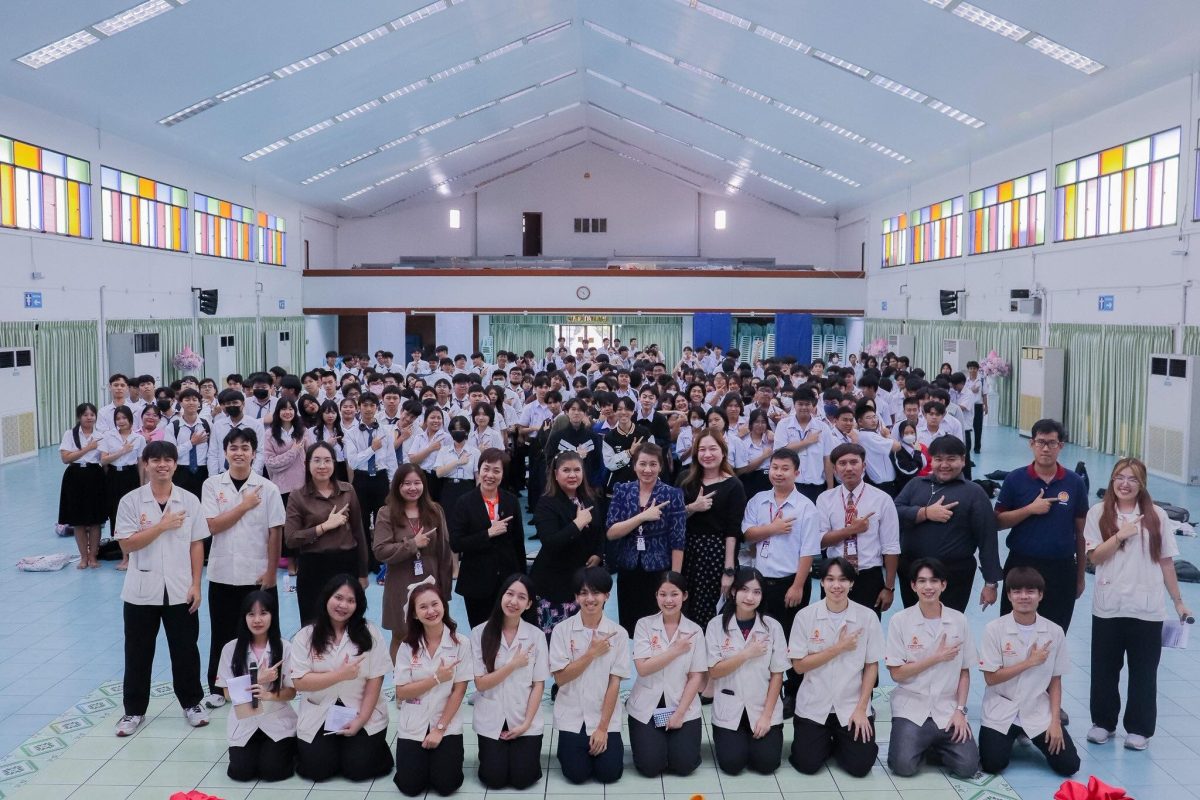
Official KMUTT photograph of the vocational-college roadshow conducted from 5 February to 12 March 2025. News published 25 March 2025.

Targeted access through Active Recruitment

The Thammaraksa scholarship policy dated 18 February 2025 explicitly provides for Active Recruitment of disadvantaged undergraduates. It targets families without previous higher-education participation and candidates from remote or international-border areas. Faculties receive applications, consider admission and eligibility, and submit nominations to the university by April each year. Support continues for the prescribed programme duration subject to the policy conditions. This establishes a targeted access pathway; it does not supply a nationally measured bottom-quintile admission count.

Financial assistance with a defined poverty focus

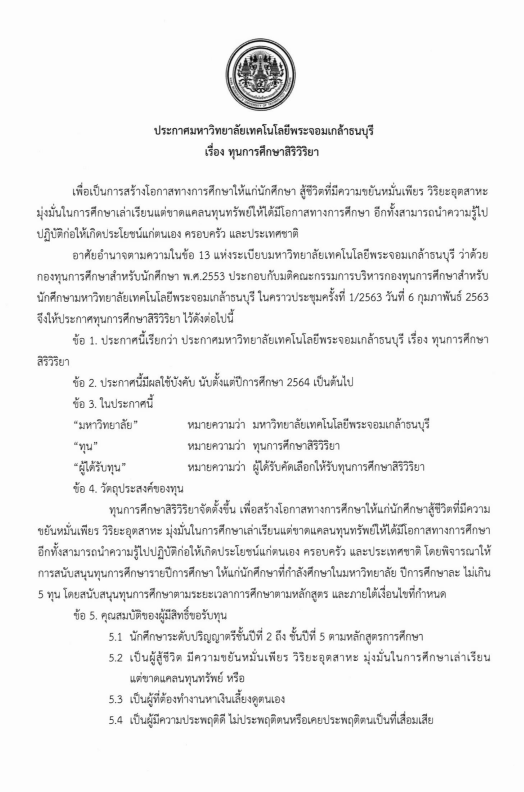
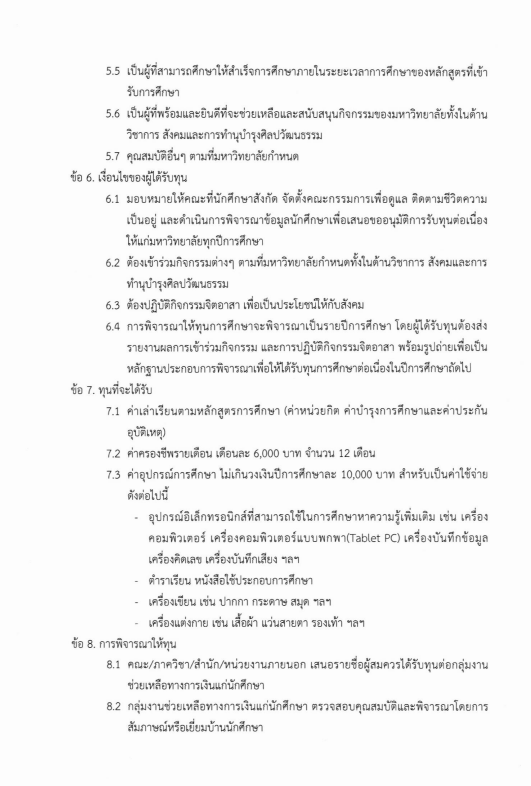
The 2026 Siriviriya scholarship announcement targets undergraduate students in years 2–5 who face financial hardship, lack a sponsor or must work to support themselves. The programme offers up to five scholarships per academic year, with tuition support, THB 6,000 per month for 12 months and THB 10,000 annually for educational materials. Faculties may nominate up to two students for university selection; eligibility may be assessed through interviews or home visits. These are scholarship selection limits for continuing students, rather than admission targets.

What each evidence measure represents

Separate measures, populations and reporting periods
Evidence measurePeriodMeaning
14 vocational colleges reached5 February–12 March 2025Coverage of the documented bachelor’s progression roadshow.
Lunch scholarship support2025 roadshowAssistance passed through college representatives to financially disadvantaged learners; the news supplies no recipient total.
Up to five Siriviriya awardsAcademic year B.E. 2569 / 2026Annual continuing-student scholarship ceiling, separate from admissions.
2,987 bursary awards and THB 150.63 millionFinancial year B.E. 2568 / 2025Figures retained as supplied by the institution below; they are not recast as a first-year intake or graduation total.

Financial disadvantage is the target of the assistance described here. No household-income quintile is assigned solely from scholarship status, first-generation status or residence near a border. The original institutional descriptions of those schemes remain below with their original figures and policy dates.

No One Left Behind

The supplied substantive descriptions, photographs, policy pages and numerical records are retained below. English translations make the Thai descriptions accessible to readers, while the original Thai policy pages remain available. Earlier policy dates and period labels are unchanged.

The University maintains a policy to support scholarships for both undergraduate and graduate students to ensure they receive educational opportunities. This policy is primarily focused on assisting students facing financial difficulties that could be an obstacle to their studies. Therefore, the University allocates various types of scholarships to support its students, including general scholarships and specific funds specially created by the University with the goal of developing excellent and virtuous individuals in line with the institutional vision.

The university has established policies and guidelines to provide financial assistance to students experiencing financial hardship that hinders their education. This support ensures they are well-prepared for their studies, research, and academic pursuits, while reducing anxiety over educational expenses so that students can learn to their full potential at both undergraduate and graduate levels.
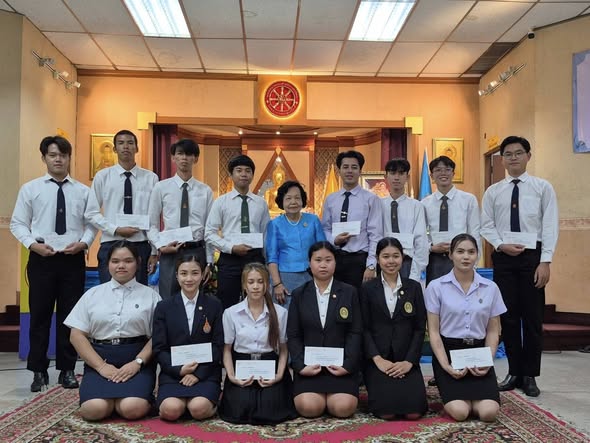
Institutional photograph supplied with the original scholarship evidence.

KMUTT allocates undergraduate and graduate scholarships to expand educational opportunities for financially disadvantaged students and students from low-income families, helping them prepare for their studies. Bursaries create educational opportunities, develop good and ethical individuals, and assist students experiencing financial hardship. The annual allocation arrangements are described below.

Student Loan Fund

The Student Loan Fund supports education through four loan categories, using the Digital Student Loan Fund System (DSL) in place of e-Studentloan. Annual support is subject to the government's budget allocation framework, as follows.

Financial need

Category 1: Education loans for school or university students who lack financial resources.

Priority workforce fields

Category 2: Education loans for school or university students in fields identified as key workforce priorities, with clearly defined workforce production needs essential to national development.

Scarce or promoted fields

Category 3: Education loans for school or university students in fields with shortages or fields that the Fund specifically seeks to promote.

Academic excellence

Category 4: Education loans for school or university students with strong academic performance, to foster excellence.

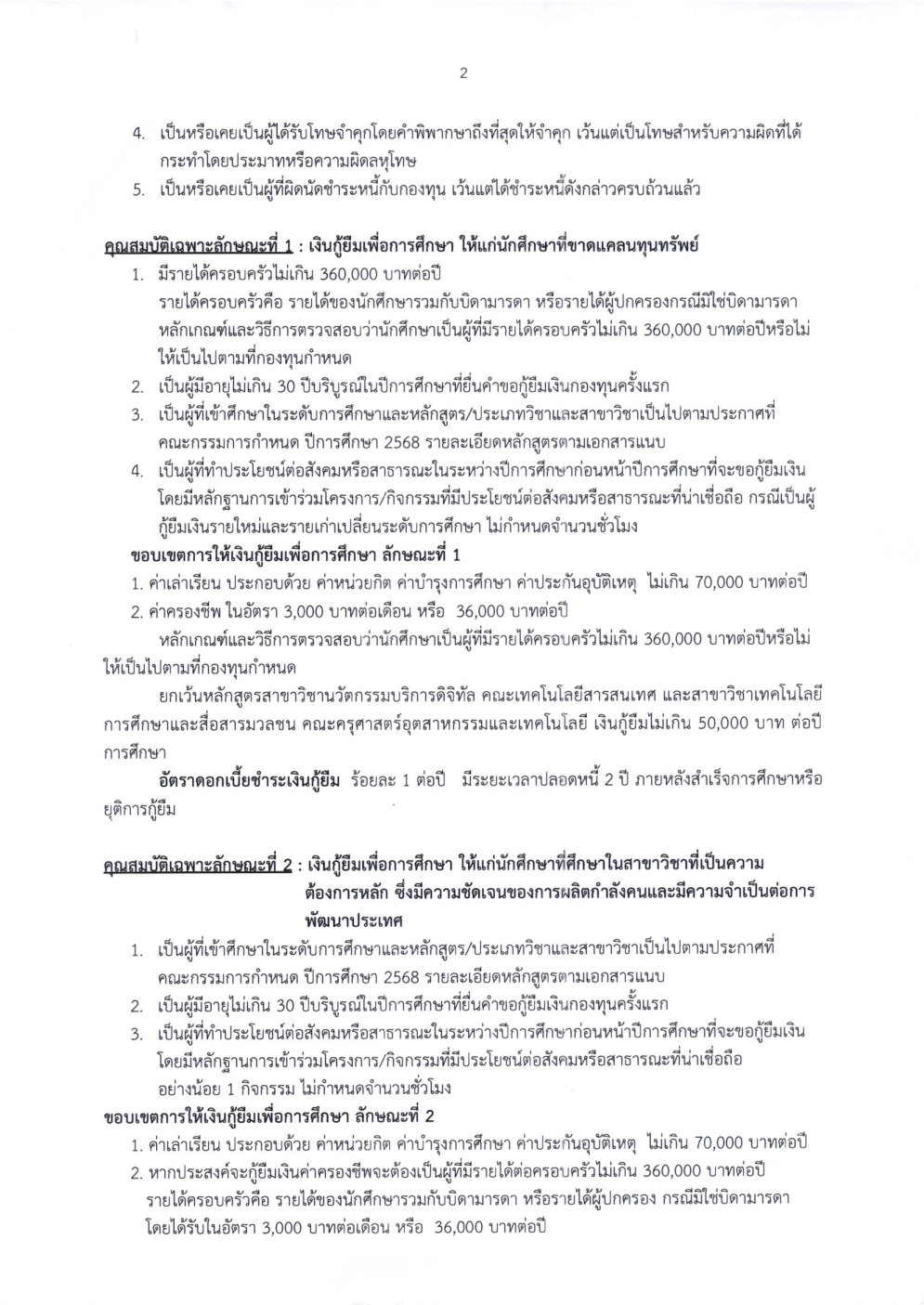
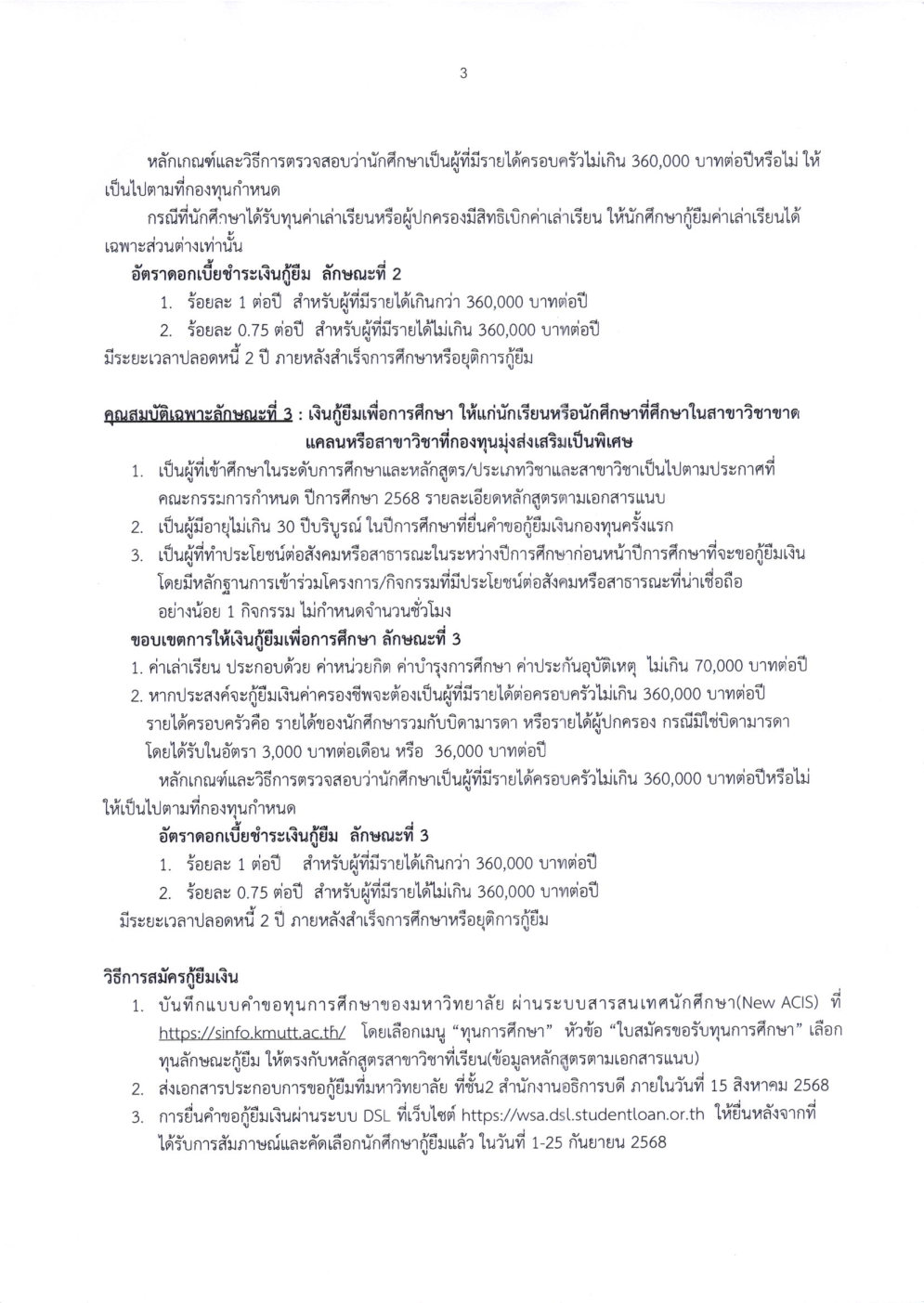
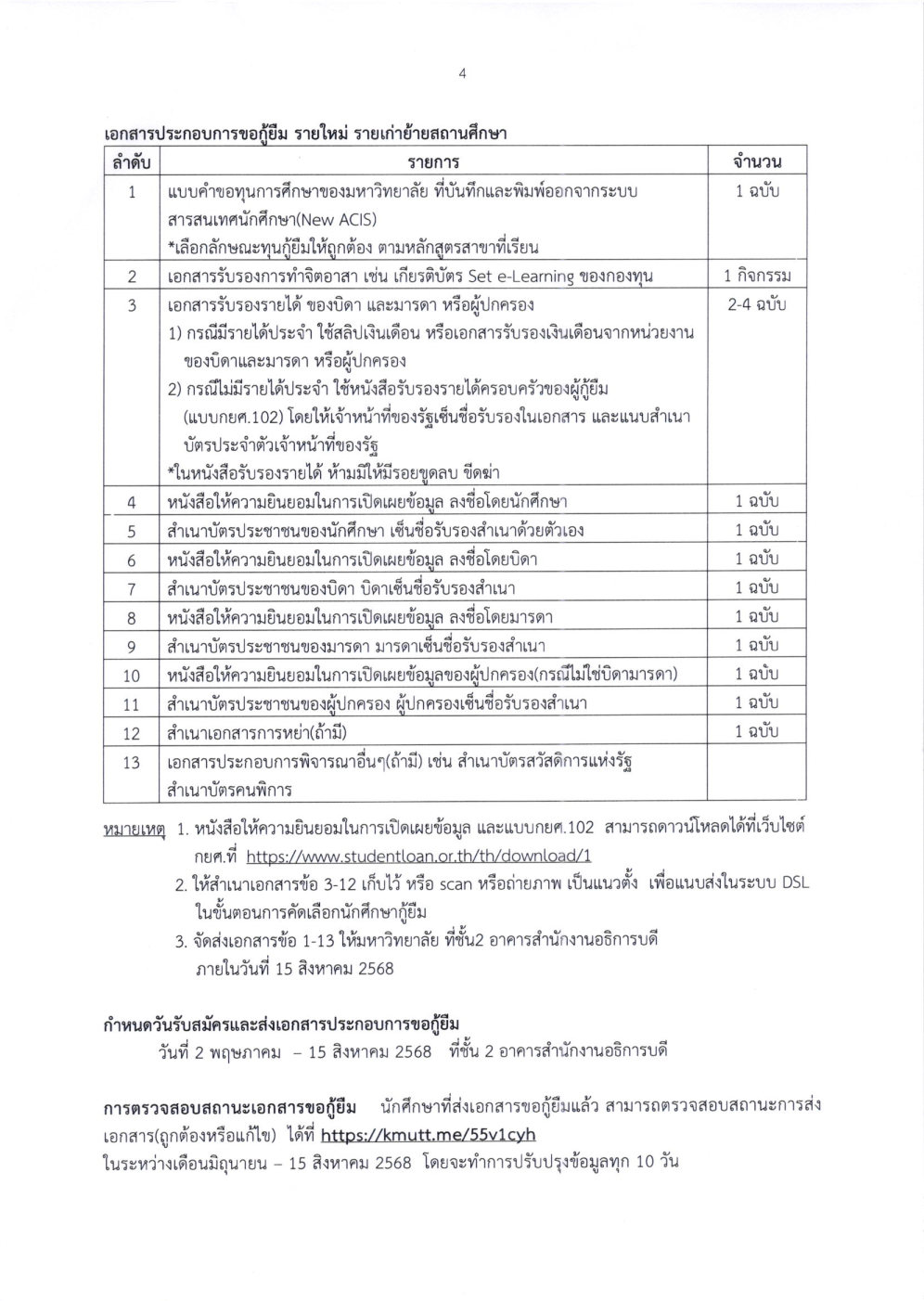
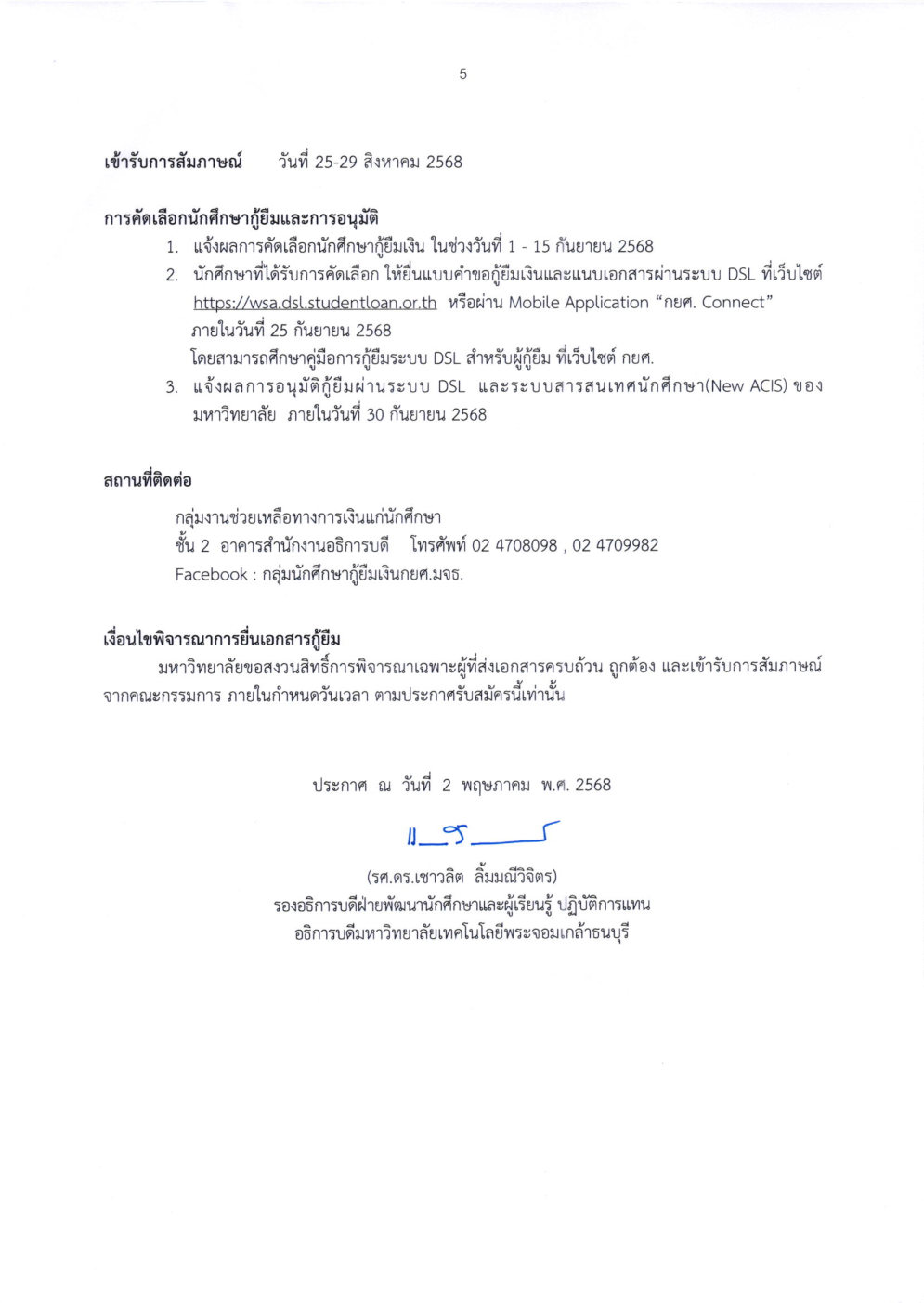
These four categories reproduce the broader institutional account. The separate 2025 loan announcement below lists categories 1–3; its dated terms remain unchanged.

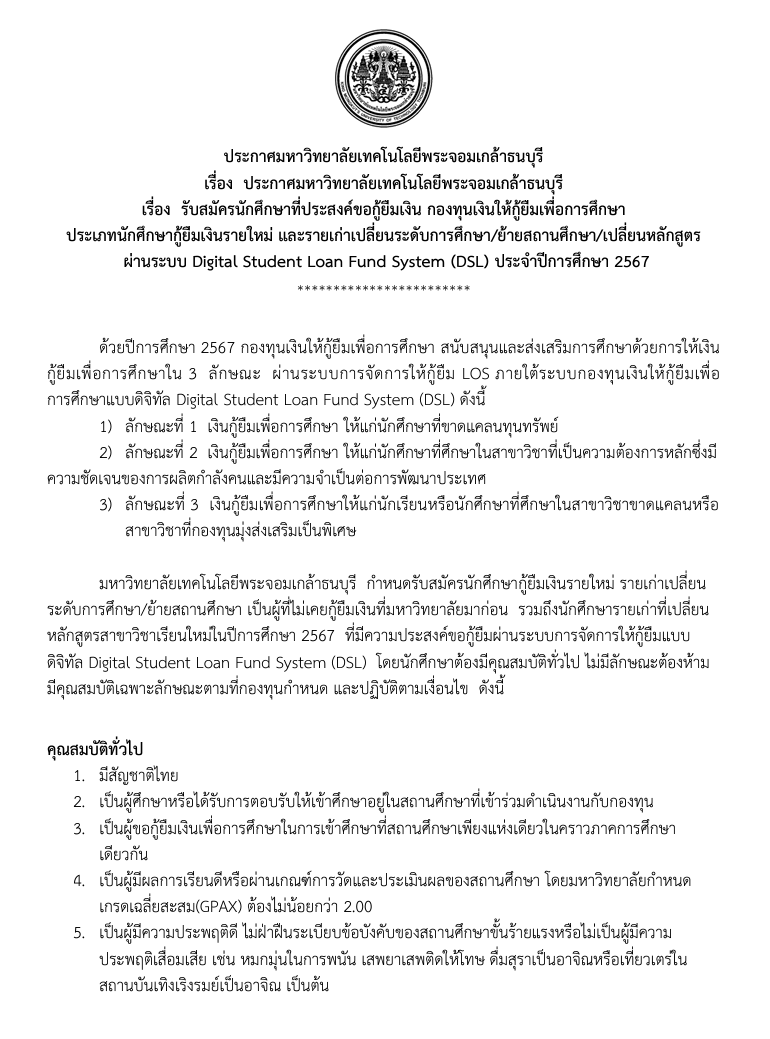
Original 2025 student-loan announcement · 5 pages
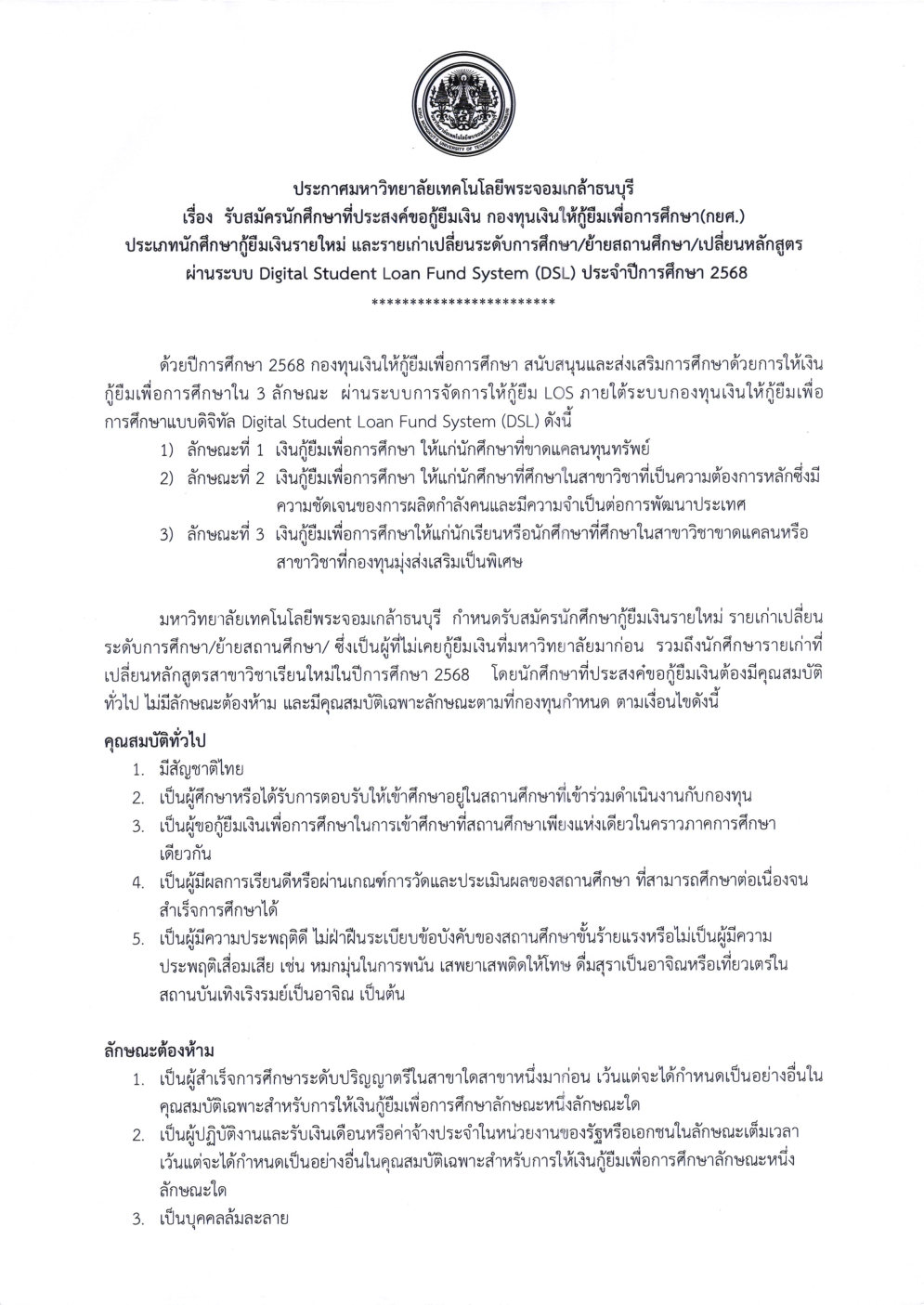
Original policy page 1. Original institutional scholarship or student-loan documentation. Its printed date and terms are retained.
Original policy page 2. Original institutional scholarship or student-loan documentation. Its printed date and terms are retained.
Original policy page 3. Original institutional scholarship or student-loan documentation. Its printed date and terms are retained.
Original policy page 4. Original institutional scholarship or student-loan documentation. Its printed date and terms are retained.
Original policy page 5. Original institutional scholarship or student-loan documentation. Its printed date and terms are retained.

Original institutional scholarship or student-loan documentation. Its printed date and terms are retained.

Siriviriya scholarship

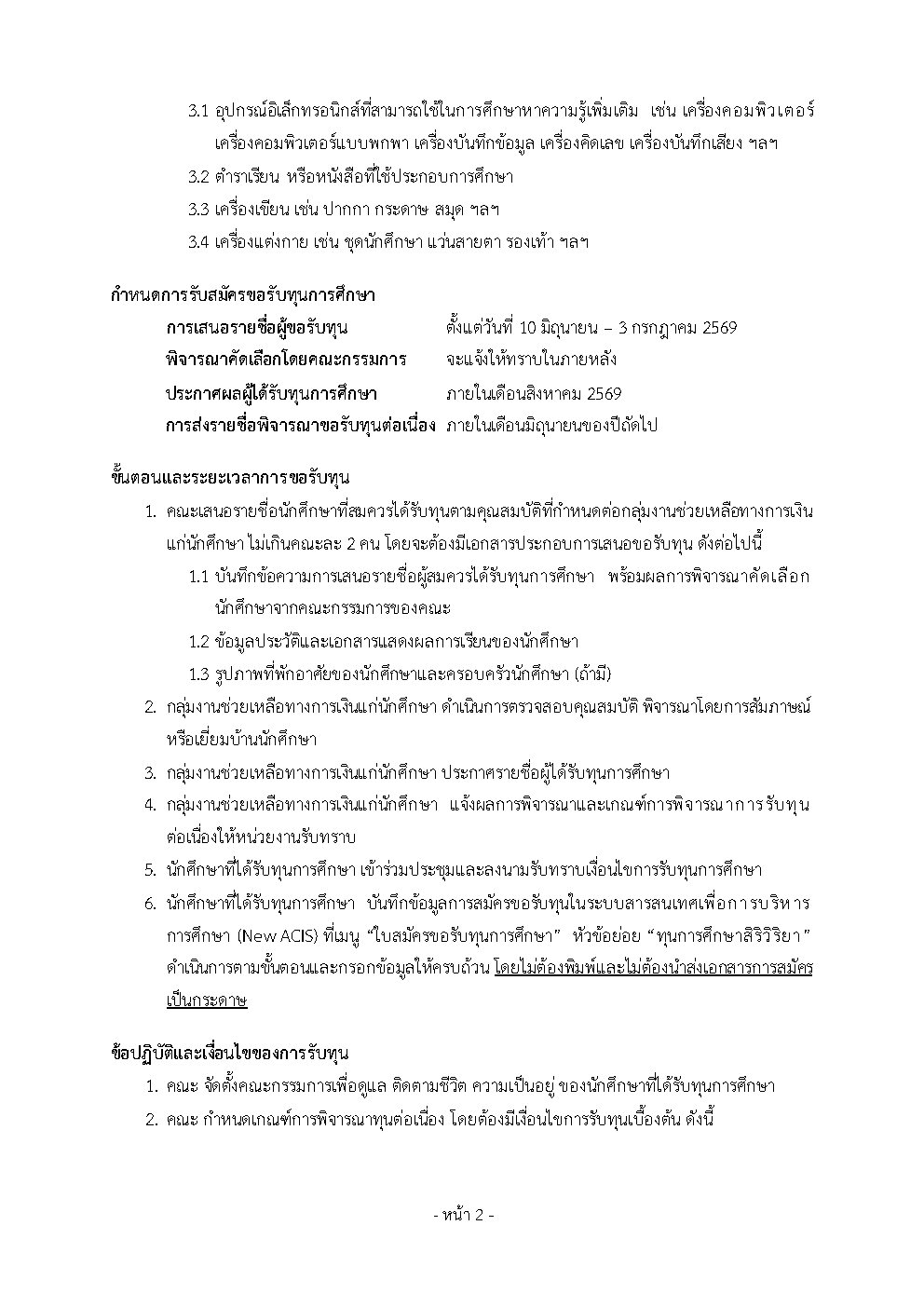
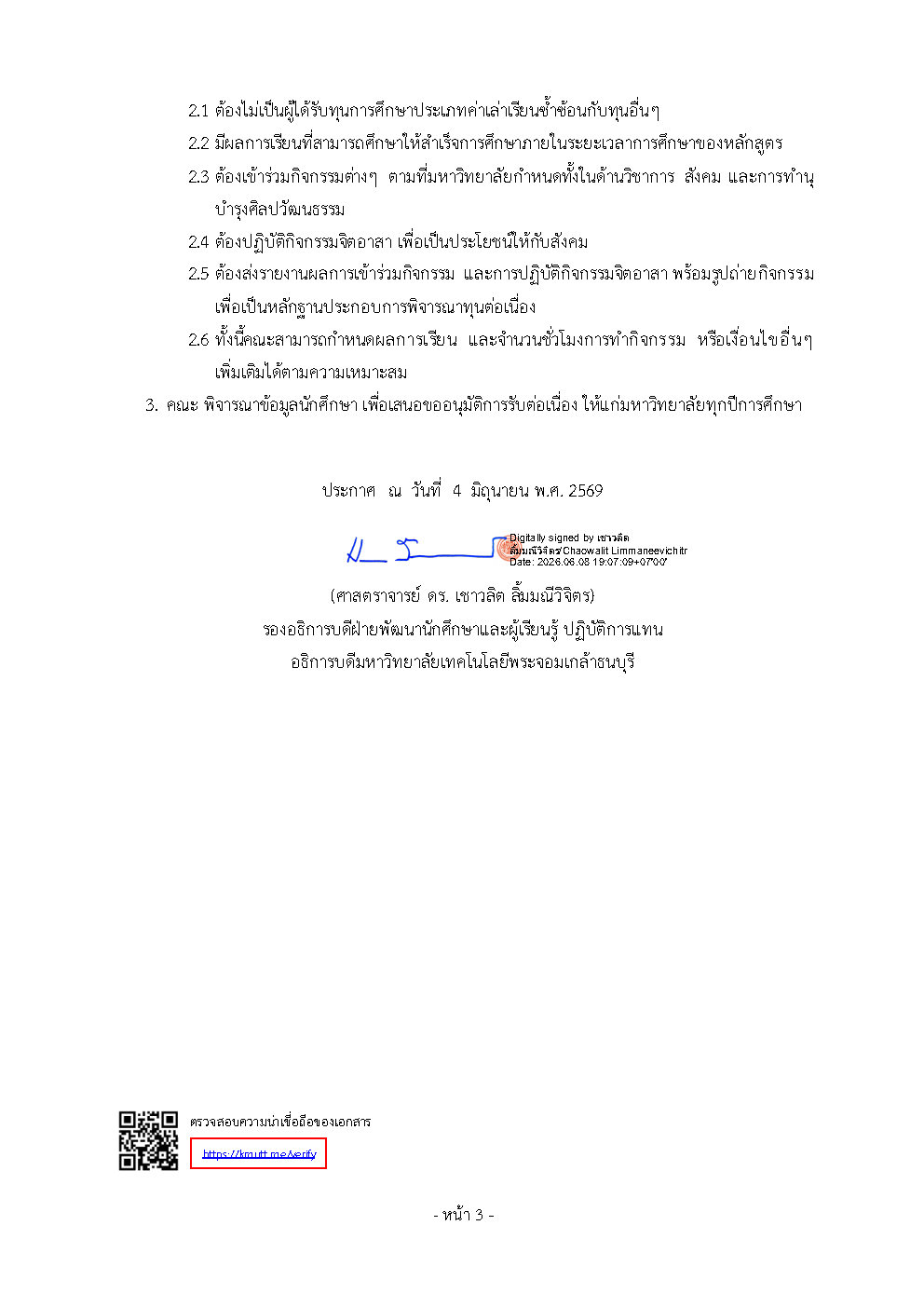
The Siriviriya scholarship creates educational opportunities for resilient students who are diligent, persevering and committed to their studies but lack financial resources or a sponsor, or must work to support themselves. Recipients must be ready and willing to assist university activities and apply their knowledge for the benefit of themselves, their families and the country. Scholarships are considered annually for students already studying at the university, with no more than five awards per academic year, for the programme's prescribed duration and subject to the stated conditions.

Living allowance
THB 6,000per month for 12 months
Educational materials
Up to THB 10,000per academic year
Annual award ceiling
Up to 5continuing students; not an intake quota

Eligibility

  • 5.1 Undergraduate students in years 2–5 of their programme.
  • 5.2 Resilient, diligent and persevering students committed to their studies who lack financial resources; or 5.3 Students who must work to support themselves.
  • 5.4 Good conduct, with no current or previous discreditable behaviour.
  • 5.5 Able to complete the programme within its prescribed duration.
  • 5.6 Ready and willing to assist and support university activities in academic, social, and arts and cultural preservation work.
  • 5.7 Other qualifications specified by the university.

Support provided

  • 7.1 Programme tuition, including credit fees, educational maintenance fees and accident insurance.
  • 7.2 Living allowance of THB 6,000 per month for 12 months.
  • 7.3 Educational materials, up to THB 10,000 per academic year, for the following expenses:

Eligible expenses include:

  • Electronic equipment for learning, such as computers, portable computers (Tablet PCs), data-storage devices, calculators and audio recorders, etc.;
  • textbooks and other books used for study;
  • stationery, such as pens, paper and notebooks; and
  • clothing and personal items, such as clothes, prescription glasses and shoes.
Original Siriviriya announcement · 3 pages
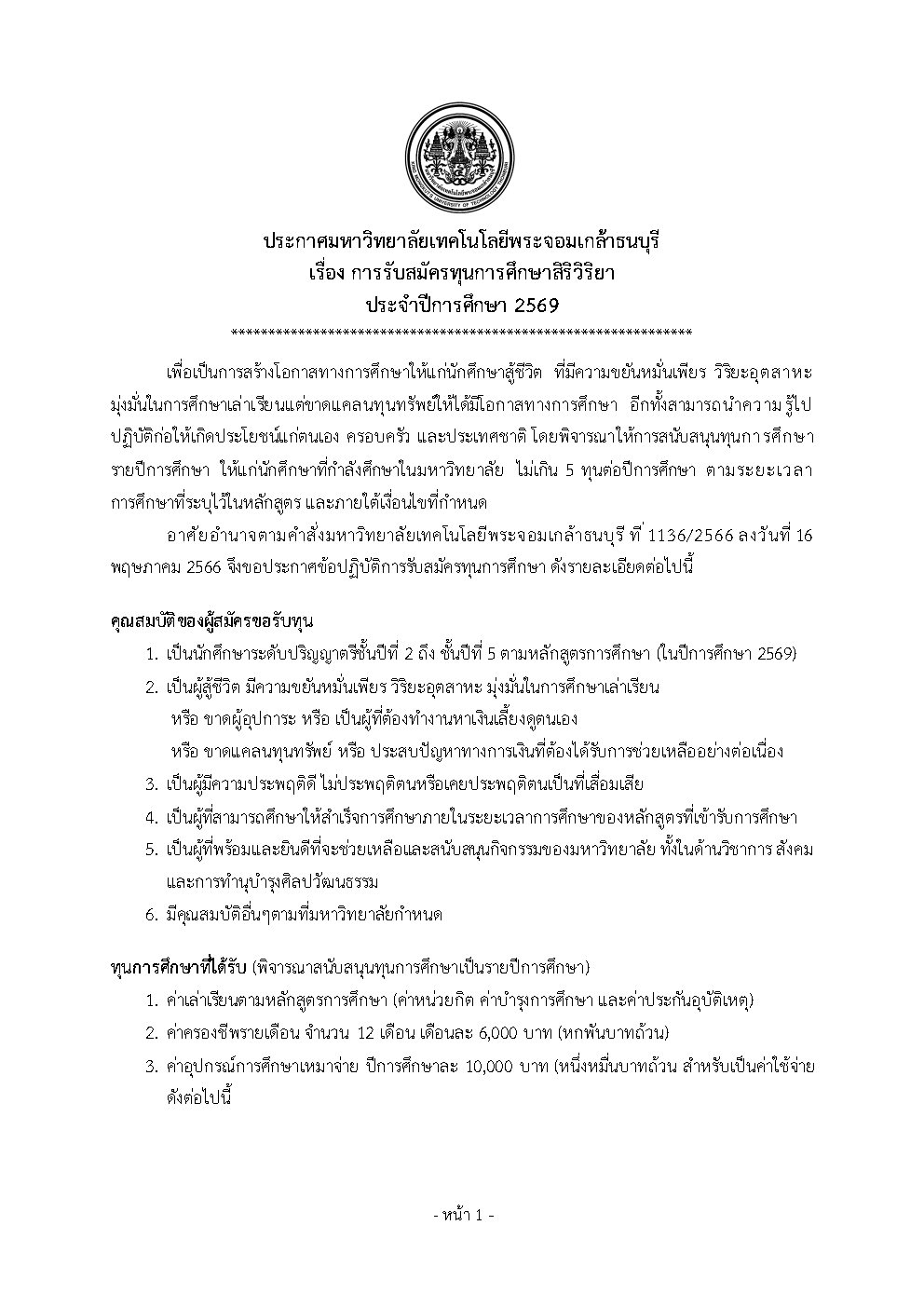
Original policy page 1. Original Siriviriya scholarship announcement supplied by KMUTT.
Original policy page 2. Original Siriviriya scholarship announcement supplied by KMUTT.
Original policy page 3. Original Siriviriya scholarship announcement supplied by KMUTT.

Original Siriviriya scholarship announcement supplied by KMUTT.

Thammaraksa scholarship

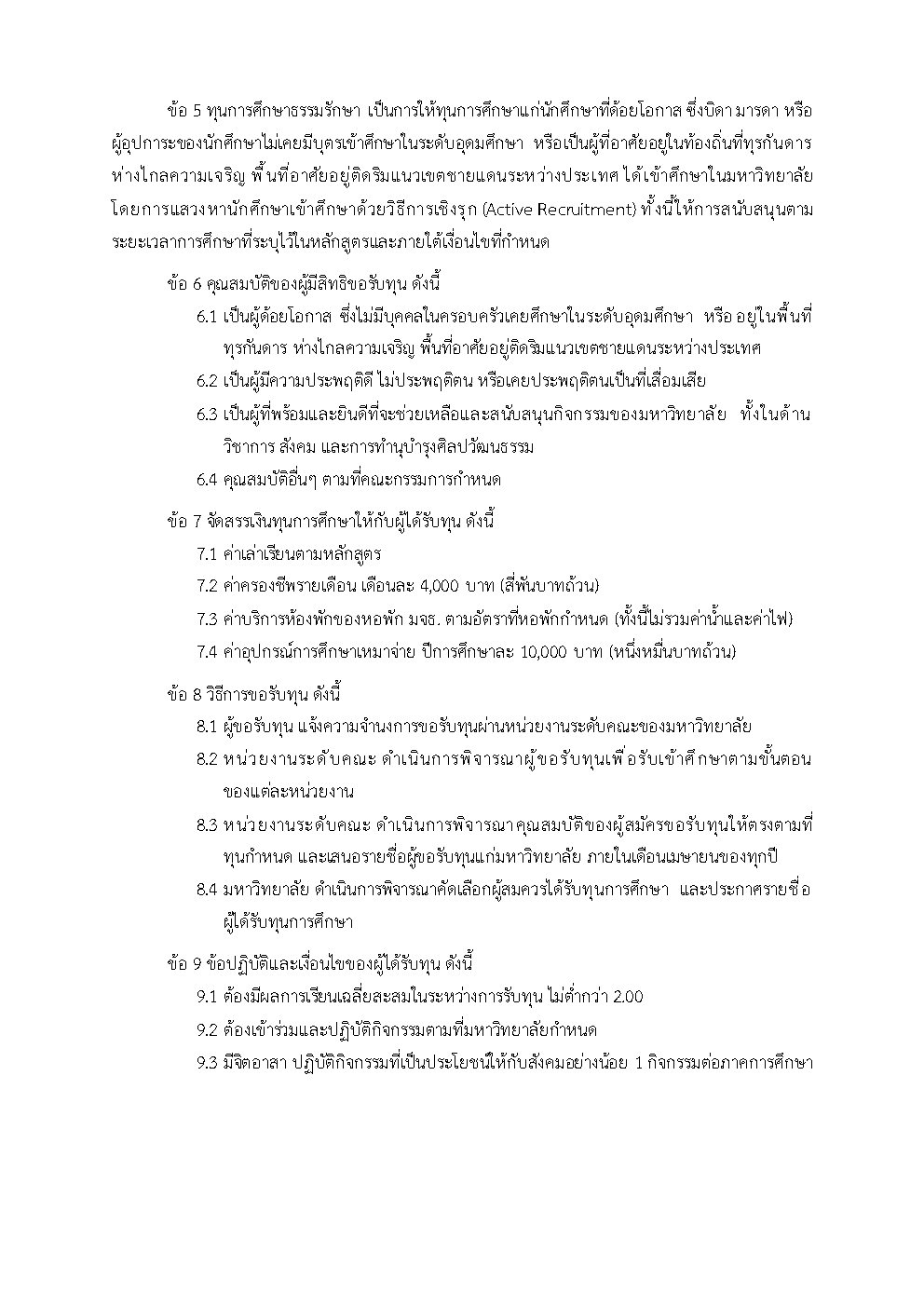
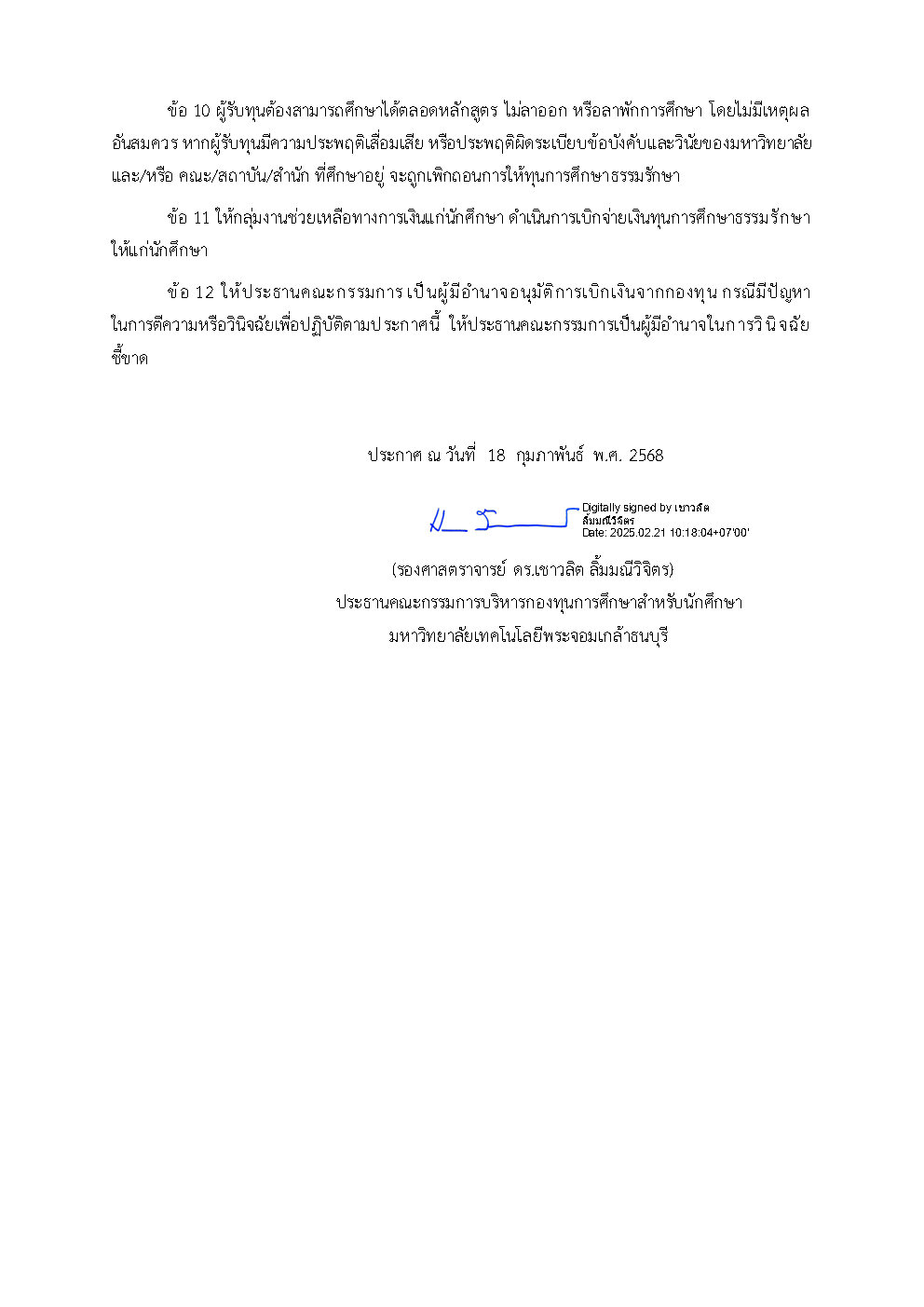
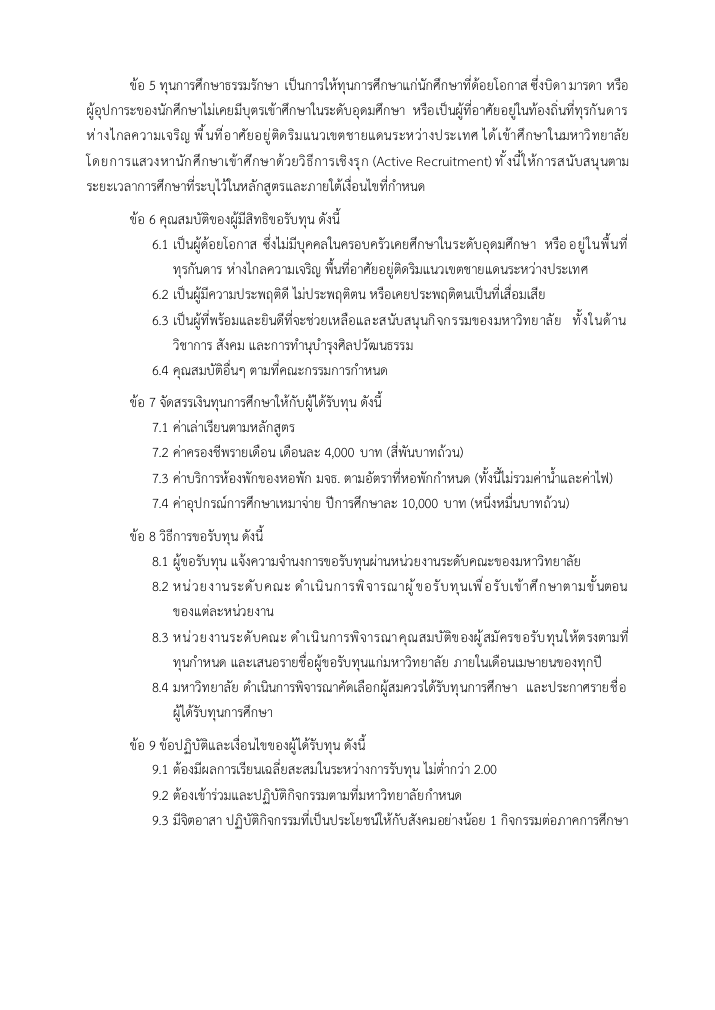
The Thammaraksa scholarship expands educational opportunities for disadvantaged families whose parents or guardians have never had a child enter higher education, or who live in remote and underserved locations, including areas along international borders. It enables students to study at the university and become an important force for developing their home communities after graduation.

Living allowance
THB 4,000per month
Educational materials
THB 10,000lump sum per academic year
Accommodation
Dormitory chargesat prescribed rates; utilities excluded

Eligibility

  • 6.1 Disadvantaged applicants with no family member who has previously studied in higher education, or applicants living in remote, underserved areas or along international borders.
  • 6.2 Good conduct, with no current or previous discreditable behaviour.
  • 6.3 Ready and willing to assist and support university activities in academic, social, and arts and cultural preservation work.
  • 6.4 Other qualifications specified by the committee.

Support provided

  • 7.1 Programme tuition.
  • 7.2 Living allowance of THB 4,000 per month.
  • 7.3 KMUTT dormitory room charges at the dormitory's prescribed rates, excluding water and electricity charges.
  • 7.4 A lump-sum educational materials allowance of THB 10,000 per academic year.
Original Thammaraksa policy · 18 February 2025 · 3 pages
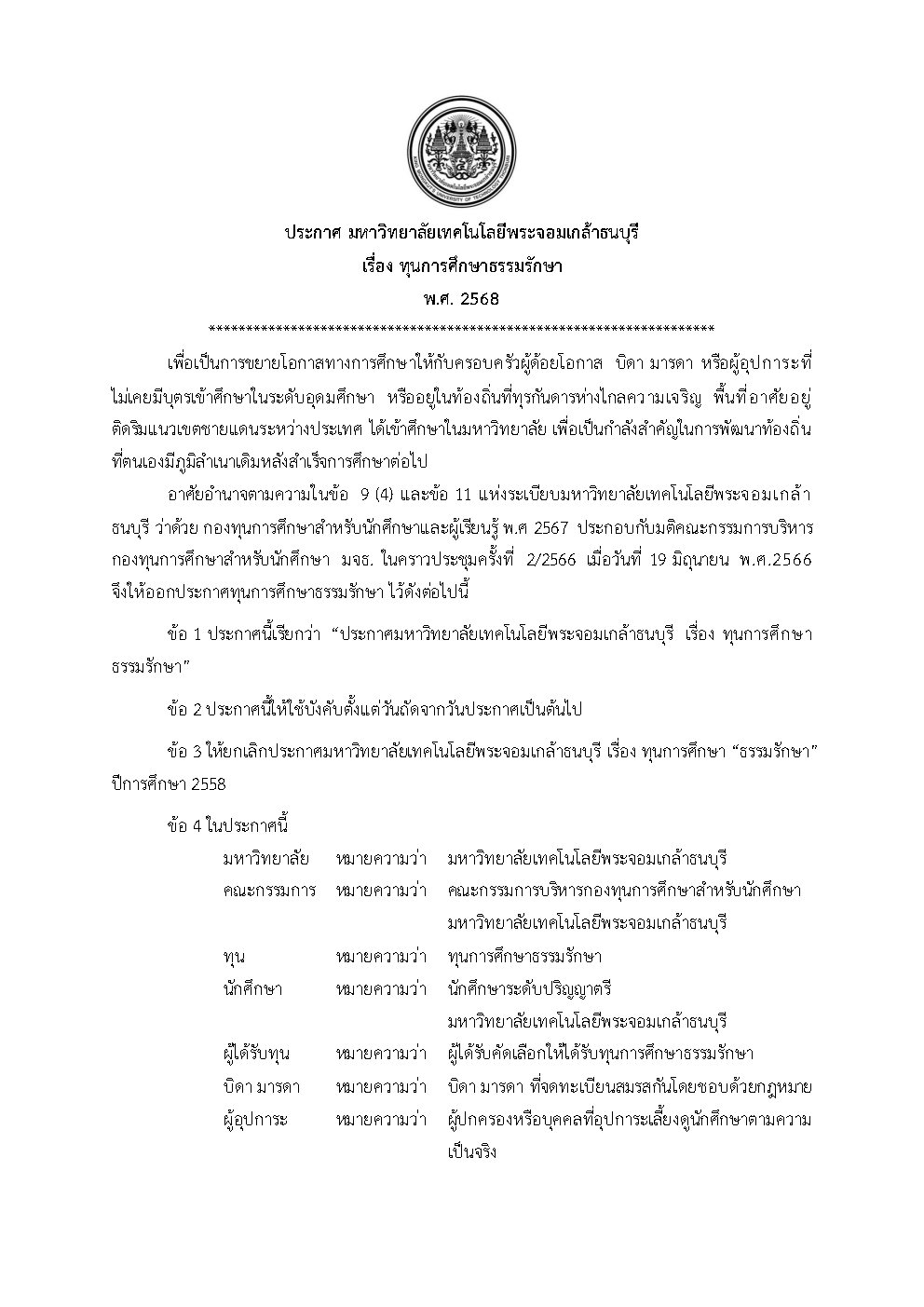
Original policy page 1. Original Thammaraksa or emergency-assistance policy documentation supplied by KMUTT.
Original policy page 2. Original Thammaraksa or emergency-assistance policy documentation supplied by KMUTT.
Original policy page 3. Original Thammaraksa or emergency-assistance policy documentation supplied by KMUTT.

Original Thammaraksa or emergency-assistance policy documentation supplied by KMUTT.

Disaster assistance

Scholarship assistance is available to students whose families experience disasters such as fire, flooding or windstorms. Accidents involving loss of life or bodily injury covered by the student accident insurance conditions are excluded. The university allocates no more than THB 5,000, according to necessity and appropriateness.

Original disaster-assistance policy · B.E. 2553 / 2010
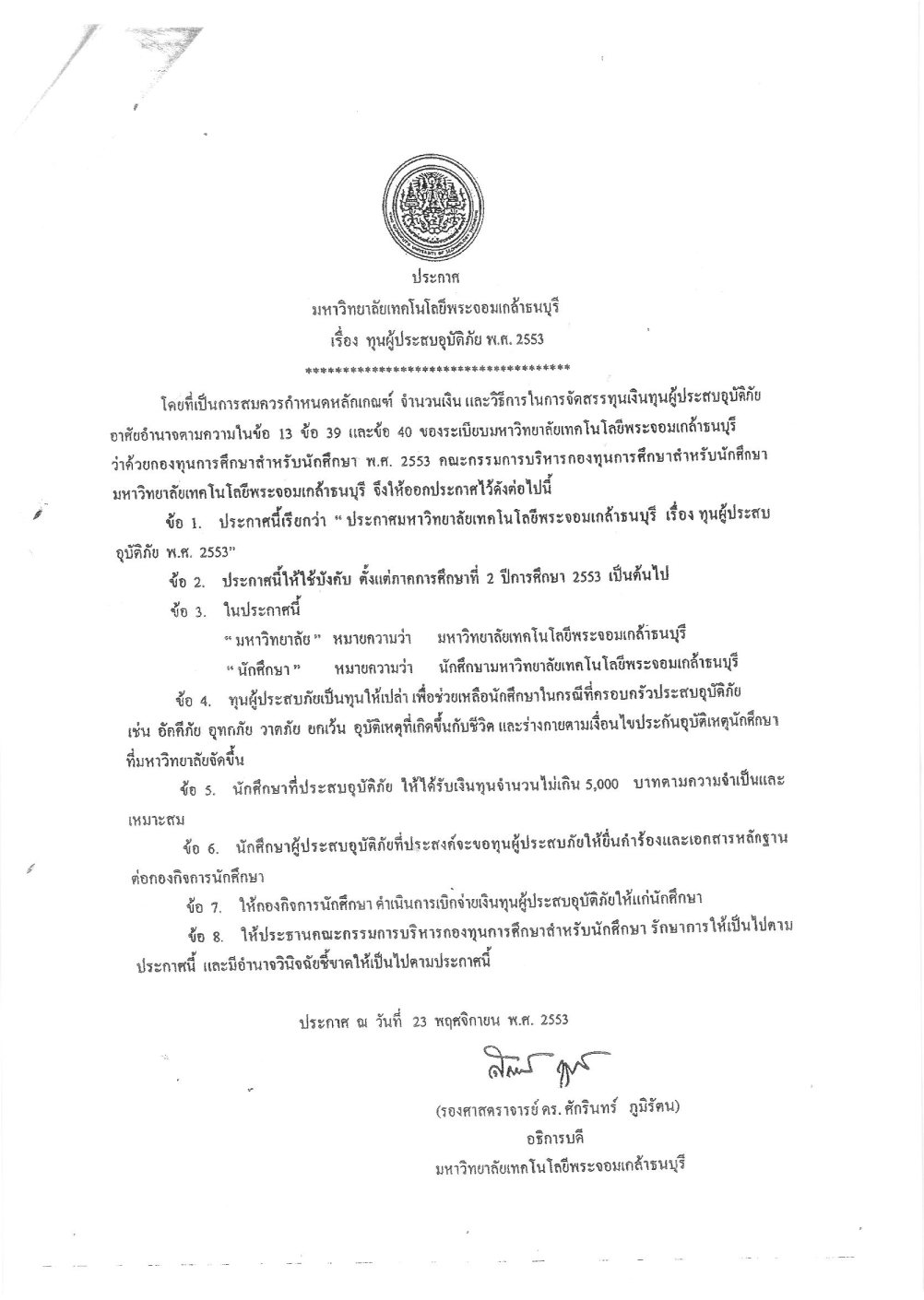
Original policy page 1. Original Thammaraksa or emergency-assistance policy documentation supplied by KMUTT.

Original Thammaraksa or emergency-assistance policy documentation supplied by KMUTT.

Non-repayable donor scholarships

Non-repayable scholarships are provided by agencies, organisations, companies and charitable donors to students who meet donor conditions, such as financial need, good academic performance and good conduct. Each academic year the university receives donations for more than 200 scholarships, including awards that continue until programme completion and awards reconsidered annually.
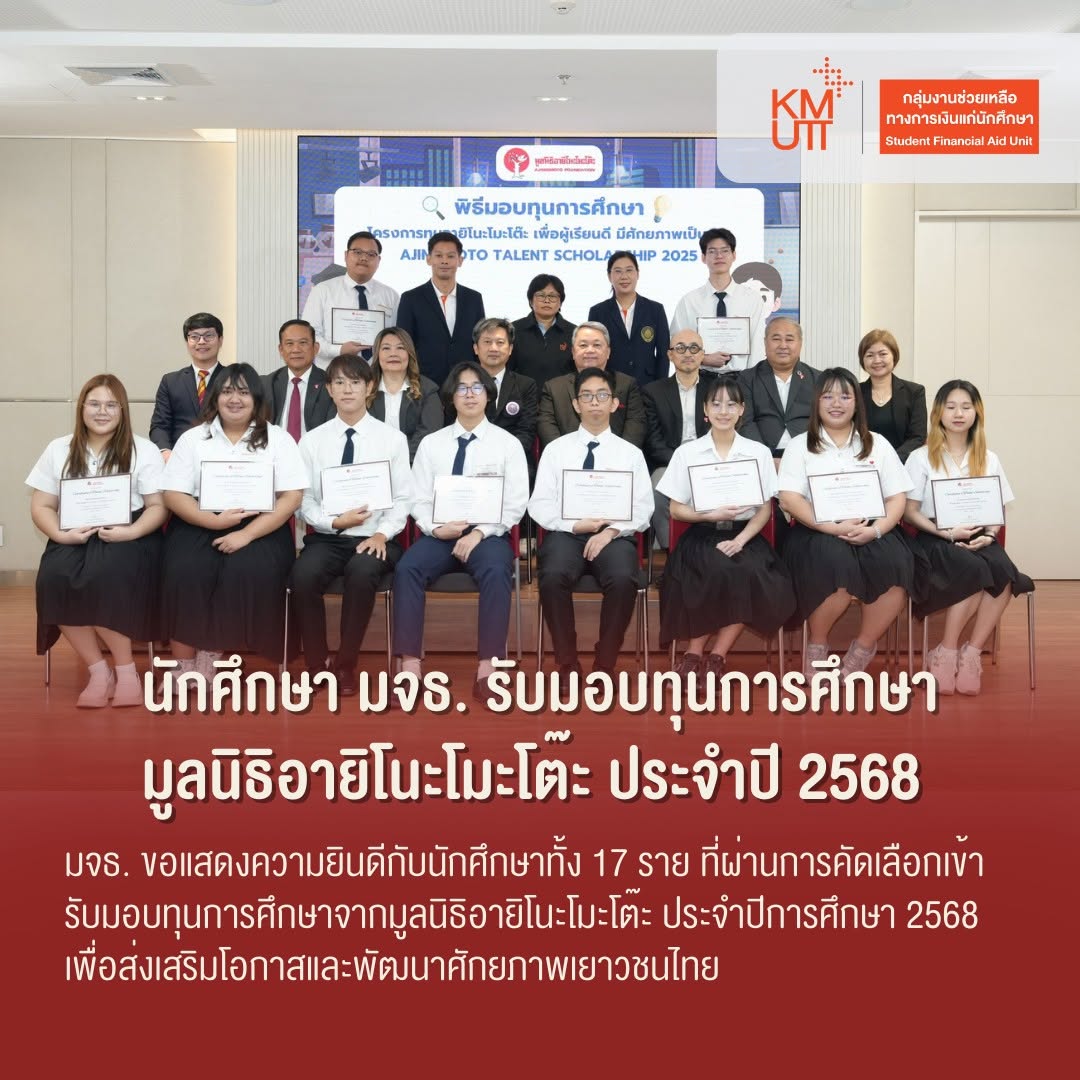
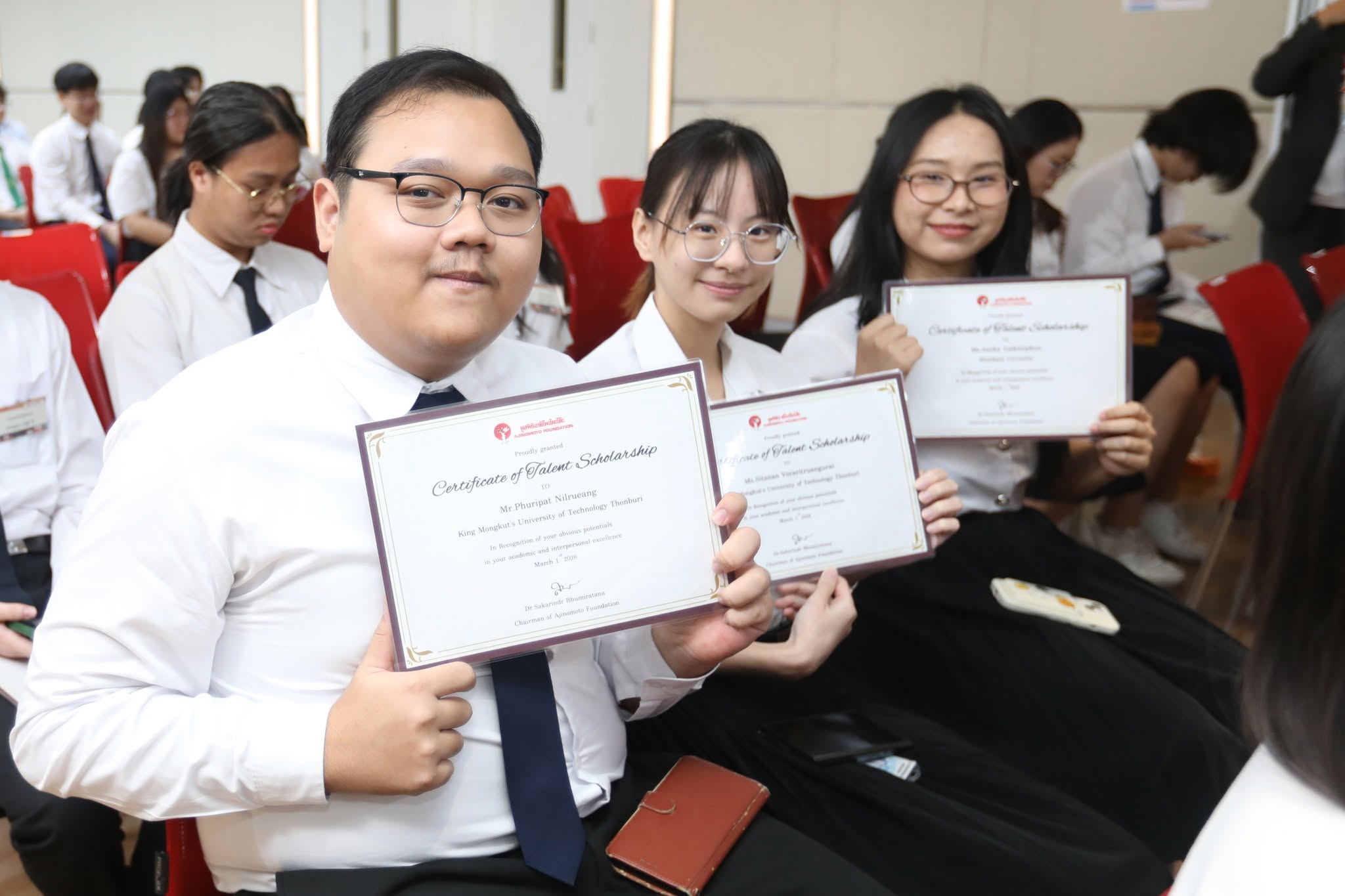
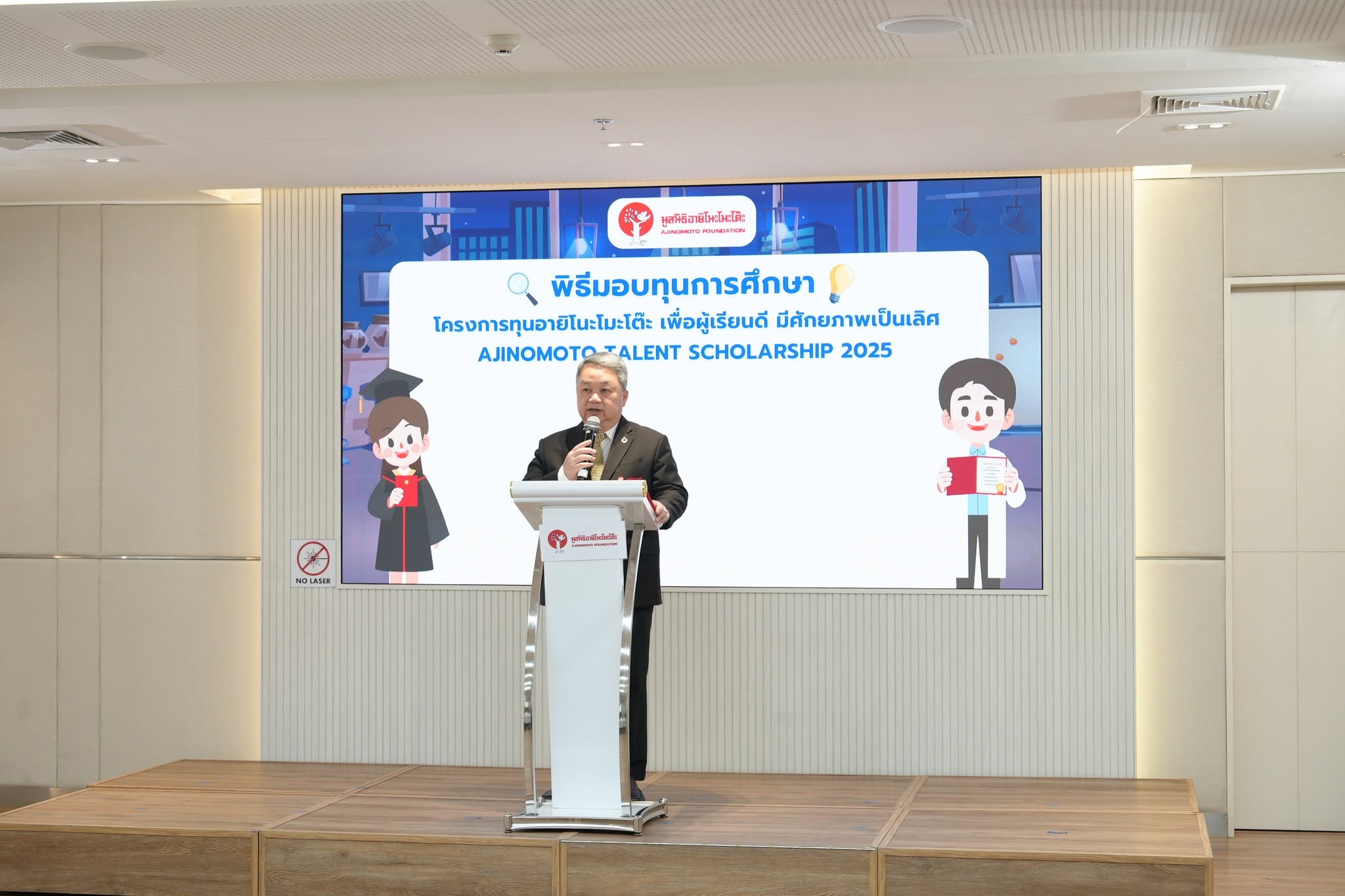
Ajinomoto scholarship artwork for B.E. 2568 / 2025. The supplied artwork names 17 KMUTT students who passed selection; it is not an admission total. Original institutional scholarship activity or financial-aid summary graphic. Figures and period labels are retained unchanged.

Institutional scholarship activities
Original institutional scholarship activity or financial-aid summary graphic. Figures and period labels are retained unchanged.
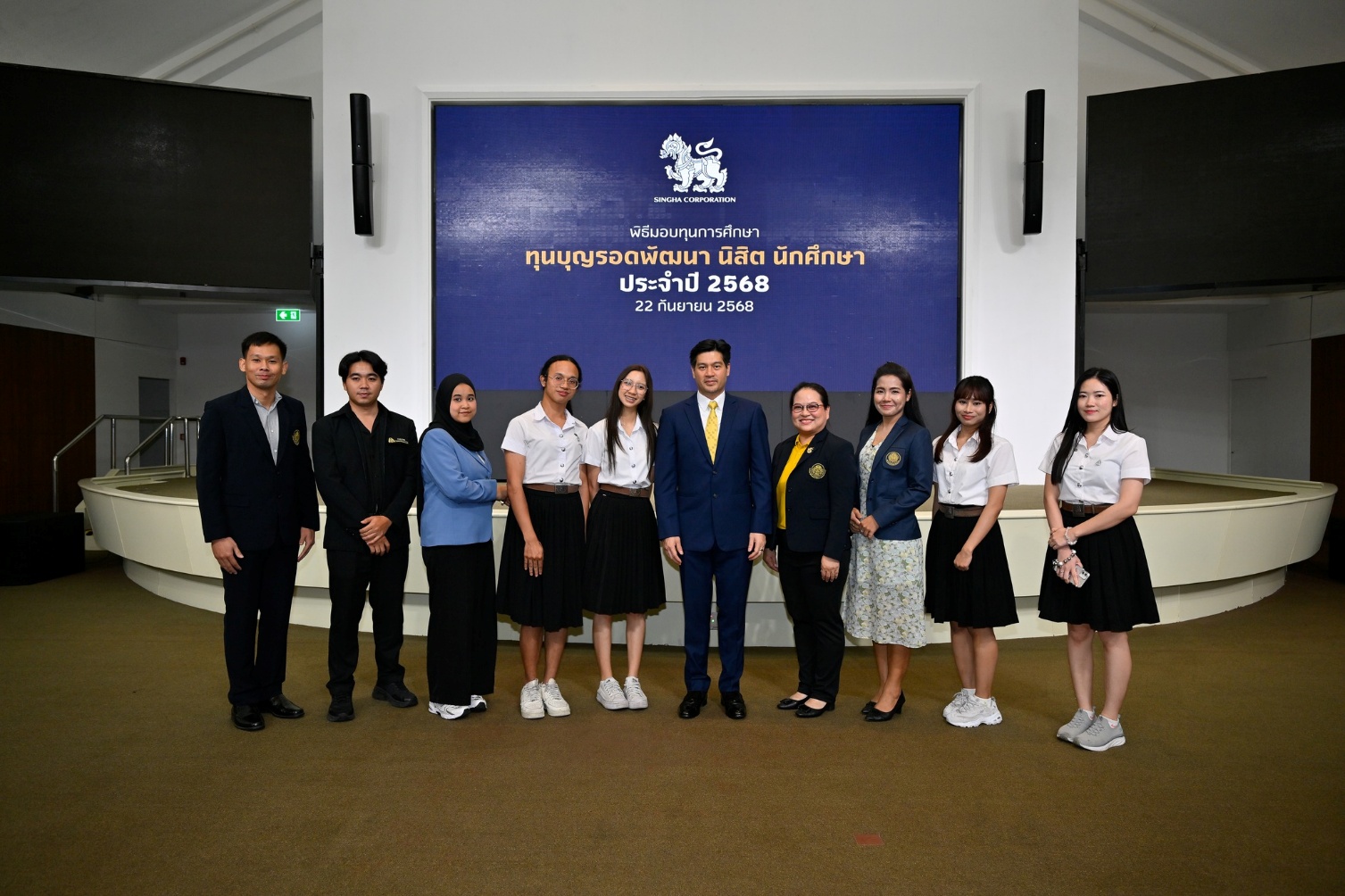
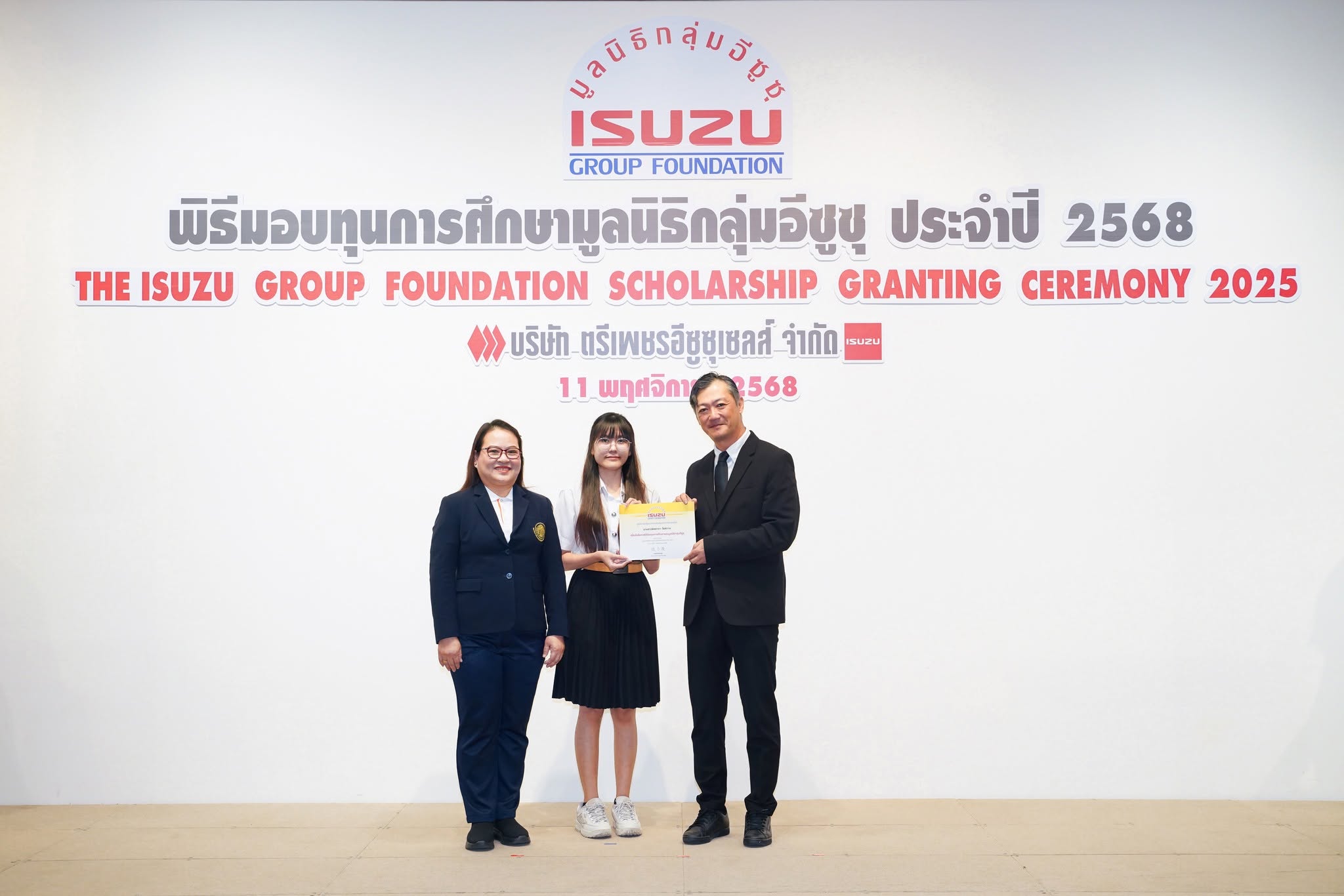
Original institutional scholarship activity or financial-aid summary graphic. Figures and period labels are retained unchanged.
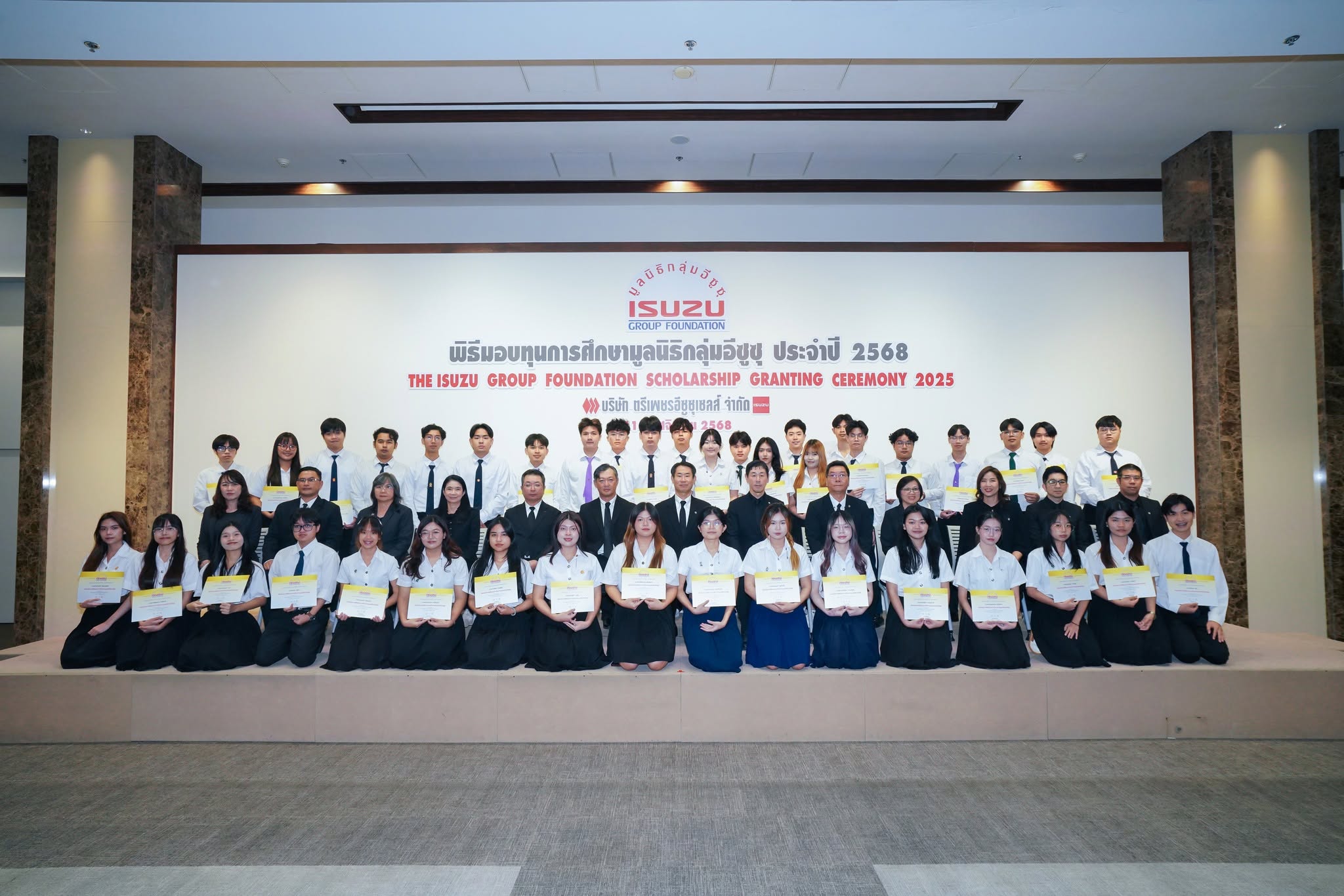
Bursary support: keep the reported records distinct

In financial year B.E. 2568 / 2025, the university allocated bursaries to help, promote and support students experiencing financial hardship and limited educational opportunities, helping them prepare for their studies. The supplied institutional narrative reports a total of 2,987 awards (persons), amounting to THB 150.63 million.

Supplied financial-year narrative
2,987awards (persons), FY B.E. 2568 / 2025
Supplied financial-year amount
THB 150.63mbursary assistance; original narrative

2025 annual graphic: financial support

The separate 2025 annual financial-aid graphic reports 4,297 bursary awards (persons) and THB 179.42 million. These differ from the supplied financial-year narrative above. The two records are retained with their original labels; no reconciliation, common denominator or unique-person count is inferred. The graphic also covers research, service and other support programmes.

ScholarshipTHB 133.73m

BursaryTHB 179.42m

Transcribed from the financial-support panel of the supplied 2025 annual graphic
Support categoryStudy levelAwards (persons)THB million
ScholarshipUndergraduate2,37944.54
ScholarshipGraduate45989.19
Scholarship totalAll levels2,838133.73
BursaryUndergraduate3,962160.23
BursaryGraduate33519.19
Bursary totalAll levels4,297179.42
Combined totalAll levels7,135313.15
Original annual summary · includes wider institutional activities
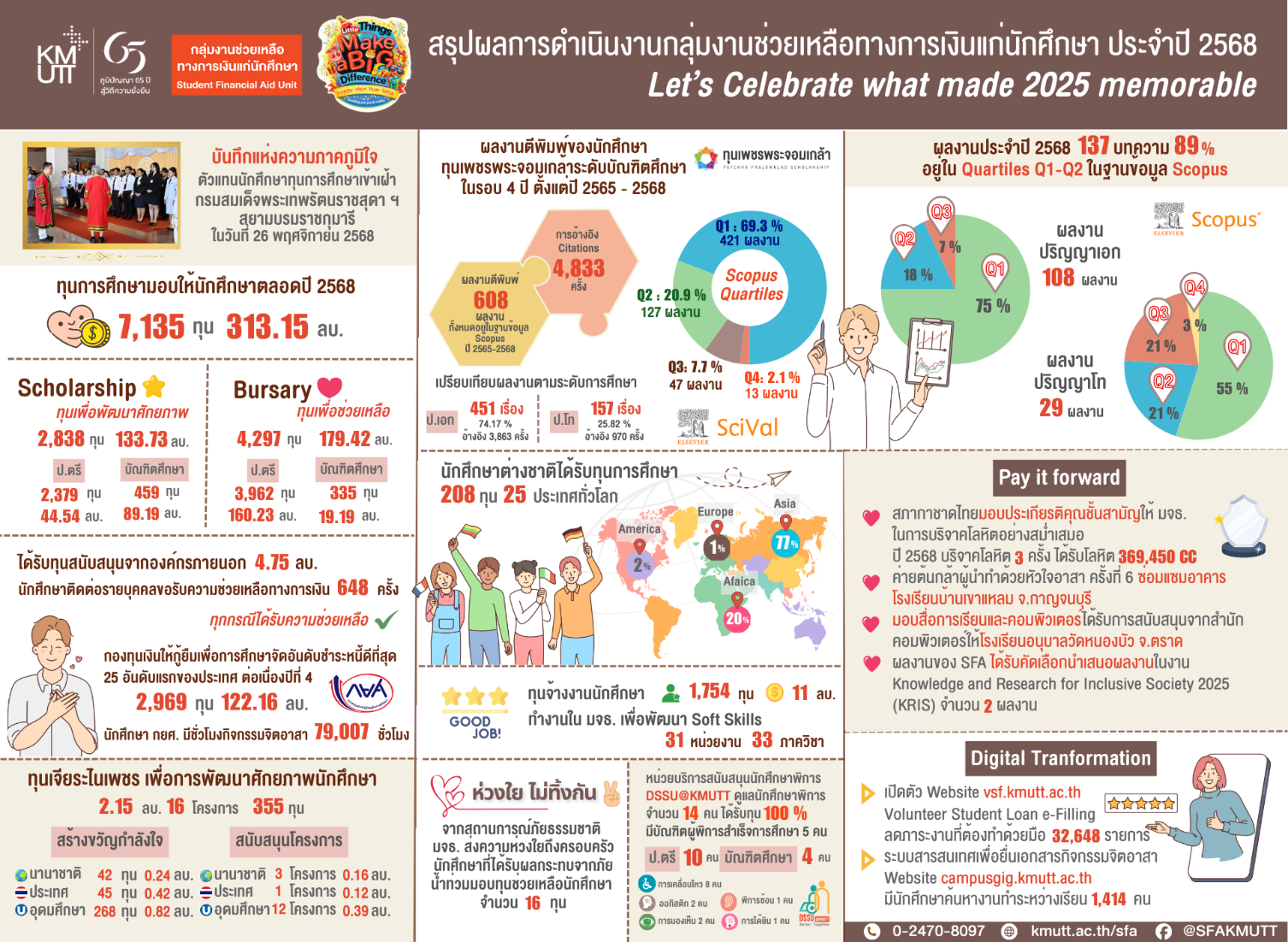
Original institutional scholarship activity or financial-aid summary graphic. Figures and period labels are retained unchanged.

2. Bottom financial quintile student success

KMUTT supports financially disadvantaged students to remain in education and complete their degree programmes. The 2026 Siriviriya announcement sets an explicit completion requirement for eligible recipients and requires annual continuation review. A dated 2025 continuing-scholarship award demonstrates financial assistance intended to last through graduation. These measures supplement the original institutional scholarship and graduate-status records reproduced below.
A completion objective with annual follow-up

Living allowance
THB 6,000monthly for 12 months
Educational materials
THB 10,000annually, as stated in the 2026 announcement
Annual scholarship ceiling
5 awardscapacity; not a graduation-rate percentage

The Siriviriya scholarship announcement dated 4 June 2026 covers eligible undergraduates in years 2–5 who experience financial disadvantage or lack adequate support. Applicants must be capable of completing the degree within the prescribed programme duration. The annual ceiling is five scholarships. The award includes tuition, THB 6,000 monthly for 12 months and THB 10,000 annually for educational materials.

Faculties must establish a committee to monitor recipients’ living circumstances and define continuation requirements. Academic results must indicate that completion within the curriculum duration remains feasible. Faculties review recipients for continued support each academic year; students also submit activity and volunteering records. This provides an individual completion objective linked to continuing financial support and follow up. The five-award ceiling describes scholarship capacity, rather than a graduation-rate percentage.

Complete within programme duration

Academic results must show that timely completion remains feasible.

Review continued support annually

Faculty committees monitor living circumstances and continuation requirements.

Record participation and service

Recipients submit activity and volunteering records alongside the annual review.

Continuing scholarships awarded in October 2025

Award ceremony
14 October 2025academic year B.E. 2568
Scholarships presented
5 awardscontinuing until programme completion
Total funding
THB 100,000awards with no binding obligations

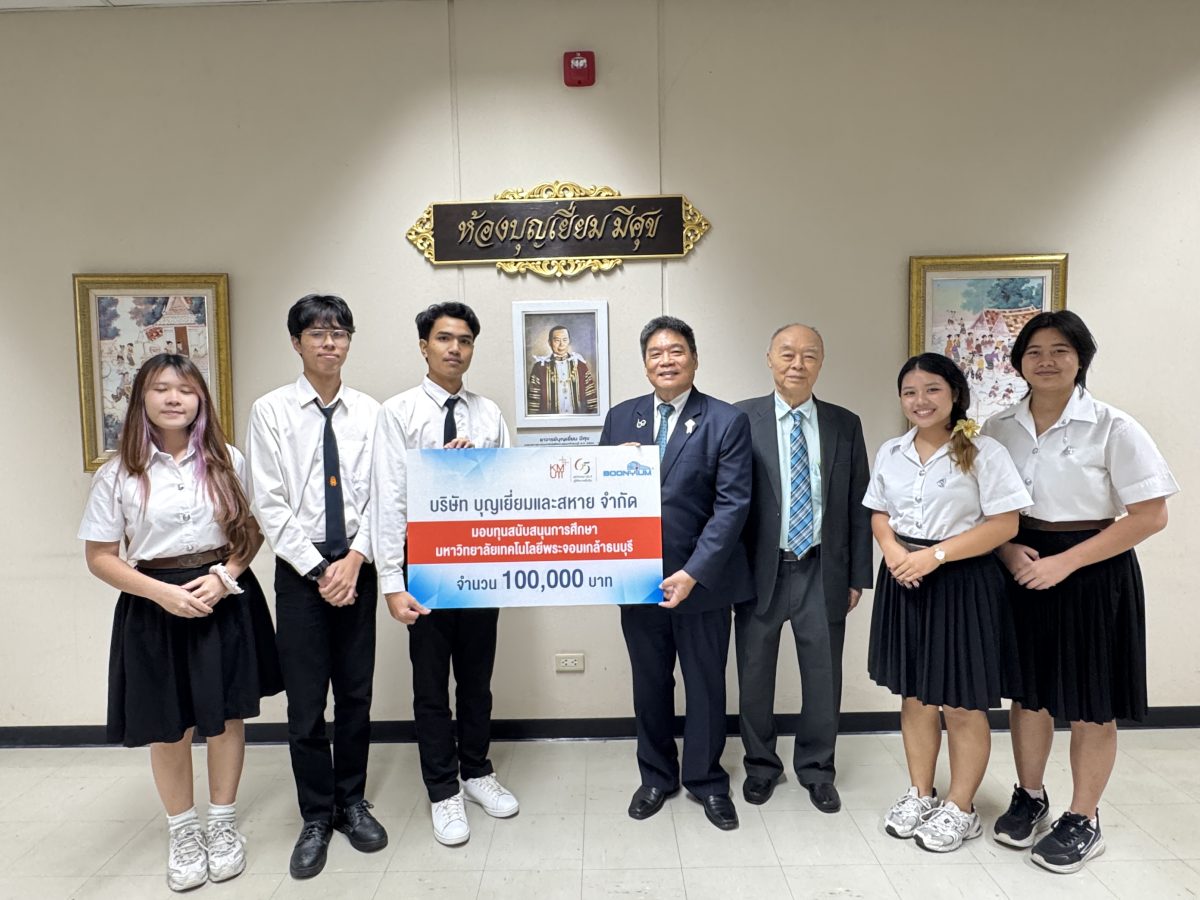
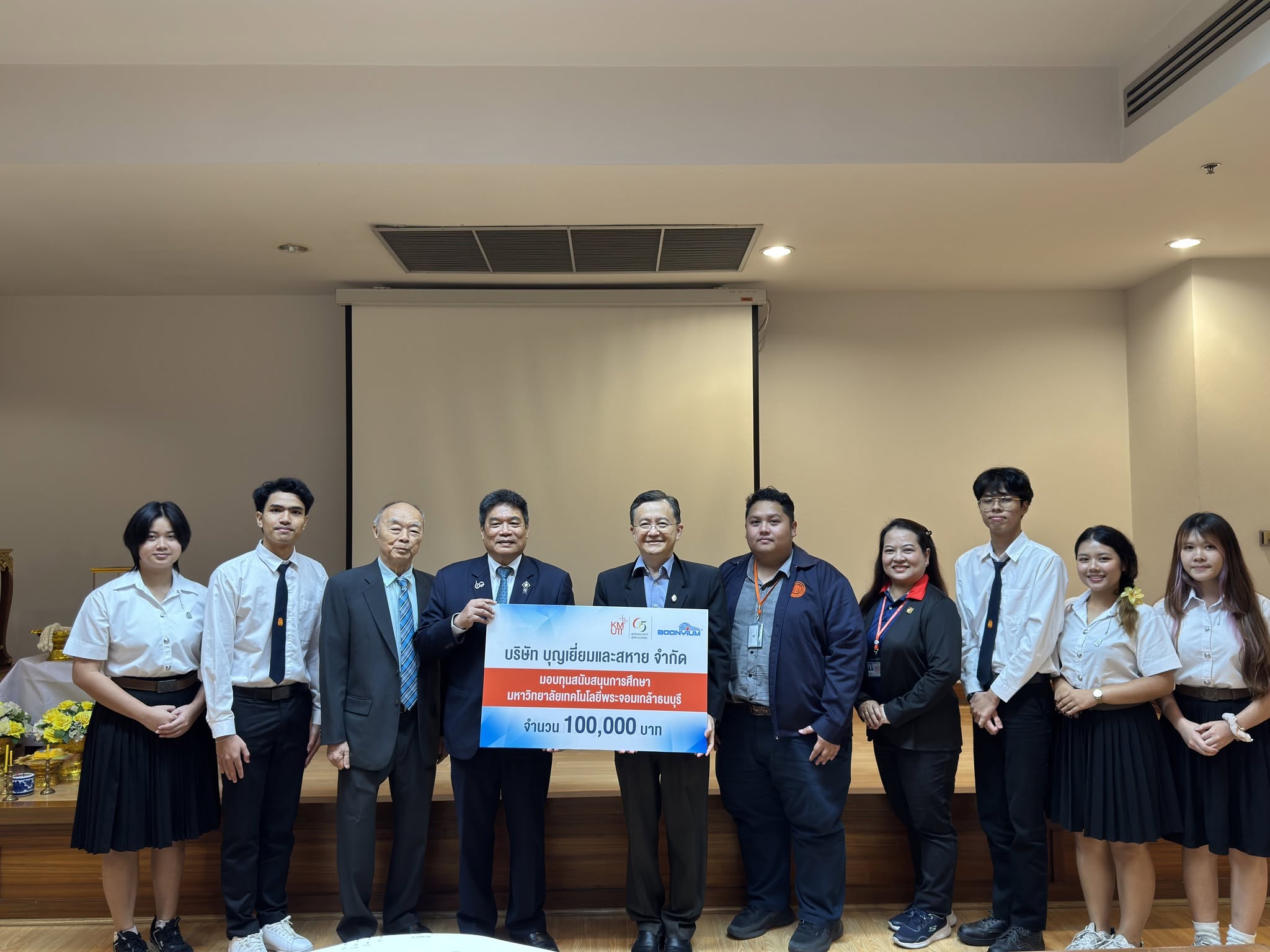
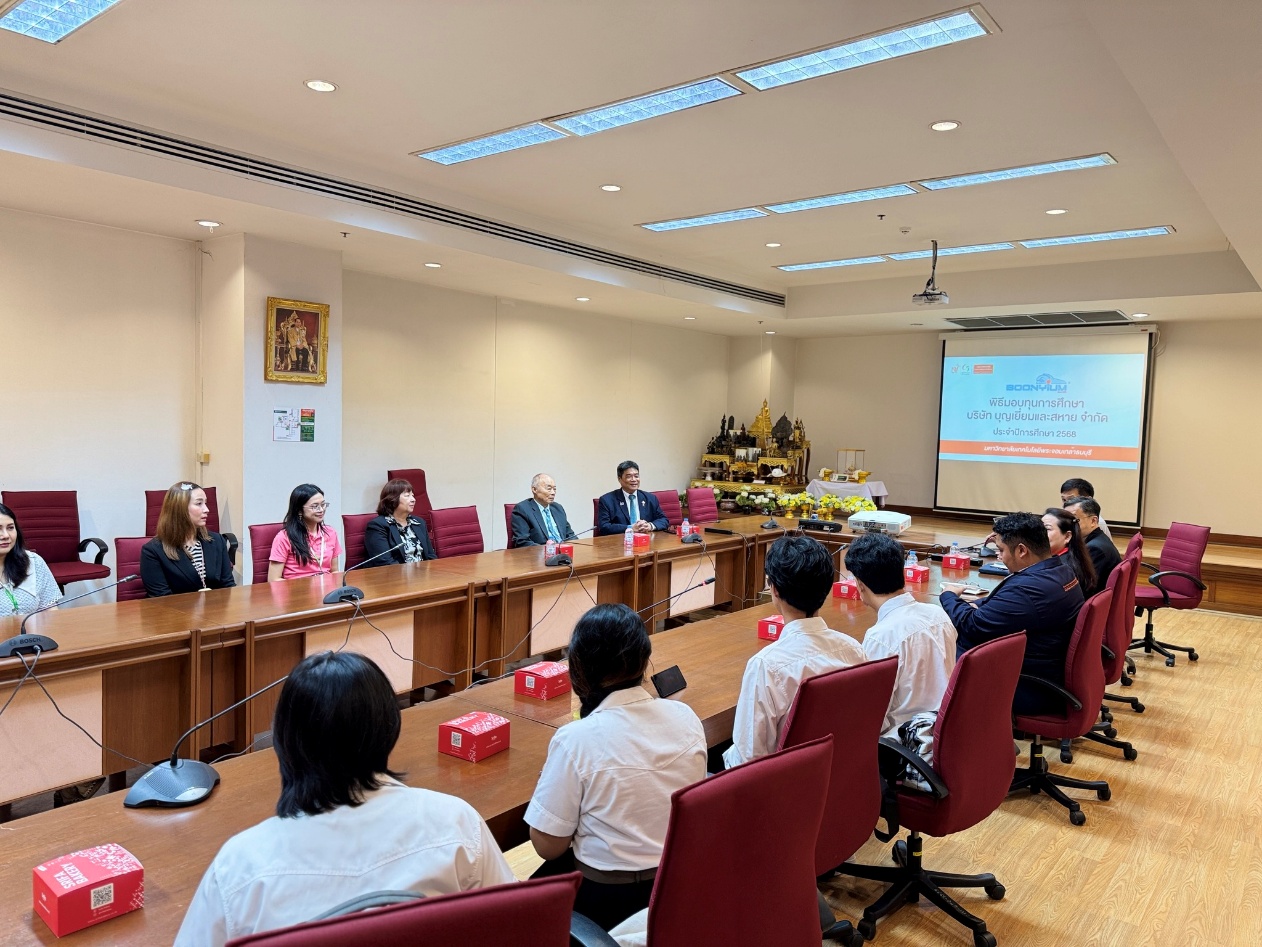
On 14 October 2025, Boonyium and Associates Co., Ltd. presented five scholarships totalling THB 100,000 for academic year B.E. 2568. The grants carried no binding obligations and were described as continuing until completion of the degree programme. The donor targeted determined students with good academic performance who lacked financial resources, and offered internship opportunities according to the university timetable. KMUTT Student Financial Aid Unit participated in the award ceremony at the university library.
Official KMUTT photograph of the continuing-scholarship presentation on 14 October 2025.
Interpreting completion and scholarship records

Record / Interpretation

Siriviriya academic progress requirement
An individual objective to complete within the prescribed programme duration, with annual continuation review.
Five continuing awards and THB 100,000 in 2025
Support awarded to financially disadvantaged students; these are award counts and funding, rather than completed degrees.
Academic year 2025 student-status table
Institutional student-status record across the named scholarship and loan categories; not an income-cohort graduation rate.
Fiscal year 2025 funding totals
Fiscal-year scholarship allocation figures describe support allocations, not completed degrees.

Financial need is stated in the eligibility and award descriptions. Scholarship participation alone is not used to assign a nationally measured bottom-income quintile, and examples of merit-scholarship graduates are not treated as a measured poverty-cohort graduation rate. The supplied historical outcome table remains available for its actual scope.

Institutional support in fiscal year 2025

The University maintains a policy to support scholarships for both undergraduate and graduate students to ensure they receive educational opportunities. This policy is primarily focused on assisting students facing financial difficulties that could be an obstacle to their studies. Therefore, the University allocates various types of scholarships to support its students, including general scholarships and specific funds specially created by the University with the goal of developing excellent and virtuous individuals in line with the institutional vision.

For Fiscal Year 2025, the University allocated a total of 7,135 scholarships (persons), amounting to 313.15 Million Baht, to help promote and support students and ensure their readiness for studies.

Fiscal year 2025 allocation
7,135scholarships (persons), as reported
Fiscal year 2025 funding
THB 313.15mscholarships and bursaries combined

This total is divided into:

Student potential development

Scholarship for Student Potential Development (Scholarship): A total of 2,838 scholarships (persons), amounting to 133.73 Million Baht.

Undergraduate Level: 2,379 scholarships (persons), 44.54 Million Baht.

Graduate Level: 459 scholarships (persons), 89.19 Million Baht.

Educational opportunity and financial distress

Scholarship for Creating Educational Opportunities, Fostering Virtuous Individuals, and Assisting Students in Financial Distress (Bursary): A total of 4,297 scholarships (persons), amounting to 179.42 Million Baht.

Undergraduate Level: 3,962 scholarships (persons), 160.23 Million Baht.

Graduate Level: 335 scholarships (persons), 19.19 Million Baht.

Student-status record · academic year 2025

Blank cells and “–” reproduce the corrected record and are not replaced with zero. The columns retain their original meanings. This mixed scholarship-and-loan record is not a measured bottom-income-quintile graduation rate.

Number of Graduates Who Received Scholarships · Academic Year 2025
Academic YearAcademic Year 2025
Undergraduate LevelCurrent StatusGraduatedOthers
Scholarships for Developing Excellent and Virtuous Individuals in line with the Vision
Multi-intellectuals Scholarship161
THE PETCHRA PRA JOM KLAO Scholarship14311
Gem Polishing Scholarship347–
"KMUTT 50th Anniversary: 50 Scholarships for Developing Excellent and Virtuous Individuals"11––
Kitisak Ploypanichcharoen Scholarship1––
Sae-Luang Rueang-Rung Scholarship19––
Student Potential Development Project Scholarship–––
KMUTT International Scholarship Program (KISP)24––
Government Loan Funds
SLF (Student Loan Fund) Loan (Category 1)717–1
SLF (Student Loan Fund) Loan NEW (Category 2)2398–1
SLF (Student Loan Fund) Loan (Category 3)1––
SLF (Student Loan Fund) Loan (Category 4)–––
Income Fund Scholarships (Education Fund)
Student Support Scholarship–––
Thamma Raksa Scholarship18––
Student Employment Scholarship, Research Assistant Employment Scholarship (Referring to the REAL Scholarship)2––
Student Subsidy Scholarship18––
Disaster Victim Scholarship6––
Siri Wiriya Scholarship8––
External Grants
Faculty Revenue and External Funding Sources
Graduate Level
Scholarships for Developing Excellent and Virtuous Individuals in line with the Vision
Multi-intellectual Scholarship117–
The Greater Mekong Sub-region Country Scholarship (GMS)3––
KMUTT International Scholarship Program (KISP)15––
THE PETCHRA PRA JOM KLAO Master’s Scholarship79––
THE PETCHRA PRA JOM KLAO Doctoral Scholarship142–10
THE PETCHRA PRA JOM KLAO Scholarship (Research Promotion/Incentive)–––
THE PETCHRA PRA JOM KLAO Scholarship (KMUTT – NSTDA)2–2
Thailand Advanced Institute of Science and Technology (TAIST-Tokyo Tech) Scholarship9––
Rukkhaphitthayaphat Scholarship (Graduate Level)2––
General Scholarships
Scholarships from External Funding/Faculty Allocation–––
Teaching Assistant (TA) Scholarship–––
Research Assistant (RA) Scholarship–––
Total3,6791615

The original Siri Wiriya completion objective

The Siri Wiriya Scholarship is an exclusive KMUTT fund established to create educational opportunities for undergraduate students (Year 2 and above).
Core Objective: To provide long-term financial support (up to 5 scholarships annually for the remainder of the program) to diligent, hardworking, and resilient students who are self-supporting but lack financial resources. The ultimate goal is to enable these students to successfully complete their studies and contribute their knowledge to the development of their family and the nation.

https://www.kmutt.ac.th/sfa/list-scholarships/

Announcement of King Mongkut’s University of Technology Thonburi · Siri Wiriya Scholarship

The original policy pages below are dated 5 November 2020 and take effect from academic year 2021. They remain a historical record; the separate 4 June 2026 announcement is linked in Sources.

Original historical Siri Wiriya policy · 3 pages
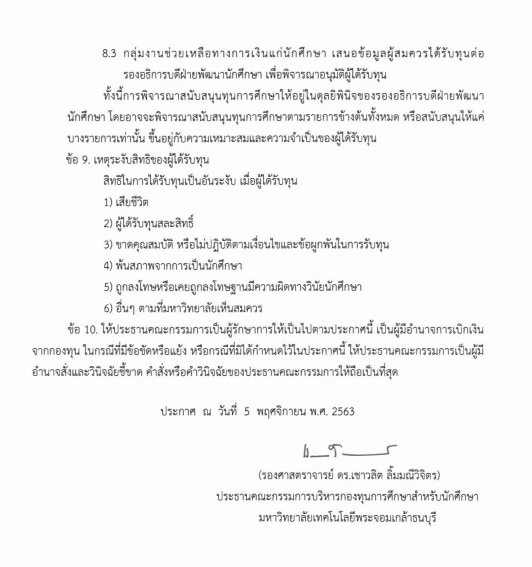
Original policy page 1. Original institutional policy, scholarship activity or graduate-achievement image. The printed date and original numerical information are retained.
Original policy page 2. Original institutional policy, scholarship activity or graduate-achievement image. The printed date and original numerical information are retained.
Original policy page 3. Original institutional policy, scholarship activity or graduate-achievement image. The printed date and original numerical information are retained.

Original institutional policy, scholarship activity or graduate-achievement image. The printed date and original numerical information are retained.

Scholarships and graduate development

King Mongkut's University of Technology Thonburi (KMUTT) focuses on developing students to achieve academic excellence, possess ethics, morality, and professional conduct, with the goal of fostering leadership for change, aligned with the desirable attributes of the KMUTT Student QF (Qualification Framework).
The University allocates scholarships to develop students, such as THE PETCHRA PRA JOM KLAO Scholarship, Sae-Luang Rueang-Rung Scholarship, and Gem Polishing Scholarship, among others. These scholarships support students who demonstrate excellence in various fields, including research at the graduate level, outstanding academic achievement, and specific talents at the undergraduate level, creating diverse dimensions and effecting change within the KMUTT community.

Postgraduate scholarship terms in the original record

THE PETCHRA PRA JOM KLAO Master’s Degree Scholarship

Master’s degree: indicated. Bachelor’s degree and doctorate: marked “–” in the original table.

Promoting students with distinguished academic capabilities and enhancing research and development experience under the supervision of a highly experienced group. It supports students with potential and capability during the study period specified in the curriculum and under the indicated conditions. Scholarship recipients must have a GPAX of at least 3.25 for the master’s degree.

Scholarship information

  • Tuition fee.
  • Monthly living expenses: THB 8,000 per month.

Application process

Apply at join.kmutt.ac.th/en. For more information and access to the application form, contact admission@kmutt.ac.th.

THE PETCHRA PRA JOM KLAO Ph.D. Research Scholarship

Doctorate: indicated. Bachelor’s and master’s degrees: marked “–” in the original table.

The Petchra Pra Jom Klao Ph.D. Research Scholarship supports students in making effective use of their study time. It enhances research and development experience under a highly experienced group of researchers and advisors, supporting doctoral students who seek to become quality researchers in their fields and contribute positively to the country’s social and economic conditions.

Scholarship information

  • Tuition fee.
  • Monthly living expenses: THB 18,000 per month.
  • Progress-report material allowance, research expenses and transportation costs.
  • International research expenses, including living expenses abroad, air tickets, passport fees, visa fees and health insurance.

Application process

Apply at join.kmutt.ac.th/en. For more information and access to the application form, contact admission@kmutt.ac.th.

Original institutional policy, scholarship activity or graduate-achievement image. The printed date and original numerical information are retained.

Historical research and graduation evidence

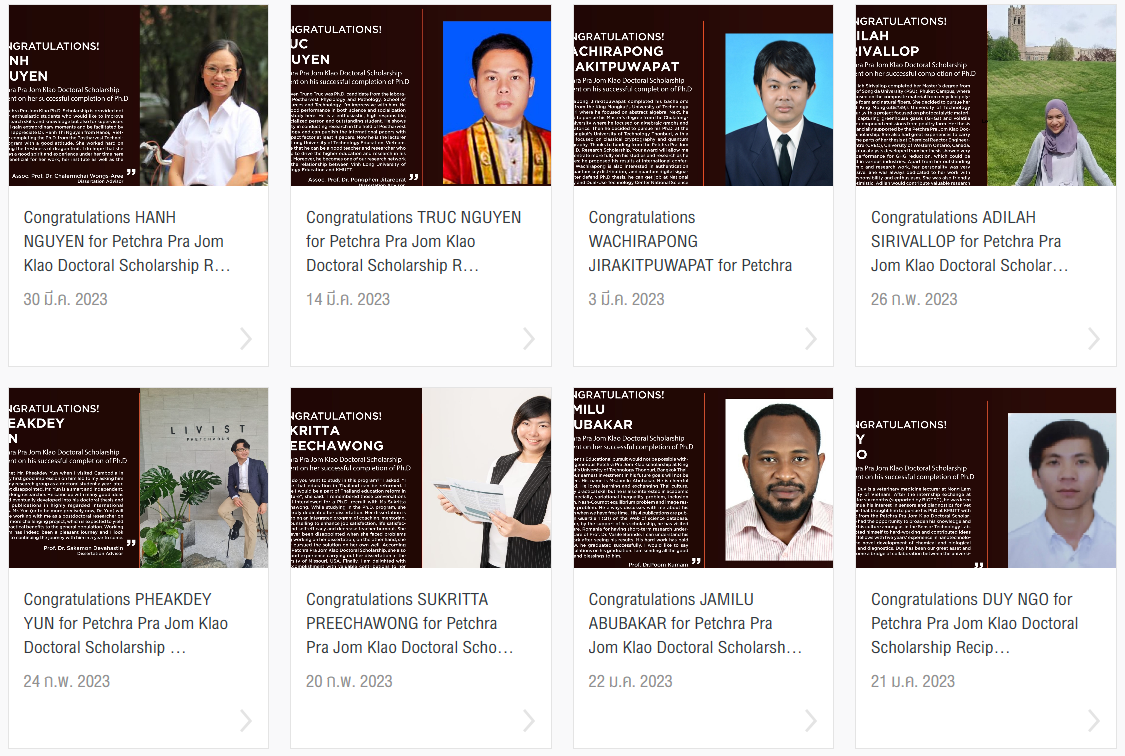
Historical scholarship-achievement listing. The original screenshot includes 2023 entries. Original institutional policy, scholarship activity or graduate-achievement image. The printed date and original numerical information are retained.

Original institutional policy, scholarship activity or graduate-achievement image. The printed date and original numerical information are retained.

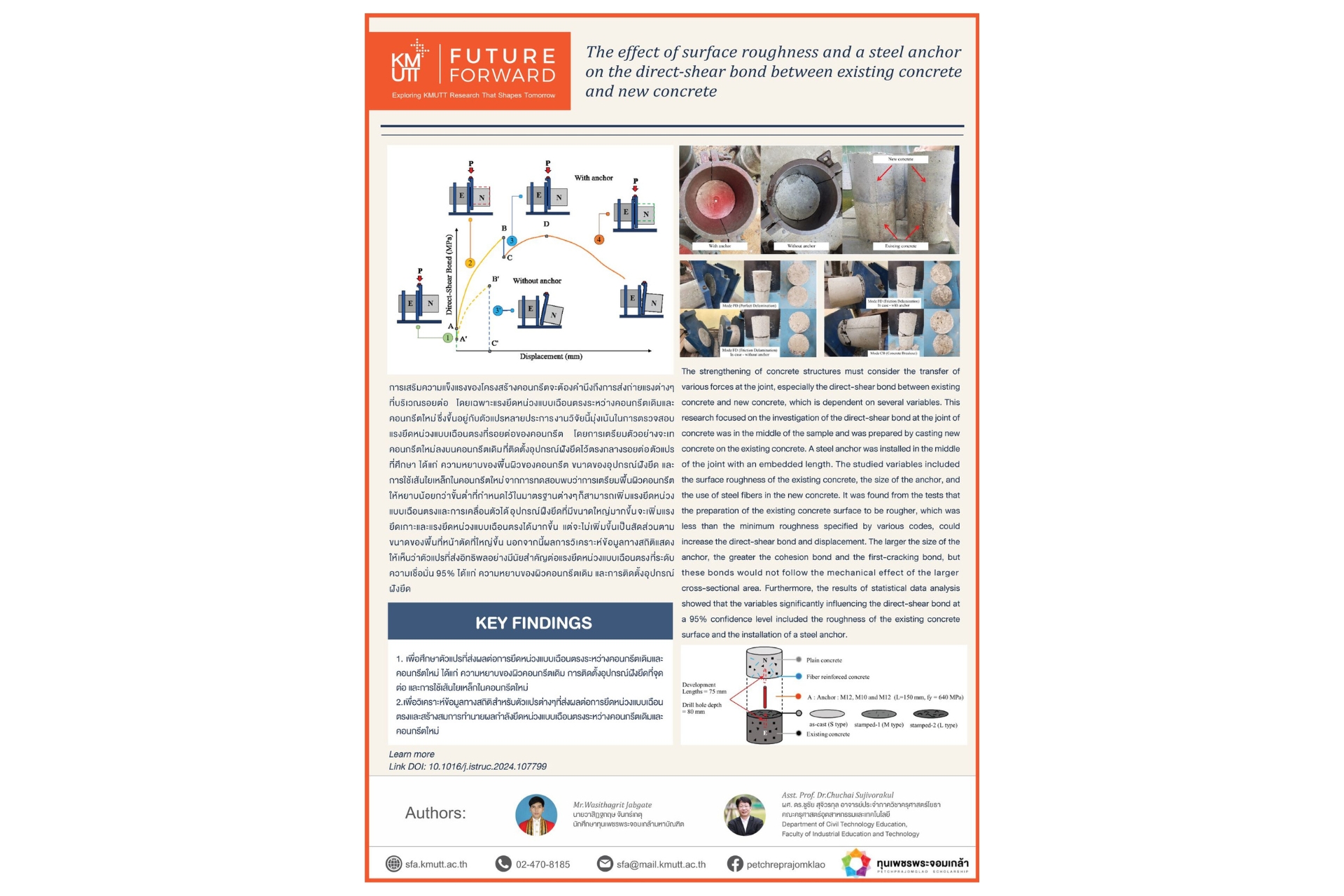
Original research poster · concrete bond research
Original institutional policy, scholarship activity or graduate-achievement image. The printed date and original numerical information are retained.

Master’s degree completion examples

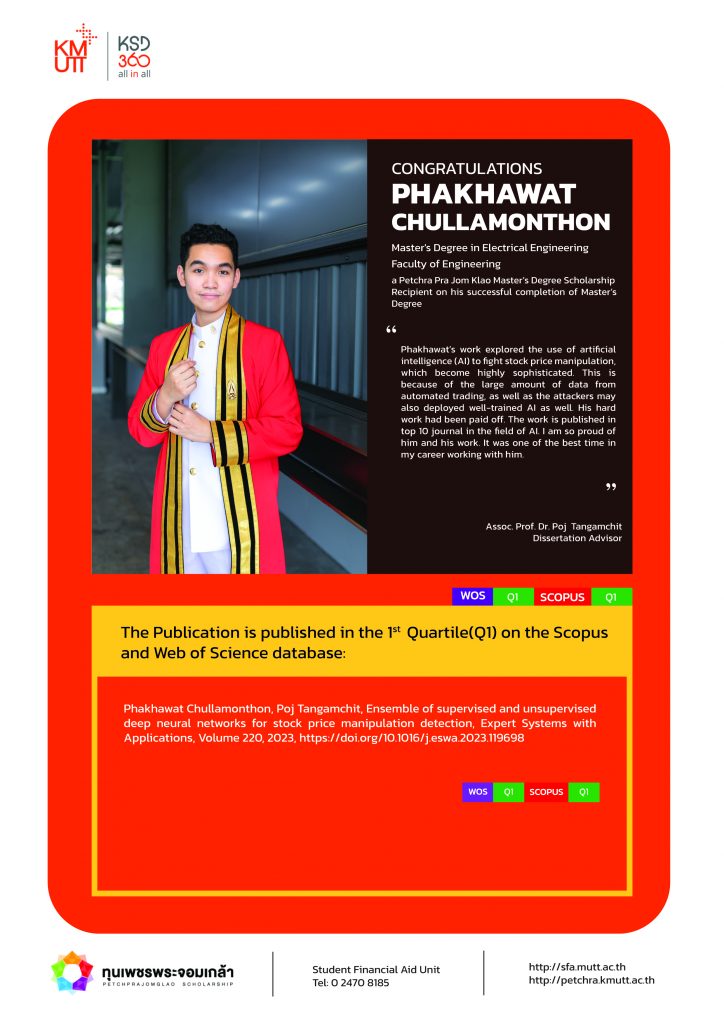
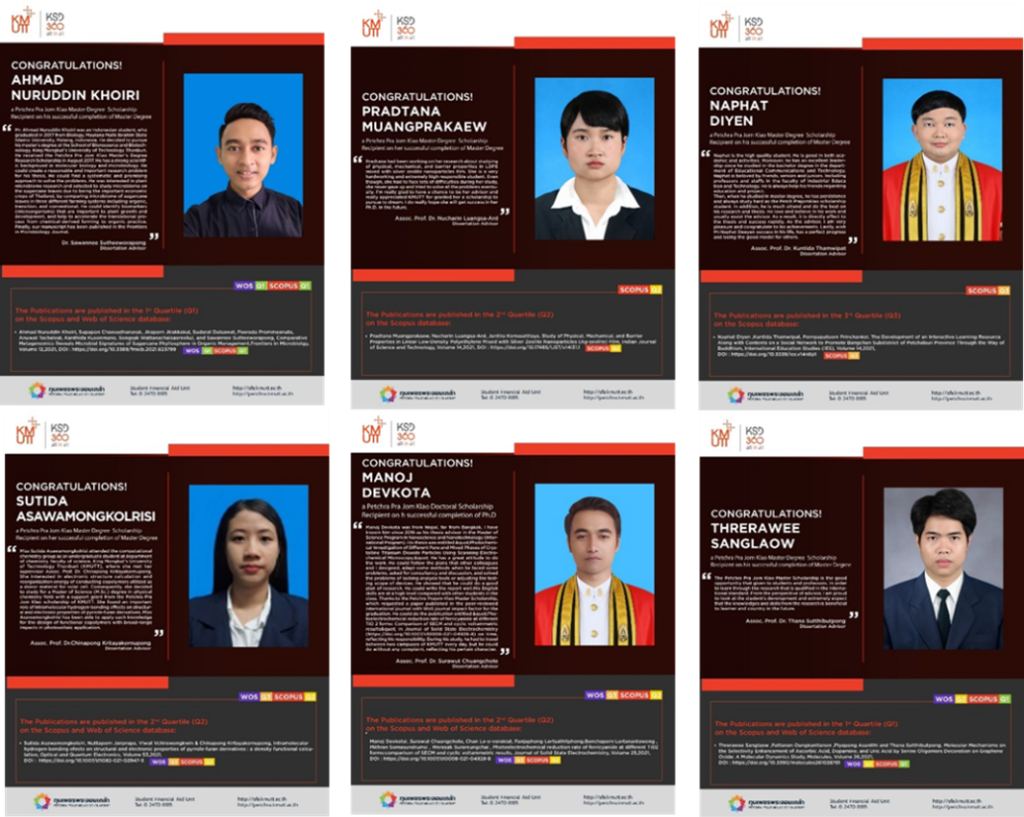
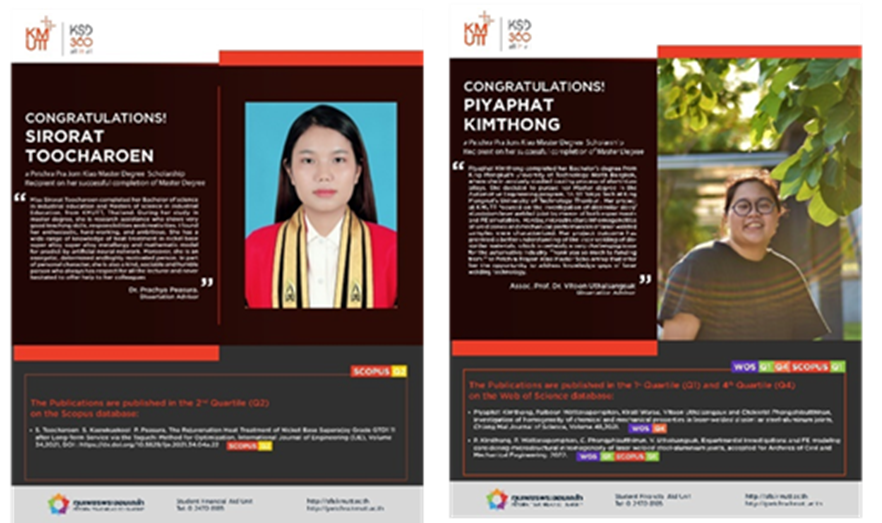
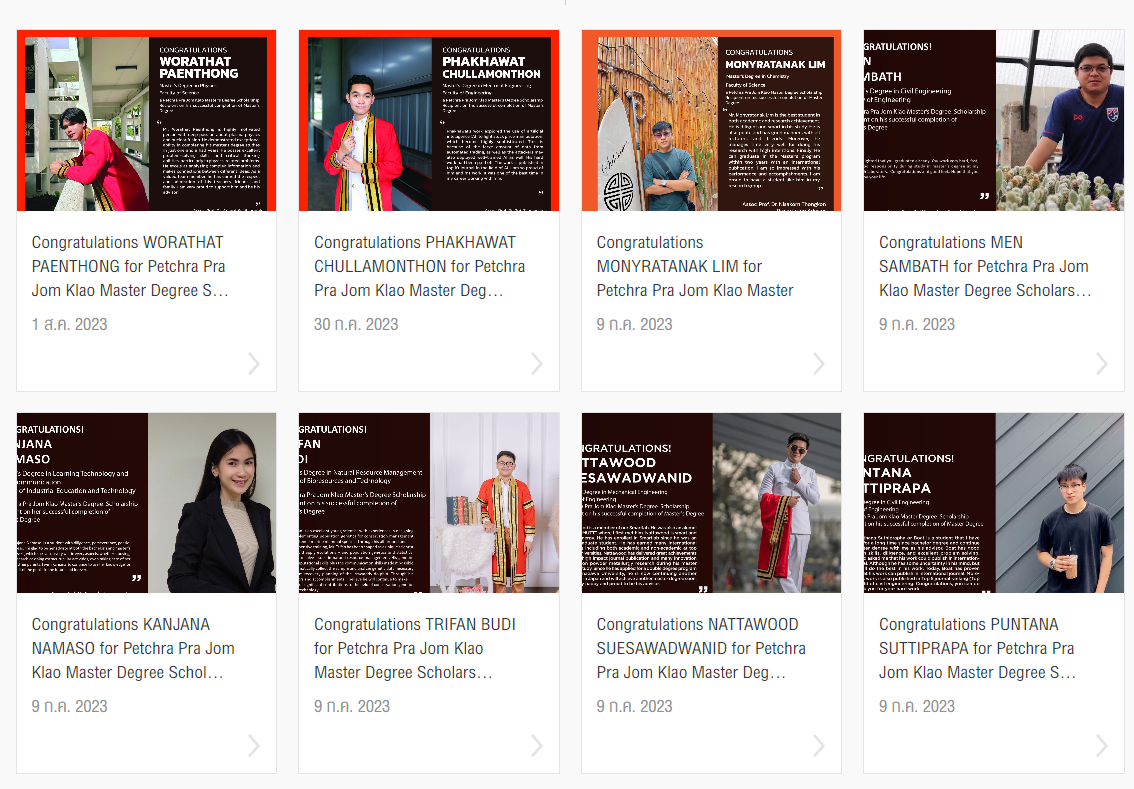
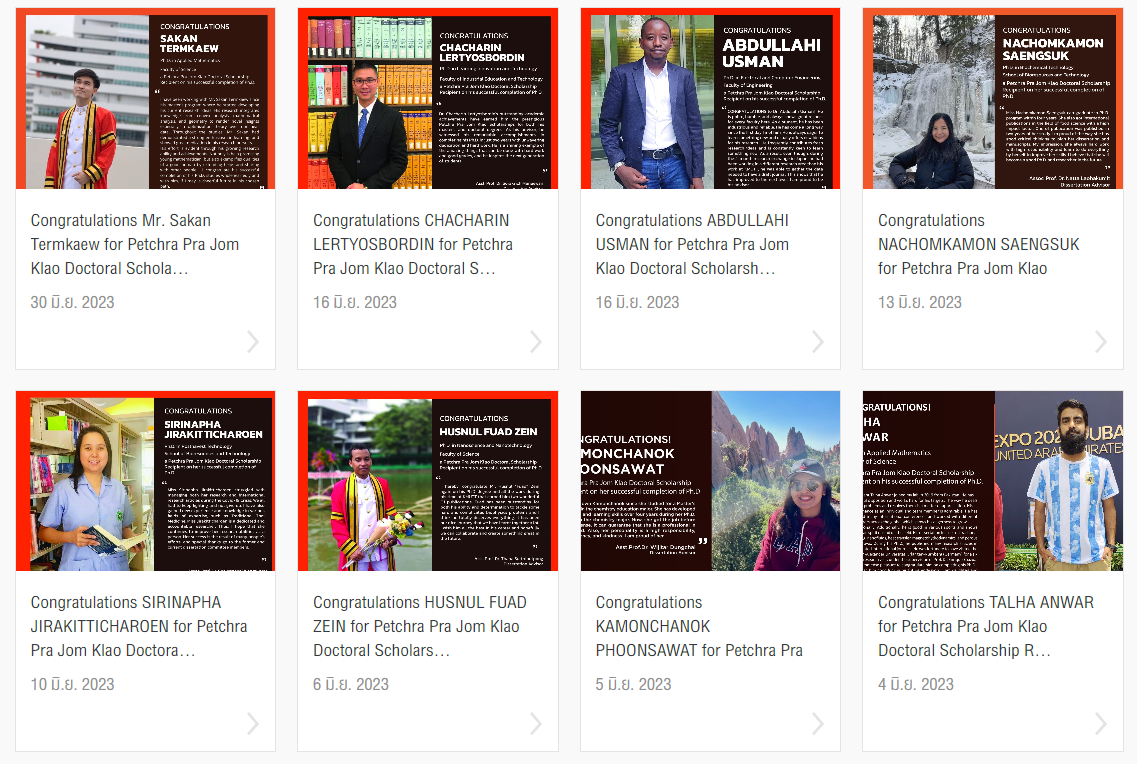
Congratulations PHAKHAWAT CHULLAMONTHON for Petchra Pra Jom Klao Master Degree Scholarship Recipient on his successful completion of Master Degree
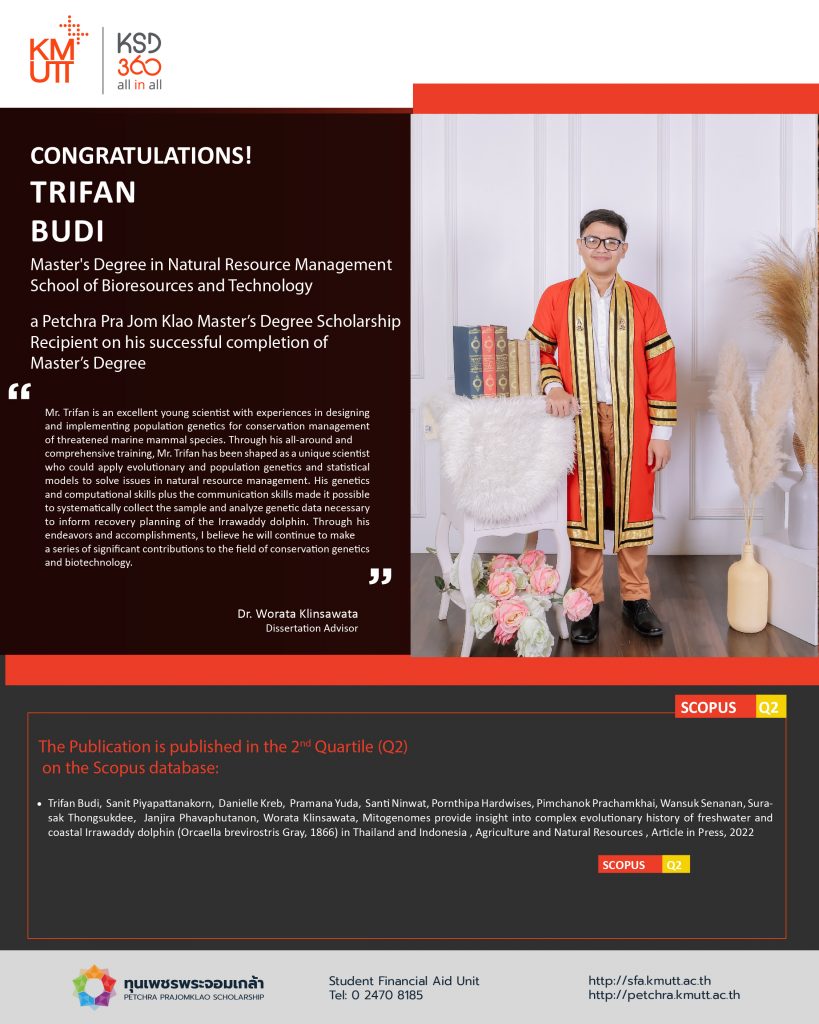
Congratulations TRIFAN BUDI for Petchra Pra Jom Klao Master Degree Scholarship Recipient on his successful completion of Master Degree
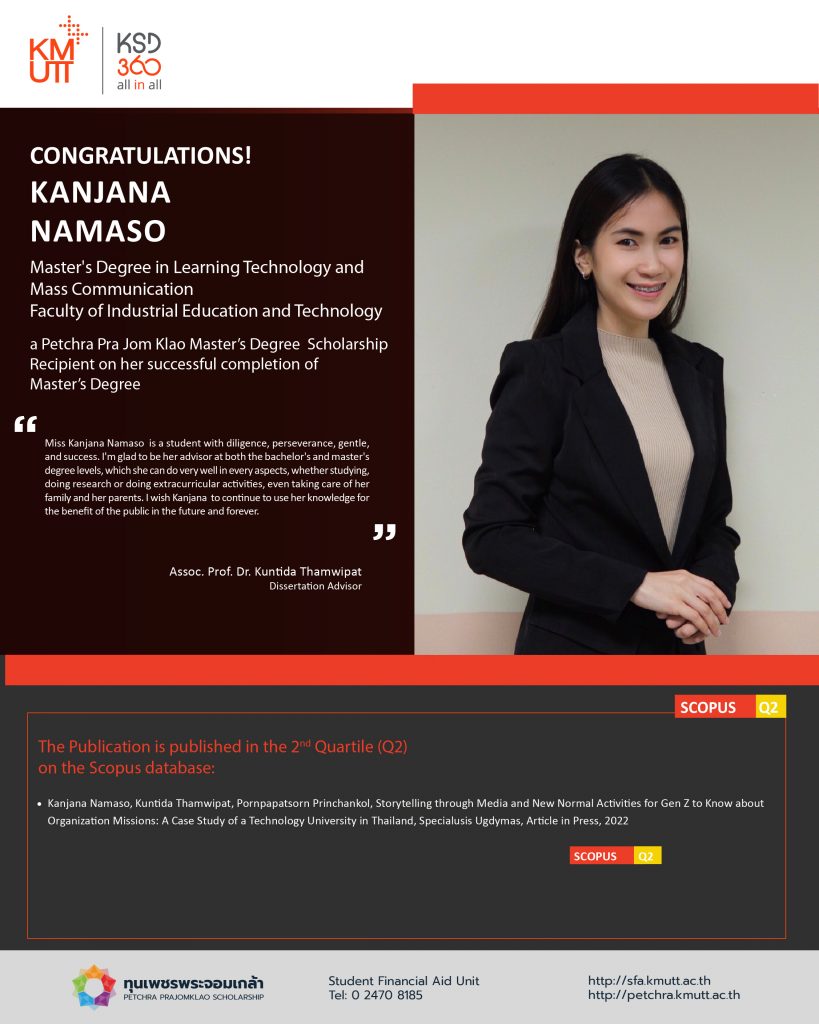
Congratulations KANJANA NAMASO for Petchra Pra Jom Klao Master Degree Scholarship Recipient on her successful completion of Master Degree

Original institutional policy, scholarship activity or graduate-achievement image. The printed date and original numerical information are retained.

Doctoral completion examples

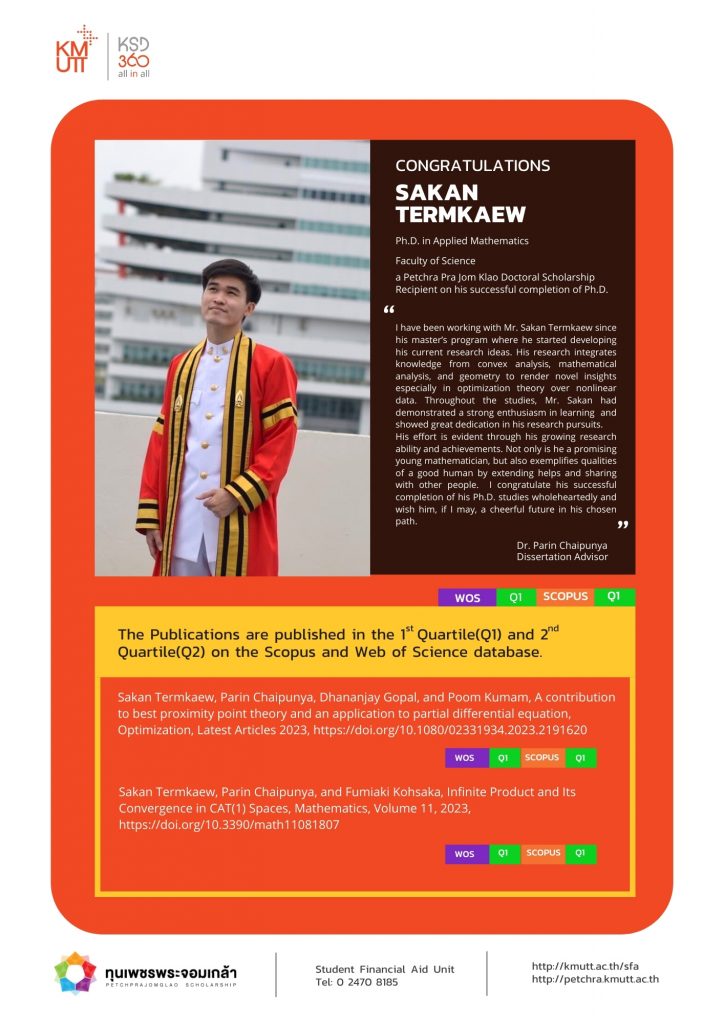
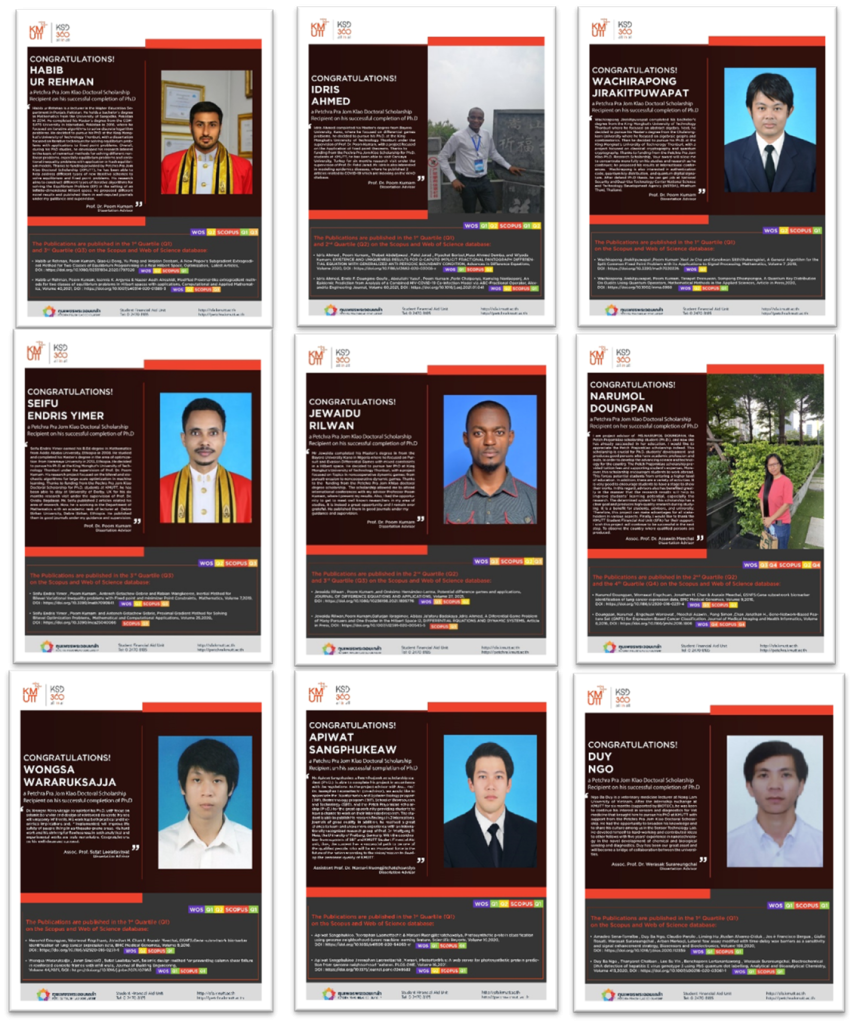
Congratulations Mr. Sakan Termkaew for Petchra Pra Jom Klao Doctoral Scholarship Recipient on his successful completion of Ph.D.
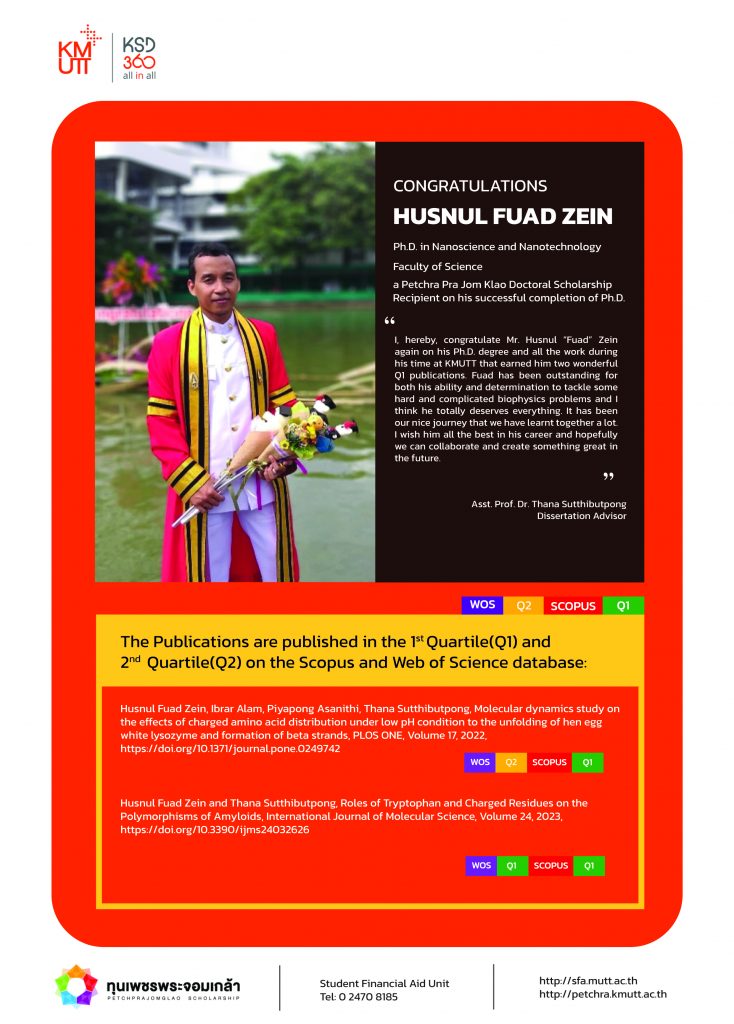
Congratulations HUSNUL FUAD ZEIN for Petchra Pra Jom Klao Doctoral Scholarship Recipient on his successful completion of Ph.D.
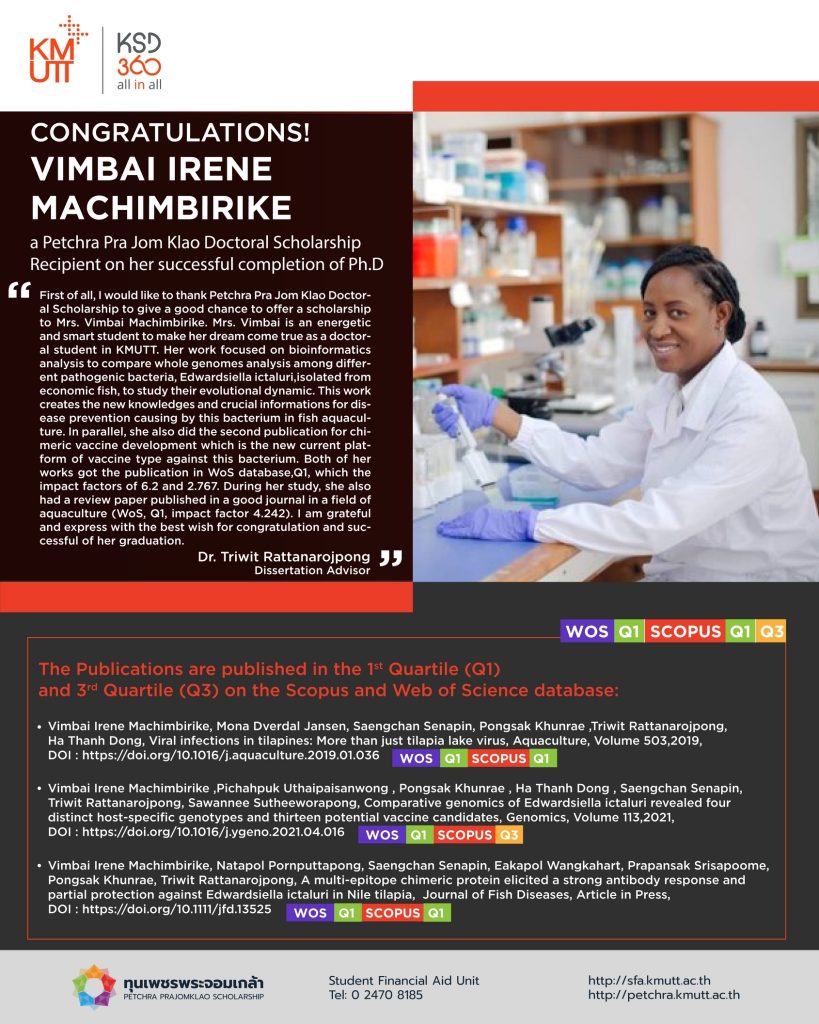
Congratulations VIMBAI IRENE MACHIMBIRIKE for Petchra Pra Jom Klao Doctoral Scholarship Recipient on her successful completion of Ph.D.

Original institutional policy, scholarship activity or graduate-achievement image. The printed date and original numerical information are retained.

Research requirements and published work

Postgraduate students who submit their work meet the scholarship requirements and their research results are published in international academic journals.

Original institutional policy, scholarship activity or graduate-achievement image. The printed date and original numerical information are retained.

Original institutional policy, scholarship activity or graduate-achievement image. The printed date and original numerical information are retained.

PhD students who submit their work in accordance with the scholarship criteria and their research results have been published in international academic journals.

Original institutional policy, scholarship activity or graduate-achievement image. The printed date and original numerical information are retained.

Doctoral students who have made progress in their research and work have been published in international academic journals.

Sources and additional evidence

3. Low-income student support

KMUTT provides financial and practical assistance to reduce living-cost and educational barriers to completing a degree. Its Thammaraksa scholarship policy dated 18 February 2025 covers tuition, living expenses, university dormitory room charges and educational materials for selected disadvantaged undergraduates. An emergency-grant announcement issued on 13 February 2026 provides a further route for students facing sudden household hardship or serious illness.

Living costs and accommodation under the 2025 policy

Thammaraksa supports disadvantaged students from families without previous higher-education participation or from remote and border areas. The university recruits eligible candidates proactively through faculties and provides support for the prescribed programme duration, subject to the scholarship conditions. Recipients must maintain a cumulative GPA of at least 2.00 and participate in university and community-benefit activities.

Support / Entitlement stated in the policy

Tuition
Tuition charges according to the curriculum.
Monthly living expenses
THB 4,000 per month, helping recipients meet day-to-day needs.
University accommodation
KMUTT dormitory room charges at the prescribed rate; water and electricity are excluded.
Educational materials
THB 10,000 per academic year as a lump-sum allowance.

These entitlements fund specified costs for selected scholarship recipients. The dormitory entitlement is distinguished from a claim that every student can use all university accommodation without charge. The policy excludes utility charges from this room-cost support.

Original Thammaraksa policy page · 18 February 2025
Page 2 of the Thammaraksa scholarship policy dated 18 February 2025, including tuition, living, dormitory and educational-material entitlements in clause 7.

Emergency assistance with year-round applications

Grant per instance
THB 5,000–10,000subject to eligibility and committee consideration
Frequency limit
Up to twicein an academic year
Application period
Year-roundthroughout the academic year

The Ajarn Paiboon Hungsapruek Fund announcement bears the title B.E. 2568 but is signed and dated 13 February B.E. 2569 (2026). Its emergency grant assists undergraduates when a parent’s sudden accident, death, disability or loss of income, or a student’s specified serious illness, threatens continued study. Awards are THB 5,000–10,000 per instance, up to twice in an academic year. Applications are accepted throughout the academic year.

Applicants submit an application, supporting hardship documents and an initial adviser or departmental-teacher endorsement. Applications may be sent online or submitted to the Student Financial Aid Unit on the second floor of the Office of the President Building N2. The unit arranges an interview, and the responsible committee considers eligibility and the appropriate grant. This is a targeted hardship route, not an automatic payment to every applicant.

Submit an application

Include hardship documents and an initial adviser or departmental-teacher endorsement.

Attend an interview

The Student Financial Aid Unit arranges the interview.

Committee consideration

The committee considers eligibility and the appropriate grant.

Financial counselling and early assistance

The following institutional account preserves the original service descriptions, access channels and all accompanying images. Undated service descriptions and older graphics retain their original status; the dated policies above establish the specific 2025–2026 entitlements added here. The original account names KMITL in one grant description; the current scholarship identification above follows KMUTT own official policies.

The university has established a support channel for students facing financial difficulties. Students can schedule appointments and seek financial counseling through the Student Financial Assistance Unit. Additionally, if staff members encounter students in urgent financial need, they can contact the unit for assistance at any time throughout the academic year.

The Student Financial Aid Unit has adjusted its operational plan to accommodate the current situation and align with the University’s policy which aims to ensure students have unrestricted access to quality education. The aspiration is for students to develop themselves, achieve success in their careers, and become a crucial force in the future development of the nation.

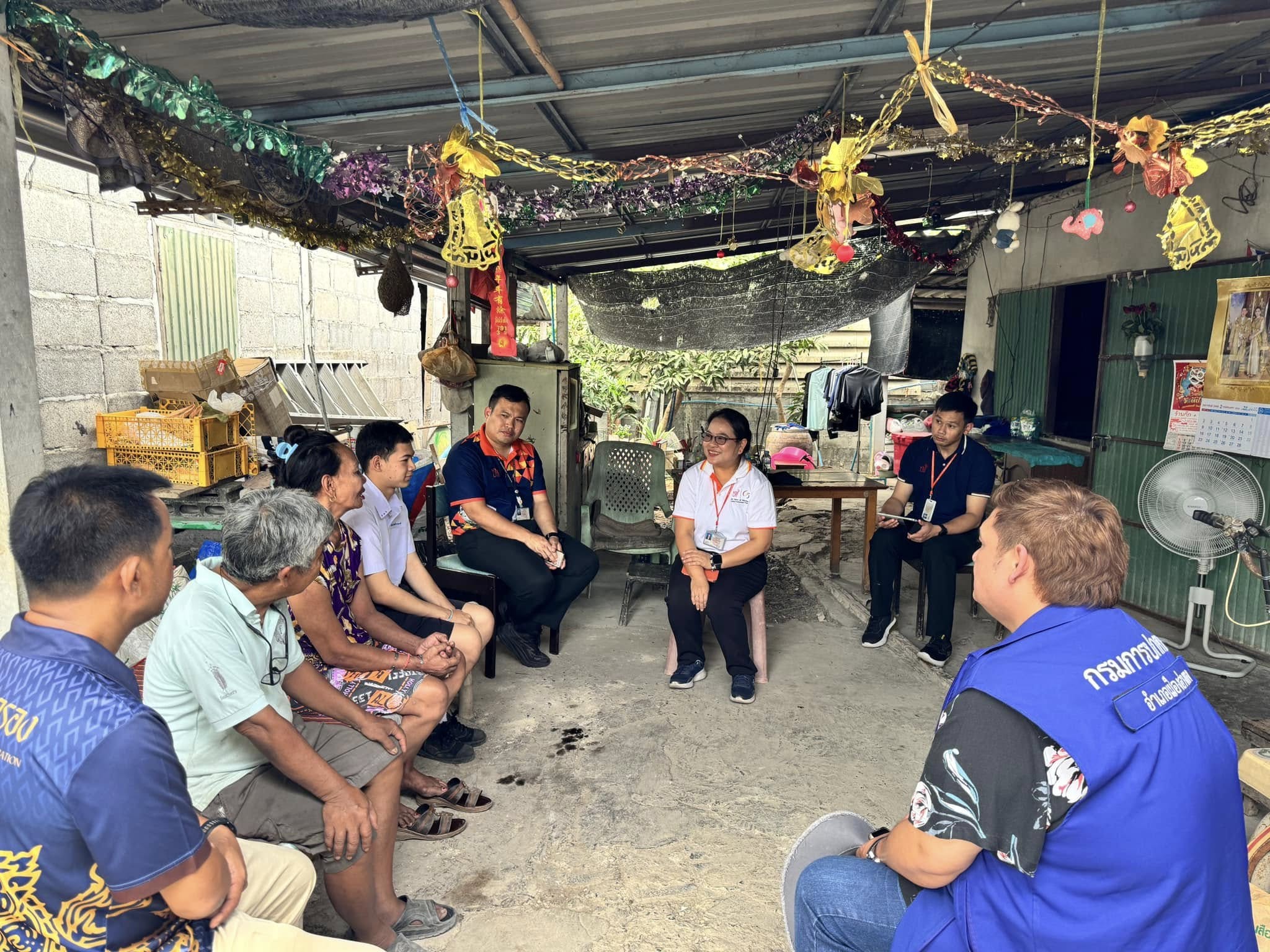
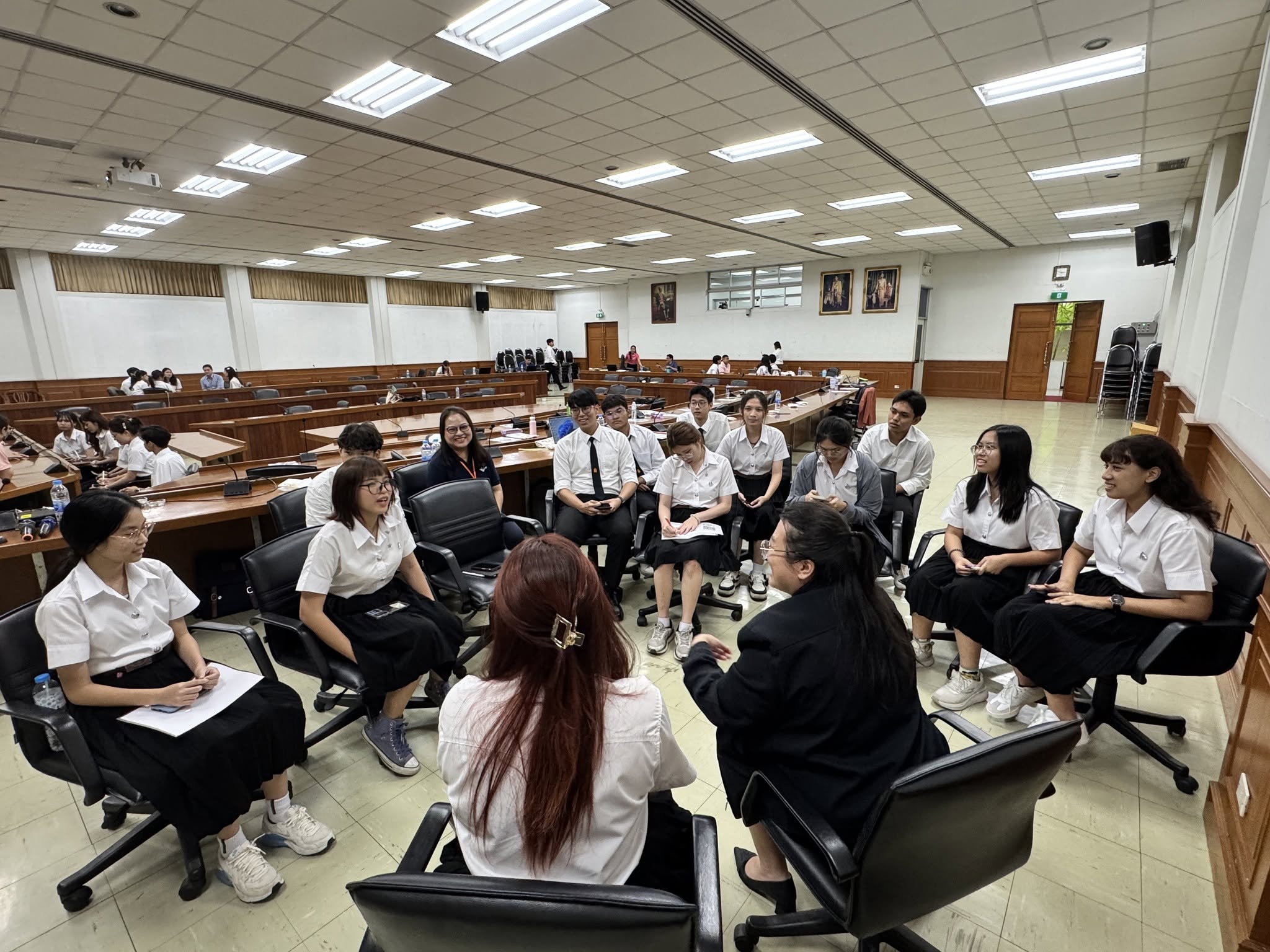
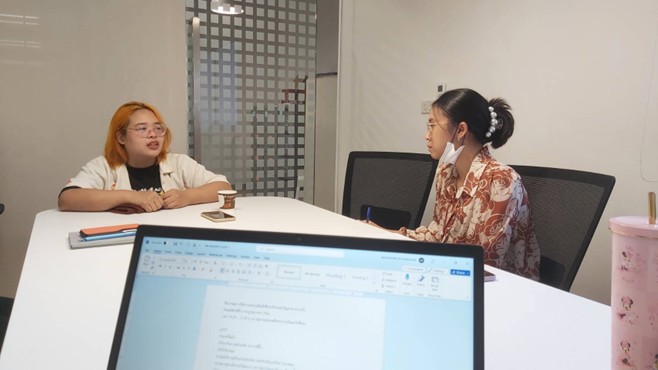
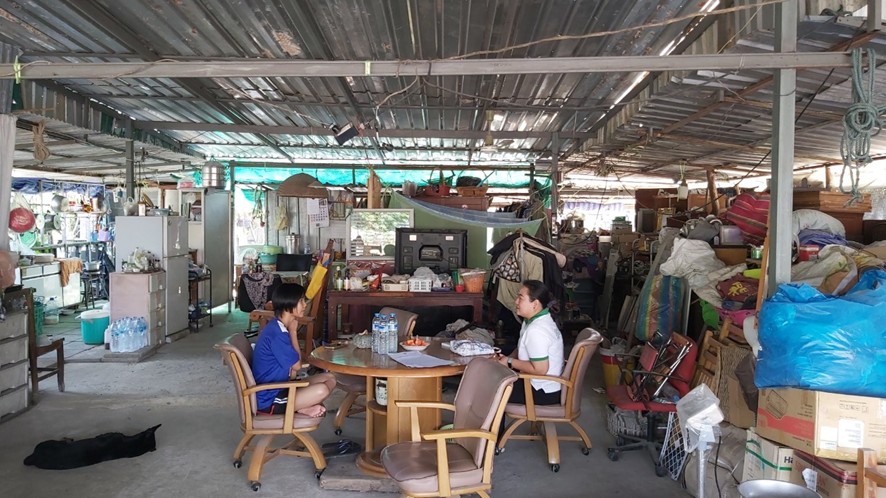
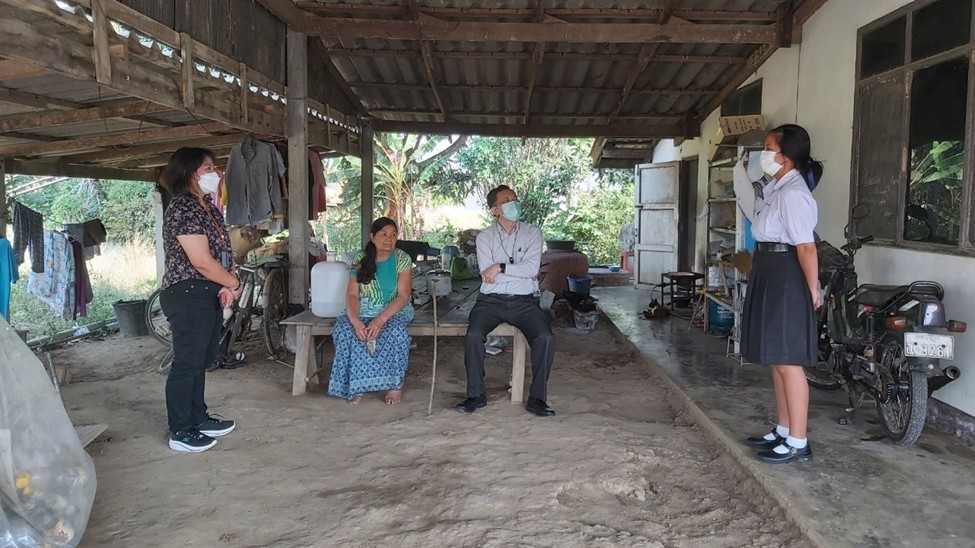
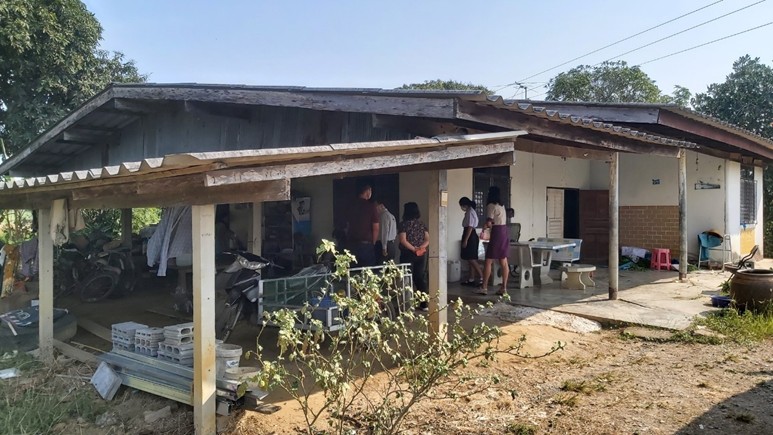
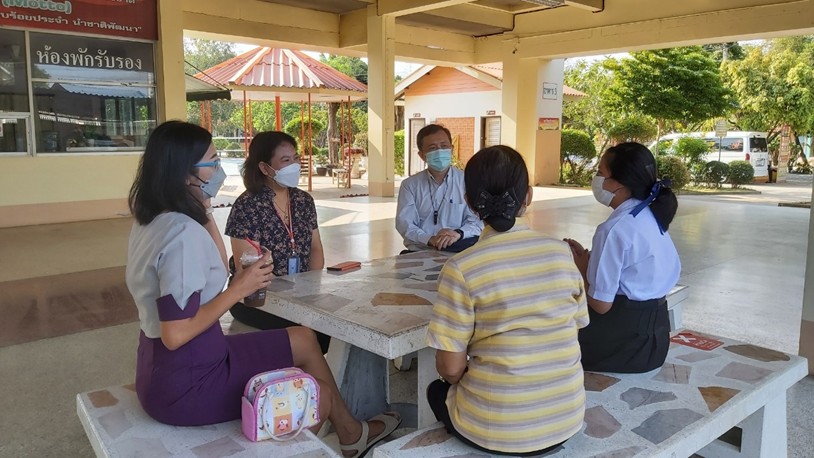
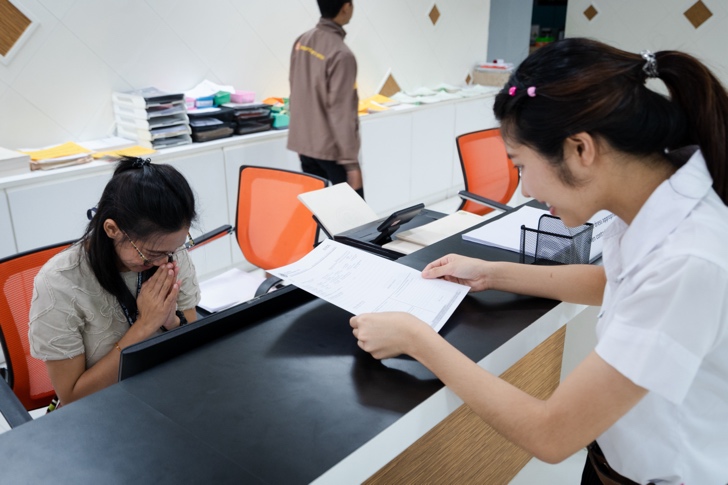
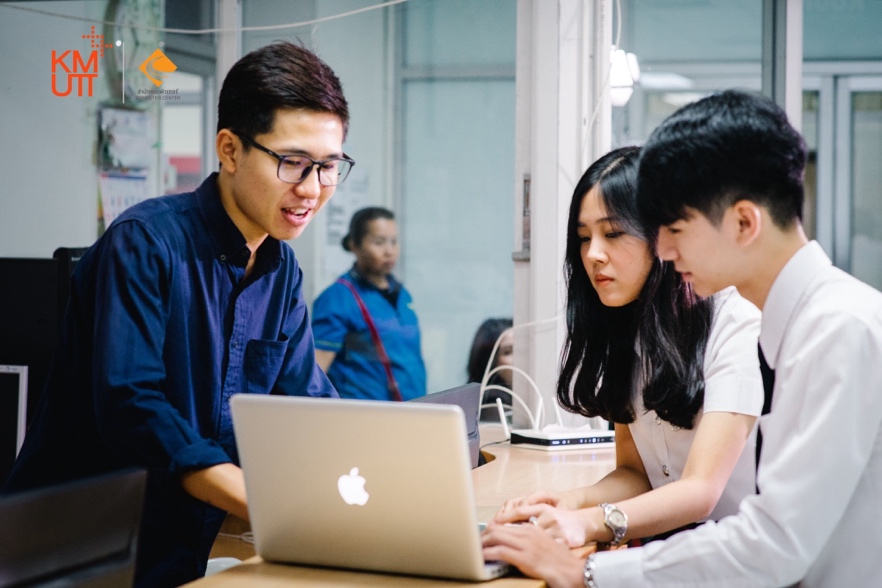
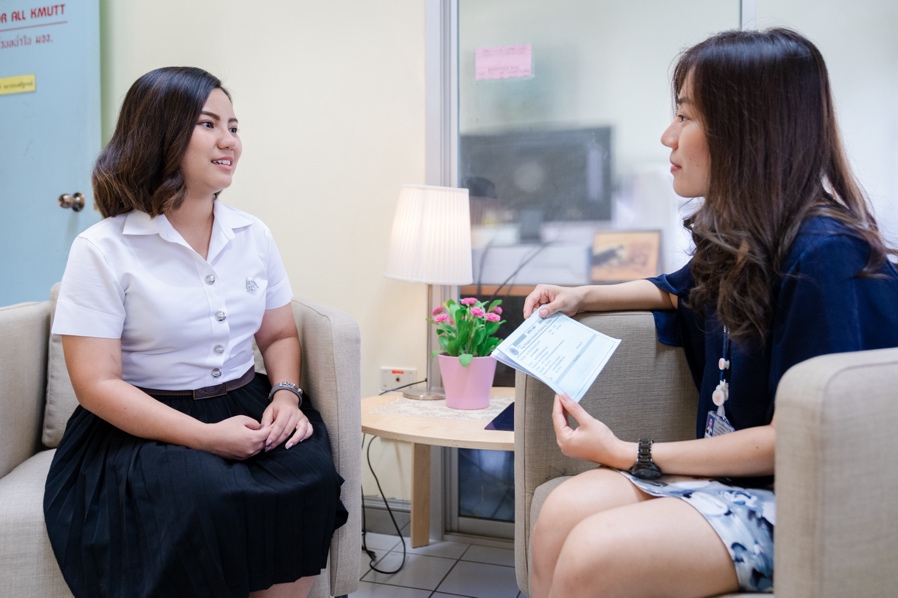
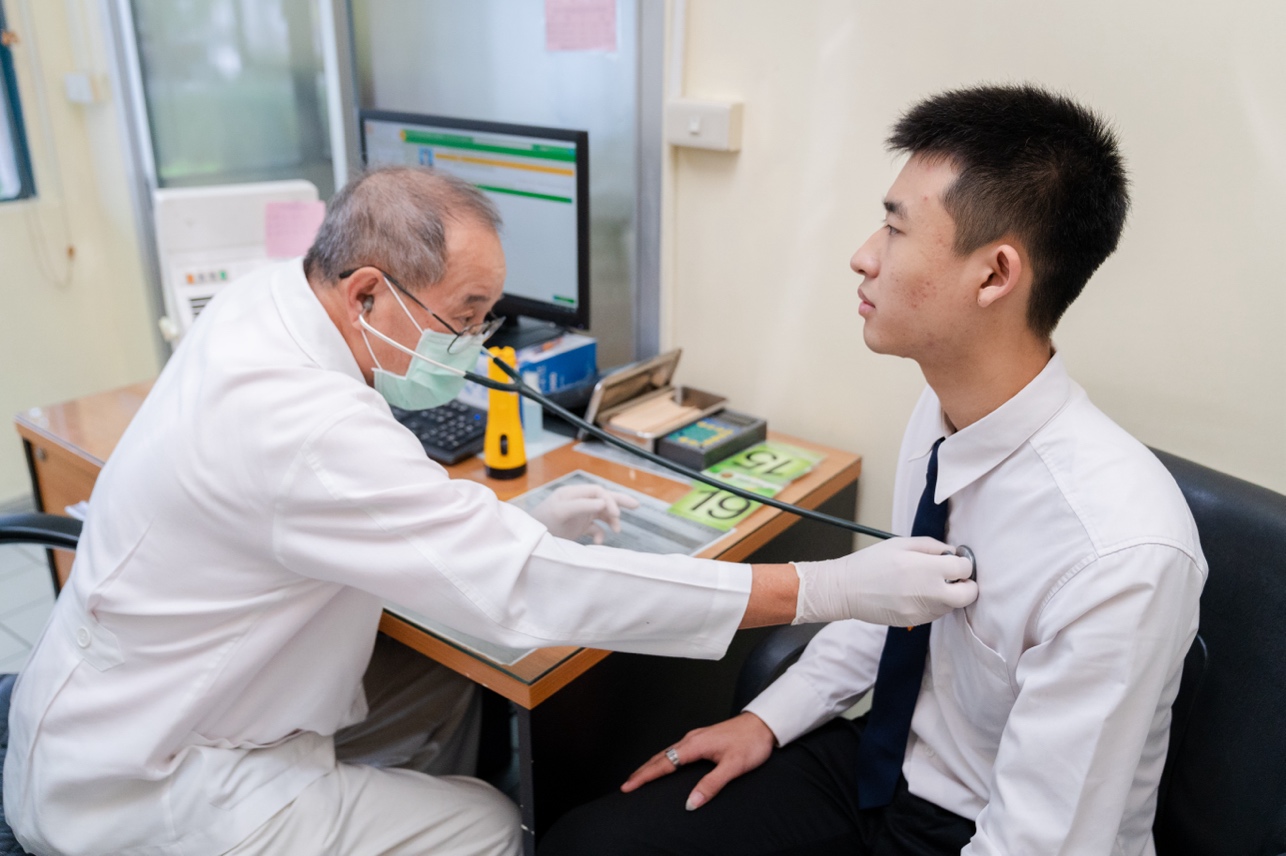
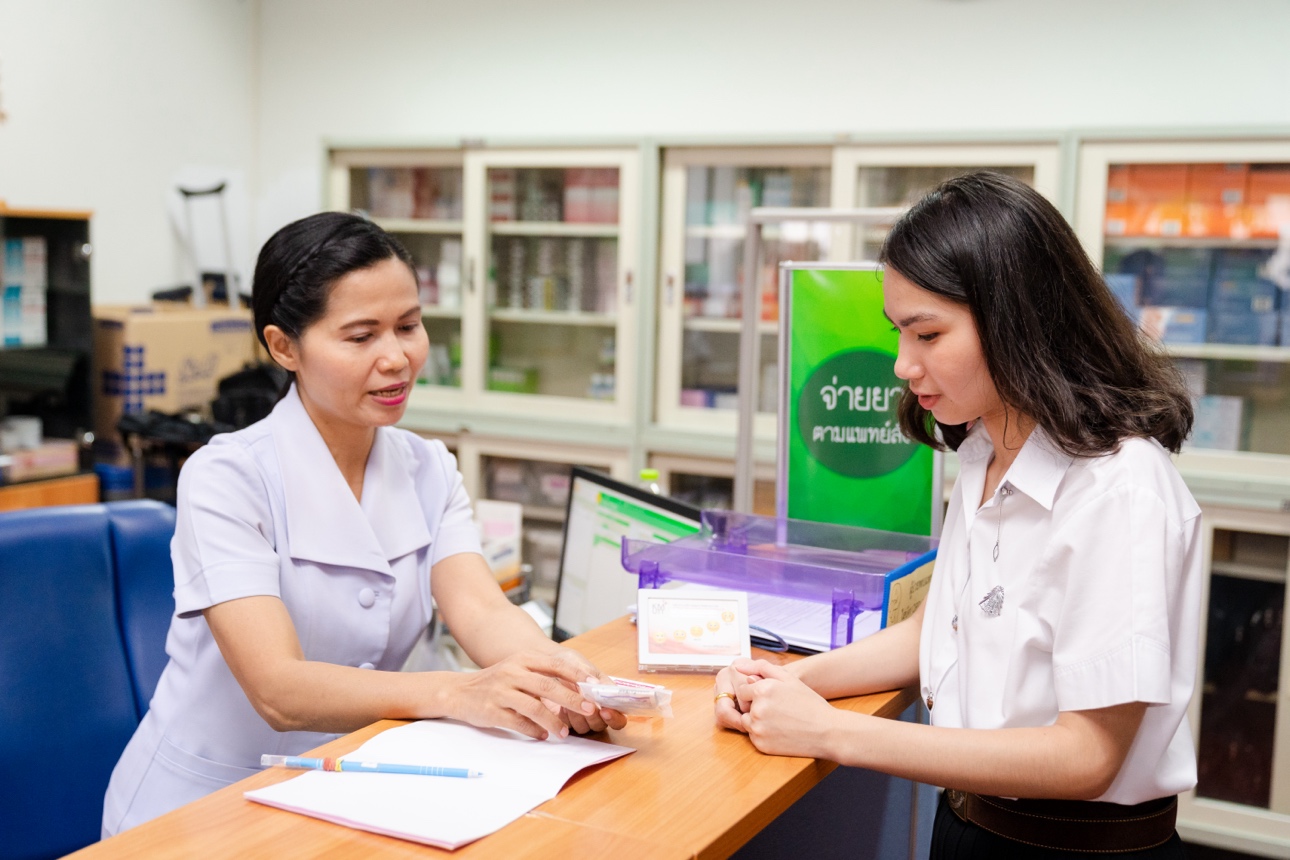
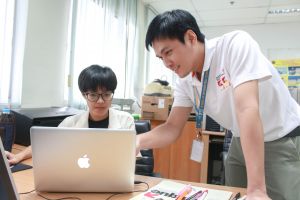
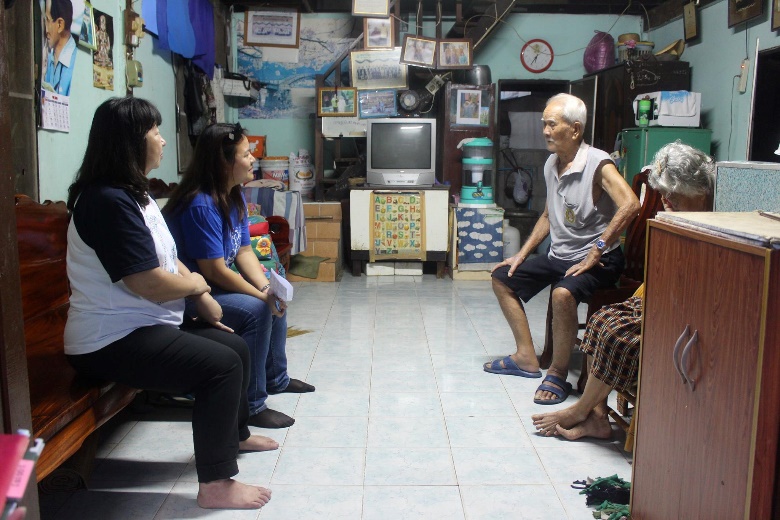
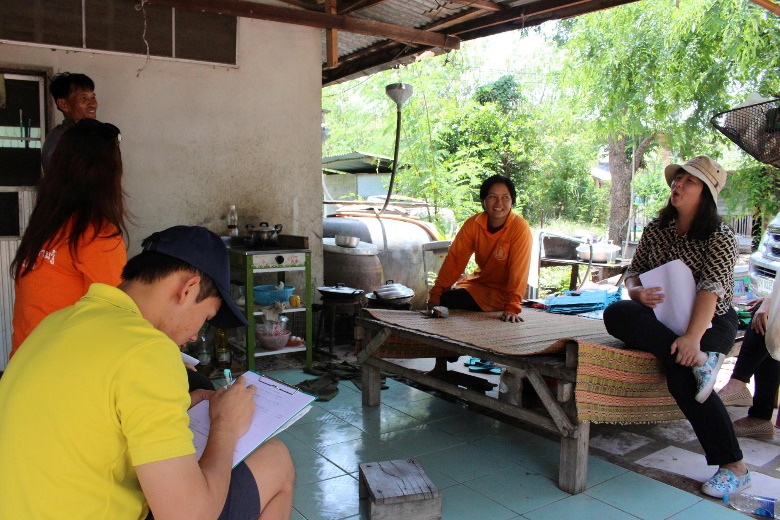
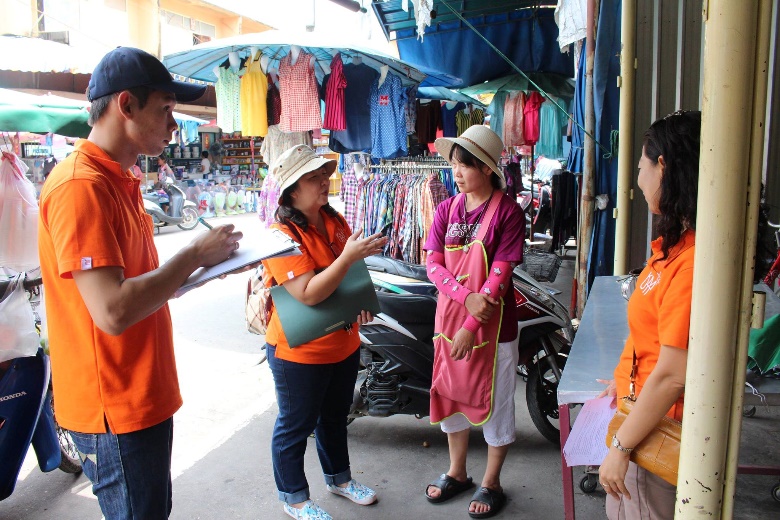
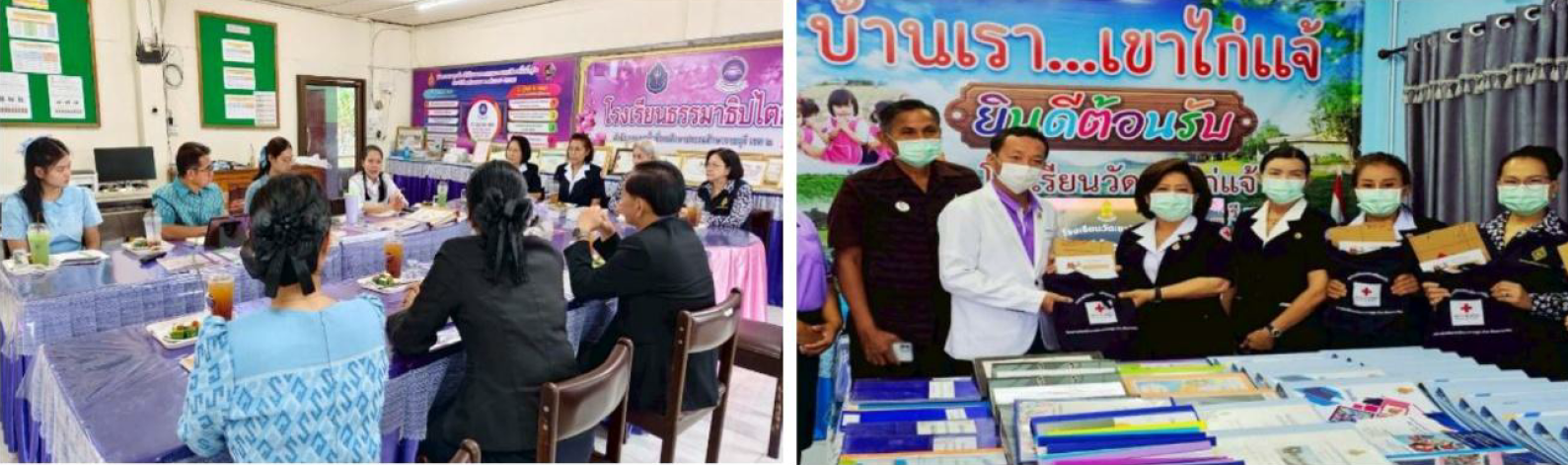
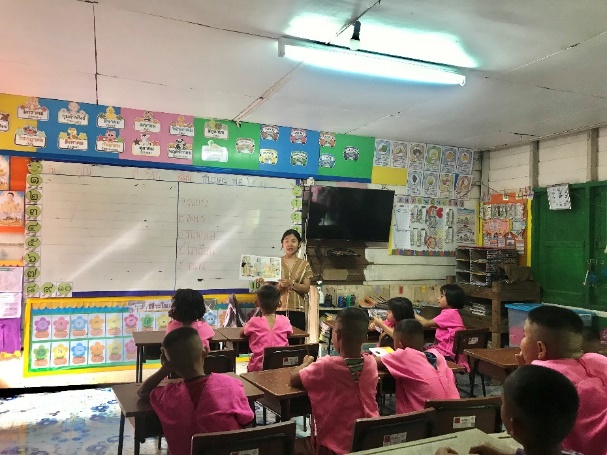
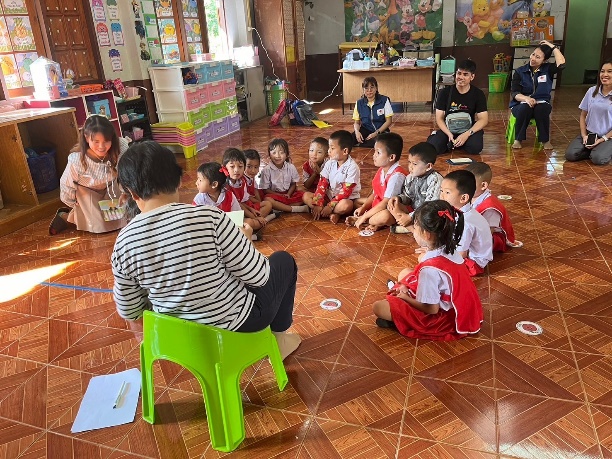
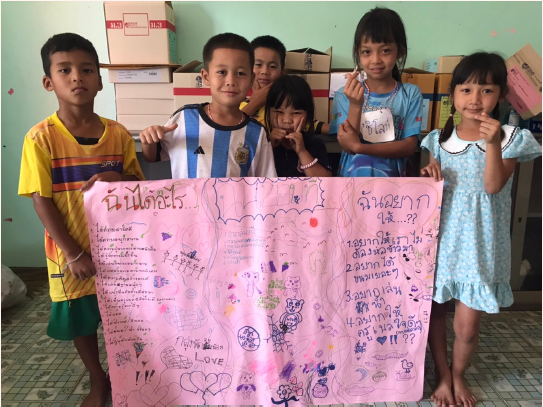
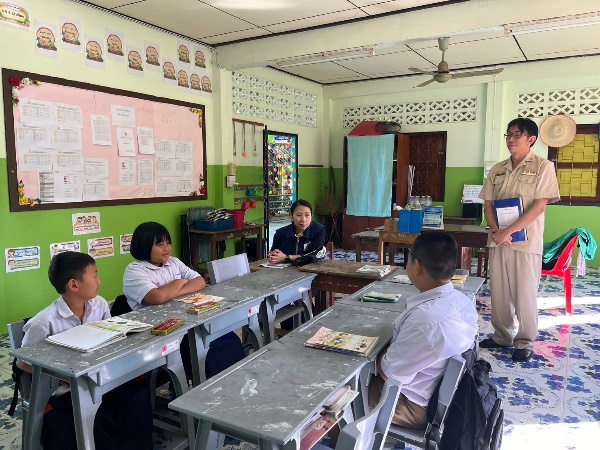
Original outreach, home-visit and student-support discussion photographs. Original institutional student-support illustration or service record supplied by KMUTT. Dates, numerical information and access descriptions are retained as supplied.

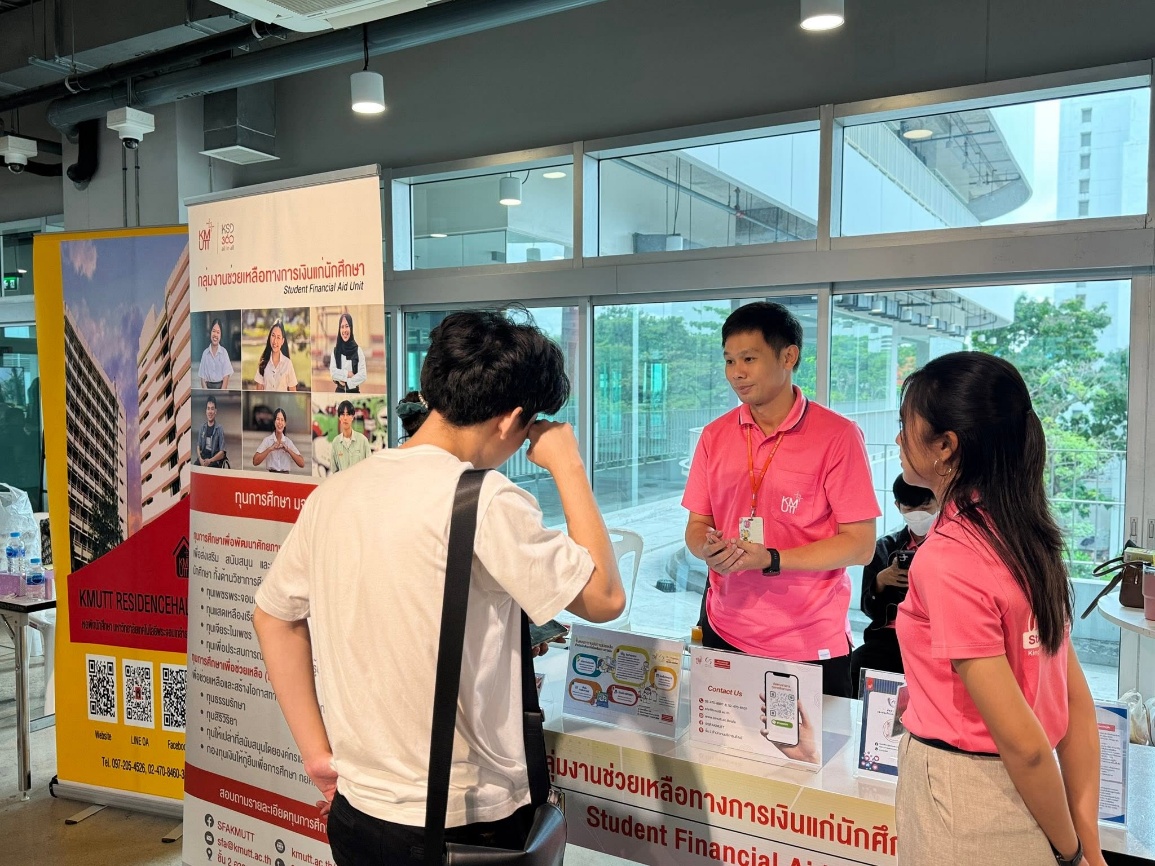
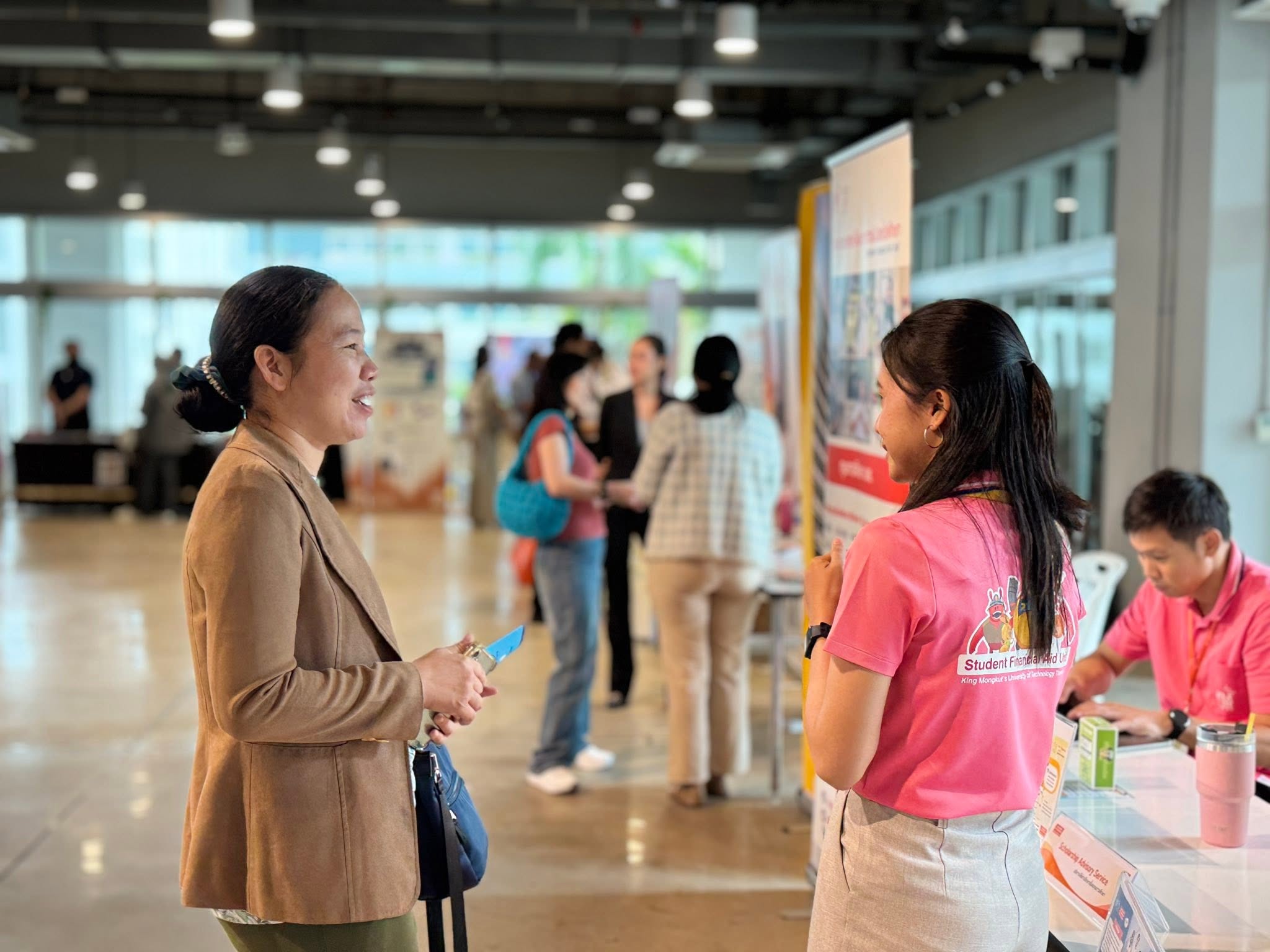
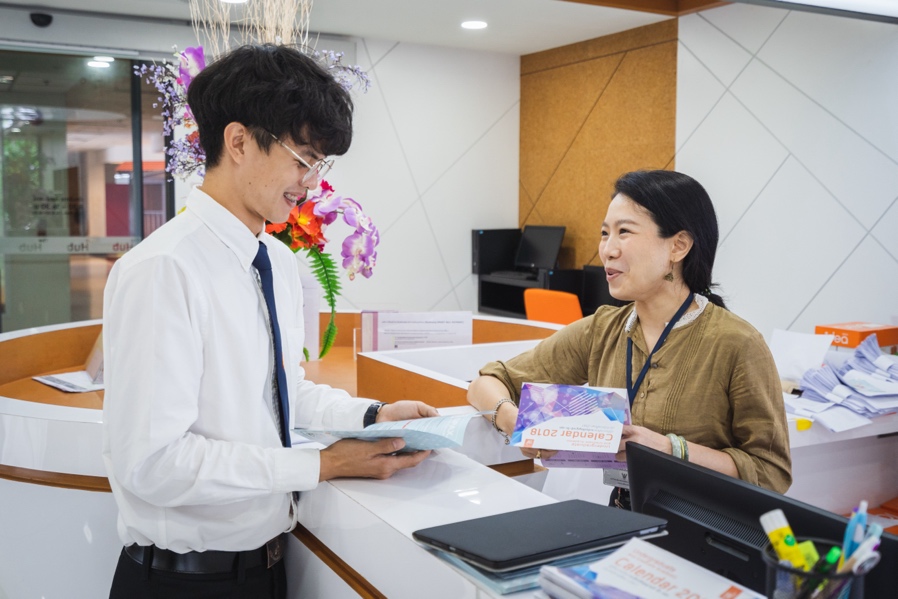
Original Student Financial Aid Unit information-booth photographs. Original institutional student-support illustration or service record supplied by KMUTT. Dates, numerical information and access descriptions are retained as supplied.

Scholarship support in the institutional record

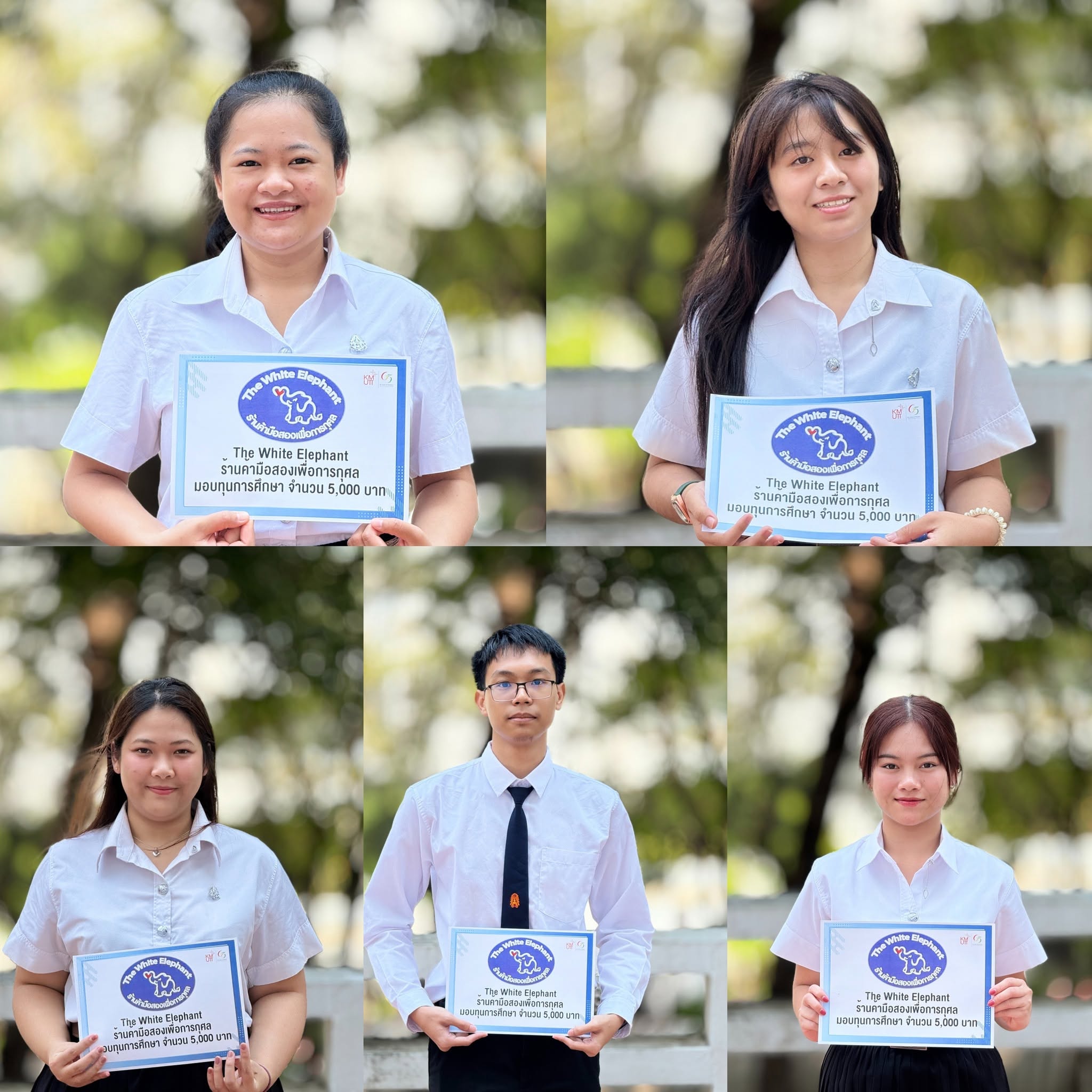
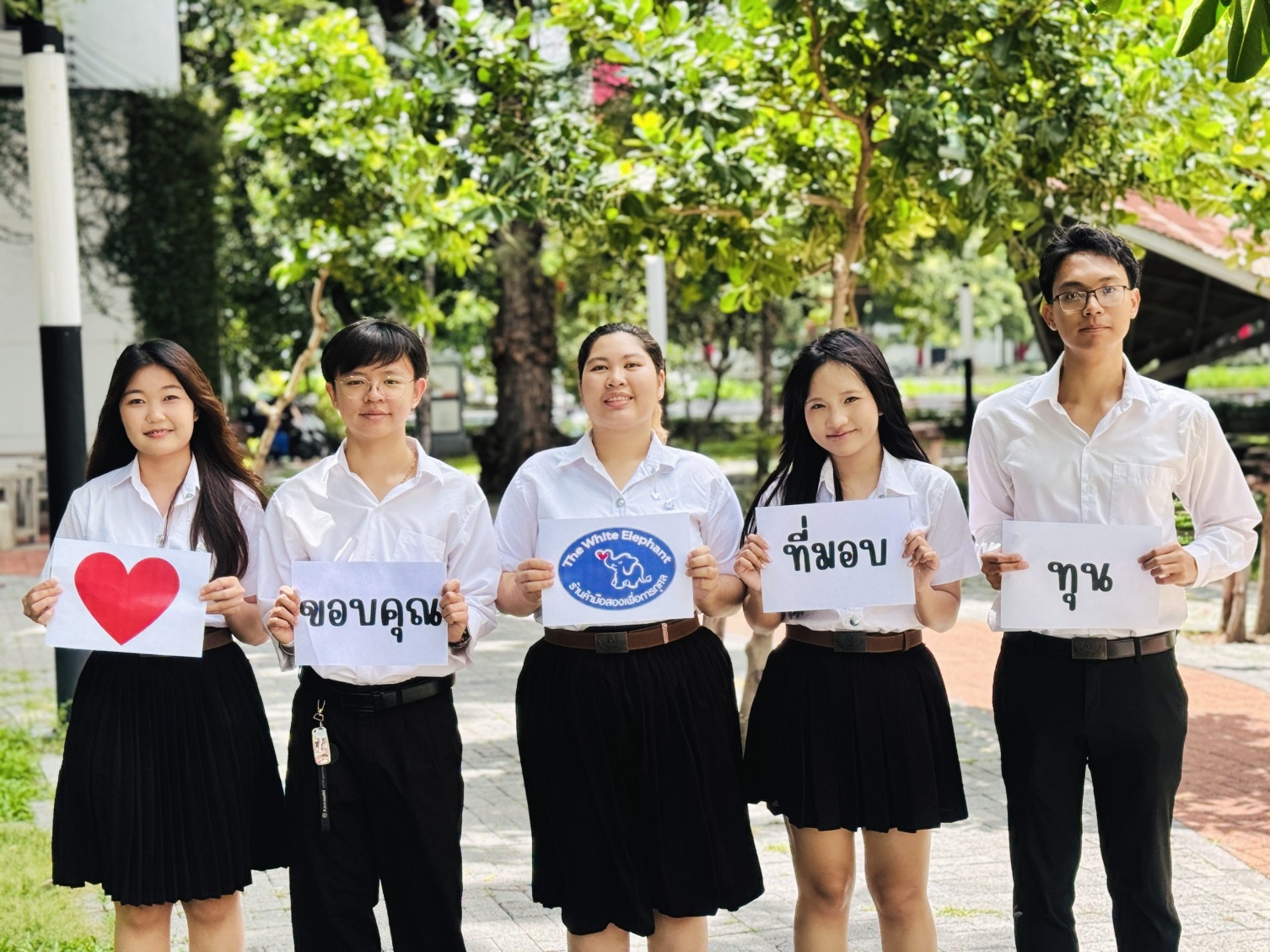
Original scholarship-recipient collage and scholarship-support photograph. Activity dates are not specified in the supplied record. Original institutional student-support illustration or service record supplied by KMUTT. Dates, numerical information and access descriptions are retained as supplied.

Original scholarship-recipient collage and scholarship-support photograph. Activity dates are not specified in the supplied record. Original institutional student-support illustration or service record supplied by KMUTT. Dates, numerical information and access descriptions are retained as supplied.

Equity and Disability Support Services

The University places importance on equity and equality, respecting and welcoming the diversity of all groups, including all races, religions, and genders, as well as age and persons with disabilities.

This commitment is made to ensure access to a quality education system, aligning with Sustainable Development Goal 4 (SDG 4) Quality Education, which aims to guarantee inclusive and equitable quality education for all, eliminating gender and disability inequality. This enables access to a quality education system, promoting knowledge and vocational skills for employment, entrepreneurship, and sustainable self-development.

Therefore, the Disability Support Services Unit (DSSU@KMUTT) was established as the central unit for operating educational support services, helping to promote and support students' readiness for studies. It also creates opportunities for learners at all educational levels, ultimately resulting in their full self-development potential.

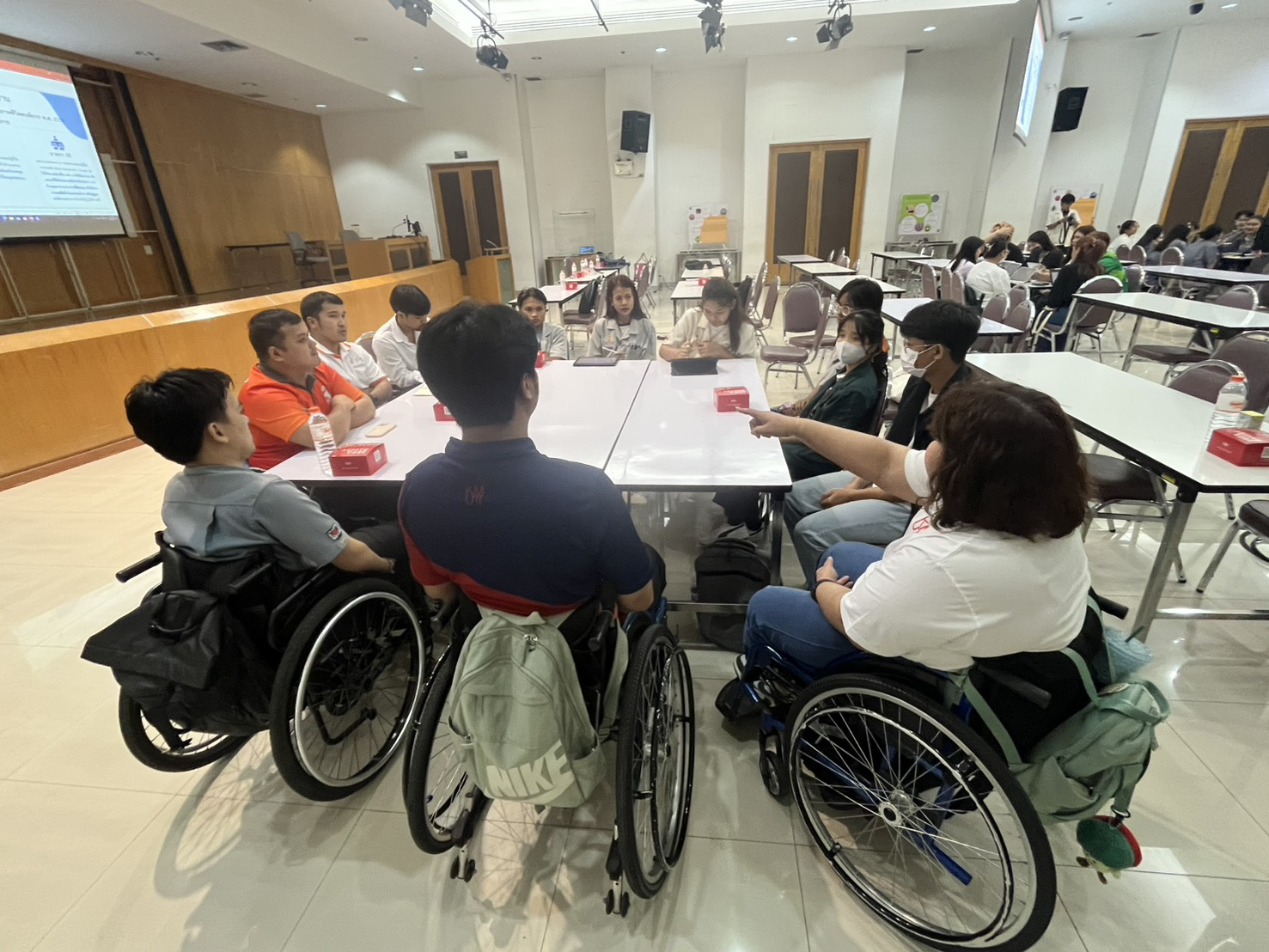
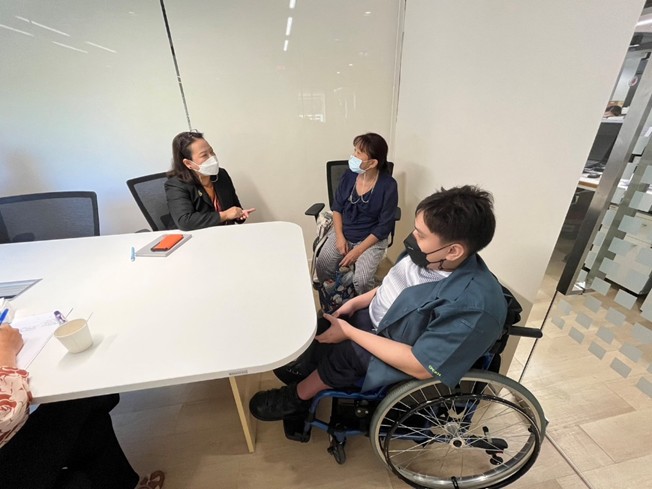
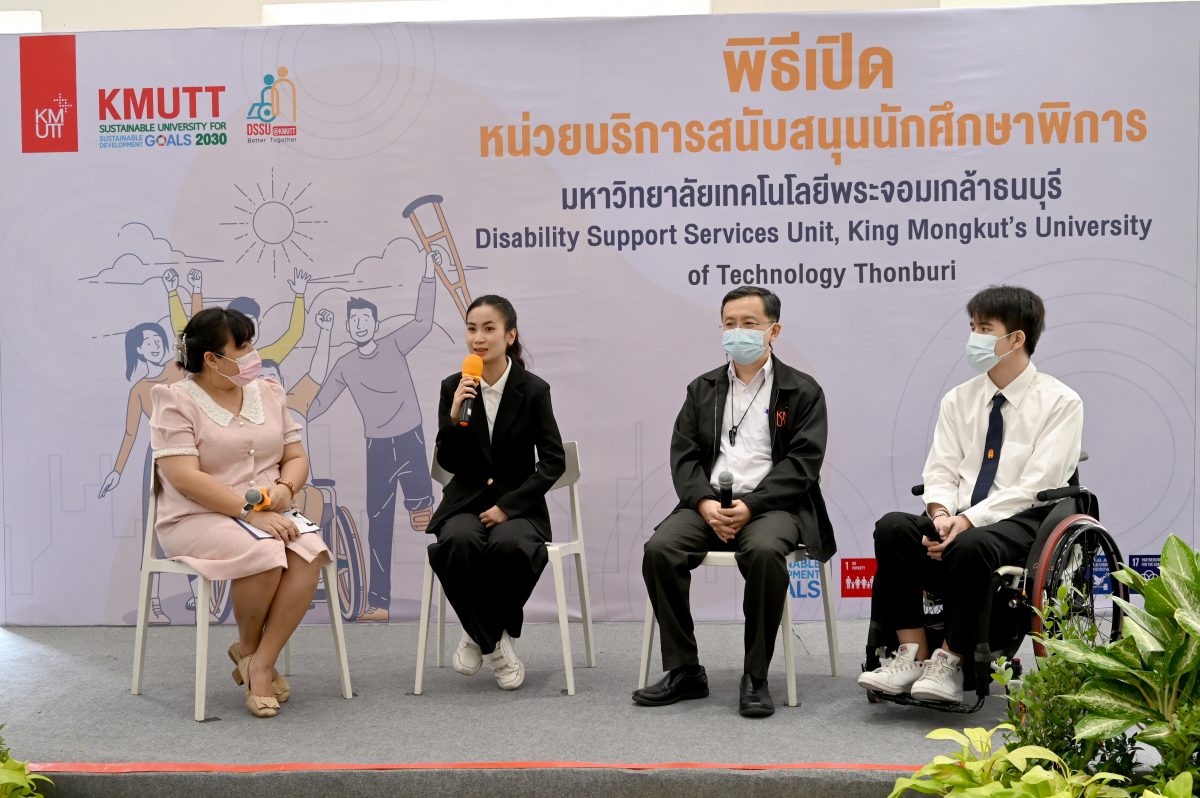
Original disability-support meetings, consultations and educational participation photographs. Original institutional student-support illustration or service record supplied by KMUTT. Dates, numerical information and access descriptions are retained as supplied.

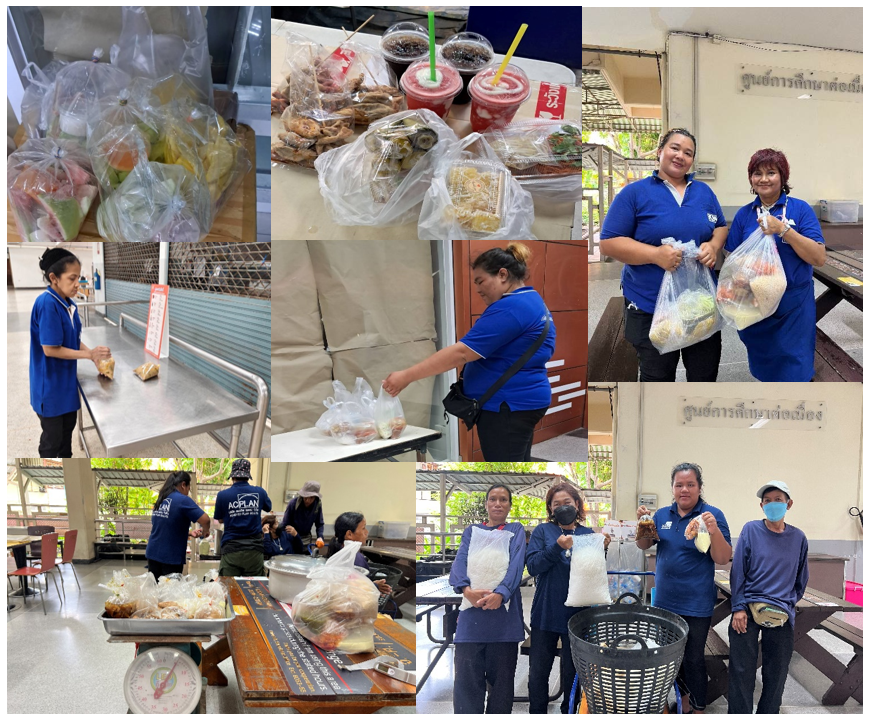
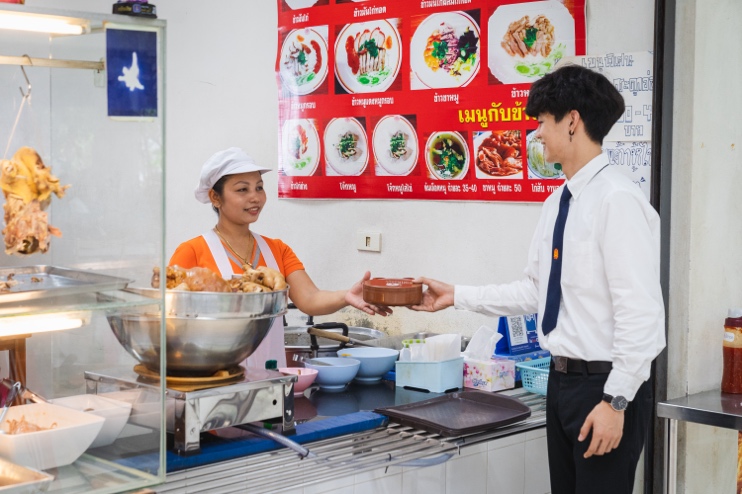
Surplus food shared without charge

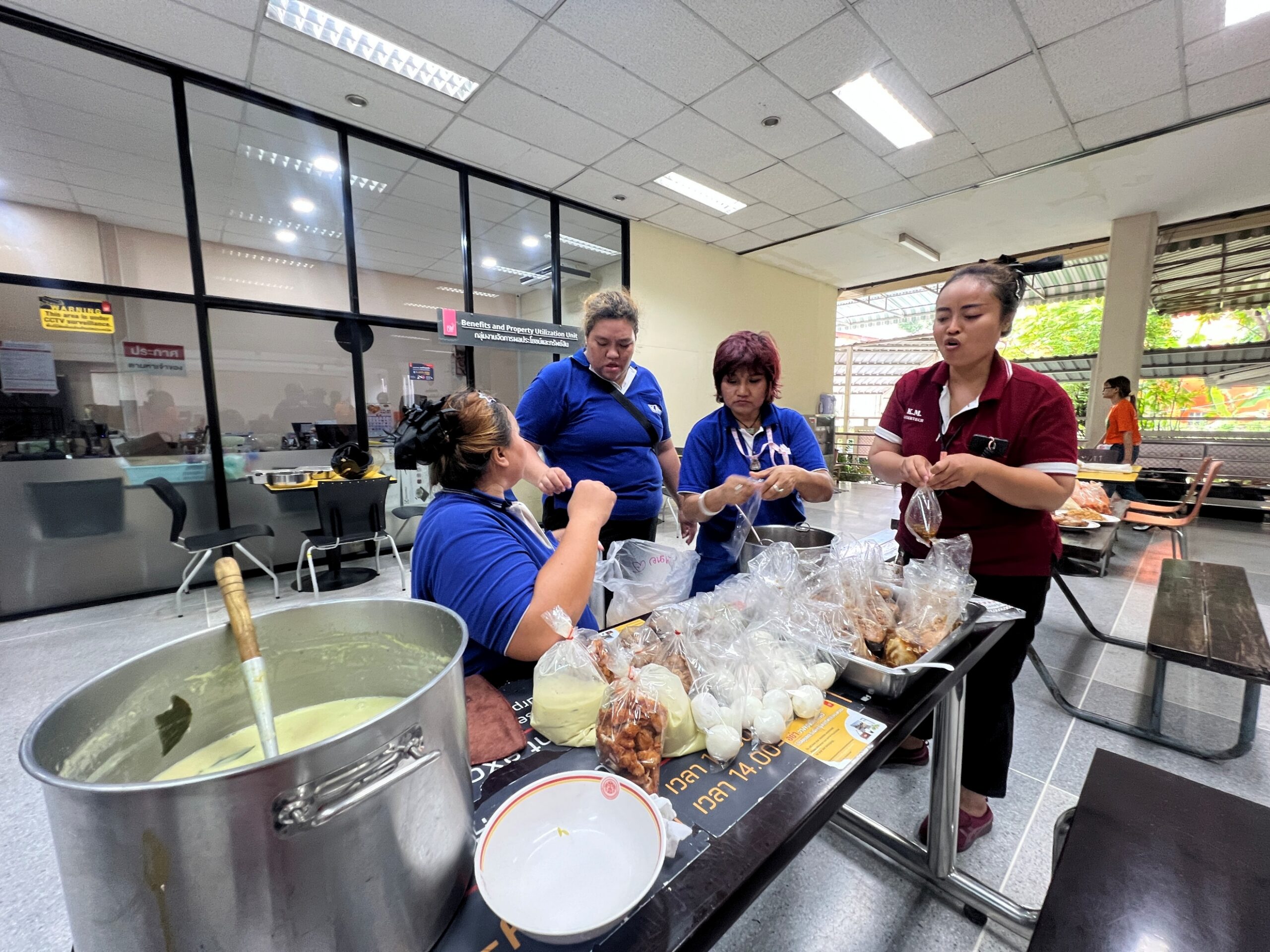
Surplus food left over from sales at KMUTT community markets and cafeterias, which occurs after the time of distribution to students and staff, is managed systematically and conscientiously. The shop owners pack leftover food in appropriate containers and place them in front of the shop after closing the shop each day.

To provide an opportunity for students, housewives, gardeners and personnel who may have income limitations to come and eat free of charge.

This approach, which emerged from a collaborative effort between relevant parties within the university, has been discussed with community markets and vendors to find ways to manage surplus food that is still of high quality and safe to consume.

As a result of these discussions and exchanges of ideas, many entrepreneurs expressed their willingness to participate in supporting this approach It is believed that sharing excess food not only reduces food waste but also helps alleviate the burden on those who may be facing financial hardship.

This is in line with the university’s sustainable development guidelines and fosters a sharing society within the university community.

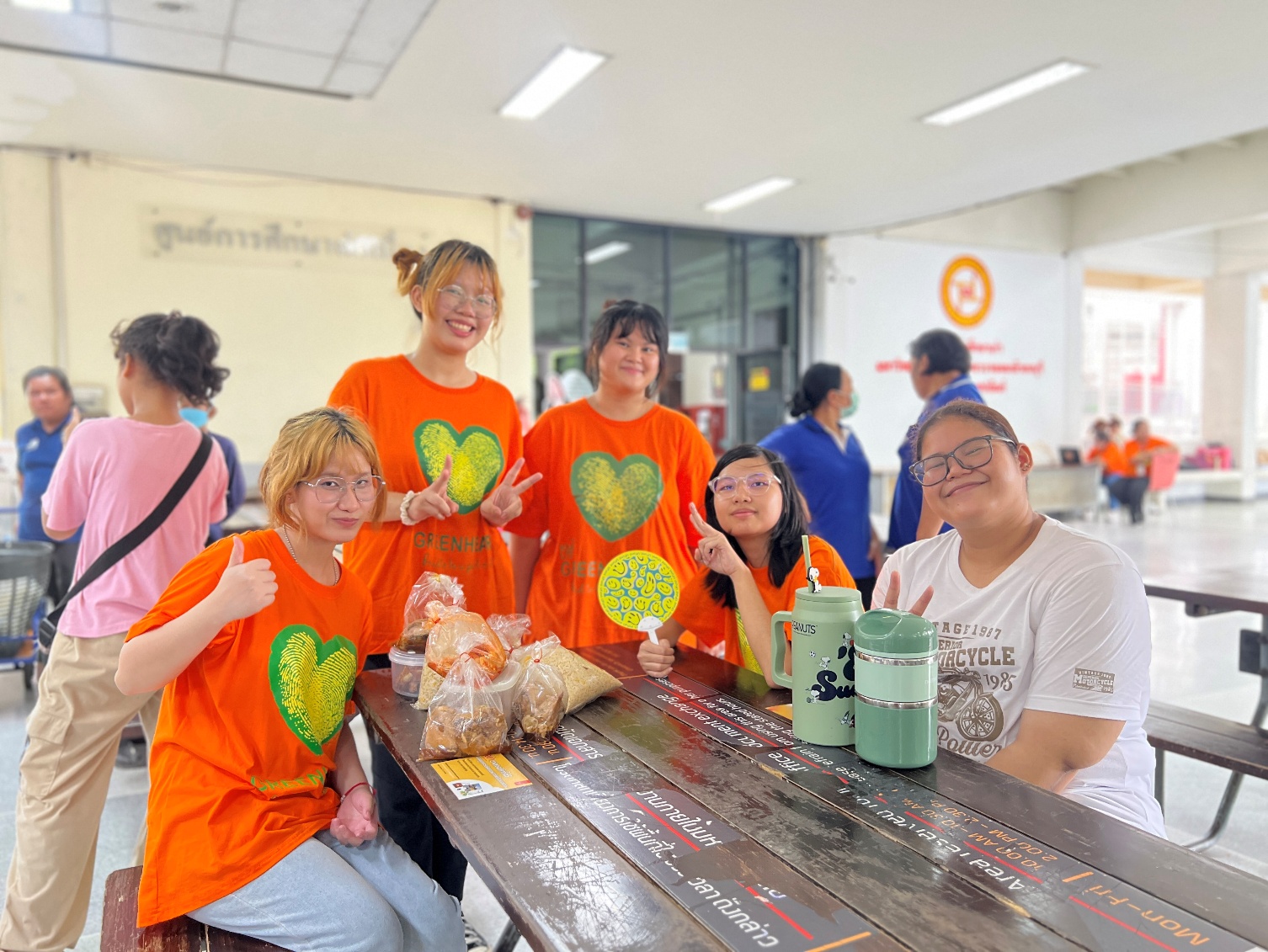
Original surplus-food sharing photographs. Original institutional student-support illustration or service record supplied by KMUTT. Dates, numerical information and access descriptions are retained as supplied.

Original food-sharing collage, retained whole. Original institutional student-support illustration or service record supplied by KMUTT. Dates, numerical information and access descriptions are retained as supplied.

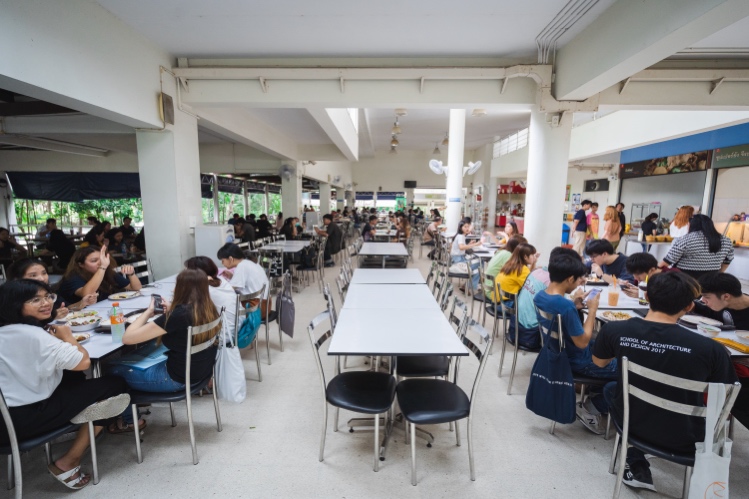
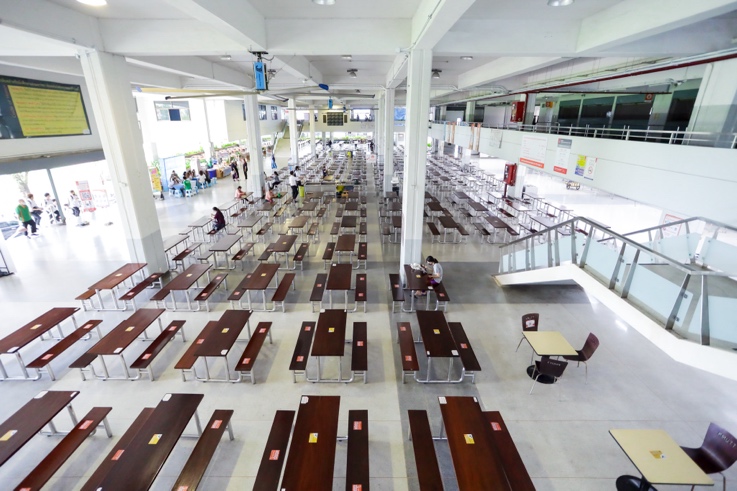
Original cafeteria and food-service photographs.

Food security and organic growing

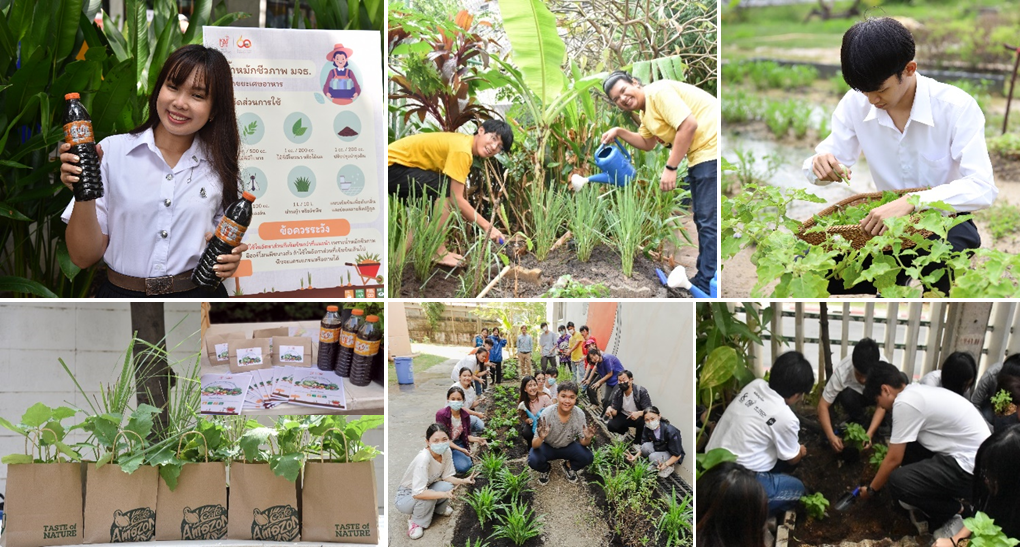
KMUTT has a project to create food security for students, personnel, and communities for well-being. Good food for students, personnel, and areas responsible for the target group by personnel and students to assist in the operation and practice skills/experience by adhering to the philosophy of sufficiency economy The area is allocated according to the activities that occur.

Part 1 Organic vegetable gardening in the student dormitory area. so that students or staff can eat.

Part 2 Organic vegetable gardening. To trade for personnel within and the community by using fertilizer from the leaves and branches in the university to compost as fertilizer for the cultivation of such vegetable gardens.

Original organic-growing and community-learning collage. Original institutional student-support illustration or service record supplied by KMUTT. Dates, numerical information and access descriptions are retained as supplied.

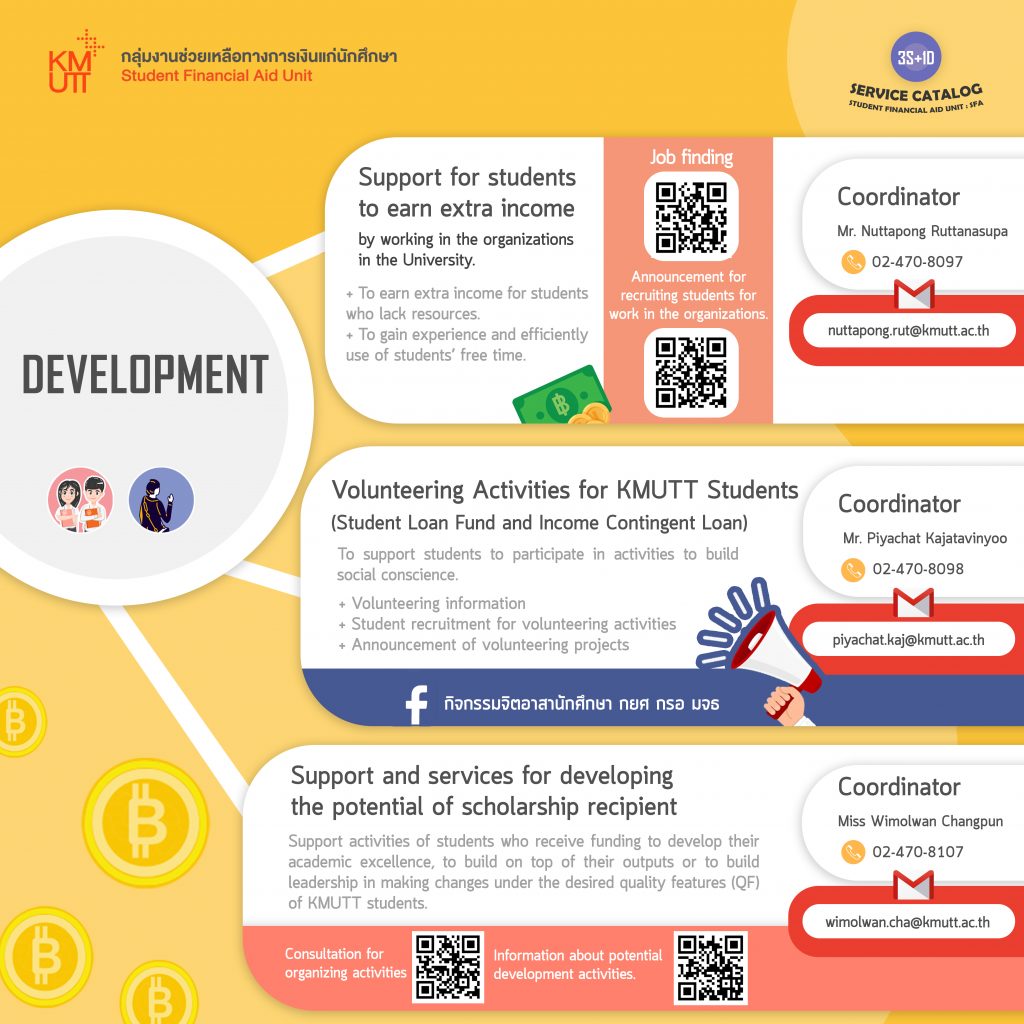
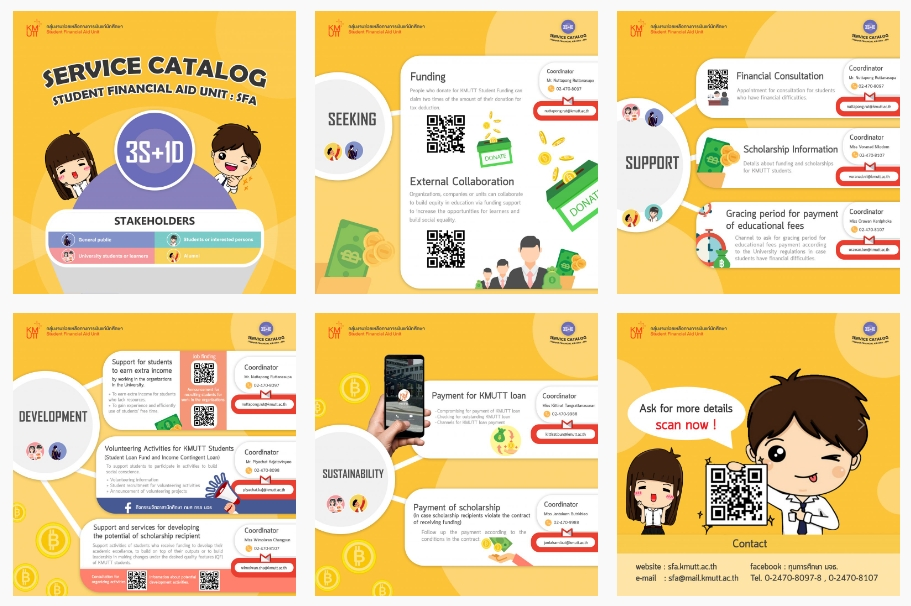
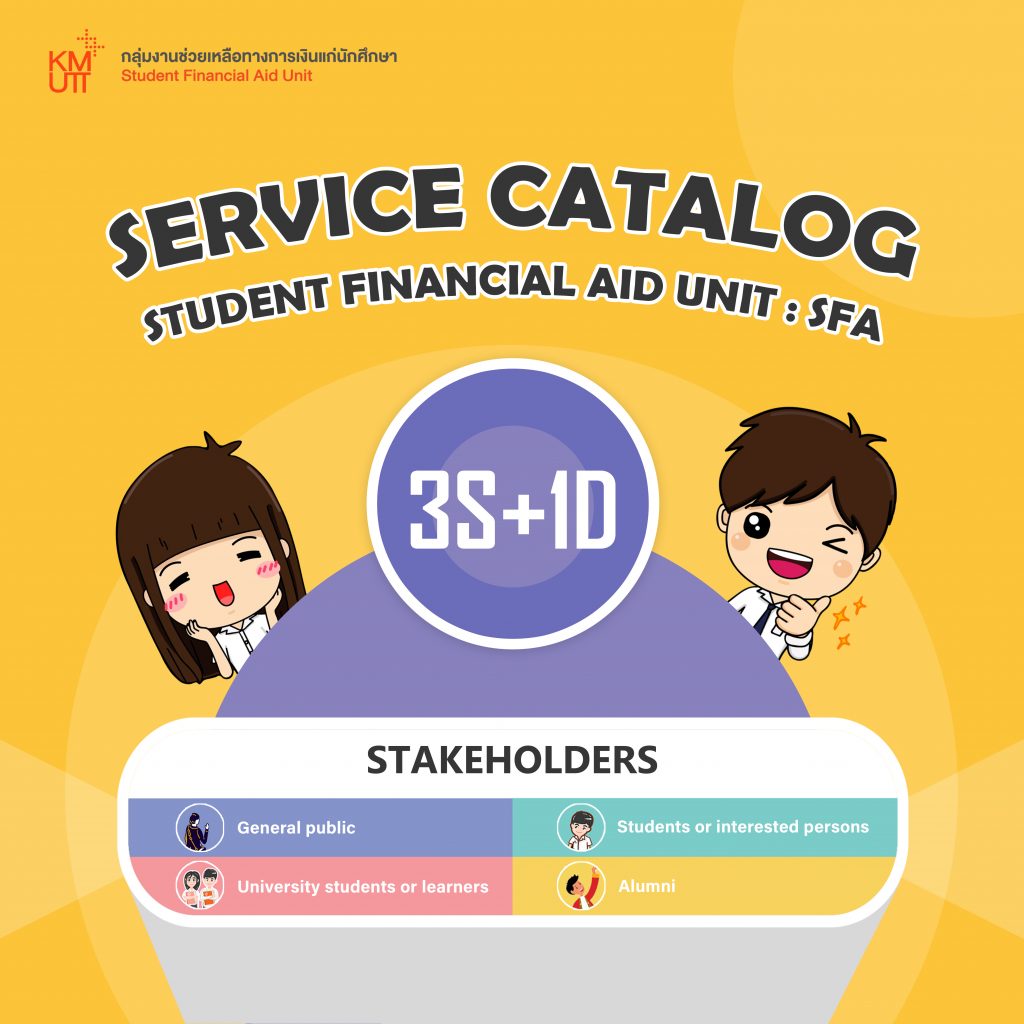
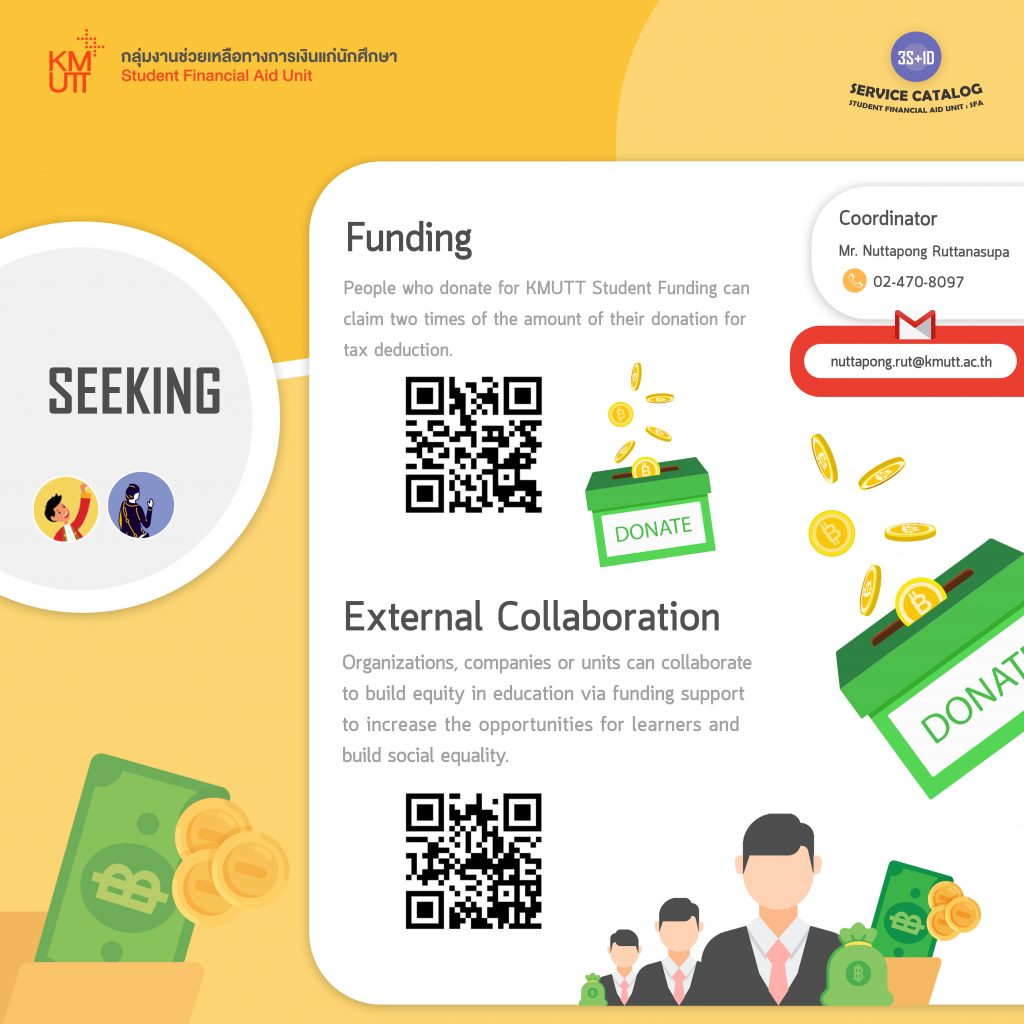
Service Catalog Student Financial Aid Unit 3S+1D

Seeking

Funding: Funding People who donate for KMUTT Student Funding can claim two times of the amount of their donation for tax deduction.

External: Organizations, companies or units can collaborate to build equity in education via funding support to increase the opportunities for learners and build social equality.

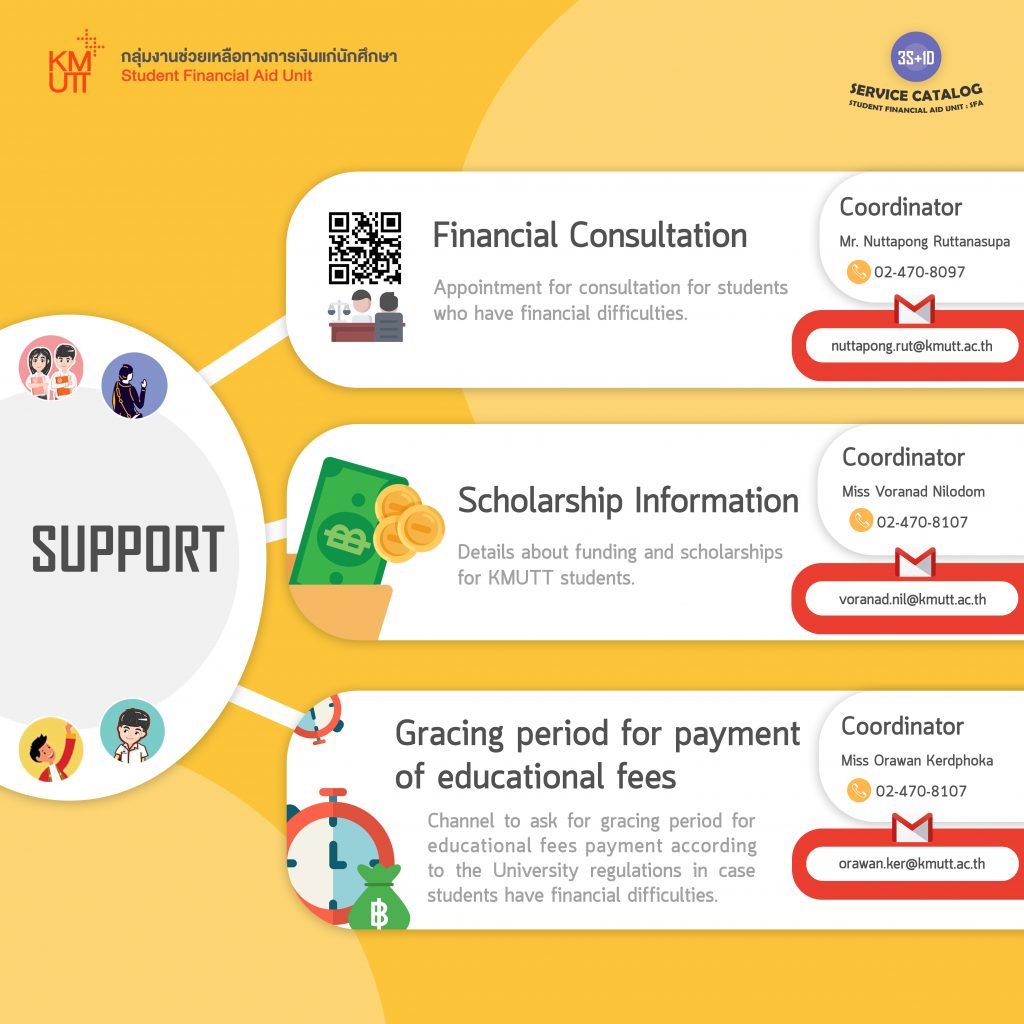
Support

Financial Consultation: Appointment for consultation for students who have financial difficulties.

Scholarship Information: Details about funding and scholarships for KMUTT students.

Gracing period for payment of educational fees: Channel to ask for gracing period for educational fees payment according to the University regulations in case students have financial difficulties.

Development

Support for students to earn extra income: by working in the organizations in the University.

+ To earn extra income for students who lack resources.

+ To gain experience and efficientlyuse of students' free time.

Volunteering Activities for KMUTT Students: (Student Loan Fund and Income Contingent Loan): To support students to participate in activities to buid social conscience.

+ Volunteering information

+ Student recruitment for volunteering activities

+ Announcement of volunteering projects

Sustainability

Sustainability: Payment for KMUTT loan

+ Compromising for payment of KMUTT loan

+ Checking for outstanding KMUTT loan

+ Channels for KMUTT loan payment

Payment of scholarship: (in case scholarship recipients violate the contract of receiving funding)

Follow up the payment according to the conditions in the contract.

Original 3S+1D service catalogue · 5 panels
Original institutional student-support illustration or service record supplied by KMUTT. Dates, numerical information and access descriptions are retained as supplied.

Original institutional student-support illustration or service record supplied by KMUTT. Dates, numerical information and access descriptions are retained as supplied.

Original institutional student-support illustration or service record supplied by KMUTT. Dates, numerical information and access descriptions are retained as supplied.

Original institutional student-support illustration or service record supplied by KMUTT. Dates, numerical information and access descriptions are retained as supplied.

How students can seek financial help

Including the university has opened a channel for students or personnel who see students who face sudden financial problems Please contact the Financial Assistance Groups for students throughout the academic year.

The university will arrange an interview for the students by the scholarship selection committee. And proceed with consideration to support the scholarship according to the guidelines to help students who have suffered financial difficulties as appropriate.

So that students can study without having to worry about money for education And enable students to graduate according to the curriculum Which may be supported by scholarships as appropriate, divided into tuition fees or living expenses Or dormitory maintenance fees, etc.

Student Financial Aid Group: Free

Address: The President's Office Building, 2nd Floor, King Mongkut's University of Technology Thonburi

Telephone: 024708100,024708097-8, 024708107

E-Mail: sfa@mail.kmutt.ac.th

Facebook: The scholarship KMUTT

Original home visits and discussions with students or families. Original institutional student-support illustration or service record supplied by KMUTT. Dates, numerical information and access descriptions are retained as supplied.

Life on KMUTT Campus

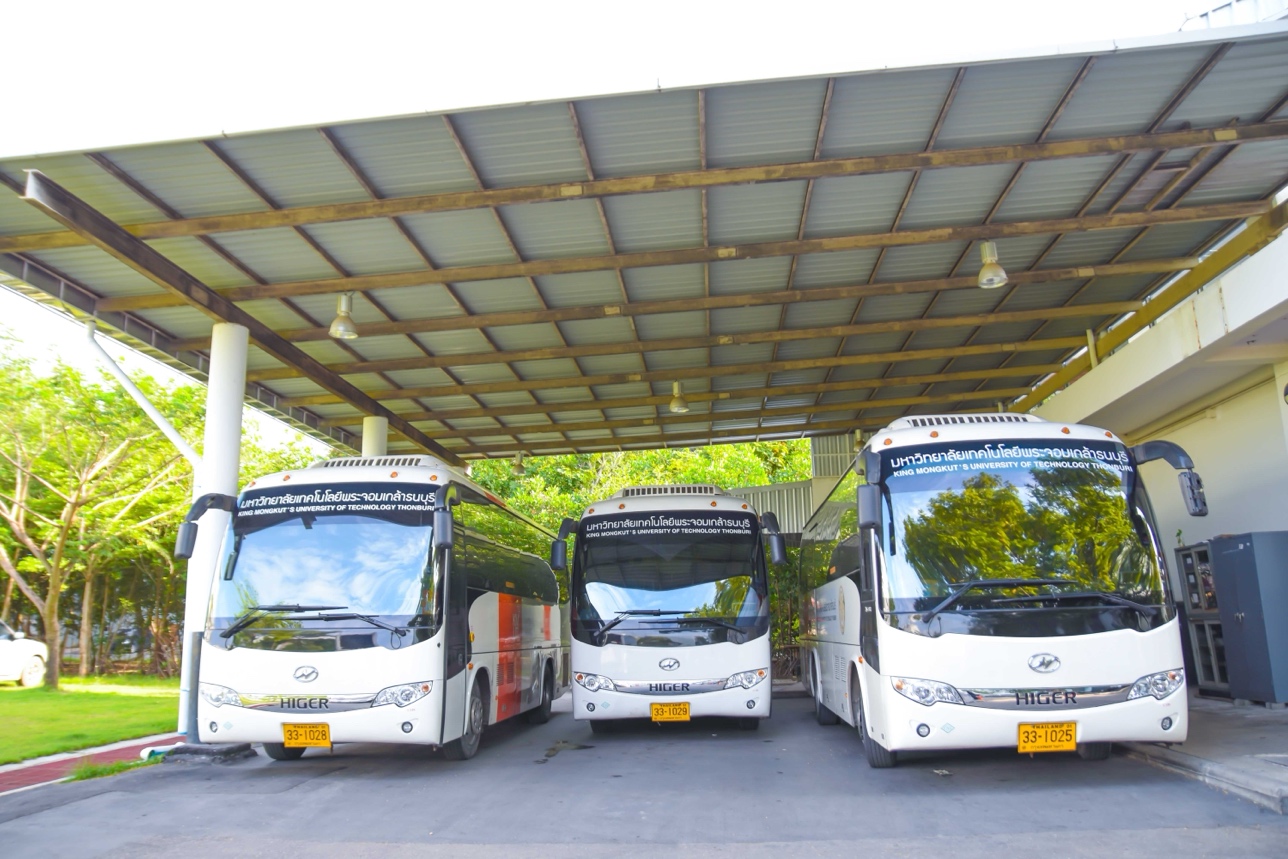
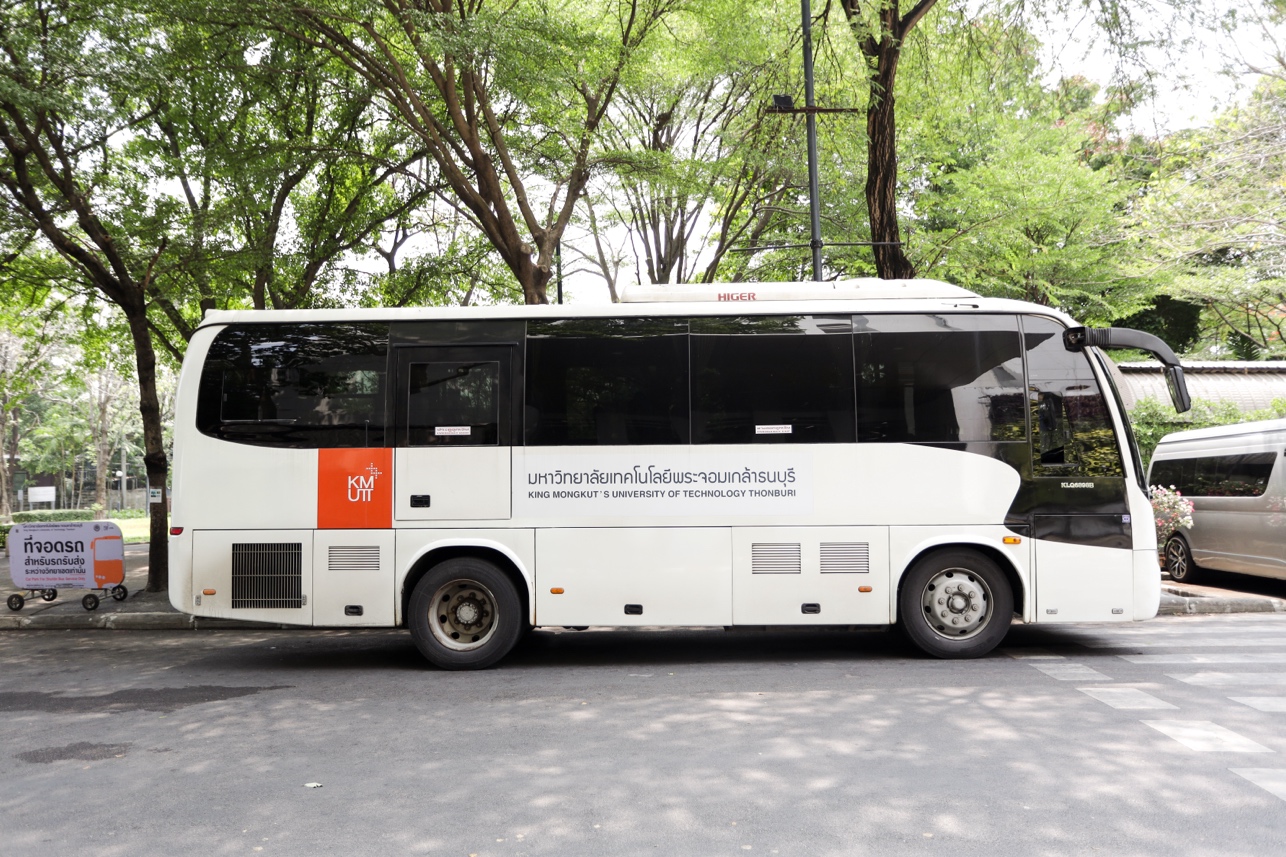
Safe Travel with KMUTT Safe Life Night Care: Free

The service provides student transportation back to accommodations around the university campus. Vehicles are available at 23:00, 24:00, and 01:00 at the Office of the President building.

Original KMUTT transport photographs. Times in the accompanying institutional account are retained without assigning a new timetable date.

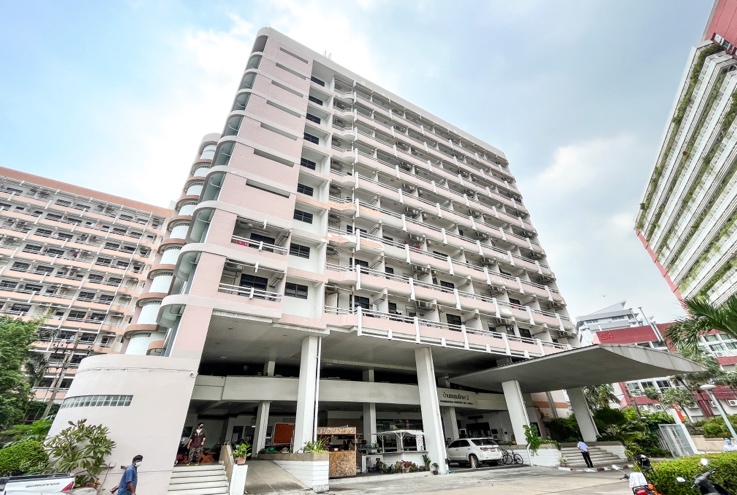
Student Dormitories: Student pricing

The student dormitories of King Mongkut's University of Technology Thonburi are independently managed under the university's supervision. They are non-profit, aiming for flexibility and self-reliance, serving as Living and Learning Centers (LLC) with a conducive environment, facilities, and appropriate services to develop students physically, intellectually, socially, and morally. The dormitory buildings are equipped with modern utilities, elevators, alarm systems, and fire escape stairs. Access to the dormitory area is controlled by a key card system.

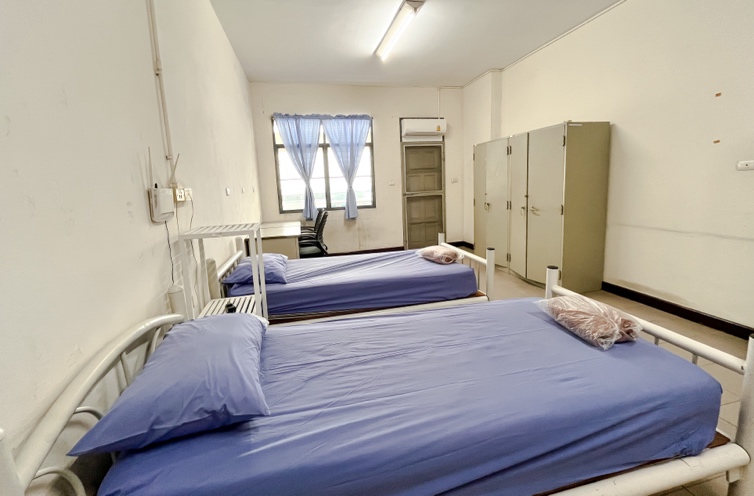
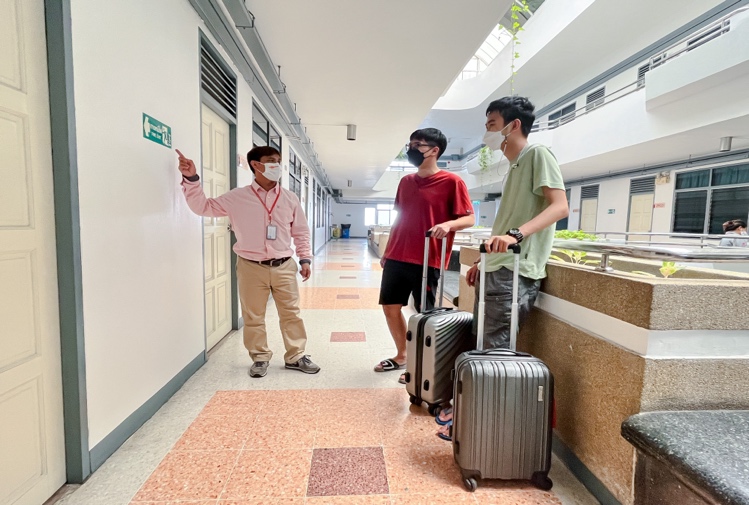
Original dormitory building, room and residential-corridor photographs. Student pricing is distinct from the targeted scholarship room-cost entitlement above.

Promoting and Developing Educational Quality

King Mongkut's University of Technology Thonburi is dedicated to becoming a leading higher education institution, enhancing teaching and learning processes, achieving excellence in academics and research. It boasts expert faculty from both domestic and international backgrounds with a wealth of knowledge and capabilities, equipped with modern research laboratories sufficient for students. The standard equipment and tools are provided along with a diverse range of informational resources to serve the students, aiming to produce well-rounded and proficient graduates.

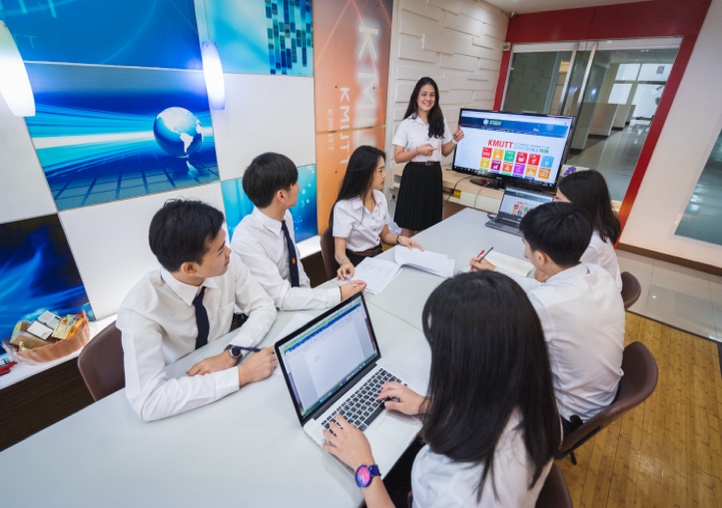
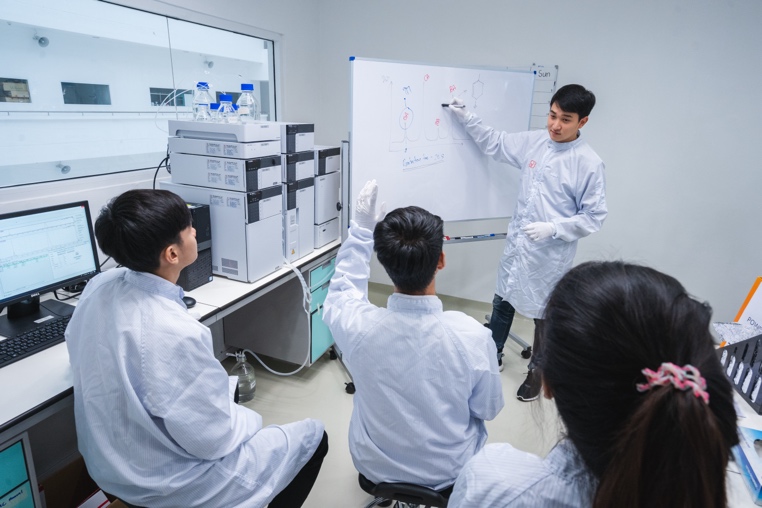
Original technology-assisted learning and laboratory-learning photographs.

Various Activities at KMUTT

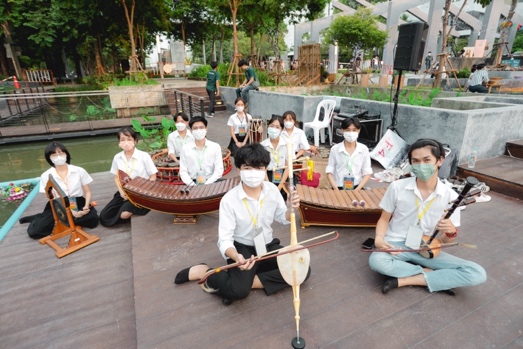
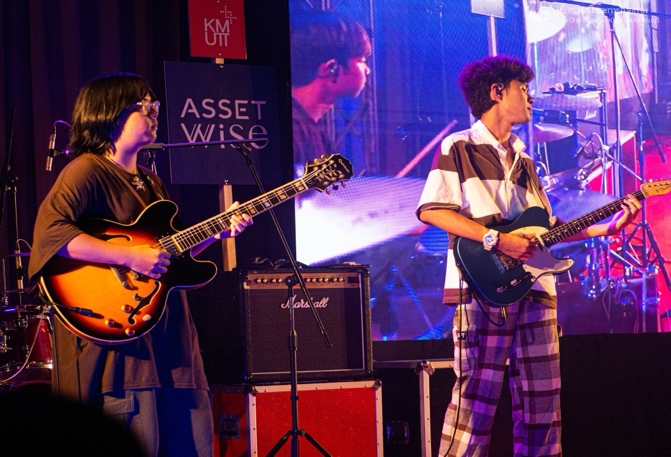
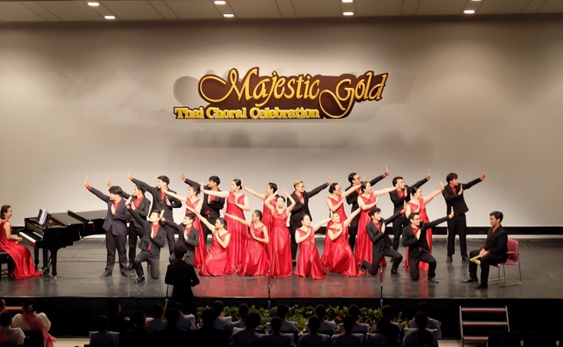
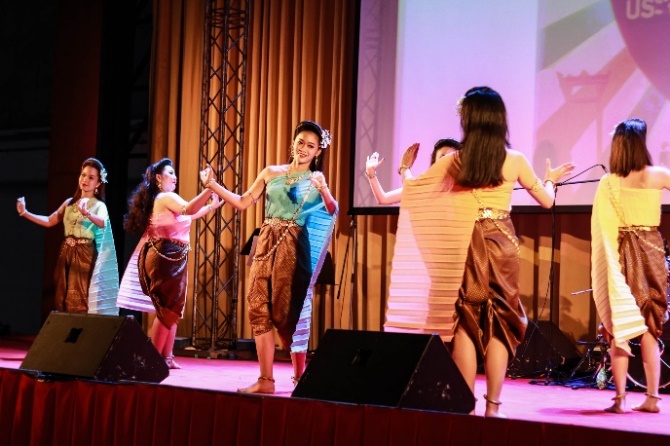
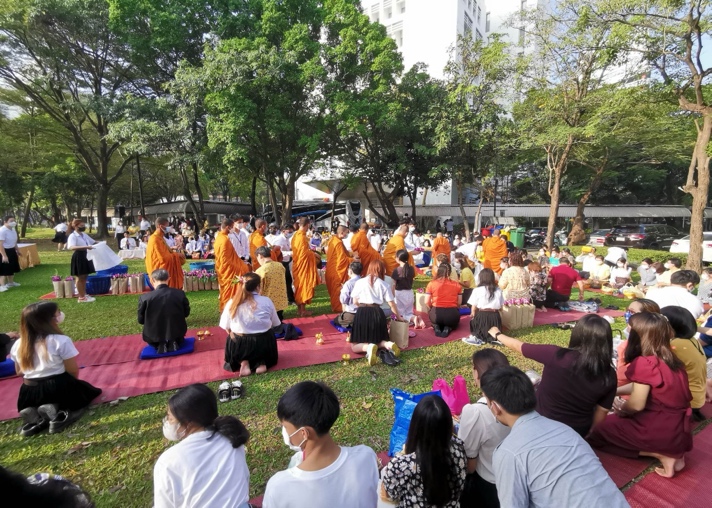
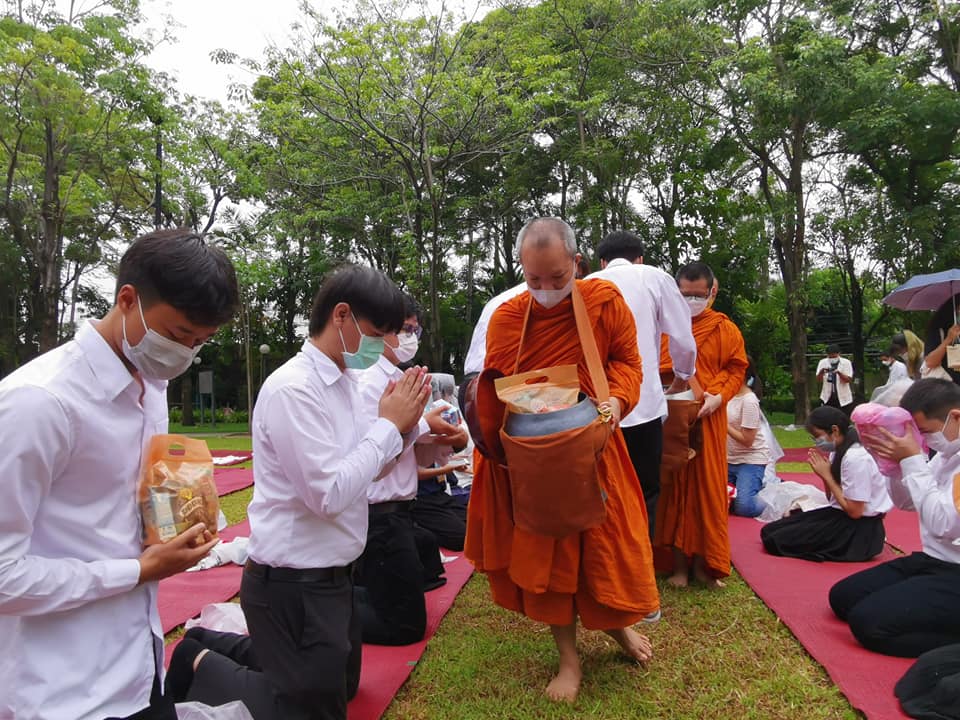
The university offers a wide selection of clubs for students to choose according to their interests. There are cultural enhancement activities, alms-giving every Wednesday, a Buddhist club for chanting and meditation, cultural arts clubs including traditional Thai orchestra, and many more activities.

Original music, performance and religious/cultural activity photographs.

Enhancing Health and Wellness: Free

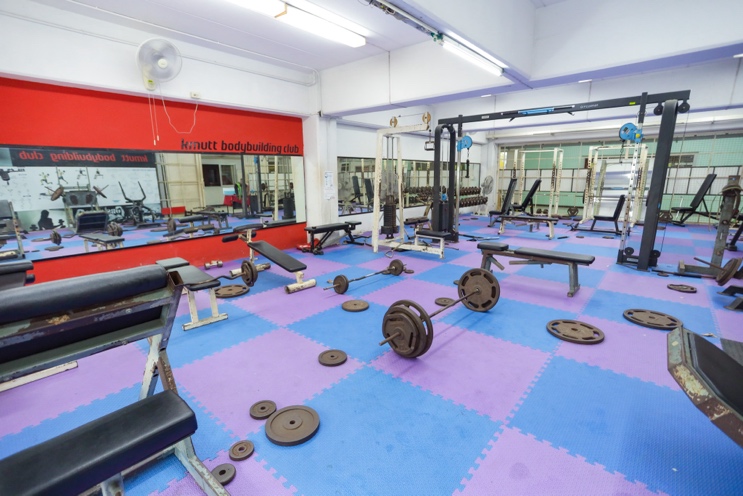
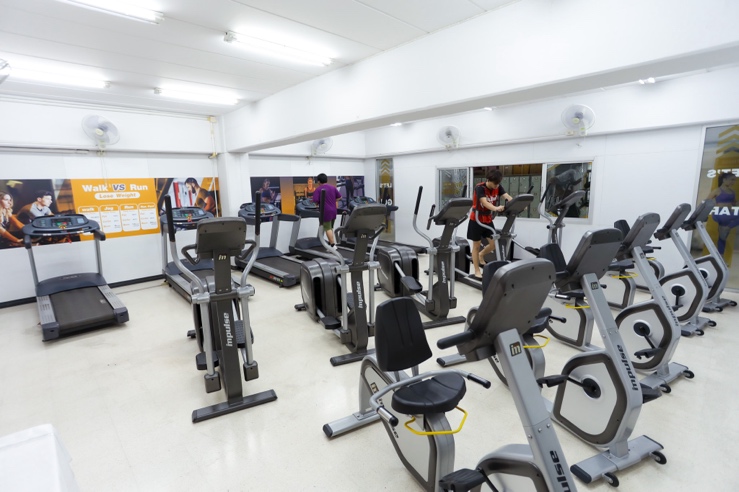
The university pays great attention to the health of its students by providing fitness equipment, exercise venues, a fitness room, bodybuilding facilities, a health garden, and a gymnasium for various sports.

Original fitness rooms, exercise equipment and indoor sports facilities.

Cultivating a Learning Environment

Stepping into KMUTT, students are molded into leaders, driven to seek knowledge, and part of a positive community. The university offers spaces conducive to all forms of learning. Students will gain diverse experiences, network, engage in activities, music, sports, and traditional cultural arts. The campus is surrounded by lush natural environments, enhancing the university's ambience.

Original learning spaces, outdoor reading/music, student collaboration and student project-recognition photographs.

The university's attention to students

The university offers scholarships to assist students in need to ensure they can complete their education. In addition to government scholarships, there are many other scholarships available, including:

1. Scholarships consisting of work-study programs, loan funds, emergency loan funds, and scholarships for outstanding students.

2. Grants such as the King Mongkut's Institute of Technology Ladkrabang Grant, which promote academics, research, and special talents, or scholarships for impoverished students.

3. General scholarships are supported by various organizations for education and research.

The KMITL-named grant example above is retained as written in the original account; it is not used to identify the KMUTT policies presented at the start of this article.

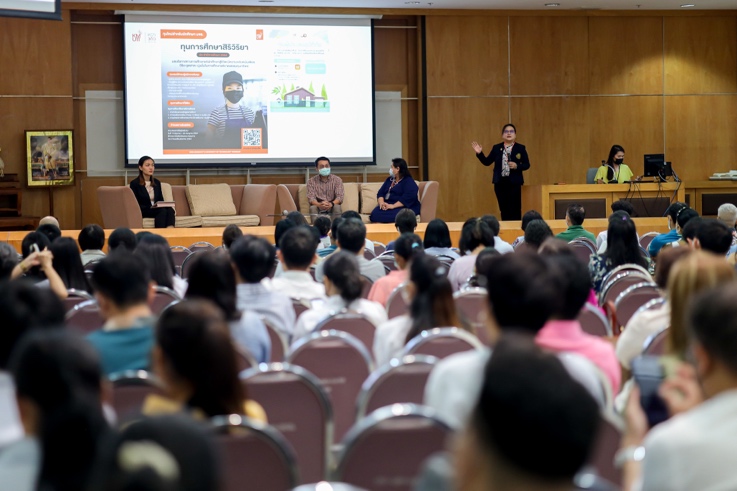
Original student financial-support and scholarship-information session photographs.

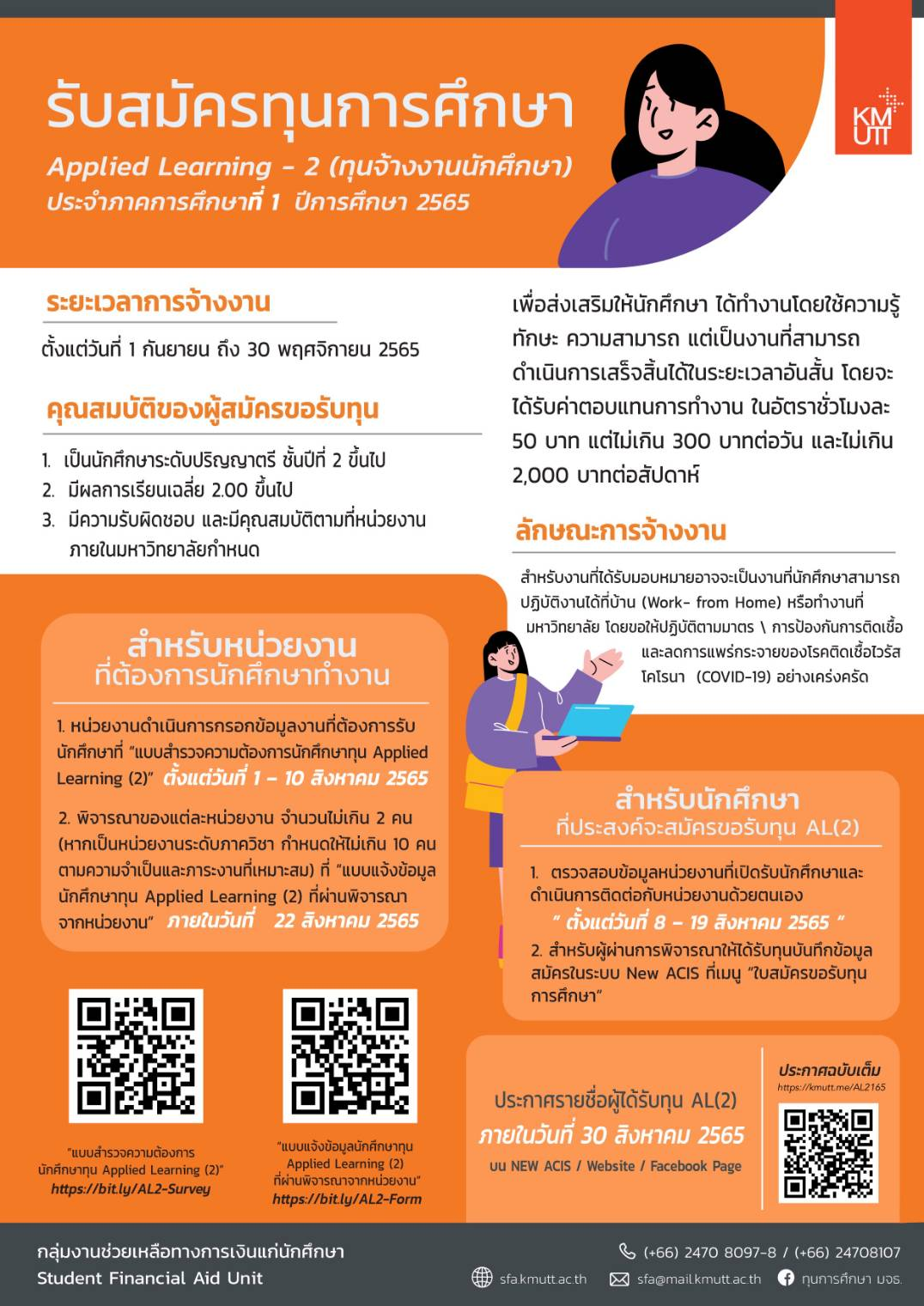
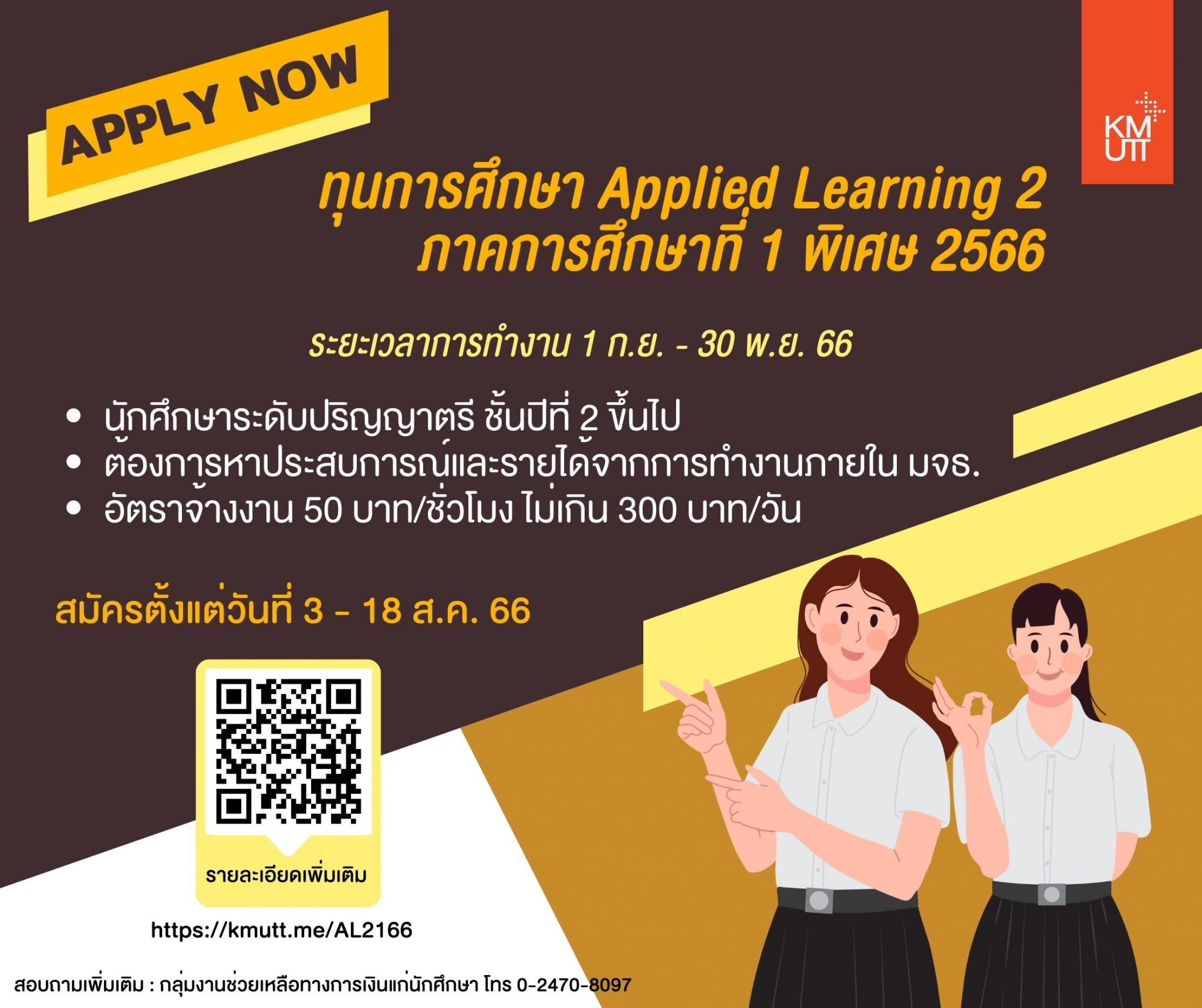
Historical Applied Learning 2 notices: semester 1/B.E. 2565 (2022) and semester 1/B.E. 2566 (2023). The 2023 notice states THB 50 per hour, up to THB 300 per day. These are not presented as new 2025–2026 recruitment or pay terms.

Historical Applied Learning 2 notices: semester 1/B.E. 2565 (2022) and semester 1/B.E. 2566 (2023). The 2023 notice states THB 50 per hour, up to THB 300 per day. These are not presented as new 2025–2026 recruitment or pay terms.

Internet Services: Free

All new students automatically receive an Account (Login Name) upon enrollment and can access the internet and Wi-Fi throughout the university premises. There is also a 24-hour computer service available at the common education building 2.

  • Student account issued automatically upon enrollment.
  • Internet and Wi-Fi across university premises.
  • 24-hour computer service at Common Education Building 2.
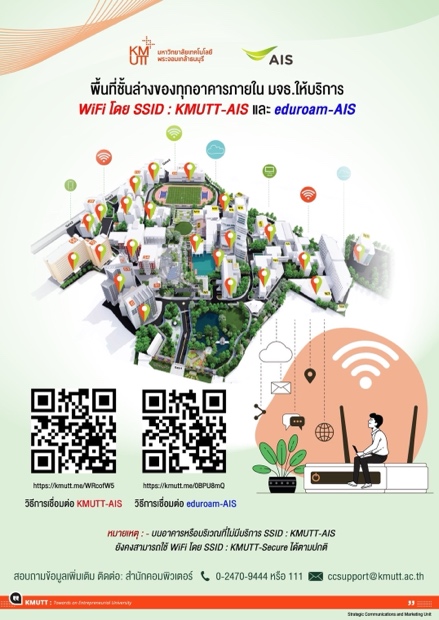
Original Wi-Fi connection artwork identifying KMUTT-AIS and eduroam-AIS. Connection details remain in the whole original poster.

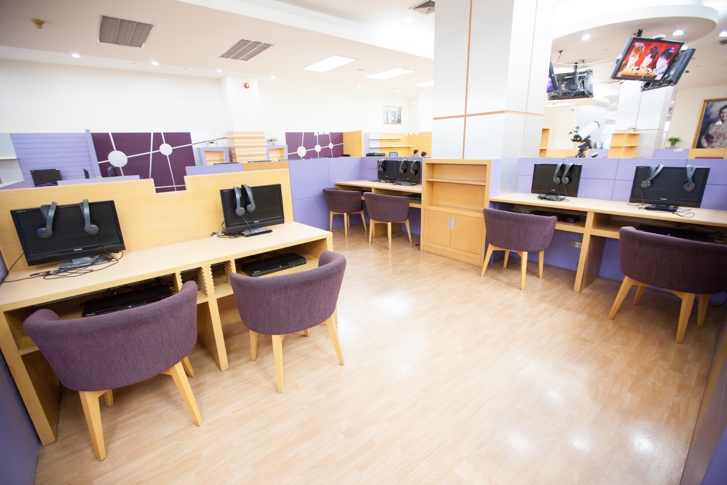
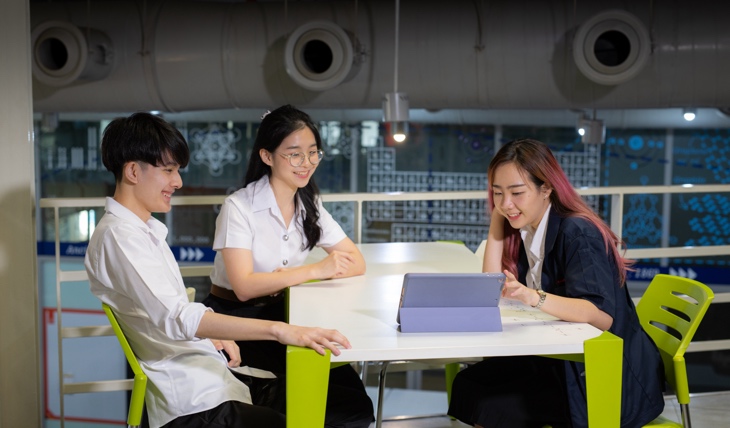
Original student computer use and learning-space photographs.

Library Services: Free

The library offers information resources in engineering, science, technology, and related fields. It provides basic services, various databases, and promotional activities to encourage lifelong learning.

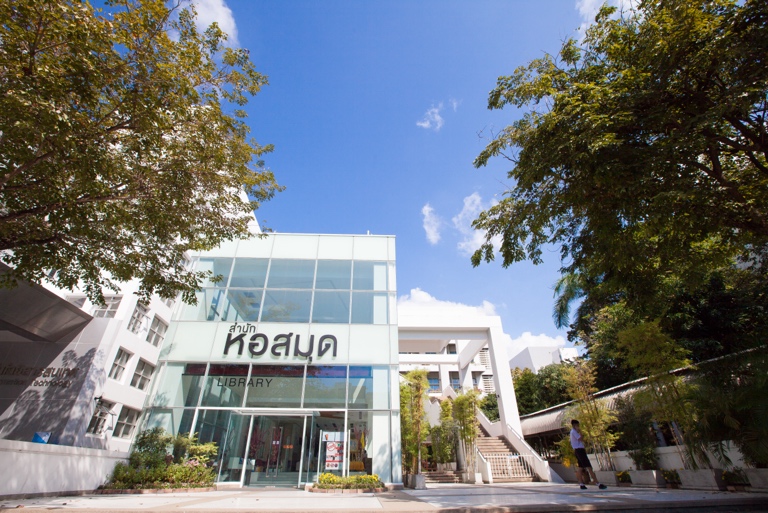
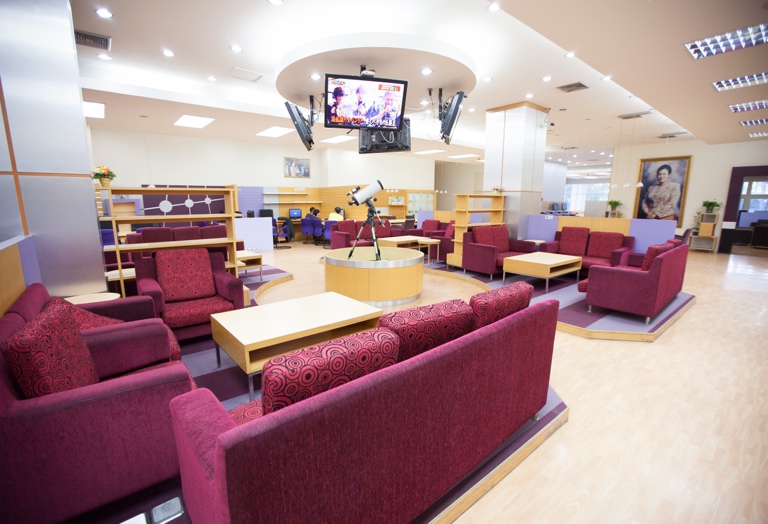
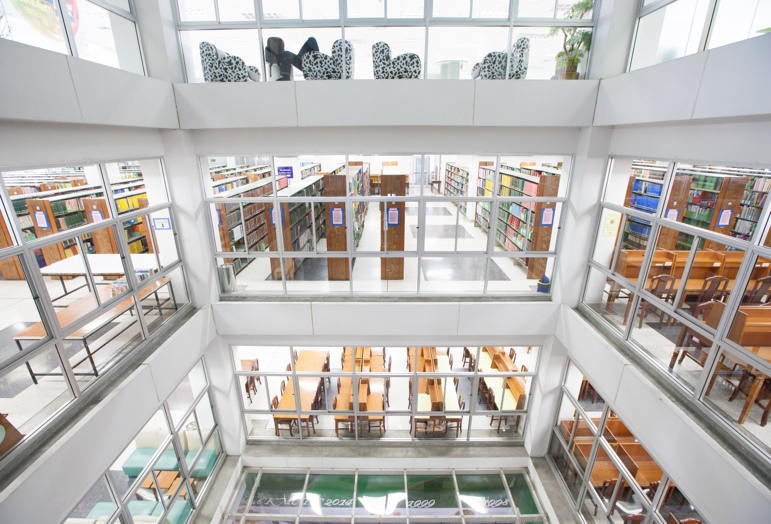
Original library exterior, interior, learning space and reading photographs.

Counseling Services: Free

King Mongkut's University of Technology Thonburi arranges for faculty and staff to advise students on academics, adaptation, family problems, etc., ensuring that students can study and live happily in society. Students can seek advice at the counseling room, Student Affairs Office, in the King Mongkut Memorial Building 190 Years, during official hours.

Original academic advice, student service and counselling photographs.

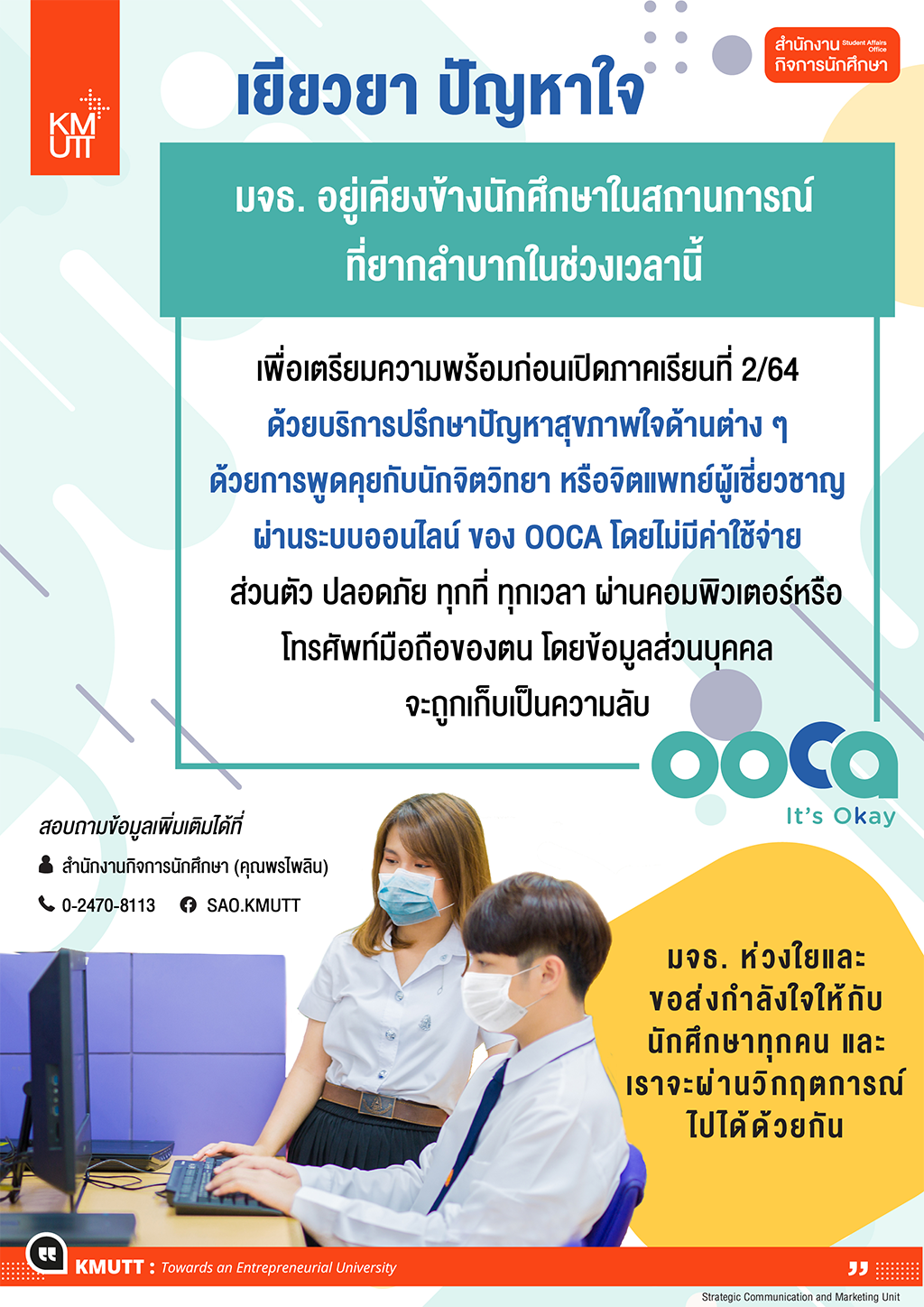
Historical online mental-health counselling notice. Its original semester label is 2/2564; it describes no-cost OOCA support and confidentiality. No new availability period is assigned. Original institutional student-support illustration or service record supplied by KMUTT. Dates, numerical information and access descriptions are retained as supplied.

Recreational Places: Free

Outdoor sports facilities, tennis courts, gymnasiums, and fitness centers are available with a variety of modern equipment, also used for various exhibitions.

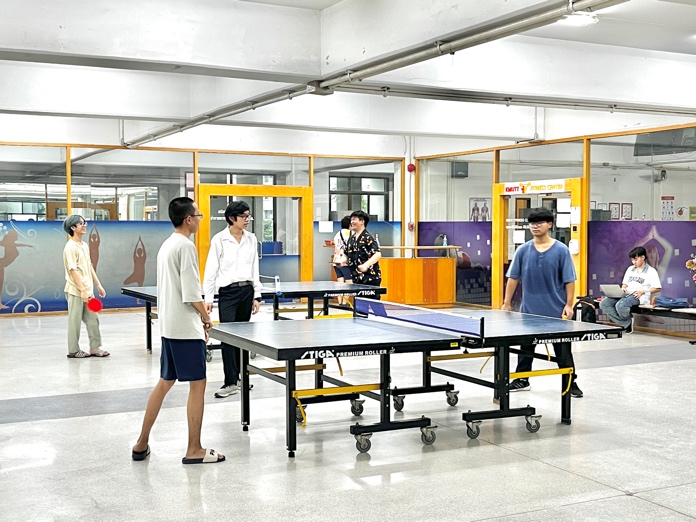
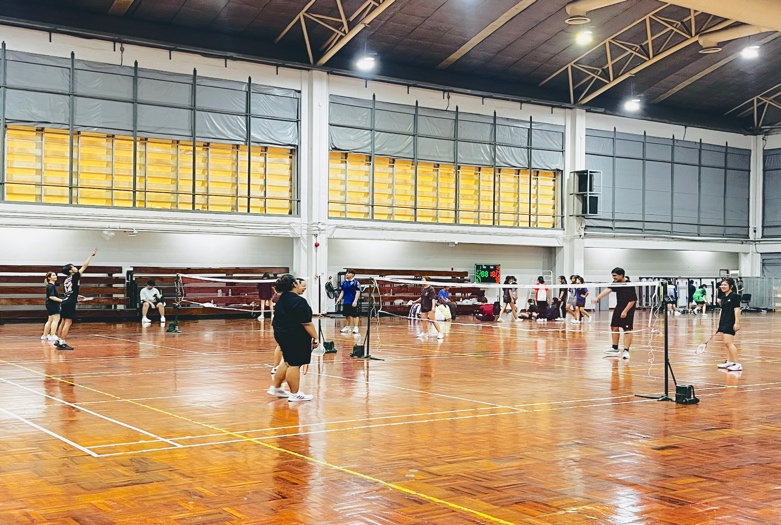
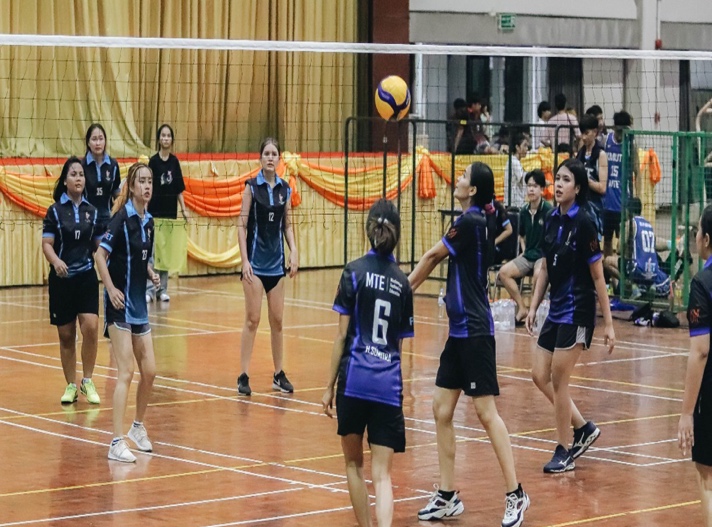
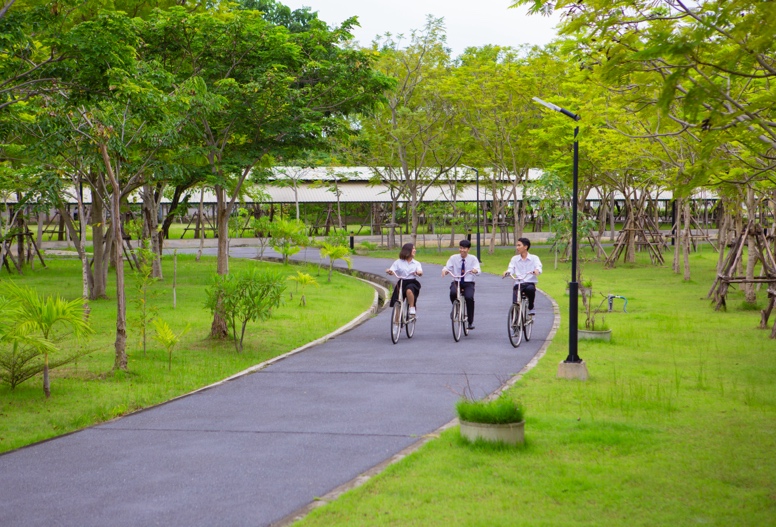
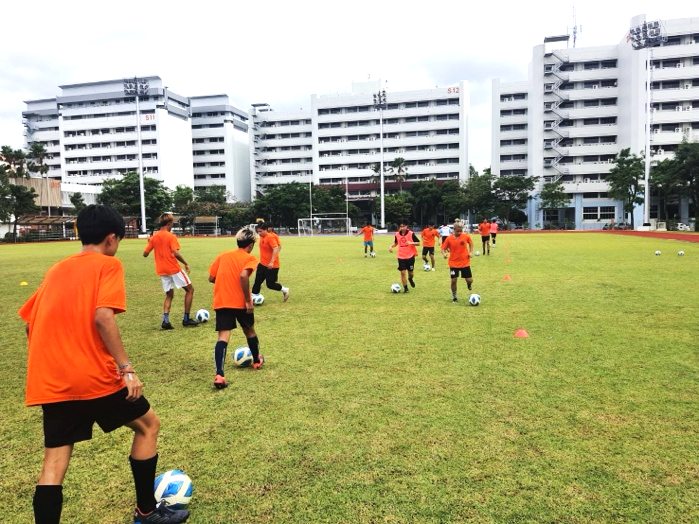
Original fitness, table tennis, indoor sports, volleyball, cycling and football photographs.

Accident Insurance: Free

The university mandates student coverage with accident insurance throughout the academic year, with the premium paid annually as determined by the university.

The original heading labels this service “Free”, while the accompanying account also specifies an annual premium at the university-determined rate. The supplied wording does not identify the premium payer or establish a blanket premium waiver.

Original campus health-service illustrations from the supplied institutional account.

Basic and educational services supporting completion

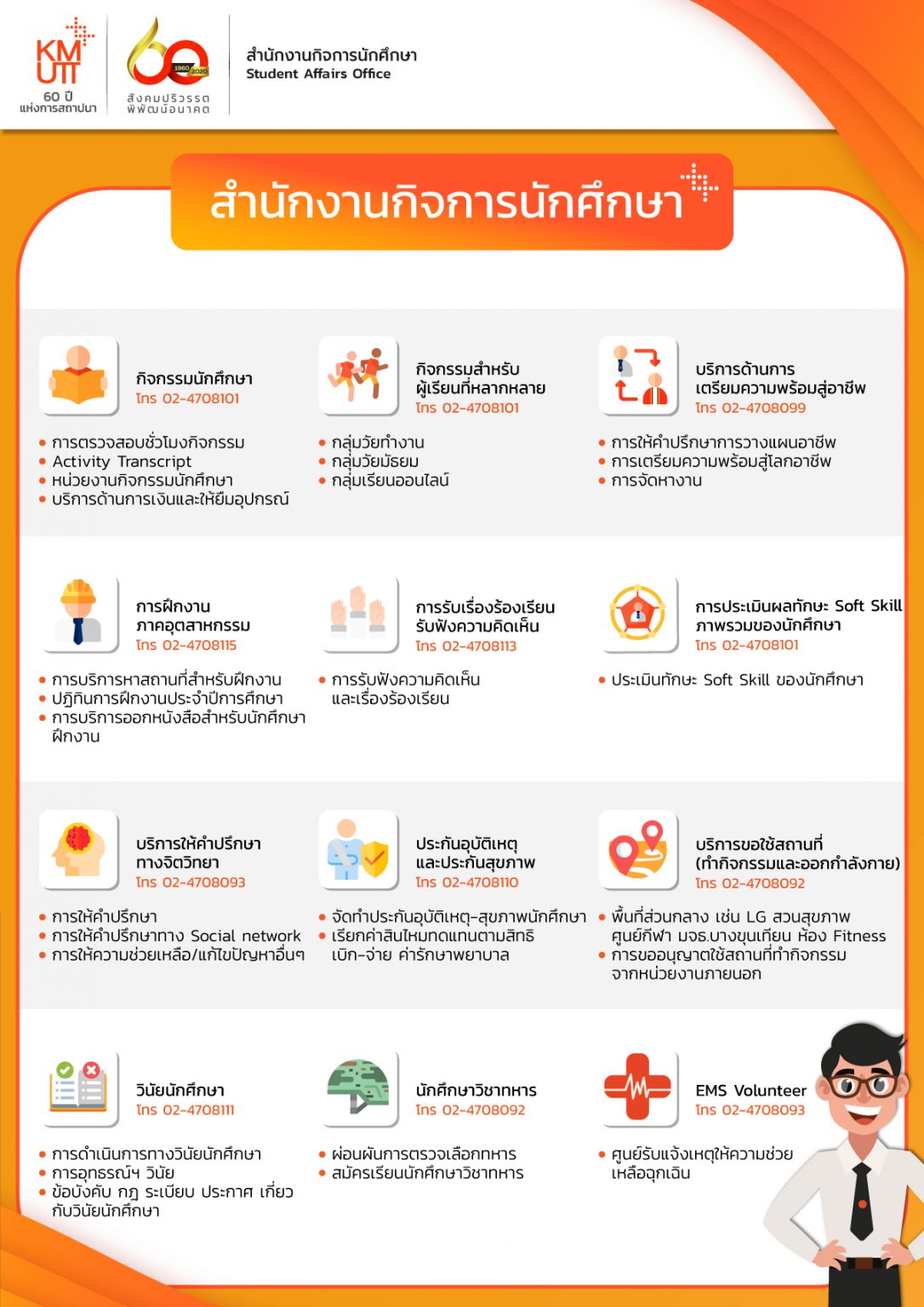
KMUTT has given scholarships including providing various measures to help students as well as graduation, such as providing basic services: accommodation, food, medicine, travel; educational services: computer equipment, the Internet, and free educational software. as well as graduating

Original Student Affairs Office service overview. Original institutional student-support illustration or service record supplied by KMUTT. Dates, numerical information and access descriptions are retained as supplied.
Original institutional service screenshots
Original institutional student-support illustration or service record supplied by KMUTT. Dates, numerical information and access descriptions are retained as supplied.

Original institutional student-support illustration or service record supplied by KMUTT. Dates, numerical information and access descriptions are retained as supplied.

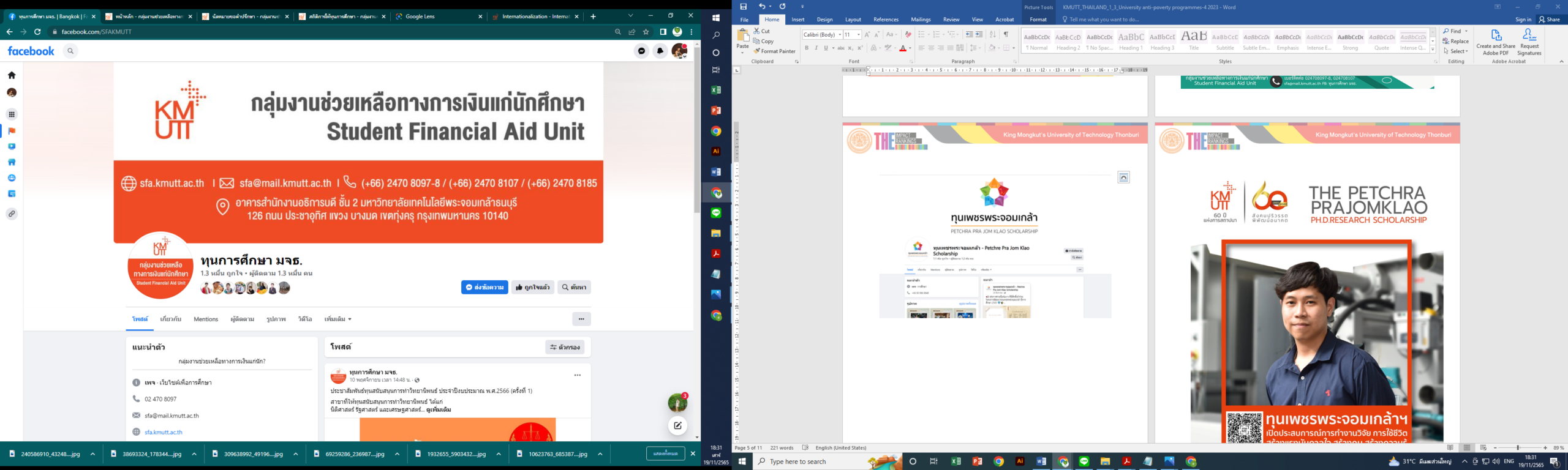
Original scholarship Facebook-page screenshot. Original institutional student-support illustration or service record supplied by KMUTT. Dates, numerical information and access descriptions are retained as supplied.
Sources and additional evidence

4. Bottom financial quintile student support

KMUTT combines financial-need assessment, continuing scholarship support and academic follow up to help disadvantaged students complete their studies. The 2025 Thammaraksa policy establishes a faculty-to-university recruitment and selection route with support for the prescribed programme duration. The 2026 Siriviriya announcement sets out nomination, hardship assessment, monitoring and annual renewal responsibilities. A continuing scholarship award made in October 2025 provides a dated example of support through graduation.

A coordinated pathway from identification to completion

Stage / Documented arrangements

Identify eligible students

The 2025 Thammaraksa policy provides proactive recruitment of disadvantaged candidates through faculties. The 2026 Siriviriya scheme identifies continuing undergraduates lacking resources, a sponsor or adequate family support.

Assess need and select recipients

Faculties nominate candidates. Under Siriviriya, the Student Financial Aid Unit checks eligibility through interviews or home visits, with academic records and supporting circumstances informing selection.

Provide continuing assistance

Thammaraksa covers curriculum tuition, THB 4,000 monthly living costs, dormitory room charges excluding utilities and THB 10,000 annually for educational materials. Siriviriya provides tuition, THB 6,000 monthly for 12 months and THB 10,000 annually for materials.

Monitor progress and renew support

Thammaraksa requires cumulative GPA of at least 2.00. Siriviriya requires faculty monitoring of recipients’ living circumstances and annual review of academic progress and activities for continuation.

The two scholarship schemes have distinct eligibility rules and benefits; their allowances are not added together as a combined entitlement. Siriviriya’s ceiling of five awards per academic year is programme capacity, rather than a count of all low-income students or a national income-quintile measure.

Continuing support in operation in 2025

Award date
14 October 2025academic year B.E. 2568
Continuing grants
5 awardsdescribed as continuing until graduation
Total funding
THB 100,000no binding obligations

At a university ceremony on 14 October 2025, Boonyium and Associates Co., Ltd. awarded five grants totalling THB 100,000 for academic year B.E. 2568. The grants were described as having no binding obligations and continuing until graduation. The intended recipients were determined students with good academic results but insufficient financial resources. The Student Financial Aid Unit participated alongside university leadership and the donor, connecting the financial assistance with the university’s student-support arrangements.

Official KMUTT photograph of the continuing-scholarship presentation on 14 October 2025.

Financial counselling and assistance records

The original institutional record below reports 648 financial-aid consultations or assistance instances and loan-related figures. Those measures remain as supplied and are not converted into a count of unique bottom-quintile students. The original loan table retains AY 2023 semester labels within a section headed 2025; its figures are preserved as source records rather than used to create a new annual total.

The following original text, editable tables, policy images, student-employment examples, home-visit photographs and service records are retained in full. Their original dates, labels and quantities remain unchanged. General scholarship participation does not by itself identify a nationally measured household-income quintile.

Fiscal year 2025 record
648 instancesconsultations or assistance; not unique students

The university provides a consultation channel for students facing financial difficulties. Students may schedule appointments to seek advice from the Student Financial Assistance Unit. Additionally, if university staff identify students in urgent need of financial support, they may contact the unit for assistance.

Throughout the 2025 fiscal year, 648 instances of students seeking financial aid were recorded; in every case, appropriate support was provided to help alleviate the financial burden on their families.

During the 2025 fiscal year, students at KMUTT who expressed a need for support through the Student Loan Fund (SLF) are as follows

Student Loan Fund (SLF) Loans for Academic Year 2025

The table title names academic year 2025; both semester columns are labelled AY 2024. The first two loan rows are both labelled Category 1. These labels are retained as supplied.

Student Loan Fund record · amounts in million baht
Scholarship/Loan TypeAllocated to Borrowers (Persons)Loan Amount (Million Baht) (1st Semester, AY 2024)Loan Amount (Million Baht) (2nd Semester, AY 2024)Total Loan Amount (Million Baht)
SLF (Student Loan Fund) Loan (Category 1)36119.9211.9131.83
SLF (Student Loan Fund) Loan (Category 1)2,584127.1076.84203.94
SLF (Student Loan Fund) Loan (Category 4)10.070.040.11
Total2,946147.0988.79235.88

* Student Loan Fund (SLF) Loans are required to be reported by Academic Year.

Student borrowers and loan amounts by faculty

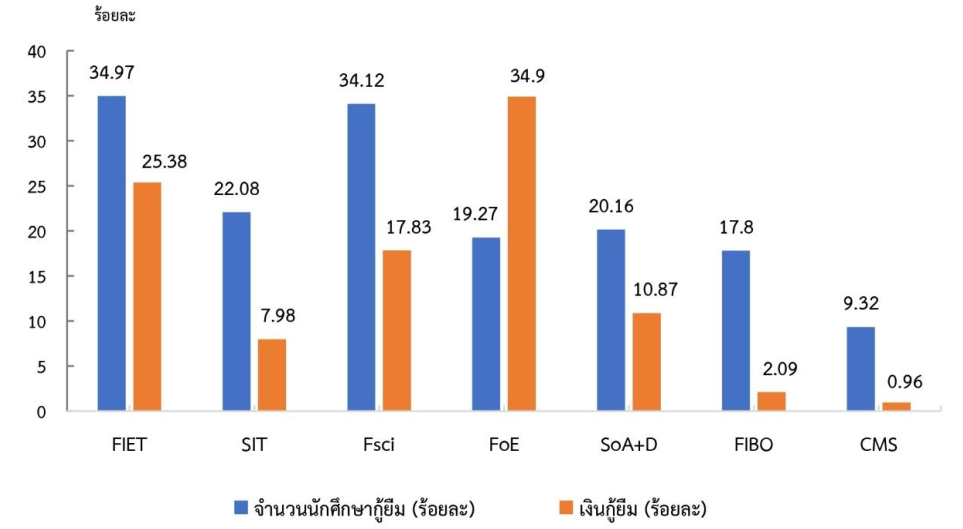
In the 2025 fiscal year, a total of 2,946 students—representing 24% of the entire undergraduate student body—received loans from the Student Loan Fund. A breakdown by faculty reveals that the largest group of student borrowers is enrolled in the Faculty of Industrial Education and Technology, accounting for 34.97% of the total (59.86 million baht). This is followed by the Faculty of Science at 34.12% (42.05 million baht) and the Faculty of Information Technology at 22.08% (18.82 million baht). The College of Interdisciplinary Studies has the lowest number of student borrowers, at 9.32% (2.26 million baht). Further details are as follows

Number of student borrowers and loan amounts for the 2025 fiscal year, categorized by faculty

The following values reproduce the two series in the source graphic. A common denominator for the borrower percentages is not stated in that graphic; those values do not form a single 100% distribution. Borrower percentages and loan-amount percentages remain separate measures, with no inferred faculty counts or reallocated totals.

Values labelled in the original faculty graphic
Faculty code in sourceStudent-borrower series (%)Loan-amount series (%)
FIET34.9725.38
SIT22.087.98
Fsci34.1217.83
FoE19.2734.9
SoA+D20.1610.87
FIBO17.82.09
CMS9.320.96
Original KMUTT financial-assistance, student-employment, home-visit or support evidence. Dates and numerical information remain as supplied.

Donor scholarships and continuing support

In addition, there are scholarships received from companies, businesses, and charitable donors to assist students who lack financial resources but possess good academic results and conduct. These funds are allocated according to the donor’s objectives, provided either continuously until the end of the program or on an annual basis.

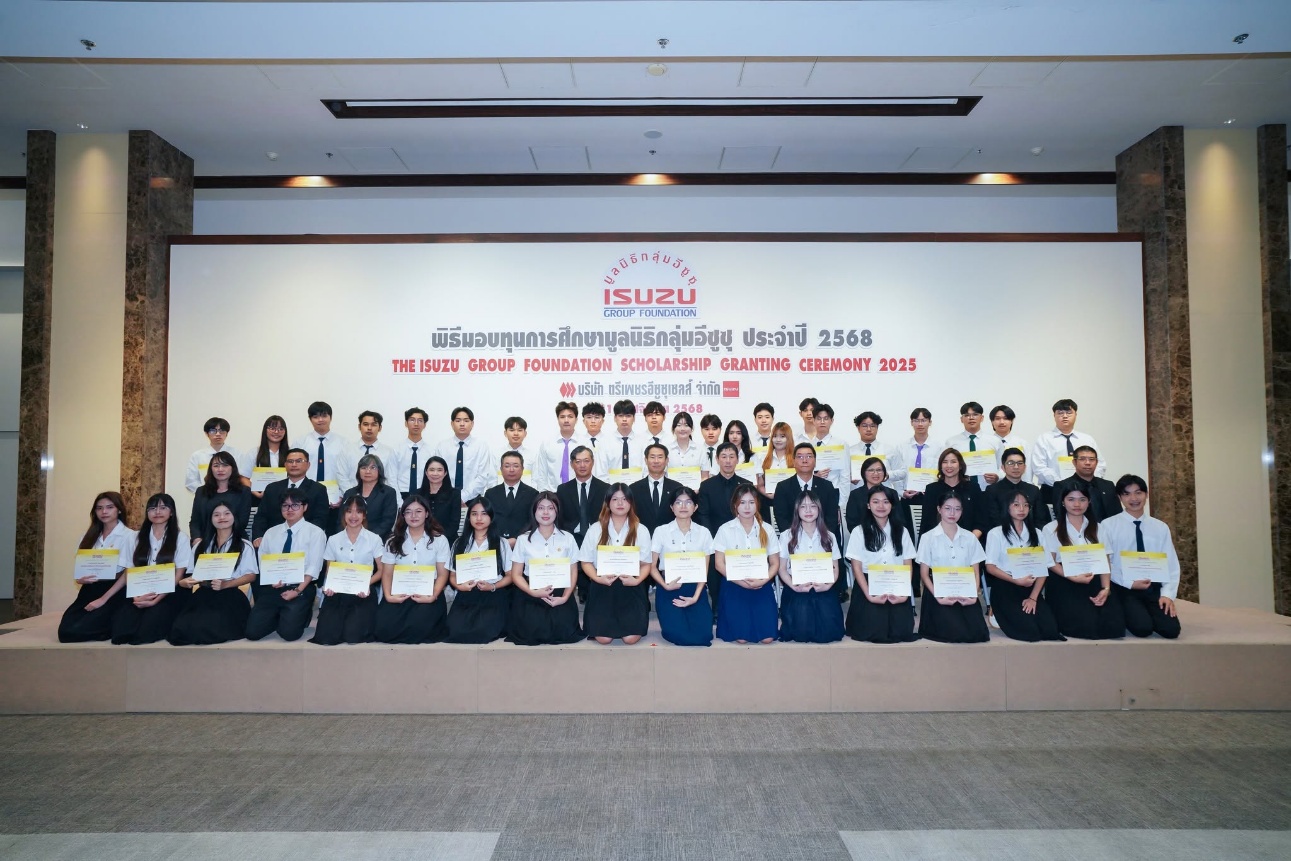
Original donor-scholarship presentation photographs. Original KMUTT financial-assistance, student-employment, home-visit or support evidence. Dates and numerical information remain as supplied.

Scholarships and student potential development

All scholarships supported by the University are aligned with the defined goals of the institution. Various activities are organized to serve as platforms for developing student potential, promoting and supporting activities that create social change agents who can meet the required attributes in various fields and are currently in demand. This also includes developing Soft Skills for students, such as the Student Employment Scholarship, volunteer work undertaken by SLF borrowers and students receiving scholarships from university or external sources, as well as students selected to receive Royal Scholarships and commendation awards at the higher education level.

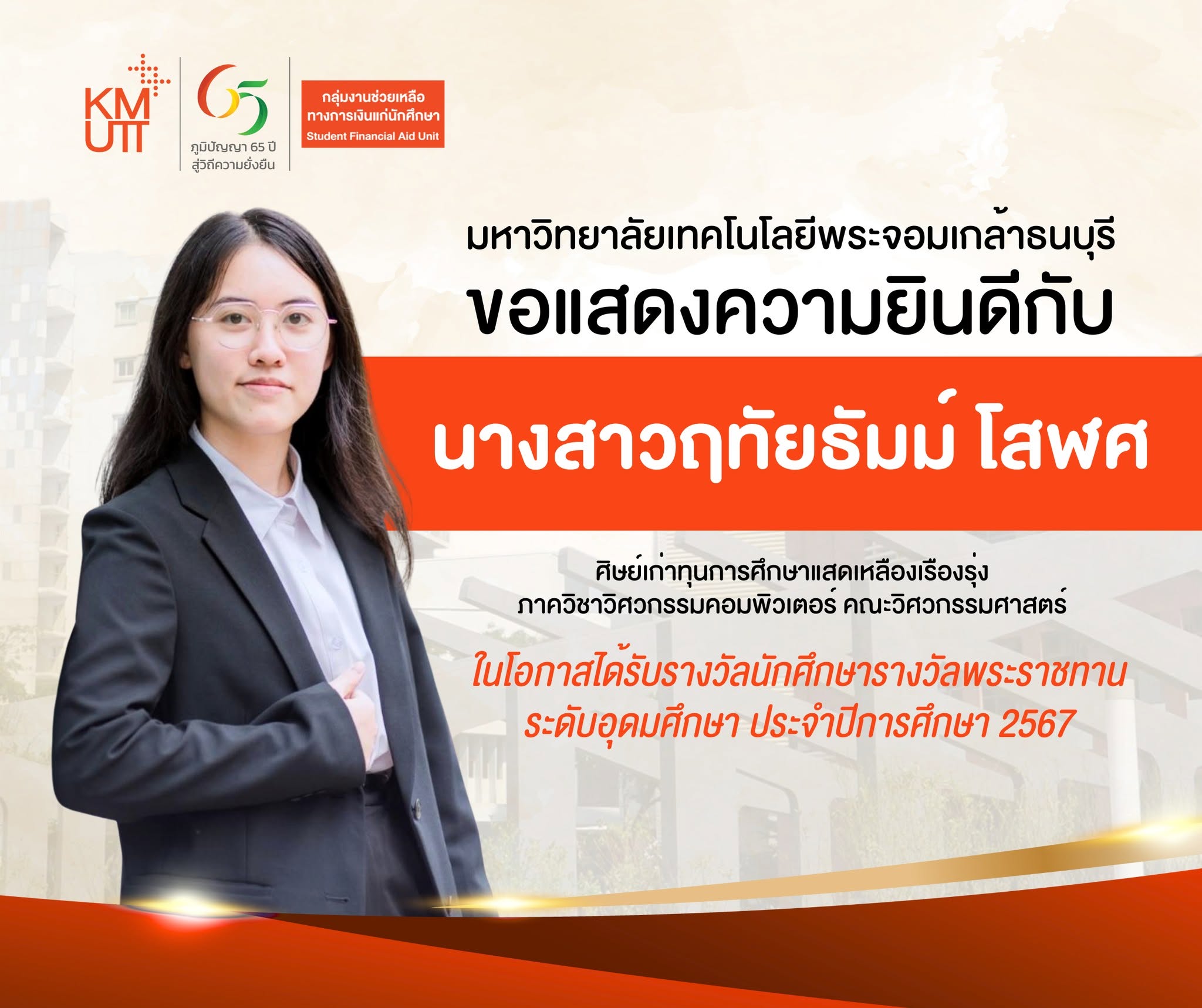
Original Royal Award recognition artwork for academic year B.E. 2567 / 2024. Original KMUTT financial-assistance, student-employment, home-visit or support evidence. Dates and numerical information remain as supplied.

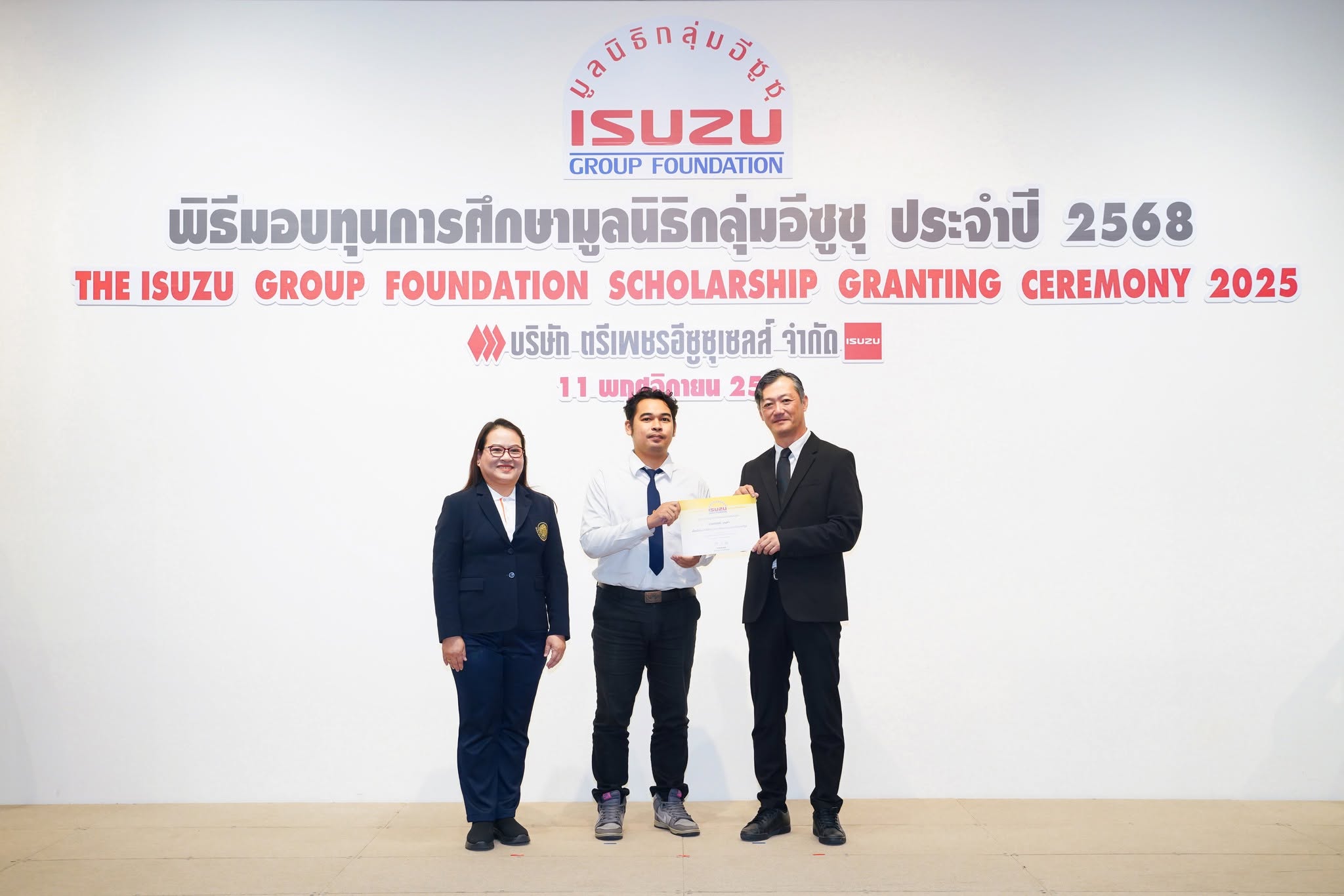
Original scholarship presentations and student-support discussions. Original KMUTT financial-assistance, student-employment, home-visit or support evidence. Dates and numerical information remain as supplied.

Original Digital Student Loan Fund arrangements · 2024

Announcement from King Mongkut's University of Technology Thonburi

Subject: Announcement from King Mongkut's University of Technology Thonburi on accepting applications from students who wish to borrow funds from the Student Loan Fund for Education under the new Digital Student Loan Fund System (DSL) for the 2024 academic year

With the 2024 academic year, the Student Loan Fund for Education supports and promotes education by providing loans in three categories through the digital LOS system. These loans are offered under the Digital Student Loan Fund System (DSL) to support students for educational purposes as follows:

Financial need

Type 1: Loans for financially disadvantaged students.

Priority workforce fields

Type 2: Loans for students studying in high-demand fields that align with workforce needs and national development goals.

Critical or promoted fields

Type 3: Loans for students studying in critical or specially promoted fields, where there is a shortage or high demand.

King Mongkut's University of Technology Thonburi is now accepting applications from new borrowers, returning borrowers, transfer students, and students changing programs or majors. These loans are provided for students enrolled in higher education institutions. The application process for the 2024 academic year will be managed under the new Digital Student Loan Fund System (DSL), which includes streamlined procedures for both new and continuing students.

Original 2024 DSL announcement
Original KMUTT financial-assistance, student-employment, home-visit or support evidence. Dates and numerical information remain as supplied.

No One Left Behind

It is the project that provides financial support to the students who have difficulty in paying the tuition fee to allow them to study and research and minimize their concerns over the education fees so that they can pay attention to their learning to the fullest extent both at the undergraduate and graduate level.

The university also provides opportunities for students who experience sudden financial problems. Please contact the Financial Assistance Workgroup for students. In which the university will arrange interviews for students which there is a scholarship selection committee And conducting scholarships to support students as appropriate to enable students to study And enable students to graduate according to the curriculum.

The students who have financial difficulties during their studies can book a queue to consult with staff and staff from the Student Financial Aid Group via the website or contact the Student Financial Aid Group.

Address: The President's Office Building, 2nd Floor, King Mongkut's University of Technology Thonburi

Telephone: 024708100,024708097-8, 024708107

E-Mail: sfa@mail.kmutt.ac.th

Facebook: The scholarship KMUTT

Original Student Financial Aid Unit contact artwork. Original KMUTT financial-assistance, student-employment, home-visit or support evidence. Dates and numerical information remain as supplied.

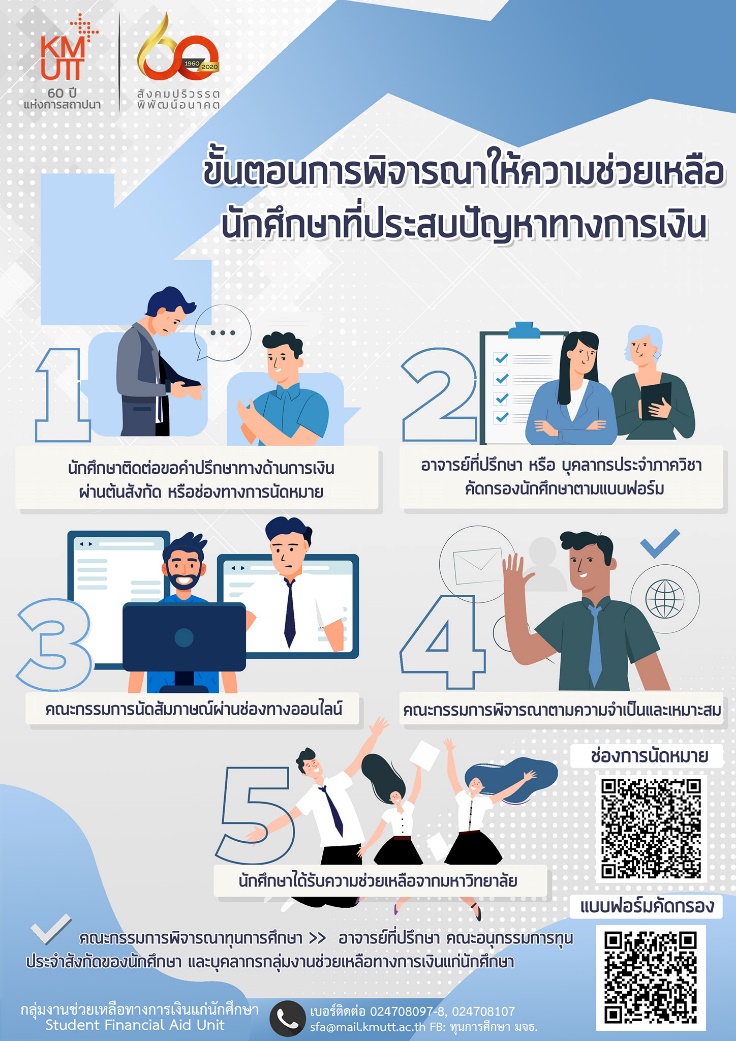
The assistance workflow in the original record

English companion to the original assistance-process artwork; no new activity date is assigned.

  1. Contact the financial-aid staff or book a financial consultation.
  2. Obtain initial consideration or endorsement from an adviser or departmental staff member.
  3. Attend the committee’s online interview.
  4. The committee considers necessity and the appropriate assistance.
  5. The student receives university assistance following the assessment.
Original KMUTT financial-assistance, student-employment, home-visit or support evidence. Dates and numerical information remain as supplied.

Learning and earning through university work

The Undergraduate Employment Scholarship is another project that the university has initiated and implemented continuously. It creates a mechanism to support scholarships that allows students to apply the knowledge and skills they gain in the classroom. Students' special abilities or interests in various fields can be used to try their hand at practical work with various departments within the university, with university personnel supervising and advising them. On the other hand, the university recognizes the importance of developing students' soft skills as essential skills to work effectively with others, such as communication skills, teamwork skills, etc., as well as using their free time to benefit students and generating income for students who lack financial resources.

Undergraduate Employment Scholarship Students

Original student-employment photograph of Miss Pimsiri Kanyarat.

Miss Pimsiri Kanyarat

Department of Educational Communications and Technology

Strategic Communications and Marketing Unit

Gain real work experience. Train yourself to be disciplined and responsible.

Original student-employment photograph of Mr. Wasan Jirakulpornchai.

Mr. Wasan Jirakulpornchai

The student of Production Engineering

Industrial Engineering Workshop

known to plan the work. teamwork. Make good use of your spare time and gain professional training to further develop your ability to work.

Original student-employment photograph of Mr. Thanawat Chan-intr.

Mr. Thanawat Chan-intr

The student School of Information Technology (International)

Kmutt Internationalization

Improve your English skills. Because they have been liaising with international students.

Original KMUTT financial-assistance, student-employment, home-visit or support evidence. Dates and numerical information remain as supplied.

The Visiting House of Scholarship Student Project

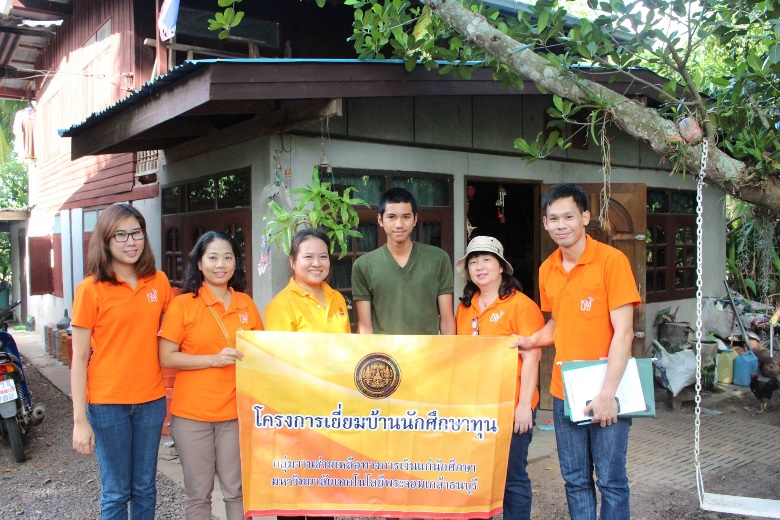
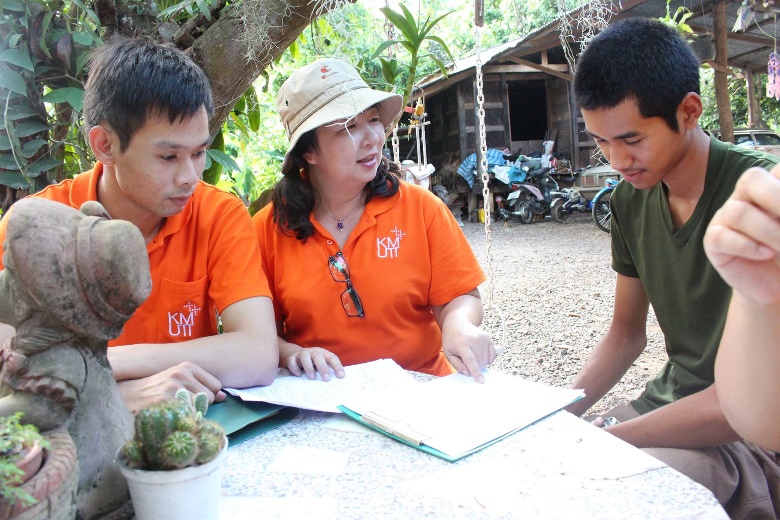
For the guideline to help students with various problems, especially property losses, the program is organized to get an idea of the real problems faced by students and their families. This is to collect information for students to consider future allocations of various types of grants, while also to find solutions and financial solutions for students as well as graduates.

Original scholarship-student home visits. Original KMUTT financial-assistance, student-employment, home-visit or support evidence. Dates and numerical information remain as supplied.

Original discussions with students and family members during home visits. Original KMUTT financial-assistance, student-employment, home-visit or support evidence. Dates and numerical information remain as supplied.

Support from admission to graduation

King Mongkut’s University of Technology Thonburi provides the benefits necessary to support students from admission to graduation, such as allocating various types of grants, reducing costs or services for various educational services, and supporting education. Academic counseling, hardware, software support, free internet access, basic physical and mental health services, access to clean and adequate utilities, travel services. In addition, another educational services are necessary to expand educational opportunities and expand and develop in the future.

Original disability-support launch and inclusive-graduation illustrations. Original KMUTT financial-assistance, student-employment, home-visit or support evidence. Dates and numerical information remain as supplied.

Original disability-support launch and inclusive-graduation illustrations. Original KMUTT financial-assistance, student-employment, home-visit or support evidence. Dates and numerical information remain as supplied.

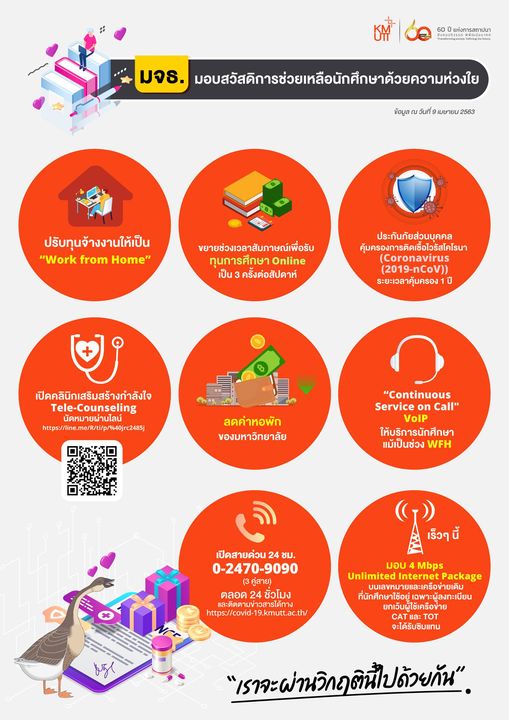
Original COVID-19-era campus-support artwork. Work-from-home, online learning and telecounselling references remain historical; no new 2025–2026 availability is assigned. Original KMUTT financial-assistance, student-employment, home-visit or support evidence. Dates and numerical information remain as supplied.
Original service portal, catalogue and staff records
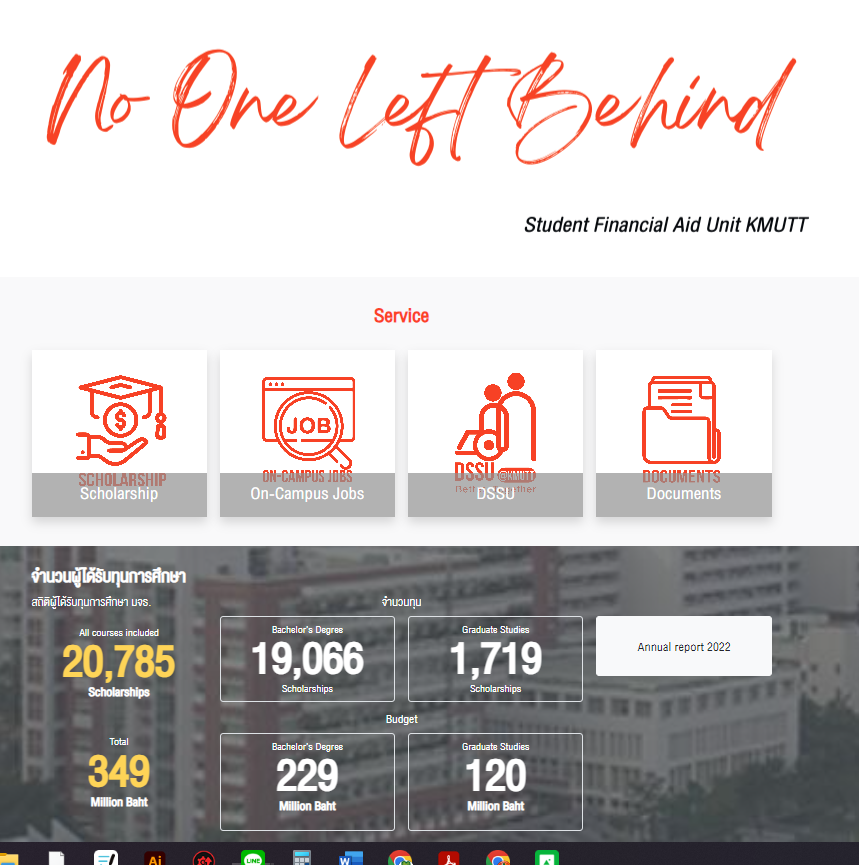
Original portal dashboard · Annual report 2022
Level as labelledScholarships as labelledBudget · million baht
All courses included20,785349
Bachelor’s degree19,066229
Graduate studies1,719120

The portal screenshot explicitly labels these figures Annual report 2022. They remain separate from the fiscal-year 2025 consultation and loan accounts above.

Original KMUTT financial-assistance, student-employment, home-visit or support evidence. Dates and numerical information remain as supplied.
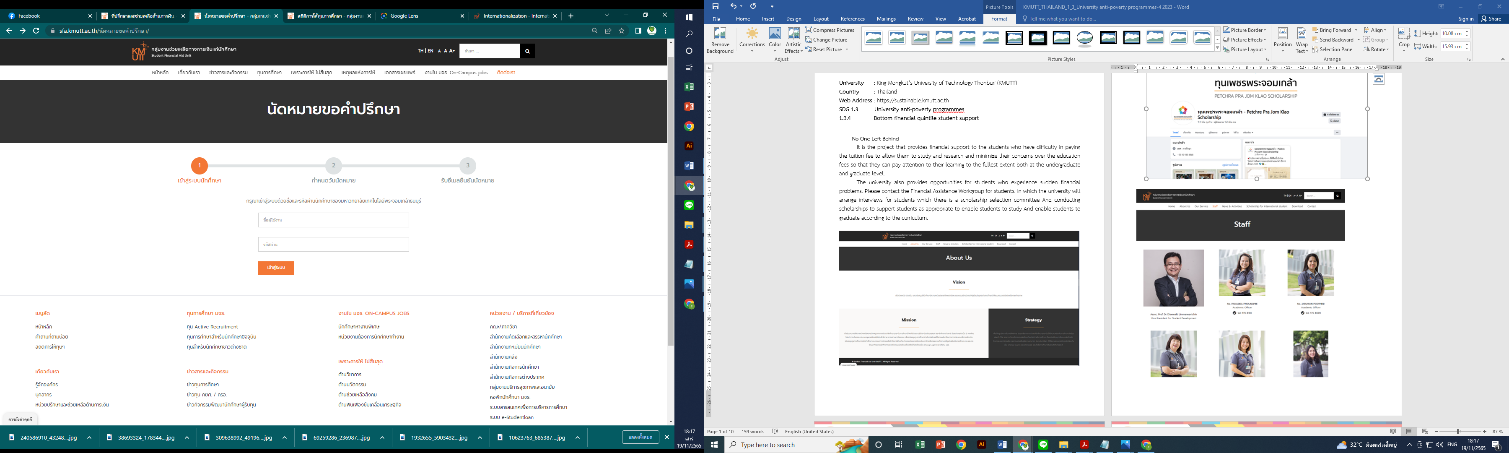
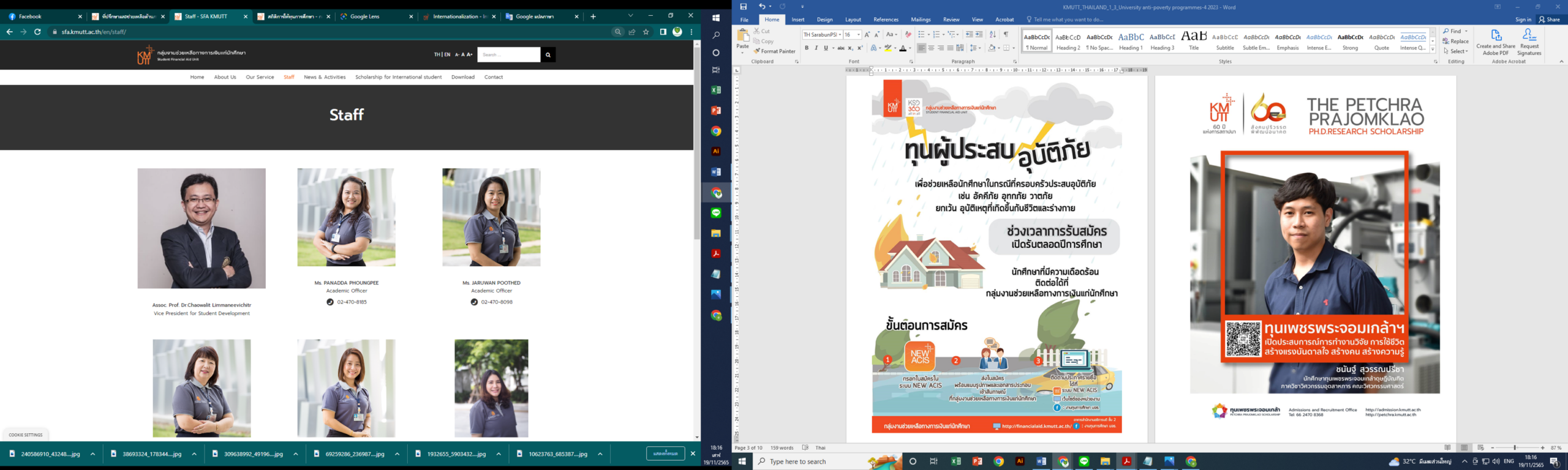
Original staff-directory screenshots. Roles and contact information remain as shown in the historical record. Original KMUTT financial-assistance, student-employment, home-visit or support evidence. Dates and numerical information remain as supplied.

Original staff-directory screenshots. Roles and contact information remain as shown in the historical record. Original KMUTT financial-assistance, student-employment, home-visit or support evidence. Dates and numerical information remain as supplied.

Original staff portrait-and-role screenshots. Original KMUTT financial-assistance, student-employment, home-visit or support evidence. Dates and numerical information remain as supplied.

Original staff portrait-and-role screenshots. Original KMUTT financial-assistance, student-employment, home-visit or support evidence. Dates and numerical information remain as supplied.

Original institutional service screenshots. Original KMUTT financial-assistance, student-employment, home-visit or support evidence. Dates and numerical information remain as supplied.

Original institutional service screenshots. Original KMUTT financial-assistance, student-employment, home-visit or support evidence. Dates and numerical information remain as supplied.

Sources and additional evidence

5. Low or lower-middle income countries student support

KMUTT offers scholarships to students from neighbouring countries and other international applicants. Official award announcements dated 17 June 2026 confirm new awards under the Multi-intellectual, Greater Mekong Subregion and KMUTT International Scholarship Program schemes for academic year 1/2026. The original institutional allocation table and scholarship descriptions are preserved below, with their numerical information unchanged.

Documented scholarship awards · academic year 1/2026

Scheme / Recipients listed in the announcement / Level

Multi-intellectual Scholarship
4Master’s
Greater Mekong Subregion GMS scholarship
2Master’s
KMUTT International Scholarship Program KISP
1Bachelor’s
KMUTT International Scholarship Program KISP
8Master’s

These are counts in the three specific award lists dated 17 June 2026, publicly announced by the Student Financial Aid Unit on 19 June 2026. They are not a count of all continuing international scholarship recipients, and nationality or household-income status is not inferred from recipients’ names. The supplied table of 65 recipients and THB 13.40 million is retained separately as an institutional allocation record rather than combined with these new award lists.

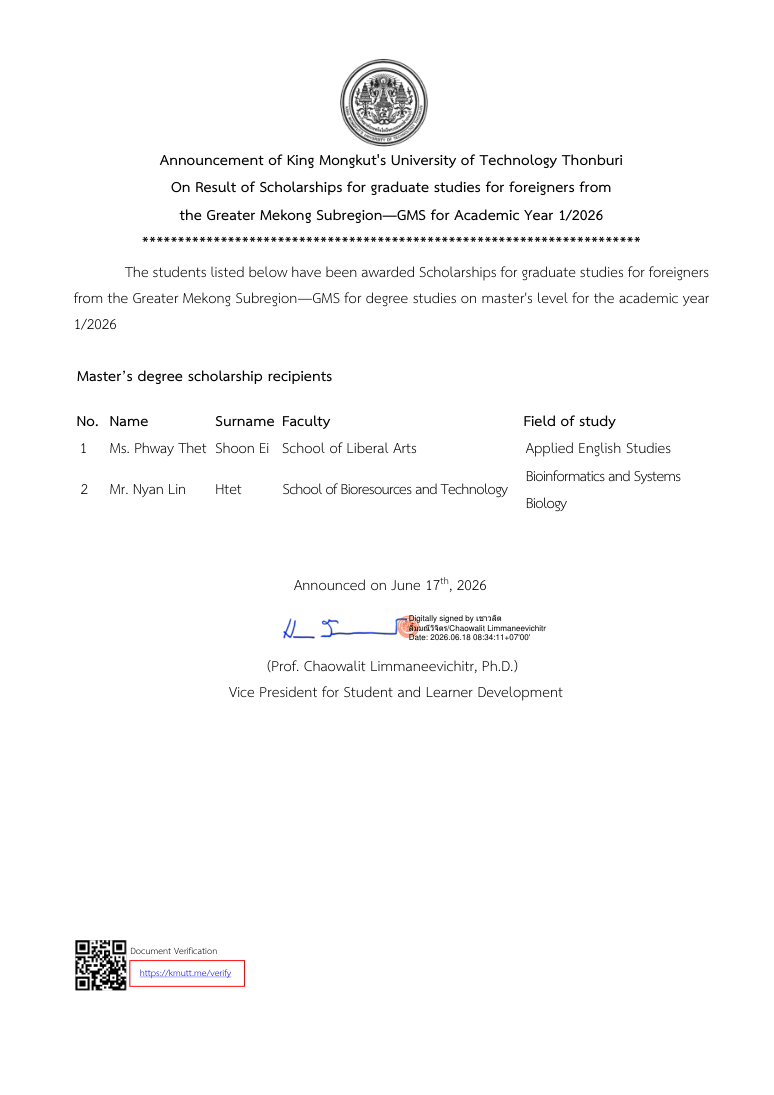
Official GMS award announcement · 17 June 2026
Official GMS scholarship award announcement for two master’s recipients in academic year 1/2026, dated 17 June 2026.

Education costs covered by the schemes

Multi-intellectual scholarship

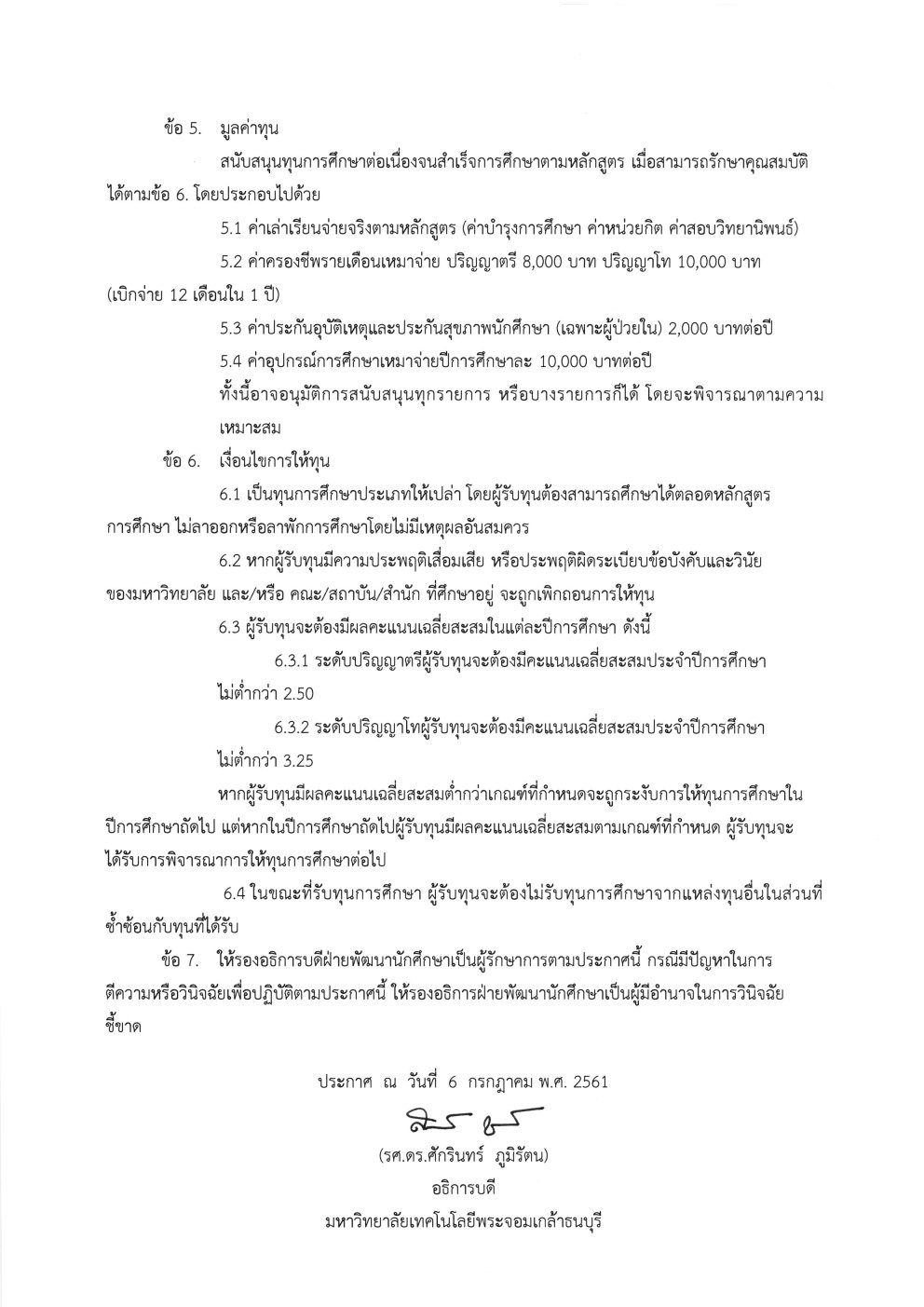
The Multi-intellectual scholarship policy issued in 2018 names Cambodia, Lao PDR, Myanmar and Vietnam as eligible neighbouring countries. It provides curriculum tuition support, living allowances of THB 8,000 per month for bachelor’s students or THB 10,000 for master’s students, THB 10,000 annually for educational materials, and the insurance allowance specified in the policy. These are policy entitlements subject to selection and continuation conditions, rather than a statement that every international student receives the award.

THB 8,000 per month · bachelor’s living allowance

THB 10,000 per month · master’s living allowance

THB 10,000 per year · educational materials

Curriculum tuition and the insurance allowance specified in the 2018 policy.

Greater Mekong Subregion scholarship

The university’s international-admissions scholarship information describes the GMS scheme as waiving tuition, credit and insurance fees for the indicated study period, while travel and living costs are borne by recipients. The 2026 award list confirms continued operation of that scheme; its fee waiver is distinguished from the broader living-cost package provided under Multi-intellectual.

Tuition, credit and insurance fees waived for the indicated study period.

Travel and living costs are borne by recipients.

The 2018 Multi-intellectual policy permits support for all or some cost items as appropriate. Its annual cumulative GPA requirements are at least 2.50 for bachelor’s students and 3.25 for master’s students. Funding may be suspended for the following academic year if the GPA requirement is not met, with later support subject to reconsideration when the requirement is met again. Overlapping support for the same funded items is not permitted. The whole policy remains available below.

Country income classification and evidence scope

Economy named in the original schemes / World Bank FY2027 category

Lower middle income

  • Cambodia
  • Lao PDR
  • Myanmar

Upper middle income

  • Vietnam
  • China

The table uses the World Bank FY2027 classification current from 1 July 2026, based on 2025 GNI per capita. It identifies the applicable current country categories; it does not retrospectively assign that classification to earlier awards. The country category and a student’s individual financial circumstances are separate facts. International scholarship membership alone is not treated as proof that every recipient is poor.

Institutional allocation record · kept separate from new awards

The following original text, allocation table, scholarship-policy images and activity records are retained in full. Original country eligibility lists describe the schemes and do not substitute for the time-specific World Bank classification above.

King Mongkut's University of Technology Thonburi (KMUTT) provides scholarships to students from lower-income countries through the "Multi-intellectuals" scholarship program, which covers Laos, Cambodia, Myanmar, and Vietnam.

Scholarships are also available for international students from the Greater Mekong Subregion (GMS)—specifically Cambodia, Myanmar, Laos, Vietnam, and China (Yunnan Province).

The KMUTT International Scholarship Program (KISP) This program offers scholarships to international students at both the undergraduate and graduate levels.

The program provides financial support for studies and research. Currently, 65 international students are recipients of these scholarships, with a total value of 13.40 million THB. This includes 40 undergraduate students (totaling 8.66 million THB) and 25 graduate students (totaling 4.74 million THB).

Original allocation record
65 recipientsinstitutional record supplied with the evidence
Original allocation amount
THB 13.40mnot combined with June 2026 award lists

The supplied allocation table does not identify a reporting period. Its original figures and the source narrative’s wording are retained as the institutional record, without assigning a new observation date.

Undergraduate level · 40 scholarships (persons)THB 8.66m

Graduate level · 25 scholarships (persons)THB 4.74m

Original international scholarship allocation · amounts in million baht
Scholarship TypeNumber of Scholarships (Persons)Amount (Million Baht)
Undergraduate Level408.66
Multi-intellectuals Scholarship163.77
KMUTT International Scholarship Program (KISP)244.89
Graduate Level254.74
Multi-intellectual Scholarship71.50
The Greater Mekong Sub-region Country Scholarship (GMS)30.35
KMUTT International Scholarship Program (KISP)152.89
Total6513.40

Scholarships for International Students

Multi-intellectual Scholarship

To express our gratitude and obligation to Her Royal Highness Princess Maha Chakri Sirindhon for her contribution towards education in Thailand and neighboring countries, the university has decided to announce the Multi – Intellectual Scholarship grant for students pursuing Bachelor’s and Master’s degree from countries: Cambodia, Lao PDR., Myanmar and Vietnam.

The Greater Mekong Sub-region Country Scholarship (GMS)

KMUTT has decided to provide scholarships for a master’s degree and a doctoral degree to staff and students of the Greater Mekong Sub-region country: Lao PDR., Cambodia, Myanmar, Vietnam, and China (specifically Yunnan Province).

KMUTT international Scholarship Program (KISP)

To comply with the Internationalization policy and increase the number of international students with scholarships. KISP grant for students pursuing Bachelor’s and Master’s degree from international countries

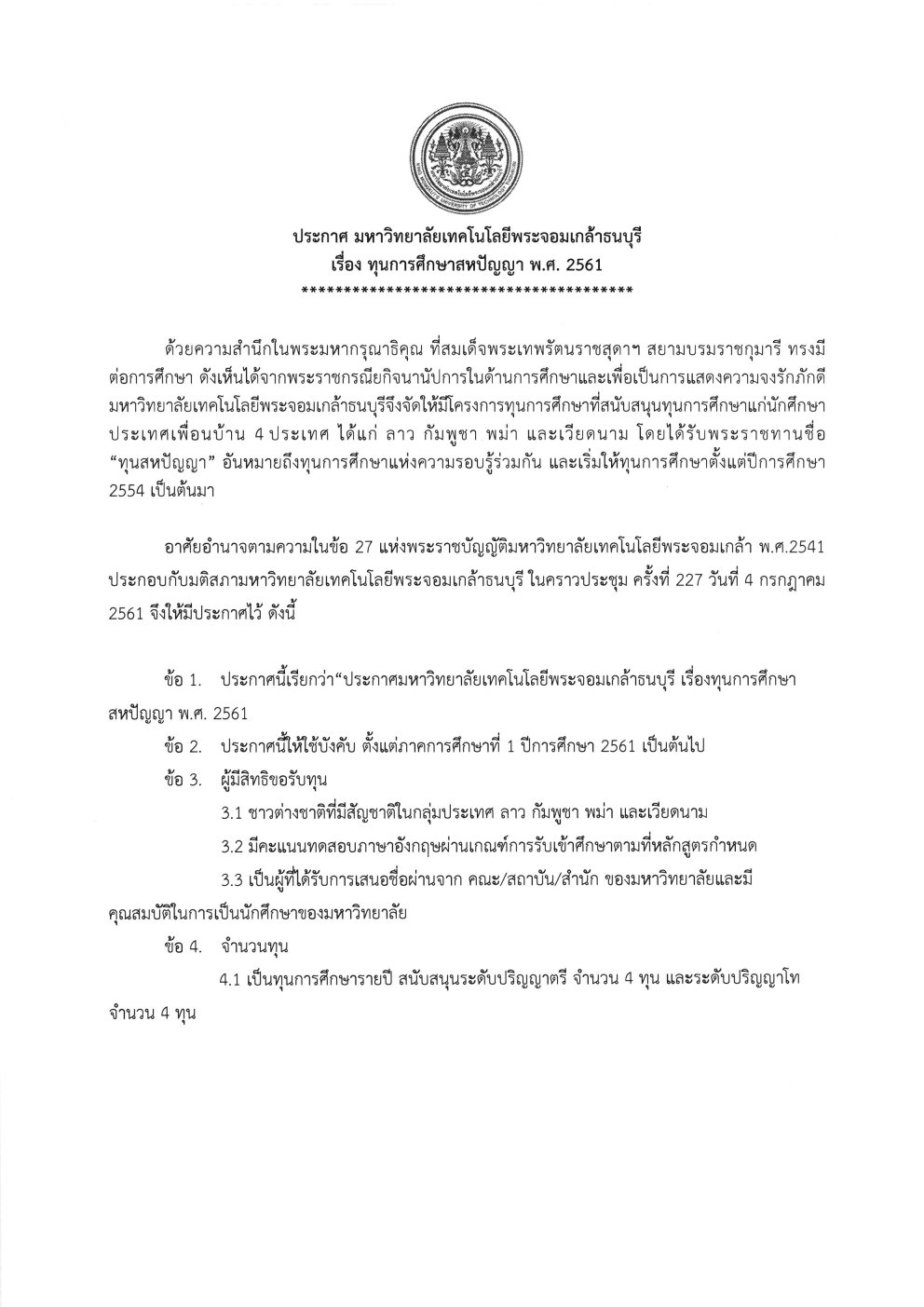
Original Multi-intellectual scholarship policy · 2018
Original international scholarship policy, allocation or activity image supplied by KMUTT. Dates and numerical information are retained as supplied.

Original international scholarship policy, allocation or activity image supplied by KMUTT. Dates and numerical information are retained as supplied.

International learning, research and community

The scholarships allocated by the University to students also address the objectives of the University's development in various aspects, such as the development of human resources in science, technology, and innovation for the country. This is achieved through the provision of high-quality education based on learning innovations, being open to all student groups and adaptable to future uncertainties (Inclusive Education & Learning Innovations), as well as fostering excellence in research and innovation (Research and Innovation).

International student life

Original international scholarship policy, allocation or activity image supplied by KMUTT. Dates and numerical information are retained as supplied.

Learning and research

Original international scholarship policy, allocation or activity image supplied by KMUTT. Dates and numerical information are retained as supplied.

Education and culture

Original international scholarship policy, allocation or activity image supplied by KMUTT. Dates and numerical information are retained as supplied.

Historical scholarship-achievement illustrations

The supplied achievement screenshots include other scholarship names and older 2023 entries. They remain institutional context and are not added to the three June 2026 award lists or the original allocation total of 65.

Original international scholarship policy, allocation or activity image supplied by KMUTT. Dates and numerical information are retained as supplied.

Original international scholarship policy, allocation or activity image supplied by KMUTT. Dates and numerical information are retained as supplied.

1.4 COMMUNITY ANTI-POVERTY PROGRAMMES

1. Local start-up assistance

KMUTT supports enterprise development through business education, specialist advice and community-based product development. The 2025 New Regional Startups programme explicitly included community enterprises among eligible applicants and offered business training, team-specific mentoring and free product-design assistance. In 2026, SIT, Knowledge Xchange and TechBite offered a free startup event open to young entrepreneurs and interested members of the public. These additions complement the supplied community livelihood and technical-support projects, all of which remain below.

Business development assistance · 2025

Business fundamentals

Innovative thinking, Business Model Canvas, market validation and cost structure.

Team-specific mentoring

Marketing plans, market-survey design and business plans, online and through site visits.

Free product design

Logos, packaging and product labels for eligible entrepreneurs.

The P1 New Regional Startups programme was advertised for January–September 2025, with applications publicised on 22 October 2024. It welcomed students and the public with a clear business concept and prototype, including startups, registered SMEs and community enterprises. The programme offered online business fundamentals covering innovative thinking, Business Model Canvas, market validation and cost structure. Team-specific advice addressed marketing plans, market-survey design and business plans, through online sessions and site visits.

Eligible entrepreneurs were offered free design support for logos, packaging and product labels. The programme also advertised prototype-development funding subject to participation and committee assessment; that financial component is distinct from the training and mentoring described here. The source establishes the announced 2025 service offer and its eligibility, rather than a count of completed participants or payments.

Free entrepreneurship learning · 24 August 2026

SIT Innoventure 2026 was announced for 24 August 2026 at the Knowledge Xchange building. The invitation welcomed young entrepreneurs and people interested in innovation, alongside students and staff, and explicitly stated free admission. Its agenda combined expert discussions on entrepreneurship and digital innovation with a final-pitch session involving seven SIT student teams and specialist feedback. The seven teams are the announced student finalists, not a count of local businesses receiving funding.

SIT Innoventure 2026
Free admissionyoung entrepreneurs, interested public, students and staff
Final-pitch session
7 student teamsannounced SIT finalists; specialist feedback
Official SIT Innoventure 2026 promotional artwork for the free event announced for 24 August 2026. This is programme publicity, not a photograph establishing attendance.

How assistance supports local enterprise

Support component / Connection with sustainable local enterprise

Business models, market validation and cost structure
Helps a prospective enterprise assess customer demand, plan income and manage costs.
Marketing advice and product design
Supports product presentation and routes to market for eligible startups, SMEs and community enterprises.
Na Ae Karen Cultural Market in Ratchaburi
The documented 2025 KMUTT–community work links cultural products, entrepreneur capacity and market development with the preservation of local Karen cultural capital.
Technical and livelihood projects in the original evidence
Coffee value chains, goat farming, solar-powered irrigation, biochar and smart agriculture remain documented below with their original scope and figures.

The Karen cultural-market article published by KMUTT on 10 October 2025 identifies the School of Architecture and Design’s collaboration with the community and area-based research funding. It provides a community-specific example connecting enterprise skills, products and cultural experiences with local economic opportunity. No unsupported income increase or universal fee exemption is added to the supplied project outcomes.

Community enterprise and livelihood projects

All original substantive text, photographs, project illustrations, numerical claims and references are retained below. Original dates and research seasons remain unchanged.

Learning and vocational foundations in remote communities

This project operates in accordance with the Royal Initiative of Her Royal Highness Princess Maha Chakri Sirindhorn. The Center collaborated with the RSC Laboratory of the Pilot Plant Development and Training Institute (PDTI). Following the easing of the COVID-19 pandemic, an analysis of the challenges and approaches to student learning development revealed a learning loss among ethnic children and youth in margin-alized areas. Recognizing this issue, the university initiated the enhancement of community-based learning for children through the "Village Education Volunteer" mechanism to provide out-of-school knowledge to children and youth in remote areas via the "Thai Speaking, Reading, and Writing Project" in schools under the Royal Initiative, while also supporting the work of teachers and village education volunteers.

Given that ethnic children and youth primarily use their local languages in daily life rather than Thai, it is essential to foster their knowledge and specialized skills that can be applied to future employment. Accordingly, the university developed foundational knowledge necessary for vocational skills using the STEAM approach—an integrated learning framework encompassing Science, Technology, Engineering, Arts, and Mathematics—for children and youth across all target areas. The curriculum was tailored to local contexts, featuring subjects such as Basic Electricity, Stingless Beekeeping, Coffee Brewing, and Local Guiding. In 2025, through collaborative efforts between KMUTT (Ratchaburi) faculty members and local partner organizations, a school-based volunteer teacher mechanism was established. Under this system, volunteer teachers provided remedial classes outside regular hours for students facing literacy challenges, while earning volunteer hours, receiving a certificate of honor from the President of the Ratchaburi Red Cross Chapter, and being awarded the Red Cross Medal from the Thai Red Cross Society.

Original KMUTT community enterprise, agricultural or livelihood project evidence. Dates, quantities and project outcomes remain as supplied.

Na Ae Karen Cultural Market · Ratchaburi

Project funding
FY2025Program Management Unit on Area Based Development
Cultural festivals and events
7 designedmarketing and communication; distinct from SIT student finalists

School of Architecture and Design and research teams, received funding from the Program Management Unit on Area Based Development (PMU A) for fiscal year 2025. The project aims to reduce inequality and improve the quality of life of the Karen ethnic group by developing and upgrading cultural areas to generate economic value. This is achieved by utilizing cultural capital databases previously explored by the research team and establishing participatory working mechanisms with the target community, network partners, and allies to drive the mission sustainably.

Project activities include studying and analyzing the supply chain of cultural entrepreneurs, capacity building for entrepreneurs, and designing and developing products, services, and experiences for target groups. Furthermore, the project designed seven cultural festivals and events as marketing and communication strategies to convey the identity and cultural value of the area, its products, and services to the public. It also stimulates local awareness aimed at preserving and advancing Karen ethnic culture among the new generation in the area.

The project outcomes include increased income for entrepreneurs in the Na Ae Karen Cultural Market, enhanced skills and capabilities of entrepreneurs, youth and new-generation participation in cultural activities, and strengthened partner collaboration networks. The Na Ae Karen Cultural Market is located in Ban Bueng Sub-district, Ban Kha District, Ratchaburi Province.

https://www.kmutt.ac.th/sdgs/10/10/2025/95274/

The original project account reports increased entrepreneur income without an amount or percentage. This is a reported project outcome, not a quantified income comparison.

Original KMUTT community enterprise, agricultural or livelihood project evidence. Dates, quantities and project outcomes remain as supplied.

Original Na Ae cultural-market infographic
Original KMUTT community enterprise, agricultural or livelihood project evidence. Dates, quantities and project outcomes remain as supplied.

Ginkgo processing · environmental advice for urban enterprises

Conducted by the Center for Research and Services for Community and Society in collaboration with KMUTT (Ratchaburi), Bansomdejchaopraya Rajabhat University, and the Samphanthawong District Office, Bangkok, this study received financial support from the King Mongkut's University of Technology Thonburi Research Fund to evaluate the environmental impacts of the raw ginkgo fruit processing sequence—comprising hulling, washing, and boiling.

  1. Hulling
  2. Washing
  3. Boiling

Research findings

The research findings identified three major environmental impact categories:

Global Warming: Representing the highest impact, resulting primarily from electricity and liquefied petroleum gas (fossil fuel) consumption during the hulling and boiling stages.

Marine Aquatic Ecotoxicity: Caused by wastewater discharged from the washing process exceeding standard levels of Biochemical Oxygen Demand (BOD) and Chemical Oxygen Demand (COD).

Abiotic Depletion: Driven by the continuous consumption of non-renewable energy resources.

Policy recommendations for high-density urban areas

Clean Energy Adoption: Upgrade production technologies to utilize renewable energy sources, thereby reducing greenhouse gas emissions.

Centralized Wastewater Treatment System: Implement a centralized treatment infrastructure to address the spatial constraints faced by small-scale operators, ensuring effective water pollution control prior to discharge into natural bodies of water.

Circular Waste Management: Divert ginkgo fruit shell waste through circular economy practices, transforming it into biomass energy or soil conditioning materials.

Processing stages of raw ginkgo fruit and their environmental impacts

Original KMUTT community enterprise, agricultural or livelihood project evidence. Dates, quantities and project outcomes remain as supplied.

Goat farming enterprises · Thung Khru

Research on factors influencing enterprise development among the Thung Khru Livestock Farmers Group.

Project activities comprised field surveys and interviews to collect data on production, processing, and marketing, alongside gathering insights from group members and relevant stakeholders. Additionally, participatory community forums were organized, bringing together farmers, community enterprises, government officials, and academic experts.

Training and capacity building

Training workshops
11for farmers, community enterprise members and interested individuals
Participation reported
245 participantsacross the project’s training workshops

The project conducted 11 training workshops for farmer group members, community enterprise members, and interested individuals, engaging a total of 245 participants. Training on value-added processing of goat meat and milk was supported by guest speakers from the Bureau of Livestock Products Development, Department of Livestock Development. Group members subsequently built upon these skills to produce and commercialize products, including goat milk ice cream, goat milk sausage (Sai Oua), goat meat skewers (barbecue), and fresh fruit goat milk pudding.

Farm dynamics and economic analysis

Average herd
19 goatsper farm
Average production cost
THB 4,759.74per head
Average return
THB 2,405.89per head; original reported return

Farmers engaged in goat farming as a primary occupation, with an average herd size of 19 goats per farm, predominantly utilizing elevated stilted housing systems. The preferred breeds were Saanen (dairy goats) and Boer (meat goats). Cost analysis revealed an average production cost of 4,759.74 THB per head, yielding a high average return of 2,405.89 THB per head, primarily through direct-to-consumer sales channels. SWOT analysis indicated that the group possesses strong internal strengths in experience and household labor; however, key weaknesses include a lack of farm management knowledge/skills and limited marketing channel diversity.

Strategic recommendations

The study proposes business development guidelines focusing on improving production processes and farm management toward standard compliance, expanding value-added meat and milk processing, and diversifying marketing channels across offline and online platforms. Furthermore, it recommends that relevant government agencies—such as district offices and the Department of Livestock Development—provide continuous support in marketing, technical education, and veterinary services to elevate and enhance the capacity of urban goat farming for sustainable growth.

Original KMUTT community enterprise, agricultural or livelihood project evidence. Dates, quantities and project outcomes remain as supplied.

Electric-powered trench watering boats · Bang Mot

The project was implemented in agricultural areas (Bang Mot) surrounding the university, which maintain a semi-urban and semi-rural community environment. Most local farmers practice integrated farming using a raised-bed trench system, cultivating renowned signature fruits such as Bang Mot Tangerines and Aromatic Coconuts. Currently, the number of farmers is steadily declining due to urban expansion, a shortage of agricultural labor and new-generation successors, and rising input costs—particularly energy expenses driven by continuously increasing fuel prices.

The University-Community and Society Project team conceptualized the development of an "Electric-Powered Trench Watering Boat in Orchard Grooves," utilizing battery power recharged via solar cells or household electricity. This initiative aims to reduce farmers' energy costs, decrease reliance on fossil fuels, and promote environmentally friendly clean energy. Designed for low capital investment, the system can be retrofitted directly onto farmers' existing watering boats to replace conventional fuel-engine pumps immediately.

60%

Reported reduction in energy expenses

50%

Reported reduction in greenhouse gas emissions

Targeting over 10 raised-bed tangerine and aromatic coconut farmers around the university, the project successfully reduced energy expenses by 60%, minimized engine noise pollution, and lowered greenhouse gas emissions by 50%.

The project targets over 10 farmers. The supplied record does not state a count of completed individual beneficiaries, an absolute saving or the measurement period for these reductions.

Original KMUTT community enterprise, agricultural or livelihood project evidence. Dates, quantities and project outcomes remain as supplied.

Boat system and field illustration

Original hardware conceptual design of the watering boat. Driver, sensors, processors, power source and steering are labelled in the supplied diagram.
Original KMUTT community enterprise, agricultural or livelihood project evidence. Dates, quantities and project outcomes remain as supplied.
Additional institutional photograph supplied with the boat project
Original KMUTT community enterprise, agricultural or livelihood project evidence. Dates, quantities and project outcomes remain as supplied.

The supplied photograph shows an institutional MOU occasion. It is retained as context and is not presented as a measurement of irrigation performance.

Smart strawberry cultivation · 2024–2025 research season

The Smart Farm System Development Project for Strawberry Cultivation was conducted by the university in collaboration with Chiang Mai University and the Royal Project Foundation to develop environmental control systems and photoperiod regulation for inducing flower bud initiation in Royal Strawberry Royal Varieties 80 and 89. In the third research year (2024–2025 season), the study focused on evaluating the feasibility of scaling up flower bud induction from cold storage rooms to chilled greenhouses, while reducing the reliance on fully controlled greenhouses by 30%, and comparing yield performance between controlled-environment cultivation and open-field systems.

Royal Variety 80
44 daysaverage time to full bloom after cold-storage induction
Royal Variety 80
84%increase in total yield versus open-field cultivation
Royal Variety 89
1.4-foldyield outcome versus open-field cultivation

The research findings revealed that Royal Variety 80 responded best to cold storage induction, taking an average of 44 days to reach full bloom with high uniformity. Conversely, Royal Variety 89 achieved successful bud initiation under natural conditions but exhibited high variability and non-uniform flowering, which negatively impacted harvest labor management. Regarding yield outcomes, controlled greenhouse cultivation combined with flower bud induction yielded significantly higher returns than open-field cultivation: Royal Variety 80 increased total yield by 84% with higher average fruit weight, while Royal Variety 89 achieved a 1.4-fold yield increase. However, Royal Variety 89 demonstrated high heat sensitivity; greenhouse temperatures exceeding 20–22°C resulted in reduced fruit size and overall yield.

In conclusion, integrating smart greenhouse management with optimized flower bud induction effectively enhances production uniformity and yield potential for highland strawberry cultivation.

Original KMUTT community enterprise, agricultural or livelihood project evidence. Dates, quantities and project outcomes remain as supplied.

Coffee value chains and forest livelihoods · Nan

Ban Ko Kuang and Ban Huai Khwak, Bo Kluea District, Nan Province · Arabica value-chain work for watershed forest conservation in Ban Ko Kuang.

Ban Ko Kuang, located in Bo Kluea District, Nan Province, is a Lua ethnic community situated within the Nan watershed forest area, where the majority of the population relies on foraging forest products and agriculture, earning an average income of only 1,440 THB per person per month. Although the community cultivates shade-grown coffee to support forest conservation, farmers still lack knowledge regarding plot management and post-harvest processing, resulting in inconsistent product quality. Currently, farmers face issues such as high moisture content in coffee beans, black mold contamination, and broken beans following parchment coffee processing. Consequently, most of the yield falls into lower quality grades and is sold at low prices, negatively impacting household income and the community's economic security.

Existing livelihood context
THB 1,440average income per person per month; not programme-generated income
Current capacity building
8 lead farmerstrained community innovators developing model plots

Therefore, to add value to Arabica coffee, increase household income, and establish a balance between community livelihoods and forest resource conservation, the project supports the development of "community innovators" and new-generation lead farmers to establish model plots and transfer standardized skills in plot maintenance, harvesting, and parchment coffee processing. Furthermore, the project promotes the adoption of processing and drying technologies tailored to the cold climate conditions of the highlands, aiming to elevate Arabica coffee into a distinctive local product with the potential to reach niche markets.

Currently, 8 lead farmers are involved in developing model coffee plots and have been trained as community innovators capable of managing cultivation plots according to academic standards. This knowledge will be extended to over 22 additional group members, encompassing a total of 30 farmers. These farmers will undergo skill development in coffee grading as well as both Wet Process and Dry Process methods to control moisture content and resolve black mold and broken bean issues, thereby upgrading product quality and driving economic value for the community's coffee.

The supplied narrative plans extension to “over 22 additional group members” and states a total of 30 farmers. Both original descriptions are retained; the planned wider group is not reported as already trained.

Original KMUTT community enterprise, agricultural or livelihood project evidence. Dates, quantities and project outcomes remain as supplied.

Coconut waste to biochar · 21 February 2025

On February 21, 2025, Asst. Prof. Dr. Rungrot Piya-phanuwat, Assistant to the President for Research and Industry at KMUTT Ratchaburi, along with his team, organized a training workshop for local farmers in the Sri Don Phai Subdistrict Municipality entitled "Production of Biochar from Aromatic Coconut Industrial Waste to Enhance Sustainable Cultivation under the BCG Model."

This training was funded under the project titled "Establishing a Collaborative Ecosystem among Government Agencies, Industry, and Agriculture to Create a Liveable City within the Sustainable Supply Chain of Aromatic Coconuts in Ratchaburi Province: Developing Utilization Models for Agricultural Waste to Reduce Greenhouse Gas Emissions from Industrial Activities," supported by the Program Management Unit for Area-based Development (PMUA) under the Green Economy Branch. Venue and equipment support were provided by Mr. Surawut Pawutipattarapong, Managing Director of A&J Fruit Thai Co., Ltd. and Vice Chairman of the Federation of Thai Industries, Ratchaburi Chapter. Mr. Wuttichai Sornprasan, Municipal Clerk of Sri Don Phai Municipality, delivered the opening remarks and joined local farmers in attending the workshop.

The training session was conducted by Dr. Bualuang Faiyue and her team from the ZEACHAR Business Unit, CU ENVI Enterprise Co., Ltd., Environmental Research Institute for Sustainability, Chulalongkorn University. The workshop provided knowledge on biochar, its agricultural benefits, biochar production kilns, and the conversion process of aromatic coconut industrial waste into biochar.

This initiative aims to empower aromatic coconut farmers to effectively manage agricultural waste within their orchards or post-processing residues in accordance with Ratchaburi Province's Bio-Circular-Green (BCG) Economy model.

Original KMUTT community enterprise, agricultural or livelihood project evidence. Dates, quantities and project outcomes remain as supplied.

Sources and additional evidence

2. Local start-up financial assistance

KMUTT offers routes through which eligible entrepreneurs can seek financial assistance for prototype and business development. The P1 New Regional Startups programme for 2025 included community enterprises and advertised support of up to THB 50,000 per team. For TED Youth Startup x TECHBITE 2026, KX acted as a TED Fellow supporting applications to TED Fund grants. These financial routes are distinguished from research funding received by university projects and from training alone.

Financial assistance routes · 2025 and 2026

Funding route / Financial support advertised / University role and eligibility

P1 New Regional Startups 2025

Up to THB 50,000per team

Advertised programme: January–September 2025

KMUTT advertised prototype funding for eligible startups, registered SMEs and community enterprises; activity completion and committee assessment apply.

TED x TECHBITE 2026 Ideation

THB 150,000full funding

Six-month ideation route

KX acts as TED Fellow; eligible teams include three Thai students or graduates within five years from Thai educational institutions, subject to the published terms.

TED x TECHBITE 2026 Proof of Concept

Up to THB 1.5 millionpartial funding

Proof of Concept: up to two years

An eligible Thai-registered juristic entity is required for an award, with at least 51% Thai ownership; the invitation permits initial application as an individual.

Prototype funding for eligible local enterprises · 2025

The P1 programme was advertised for January–September 2025 and accepted students or members of the public with a clear business idea and prototype, including startups, registered SMEs and community enterprises. Applicants completing the required activities could be considered for prototype-development support of up to THB 50,000 per team, subject to individual committee assessment. Training, mentoring, marketing advice and free product-design assistance accompanied that financial offer.

KX and TED Fund support · 2026 programme

KMUTT 13 November 2025 invitation opened applications to TED Youth Startup x TECHBITE 2026 through KX. Ideation offered a fully funded six-month route with THB 150,000 from TED Fund for mock-up and business-plan development. Proof of Concept offered partial funding up to THB 1.5 million for product development, market testing and commercial preparation over a period of up to two years. These are conditional funding opportunities, not evidence that every applicant received the maximum.

The financial assistance in this section is reported as grant availability with selection conditions. No disbursement total or poverty-reduction outcome is inferred from a call for applications. The original Na Ae cultural-market and highland livestock projects remain below as community livelihood evidence; their research funding, revenue and cost savings are not relabelled as cash grants paid directly to start-up businesses.

Official TED Youth Startup x TECHBITE 2026 invitation
Official TED Youth Startup x TECHBITE 2026 open-call poster showing Ideation and Proof of Concept funding routes.
Official TED Youth Startup x TECHBITE 2026 invitation published by KMUTT on 13 November 2025, identifying KX and TED Fund support.

The original poster gives an initial-round application deadline before 18 November 2025, for the programme labelled 2026. Applications were to be submitted through a TED Fellow. These are the original call’s dates and conditions.

Community livelihood evidence and institutional role

All original substantive text, project chronology, numerical claims, photographs and references are retained below. The 2010–2024 material remains historical background; the original 2025 project accounts retain their actual year.

In alignment with King Mongkut’s University of Technology Thonburi’s (KMUTT) vision of being “a university of science and technology dedicated to developing educational innovation, research, creativity, and entrepreneurship to create value that drives transformative changes toward a strong and sustainable global society,” the University-Community and Society Project and the Social Lab have carried out missions addressing Strategic Objective 3 (SO3) to develop the university toward sustainability and achieve a balance between people in society and the environment.

In fiscal year 2025, prominent research and academic service activities integrating interdisciplinary knowledge and collaboration across departments, faculties, and internal and external university agencies were implemented, notably:

Na Ae Karen Cultural Way Market · fiscal year 2025

The project “Na Ae Karen Cultural Way Market: Driving the Community Economy Based on Cultural Capital and Cultural Market Management to Balance the Economy, Society, and Environment in Ethnic Areas,” led by faculty members from the School of Architecture and Design and research teams, received funding from the Program Management Unit on Area Based Development (PMU A) for fiscal year 2025. The project aims to reduce inequality and improve the quality of life of the Karen ethnic group by developing and upgrading cultural areas to generate economic value. This is achieved by utilizing cultural capital databases previously explored by the research team and establishing participatory working mechanisms with the target community, network partners, and allies to drive the mission sustainably.

Cultural festivals and events
7 designedmarketing and communication strategies; cultural-enterprise development

Project activities include studying and analyzing the supply chain of cultural entrepreneurs, capacity building for entrepreneurs, and designing and developing products, services, and experiences for target groups. Furthermore, the project designed seven cultural festivals and events as marketing and communication strategies to convey the identity and cultural value of the area, its products, and services to the public. It also stimulates local awareness aimed at preserving and advancing Karen ethnic culture among the new generation in the area.

The project outcomes include increased income for entrepreneurs in the Na Ae Karen Cultural Market, enhanced skills and capabilities of entrepreneurs, youth and new-generation participation in cultural activities, and strengthened partner collaboration networks. The Na Ae Karen Cultural Market is located in Ban Bueng Sub-district, Ban Kha District, Ratchaburi Province.

https://www.kmutt.ac.th/sdgs/10/10/2025/95274/

PMU A funded the university research project. The original account reports increased entrepreneur income without an amount or percentage; it does not identify this research funding as cash grants paid directly to individual start-ups.

Original KMUTT community-enterprise or highland livelihood project evidence. Dates and numerical information remain as supplied.

Original Na Ae cultural-market infographic
Original Na Ae cultural-market research and community-development infographic.
Original KMUTT community-enterprise or highland livelihood project evidence. Dates and numerical information remain as supplied.

Highland food security · goals and early development

Goal: To reduce the import of chicken and black pork from outside the target communities by 40%. Purpose: To build the capacity of highland farmer groups in native chicken and black pork raising skills in order to increase the quantity and quality of production.

The 40% reduction in imports is the stated project goal. The chronology below distinguishes trials, challenges, capacity building and reported results.

2010 – 2011

Studied the growth performance of Pradu Hang Dam native chickens at Ban Yong Lae. A trial was conducted by raising Chiang Mai 1 Pradu Hang Dam native chickens with 4 local households using a semi-intensive system, providing only paddy rice in the morning and evening. It was found that the chickens grew slowly (12 weeks of age, weighing 200–360 grams), the feed lacked sufficient nutritional value, and some chickens exhibited behaviors contrary to local beliefs, such as hens not sitting on eggs, not brooding chicks, or pecking and eating their own eggs. Chickens displaying such behaviors were not kept by the villagers and had to be culled.

2011

Chicken raising at Ban Pituki and Ban Khun Song. Native chickens numbering 300 were collected and transported to Ban Pituki and Ban Khun Song. Due to the rainy season, transportation was extremely difficult. The cold and humid weather caused all the transported native chickens to fall ill and die.

2011

Research and development project on local raw material feed formulation and brooding temperature control for highland native chickens. Twenty-four native chickens (4 roosters and 20 hens) were selected as experimental animals to be raised by students at the Ban Brakor Learning Center for Hill Tribe Children and Youth (ศศช.), Mae Tuen Sub-district, Omkoi District, Chiang Mai Province. Local feed ingredients were used, and the chickens were raised according to traditional village practices—being fed paddy rice mixed with fermented feed in the morning and evening and allowed to forage during the day. The results showed that native hen productivity was comparable to that of chickens raised in lowland areas, with a hatching rate of approximately 84% and chick mortality within 16 weeks ranging between 80% and 90%, depending on the season. The primary cause of chick mortality was the caretakers’ lack of dedication and sense of ownership.

2012 – 2015

Capacity building for native chicken farmers to identify change agents, transfer knowledge and skills to interested and dedicated local farmers, provide ongoing consultation, and facilitate peer learning. Ten farmers across 7 communities—Ban Brakor, Ban Thakor De, Ban Huai Phong, Ban Loe Kra, Ban So Ae, Ban Mai, and the Khun Huai Phong watershed management area—were engaged. Raising was conducted at the household level for ritual beliefs and domestic consumption, with an optimal breeding hen density of 3–5 hens per household. The research team identified the actual local challenges and pinpointed the primary causes of insufficient chicken production: 1) appropriate chicken breeds, 2) feed, 3) diseases and medication, 4) environment, and 5) the “Phit Phi” (taboo/sacred violation) belief, leading to the creation of localized knowledge and skills.

2015 – 2019

Capacity building for the 1st generation of chicken-raising change agents. Mrs. Noh Bu Di Ju served as a change agent for native chicken raising, developing learning processes and successfully adapting the researchers’ native chicken raising techniques to suit the local context, while sharing outcomes resulting from the application of such technology. This fostered an integration of technology and local wisdom. A key milestone was overcoming traditional beliefs regarding native chicken raising: because the hatching rate was low and/or some hens failed to hatch any eggs at all (January – February 2014), resulting in a low number of hatched chicks compared to the number of eggs produced, highland traditional beliefs dictated that such chickens were considered “Phit Phi” and had to be killed. However, the change agent observed that this phenomenon occurred across all hens. Equipped with knowledge on egg candling provided by the researchers to check for fertility, she tested candling the eggs and found that all of them were translucent, indicating infertile eggs. It was deduced that the hatching failure was likely due to the infertility of the single rooster used to manage the flock. After allowing the rooster to rest and recover, normal mating resumed, and the chick hatching rate significantly increased. This generated knowledge was not pre-existing in nature nor predetermined at birth, but rather newly constructed internally, influenced by environmental factors.

Mrs. Noh Bu’s chicken-raising model was subsequently expanded to Ban Pi Po through discussions and exchanges of techniques and methods, giving rise to the 2nd generation native chicken-raising change agent, Mr. Di Wa Na Bo. This model involved raising chickens outside the village to control and prevent disease outbreaks in a semi-intensive system with housing. Paddy rice was provided alongside allowing the chickens to forage on leftover rice grains and insects in harvested paddy fields, reducing paddy feed costs by up to 40%.

Allowing chickens to forage on post-harvest fallen grain reduced feed costs by 1,800–2,000 baht/year, produced 150–170 grower chickens/year from 1 rooster and 8 hens, and lowered household expenditures on purchasing chickens for rituals by no less than 13,000 baht.

2016 – 2062 (2019)

Development and capacity building of the 2nd generation chicken-raising change agents. Following the passing of the 1st generation change agent, chicken raising in the target area experienced a temporary hiatus, leading to the emergence of 2nd generation change agents, Mr. Gui Nhu Ma Hi and Mrs. Neno Cho Na Bo, who learned through observation of the prototype combined with collaborative dialogue and knowledge sharing.

The original date label is inconsistent and is reproduced as supplied. No corrected period is assigned.

Food Valley · 2019–2022

2019 – 2022: Food Valley originated from the grouping of young farmers in the area who witnessed the success of Mr. Di Wa (CA) and were driven to follow suit, mentored by the KMUTT research team. The objective was to serve as a production and distribution hub for protein foods (chickens/chicken meat, pigs/pork, chicken eggs), seasonal vegetables, and rice for community members, neighboring areas, and schools. Native chicken and black pork farming systems were established in the highlands under the management of the Karen ethnic group, generating 73,470 baht from native chicken sales, saving 33,845 baht in household expenditures on chicken purchases, selling weaned piglets (live) worth 241,300 baht, selling processed pork cuts (red meat, pork belly, minced pork, ribs) worth 43,530 baht, earning 13,500 baht from stud breeding services, and producing and selling vegetables to the community and schools (mountain kale, cucumbers, Chinese cabbage, galangal, lemongrass, garlic) worth 15,350 baht, alongside feed crop production (expanding banana cultivation and testing the planting of red beans, mosquito fern/Azolla, and grass).

Native chicken salessales
THB 73,470
Household chicken purchases avoidedexpenditure saving
THB 33,845
Weaned piglets sold livesales
THB 241,300
Processed pork cuts soldsales
THB 43,530
Stud breeding servicesservice income
THB 13,500
Vegetables supplied to the community and schoolssales
THB 15,350

These original project figures distinguish sales and service income from avoided household expenditure. They are not combined into a grant-disbursement total.

Local animal healthcare and enterprise capability · 2020–2023

2020 – 2022

Barefoot/Local Veterinarians. To empower farmers with skills in livestock healthcare, treatment, production efficiency improvement, and highland animal breeding, 5 local veterinarians were trained to provide livestock healthcare services for chickens, pigs, cattle, and buffaloes, covering target areas across 2 sub-districts and 7 hamlets: Pi Po, Pi Yoth Tha, Wa So Tha, Ya Li Kui, Ma Tae Lae Kwi, So Ae in Mae Tuen Sub-district, and Ban Thung Charoen in Omkoi Sub-district.

2022 – 2023

Establishment of a learning/training/study visit and knowledge exchange space for the Karen ethnic group. Prototypes for native chicken and black pork production were established to supply villagers in the community and nearby areas, serve as a breed preservation center, and act as a community learning exchange hub for native chicken and black pork raising. Two field research trials were conducted to find solutions before transferring results to the community.

2023

Capacity building of quality farmer groups in native chicken and black pork production toward entrepreneurship. Twenty-three core farmer groups and 1 community enterprise in the target communities acquired skills in housing management, local feed production, pork butchering, and piglet brooding/nursery.

Reported livelihood results · 2024

Product sales income
THB 400,000reported for the 2024 account
Chicken and pork purchases avoided
At least THB 65,000per community
Animal healthcare services
46 times · 33 cases7 local veterinarians; Omkoi area

2024: Capacity building of quality farmer groups in native chicken and black pork production toward entrepreneurship. Generated income totaling 400,000 baht from product sales and reduced household chicken and pork purchasing expenses by at least 65,000 baht per community. Developed the skills of 7 local veterinarians who provided animal healthcare services 46 times (33 cases) in the Omkoi area, reducing losses from culling sick animals by an estimated 31,000 baht.

The original account also estimates THB 31,000 in losses avoided from culling sick animals. These community income and cost-saving figures are distinct from grants to start-up businesses.

Farmer skills and capacity building · five sub-projects in 2025

2025: Highland Food Security Project: Farmer Skill Enhancement and Capacity Building, comprising 5 sub-projects:

Sub-project 1: Capacity Building for Black Pork and Native Chicken Entrepreneurs

Developed castration and livestock treatment skills for 4 out of 6 core farmers, though constrained by language barriers and pharmacological dosage calculations.

Sub-project 2: Value Addition and Brand Logo Design Potential Development (Ban Thung Charoen)

Students and farmers from 12 households analyzed packaging and surveyed 45 households to design a logo. The community expressed satisfaction with a clean, easy-to-read logo design that reflects core lifestyles and respects local cultural wisdom. Vacuum sealing immediately after butchering (warm carcass) provided good initial microbial control (no bacterial detection up to days 4 and 6), with meat pH remaining within an optimal range (5.5–6.5).

Sub-project 3: AI-SOMO Precision (Black Pork Weight Estimation Application)

Found that the Quadratic Regression model yielded the highest accuracy, though it still tended to underestimate actual weight in 80% of cases, requiring further model refinement and data collection to reduce bias.

Sub-project 4: Learning Space and Field Research Trials

Integrated knowledge from field practice camps with the community and expanded outreach to welcome teachers and students from urban schools (Wat Bowonniwet School and Trat Trakan Khun School) to co-create science challenges and projects based on real highland contexts.

Sub-project 5: Black Soldier Fly (BSF) Larvae Cultivation for Feed Cost Reduction

Tested supplementing 20% BSF larvae into laying hen feed at Ban Mae Kong Pa School. Although egg production was slightly lower than 100% commercial formula feed, feed costs were reduced and net profit increased by up to 25.93%, though limitations remained regarding housing temperature control for larvae incubation.

Original two-photo highland chicken-rearing record showing egg inspection and a small outdoor flock.
Original KMUTT community-enterprise or highland livelihood project evidence. Dates and numerical information remain as supplied.

Participatory learning and community knowledge

Highland ethnic minority communities in Northern Thailand face continuous challenges in achieving sustainable food security due to geographic remoteness, limited access to veterinary services, and environmental changes impacting livestock production. While numerous development projects focus on technology transfer or training external volunteers, these approaches often rely heavily on external expertise and fail to build long-term self-reliance. This study investigates how Participatory Learning can build continuous community capability to address food security issues by enabling communities to generate, validate, adapt, and share their own knowledge.

This study employs a longitudinal Participatory Action Research (PAR) approach, ongoing since 2025 (B.E. 2568) under a university-community partnership initiative established in 2010 (B.E. 2553) across six highland communities in Chiang Mai and Mae Hong Son provinces. The project engaged 21 core lead farmers, 4 Local Animal Care Takers (LACTs), and 2 model farmer groups to co-design a community learning system that allows communities to create, test, and refine knowledge using locally available resources. Researchers, students, community members, and local practitioners collaborated to explore indigenous wisdom through scientific processes, reflective dialogues, Community of Practice (CoP) meetings, peer-to-peer learning, and virtual learning communities.

The findings present a Participatory Learning Framework for Building Community Capability, comprising five core components

Indigenous Knowledge Recognition

Collaborative Inquiry

Scientific Validation

Collaborative Reflection

Knowledge Adaptation and Sharing

Key outcomes and impacts

Piglet survival rate

50%Original rate

70%Reported improved rate

Piglet Survival Rate: Increased piglet survival rate from 50% to 70%.

Locally Adapted Innovations: Developed a low-cost farrowing pen system, local fermented feed formulas utilizing starter cultures (probiotics) from the community’s traditional “Look Pang Lao” (fermentation starter), vacuum packaging and community branding, a mobile application for pig weight estimation (Doomoo), and insect protein production using Black Soldier Fly (BSF).

Economic Impact: Generated community revenue of approximately 400,000 THB per year.

The participatory study is ongoing since 2025 within a partnership established in 2010, across six highland communities. Its approximate THB 400,000 annual revenue is retained separately from the earlier 2024 project account and from advertised financial-assistance opportunities.

Sources and additional evidence

3. Programmes for services access

KMUTT works with local health organisations and community partners to improve access to basic health services. Dated evidence for 2025–2026 includes equipment support for remote communities and training for the health workforce caring for older residents. These additions support the original Super Village Health Volunteer, community learning, disability and local service records, which are retained in full below.

Remote community health support · 24 July 2025

Local monitoring

Portable health-monitoring sensors and basic software.

Connected community partners

University coordination with health and municipal service partners.

Further development

Telemedicine described as a subsequent development direction.

On 24 July 2025, KMUTT received portable health-monitoring sensors and basic software from Kijmichai Health Co., Ltd. for prototype public-health services in marginalised areas. The university’s Royal Project support and coordination centre described work with Karen communities in Omkoi, Chiang Mai, and Sop Moei, Mae Hong Son, and cooperation with Buketa Subdistrict Municipality in Narathiwat. The equipment was intended to improve local monitoring and health information; telemedicine was described as a subsequent development direction.

The university’s role connects technical resources, the Super Village Health Volunteer programme and local service partners. The dated handover establishes equipment support and collaboration; it is not presented as a measured count of consultations delivered by the new devices.

Community care skills for older people · 28 May 2026

On 28 May 2026, with support from the National Research Council of Thailand, KMUTT organised a healthy-ageing knowledge-sharing event at Thara Hill Hotel in Uthai Thani. Subdistrict health-promoting hospital staff and village health volunteers joined the programme with the provincial administrative organisation. Sessions addressed fall-risk assessment, personalised rehabilitation, osteoporosis screening, nutrition and health assessment. Uthai Thani was identified as a pilot area for proactive community care.

This activity strengthens the skills of the local workforce through which older residents access care. The event record demonstrates training and knowledge transfer; no universal screening coverage or measured clinical improvement is inferred from attendance at the event.

Official NRCT healthy-ageing event photograph, Uthai Thani, 28 May 2026.
Official NRCT photograph of the KMUTT healthy-ageing knowledge-sharing activity in Uthai Thani on 28 May 2026.

How the programmes improve access

Remote community health support, 24 July 2025

University contribution: Portable monitoring equipment, basic software and coordination with health and municipal partners.

Access pathway: Support for community-based basic health assessment; the university’s enabling role is distinguished from a reported treatment outcome.

Healthy ageing in Uthai Thani, 28 May 2026

University contribution: A KMUTT-led knowledge-sharing activity supported by NRCT, reaching local health staff and volunteers.

Access pathway: Indirect improvement of community care through workforce capability and local referral networks.

Thung Khru older-adult programme, June–August 2025

University contribution: The university Continuing Education Center delivered health and self-care learning with local partners.

Access pathway: Direct community health education; the CEC completion record reports 76 certified completers.

Institutional community-service records

All original substantive text, programme descriptions, calculations, figures and photographs are retained below. Quantities and outcome measures remain attributed to the supplied institutional account and retain their original periods. The new dated examples above do not redefine those datasets or add them into combined beneficiary or service totals.

In fiscal year 2025, prominent research and academic service activities integrating interdisciplinary knowledge and collaboration across departments, faculties, and internal and external university agencies were implemented, notably:

Super VHV · community health innovators

Training cohorts
3 cohorts · 110 participantsinstitutional aggregate account
Communities served
94 hamletsborder and remote mountainous communities
Residents served
Over 25,000reported institutional service population

In 2025, the project was implemented in border and remote mountainous areas with difficult accessibility, covering Omkoi District in Chiang Mai Province, as well as Sop Moei and Mae Sariang Districts in Mae Hong Son Province. These areas are ethnic minority communities with unique languages and cultures, facing limitations in healthcare access, Thai language communication, and health literacy. Consequently, some traditional beliefs and practices that may be inappropriate and pose health risks are still maintained.

The project aims to elevate the role of Village Health Volunteers (VHVs) into “Super VHVs.” Three training cohorts have been conducted, totaling 110 participants selected through a rigorous process identifying individuals with a volunteer spirit, responsibility, assertiveness, approachability, and the ability to motivate the community. Subsequently, the project enhanced their competencies in first aid and critical patient care, maternal and child health, elderly care, chronic and bedridden patient care, and epidemic response. Training also covered skills in photographing illness symptoms, using household medicines, herbs, and necessary medical supplies, alongside the development of knowledge media tailored to the community context. Additionally, a support system was reinforced by installing two-way radios in sub-district health promotion hospitals facing communication limitations to improve the efficiency of coordination and emergency patient referrals.

These 110 Super VHVs serve over 25,000 residents across 94 hamlets, providing healthcare services addressing predominantly respiratory, muscular, and gastrointestinal issues, as well as accidents. They facilitate the use of basic medications among populations in remote areas, complemented by the support of medicines and medical supplies from temples, churches, and social sector network partners.

https://www.kmutt.ac.th/sdgs/19/11/2025/99748/

Original KMUTT community health, learning, inclusion or basic-service evidence. Original dates, quantities and numerical claims are retained unchanged.

Original Super VHV field, training or project photograph.
Original KMUTT community health, learning, inclusion or basic-service evidence. Original dates, quantities and numerical claims are retained unchanged.

Reported Super VHV training curriculum

The Super VHV training curriculum was newly designed based on actual health problems and challenges in highland areas (Bottom-up Approach), which clearly differs from the general Ministry of Public Health VHV curriculum and nursing assistant programs. It sets competency goals for Super VHVs to possess the capacity to assess patient conditions, measure vital signs, perform preliminary interpretations, make first aid decisions, administer household medications, and accurately communicate and refer patients to medical personnel.

Six Core Knowledge and Practical Skill Sets + 2 Supplementary Sets

Domain 1: Maternal and Child Health

Self-administered urine pregnancy testing, monitoring and counseling for pregnant women, postpartum maternal care, cesarean section wound care, proper fever-reducing sponge baths for children (wiping against the hair pores) to prevent febrile seizures, and monitoring the development of newborns up to 5 years of age.

Domain 2: Chronic Non-Communicable Disease (NCD) Care

Blood pressure measurement using an automated device, fingertip blood glucose testing (DTX), pulse oximetry, interpreting blood sugar and blood pressure levels to provide warnings/dietary advice, and screening high-risk groups aged 35 and over.

Domain 3: Elderly Care

Assessing Activities of Daily Living (ADL), screening for depression using the 2Q assessment tool, assessing fall risks, and advising on joint exercises.

Domain 4: Bedridden Patient Care

Personal hygiene and environmental care, joint exercises to prevent contractures, repositioning and posture adjustment to prevent pressure ulcers, basic pressure ulcer wound care, and prevention of aspiration.

Domain 5: Critical Patient Assessment/Emergency Care and First Aid

First aid for emergency wounds, hemorrhage control, temporary fracture immobilization using local materials, Basic Life Support (CPR), vital signs assessment for accident victims, and coordinating air ambulance support (Sky Doctor).

Domain 6: Epidemic Outbreak Response

Screening for epidemic diseases in the area, such as COVID-19 using ATK test kits, and campaigning for the prevention and screening of malaria, dengue fever, and diarrhea.

Supplementary Domain 1: Telehealth Communication (Illness Documentation via Photos and Videos)

Training in mobile phone photography and videography skills with clear angles and lighting to transmit information regarding symptoms, wounds, or helicopter landing pad coordinates to mentors at Sub-district Health Promotion Hospitals (HPHs) and telemedicine doctors.

Supplementary Domain 2: Application of Local Herbal Wisdom

Compiling and selecting evidence-based herbal wisdom sets from local sages to develop a manual for substitute herbal usage in cases of household medicine shortages or delayed medical supply deliveries.

Super Bag and the medical-supply fund

The “Super Bag” Mobile Medical Supply Innovation and Medicine Fund Mechanism To support field operations, the project designed the “Super Bag” innovation—a waterproof, durable backpack featuring categorized compartments for household medicines, vital signs monitoring equipment (blood pressure monitor, blood glucose meter, clinical thermometer, oximeter), and emergency wound care kits, accompanied by a bilingual drug usage manual and guidelines.

Additionally, the project established a “Medical Supply Fund Management Mechanism” to ensure sustainability by setting up a drug utilization and dispensing recording system through the affiliated HPHs, alongside forging cooperation with the social sector, local administrative organizations (OrBorTor), religious organizations (temples/churches), and local schools to continuously donate and support the budget for replenishing medicines and medical supplies in the bags.

Original Super VHV project records and medical-supply illustrations
Original Super VHV field, training or project photograph.
Original KMUTT community health, learning, inclusion or basic-service evidence. Original dates, quantities and numerical claims are retained unchanged.
Original Super Bag and medicine-fund illustration; full documentary text preserved.
Original KMUTT community health, learning, inclusion or basic-service evidence. Original dates, quantities and numerical claims are retained unchanged.
Original Super Bag and medicine-fund illustration; full documentary text preserved.
Original KMUTT community health, learning, inclusion or basic-service evidence. Original dates, quantities and numerical claims are retained unchanged.

Three phases of Super VHV development

Performance Results and Phase-by-Phase Execution The Super VHV development project has accumulated experience, elevated its mechanisms, and expanded its operational areas progressively across 3 phases, as detailed below:

Separate phase records · service observation periods differ
CohortImplementationSuper VHVsHamletsService observationSymptom-based care occasions
Cohort 1Aug 2022–Apr 202327229 months939
Cohort 2Jun 2023–Apr 202430287 months1,268
Cohort 3Feb 2024–Feb 2025534413 months1,605

These are separate project-phase records with different observation periods. Service occasions are not counts of unique people and are not presented as directly comparable service rates.

Phase 1 Project (Cohort 1: Fiscal Year 2022 / Implemented Aug 2022 – Apr 2023)

Project Name: Village Health Volunteer (VHV) Development Project to Enhance Sustainable Primary Healthcare Services for Highland Communities.

Early-stage operations focused on developing models and creating prototype community health innovators through the collaboration of 3 higher education institutions: King Mongkut’s University of Technology Thonburi (KMUTT), the Faculty of Nursing at Rangsit University, and the Faculty of Education at Chulalongkorn University, in partnership with public health agencies in Omkoi, Mae Sariang, and Sop Moei.

Target Areas: Covering 15 HPHs across 10 sub-districts in Omkoi District, Chiang Mai Province, as well as Sop Moei and Mae Sariang Districts in Mae Hong Son Province.

Operations and outputs

  • Selected and developed ethnic VHVs to participate in competency development processes under the LIP platform, successfully producing 27 1st-generation Super VHVs across 22 hamlets (from an initial 30, adjusted according to field conditions).

  • Organized an 18-hour competency development curriculum, a 5-day study visit at district hospitals, and skills training at HPHs twice a month.

  • Developed and distributed 30 Super Mobile Medical Supply Bags, alongside establishing a medical supply fund mechanism.

  • Produced bilingual health media (40 video clips and 6 health songs) for VHV learning and community dissemination.

Healthcare Service Outcomes (within a 9-month period):

  • Provided symptom-based care for sick villagers on 939 occasions.

  • Followed up on chronic disease patients (blood pressure checks/blood glucose tests) on 190 occasions.

  • Screened NCD high-risk groups aged 35 and over on 2,039 occasions.

  • Cared for the elderly on 290 occasions and persons with disabilities on 47 occasions.

  • Initiated 12 community health promotion projects led by Super VHVs.

Community Innovator Level Assessment: Super VHVs reached Level 4 innovator status (51.85%), Level 3 (37.40%), and Level 2 (11.10%).

Original innovator-level assessment
Community innovator levelReported proportion
Level 451.85%
Level 337.40%
Level 211.10%

The three original percentages total 100.35%. They are reproduced as reported rather than adjusted to form a 100% distribution.

Phase 2 Project (Cohort 2: Implemented Jun 2023 – Apr 2024)

Project Name: Study on Local Mechanisms for Scaling Up the Development of Super Village Health Volunteers in Remote Areas

Phase 2 introduced a key strategic shift from researcher-led implementation to utilizing “local health personnel” (nurses/public health scholars at Sub-district Health Promotion Hospitals) as “main mentors,” while elevating 1st-generation Super VHVs to “assistant mentors” to test the sustainability of knowledge transfer mechanisms driven by local people themselves.

Target Areas: 10 HPHs across 6 sub-districts in Omkoi District, Chiang Mai Province (covering 28 hamlets).

Operations and outputs

  • Formed a team of 15 local medical mentors (12 from HPHs and 3 from the Omkoi District Public Health Office) to serve as main instructors and learning station coordinators.

  • Selected and developed 30 2nd-generation Super VHVs from 28 hamlets.

  • Improved sub-line groups for each HPH to facilitate close coaching and emergency case consultation.

Healthcare Service Outcomes (within a 7-month period: Oct 2023 – Apr 2024):

Provided symptom-based care for villagers on 1,268 occasions (totaling 1,949 symptoms), with the top 5 being respiratory system issues (862 symptoms, 44%), gastrointestinal issues (233 symptoms, 12%), accidents and musculoskeletal issues (228 symptoms, 12%), underlying diseases/screening (151 symptoms, 8%), and cardiovascular system issues (140 symptoms, 7%).

Conducted 7-day continuous blood pressure and blood sugar monitoring for 96 high-risk individuals (totaling 672 occasions).

Provided follow-up care for 13 bedridden patients (physical therapy, pressure ulcer wound care, medication reminders).

Innovation Upgrading: Elevated technology readiness level (TRL) from TRL 7 to TRL 8 and social readiness level (SRL) from SRL 5 to SRL 6 (local agencies possess readiness and confidence in utilizing the innovation independently).

Phase 2 · selected symptom categories out of 1,949 symptoms
Selected symptom categorySymptoms reportedPercentage reported
Respiratory system86244%
Gastrointestinal23312%
Accidents and musculoskeletal22812%
Underlying diseases / screening1518%
Cardiovascular system1407%

Phase 3 Project (Cohort 3: Implemented Feb 2024 – Feb 2025)

Project Name: Scaling Up the “Super VHV” Development Model for Communities in Remote Areas

Phase 3 focused on scaling up to extreme remote and Thai-Myanmar border areas lacking telephone and internet signals by introducing two-way radio technology and solar cells to break through communication barriers.

Target Areas: 6 HPHs covering 5 sub-districts across 3 districts (Omkoi District in Chiang Mai Province, Mae Sariang and Sop Moei Districts in Mae Hong Son Province) across 44 hamlets.

Operations and outputs

  • Surveyed and installed a two-way radio system at 18 points in communication dead zones (5 points at Mae Luang HPH, 2 points at Le Kho HPH, 3 points at Pho So HPH, and 8 points at Sala Chiang Thong HPH), along with training local system maintenance technicians.

  • Developed a total of 53 Super VHVs from 44 hamlets.

  • Super VHVs designed and implemented 18 community health promotion projects using the Problem Tree and Logical Framework tools.

Healthcare Service Outcomes (within a 13-month period: Feb 2024 – Feb 2025):

Cared for a community population totaling 9,433 individuals from 2,711 households.

Provided symptom-based care on 1,605 occasions (totaling 2,781 symptoms), including respiratory issues (53%), musculoskeletal issues (14%), gastrointestinal issues (11%), underlying diseases (10%), and accidents (5%).

Followed up on NCD chronic disease patients on 230 occasions.

Screened 1,848 individuals in NCD high-risk groups and conducted reassessments on 1,526 occasions.

Cared for 150 elderly individuals (checking ADL, 2Q, physical therapy) and 12 psychiatric patients.

Phase 3 · selected symptom categories reported

Respiratory53%

Musculoskeletal14%

Gastrointestinal11%

Underlying diseases10%

Accidents5%

Selected categories are shown against a 0–100% scale. The supplied percentages are not an exhaustive distribution of all 2,781 symptoms.

Economic valuation and social return · original reported calculations

Direct ROI
Approximately −70% to −78%original reported negative return
SROI
51.56% per yearas labelled in the original analysis
Cumulative SROI
103.11% over 2 yearsoriginal reported percentage

The economic valuation and Social Return on Investment (SROI) analysis of the Super VHV development project reveals that although the direct Return on Investment (ROI) analysis shows a negative value (approximately -70% to -78%)—which is inherent to investments in primary healthcare systems for remote and rugged areas requiring high costs due to geographical barriers—when considering the Social Return on Investment (SROI), it demonstrates significant positive value. The evaluation details are as follows:

Direct Output Value The human resource value of Super VHVs was estimated by comparing it with state primary public health employment wage rates (accounting for 50% of working time proportion):

Phase 2 (30 Super VHVs): Equivalent to an output value of 180,000 baht/year.

Phase 3 (53 Super VHVs): Equivalent to an output value of 3,816,000 baht/year (318,000 baht/month).

Direct Outcome and Cost Savings for Villagers When sick villagers receive care from Super VHVs within their community, the travel burden to Sub-district Health Promotion Hospitals (HPHs) is substantially reduced:

Travel Expenses Saved: Car travel averages 665–1,000 baht/trip, and motorcycle travel averages 230 baht/trip, coupled with the opportunity cost of accompanying persons (101.6 baht/trip).

Phase 2 (1,268 illness cases): Saved villagers 420,468 to 972,048 baht (averaging approximately 696,258 baht).

Phase 3 (1,605 illness cases): Directly saved travel expenses amounting to up to 1,605,000 baht.

Source valuation figures · original time units retained
Original phase accountHuman-resource output valuationIllness cases used in original valuationTravel savings reported
Phase 2 · 30 Super VHVsTHB 180,000 / year1,268 illness casesTHB 420,468–972,048; average approximately THB 696,258
Phase 3 · 53 Super VHVsTHB 3,816,000 / year (THB 318,000 / month)1,605 illness casesUp to THB 1,605,000

Impact and economic loss reduction

Critical Case Prevention: Evaluations indicate that proper first aid, screening, and care provided by Super VHVs can prevent illness conditions from worsening into critical states in no less than 5% of service recipients, reducing the number of critical patients requiring referral to urban hospitals by 68 to 99 people per year.

Avoided Economic Loss: Prevents the loss of household labor income (averaging 36,000 baht/person/year), representing recovered economic value ranging from 2,448,000 to 3,564,000 baht per year.

Reduction of State Public Health Expenditures: Reduces referral and critical care medical treatment expenses in public hospitals under the National Health Security scheme, saving the state over 252,907 to 267,784 baht per year.

Social return on investment

Based on the calculation of total Output, Outcome, and Impact values against the research budget, the Social Return on Investment (SROI) is as high as 51.56% per year (or 103.11% when considering cumulative impacts over 2 years). This demonstrates that every baht invested in the Super VHV development project generates highly cost-effective social and economic value returned to the community and the public health system.

The original output valuations, assumptions and time units are retained without recalculation. SROI is expressed here as percentages; 51.56% is not presented as a 51.56:1 baht-per-baht multiple.

MOVE · Thai language access in Mae Hong Son · 2025

Participating schools
31across 9 sub-districts in 3 districts
Volunteer teachers
18 Teacher Khocommunity-based out-of-school instruction
Targeted learners
158 studentsKey Stage 1 · Grades 1–3

King Mongkut’s University of Technology Thonburi (KMUTT), in collaboration with the Thai Red Cross Society, Kasetsart University (Bangkhen), the Privileged Committee of the Prince of Songkla Award Foundation, the Equitable Education Fund (EEF), and Rajamangala University of Technology Lanna, drove forward the MOVE Thai Speaking, Reading, and Writing Development Project in Mae Hong Son Province. The initiative aims to develop and elevate ethnic students in Key Stage 1 (Grade 1–3) so that they can speak, read, and write Thai appropriately for their grade level.

Due to challenges in speaking, reading, and writing Thai among ethnic students in Key Stage 1 (Grade 1–3), these students often do not communicate in Thai and rely solely on their native languages. Compounded by formal school systems facing a shortage of specialized teachers and heavy workloads that prevent teachers from providing individualized attention, the working team conceptualized a solution utilizing a “volunteer Thai language teaching mechanism (Teacher Kho).” Teacher Kho must be local residents with an educational background ranging from high school (M.6) to a bachelor’s degree, with or without prior teaching experience. Their mission is to provide out-of-school Thai language instruction. The mechanism for developing Teacher Kho involves instructional skill training provided by the Office of the Basic Education Commission (OBEC) and Teacher Gor (expert teachers in Thai language instruction who are active or retired).

Consequently, the working team implemented the project across 31 participating schools under the Office of Mae Hong Son Primary Educational Service Area 2 (OBEC Mae Hong Son เขต 2), spanning 9 sub-districts across 3 districts: Sop Moei, Mae Sariang, and Mae La Noi. The project engaged 18 Teacher Kho volunteers and targeted 158 Key Stage 1 students. Implementation is monitored through monthly meetings and communication via Line groups for peer learning and knowledge exchange. Teacher Kho skills are continuously developed in teaching methodologies and handmade instructional material creation. Thai language teaching tools utilized include the Scaffolding Reading and Writing Practice Series (Thanapanya), Mana-Manee, the 60th Anniversary Learning Activity Media Series, step-by-step 4-tier skill ladder instruction (Asst. Prof. Siwakan), and Phasa Phathi, accompanied by formative classroom assessments and national Reading Tests (RT).

MOVE · student learning results

Reading and Writing Skills: Evaluation results using basic vocabulary lists over a 6-month period indicated a significant decrease in students categorized in the “Needs Improvement” level:

Reading: Students in the “Needs Improvement” level dropped from 98.10% in July to 72.78% in February.

Writing: Students in the “Needs Improvement” level dropped from 99.37% in July to 76.58% in February.

Assessment Trend: Results show an overall upward trend in student scores, particularly in reading.

Reading · students at “Needs Improvement” level

July98.10%

February72.78%

Writing · students at “Needs Improvement” level

July99.37%

February76.58%

Lower percentages mean fewer students at the “Needs Improvement” level. The source describes a six-month evaluation and names July and February; both original descriptions are retained.

National RT Results: 48 Grade 1 students participating in the project took the national Reading Test (RT):

Original RT record · 48 Grade 1 test takers
National Reading Test componentStudents reported as passingPercentage reported
Read Aloud4389.58%
Reading Comprehension4395.83%

Read Aloud: 43 students passed the benchmark (89.58%).

Reading Comprehension: 43 students passed the benchmark (95.83%).

Overall Progress: All 158 students improved their Thai speaking, reading, and writing skills, with 26 students assessed by teachers as achieving grade-level proficiency and successfully graduating from the project.

The reading-comprehension count and percentage do not agree with the stated cohort of 48. Both original values are retained pending clarification; no replacement count is inferred.

MOVE · volunteer teachers and wider impacts

Participation: 18 Teacher Kho volunteers participated across 31 schools in 3 districts.

Competency Evaluation: Each Teacher Kho was evaluated across 4 dimensions: Hard Skills (foundational knowledge), presentation skills, teaching aptitude, and Soft Skills (teaching and student care skills).

Grouping: Based on evaluations, Teacher Kho were categorized into 3 tiers: Top tier (experienced with formal education degrees) — 3 individuals; Middle tier (teaching experience without a formal education degree) — 10 individuals; and Bottom tier (no teaching experience and no formal education degree) — 5 individuals.

Economic Benefit: The project increased income for Teacher Kho by an average of 60,000 baht per person per year.

Original volunteer competency groupings
Teacher Kho grouping in the sourceNumber of volunteers
Top tier · experienced with formal education degrees3
Middle tier · teaching experience without a formal education degree10
Bottom tier · no teaching experience and no formal education degree5

Economic and commercial impacts

Income Generation: Increased income for Teacher Kho by 60,000 baht per person per year.

Social and environmental impacts

Enhanced Literacy: 122 students successfully improved their Thai speaking, reading, and writing skills.

Community Capacity Building: Established volunteer teaching mechanisms (Teacher Kho) within the community to continuously foster Thai language proficiency among local children.

Educational impacts

Academic Enhancement: Students demonstrated improved Thai speaking, reading, and writing abilities alongside engagement in extracurricular learning activities.

Volunteer Empowerment: Enhanced pedagogical skills, handmade instructional material production, and information technology competencies among volunteer Thai language teachers (Teacher Kho).

The student-results narrative reports improvement for all 158 students, while the social-impact narrative reports 122 students. These original figures remain separate and are not combined into a new result.

MOVE · community teaching and learning evidence

Original KMUTT community health, learning, inclusion or basic-service evidence. Original dates, quantities and numerical claims are retained unchanged.

Original teaching materials, camp notice and learning photographs
Original MOVE teaching materials, community learning photograph or camp notice; entire image preserved.

Original KMUTT community health, learning, inclusion or basic-service evidence. Original dates, quantities and numerical claims are retained unchanged.

Children and youth in remote areas · learning access

This project operates in accordance with the Royal Initiative of Her Royal Highness Princess Maha Chakri Sirindhorn. The Center collaborated with the RSC Laboratory of the Pilot Plant Development and Training Institute (PDTI). Following the easing of the COVID-19 pandemic, an analysis of the challenges and approaches to student learning development revealed a learning loss among ethnic children and youth in margin-alized areas. Recognizing this issue, the university initiated the enhancement of community-based learning for children through the “Village Education Volunteer” mechanism to provide out-of-school knowledge to children and youth in remote areas via the “Thai Speaking, Reading, and Writing Project” in schools under the Royal Initiative, while also supporting the work of teachers and village education volunteers.

Given that ethnic children and youth primarily use their local languages in daily life rather than Thai, it is essential to foster their knowledge and specialized skills that can be applied to future employment. Accordingly, the university developed foundational knowledge necessary for vocational skills using the STEAM approach—an integrated learning framework encompassing Science, Technology, Engineering, Arts, and Mathematics—for children and youth across all target areas. The curriculum was tailored to local contexts, featuring subjects such as Basic Electricity, Stingless Beekeeping, Coffee Brewing, and Local Guiding. In 2025, through collaborative efforts between KMUTT (Ratchaburi) faculty members and local partner organizations, a school-based volunteer teacher mechanism was established. Under this system, volunteer teachers provided remedial classes outside regular hours for students facing literacy challenges, while earning volunteer hours, receiving a certificate of honor from the President of the Ratchaburi Red Cross Chapter, and being awarded the Red Cross Medal from the Thai Red Cross Society.

Original remote-community learning activity photo composite.
Original KMUTT community health, learning, inclusion or basic-service evidence. Original dates, quantities and numerical claims are retained unchanged.

Tao Ngoi · natural dyes, wooden crafts and active ageing

This initiative was implemented in Tao Ngoi Sub-district, Tao Ngoi District, Sakon Nakhon Province. It integrated the strengths of faculty members in design and creativity from the School of Architecture and Design (KMUTT), the expertise of researchers from the Center for Research and Services for Community and Society, and the experience of engineering innovation faculty from KMUTT (Ratchaburi). The project developed prototypes of wooden craft toys featuring local identities by integrating traditional wisdom with scientific and technological knowledge as well as modern design. It also combined traditional lifestyles with contemporary early childhood learning development and blended traditional local arts with contemporary creative design.

The project aimed to enhance the quality of life for senior citizens in Tao Ngoi Sub-district, Sakon Nakhon Province, through the development of natural dyes and wooden toy prototypes in collaboration with the local elderly group. The initiative engaged over 10 local partner organizations, involving a total of 50 stakeholders.

Key outcomes

Three identity-based storybooks

Three sets of wooden toys

Innovations in safer and higher-quality natural dye extraction

Active Aging Index
0.54 → 0.68original before-and-after index values
Stakeholders
50with over 10 local partner organisations

Additionally, participating senior citizens engaged in creative activities with preschool children, resulting in an increase in the Active Aging Index (AAI) from 0.54 to 0.68. This improvement reflects enhanced physical, mental, and social well-being while establishing a robust community collaboration mechanism and creating opportunities for sustainable development.

Original Tao Ngoi intergenerational wooden-craft and natural-dye activity composite.
Original KMUTT community health, learning, inclusion or basic-service evidence. Original dates, quantities and numerical claims are retained unchanged.

Persons with disabilities · career readiness and service networks

Project budget · FY2025
THB 23.32 millionFund for Promotion and Development of Quality of Life of Persons with Disabilities
Network transfer
5 higher education institutionsKMUTT as network host

KMUTT, through its Center for Continuing Education, received a budget of 23.32 million baht from the Fund for Promotion and Development of Quality of Life of Persons with Disabilities for fiscal year 2025 (2568) to implement a project empowering persons with disabilities toward career readiness.

Serving as the network host, KMUTT transferred its “6 Steps Model” for training and internship of persons with disabilities to five network higher education institutions nationwide: Chiang Mai University, Khon Kaen University, Prince of Songkla University (Songkhla Campus), Suan Dusit University (Suphan Buri Campus), and King Mongkut’s Institute of Technology Ladkrabang (KMITL). KMUTT organized “Train the Trainer” sessions covering curriculum development, selection of participating individuals, skills training (both soft and technical skills), job matching, and follow-up monitoring.

Concrete overall outcomes

Employment & Self-Employment: 55.1% of participating persons with disabilities gained employment, and 88.7% engaged in self-employment, equipped with skills matching the demands of both public and private labor markets.

Network & Partnership: Established collaborations with over 50 partners, reinforcing a sustainable employment system for persons with disabilities and elevating the university’s role as a key mechanism in reducing social inequality.

Attitude Shift & Public Awareness: Focused on attitude transformation by building a positive public image through more than 100 media coverages, shifting societal perspectives from viewing “persons with disabilities as a burden” to recognizing them as “a driving force of society,” while fostering civic-mindedness among university staff and students.

The reported 55.1% employment and 88.7% self-employment figures are retained separately. Their denominators and overlap are not specified in the supplied account; they are not added or shown as one distribution.

Top three training processes · original order

  • Organizing training processes and vocational skills development.

  • Supporting work, daily living, and direct work experience training to strengthen employment support mechanisms for persons with disabilities.

  • Curriculum development in collaboration with business establishments.

Recommendations

Studies should be conducted on activity models that impact the skills of participating persons with disabilities to propose effective models and guidelines for implementing the project in alignment with the specific regional contexts of universities across each network.

Original KMUTT community health, learning, inclusion or basic-service evidence. Original dates, quantities and numerical claims are retained unchanged.

Thung Khru · health promotion and self-care learning

The CEC closing record dated 26 August 2025 reports completion of the 60-hour programme, with certificates presented on 20 August 2025. This dated completion record is kept distinct from the supplied institutional description of 70 participants, ten sessions and 19 topics; those original figures are preserved below and are not merged into a new cohort total.

The Health Promotion and Self-Care Learning Project for the Elderly was organized by the Health Promotion and Lifelong Learning Group, Thung Khru Elderly School, Thung Khru District Office, in collaboration with the Center for Continuing Education, KMUTT, with financial support from the Bangkok Health Insurance Fund. The project aims to enhance knowledge, understanding, and self-care skills among senior citizens, enabling them to adapt to modern society and live meaningful lives.

The project engaged 70 elderly participants and featured 21 faculty members as instructors. Activities were conducted once a week for a total of 10 sessions, covering 19 topics, including physical health, mental well-being, digital skills, cybersecurity, and holistic healthcare.

The evaluation results showed an overall satisfaction rate of 84.91% with an average score of 4.25, reflecting that the project effectively met participants’ needs and generated positive impacts on their physical, mental, and social well-being. KMUTT, through its Center for Continuing Education, supported this project as part of its mission toward Corporate Social Responsibility (CSR).

Original Thung Khru older-adult self-care learning composite.
Original KMUTT community health, learning, inclusion or basic-service evidence. Original dates, quantities and numerical claims are retained unchanged.

Organic-waste learning hub · basic environmental services

The Organic Waste Management Learning Center Project under the BCG (Bio-Circular-Green) Model was implemented by researchers from the Center for Research and Services for Community and Society, in collaboration with Safetyist Farm Thung Khru and the Zero Waste Pak Lad Group, at Thesaban Pom Phlaeng Fai Fa School, Phra Pradaeng District, Samut Prakan Province.

The project aims to promote organic waste separation at the source through waste reduction activities and the reuse of recyclable materials, thereby helping to reduce greenhouse gas emissions and foster waste management learning within the educational institution.

Learning hub
Approximately 200teachers, students and community network partners
Organic waste reduction
More than 70%original reported reduction
Average quantity reported
110 kg / monthas described in the original waste-reduction account
Compost production
30 kg / batchoriginal reported production
GHG mitigation
160 kgCO₂eper 1.5-month production cycle

Establishment of a Learning Hub: Created an organic waste management learning center within the school, engaging approximately 200 teachers, students, and community network partners.

Waste Reduction: Successfully reduced organic waste by more than 70%, with an average of 110 kilograms per month.

Compost Production: Produced 30 kilograms of compost per batch.

Greenhouse Gas Mitigation: Reduced greenhouse gas emissions by 160 kgCO₂e per 1.5-month production cycle.

Municipal Benefit: Contributed to a reduction in waste management costs for the local municipality.

Bo Kluea · local science learning through rock salt

Learners
35 studentsGrades 4–5 · upper primary school
Learning activity
20 hoursActive Learning and Game-based Learning

The local science learning enhancement activity on rock salt was organized for 35 fourth and fifth-grade elementary school students in Bo Kluea District, Nan Province. The project aims to address rote learning in science through Active Learning and Game-based Learning approaches linked to the local community context of Bo Kluea.

Five learning units

  • History of salt

  • Creation of salt formation models

  • Chemical property experiments

  • Scientific analysis of local rituals

  • Product processing, such as soap and body scrub salt

Knowledge scores · original scale out of 70

Before29 / 70

After44 / 70

Performance Results: After participating in a total of 20 hours of activities, students’ knowledge scores increased from 29 to 44 out of a full score of 70. Their science process skills significantly improved from a moderate to a high level, and they developed a more positive attitude toward science, as game-based learning helped reduce anxiety and increase enthusiasm. A key factor of success was learning from familiar, everyday surroundings. However, family, environment, and social media remain influential factors affecting learners’ long-term preparedness.

Original Bo Kluea primary-school rock-salt learning activity composite.
Original KMUTT community health, learning, inclusion or basic-service evidence. Original dates, quantities and numerical claims are retained unchanged.
Sources and additional evidence

4. Policy addressing poverty

KMUTT contributes to policy development through research, co-development of implementation frameworks and cooperation with public agencies. A national consultation held by NXPO on 21 September 2026 documents KMUTT leadership in preparing a University Social Enterprise handbook and operational approach. Other dated records establish participation in agricultural-policy planning in July 2025 and a World Bank cooperation agreement in August 2025. The complete supplied policy portfolio remains below.

Co-developing the University Social Enterprise framework

At NXPO’s consultation on 21 September 2026, Assistant Professor Dr Santi Charoenpornpattana, KMUTT Vice President for Planning and Strategy, presented the joint work on a handbook and operational guidelines for universities establishing University Social Enterprises. The consultation brought university and relevant-agency representatives together at NXPO and through Zoom to discuss practical guidance and regulatory improvements. NXPO published its record on 22 September 2026.

Social mission

Clarity of social mission.

Business model

A viable business model.

University ecosystem

The university ecosystem.

Policy and legitimacy

Policy support and institutional legitimacy.

The handbook assesses readiness in four areas: clarity of social mission, a viable business model, the university ecosystem, and policy support and institutional legitimacy. It connects university knowledge and resources with enterprises that can deliver lasting social impact. This is participation in developing a policy and implementation framework; the consultation is not described as proof that every proposed regulatory change had already been adopted.

NXPO photograph of KMUTT representative presenting the University Social Enterprise work at the consultation on 21 September 2026. Original KMUTT policy consultation, partnership or community-policy implementation evidence. Numerical claims and dates remain as supplied, with the primary-source date clarification above.

Dated policy participation · 2025–2026

Supplied dated accounts · role and evidence scope
Policy activityVerified date and KMUTT roleScope of the evidence
Agricultural development planning24–25 July 2025: STIPI Director Dr Bank Ngamarunchot and the institute’s research team facilitated a policy-brainstorming workshop for the Office of Agricultural Economics.Input to directions for agriculture under the 14th National Economic and Social Development Plan for 2028–2032; the 2025 participation date is distinct from the future plan period.
World Bank cooperation7 August 2025: STIPI and the World Bank signed an MOU on research, knowledge sharing and innovation-policy cooperation.The agreed topics explicitly include poverty reduction and inclusive economic growth. The MOU establishes an international cooperation framework, not completed global policy adoption.
Low-income energy-efficient housing16 October 2026: the Thai government reported a partnership involving NHA, UNEP, EGAT, KMUTT and TEI following Cabinet approval on 22 September 2026.National-policy implementation directed at reducing household energy costs. The record establishes the initiative and partners, rather than measured savings already achieved.

STIPI’s agricultural-workshop source identifies 24–25 July 2025. The February 2025 timing in the original account is retained as part of that source record below, while the dated primary record governs the description in this section.

From policy development to local delivery

The portfolio links national policy development with provincial and community delivery. The University Social Enterprise work is a direct example of co-developing a framework and consulting stakeholders. The World Bank MOU demonstrates international research and policy-dialogue cooperation. The original Ratchaburi Zero Dropout, disability employment, scholarship learning, agricultural and housing accounts remain available with their own roles and dates; involvement in a project is distinguished from formally adopting a policy.

Institutional policy participation portfolio

All original substantive paragraphs, numbered policy examples, photographs and source links are retained below. The verified event dates and the distinctions between policy design, cooperation agreements and implementation are set out above. Original targets and project capacities are not presented as new measured poverty-reduction outcomes.

Poverty and social inequality remain critical barriers to Thailand’s economic development and sustainable growth. Addressing these complex challenges requires integrated collaboration among policy-making bodies, the private sector, and higher education institutions equipped with academic expertise, technology, and innovation. During 2025–2026 (with empirical data evaluated through November 2026), King Mongkut’s University of Technology Thonburi (KMUTT) has demonstrated a significant role as a leading higher education institution. Beyond its traditional focus on teaching and foundational research, KMUTT actively functions as a strategic partner to state agencies and international organizations—shaping policy directions, designing operational mechanisms, and implementing pilot projects to tackle intergenerational poverty, educational inequity, job creation for vulnerable groups, and grassroots economic development at all levels.

1. Role in Co-Formulating Policies and Policy Frameworks at National and International Levels

At the structural policy level, KMUTT collaborates with various national and international entities to advance public policies aimed at poverty reduction and inclusive economic opportunities. Key initiatives include:

1.1 Advancing Policy Guidelines for University Social Enterprise (USE)

KMUTT, led by Assistant Professor Dr. Santi Charoenpornpattana, Vice President for Planning and Strategy, served as the principal project leader in collaboration with the Office of National Higher Education Science Research and Innovation Policy Council (NXPO). The team developed definitions, operational frameworks, and handbooks for establishing University Social Enterprises (USE), conducting public stakeholder hearings in September 2026. This policy leverages university capabilities to create sustainable social impact mechanisms addressing multidimensional issues: poverty alleviation, employment for persons with disabilities, elderly care, food security, and out-of-school youth. It converts academic research and innovation into self-sustaining social enterprises that address structural household income challenges sustainably.

1.2 Strategic International Policy Partnerships with the World Bank

7 August 2025International research and policy-dialogue cooperation

To elevate Thailand’s policy development toward inclusive growth, the Science, Technology and Innovation Policy Institute (STIPI) at KMUTT signed a Memorandum of Understanding (MOU) with the World Bank in August 2025. This collaborative framework focuses on joint policy research, knowledge exchange, and policy dialogues on “Poverty Reduction” and “Inclusive Economic Growth.” It highlights the integration of international expertise into the design of Thailand’s economic development and inequality reduction policies.

Original KMUTT policy consultation, partnership or community-policy implementation evidence. Numerical claims and dates remain as supplied, with the primary-source date clarification above.

1.3 Elevating Welfare Policies and Employment for Persons with Disabilities

Model training and internships
9 higher education institutionsnetwork expansion described for February 2026
Policy cooperation
Three-ministry frameworkemployment, skills and local livelihoods

KMUTT partnered with the Ministry of Social Development and Human Security (MSDHS), the Department of Promotion and Development of the Quality of Life of Persons with Disabilities, and the Ministry of Higher Education, Science, Research and Innovation (MHESI) to translate academic research and innovation into disability employment policies. This was showcased during the National Conference on Persons with Disabilities (NCPD 2026) in August 2026. Furthermore, in February 2026, KMUTT expanded its model training and internship program for persons with disabilities across a network of 9 higher education institutions nationwide. Supported by a three-ministry policy framework, the project empowers persons with disabilities to develop skills and secure localized employment or entrepreneurship—reducing transportation barriers, cutting living costs, and establishing sustainable income for their families.

Original KMUTT policy consultation, partnership or community-policy implementation evidence. Numerical claims and dates remain as supplied, with the primary-source date clarification above.

2. Driving Educational Equity Policies and Reducing Regional Inequality

Intergenerational poverty is frequently rooted in educational disadvantage. KMUTT plays a critical role as an operational mechanism driving area-based education and workforce development regionally:

2.1 Area-Based Educational Equity Model: “Ratchaburi Zero Dropout”

Cooperation network
25 partner organisationsMOU described in the supplied portfolio
Flexible learning framework
1 School, 3 Formatscombining education with gainful employment

At the Ratchaburi Education Assembly in March 2025, KMUTT was designated as a lead agency alongside the Equitable Education Fund (EEF) and the Ratchaburi Provincial Education Office to drive the “Ratchaburi Zero Dropout” project. KMUTT signed an MOU with 25 partner organizations to push flexible learning frameworks under the “1 School, 3 Formats” concept. This initiative assists impoverished and vulnerable youth who have dropped out of school to combine education with gainful employment. Furthermore, KMUTT developed the “Village Education Volunteer (VEV)” model and localized career competency curricula, building a social safety net for underprivileged youth.

Need identified in Ratchaburi
Over 13,000 childrenout of school in 2024 (B.E. 2567), as stated in the original infographic
Children located
Approximately 400identified within three months; observation dates not specified in the infographic

The infographic reports children identified, not a count confirmed as having returned to school. Its 2024 background figure is not reassigned to 2025 or 2026.

Original Zero Dropout discussion-panel photograph; full event banner preserved.
Original KMUTT policy consultation, partnership or community-policy implementation evidence. Numerical claims and dates remain as supplied, with the primary-source date clarification above.
Original Ratchaburi Zero Dropout infographic
Original Village Education Volunteer and Ratchaburi Zero Dropout infographic; blue graphics and all text unchanged.
Original KMUTT policy consultation, partnership or community-policy implementation evidence. Numerical claims and dates remain as supplied, with the primary-source date clarification above.

2.2 Synthesizing Lessons Learned to Refine Sustainable Scholarship Policies

August 2026Lessons learned and support-system review with EEF

KMUTT collaborated with the EEF in August 2026 to synthesize lessons learned and evaluate the outcomes of the Phra Kanittha Sammashiv Scholarship program. The assessment identified successes and constraints in supporting financially underprivileged students. The findings were utilized to improve support systems for high-potential vocational students, enabling them to pursue higher education and systematically break the cycle of intergenerational poverty.

Original KMUTT policy consultation, partnership or community-policy implementation evidence. Numerical claims and dates remain as supplied, with the primary-source date clarification above.

3. Driving Grassroots Economic Policies: Agriculture, Housing, and Local Communities

Mitigating living expenses and boosting household incomes are primary objectives of KMUTT area-based projects, aligning closely with state policies across multiple sectors:

KMUTT contributes to policy design and operational mechanisms in the agricultural sector across multiple dimensions:

3.1 Agricultural development planning

Dated workshop account
24–25 July 2025policy brainstorming for the Office of Agricultural Economics
Plan period
2028–203214th National Economic and Social Development Plan

14th National Agricultural Development Plan: In February 2025, STIPI KMUTT facilitated policy brainstorming sessions for the Office of Agricultural Economics (OAE) to synthesize policy recommendations for Thailand’s agricultural future.

Date clarification: the original paragraph above says February 2025. The supplied STIPI account identifies 24–25 July 2025, and the original workshop photograph also displays 24–25 July 2568 (2025). The original wording is retained alongside this clarification.

Agricultural planning workshop photograph with banner dated 24–25 July 2568 and plan period 2571–2575.
Original KMUTT policy consultation, partnership or community-policy implementation evidence. Numerical claims and dates remain as supplied, with the primary-source date clarification above. The workshop banner identifies 24–25 July 2568 (2025) and the plan period 2571–2575 (2028–2032).

Original KMUTT policy consultation, partnership or community-policy implementation evidence. Numerical claims and dates remain as supplied, with the primary-source date clarification above.

Smallholder dairy farmers · policy consultation in February 2026

Empowerment of Smallholder Dairy Farmers: In February 2026, KMUTT held consultations with the National Farmers Council, proposing dairy farmer training schools, production cost reductions, and policy recommendations regarding the school milk market to secure smallholder livelihoods.

Original KMUTT policy consultation, partnership or community-policy implementation evidence. Numerical claims and dates remain as supplied, with the primary-source date clarification above.

Zero Burn to Earn · policy inputs and economic mechanisms

“Zero Burn to Earn” Project: In April 2026, KMUTT Graduate School of Management and Innovation (GMI), in partnership with MHESI and PMU-C, designed logistics systems and economic incentive mechanisms to transform agricultural residues into income sources, reducing open burning and offering policy inputs to state agencies.

Original KMUTT policy consultation, partnership or community-policy implementation evidence. Numerical claims and dates remain as supplied, with the primary-source date clarification above.

3.2 Reducing Living Costs Through Energy-Efficient Low-Income Housing

22 September 2026Cabinet approval described in the source

16 October 2026Government partnership record announced

Pilot rental housing project
341 unitsNakhon Sawan Province · project capacity

KMUTT partnered with the National Housing Authority (NHA), the United Nations Environment Programme (UNEP), the Electricity Generating Authority of Thailand (EGAT), and the Thailand Environment Institute (TEI) under a Cabinet-approved policy (approved September 22, 2026; announced October 16, 2026). The initiative developed energy-efficient housing for low-income populations, piloting a 341-unit rental housing project in Nakhon Sawan Province to directly lower household electricity bills and relieve daily cost-of-living burdens.

The initiative is directed at reducing household energy costs. The supplied record establishes the project and partners; it does not report measured electricity-bill savings already achieved.

Original press image of the energy-efficient low-income housing partnership; entire image and caption retained.
Original KMUTT policy consultation, partnership or community-policy implementation evidence. Numerical claims and dates remain as supplied, with the primary-source date clarification above.

Alignment with SDG 1 · policy pathways

The policy operations of King Mongkut’s University of Technology Thonburi (KMUTT) and its mechanism-driving initiatives are closely aligned with the United Nations Sustainable Development Goals, specifically SDG 1: No Poverty. In particular, these efforts directly contribute to Target 1.2 (reducing at least by half the proportion of men, women, and children of all ages living in poverty in all its dimensions according to national definitions) through educational inequality and intergenerational poverty eradication programs such as Ratchaburi Zero Dropout and the Princess Kanithat Sompoch Scholarship; Target 1.3 (implementing nationally appropriate social protection systems and measures for all) through the nationwide scaling of employment models for persons with disabilities and the promotion of University Social Enterprises (USE); Target 1.4 (ensuring that all men and women, in particular the poor and the vulnerable, have equal rights to economic resources, natural resources, and technology) through the low-income energy-efficient housing project; and Target 1.b (creating sound policy frameworks at the national, regional, and international levels based on pro-poor development strategies) through strategic research and policy collaborations with the World Bank, NXPO, and the National Farmers Council.

Target 1.2

Educational inequality and intergenerational poverty

Ratchaburi Zero Dropout and scholarship support.

Target 1.3

Social protection mechanisms

Disability employment models and University Social Enterprises.

Target 1.4

Equal access to resources and technology

Low-income energy-efficient housing.

Target 1.b

Pro-poor policy frameworks

Research and policy collaboration with the World Bank, NXPO and National Farmers Council.

Sources and original policy records

No poverty at KMUTT

Financial support for students, practical routes to completing a degree, and knowledge that supports community livelihoods.

Student support at a glance

Fiscal year 2025

Scholarship allocations
7,135scholarships (persons), as reported
Scholarships and bursaries
THB 313.15mtotal allocated financial support
Financial-aid advice and assistance
648recorded consultation / assistance instances

Allocations are not a deduplicated student headcount. The 648 consultation and assistance instances are a separate service measure.

Where the THB 313.15 million was allocated

Student Potential Development

THB 133.73 million

2,838 scholarships (persons)

Educational opportunity & hardship bursaries

THB 179.42 million

4,297 scholarships (persons)

From access to continued study

14 colleges

Vocational-college roadshow
5 February–12 March 2025

KMUTT introduced a bachelor’s study pathway to vocational learners in Bangkok. Alongside outreach, Thammaraksa provides active recruitment for eligible disadvantaged undergraduates, including first-generation students and those from remote or border areas. The roadshow coverage is not an admission or scholarship-recipient count.

Thammaraksa: support beyond tuition

Policy dated 18 February 2025

Tuition

Curriculum fees

Tuition charges covered according to the curriculum.

Living expenses

THB 4,000

Monthly living allowance.

Accommodation

KMUTT dormitory

Room charges at prescribed rates; water and electricity excluded.

Study materials

THB 10,000

Lump-sum allowance per academic year.

For selected eligible recipients over the prescribed programme duration, subject to conditions including a cumulative GPA of at least 2.00 and participation in university and community-benefit activities.

Support linked to completion

Annual follow-up

The 4 June 2026 Siriviriya announcement requires feasible completion within the degree’s prescribed duration. Faculty committees monitor living circumstances and review continued support each year, with activity and volunteering records.

When sudden hardship threatens study

THB 5,000–10,000

Emergency grants per instance, up to twice per academic year. The announcement signed 13 February 2026 covers specified household emergencies or serious illness; applications are assessed rather than automatically awarded.

International scholarship pathways

Multi-intellectual, Greater Mekong Subregion and KMUTT International Scholarship Program award lists dated 17 June 2026 document international study support. These schemes have distinct eligibility and benefits; nationality alone does not establish a recipient’s household-income status.

Beyond campus: enterprise, services and policy

Enterprise development

per eligible team · P1 programme, 2025

Up to THB 50,000

Training, mentoring and prototype-development support were offered to eligible startups, SMEs and community enterprises. Funding depended on activity completion and committee assessment; the ceiling is not a paid-out total.

Community health education

CEC completion report · 20 August 2025

76 completers

The Thung Khru older-adult programme delivered health and self-care learning with local partners. The reported number concerns certified programme completers, rather than a medical treatment outcome.

Policy collaboration

NXPO consultation · 21 September 2026

University Social Enterprise

KMUTT co-developed a handbook and operational approach for universities establishing social enterprises. Stakeholders discussed practical guidance and regulatory improvements; this is participation in policy development.

Sources and reporting notes
  • Institutional FY2025 scholarship allocation record

    Fiscal year 2025: 7,135 scholarships (persons), THB 313.15 million. Student Potential Development: THB 133.73 million; bursaries: THB 179.42 million. Allocation counts are not a deduplicated headcount.

    Open institutional source
  • Vocational-college roadshow

    14 colleges, 5 February–12 March 2025. Published25 March 2025; outreach coverage is not an admission count.

    Open institutional source
  • Thammaraksa scholarship policy

    18 February 2025. Selected recipients; prescribed programme duration, GPA 2.00 and university/community activities; water and electricity excluded from dormitory benefit.

    Open institutional source
  • Siriviriya continuation conditions

    4 June 2026. Timely completion requirement and annual faculty review; the five-award annual ceiling is capacity, not graduation.

    Open institutional source
  • Emergency scholarship announcement

    Signed13 February 2026; title bears B.E. 2568. THB 5,000–10,000 per instance, at most twice/academic year, subject to assessment.

    Open institutional source
  • Institutional financial-aid service record

    Fiscal year 2025: 648 recorded financial-aid consultation or assistance instances. This is a service measure rather than a unique-person count.

    Open institutional source
  • Multi-intellectual scholarship award list

    Award list dated17 June 2026, publicly announced19 June 2026.

    Open institutional source
  • Greater Mekong Subregion scholarship award list

    Award list dated17 June 2026; country classification is not proof of individual household income.

    Open institutional source
  • KMUTT International Scholarship Program award list

    Academic year1/2026. Different award schemes are not pooled into a new unique-student count.

    Open institutional source
  • P1 New Regional Startups funding opportunity

    January–September 2025; advertised22 October 2024. MaximumTHB 50,000/team is conditional and is not an actual disbursement total.

    Open institutional source
  • Community older-adult health education

    CEC completion report20 August 2025:76 certified completers.

    Open institutional source
  • University Social Enterprise policy consultation

    Consultation21 September 2026; NXPO report22 September 2026. Handbook and operational approach co-developed; no universal policy adoption claimed.

    Open institutional source

No One Left Behind

Provides financial assistance to students in hardship, ensuring they can reach their full potential.

1
10

Student Employment

Offers on-campus work programs for students to gain skills and earn extra income.

1
8

Social Engagement

Allocates budget to support student-led projects that benefit society and foster volunteerism.

1
10
11
17

Working Adult Education

Provides programs for the working-age population to upgrade skills and qualifications, enhancing employability.

1
4
8
×