
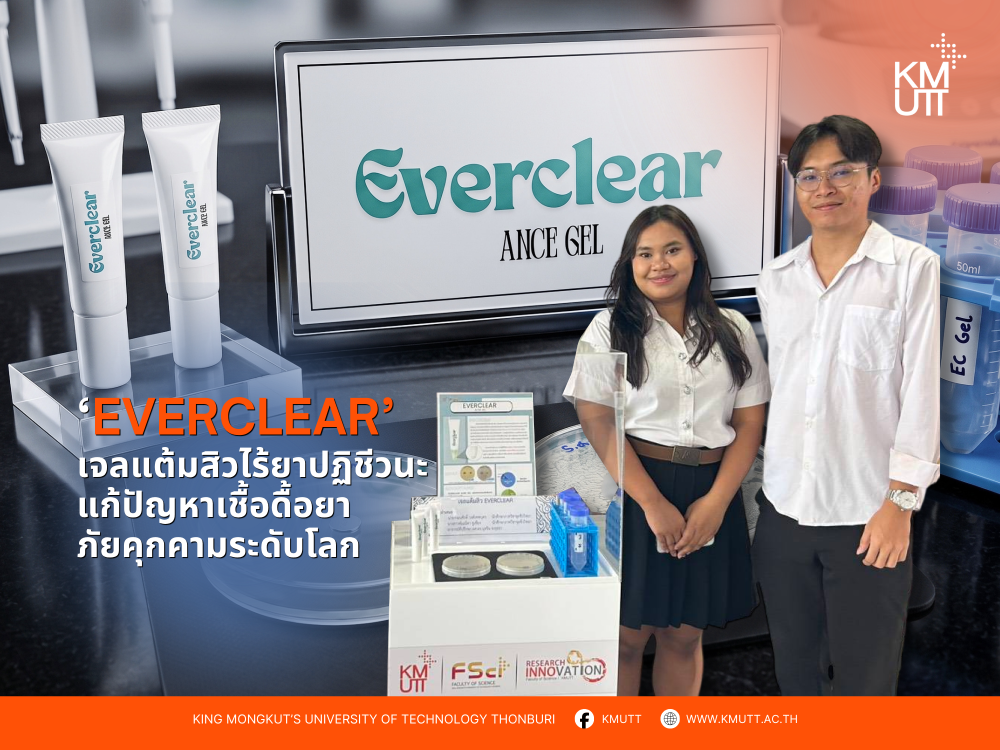
KMUTT Students Develop 'EVERCLEAR', an Antibiotic-Free Spot Gel for Acne to Address Antibiotic Resistance, a Global Threat
The World Health Organization (WHO) has classified "antibiotic resistance" as one of the major threats to global population health due to its direct impact on lives and health security. While many may not realize that "acne," a common skin condition affecting tens of millions of people worldwide, is also part of the antibiotic resistance problem, this is because current acne treatments still rely heavily on antibiotics as key components, both in topical and oral forms. Although these treatments effectively reduce inflammation and control bacterial infections, their continuous use increases the risk of developing antibiotic-resistant strains, leading to reduced treatment efficacy in the future and potentially necessitating stronger medications or a complete change in treatment approach.
Driven by the need to find new alternatives for acne management that reduce reliance on antibiotics, theresearch project "EVERCLEAR" was launched. This project is the work of fourth-year students in the Microbiology major, Department of Microbiology, Faculty of Science, King Mongkut's University of Technology Thonburi (KMUTT). Mr. Patsanok Wongthepboon,
a member of the research team, stated, "The team recognizes that acne is a problem affecting people of all ages, while many current treatment approaches still involve the use of antibiotics. This research aims to study the synergistic effects of peptides and natural organic acids. Experimental results indicate that the combination of both substances inhibits microorganisms more effectively than using either substance alone." "It took several months of experimentation to develop the appropriate formula, during which we sought the lowest concentration that maintained effective antimicrobial activity, referencing international testing standards to balance efficacy, safety, and feasibility for future development into a practical product," Patsanok explained regarding the challenges of the work.
The research team advanced the development of the product in the form of
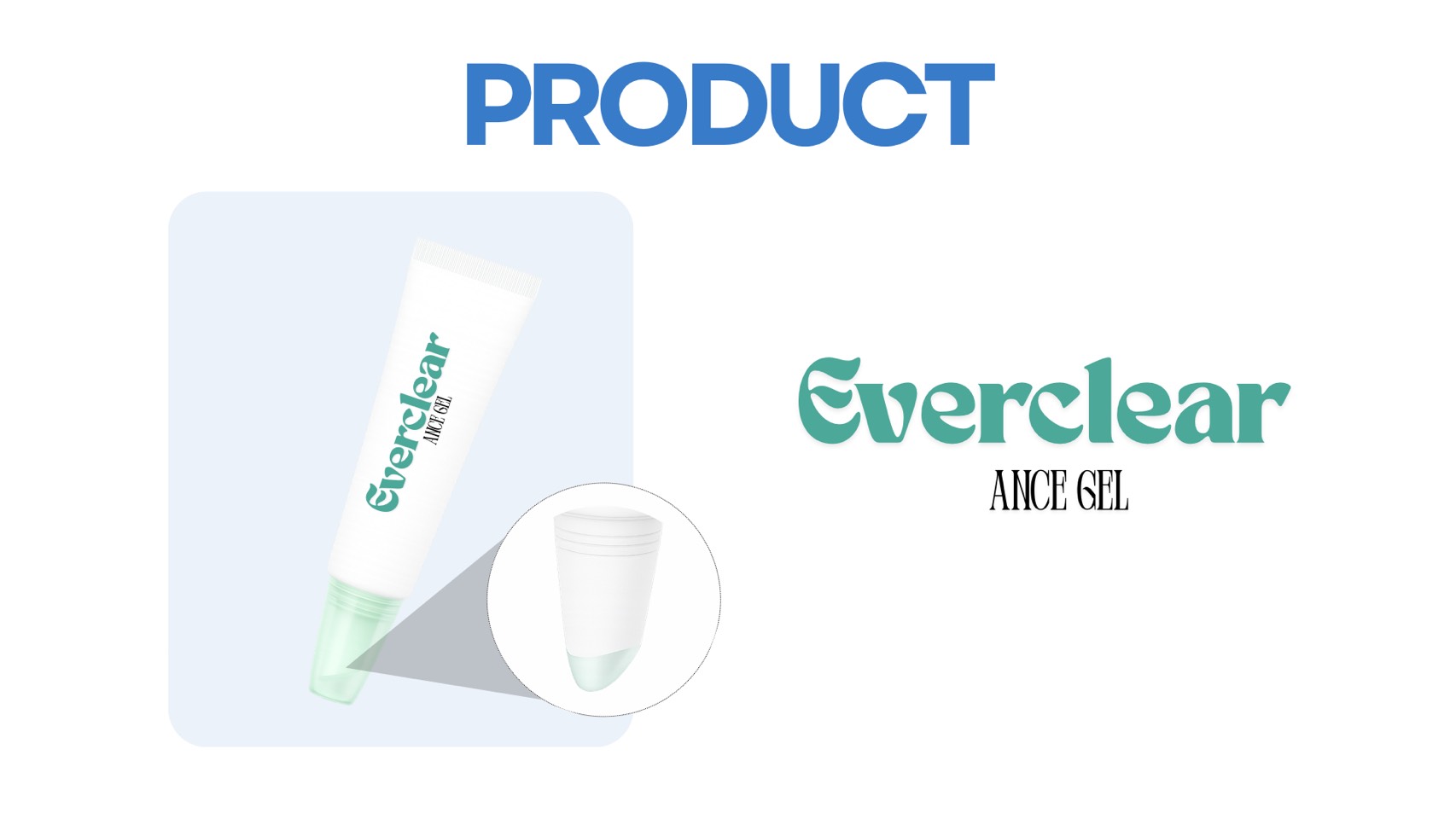
"acne spot gel" to enhance the delivery of active ingredients to the skin. The gel structure can retain and gradually release active substances continuously, extending the duration of microbial inhibition compared to general liquid formulations. Additionally, it is convenient for portability and daily use. The key feature of the EVERCLEAR product lies in the combined action of two natural substances: peptides and natural organic acids. These reduce the number of microorganisms associated with acne, which is a primary cause of inflammation, as well as redness and dark spots following acne outbreaks. Furthermore, laboratory tests revealed that the product can inhibit both Gram-positive and Gram-negative bacteria, particularly E. coli and S. aureus, demonstrating comprehensive microbial control potential.
Ms. Panunida Chuchueang,
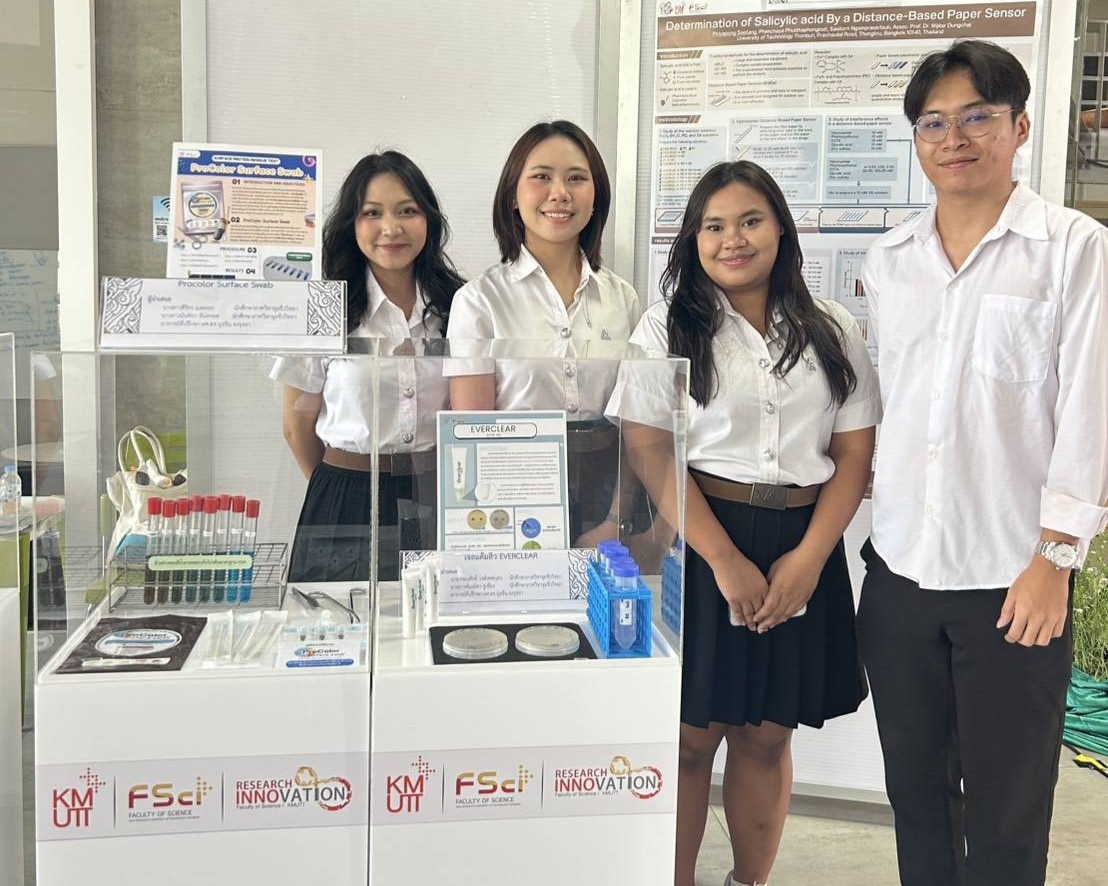
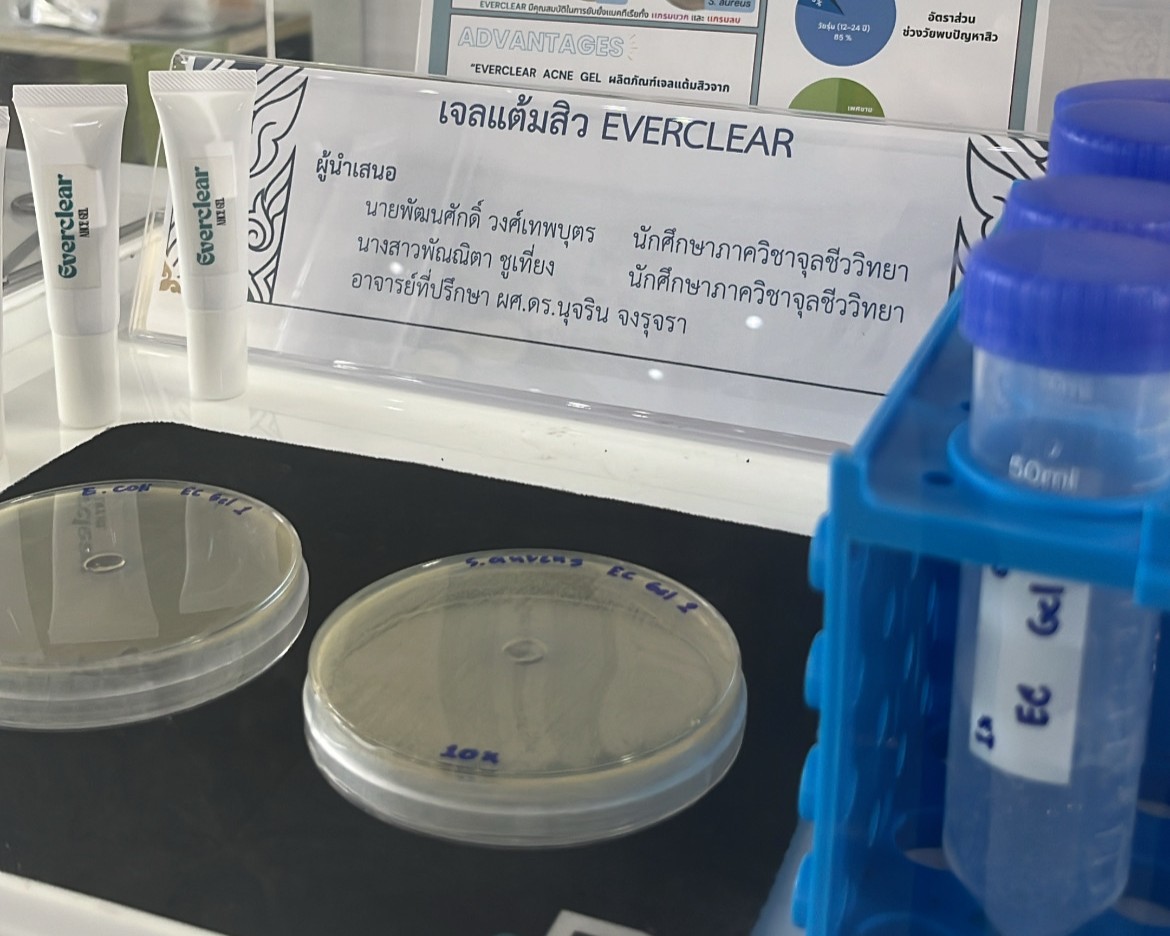
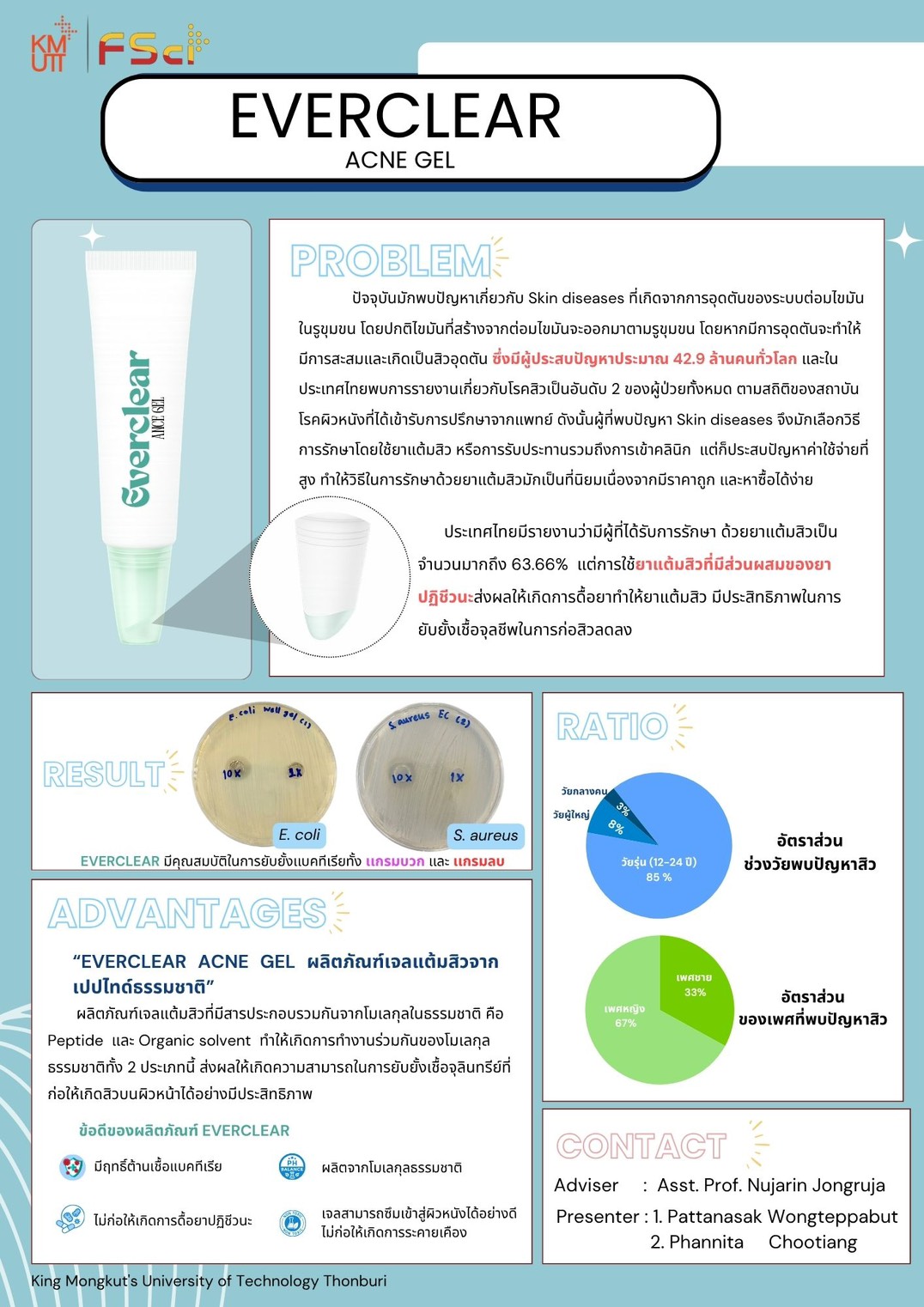
another member of the research team, stated, "The acne spot gel containing natural organic acids helps penetrate the bacterial cell membrane, while peptides bind to key components of the cell wall, allowing both substances to work synergistically and effectively. The result is a significant reduction in the number of microorganisms associated with acne." Although the experimental results are promising, the research team continues to refine the formula, particularly by enhancing moisturization for long-term facial skin use. If the formula can be improved to meet the target, this research project has the potential to be developed into a commercially viable product that is practical and accessible to a wide consumer base.
"Currently, the project is in the process of filing for a patent to protect the developed innovation. At the same time, we are preparing to seek collaboration with private sector partners and investors to jointly advance the research from the laboratory to industrial-scale production. Our primary goal is to develop a product that can be commercially available and practically used in the future," Patsanok shared regarding future objectives.
Beyond product innovation development, the EVERCLEAR project also reflects another significant outcome: enhancing student capabilities to handle real-world research. Throughout the project duration, students learned everything from experimental design and data analysis to product development, as well as documentation, legal management, and intellectual property, which are essential components for launching research into practical application in the future.
Asst. Prof. Dr. Nujarin Jongruja, Department of Microbiology, Faculty of Science, and project advisor,
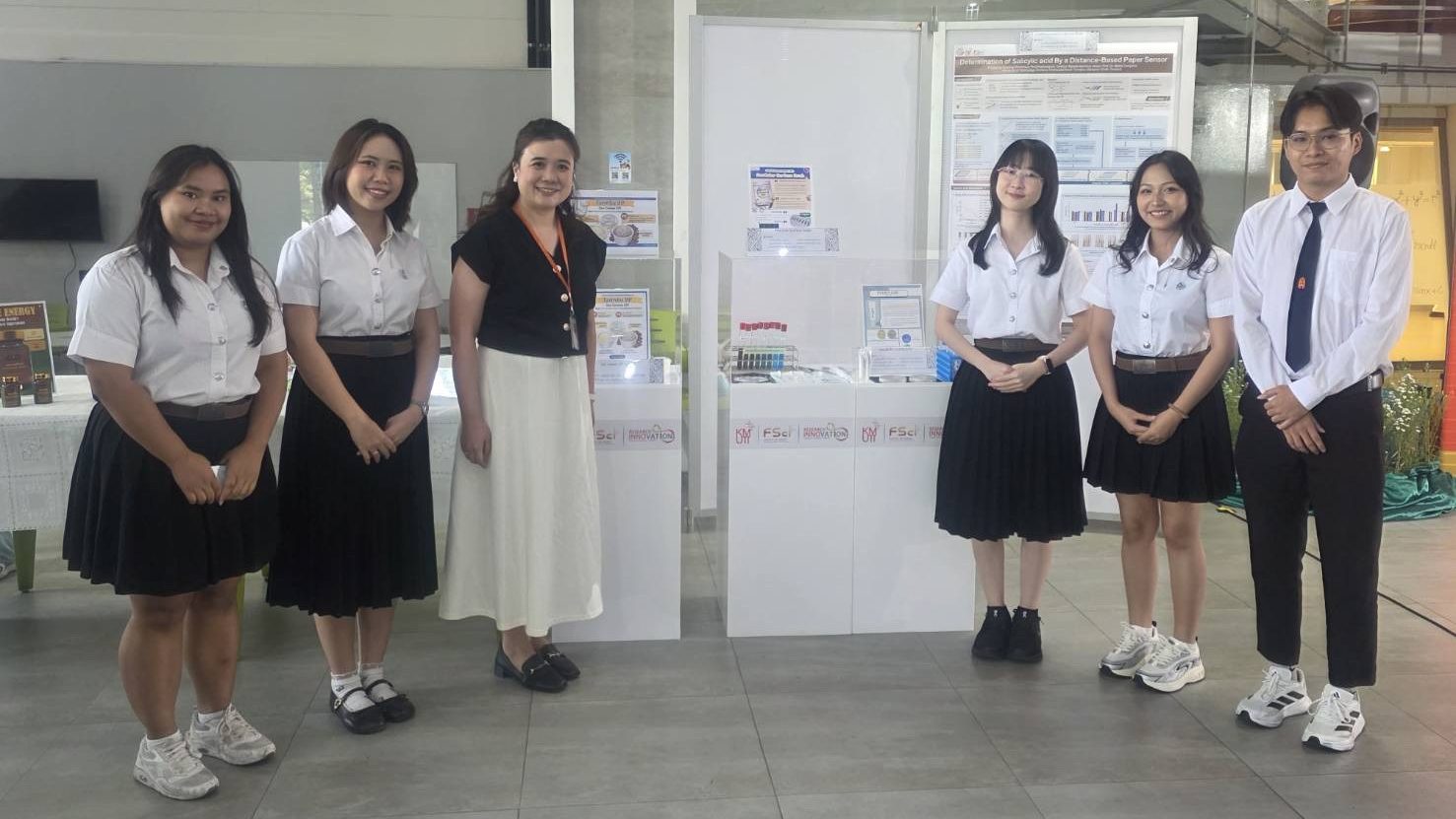
stated, "What is truly praiseworthy is not just the research outcome, but the development of the students. Previously, they often came with questions waiting for answers, but today they can think critically, find solutions, and solve problems independently, even in complex issues such as legal documents or scientific product regulations. These developments show that this project not only creates health innovations but also cultivates a new generation of personnel capable of driving the nation forward with science and technology in the future." The development of "
EVERCLEAR" not only opens new alternatives for acne management but also reflects the potential of Thai students to create innovations addressing global health challenges. By focusing on reducing reliance on antibiotics, it addresses a critical issue in combating the global antibiotic resistance crisis.The development of EVERCLEAR not only opens up a new alternative for managing acne but also reflects the potential of Thai students to create innovations that address global health challenges, with a focus on reducing reliance on antibiotics, which is a critical issue in combating the worldwide antibiotic resistance crisis.
Related News

KMUTT Students Develop "SIRINAPHA: Baan-Pla Link (House-Fish Link)" Using Satellite and AI to Assist Local Fishermen in Identifying Fishing Areas
"Not Focusing on Quantity but on Efficiency": KMUTT Unveils a 3-Tier Tree Planting Formula to Trap Up to 40.5% of PM2.5, Using AI to Forge a "Green Shield" to Protect Bangkok Residents