

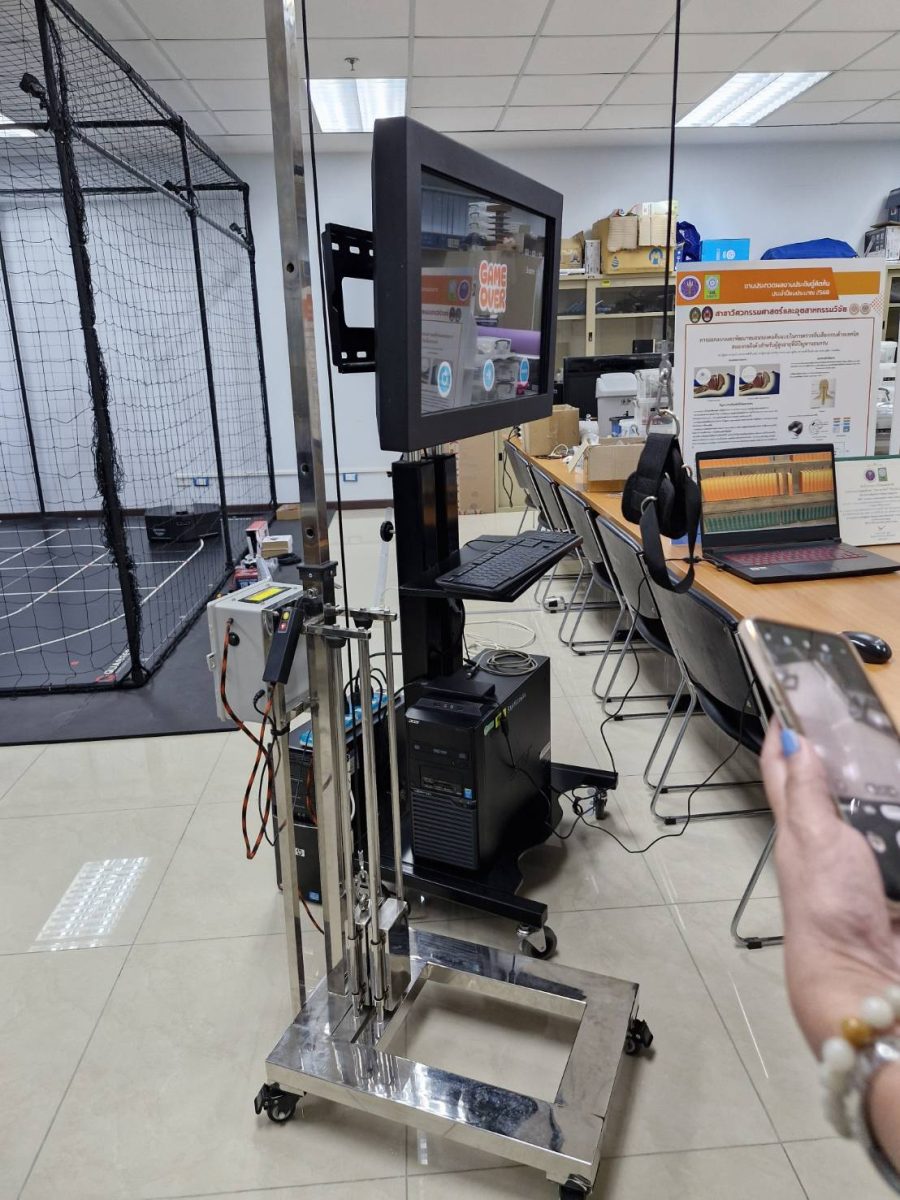
A research team from King Mongkut’s University of Technology Thonburi (KMUTT) has developed a prototype robot to assist in physical therapy for patients with muscle weakness. By integrating Artificial Intelligence (AI) and gaming technology, the innovation makes physical rehabilitation more precise, engaging, and efficient.
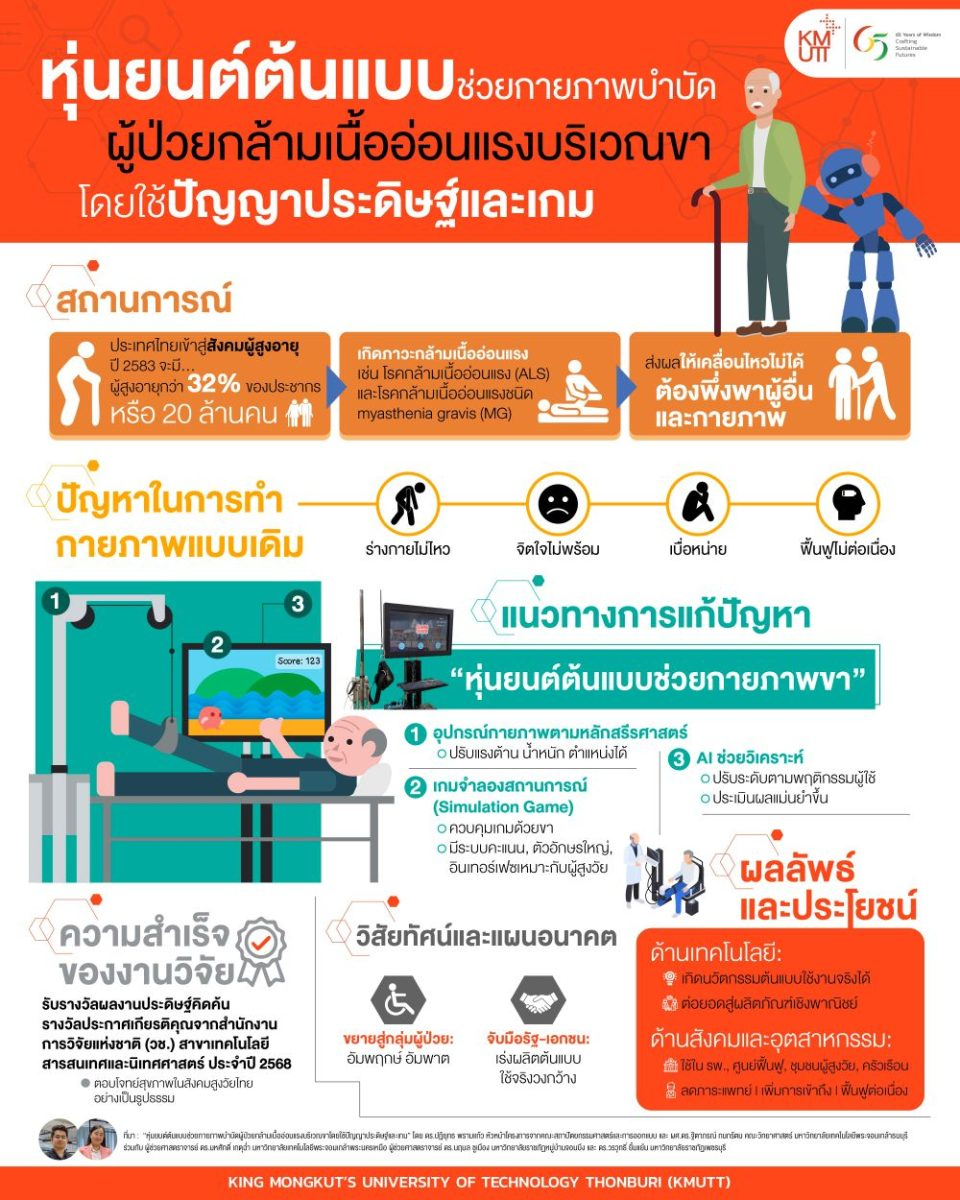
Thailand is rapidly becoming a “fully aged” society. Data from the National Statistical Office and demographic agencies project that by 2040, the elderly will account for more than 32% of the total population, or approximately 20 million people. This demographic shift leads to an increase in chronic diseases and degenerative conditions, particularly those affecting the nervous and muscular systems, such as Amyotrophic Lateral Sclerosis (ALS) and Myasthenia Gravis (MG). These conditions cause patients to progressively lose mobility and eventually their ability to perform daily activities.
Physical therapy is essential for these patients to prolong muscle function and maintain quality of life. However, many patients struggle to maintain a consistent therapy schedule due to physical and mental limitations, as well as the repetitive and boring nature of traditional methods, which significantly reduces the effectiveness of their recovery.
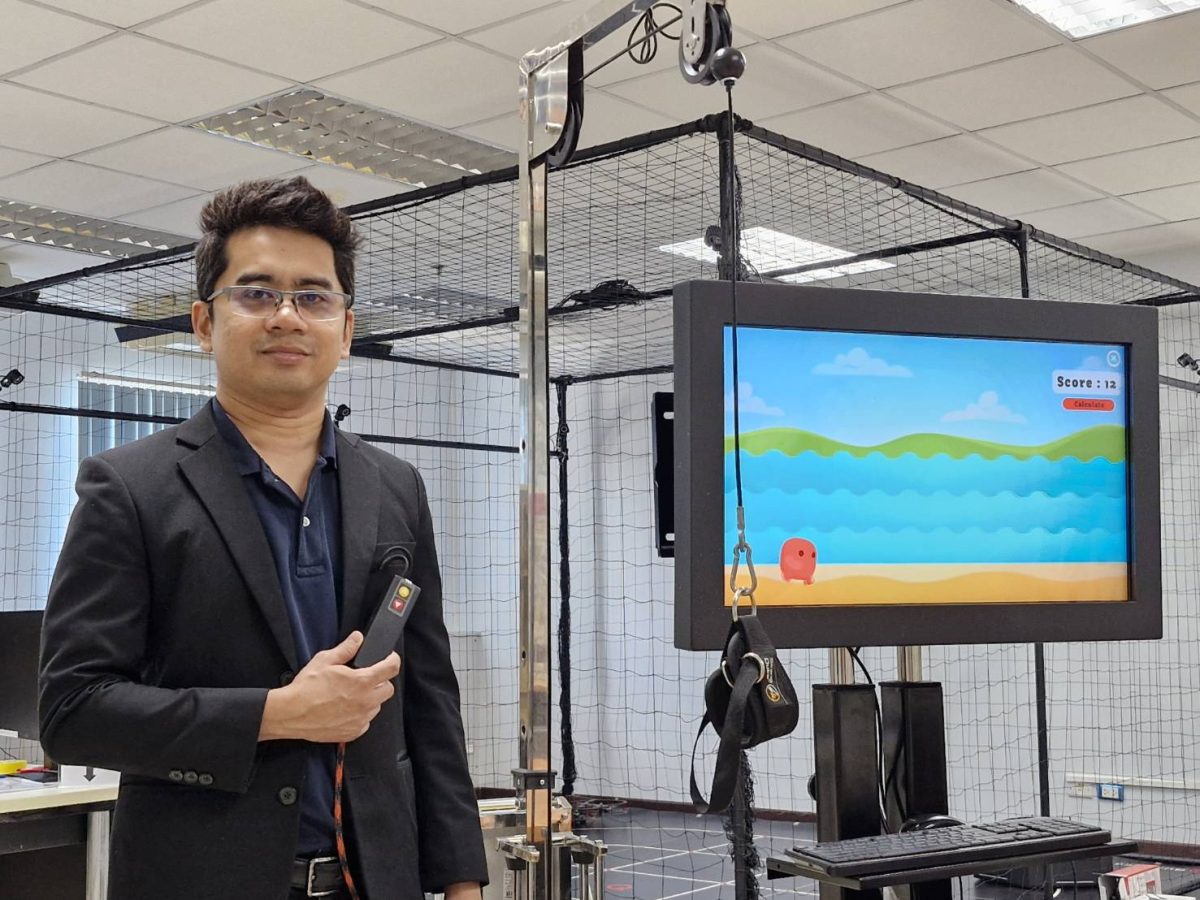
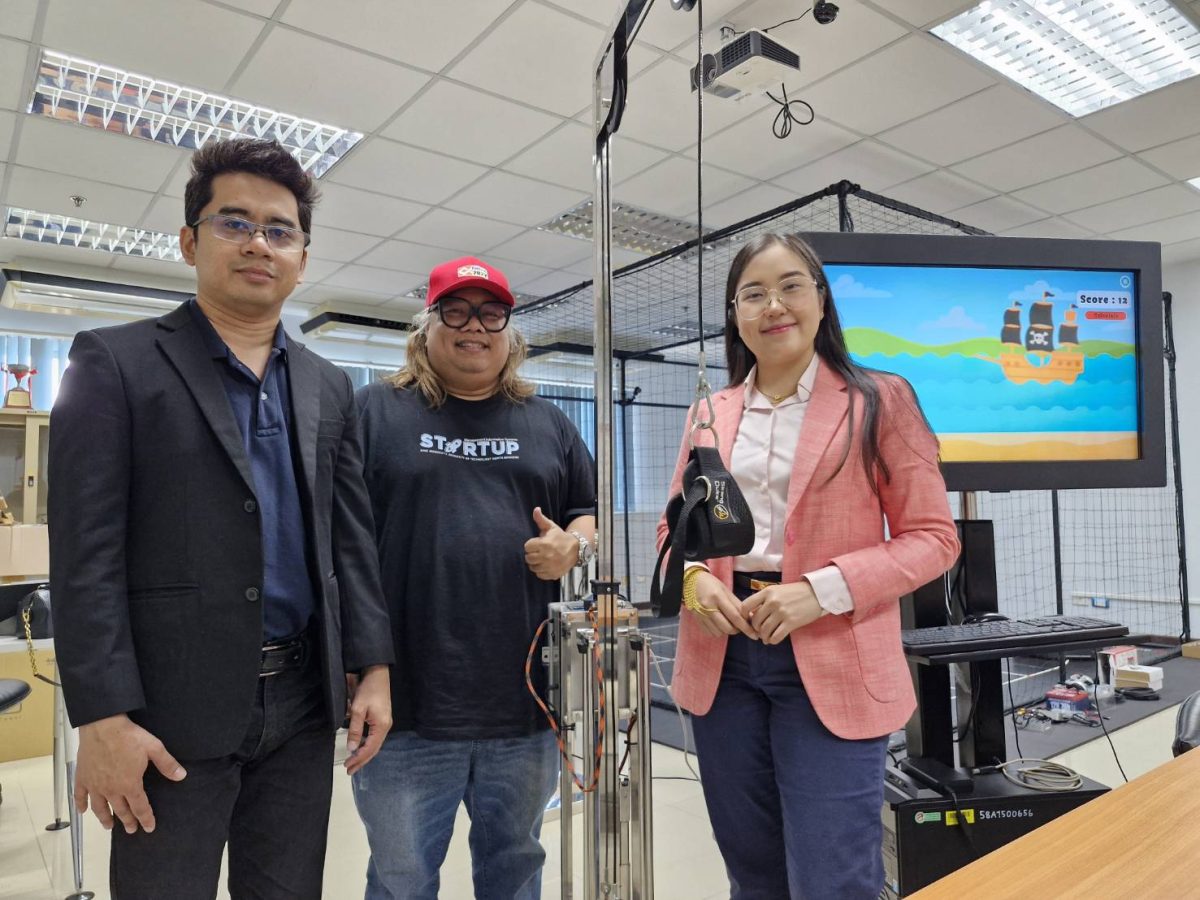
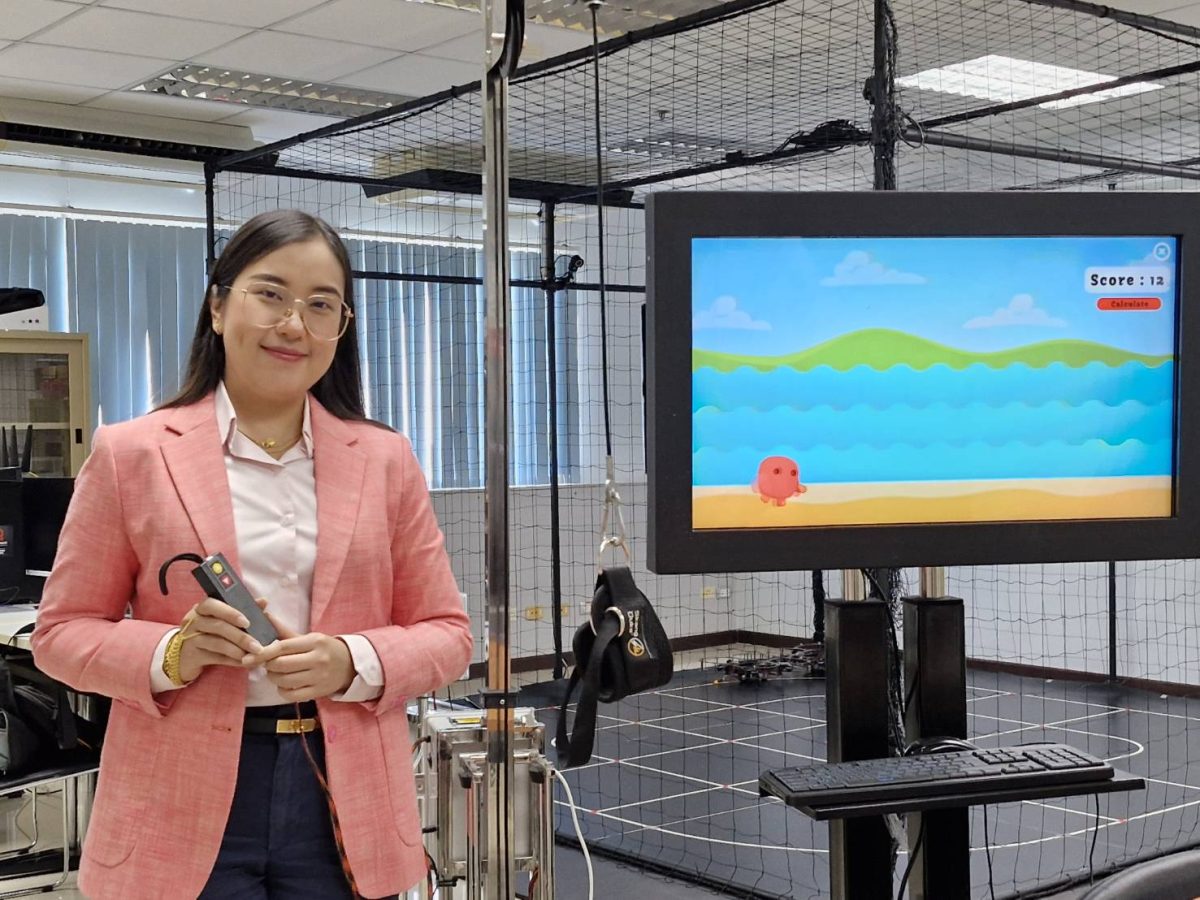
To address these challenges, Dr. Patiyuth Pramkaew, Project Leader and lecturer from the Media Program at the School of Architecture and Design (SoA+D), KMUTT, and Asst. Prof. Dr. Thittaporn Ganokratanaa from the Faculty of Science, KMUTT, collaborated with a multidisciplinary team. The team includes Asst. Prof. Dr. Mahasak Ketcham (KMUTNB), Asst. Prof. Dr. Naruemon Chumuang (MCRU), and Dr. Worawut Yimyam (PBRU). Together, they developed the “Prototype Leg Rehabilitation Robot for Muscle Weakness Patients using Artificial Intelligence and Gaming.” This project focuses on creating a practical prototype specifically for leg muscle rehabilitation, featuring a dedicated gaming system to stimulate movement through clear, goal-oriented tasks. The research was developed in collaboration with medical personnel at Bang Khun Thian Geriatric Hospital, who provided deep insights into patient needs.
“This prototype consists of two main components: Ergonomic Rehabilitation Hardware, which allows for adjustable weight, resistance, and positioning tailored to each patient’s physical condition; and a Simulation Game System, where leg muscle movements control the in-game missions. The game is specifically designed for the elderly and target patients, featuring large fonts, clear UI displays, intuitive interaction patterns, and a scoring system to track progress. This is integrated with Artificial Intelligence (AI) to monitor, analyze, and adjust the difficulty levels based on the patient’s actual behavior, enhancing training efficiency and ensuring more accurate evaluations,” said Dr. Patiyuth regarding the prototype’s mechanism.
Asst. Prof. Dr. Thittaporn added that the development of this prototype yields more than just technological results; it creates a tangible social and industrial impact. The innovation is designed for commercial scalability at an affordable price point, making it accessible for hospitals, rehabilitation centers, elderly communities, and home use. This broadens access to high-quality recovery technology, reduces the long-term workload of medical staff, and encourages patients and their families to participate in consistent rehabilitation without requiring a massive budget.
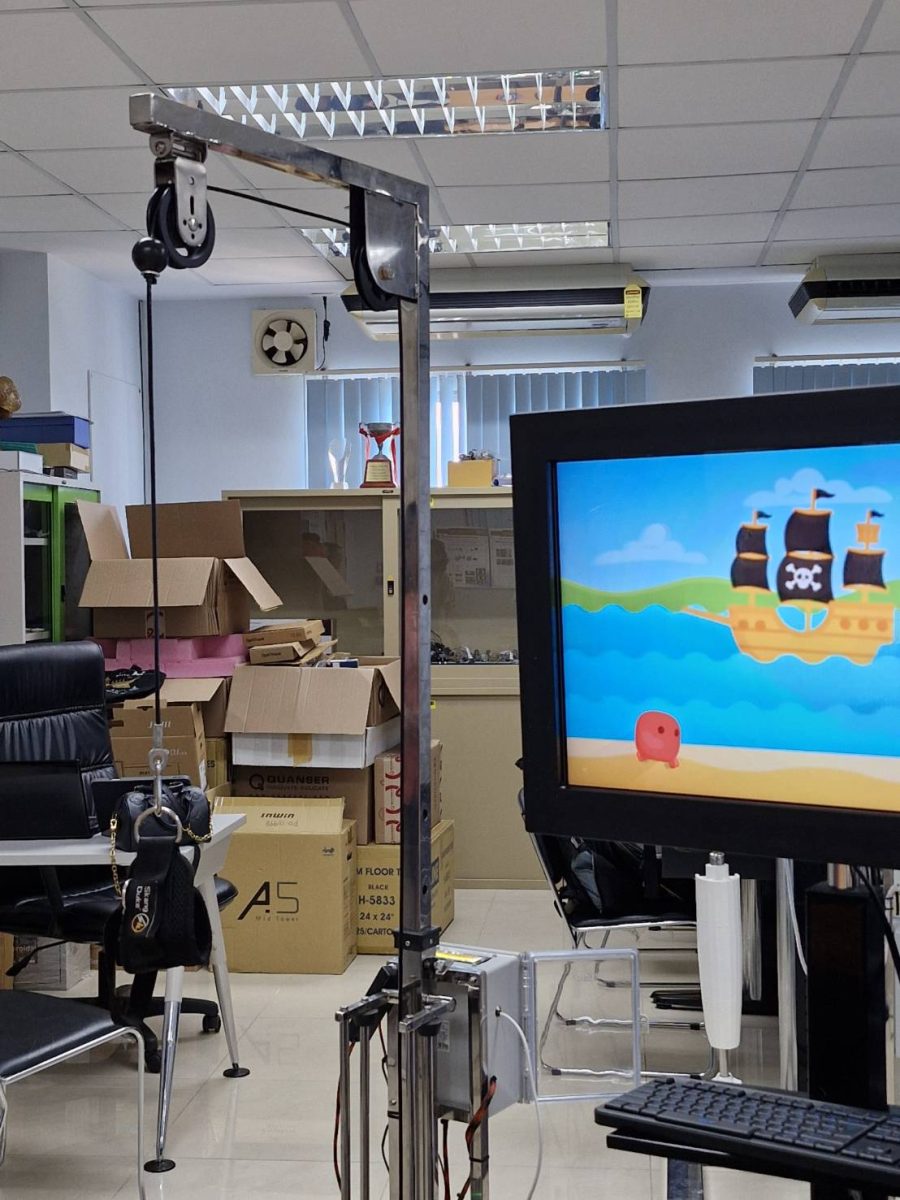
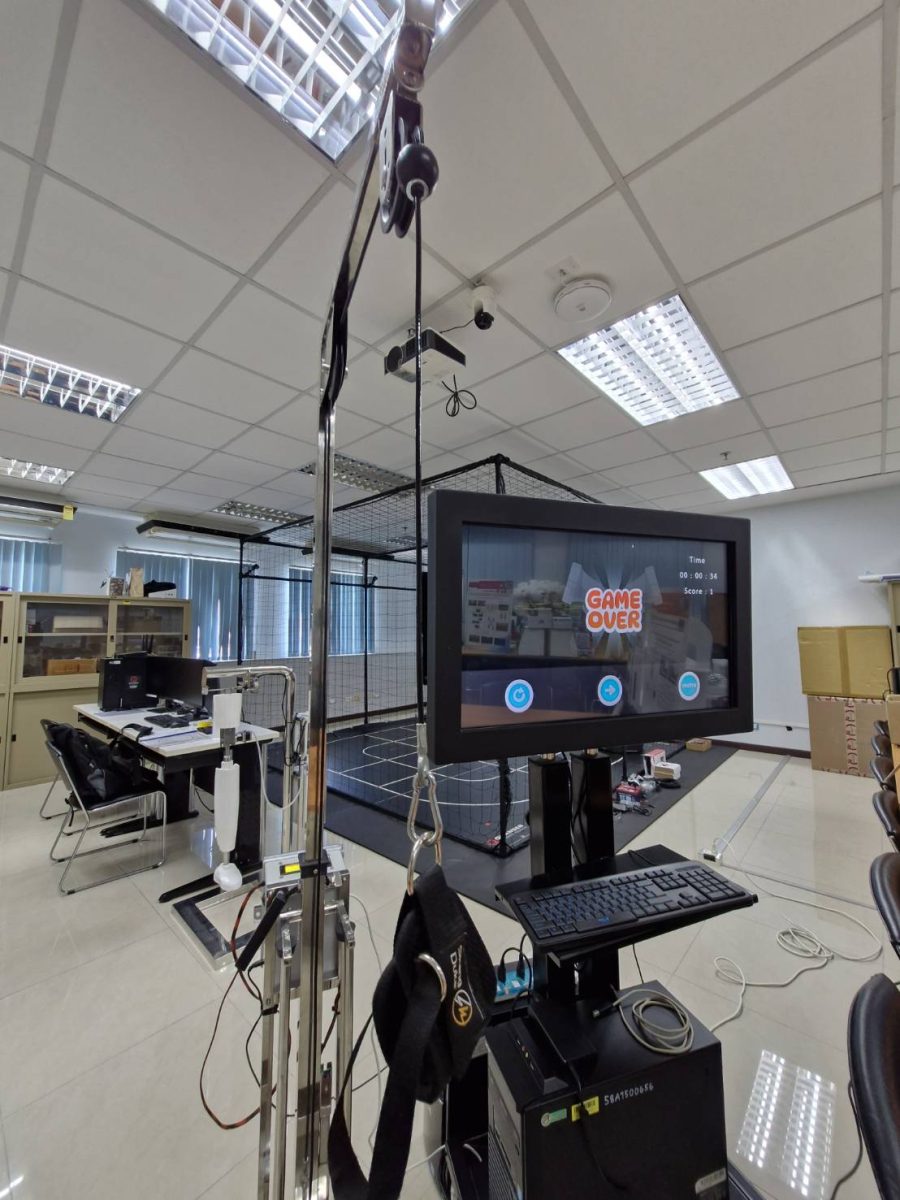
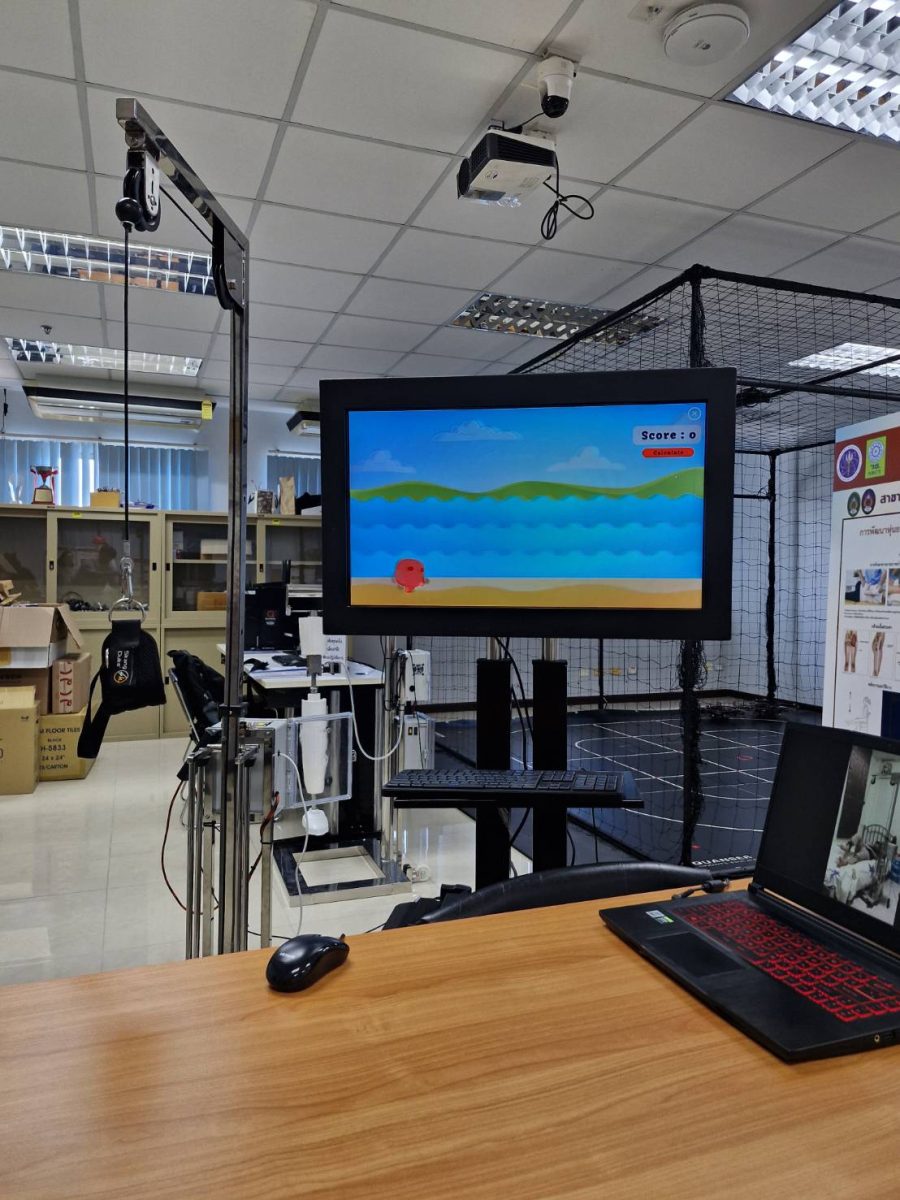
The research project was honored with the 2025 Invention Award (Honorary Mention) in the field of Information Technology and Communication Arts from the National Research Council of Thailand (NRCT). It is recognized as a concrete application of technology to health challenges, with high potential for further development in response to Thailand’s public health policies for an aging society.
In the next phase, the research team plans to adapt the device and gaming system for other patient groups, such as those with hemiparesis, paralysis, or post-surgery patients needing mobility recovery. They intend to coordinate with both public and private sectors to accelerate production for widespread use.
“The core of this research is to make patients feel that they can take charge of their own lives. We use technology to support both the body and the mind, making patients want to stand up and fight again by their own will,” Dr. Patiyuth concluded.
Related News

‘Plant-Based Caviar’: KMUTT Students’ Food Innovation Clinches National Gold, Ready for Global Market Expansion

KMUTT Mechanical Engineering Students and Faculty Clinch Gold Medal from NRCT with Microchannel Heat Sink Innovation for Future Data Centers



