

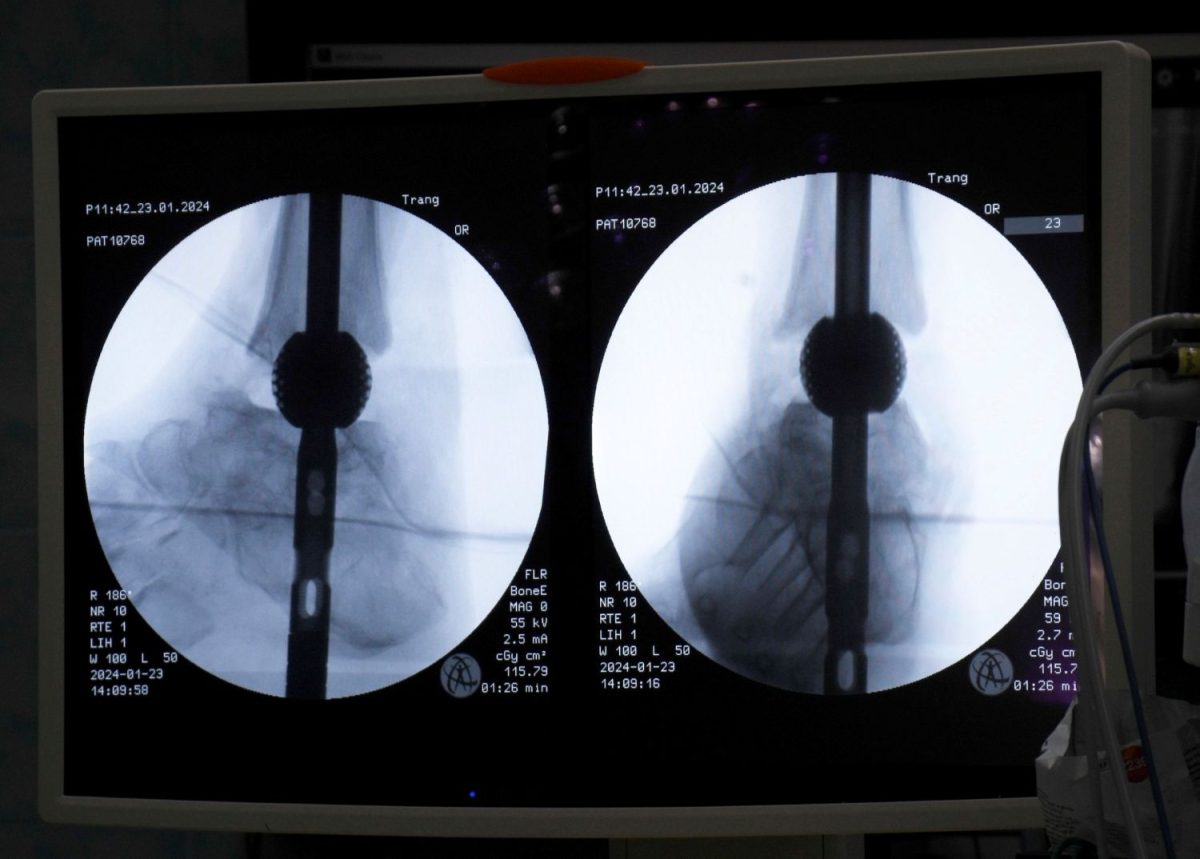
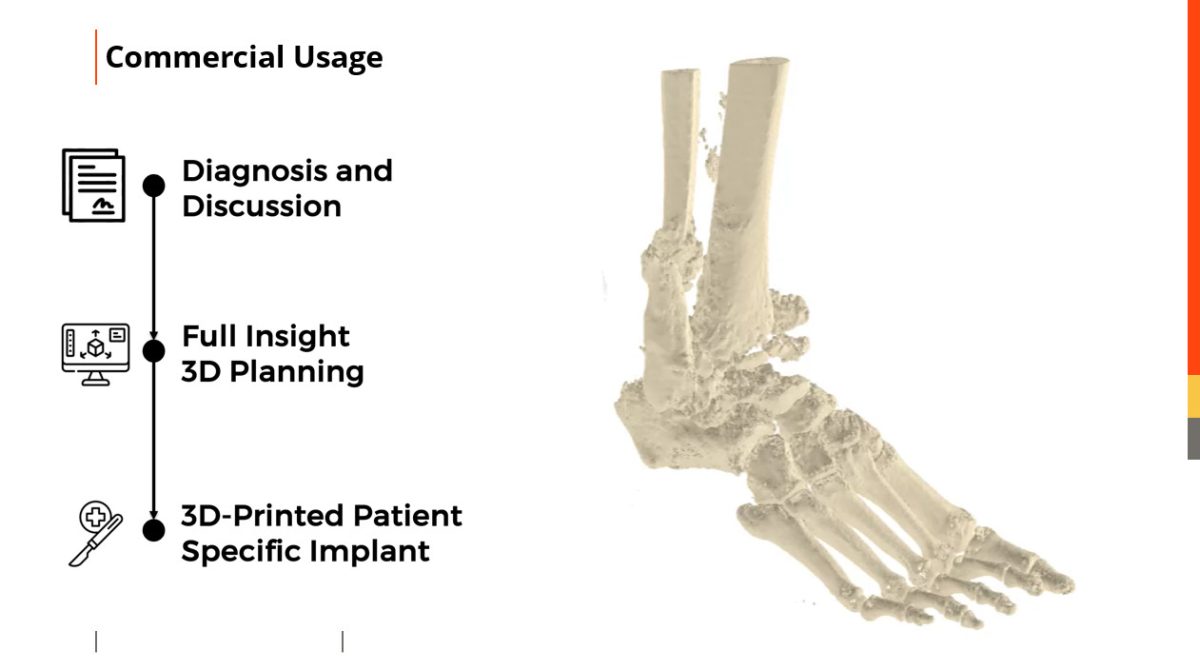
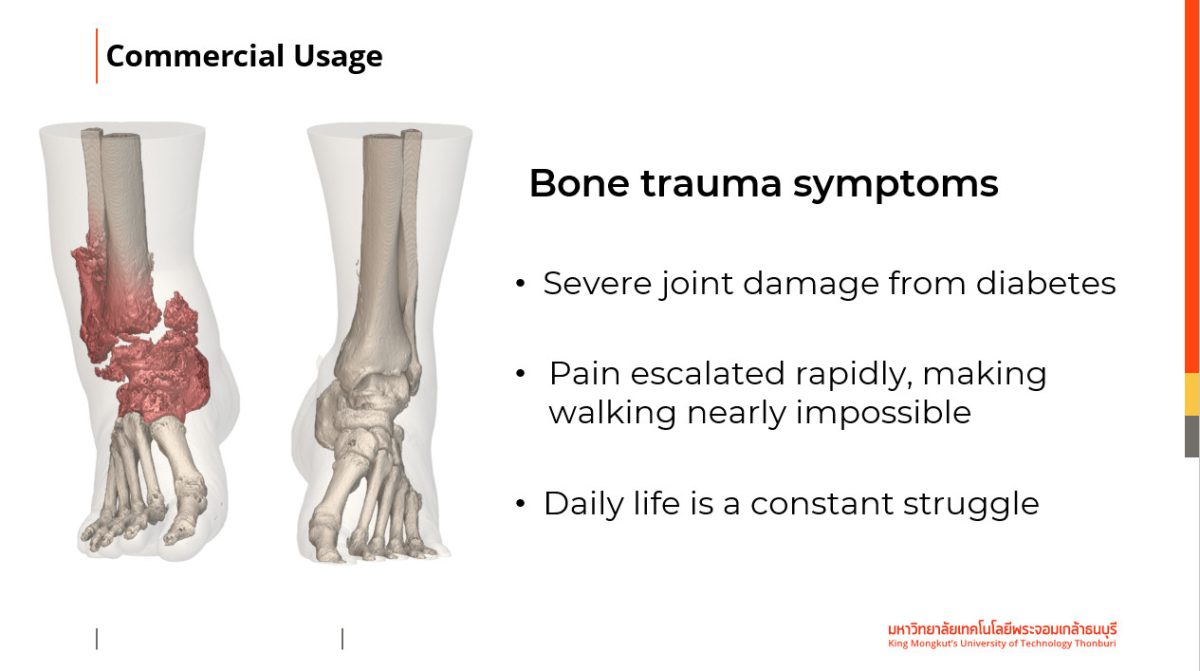
Ankle osteoarthritis is one of the most complex health issues, significantly impacting a patient’s quality of life. Major causes include accidents, Charcot joints (diabetic foot), infections, and various chronic diseases that directly damage joints, leading to severe bone loss in the ankle. This condition forces patients to endure chronic pain, difficulty walking, and severe limitations in daily activities.
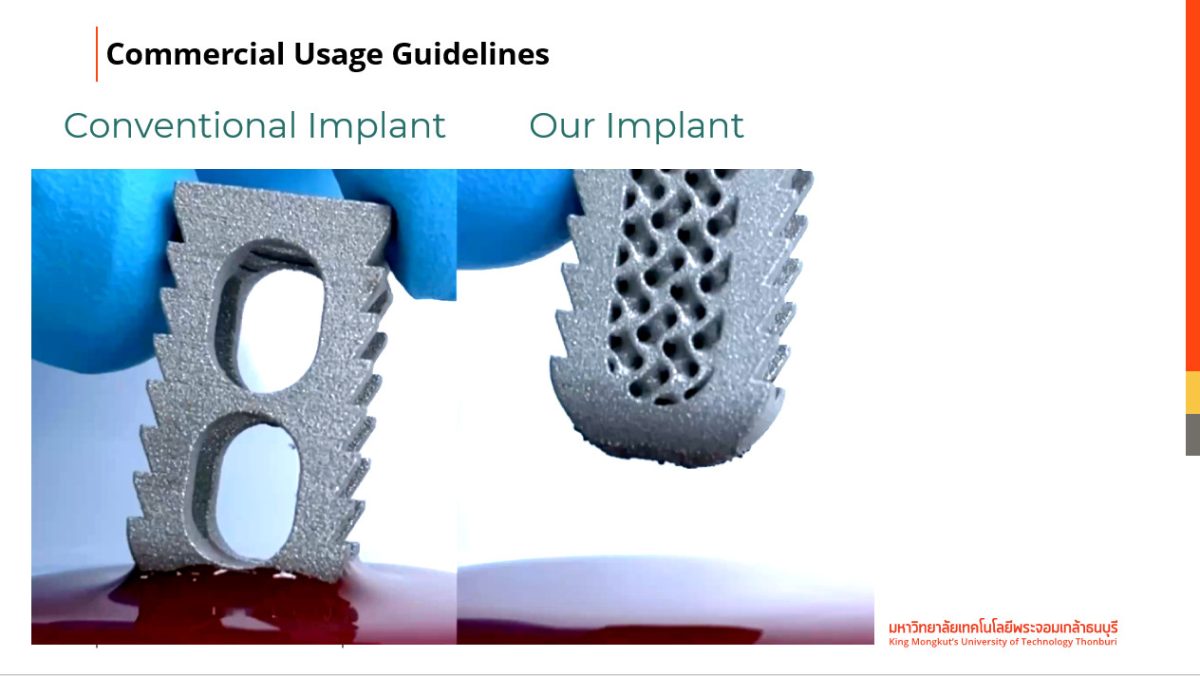
Currently, patients must undergo surgery to remove damaged bone and use bone grafts to fill the resulting voids. However, traditional treatments are fraught with limitations. Conventional materials lack personalized design capabilities, meaning they often require manual adjustment by surgeons to fit individual bone defects. This carries risks of improper fixation and affects long-term bone stability. Furthermore, the use of allografts (donor bone) presents significant challenges, such as the risk of disease transmission, immune responses, and limited supply. These issues not only force some patients to undergo repeat surgeries but can also lead to permanent limb loss, highlighting the urgent need for more effective treatment methods and bone substitutes.
The Breakthrough: 3D Printing and AI Integration
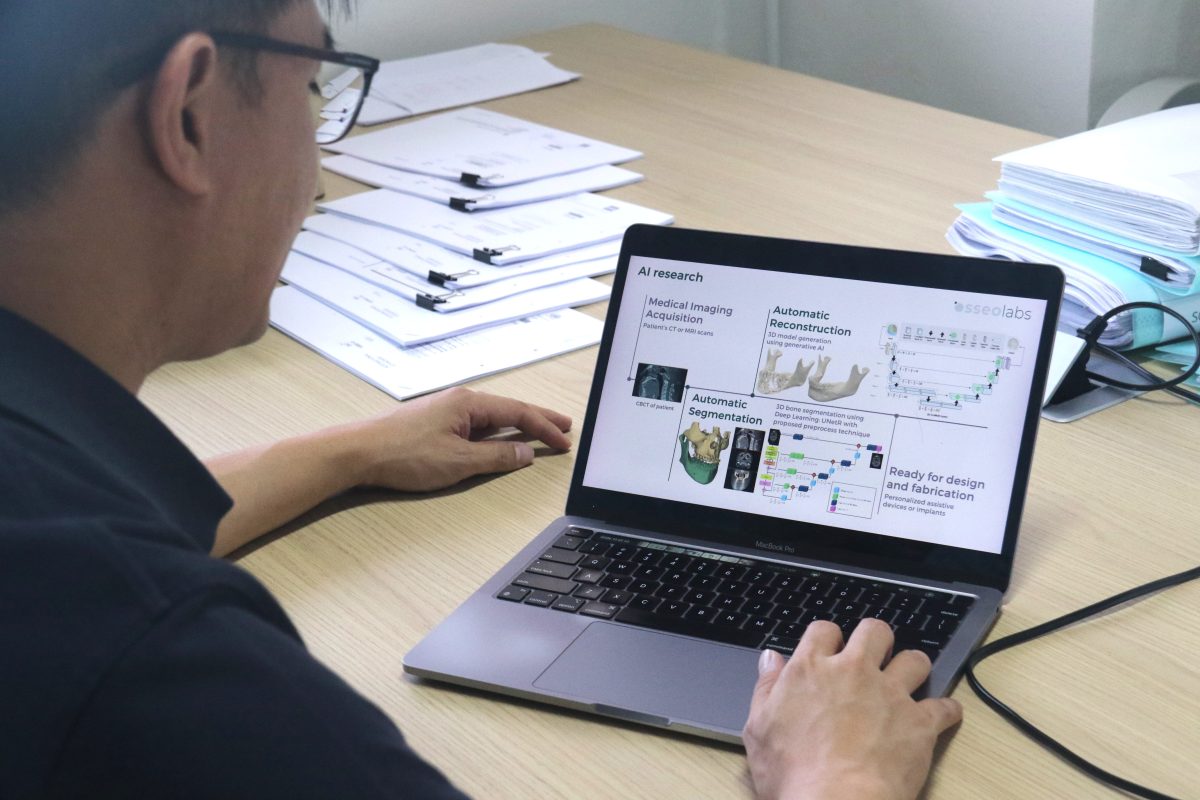
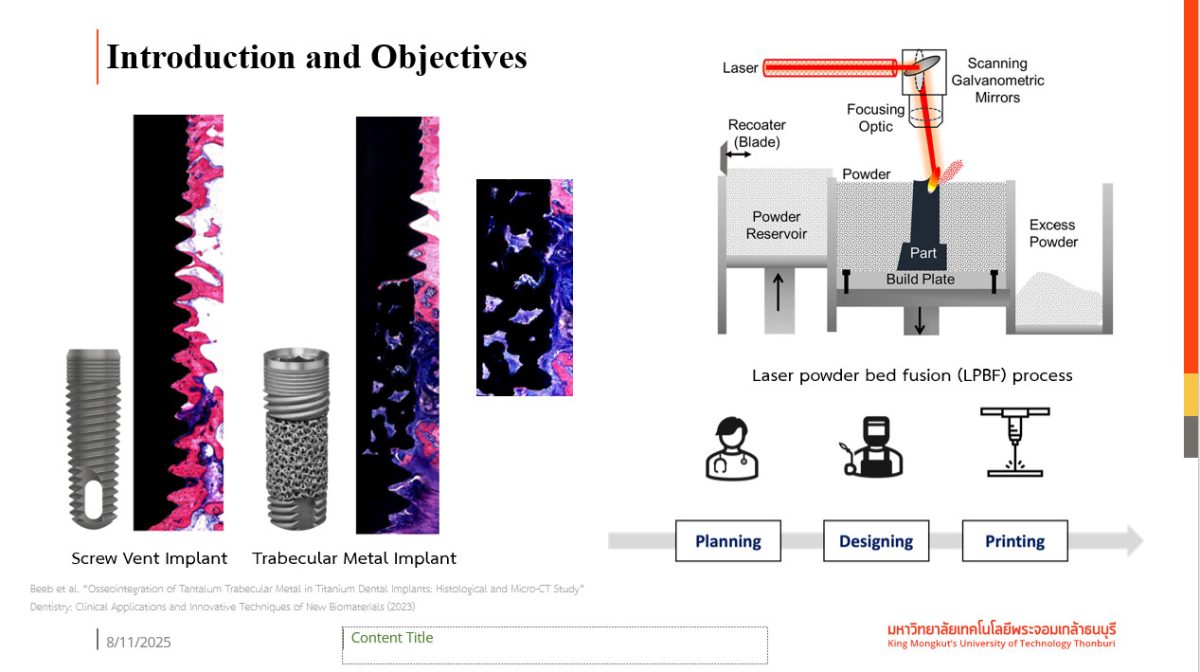
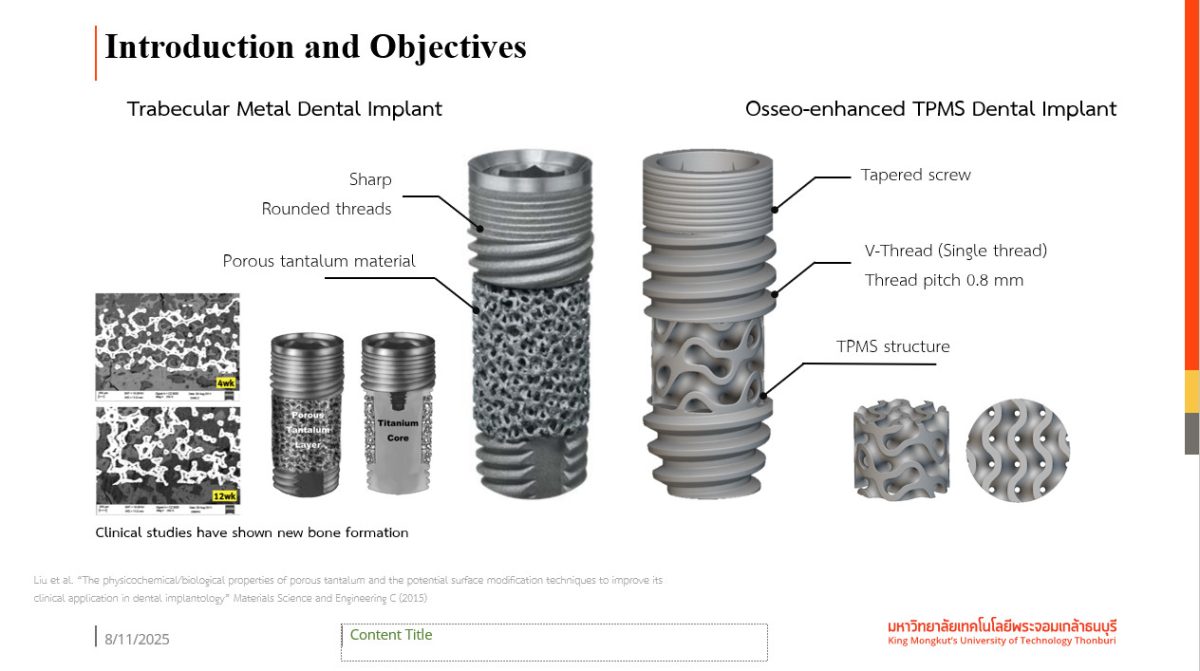
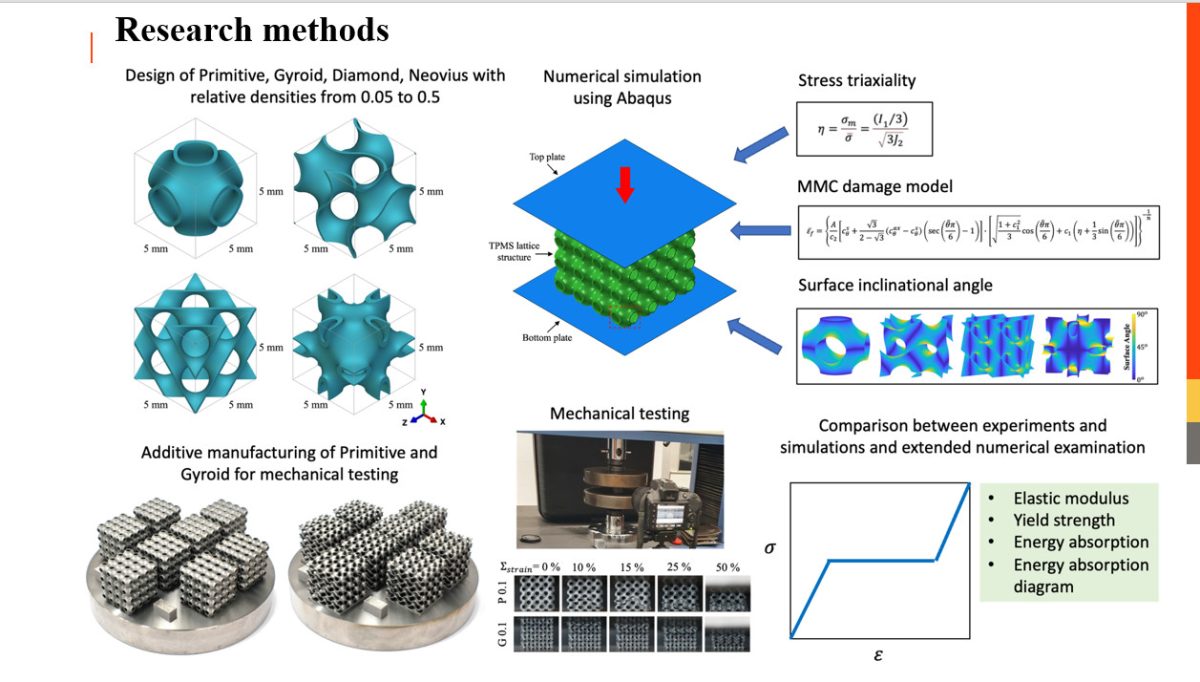
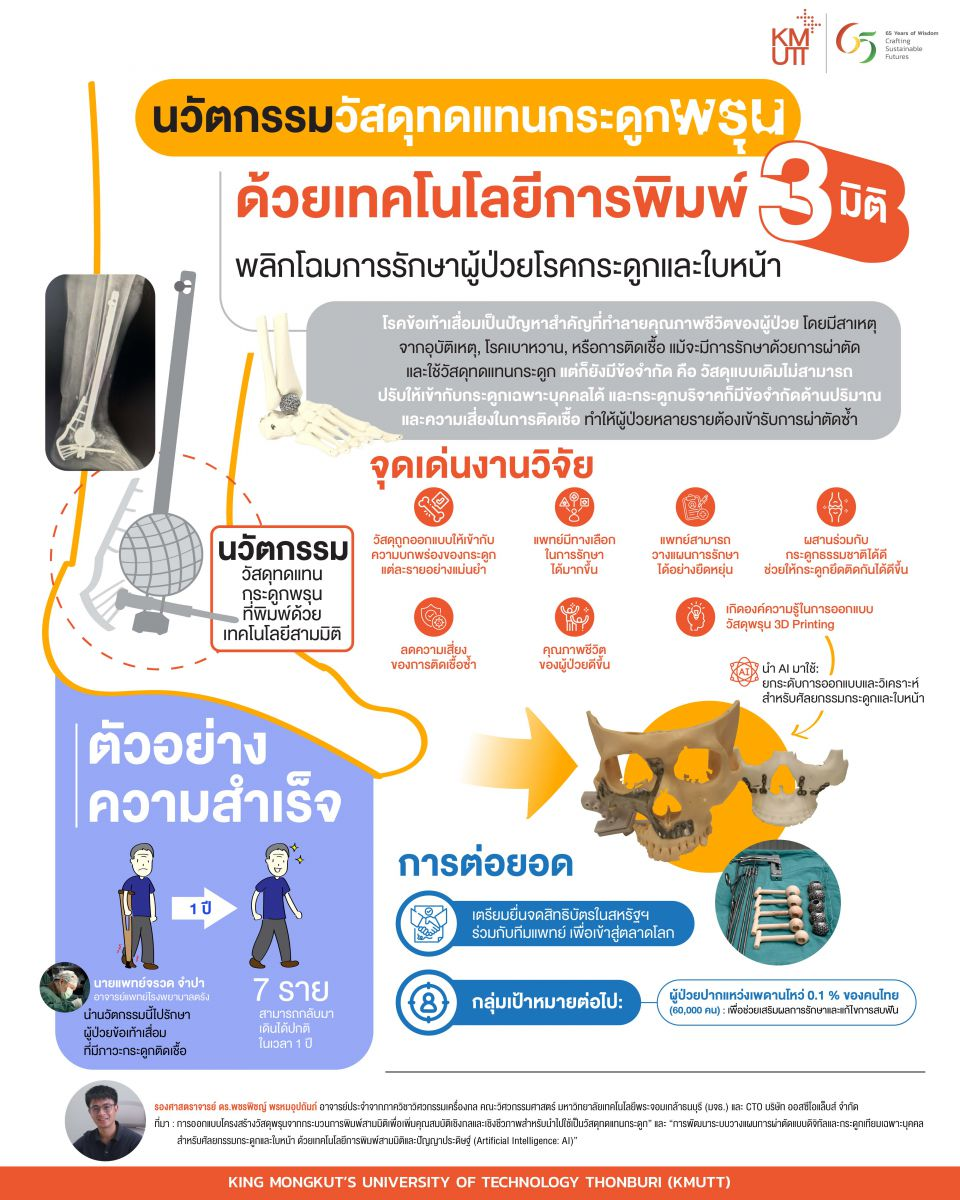
A pioneering solution has emerged in the form of 3D-Printed Porous Bone Substitutes. This innovation stems from two major research projects: “Designing Porous Material Structures from 3D Printing to Enhance Mechanical and Biological Properties for Bone Substitutes” and “Development of Digital Surgical Planning Systems and Personalized Bone Implants for Orthopedic and Maxillofacial Surgery Using 3D Printing and Artificial Intelligence (AI).”
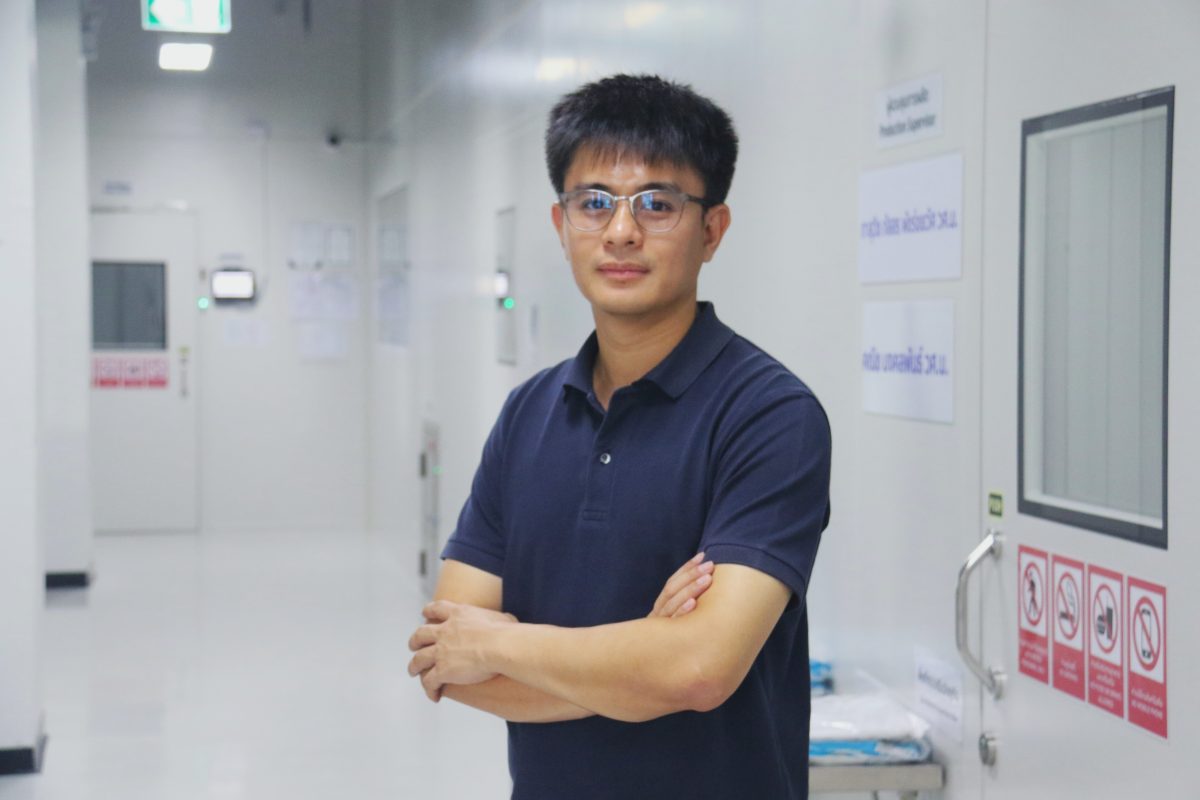
The project is led by Assoc. Prof. Dr. Pachareephit Promuphatam, a faculty member of the Department of Mechanical Engineering, Faculty of Engineering at King Mongkut’s University of Technology Thonburi (KMUTT) and the CTO of OsseoLabs Co., Ltd. (a KMUTT spin-off). This innovation was specifically developed to overcome the limitations of traditional treatments, particularly the high rate of reinfection, while helping patient bones bond more effectively with anatomical precision that exceeds commonly used materials like donor bone or medical cement.
Success Stories: From Local Hospitals to Global Patents
Assoc. Prof. Dr. Pachareephit stated that this technology stands out due to its personalized design, seamless integration with natural bone, and its ability to significantly reduce the risk of reinfection, leading to a better quality of life. The success of this research is reflected in highly challenging medical cases:
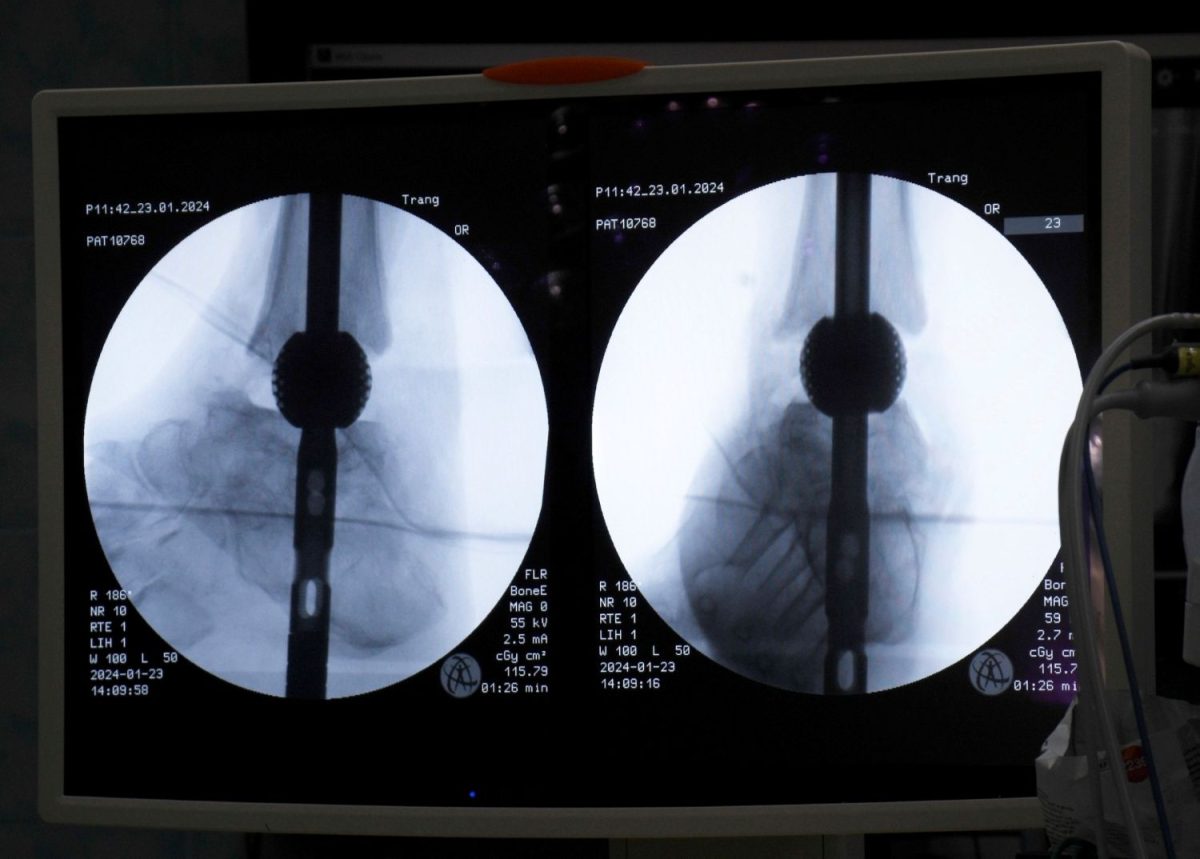
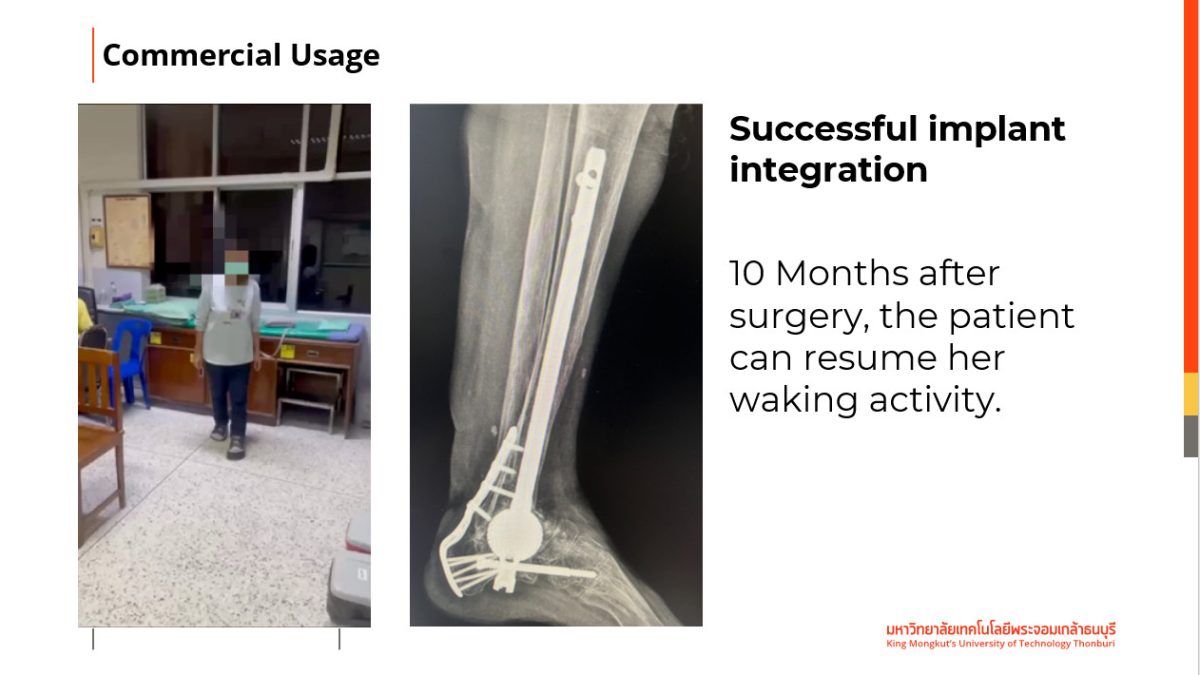
- Trang Hospital: Seven patients with ankle osteoarthritis and bone infections were treated using 3D-printed porous structures. Within one year, all patients returned to walking normally, whereas previously, some were at risk of leg amputation.
- Songklanagarind Hospital (Prince of Songkla University): Successful treatment of patients with non-union bone fractures resulting from accidents.
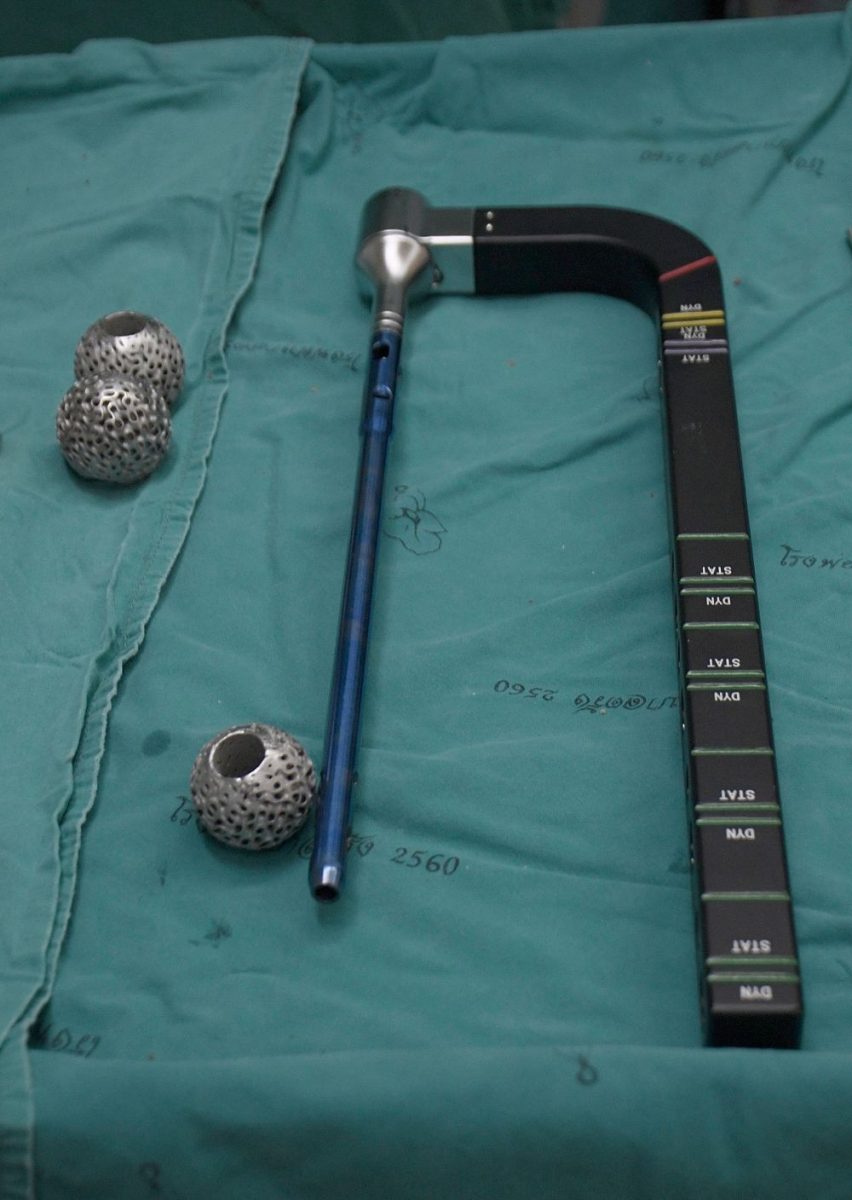
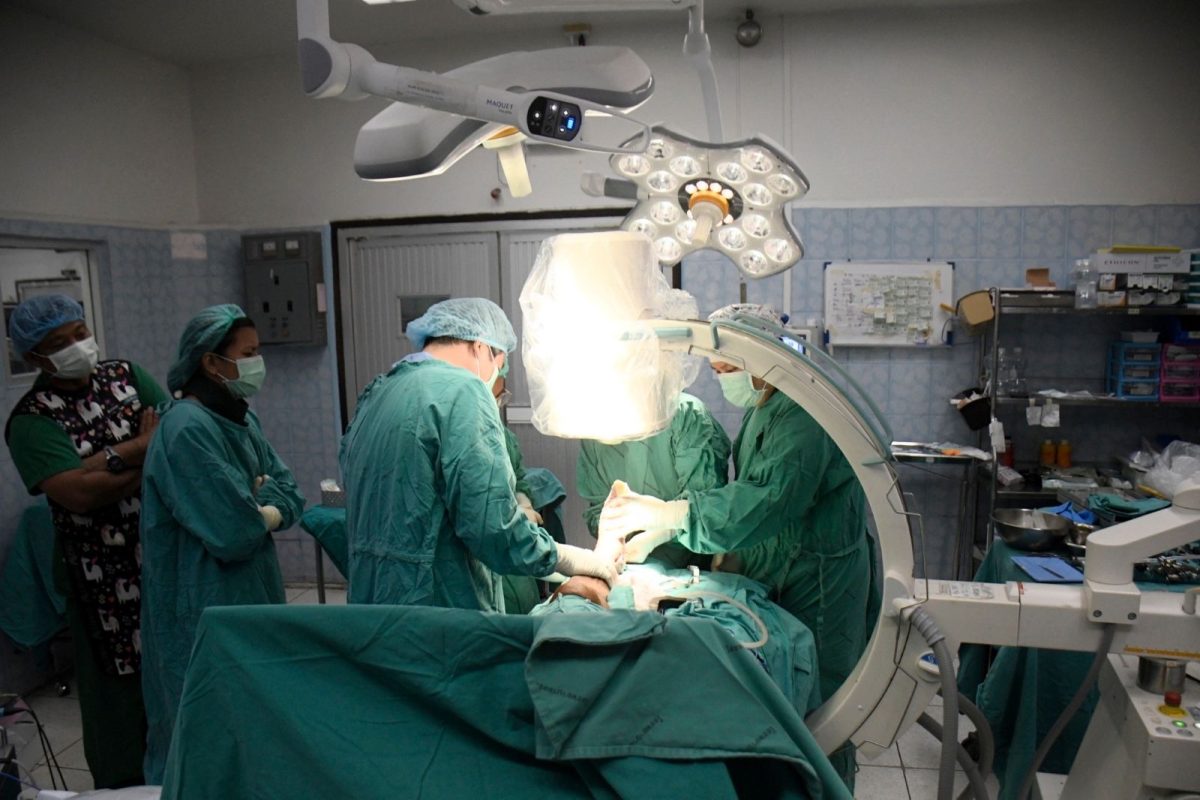
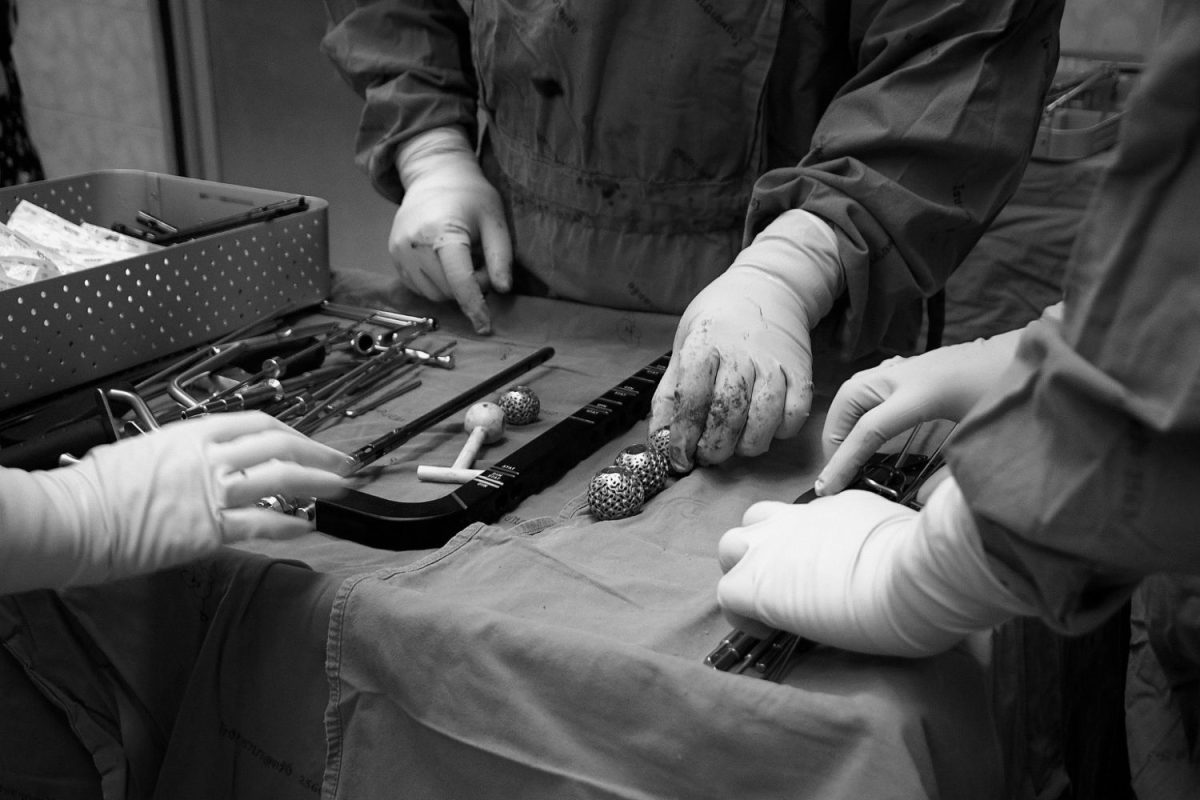
“In the past, surgeons planned treatments based on available equipment. But with personalized 3D-printed porous material technology, doctors have more treatment options and can plan surgeries with greater flexibility,” explained Assoc. Prof. Dr. Pachareephit.
The core value of this innovation lies not just in the hardware or AI, but in the “Design Know-how” the specialized knowledge required to create personalized bone implants that are clinically functional and optimized for a surgeon’s specific plan. The porous structure itself enhances bone ingrowth, a critical factor in long-term success.
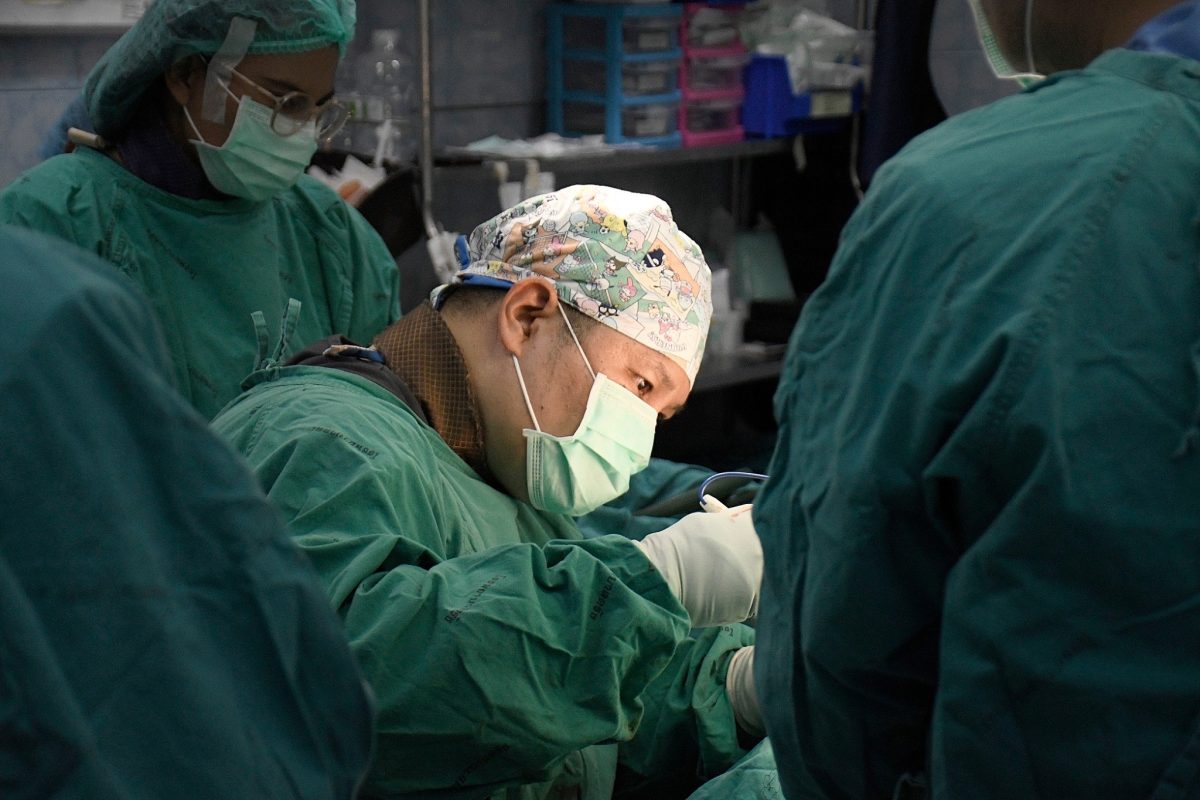
This success has led to a U.S. patent filing in collaboration with Dr. Jaruat Champa, a specialized surgeon at Trang Hospital, to expand the international use of these devices, particularly for diabetic patients a major global public health concern.
Future Expansion: Helping More Patients
Following the success in orthopedic surgery, OsseoLabs is preparing to expand the technology to other patient groups. This includes individuals with Cleft Lip and Palate, who represent approximately 0.1% of the Thai population (around 600,000 people). These patients often require multiple surgeries from childhood until age 18–20. The final stages of treatment, such as corrective jaw surgery, can benefit greatly from these bone substitutes to enhance outcomes.
Currently, the research team is focusing on developing Artificial Intelligence (AI) for facial design and analysis to further elevate the development of medical devices that meet a broader range of patient needs.
Related News

‘Plant-Based Caviar’: KMUTT Students’ Food Innovation Clinches National Gold, Ready for Global Market Expansion

KMUTT Mechanical Engineering Students and Faculty Clinch Gold Medal from NRCT with Microchannel Heat Sink Innovation for Future Data Centers



