

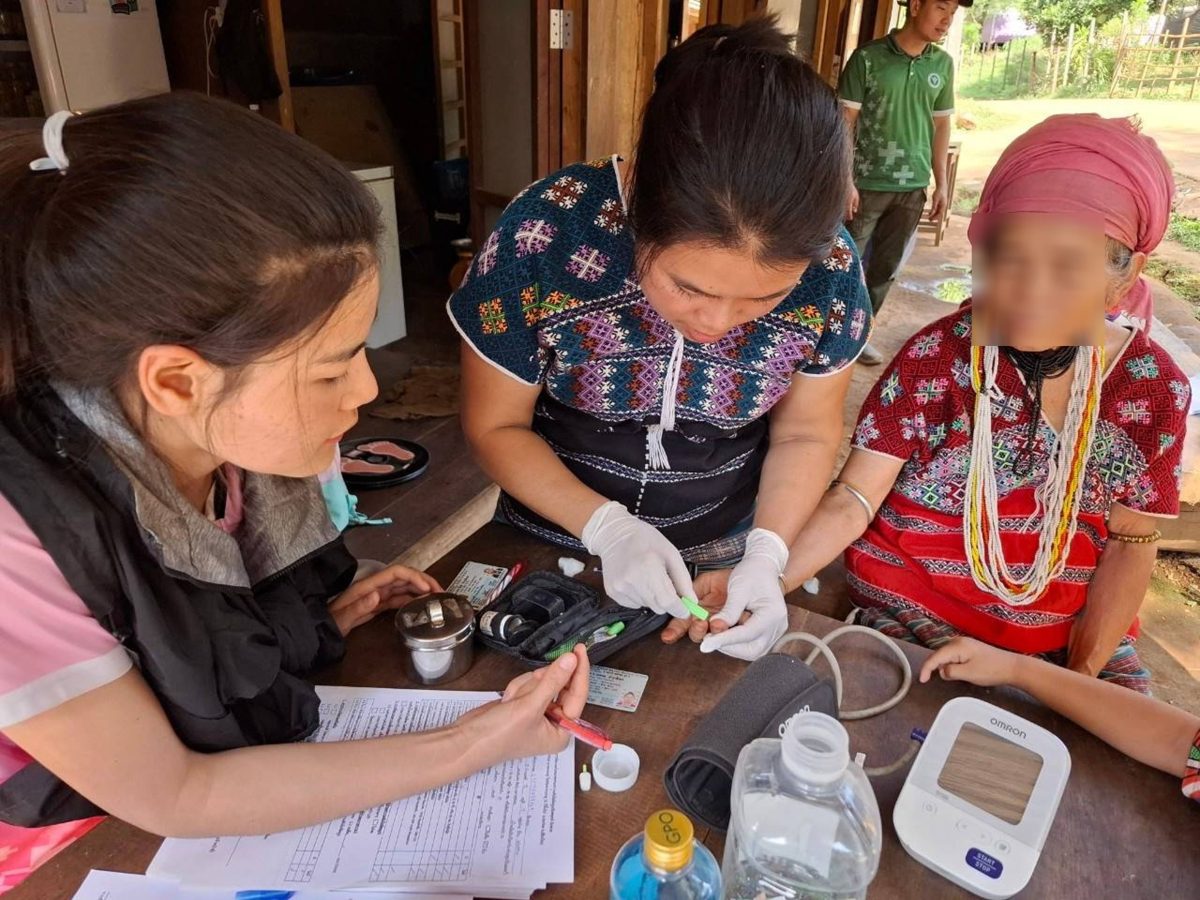
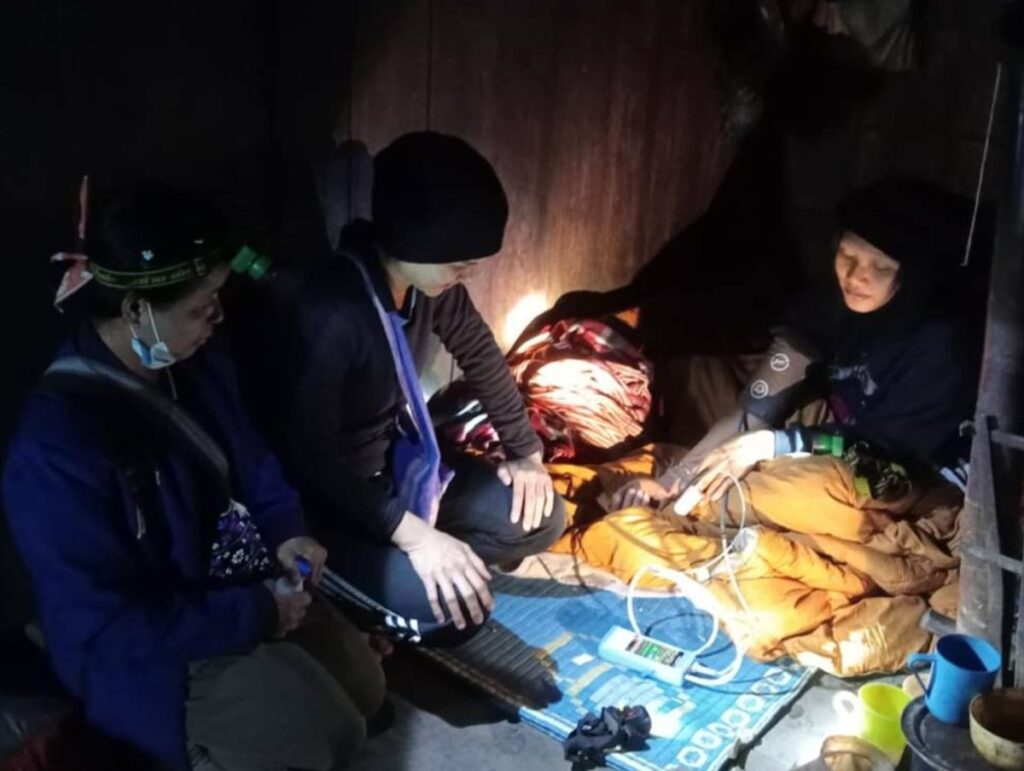
In the remote terrain of Omkoi District, Chiang Mai Province, a minor illness can escalate into a life-threatening crisis. Villagers often face hours of trekking to reach the nearest hospital a journey made nearly impossible during the rainy season when paths turn into thick mud. However, the situation is transforming with the introduction of “Super VHVs” (Super Village Health Volunteers), who have become a new beacon of hope for medical assistance in these inaccessible areas.
King Mongkut’s University of Technology Thonburi (KMUTT), in collaboration with the Faculty of Nursing at Rangsit University, the Faculty of Education at Chulalongkorn University, the Program Management Unit for Area-based Development (PMUA), and local public health partners, has developed the “Super VHV” or “Community Health Innovator” initiative. This project aims to fortify the public health system in rugged terrains under the project titled “Study of Local Mechanisms for Upscaling Super VHV Development in Remote Areas.”
A Bridge Over Healthcare Inequality
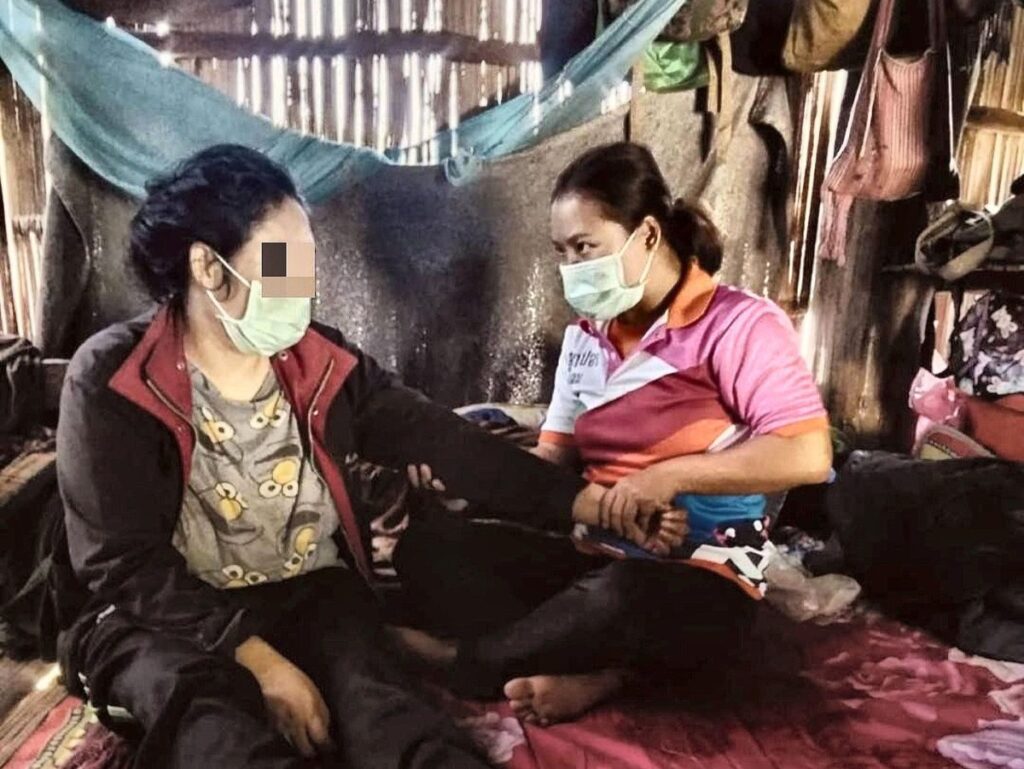
The project focuses on building a sustainable health system from the grassroots up. The concept of the “Super VHV” goes beyond merely increasing medical skills; it is about reducing the gap in healthcare access. These volunteers act as a “bridge” between the formal public health system and the community, empowering locals with the knowledge and skills to care for one another and ensure timely medical referrals.
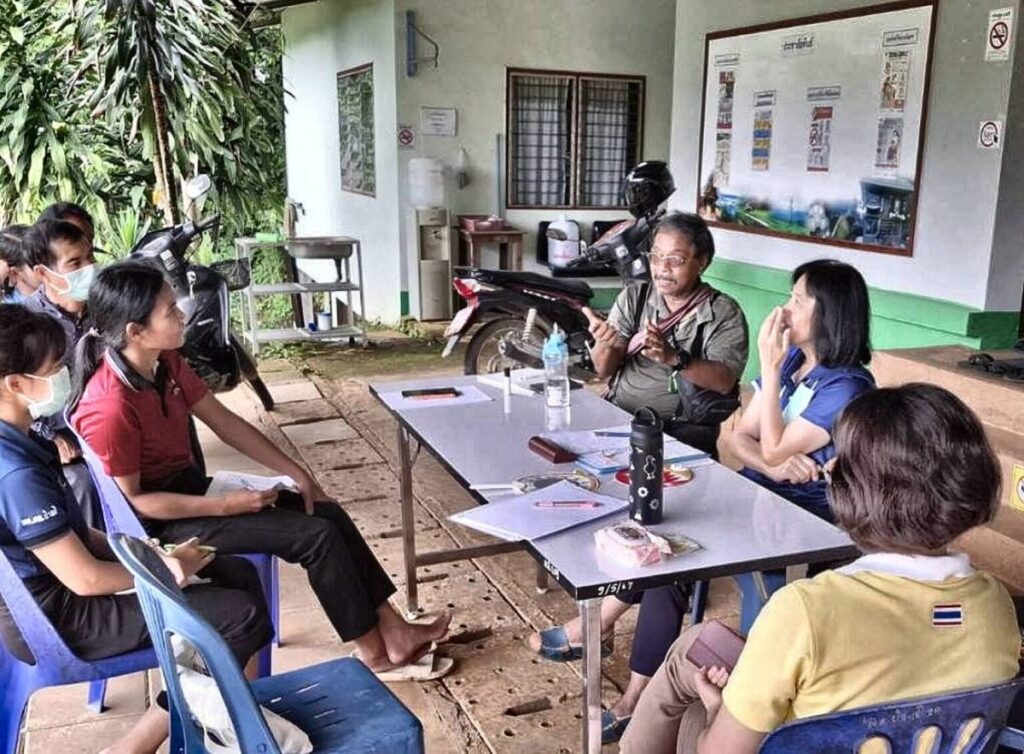
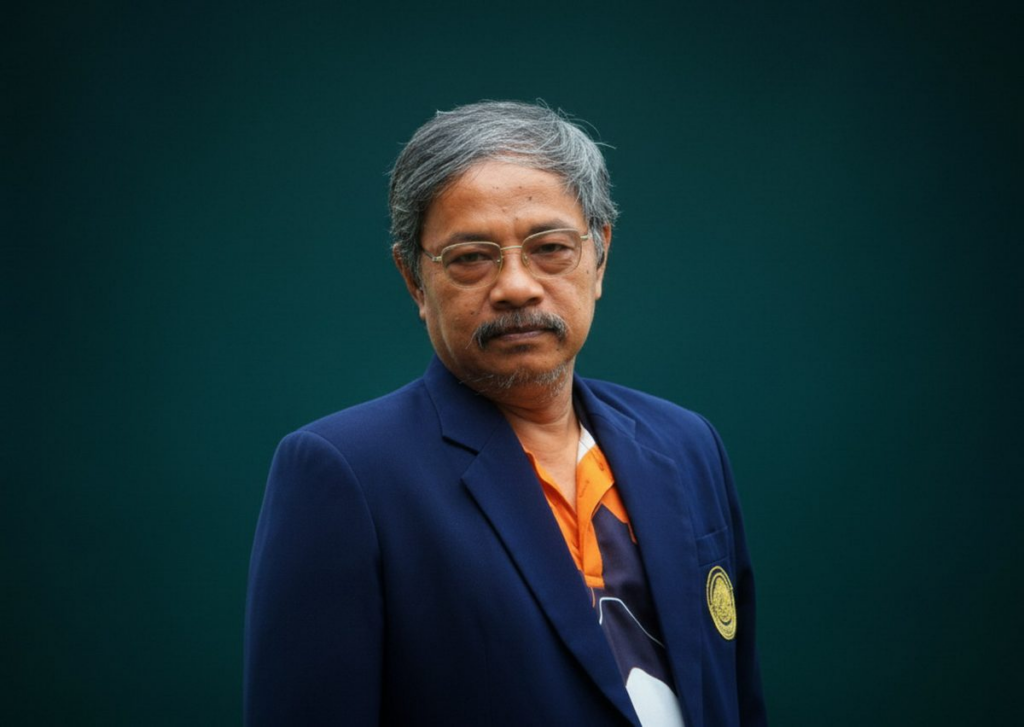
Mr. Bavornsak Pejaranonda, a researcher at the Center for Promotion and Support of the Royal Project Foundation and Royal Initiatives at KMUTT and the Project Leader, stated: “In high-altitude areas like Omkoi, geography is the primary barrier to healthcare. Many patients cannot leave their villages even when critically ill, and medical personnel cannot reach them. While standard VHVs exist, their role was not enough. We had to empower locals to take care of their own. This is the heart of the ‘Super VHV’.”
Addressing Real-World Problems through Immersion
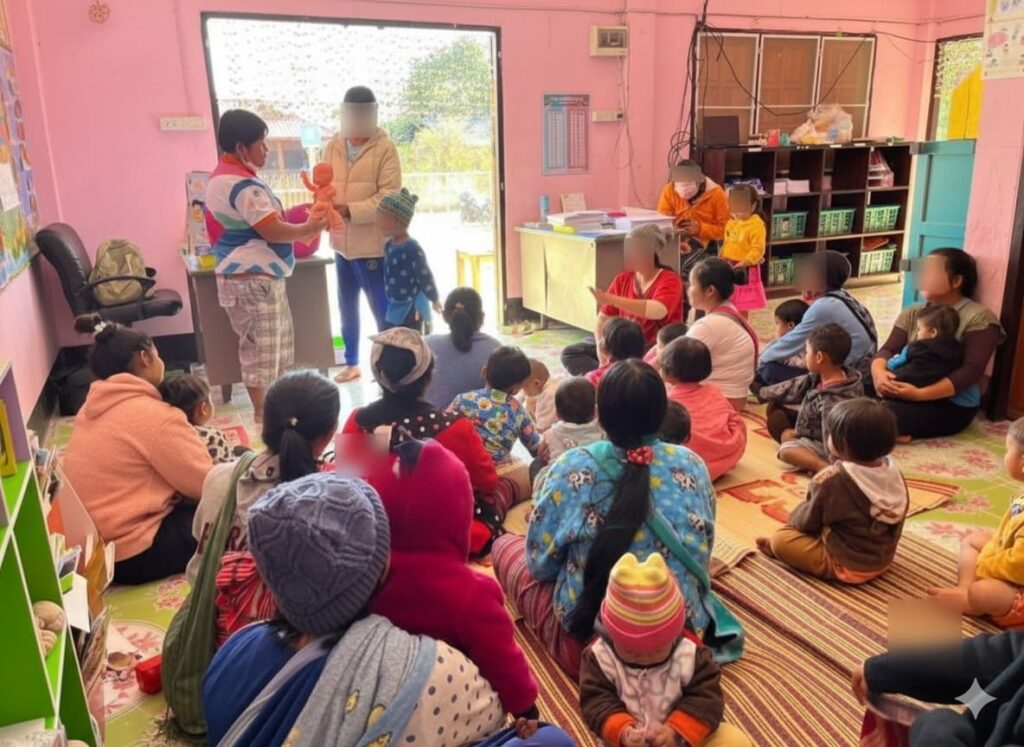
The development began with a deep analysis of local issues by nursing faculty from Rangsit University, who send students for field training in these villages annually. They identified two urgent needs: “First aid for daily accidents” and “Maternal and Child Care,” both of which are deeply intertwined with local beliefs and culture.
“In these areas, we see feverish children wrapped tightly in blankets because parents think they are cold, or pregnant mothers avoiding nutritious food for fear the baby will be too large to deliver. These small misunderstandings become life-or-death issues. We had to teach VHVs to know the facts deeply so they could explain them to the village, focusing on practical application rather than just classroom lectures,” Mr. Bavornsak explained.
An Ecosystem of Learning
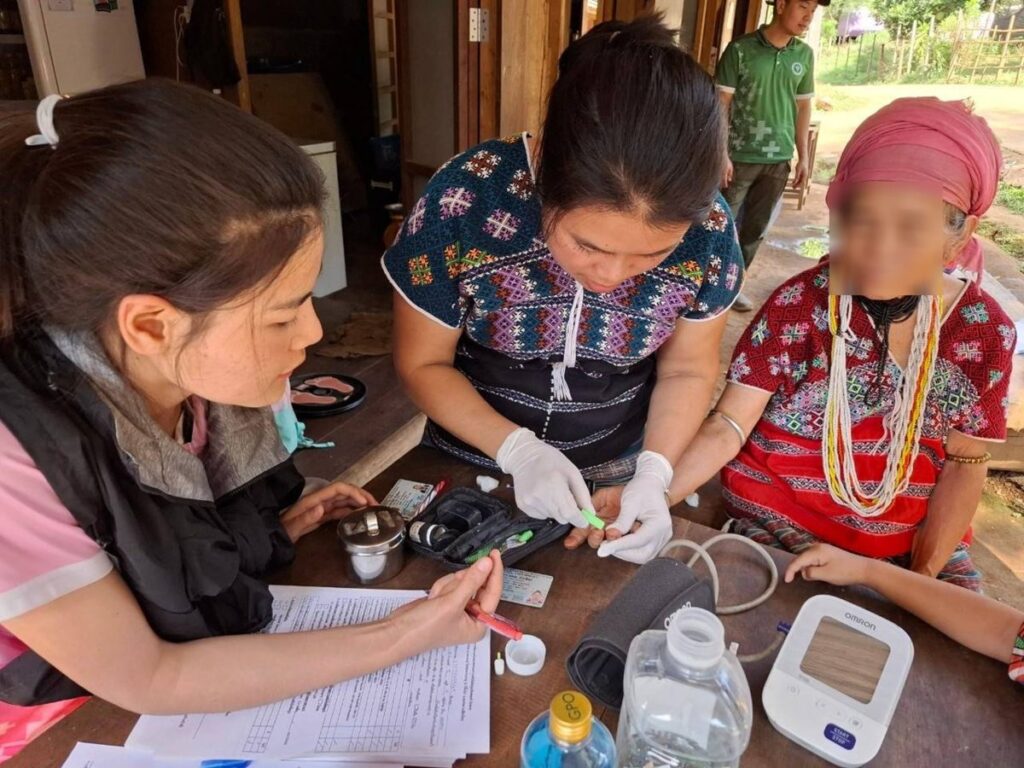
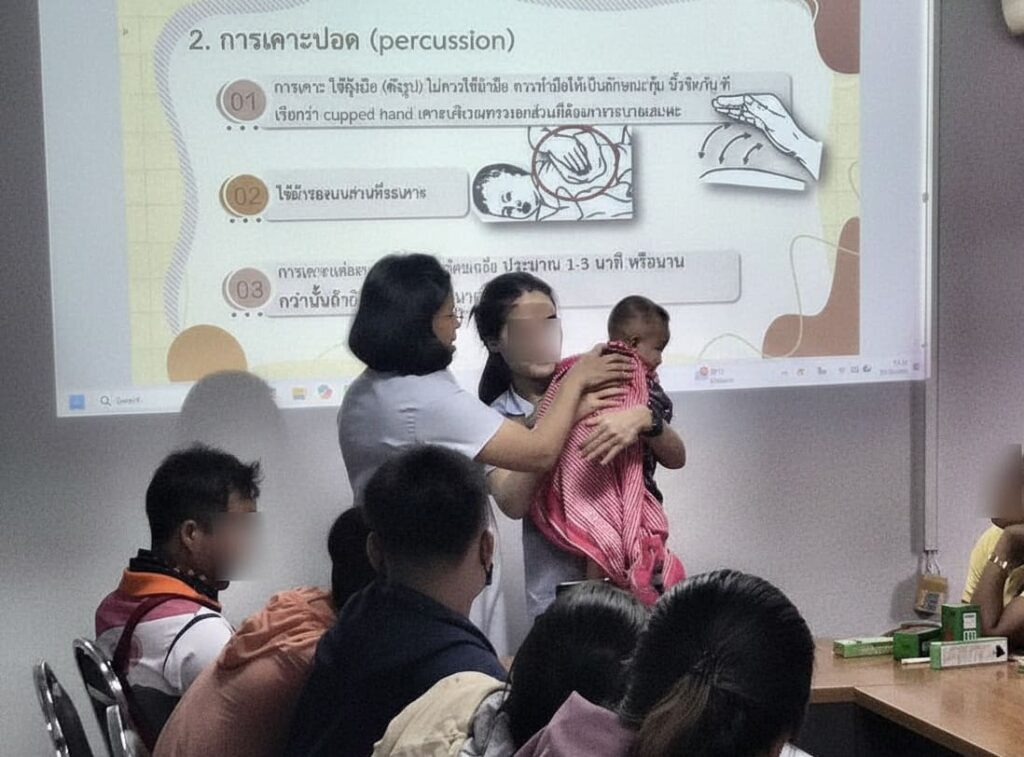
The “Super VHV” model replaces traditional training with a “Learning Ecosystem.” Volunteers learn through hands-on workshops using real medical equipment and by observing operations in hospital emergency rooms. They are supported by mentors from Health Promoting Hospitals (HPH) until they gain full confidence.
Furthermore, they utilize a simple yet powerful technology: Line groups. Super VHVs can send photos of a patient’s symptoms to seek immediate advice from mentors and researchers. “This real-time learning ensures that every time they work, they are getting safer and more effective at saving lives,” added Mr. Bavornsak.
Tangible Results and Economic Impact
In just seven months (October 2023 – April 2024), 30 Super VHVs served as the frontline for their villages. Their impact is reflected in clear statistics:
- 1,268 medical consultations provided, nearly half of which addressed respiratory issues.
- Continuous monitoring of 96 high-risk individuals for blood pressure and glucose levels, easing the burden on local health centers.
- 400,000 – 900,000 THB in savings for the community, as villagers no longer needed to travel long distances for basic medical services.
Once empowered, these volunteers initiated their own village health projects, such as salt-reduction programs for the elderly using salinity meters and teaching proper sponge-bathing techniques to reduce high fevers in infants.
Challenges and the Path Forward
While successful, this “Bottom-up” approach faces significant systemic challenges. These include inflexible budget regulations for medical supplies and central policies that mandate reporting through mobile applications in areas without internet signals. Additionally, Super VHVs take on significantly more responsibility but receive the same compensation as standard volunteers.
“Super VHVs must travel and treat patients, yet their compensation remains unchanged. We fear burnout if there are no added incentives,” Mr. Bavornsak noted. He suggested non-monetary support, such as providing solar panels for homes without electricity or educational scholarships for the volunteers’ children.
The research team believes this model can be scaled nationwide. “The health of the Thai population will only improve when everyone has equal access to care. The people living in these areas are the true answer to a sustainable public health system,” Mr. Bavornsak Pejaranonda.
Related News

‘Plant-Based Caviar’: KMUTT Students’ Food Innovation Clinches National Gold, Ready for Global Market Expansion

KMUTT Mechanical Engineering Students and Faculty Clinch Gold Medal from NRCT with Microchannel Heat Sink Innovation for Future Data Centers



