

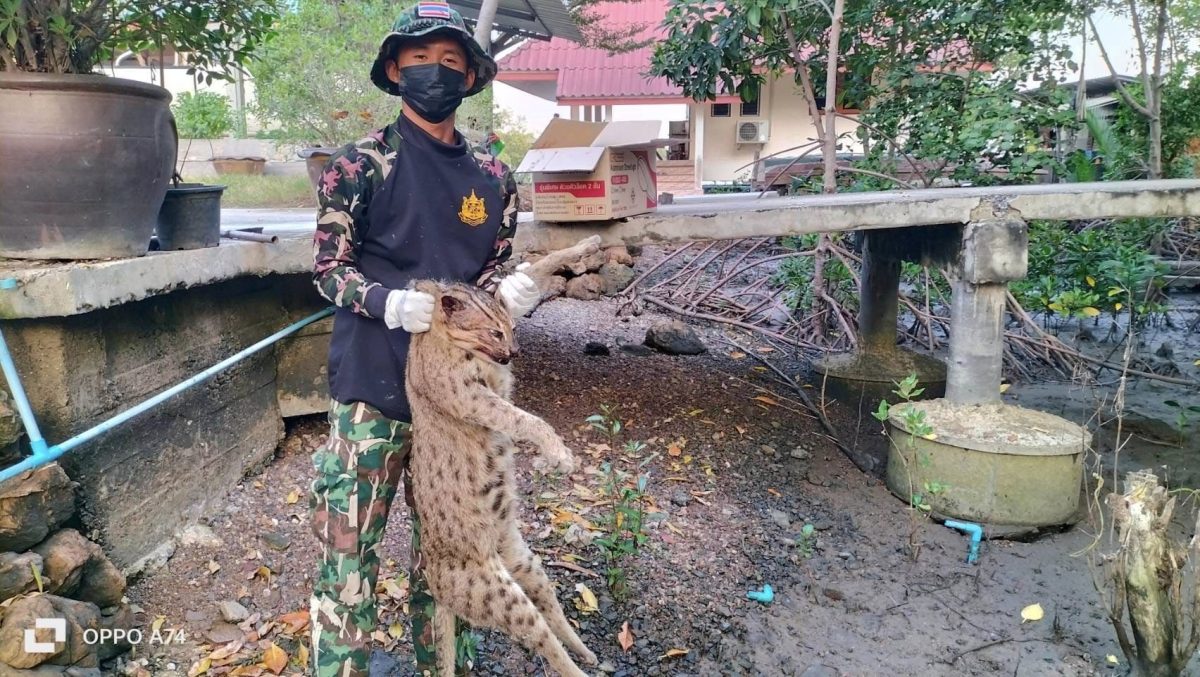
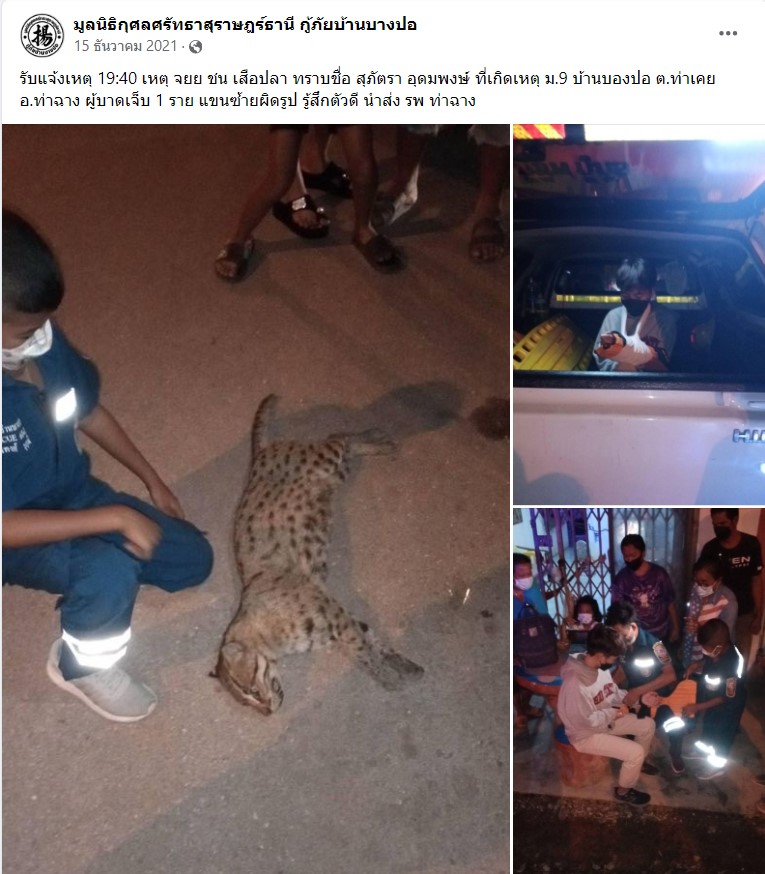
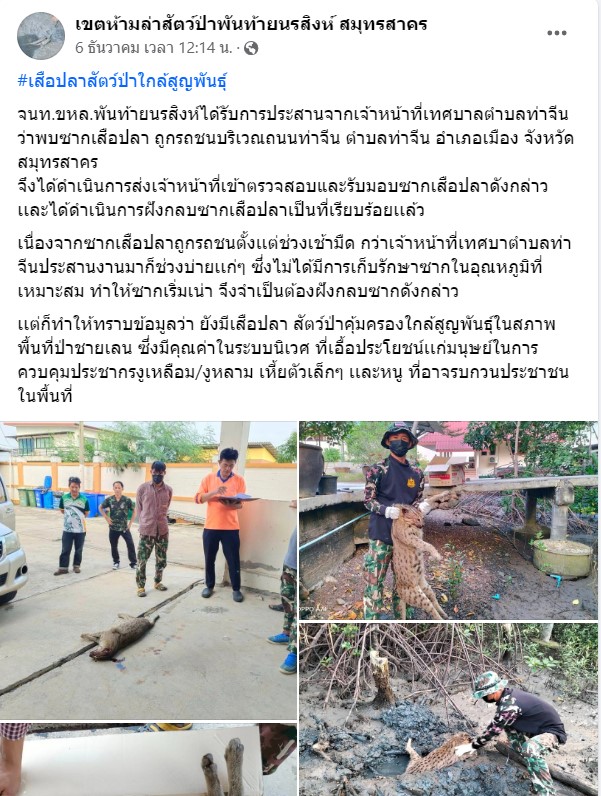
The Fishing Cat (Prionailurus viverrinus) is one of the nine wild cat species found in Thailand. Currently, it is classified as endangered due to human activities, including hunting and the encroachment of vacant lands. This loss of habitat and food sources has led to decreased breeding opportunities and “inbreeding” depression, which threatens the genetic quality of future generations and could eventually lead to the species’ extinction from Thailand.
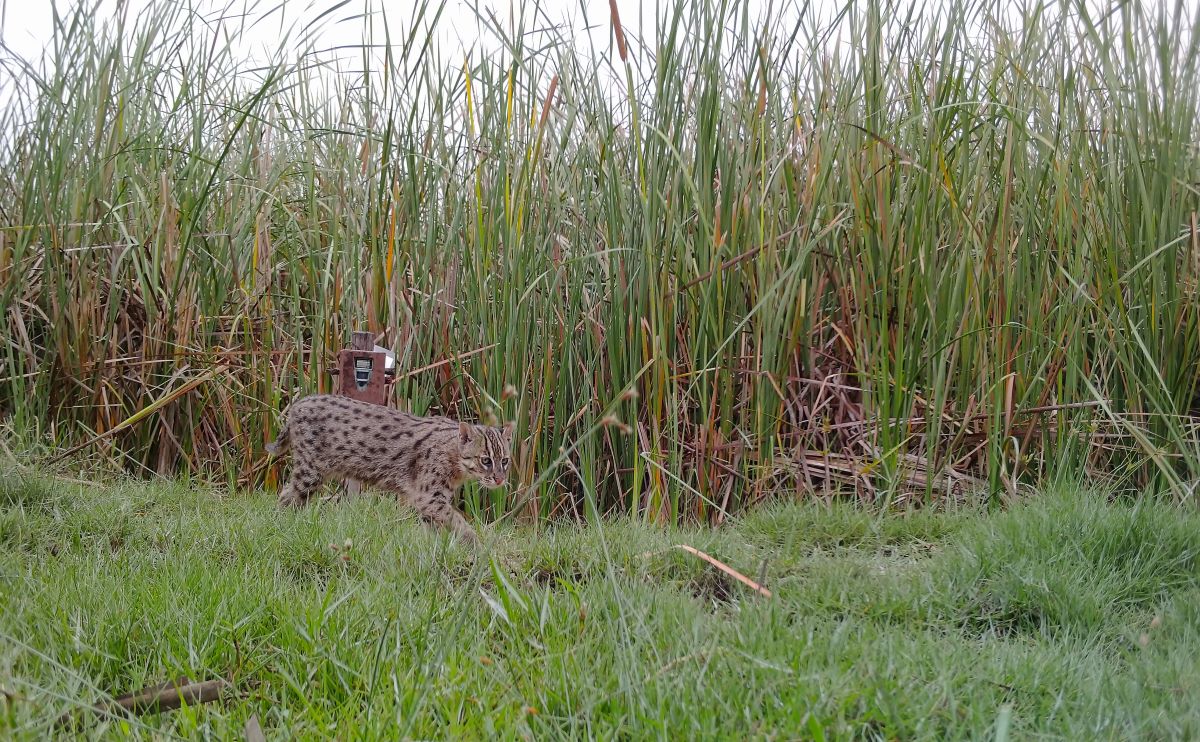
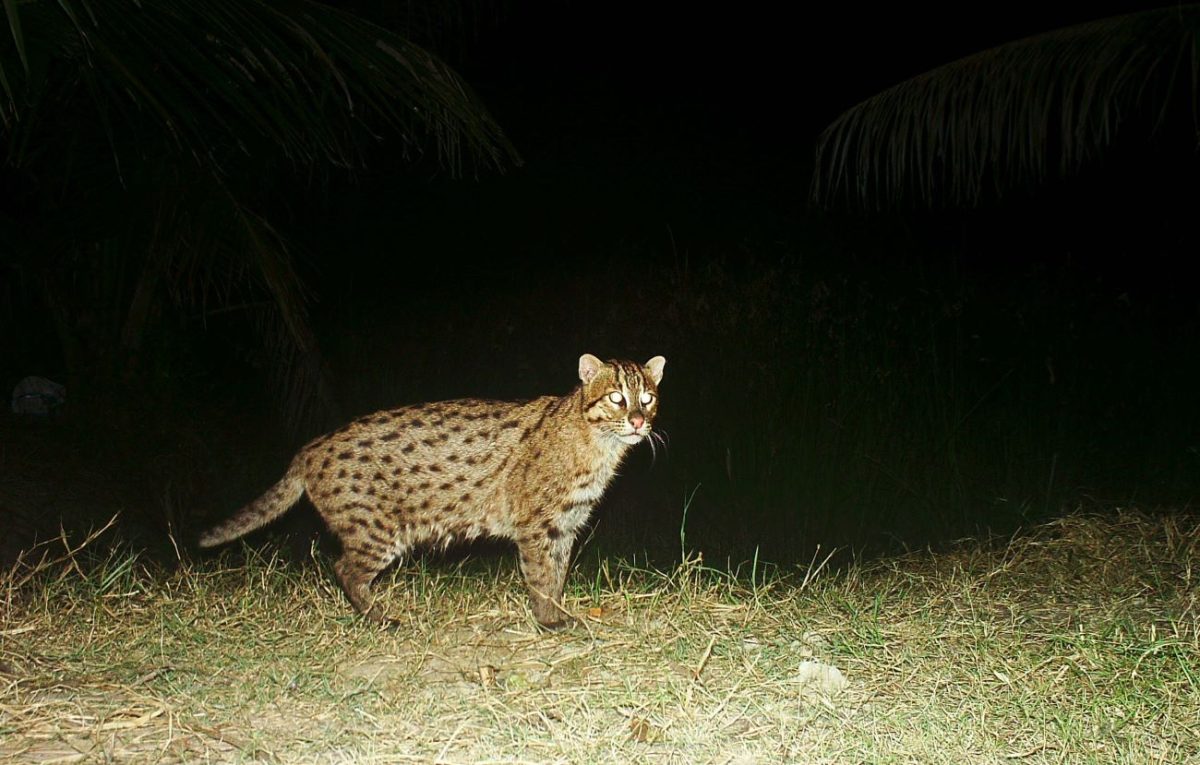
This crisis led to the “Sustainable Fishing Cat Conservation Project in Thailand’s Wetlands” by King Mongkut’s University of Technology Thonburi (KMUTT). the project aims to establish a comprehensive database on fishing cat sightings, population size, survival rates, and threats to assist relevant agencies in formulating effective conservation guidelines.
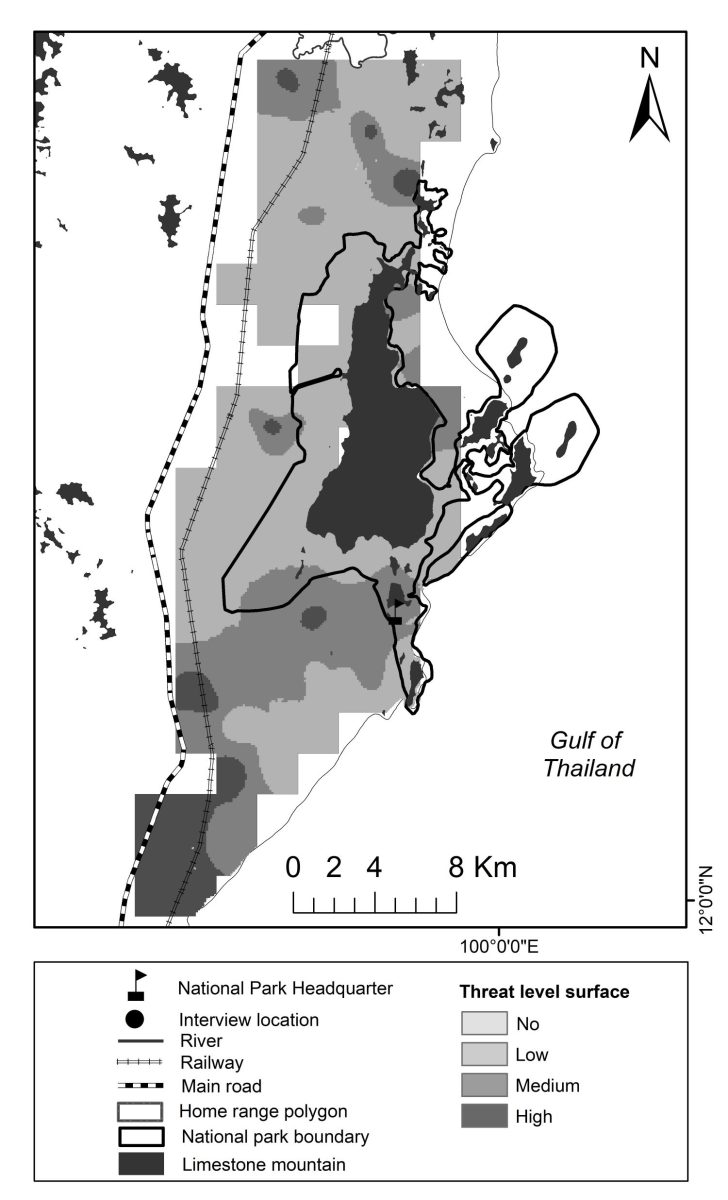
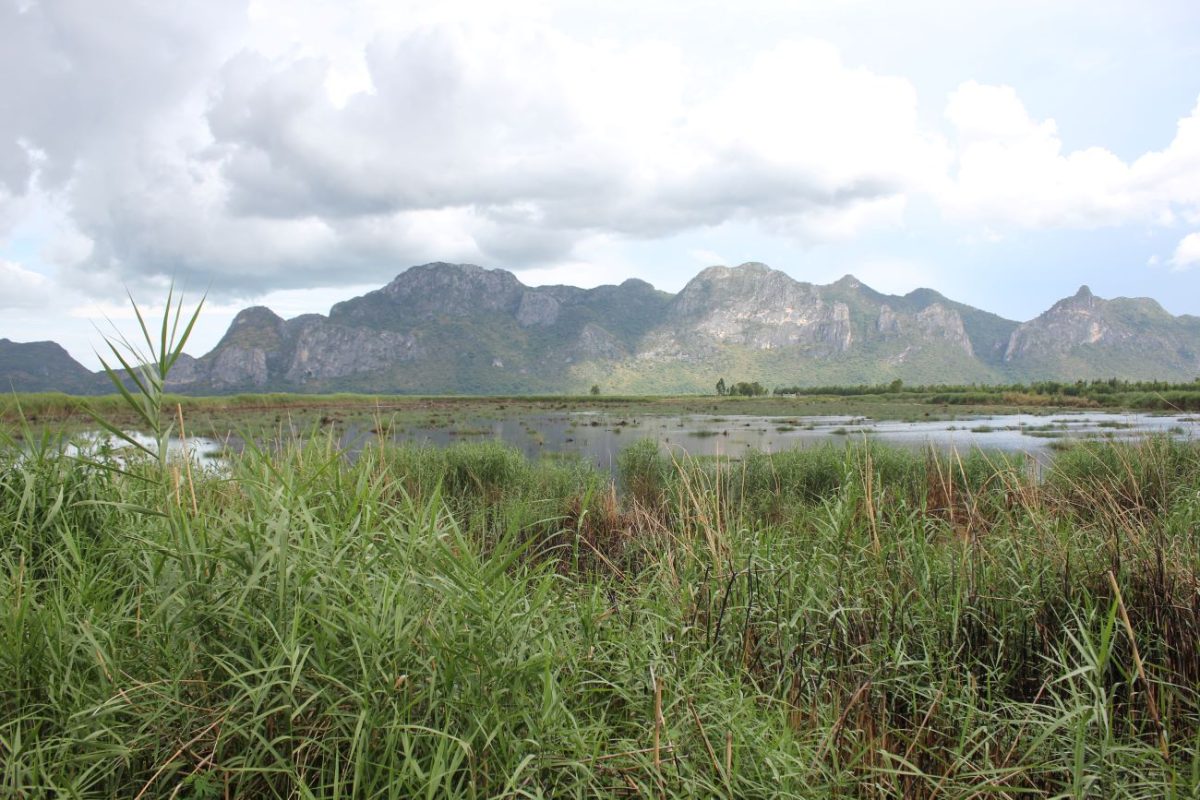
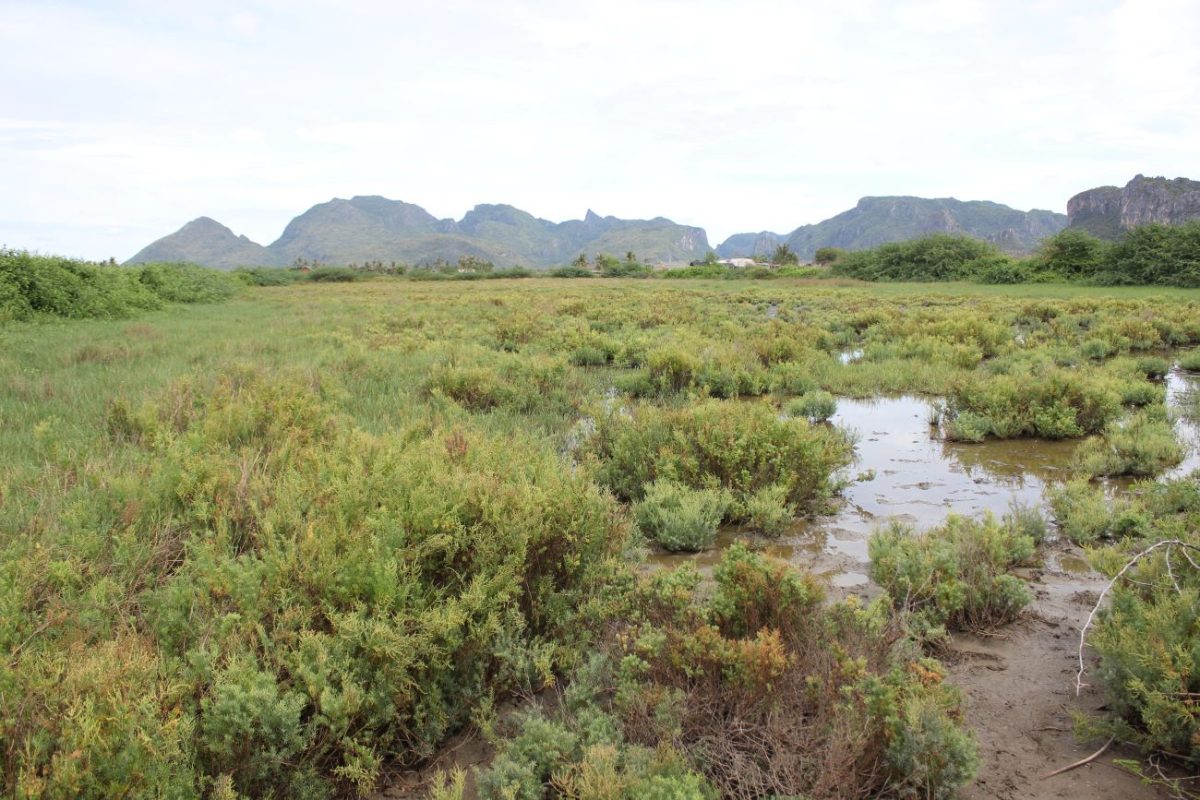
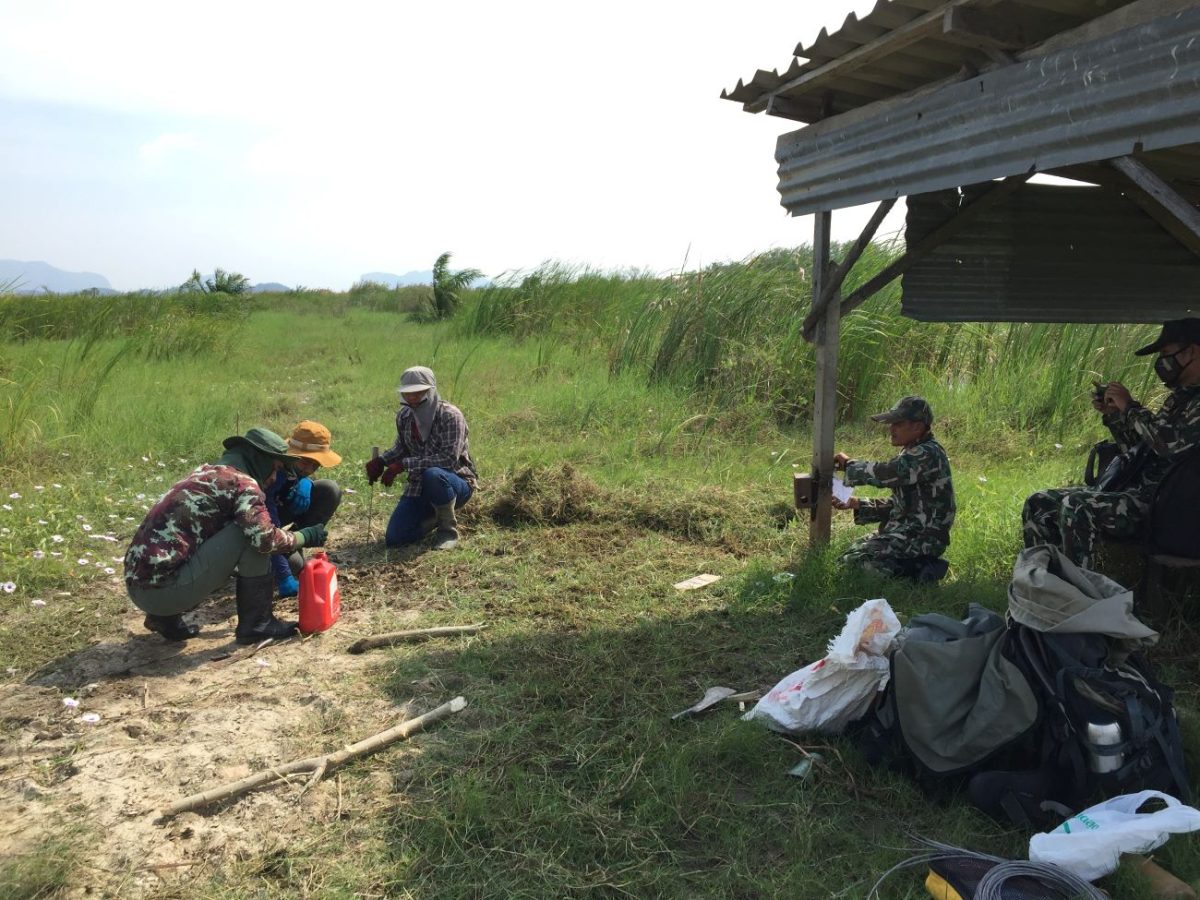
Asst. Prof. Dr. Naruemon Tantipisanuh, a researcher from the Pilot Plant Development and Training Institute (PDTI) at KMUTT and a key member of the research team, stated that through camera traps, scat sampling, and community interviews since 2019, Khao Sam Roi Yot in Prachuap Khiri Khan remains the most significant habitat for fishing cats in the country. Conversely, surveys in other historical habitats including the Inner Gulf of Thailand, Eastern Thailand, and the wetlands of Phatthalung and Songkhla found very few sightings or, in some cases, none at all.
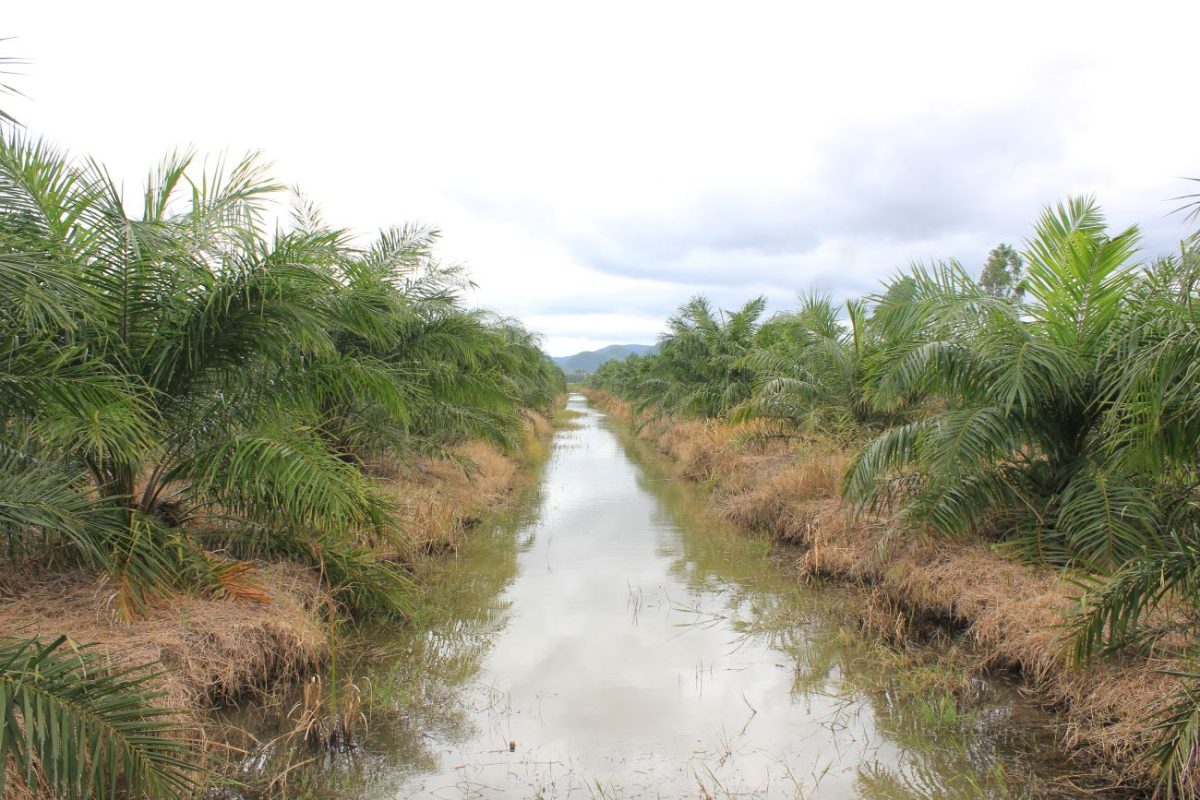
“In Pantai Norasingh (Samut Sakhon), we captured images in what we suspect is their last remaining feeding ground. Meanwhile, we found no traces in the East despite six months of camera trapping. This suggests that Khao Sam Roi Yot may be the last stronghold for fishing cats in Thailand. However, beyond this, we discovered something crucial: fishing cats are surviving in many ‘vacant’ private lands owned by local villagers,” said Asst. Prof. Dr. Narumon.
As an adaptable predator, the fishing cat can survive in any area with sufficient water and food. Cameras placed in abandoned oil palm and old coconut groves confirmed that these “unused” lands have become vital habitats for the species.
The Tax Conflict: Conservation vs. Commercialization
The fate of these habitats currently rests with the landowners. The research team has been engaging with individual owners to explain that their land serves as a sanctuary for protected and endangered species. While many currently have no plans for commercial development, the enforcement of the Land and Building Tax Act creates a dangerous incentive. To avoid the progressive tax rates imposed on “vacant or unused” land, owners may feel pressured to develop the land for agriculture/commerce or sell it to developers effectively destroying the fishing cat’s habitat.
To preserve these private habitats, Asst. Prof. Dr. Naruemon cited Australia as a model, where the government compensates landowners who protect ecologically significant areas. For Thailand, she suggests practical incentives such as tax deductions or exemptions for landowners who voluntarily preserve their land as natural wildlife habitats.
“This requires high-level coordination between departments and ministries to establish a concrete policy for wildlife conservation outside of protected areas. We need incentives that are clear and substantial enough to persuade landowners to let their land remain a home for these critical species,” she concluded.
This sustainable conservation project involves various collaborations across the country. In Khao Sam Roi Yot, KMUTT works alongside Kasetsart University, the Seub Nakhasathien Foundation, and Panthera Thailand. Meanwhile, the national-scale wetland project is supported by the Thailand Science Research and Innovation (TSRI) and the Zoological Park Organization of Thailand, all striving toward a unified goal: a sustainable and efficient management plan for fishing cats in Thailand.
Related News

‘Plant-Based Caviar’: KMUTT Students’ Food Innovation Clinches National Gold, Ready for Global Market Expansion

KMUTT Mechanical Engineering Students and Faculty Clinch Gold Medal from NRCT with Microchannel Heat Sink Innovation for Future Data Centers



