


KMUTT researchers have discovered a solution to the problem of “Emerging Contaminants” specifically within the group of Pharmaceuticals and Personal Care Products (PPCPs). These substances often escape conventional wastewater treatment systems and flow into natural water sources before re-entering the water supply at very low concentrations. Although present in trace amounts, they pose a “Chronic Effect” on aquatic life and may have long-term impacts on humans.
Currently, chemicals from Pharmaceuticals and Personal Care Products (PPCPs) such as active ingredients from medicines, shampoos, soaps, cosmetics, and skincare products have become a significant environmental issue. When these substances are washed off or excreted from the body, they enter the wastewater collection system and flow into treatment plants. Even after undergoing standard wastewater treatment processes, PPCPs can remain as residues and contaminate natural water sources, eventually cycling back into the tap water system that people use for consumption.
Asst. Prof. Dr. Surapong Rattanakul, a faculty member of the Department of Environmental Engineering, Faculty of Engineering at King Mongkut’s University of Technology Thonburi (KMUTT), points out that PPCPs are becoming an invisible problem. Even when wastewater is sent to treatment plants, many of these substances “leak” out because their complex molecular structures are resistant to biodegradation by microorganisms in the treatment system.
“Evidence from abroad has begun to find impacts on freshwater organisms exposed to these substances continuously, including hormonal changes and organ abnormalities. Although medical data in humans is still limited, it serves as a warning sign that we must accelerate our search for answers, especially in Thailand where the food chain and drinking water production systems rely heavily on natural water sources,” emphasized Asst. Prof. Dr. Surapong regarding the importance of the problem’s future impact.
Through research, a significant gap was identified: Thailand’s drinking water quality standards do not yet have monitoring criteria for the PPCP group or a systematic measurement method. Therefore, the problem must be addressed on two fronts simultaneously: upgrading drinking water treatment technology and developing precise measurement methods. The research team experimented with an approach that can “build on existing infrastructure” without overhauling the entire system. This is achieved by combining Ultraviolet (UV) light with Chlorine to create free radicals that effectively break down the molecular structure of PPCPs. This process is known as Advanced Oxidation Processes (AOPs), which are becoming widely used internationally.
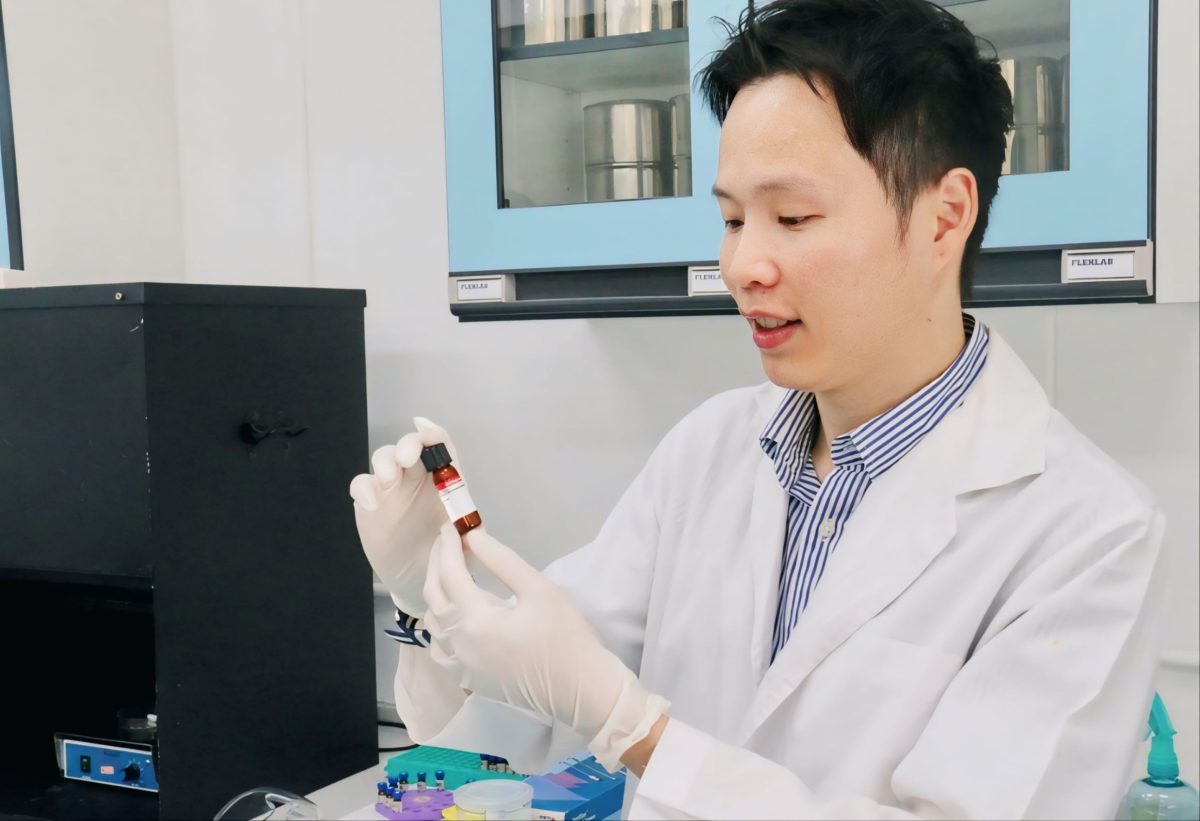
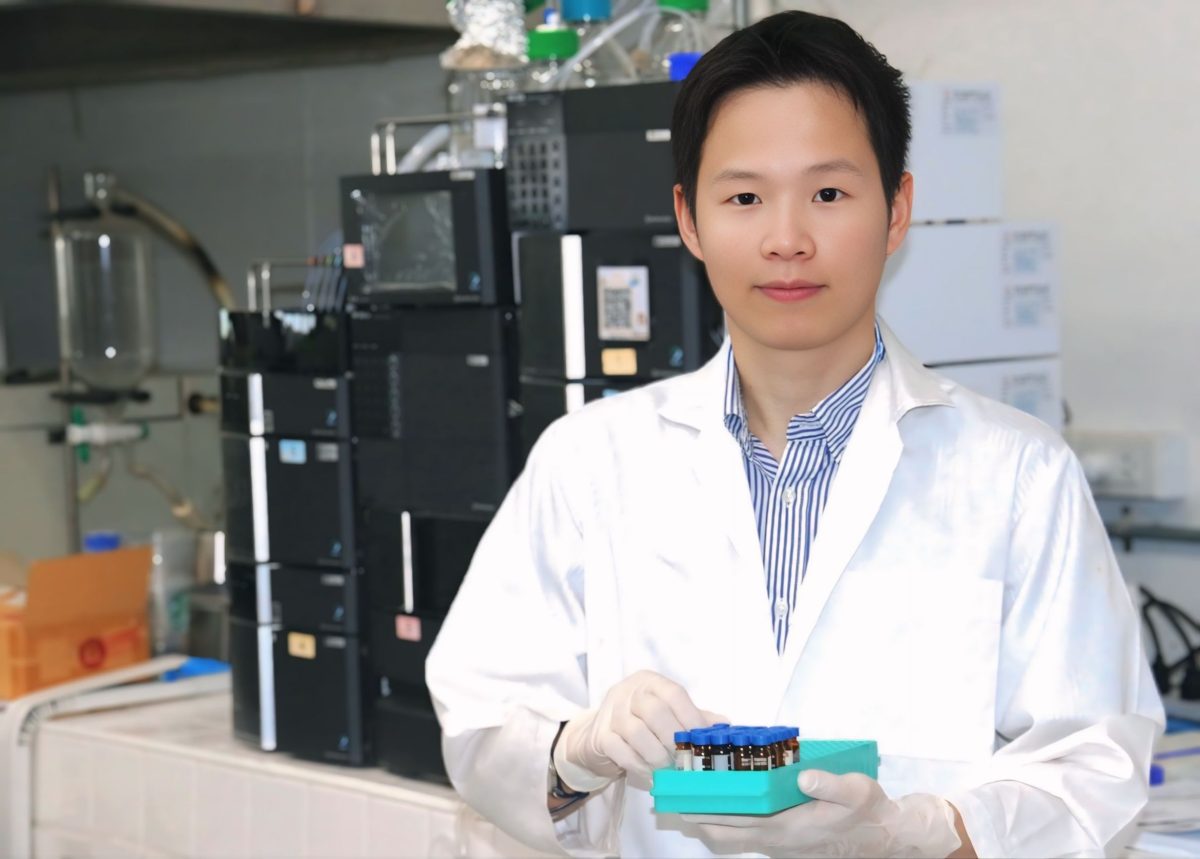
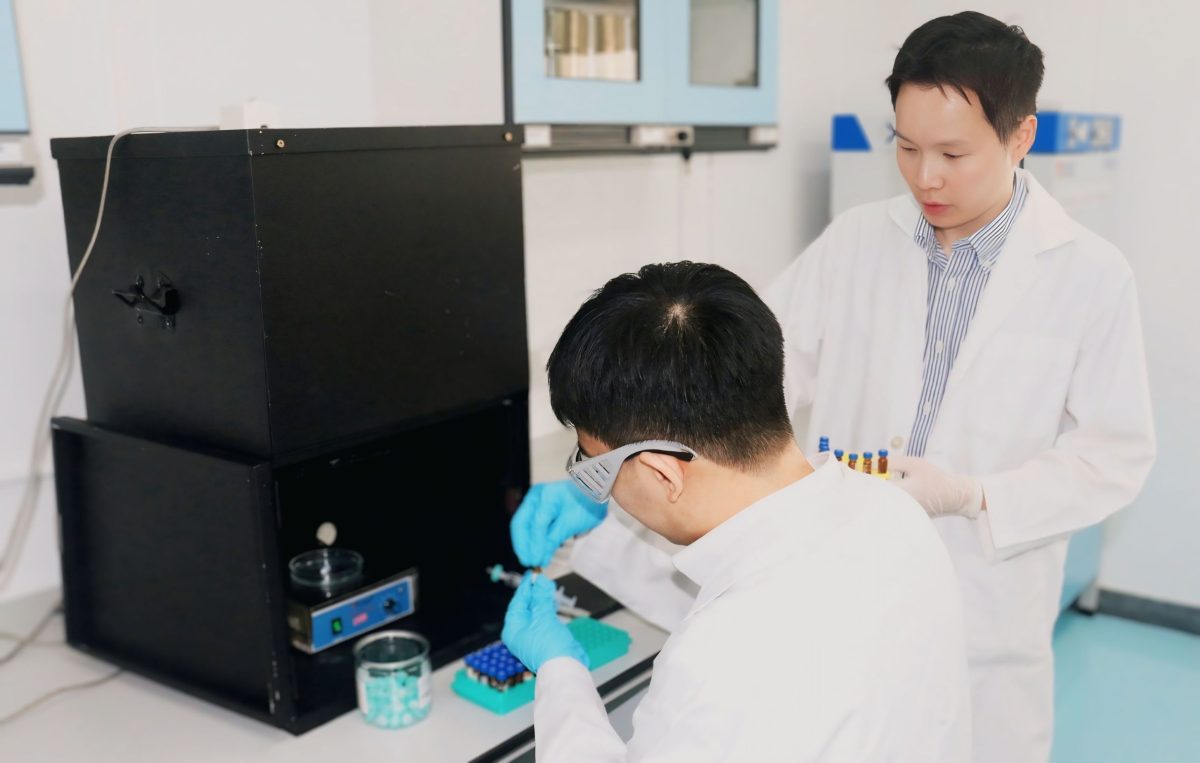
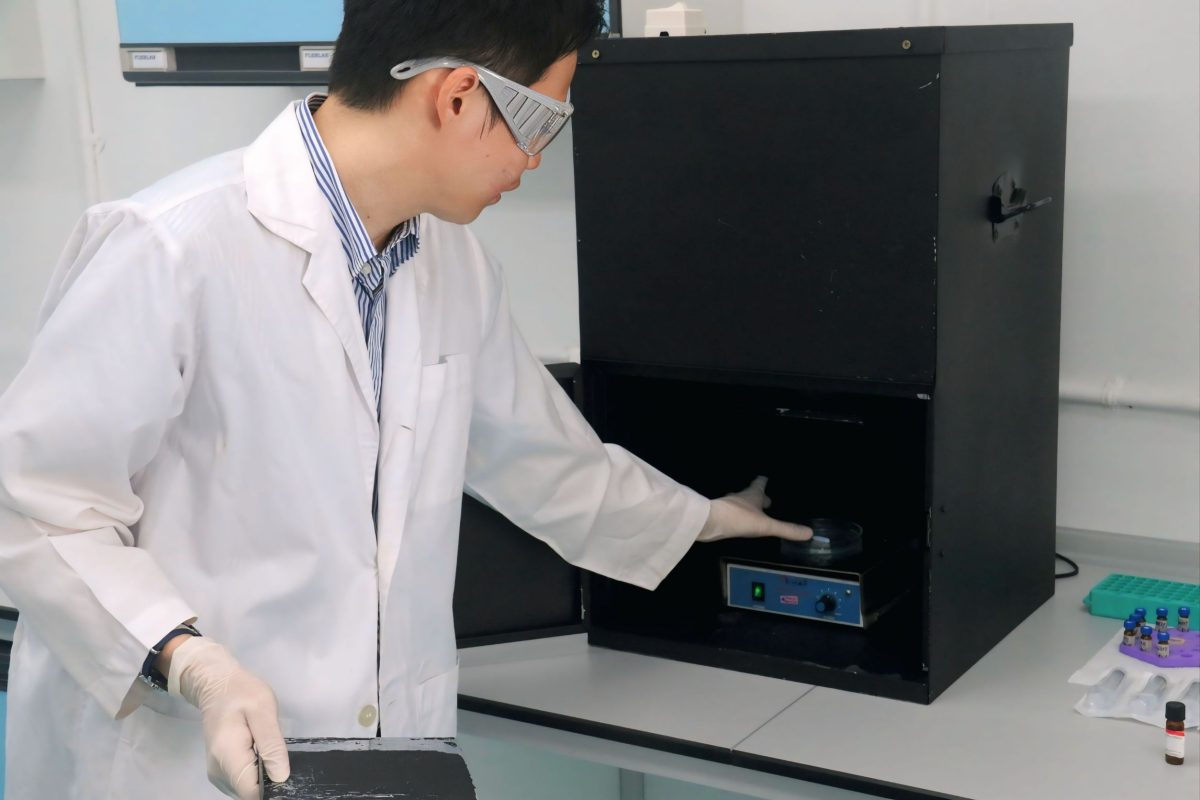
Asst. Prof. Dr. Surapong stated, “Initial research results indicate that if UV and Chlorine are used separately, the reduction of PPCPs is limited. However, when used together, the efficiency increases significantly. Furthermore, there is a trend toward reducing the formation of potentially harmful by-products. Meanwhile, the team aims to adjust UV wavelengths in the future to match the absorption of target substances to increase the chance of creating free radicals and further enhance drinking water treatment efficiency.”
To confirm that contaminants have “significantly decreased,” it must be proven through precise measurement at very low concentrations. The research team developed an analytical method using High-Performance Liquid Chromatography (HPLC) by developing and fine-tuning chemical analysis procedures. Simultaneously, the team developed an “overall toxicity test” for before and after treatment to prevent the risk of one substance disappearing only to be replaced by a more dangerous one. Looking at both chemical and biological perspectives ensures that the safety observed is not just numbers on paper but is “true safety.”
In the path toward practical application, a significant obstacle is flow dynamics and reactor design. When water flows through an actual UV lamp, turbulence and UV light distribution occur differently than in laboratory experiments. The team plans to “upscale” to a simulation system that more closely resembles a factory to find optimal design values for the specific characteristics of water in Thailand (such as turbidity, temperature, and dissolved organic matter). Another future direction is the exploration of new types of UV lamps with more refined wavelength selection to accelerate the degradation of precursors through light energy absorption and to increase the creation of free radicals better suited for target substances.
When asked “What should society do now?”, Asst. Prof. Dr. Surapong explained, “For the general public, the starting point is knowing the term PPCPs—not to cause panic, but to raise awareness. Choosing personal care products moderately, disposing of expired medicine correctly, and supporting clean water infrastructure are all part of the same chain. As for the private sector, such as drinking water producers, they could be the group to pilot this first, proving feasibility before scaling up. Meanwhile, water authorities and local governments should raise questions and join technical trials to adjust water management standards to keep pace with emerging contaminants.”
Asst. Prof. Dr. Surapong reaffirmed that the goal of this research is not to make society fear drinking water or tap water, but to let society know how far new contaminants have progressed beyond traditional standards. “PPCPs teach us to accept one truth: the safety of water no longer ends with it being ‘clear’ and ‘odorless’ as we once believed. It must also be safe from what cannot be seen with the naked eye. Solving this requires precise science, delicate and reliable instruments, so that every time we raise a glass of water to drink, we can be truly confident that the water is safe.”
Related News

‘Plant-Based Caviar’: KMUTT Students’ Food Innovation Clinches National Gold, Ready for Global Market Expansion

KMUTT Mechanical Engineering Students and Faculty Clinch Gold Medal from NRCT with Microchannel Heat Sink Innovation for Future Data Centers



