


Waste management is far from a minor issue; its impacts are multifaceted and intensifying, particularly the problem of residual waste in the environment. Phetchaburi is one of the four provinces along the Gulf of Thailand coastline facing a unique challenge: a mixture of industrial waste, tourism-related waste, and municipal community waste. Both Phetchaburi City Municipality and King Mongkut’s University of Technology Thonburi (KMUTT) have recognized this environmental issue, noting that waste accumulation serves as a breeding ground for pathogens and leads to large quantities of debris flowing into waterways, ultimately becoming marine litter.
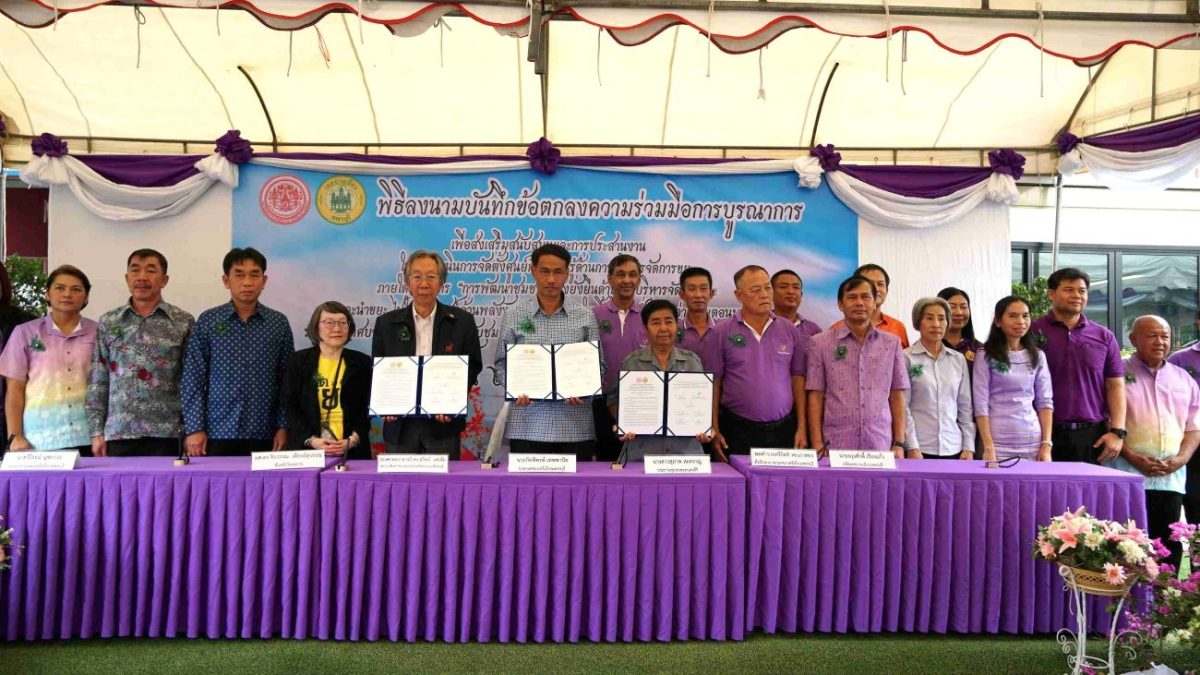
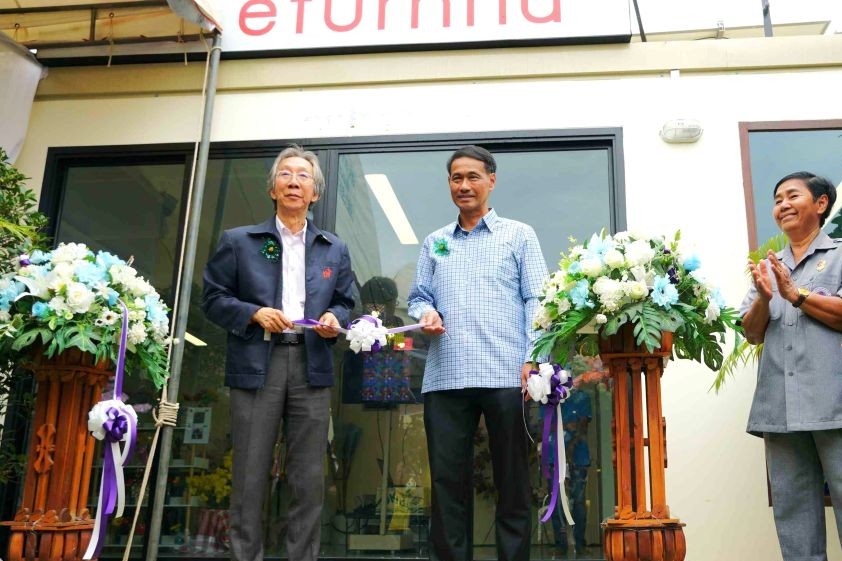
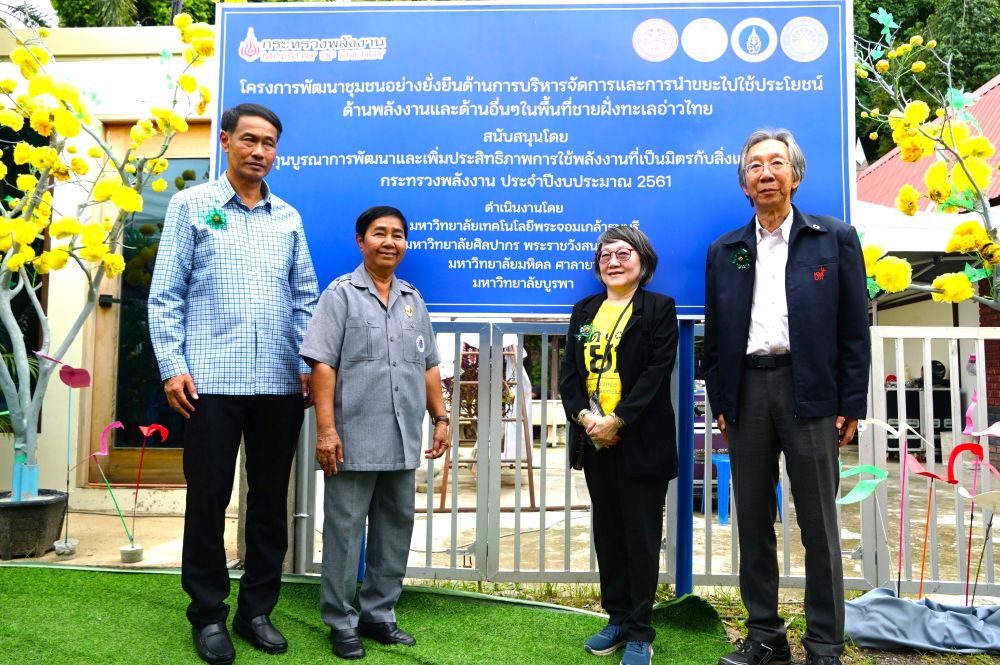
Consequently, the project “Sustainable Community Development in Waste Management and Energy/Other Utilization in the Upper Gulf of Thailand” was initiated. Supported by the Fund for Integrated Development and Efficiency of Environmentally Friendly Energy, Ministry of Energy (FY 2018), the project aims to study waste problems and management in coastal provinces. This led to a Memorandum of Understanding (MoU) to promote, support, and coordinate the establishment of a waste management learning center, named the “RETURN-NA” Waste Center. The MoU was signed between Mr. Kittipong Teppanich, Mayor of Phetchaburi City; Ms. Supap Sakran, Chairperson of the Phra Nakhon Khiri Community; and Assoc. Prof. Dr.Suvit Saetia, President of KMUTT.
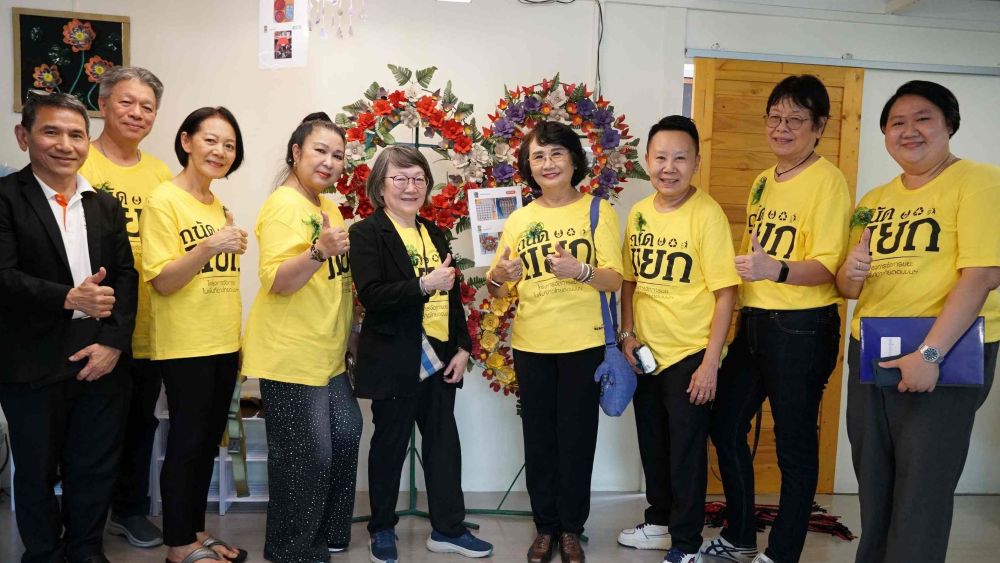
The ceremony took place on Tuesday, September 2, 2025, at the Phra Nakhon Khiri Community Office in Khlong Krasaeng, Mueang District, Phetchaburi. The event included the official handover of the learning center building and equipment to serve as the “Phra Nakhon Khiri Model,” a prototype for Zero Waste learning for other communities. Witnesses included Asst. Prof. Dr. Jirawan Tiaradsouwan, Project Leader; Mr. Wiroj Nutchathaworn, Deputy Mayor of Phetchaburi; Pol. Maj. Gen. Kitti Saphaothong, Advisor to the Mayor; and Mr. Jarungsak Ruangkaew, Municipal Clerk.
Mr. Kittipong Teppanich, Mayor of Phetchaburi City, stated that environmental issues are currently paramount, with waste management designated as a national agenda. Residual environmental waste and marine litter lead to microplastic accumulation in seafood, affecting both the environment and public health. Therefore, effective waste management and utilization are crucial. Achieving sustainable goals requires cooperation from all sectors, especially the public. Their role starts with reducing waste to zero and upcycling waste into products for sale to increase community income, which in turn reduces the municipality’s waste burden. This learning center will serve as a hub for transferring knowledge and displaying upcycled products, acting as a model for communities, schools, and interested individuals to manage waste themselves. The center is open daily from 08:30 to 16:00.
Assoc. Prof. Dr.Suvit Saetia, President of KMUTT, remarked that waste is a global challenge. Management must begin with the individual; by reducing resource consumption or practicing sufficiency and reuse, the amount of waste released into the environment will naturally decrease. He hopes the center provides not only management knowledge but also practical ideas for Reuse and Recycle products to ensure sustainable waste reduction.
“As a university providing academic support and collaborating with the community to establish this center, we expect it to inspire other communities to learn and apply this knowledge to their own areas. The key objective is to reduce waste volume, thereby decreasing management costs for municipalities or subdistrict administrative organizations. These savings can then be redirected toward other developments, such as education, public health, or community facilities. I sincerely hope this partnership leads to sustainable long-term collaboration.”
Asst. Prof. Dr. Jirawan Tiaradsouwan, a lecturer at the School of Energy, Environment and Materials at KMUTT and Project Leader, explained that the primary goal is to manage and reduce waste in four coastal provinces: Samut Songkhram, Samut Sakhon, Chonburi, and Phetchaburi. Funded by the Ministry of Energy since 2018, the project began by surveying waste potential for energy and Refuse-Derived Fuel (RDF) production, as well as community opinions on waste-to-energy plants. This involved integration with three other universities: Mahidol University (Salaya), Silpakorn University (Sanam Chandra Palace), and Burapha University. However, the project evolved to focus on sustainable “Zero Waste” management through learning centers. These centers train villagers and municipal staff to upcycle waste for income and foster self-reliance. Phetchaburi City Municipality will play a lead role in maintaining and expanding this center. The name “RETURN-NA” combines “Return” with the Thai particle “Na” (inviting or persuasive), encouraging people to return to managing and recirculating waste for maximum benefit and a sustainable future.
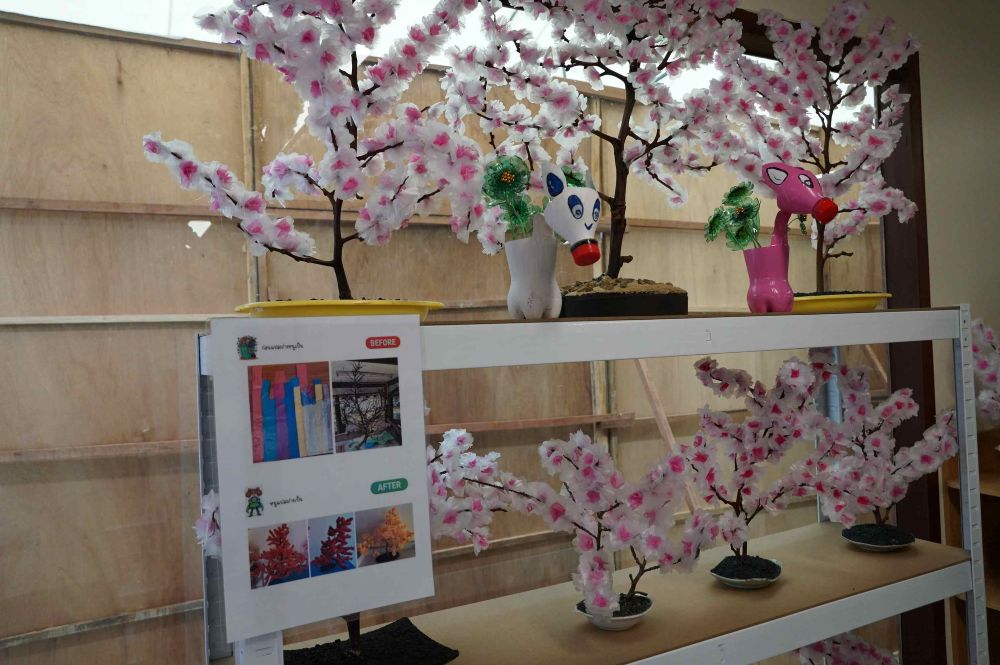
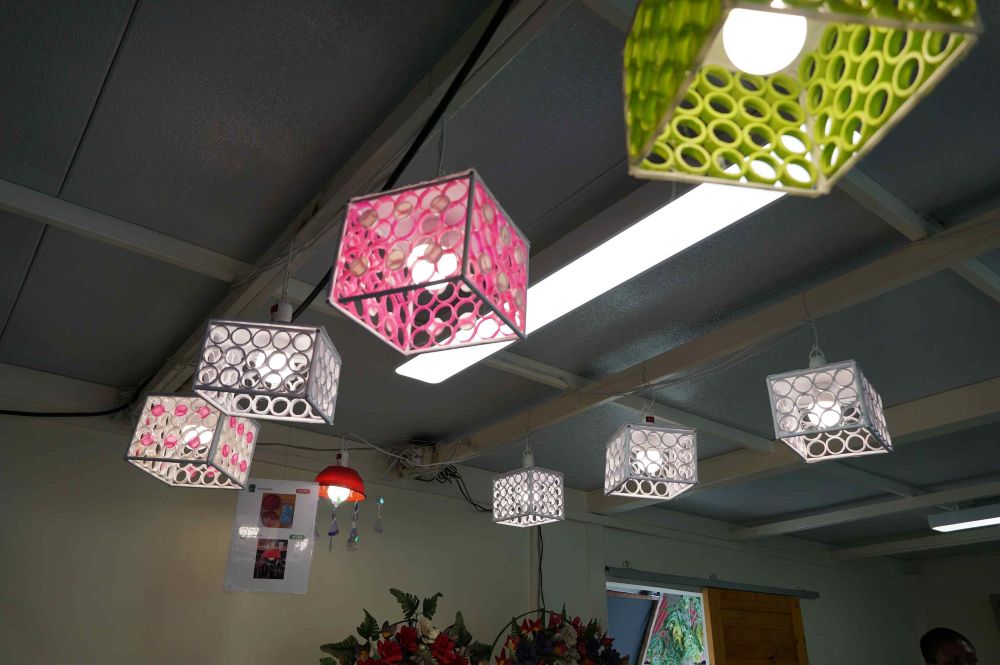
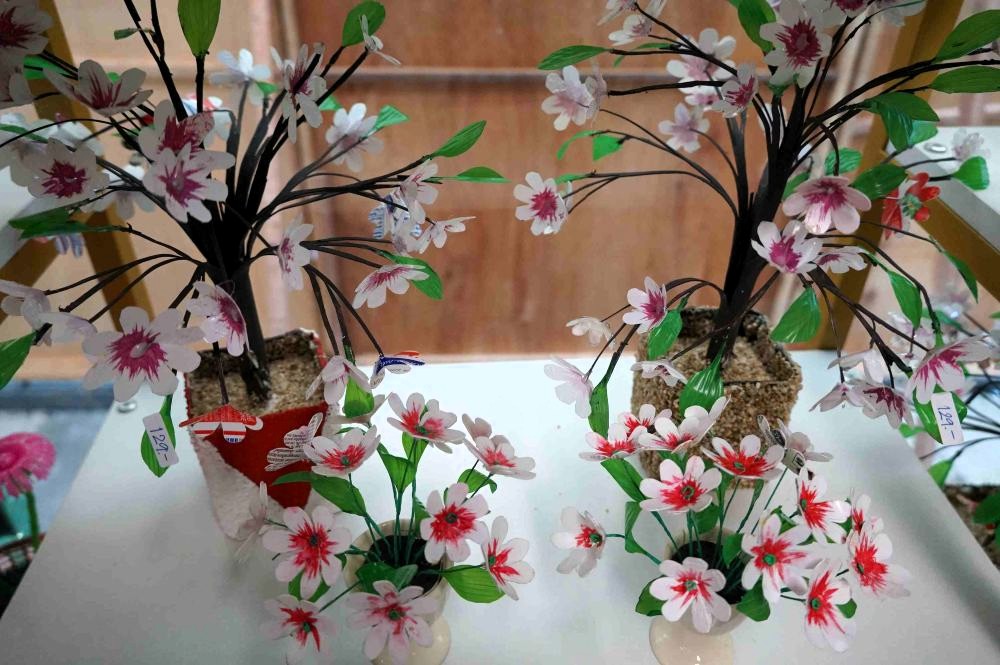
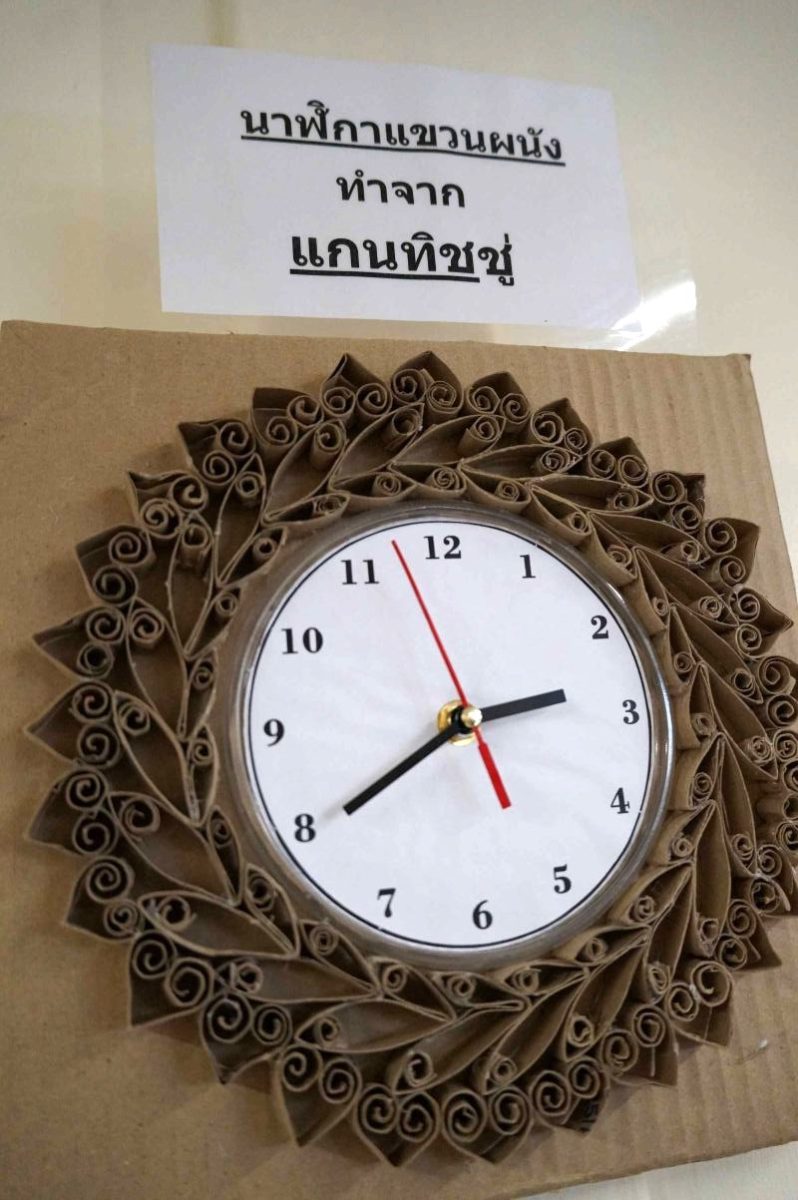
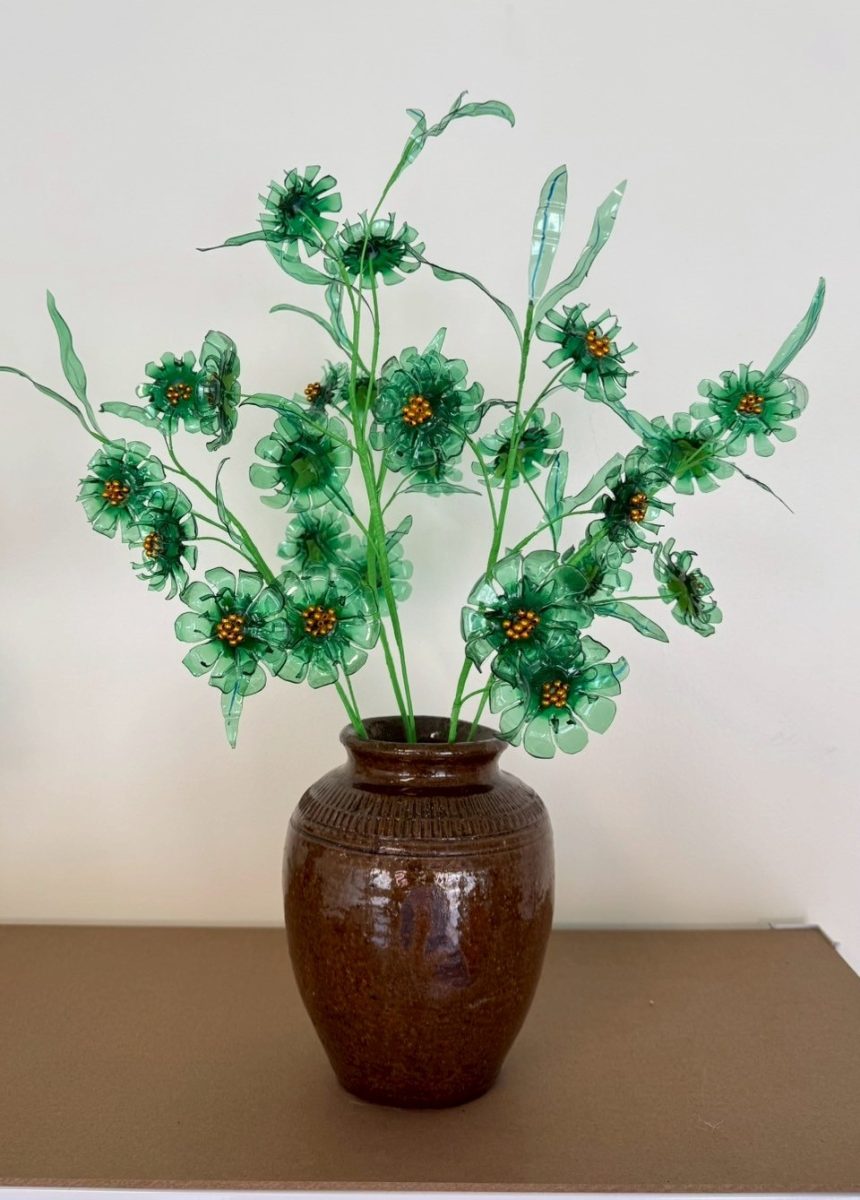
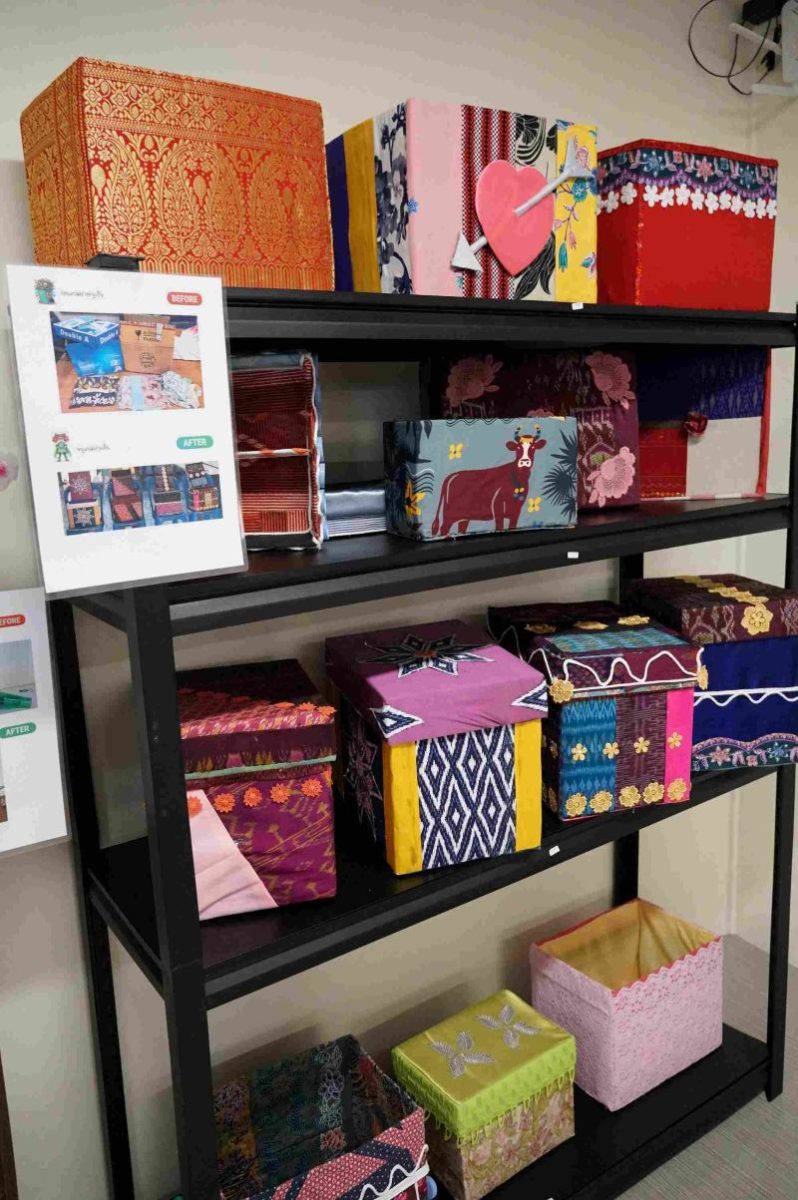
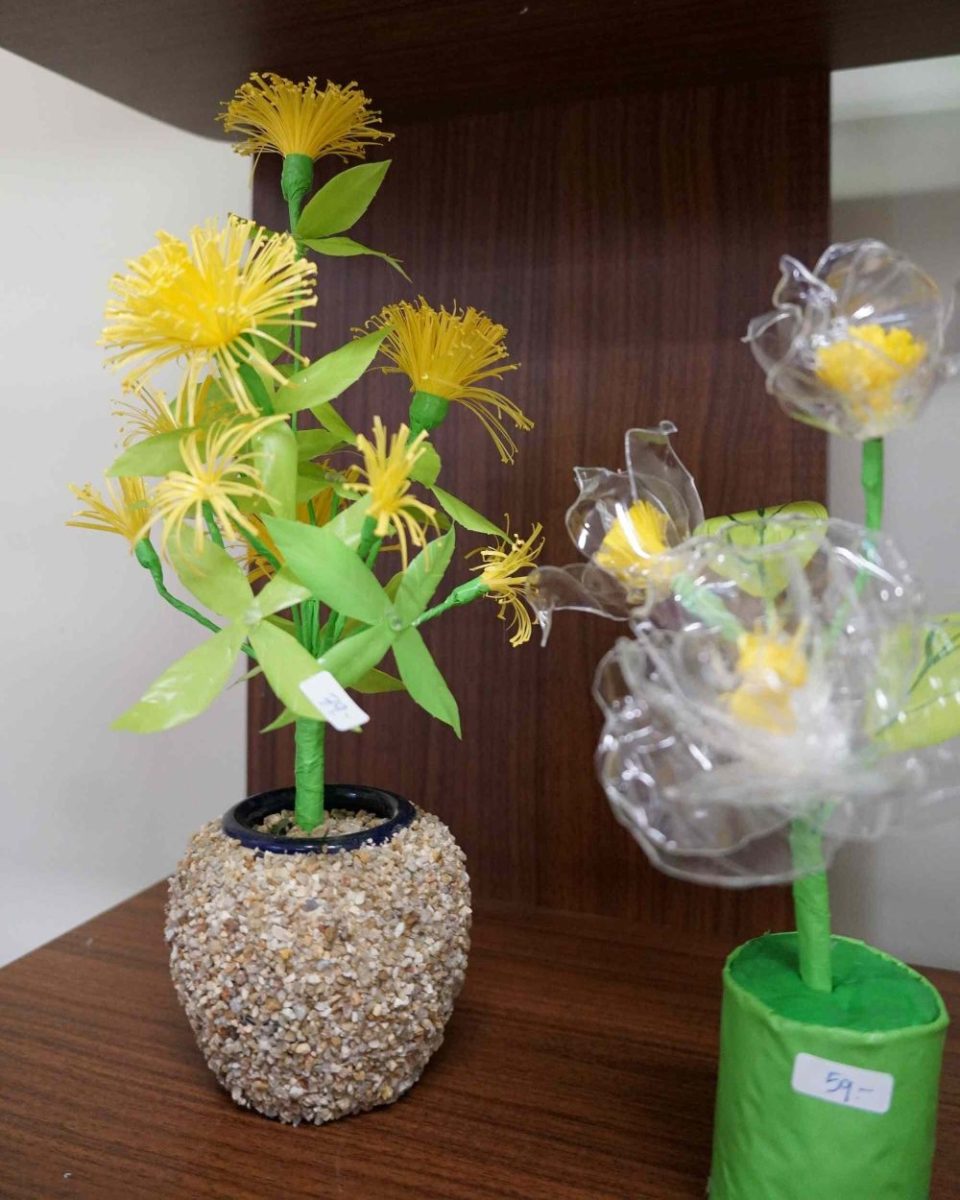
Ms. Supap Sakran, Chairperson of the Phra Nakhon Khiri Community, noted that the community consists of over 1,000 households, mostly housewives and retirees. Previously, they faced environmental issues from waste and local monkeys. While waste separation was already practiced, this project enhances “Participation and Income Generation.” KMUTT researchers taught methods to upcycle waste into high-value products, moving beyond just “throwing things away.” Community-made products include wreaths from egg trays, flowers from plastic straws, brooms from plastic bottles, and cherry blossom decorations from plastic bags using natural branches and palm sheaths. They have also created “Yok Khiri” (Khiri Jade) brooches, named to add perceived value for sale at various festivals. Other recycled items include trees made from yogurt bottles for festivals or temples. Income generated goes into a community fund for projects like “Kratuk Suk” (Waking Up Happiness), which visits bedbound patients in coordination with Village Health Volunteers (VHV), aligning with community health efforts.
“This project doesn’t just reduce waste; it creates activities that promote mental health and relationships, such as the ‘Ramwong E-Lord’ dance using straws. It has fostered unity and a desire to develop the community together. We believe the center will generate income from visitors. The Mayor has even suggested that tourists taking the tram to visit local temples stop by our center to learn as well.”
Related News

‘Plant-Based Caviar’: KMUTT Students’ Food Innovation Clinches National Gold, Ready for Global Market Expansion

KMUTT Mechanical Engineering Students and Faculty Clinch Gold Medal from NRCT with Microchannel Heat Sink Innovation for Future Data Centers



