

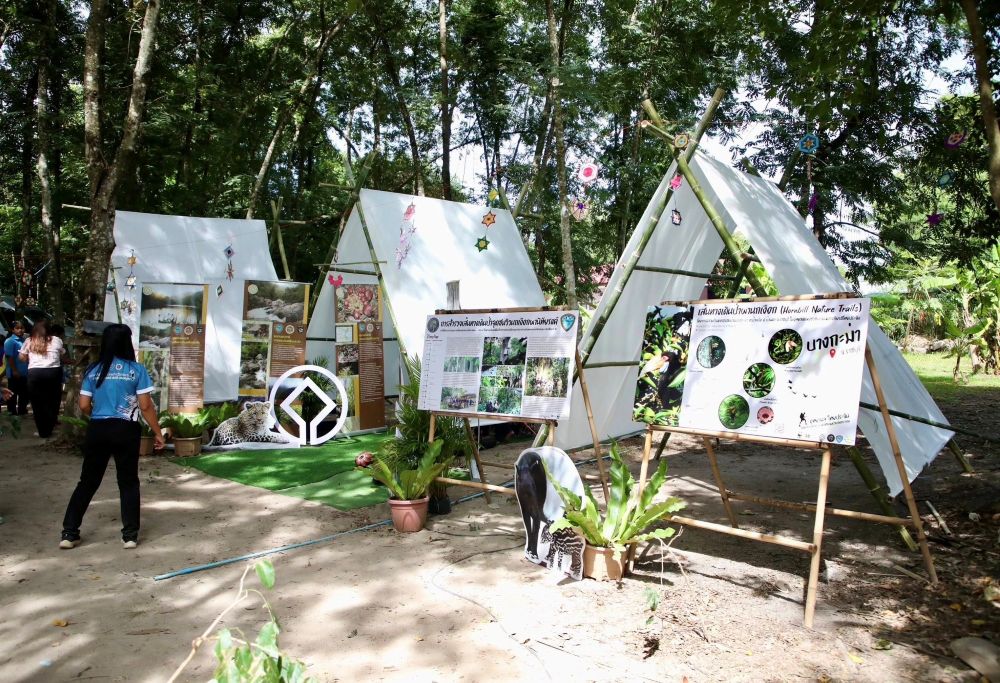
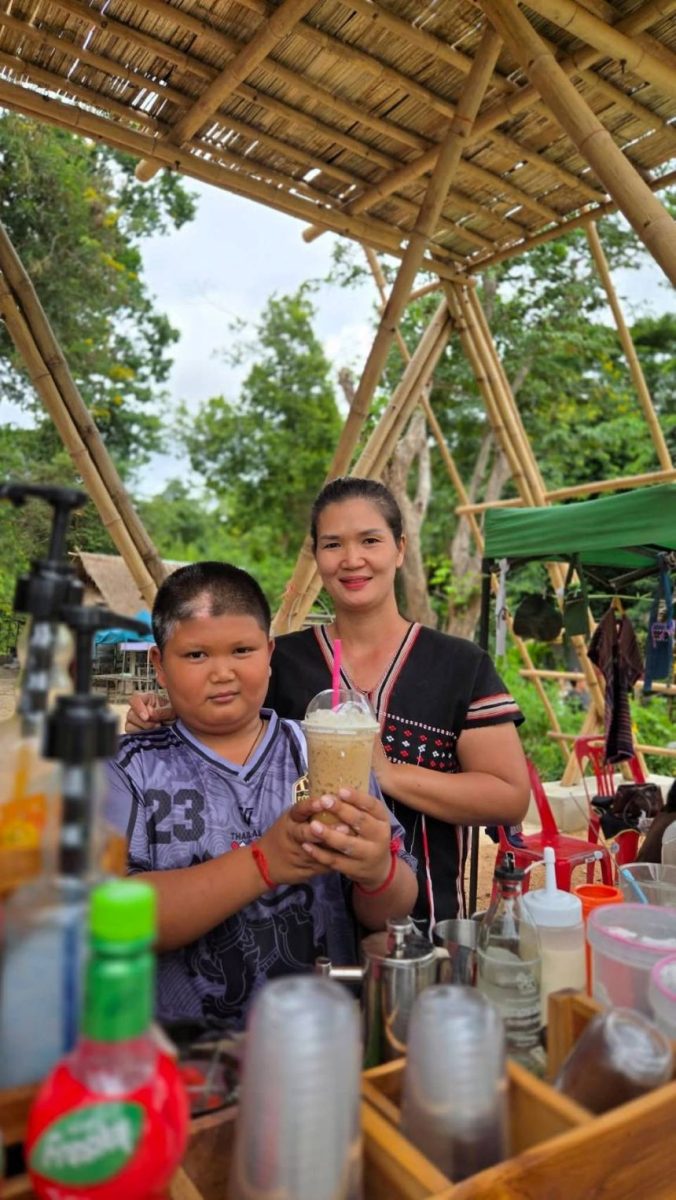
The “Na-Ae” Market in Ban Kha District, Ratchaburi Province, is filled with the laughter of tourists and community members, accompanied by the fragrant aroma of local cuisine wafting through the air. This vibrant yet warm atmosphere is not just the result of a typical community market; it is the outcome of a collaboration between university researchers, the public sector, the private sector, and the Karen community, all dedicated to reviving and transforming cultural capital into “edible” assets and sustainable income.
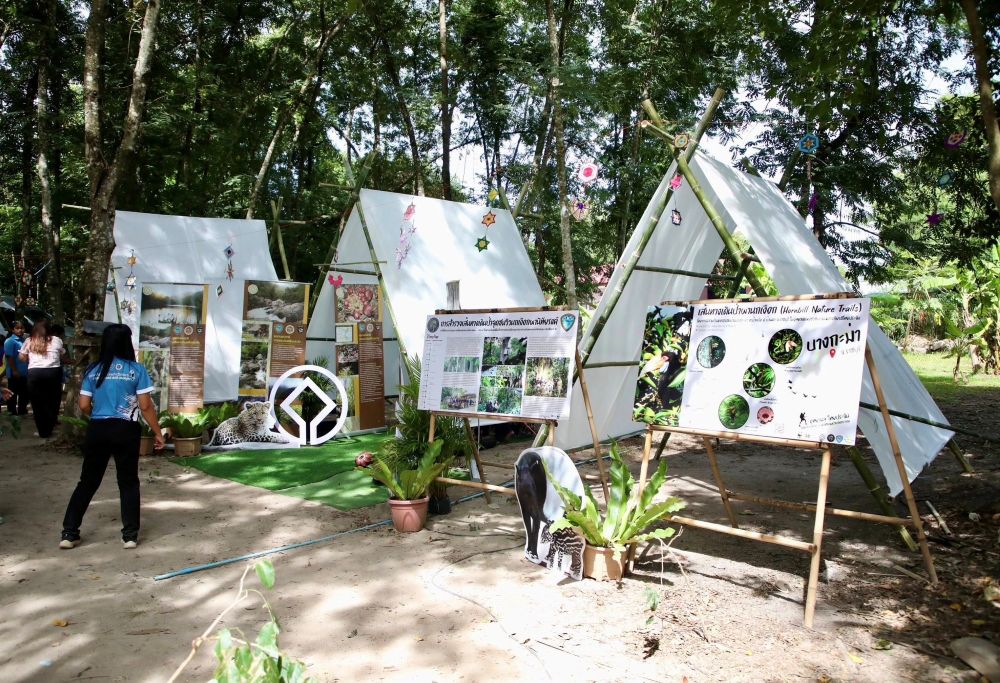
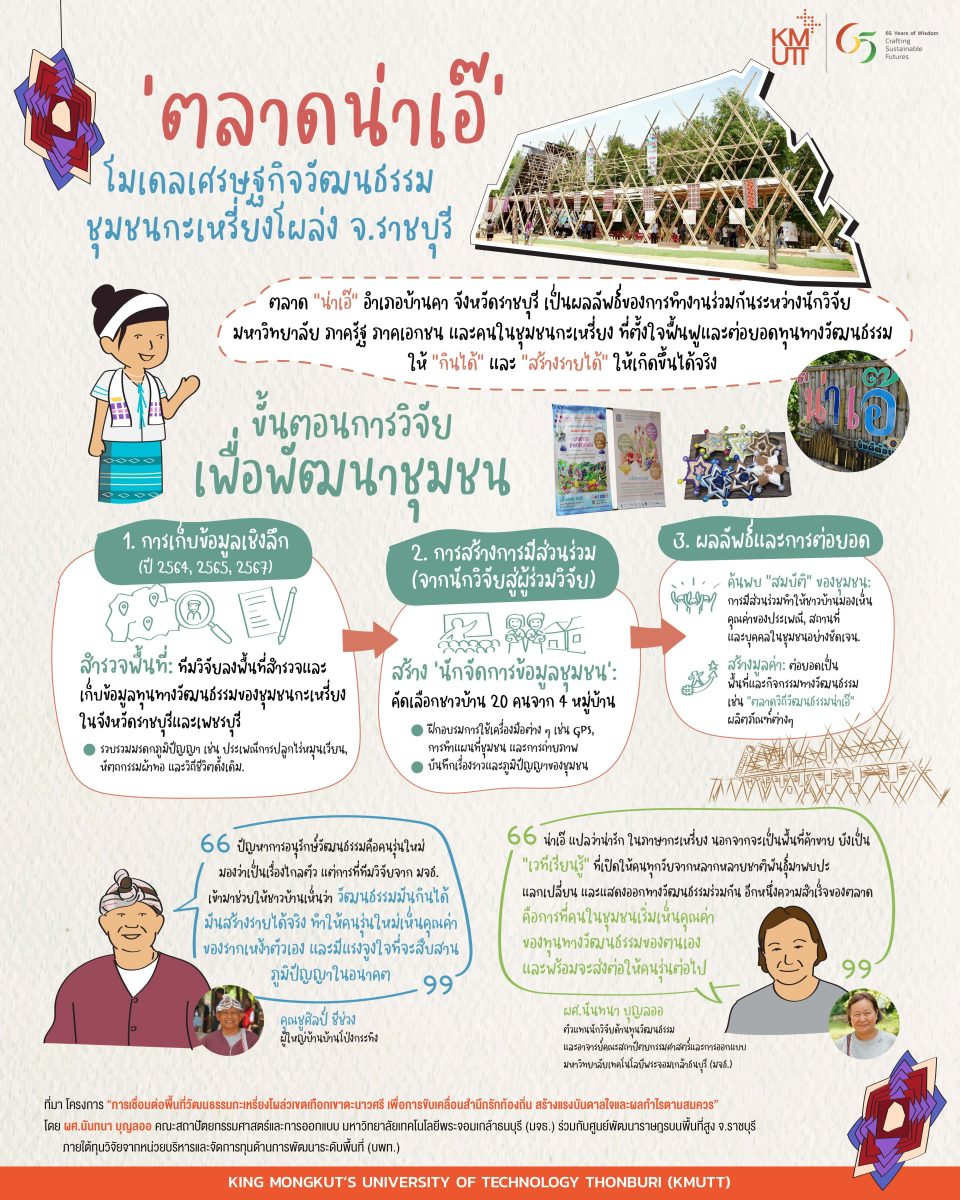
This initiative operates under the project titled “Connecting Karen Phlong Cultural Areas in the Tanaosri Mountain Range for Driving Local Consciousness, Inspiration, and Reasonable Profit.” The project is led by Asst.Prof. Nanthana Boonla-or, lead researcher in cultural capital and a lecturer at the School of Architecture and Design (SoA+D), King Mongkut’s University of Technology Thonburi (KMUTT). It is conducted in partnership with the Ratchaburi Provincial Highland People Development Center, with research funding from the Program Management Unit for Area-based Development (PMUA) for the year 2024, under the framework of “Cultural Capital Management for Enhancing Community Economy and Local Consciousness.”
The catalyst for this change began with the research team’s field data collection on the cultural capital of Karen communities in Ratchaburi and Phetchaburi since 2021. The team spent time surveying every village, interviewing elders, and uncovering hidden wisdom, such as rotational farming traditions, woven textiles, silverware, and a lifestyle deeply connected to nature.
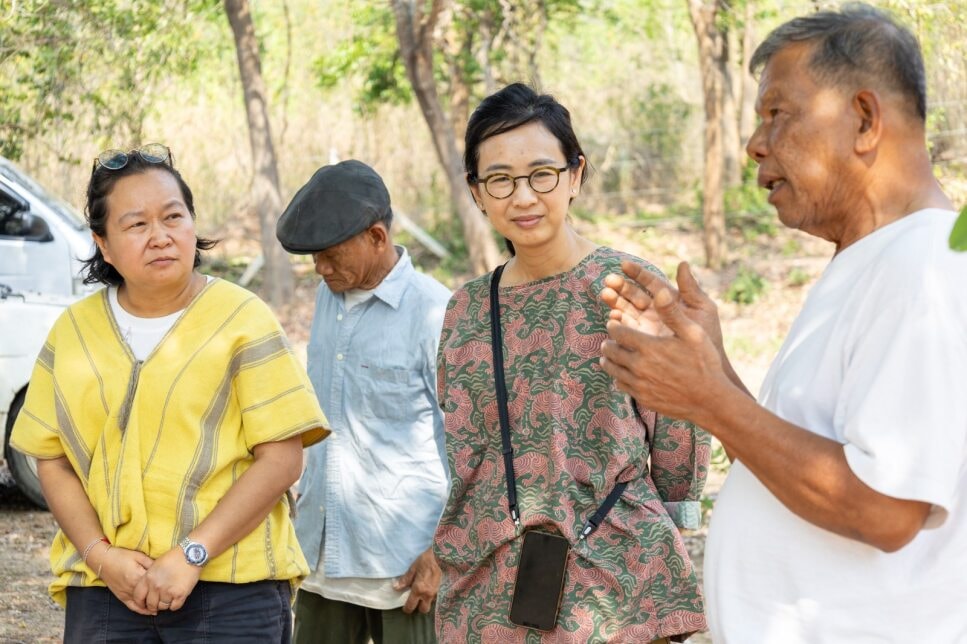
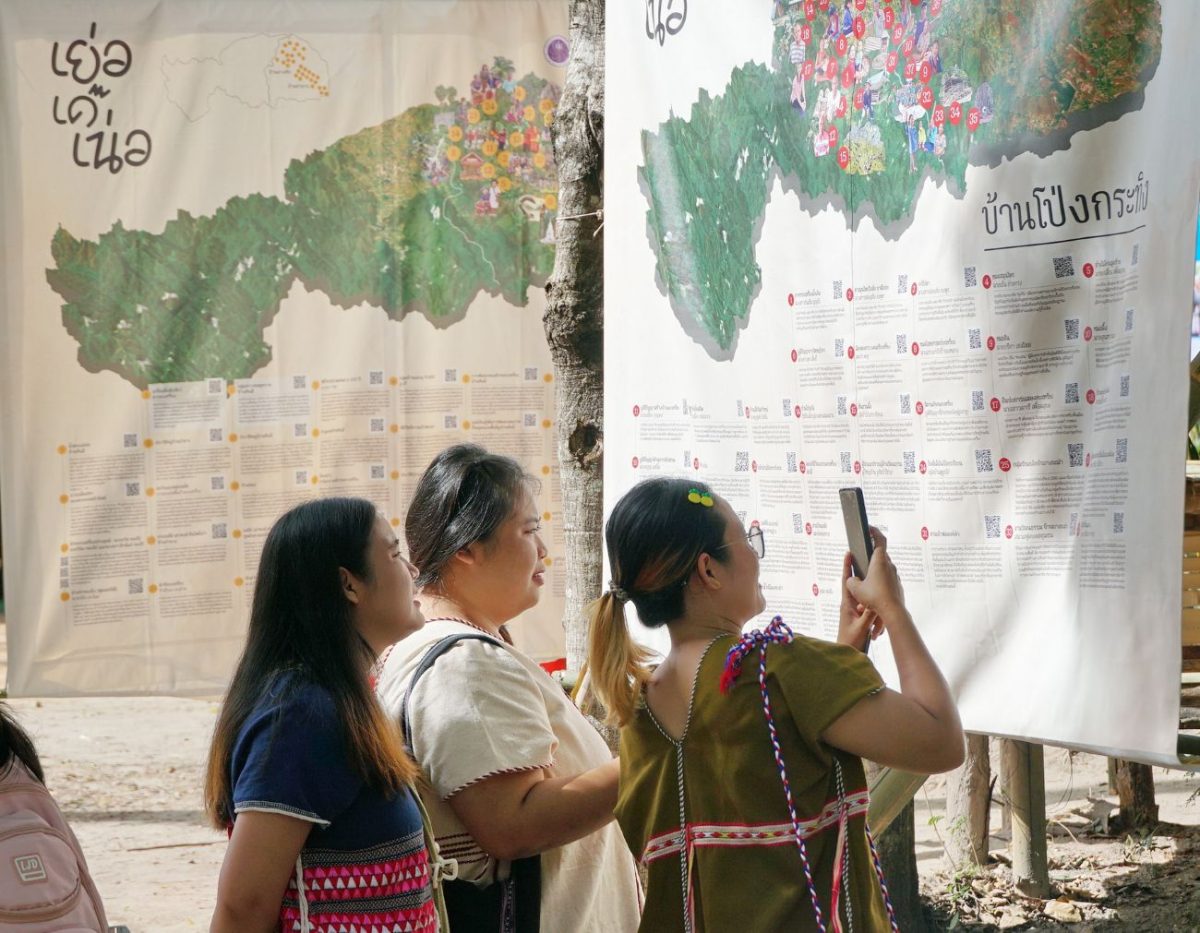
“In the first year, we were like typical researchers entering to collect data, interviewing, and leaving. But as we continued, we realized that if we wanted the community to value what they have, they must participate in the data collection themselves. We invited 20 villagers from four villages to become ‘Community Data Managers,’ teaching them tools like community mapping, GPS usage, and photography so they could document their own stories and wisdom,” shared Asst.Prof. Nanthana Boonla-or regarding the project’s inception and the emphasis on early participation.
The result was not only a more comprehensive database but also a realization among villagers that their community possesses many “treasures” stories, traditions, places, and people worthy of preservation. This data was then used to develop cultural activities and spaces, one of which is the “Na-Ae Cultural Way Market,” situated on a 4-rai community public space.
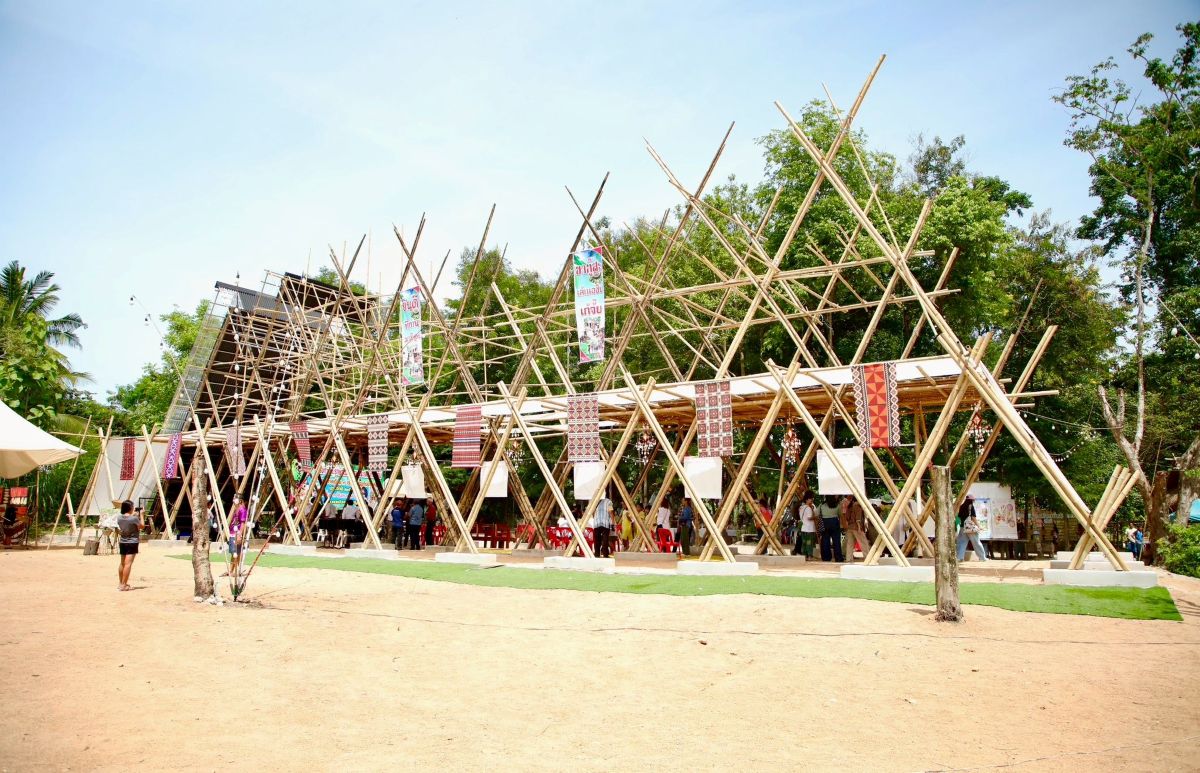
The market was co-designed by researchers, community leaders, artists, and local artisans. It features a bamboo structure that reflects the warmth and charm of the community. The ground floor serves as a trading area for local products and organic agriculture, while the upper floor is used for dining, forest views, and hosting musical performances or various cultural activities.
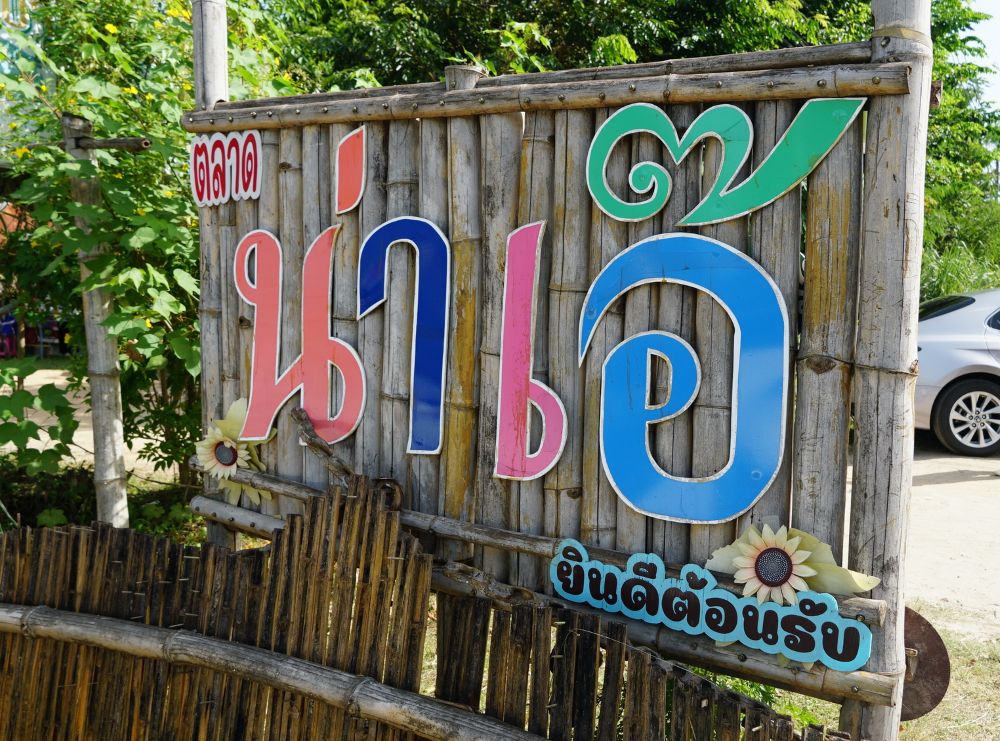


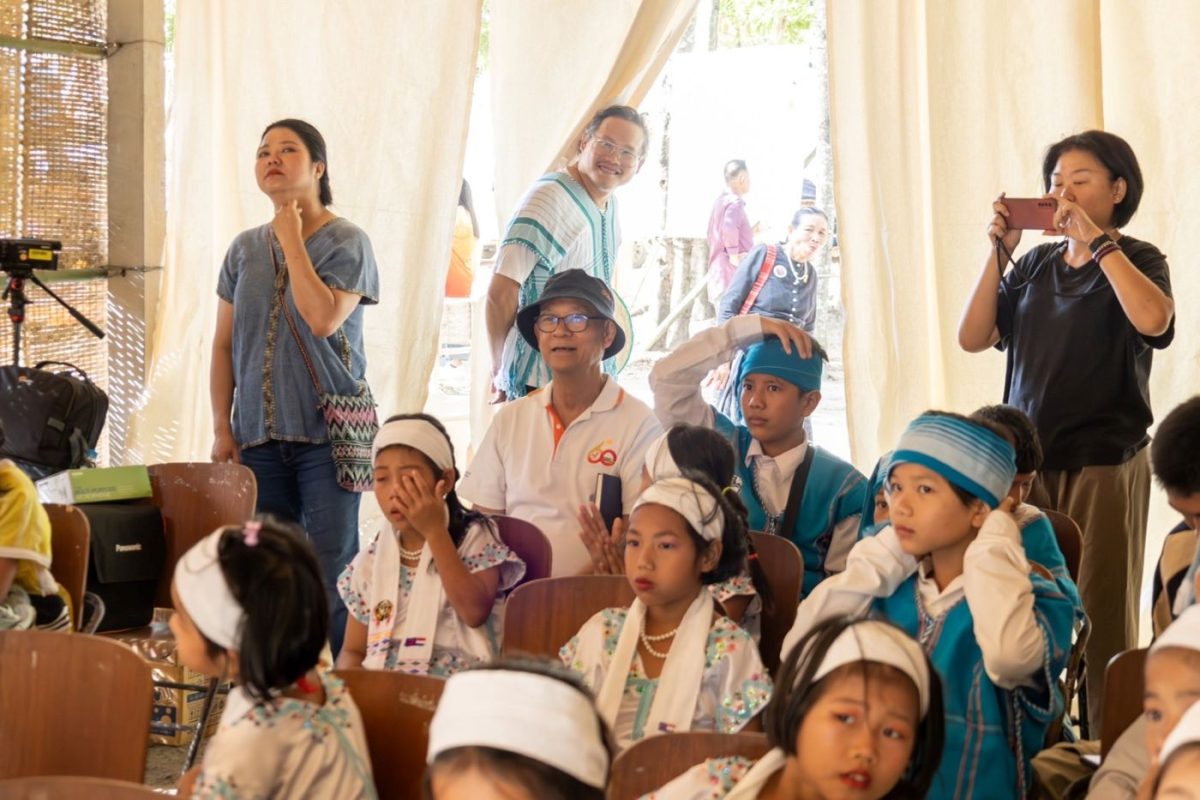
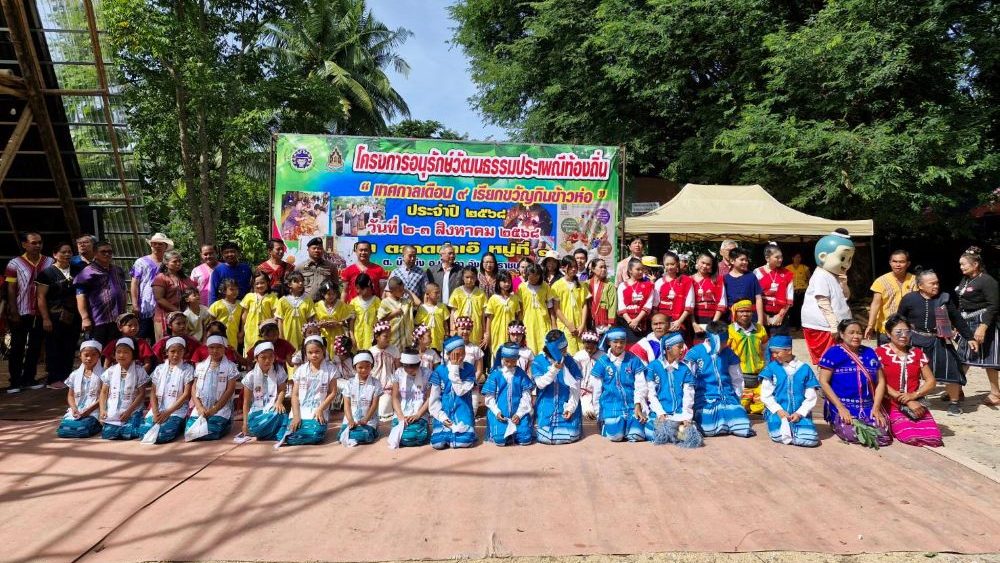
Asst.Prof. Nanthana Boonla-or further explained that “Na-Ae” in the Karen language means “Cute” or “Lovely.” The architectural design of the market reflects this community charm, developed in collaboration with Ajarn Chatpong Chuenrudeemol, the 2020 Silpathorn Artist in Architecture, with support from the Office of Contemporary Art and Culture (OCAC). The multiple gables represent many families, the surrounding mountains, and decorative flags that move with the wind symbolizing a living culture. However, the greatest challenge was not the design but the construction, which was done entirely by the community’s hands. No contractors would take the job due to the complex structure. “Villagers with no prior experience had to learn and do it themselves from cutting and polishing bamboo to completing the building. Although it took longer than planned, it instilled a great sense of pride in the community.”
Mr. Chusin Chichuang, the Village Head of Ban Pong Krathing and a key project driver, stated, “I have worked in cultural conservation for over 30 years. A significant problem we must admit is that the younger generation feels their cultural roots are distant because they aren’t tangible. KMUTT’s research team helped the community discover our value and showed the villagers that culture is edible and can truly generate income. This creates an incentive for the youth to continue our wisdom in the future.”
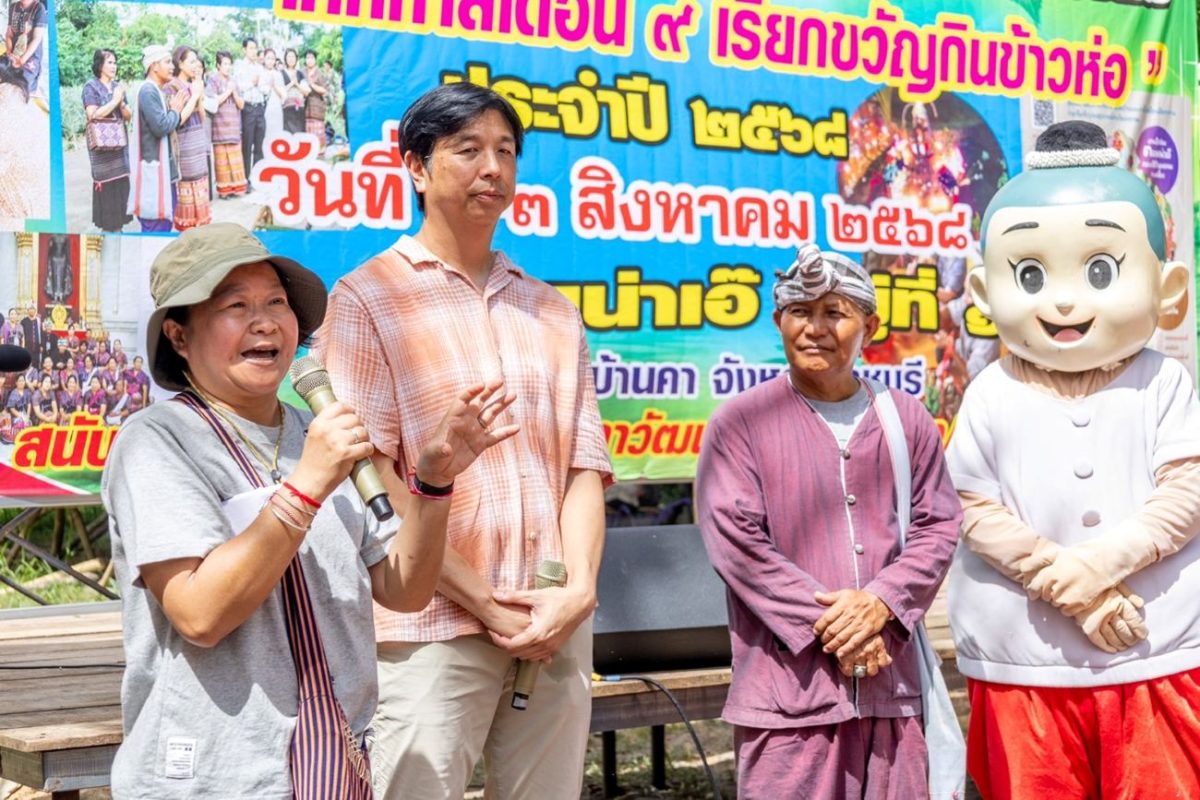
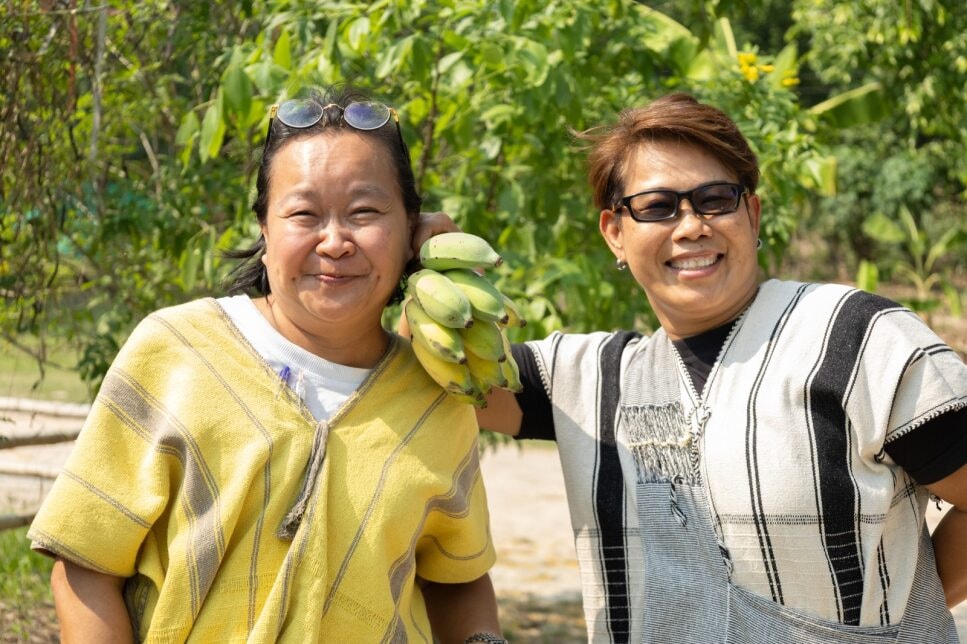
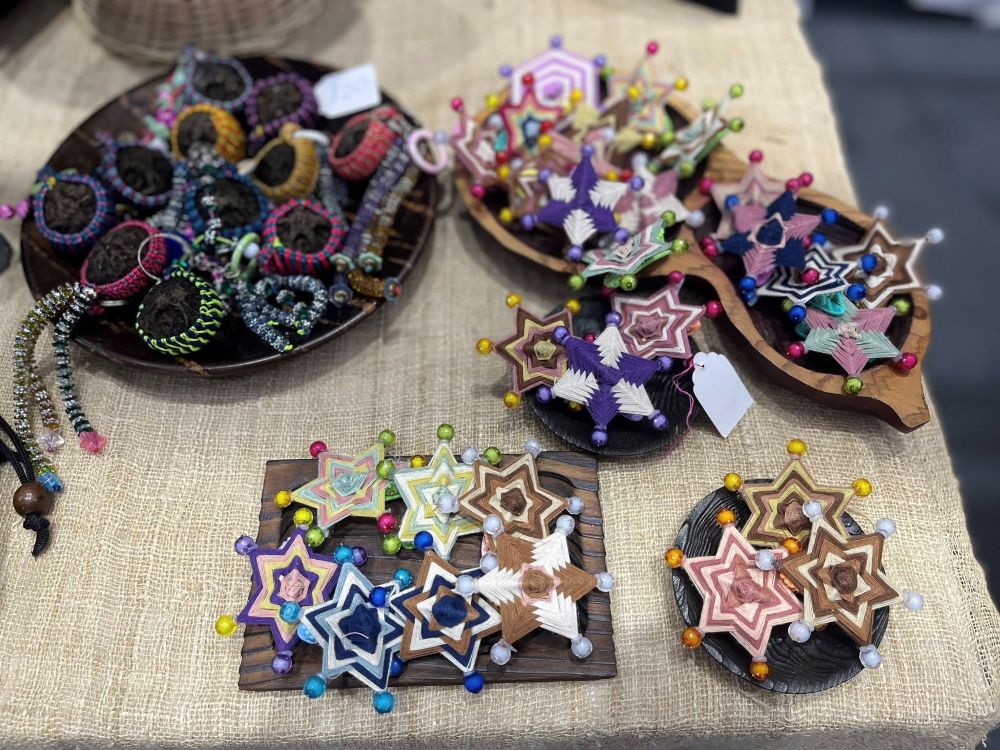
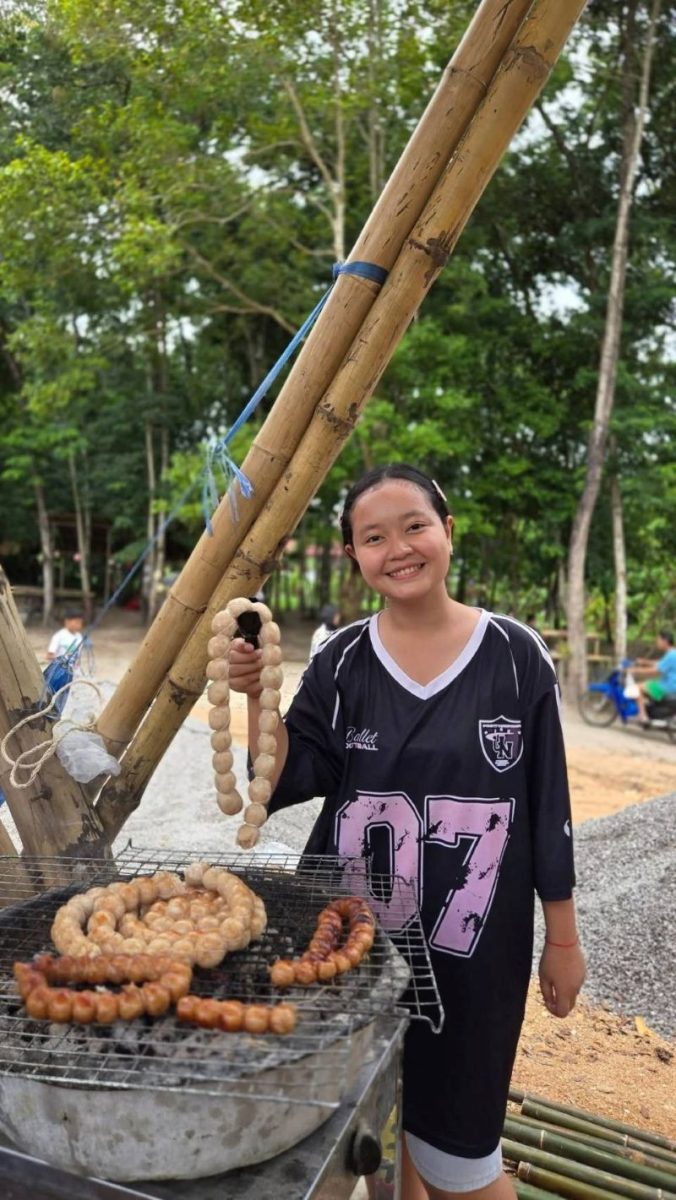
Furthermore, Na-Ae Market serves as a “learning stage” where people of all ages from various ethnic groups in Ratchaburi and Phetchaburi meet, exchange, and express their cultures. Regular activities include local music, handicraft demonstrations, and traditional cooking for tourists to taste and learn. The research also extends to product development, such as natural-dyed woven fabrics and eco-friendly packaging, aligning with the green market concept. Researchers believe the market’s success is not measured by sales alone, but by the community’s newfound appreciation for their cultural capital and their readiness to pass it on to the next generation, with Na-Ae Market serving as a symbol of sustainable conservation and development.
Although it will take time for the market to grow and reflect more unique identities, Asst. Prof. Nanthana emphasized: “The most important thing is that the community feels this is their space, not the researchers’ or outsiders’. We want this market to be a small model showing that if all parties seriously join hands, culture can truly sustain the people.”
For those interested in visiting the charm of the Karen Na-Ae Cultural Market, it is open every Saturday and Sunday. Follow market updates at www.facebook.com/yerdener.
Related News

‘Plant-Based Caviar’: KMUTT Students’ Food Innovation Clinches National Gold, Ready for Global Market Expansion

KMUTT Mechanical Engineering Students and Faculty Clinch Gold Medal from NRCT with Microchannel Heat Sink Innovation for Future Data Centers



