

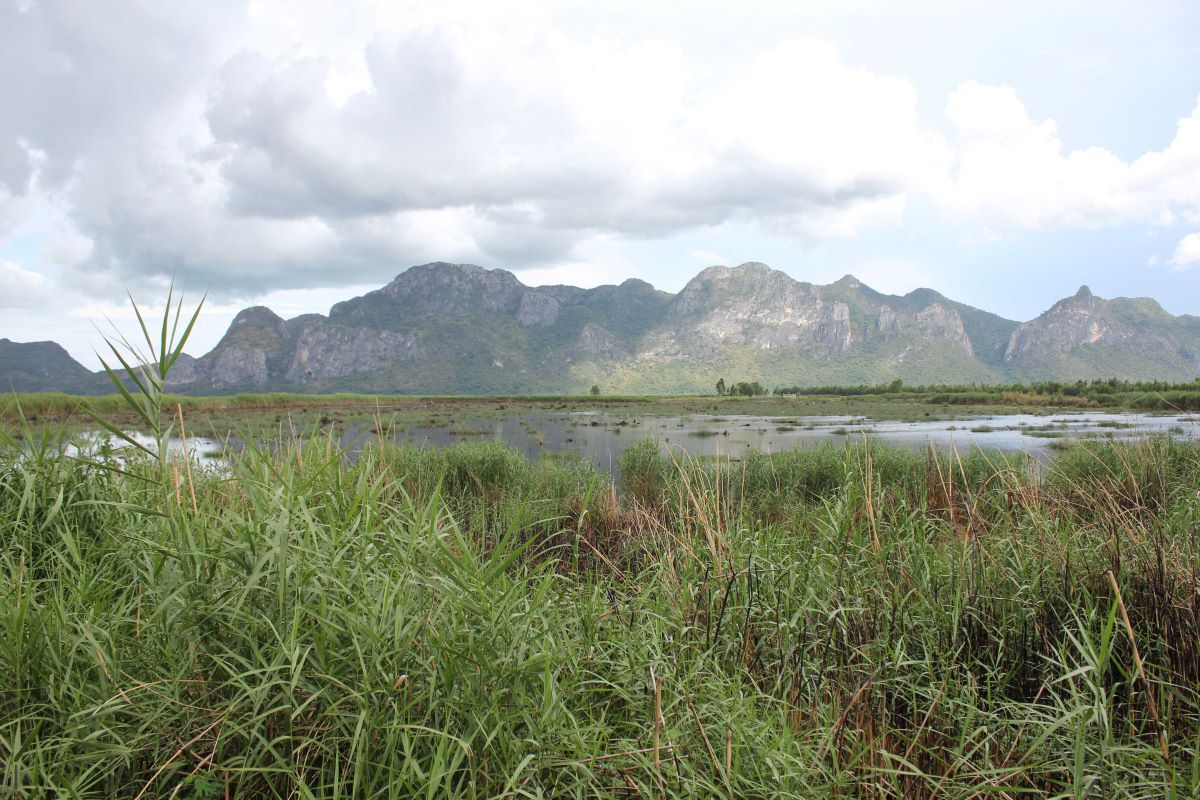
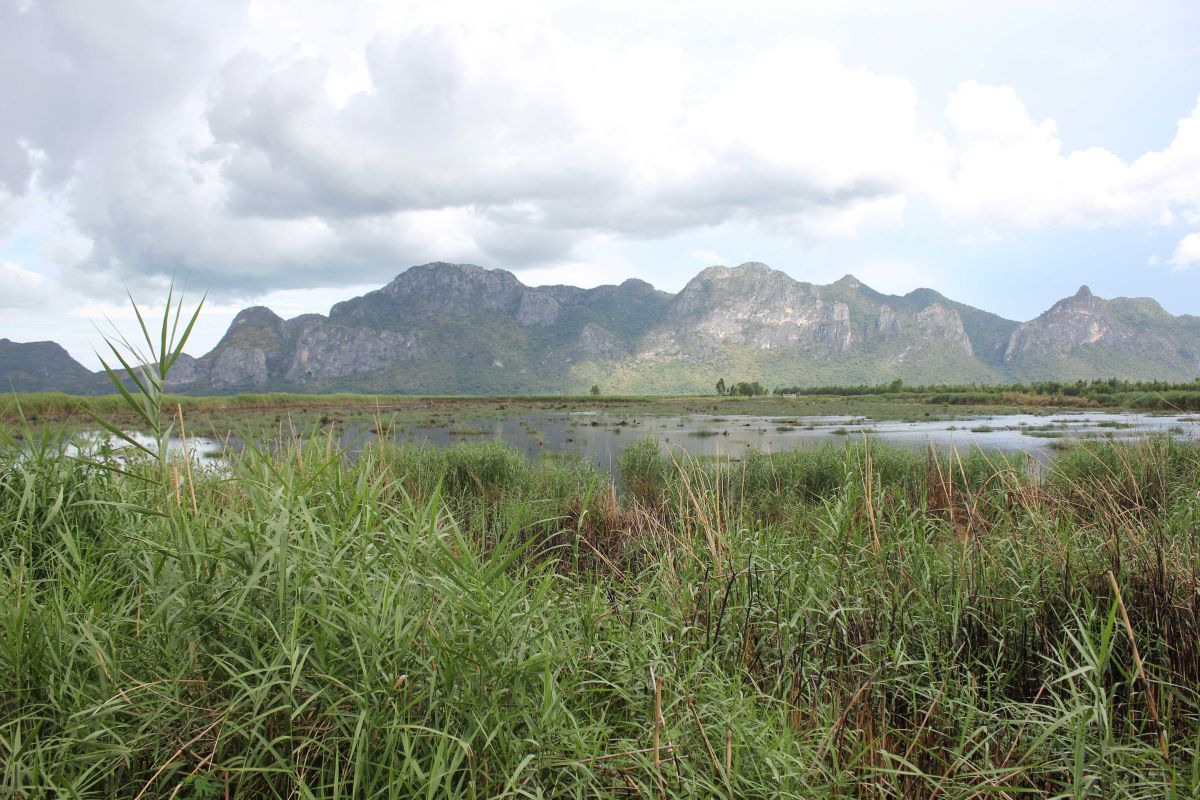
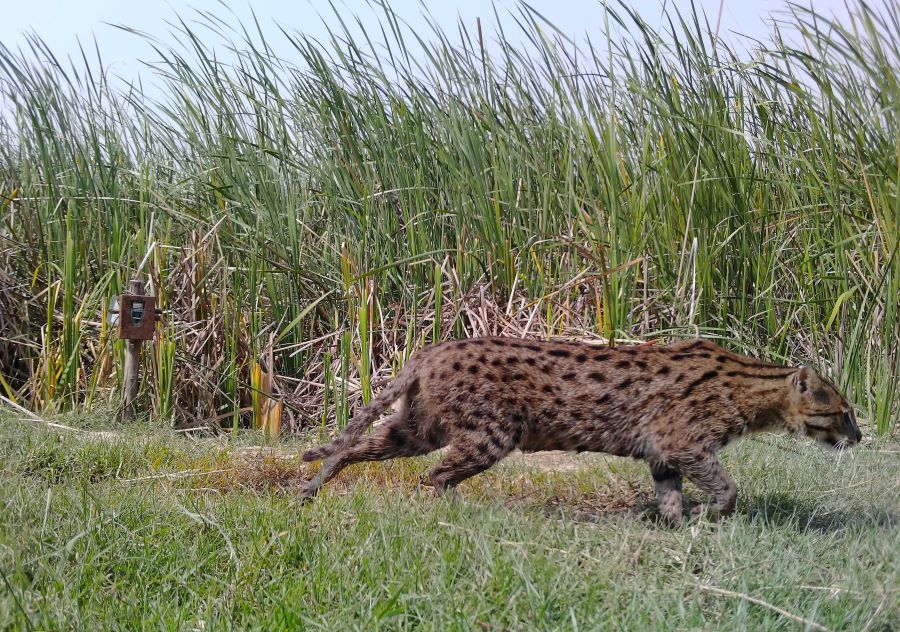
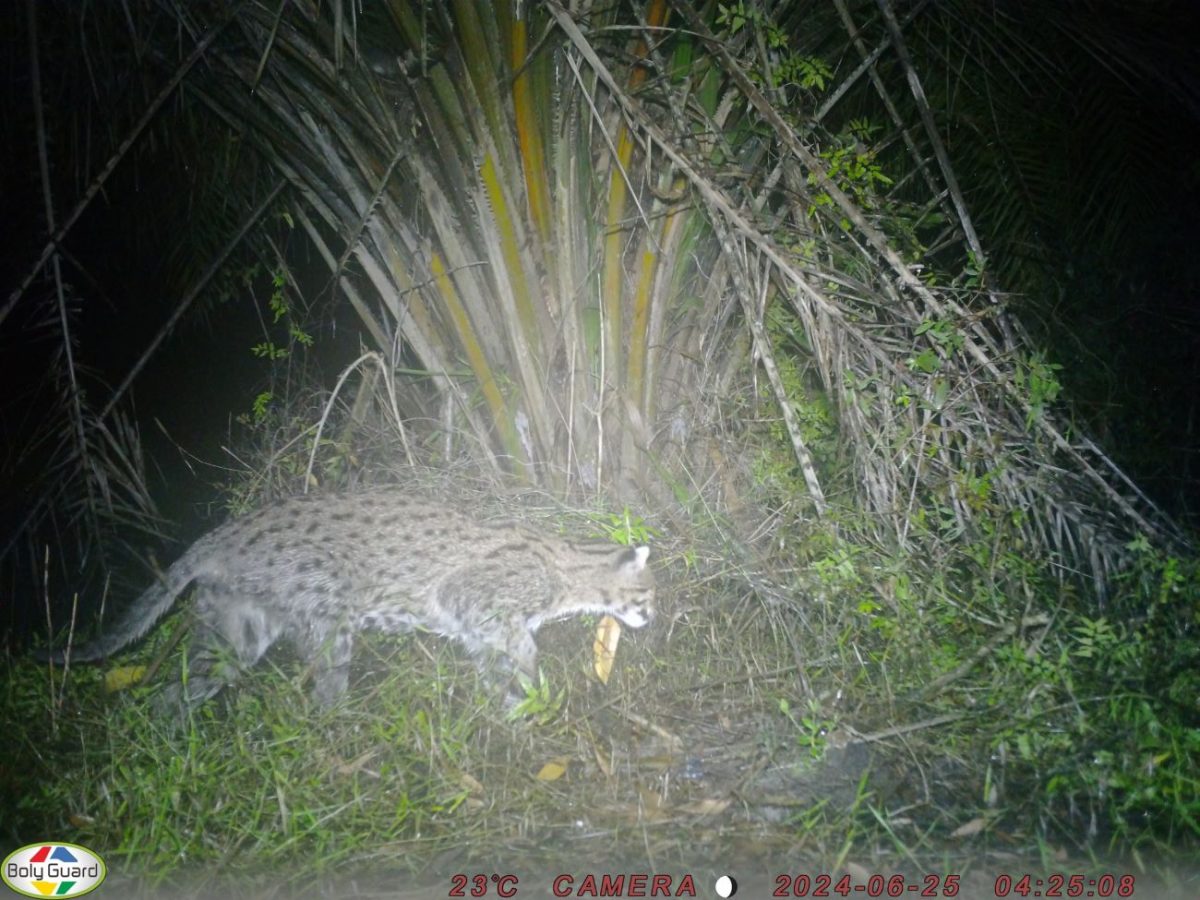
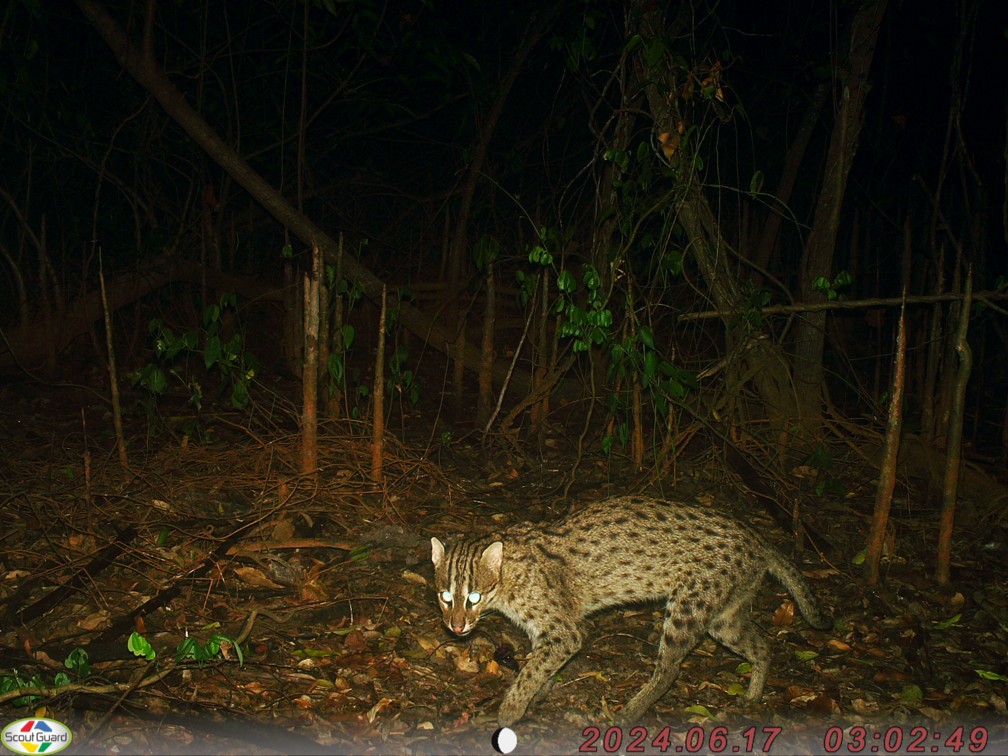
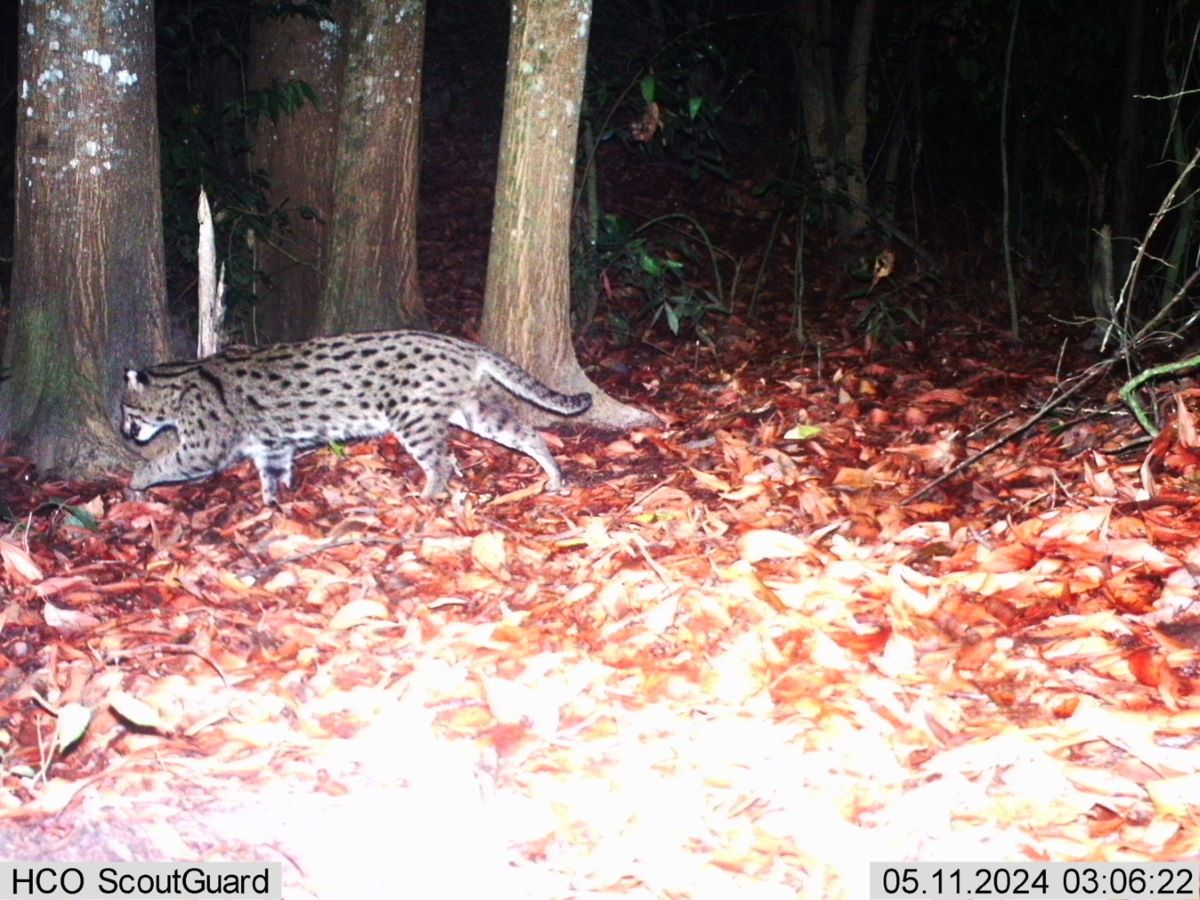
The endangered status of the Fishing Cat (Prionailurus viverrinus) has sparked collaboration among various sectors to find conservation pathways for this wetland predator. Khao Sam Roi Yot in Prachuap Khiri Khan Province, known as the largest habitat for Fishing Cats in Thailand, has served as a primary research site. A key initiative is the “Sustainable Fishing Cat Conservation Project in Thailand’s Wetlands,” conducted by King Mongkut’s University of Technology Thonburi (KMUTT). The project aims to build a comprehensive database to assist relevant agencies in determining future conservation strategies.
Data analysis from 50 camera trap locations across Sam Roi Yot revealed an increase in the population. More than half of the Fishing Cats captured on camera in 2024 were individuals that had not been recorded three years prior.

“The data indicates a replacement rate of 76–80%, or a survival rate of 50%. This means that if there are 100 Fishing Cats in Sam Roi Yot this year, only 50 will survive into the next year,” explained Asst. Prof. Dr. Naruemon Tantipisanuh, a researcher with the project and a member of the Conservation Ecology Program (CEP) at the King Mongkut’s University of Technology Thonburi.
Asst. Prof. Dr. Naruemon further noted that human-driven threats in the area have decreased. This is attributed to the younger generation’s declining interest in hunting, as well as collaborative efforts from government, social, and private sectors. Initiatives include building predator-proof chicken coops, converting former hunters into natural resource stewards, and continuous patrolling by Sam Roi Yot National Park. However, the species still faces extinction risks. Genetic analysis of fecal samples revealed “inbreeding” (high kinship mating), which could lead to lower immunity in future generations. Should a disease outbreak occur, the species could vanish from the area entirely.
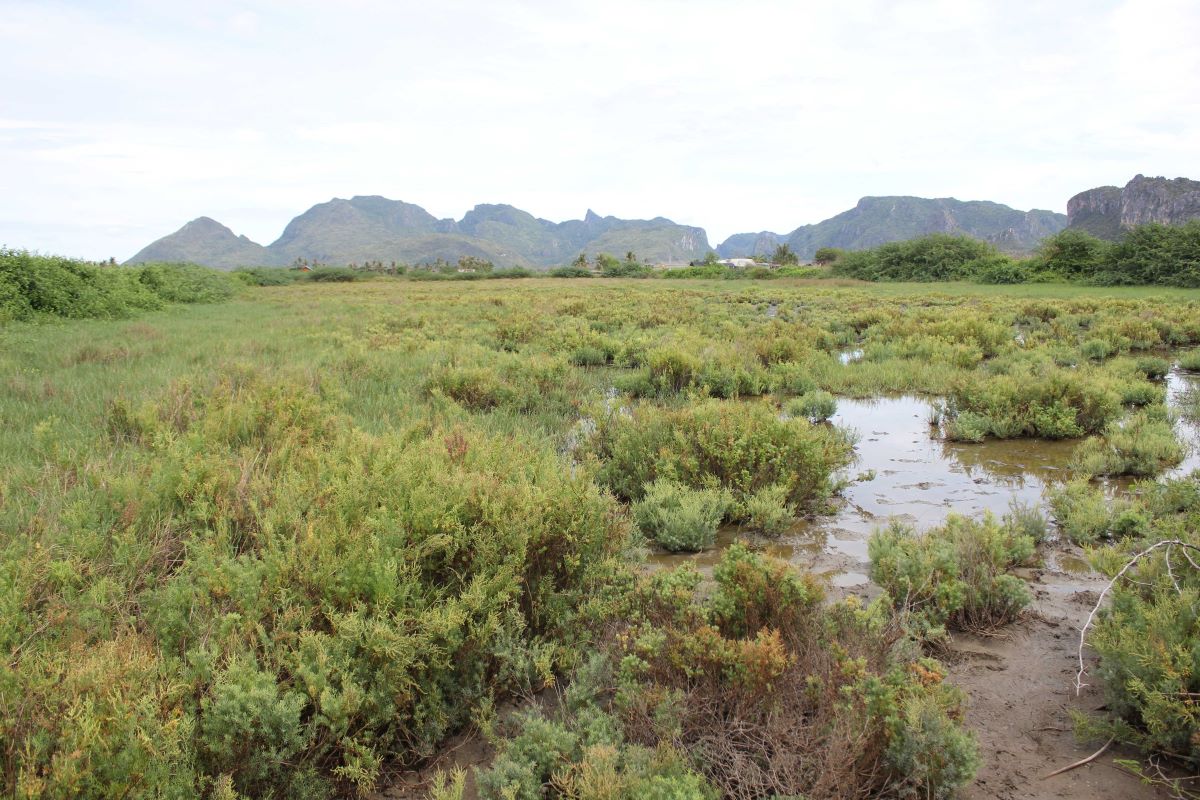
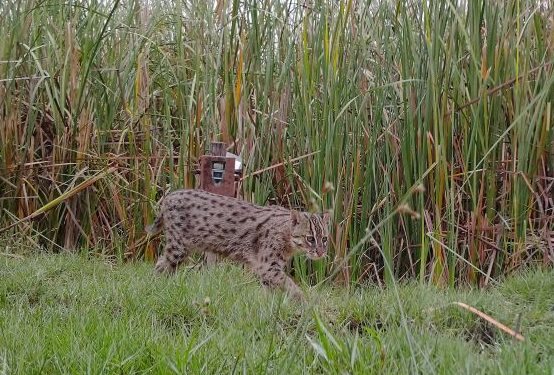
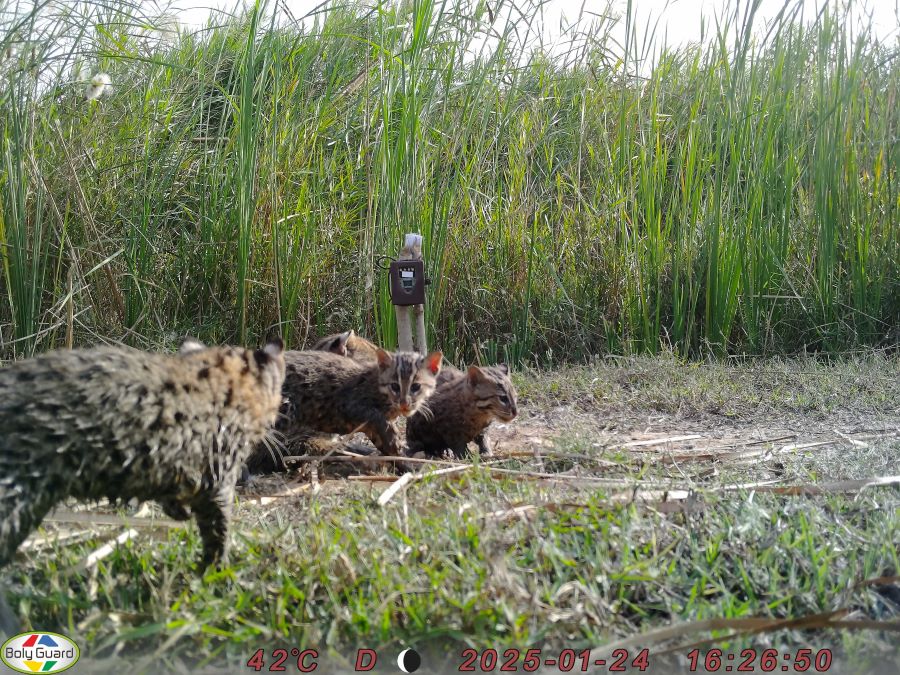
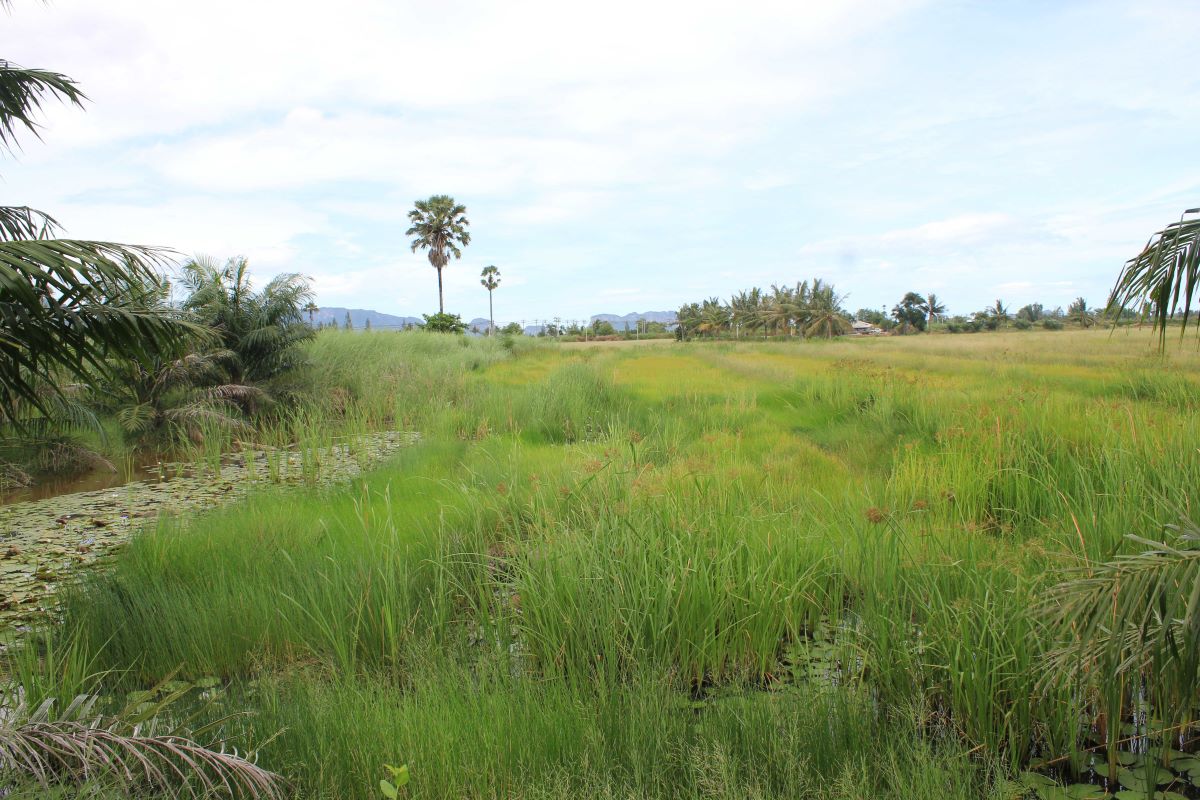
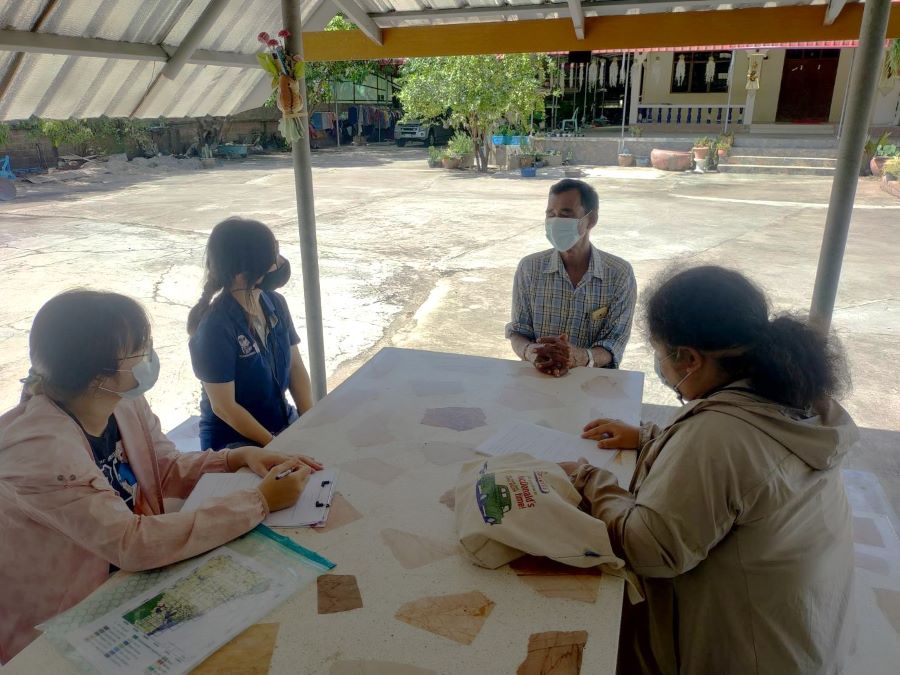
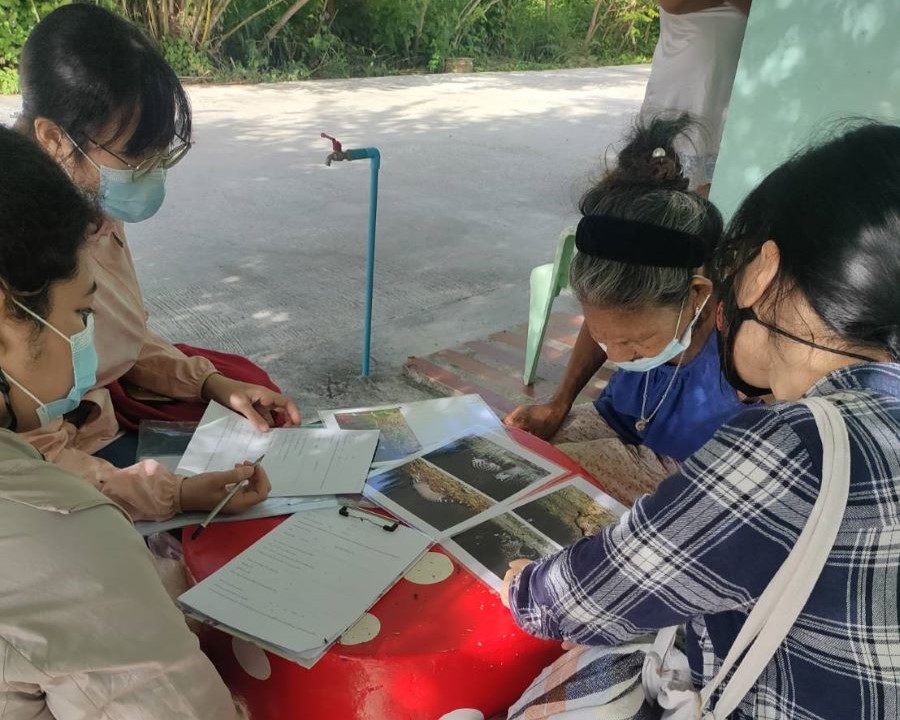
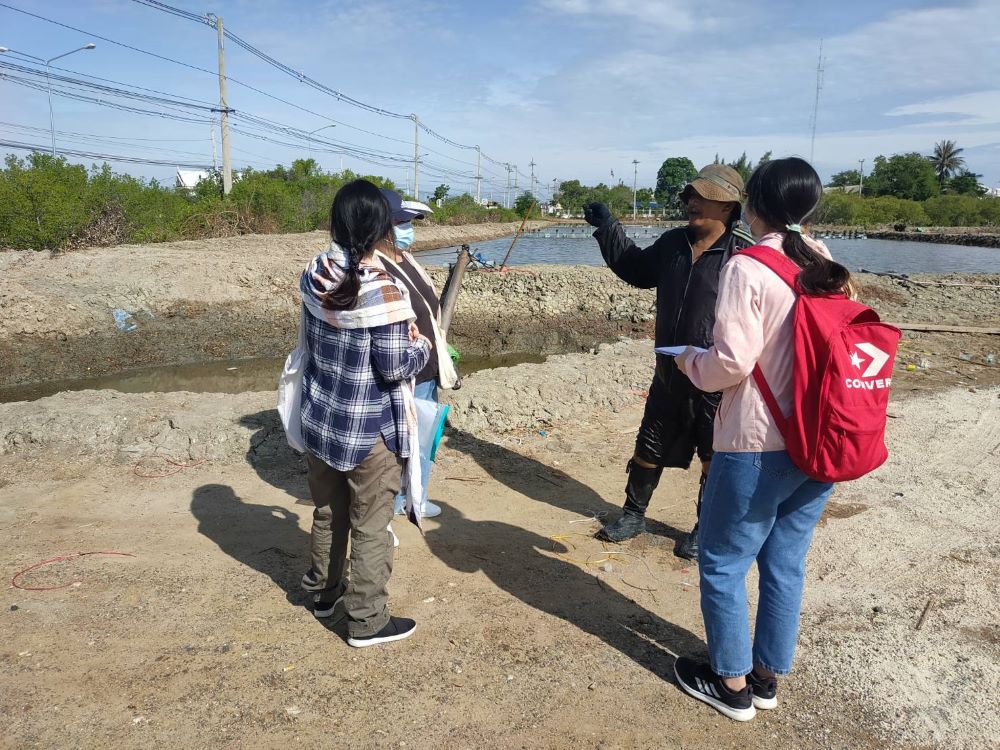
Beyond the primary study at Sam Roi Yot which included camera traps, fresh scat collection, and community interviews—the research team has spent the past four years gathering data in four other regions where Fishing Cats were previously reported:
- Laem Phak Bia, Phetchaburi: Surveys in 2021 recorded a number of Fishing Cats in abandoned private lands. However, these habitats are at risk of being converted into agricultural plots to avoid higher taxes under the Land and Building Tax Act, which penalizes owners of “unused” land.
- Pantai Norasingh, Samut Sakhon: In 2022, camera traps captured very few images, mostly restricted to the Pantai Norasingh Non-Hunting Area. Most surrounding areas have already transitioned into urban communities.
- Chanthaburi and Trat: Despite installing over 100 cameras for four months in 2023, not a single image of a Fishing Cat was found, suggesting it is highly unlikely that the species still exists in the wild within these provinces.
- Songkhla Lake Basin: This area presented a different story. Surveys last year found 19 feeding sites across both the northern and southern shores of the lake. Although found in agricultural areas used by villagers, the locals do not raise chickens or fish as much as in other regions. Consequently, humans do not view Fishing Cats as pests, creating a unique potential for further study in the Songkhla Lake and Thale Noi areas.
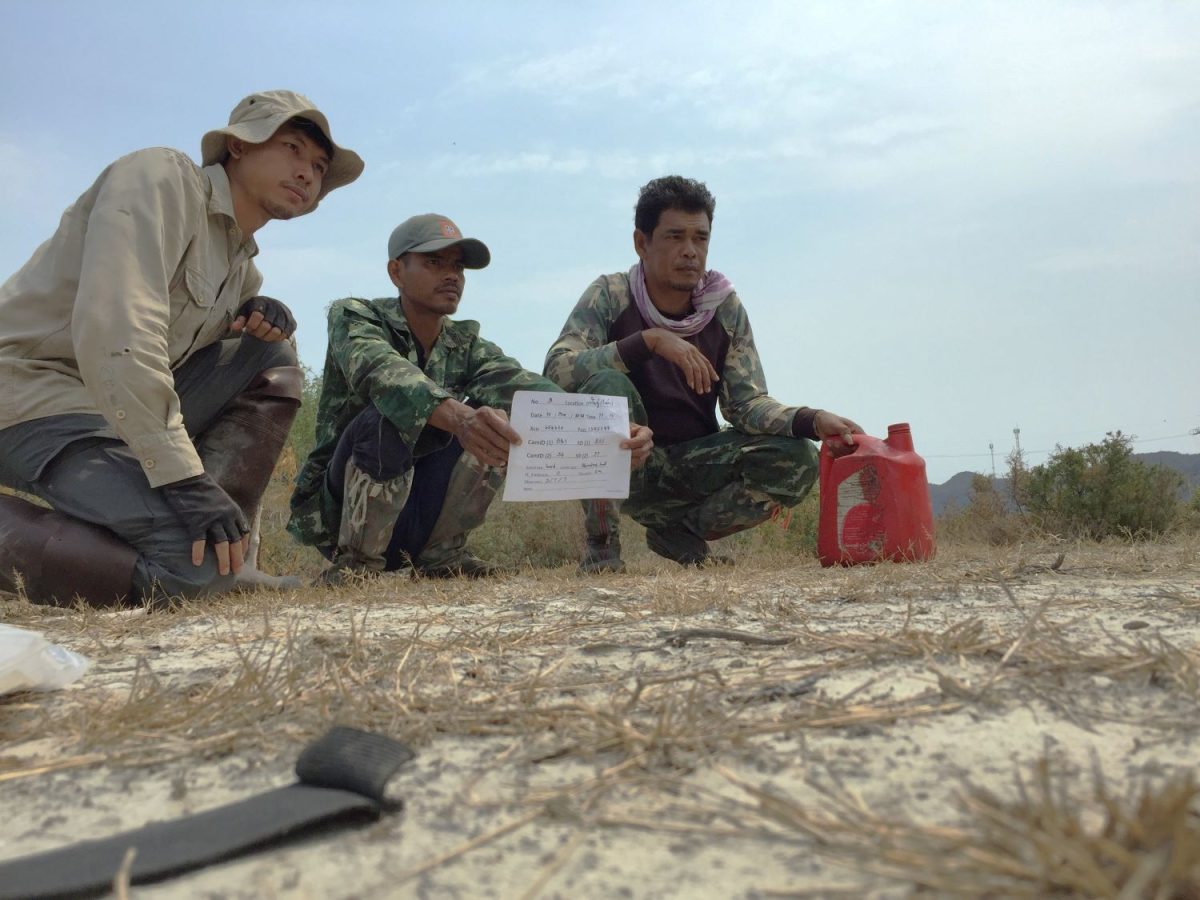
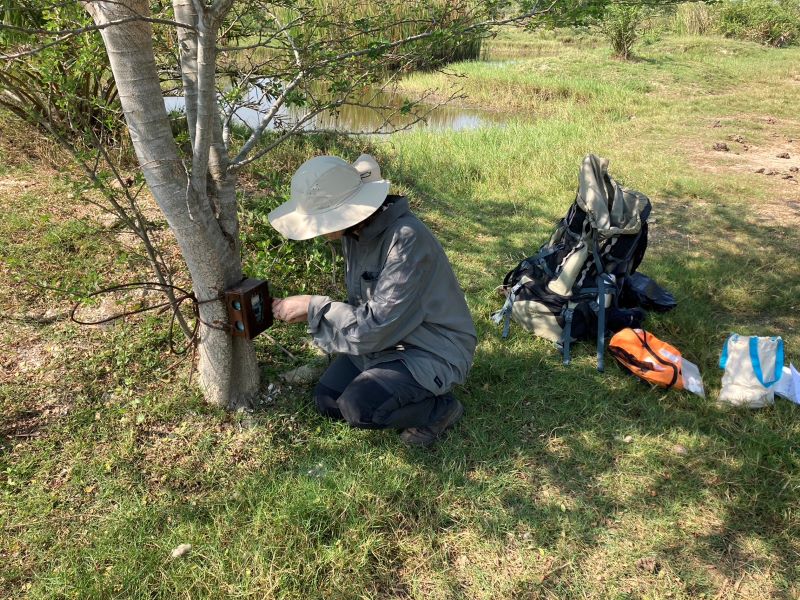
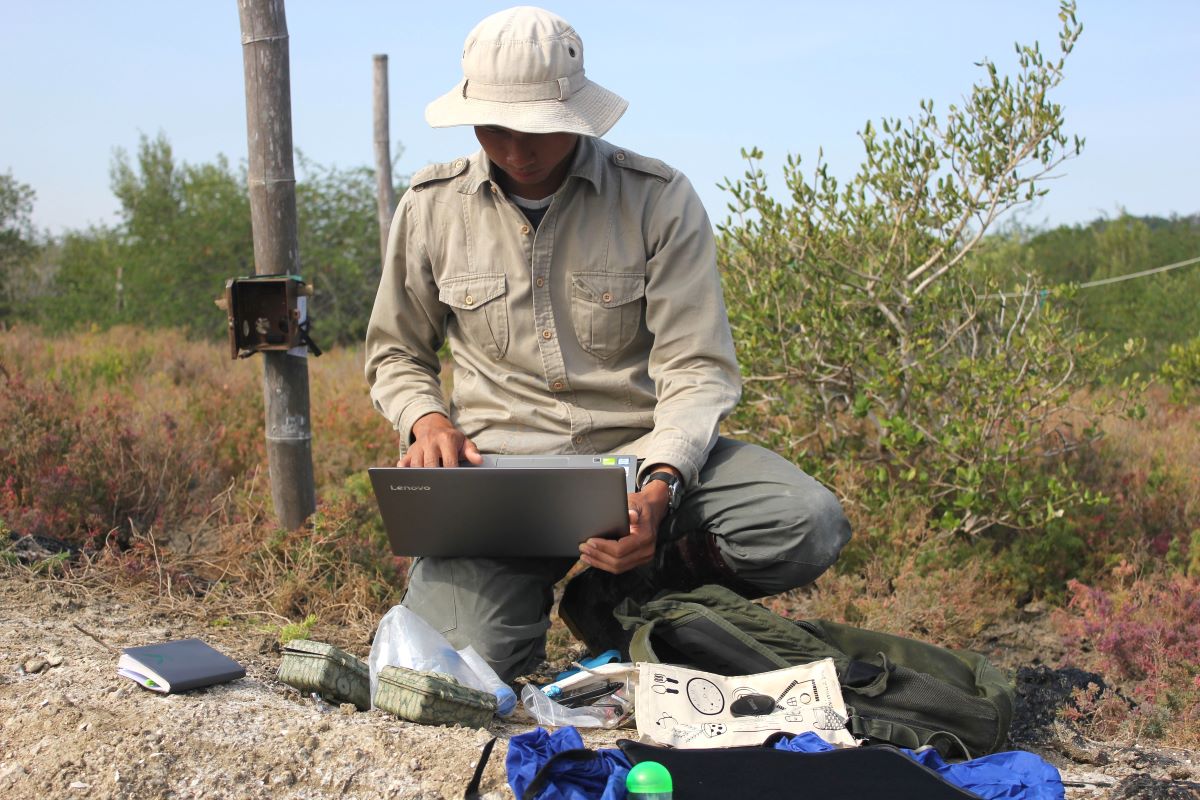
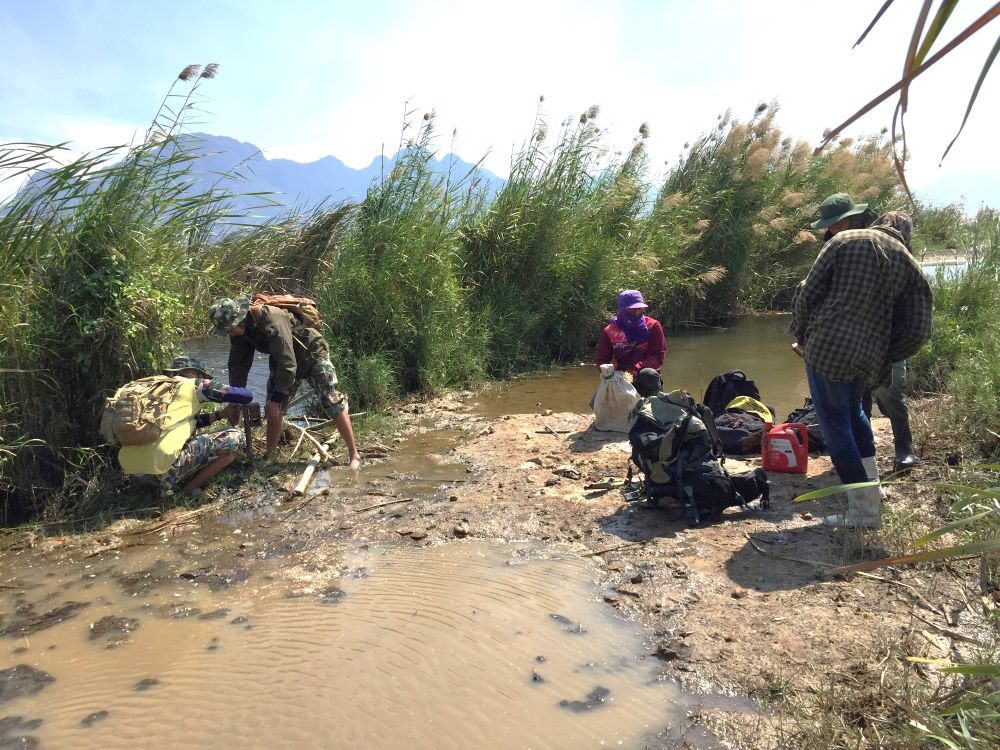
Asst. Prof. Dr. Naruemon concluded that the research results and the synergy between the Department of National Parks, Wildlife and Plant Conservation (DNP), the Zoological Park Organization of Thailand under the Royal Patronage, the Seub Nakhasathien Foundation, S.P.E.C.I.E.S., Panthera Southeast Asia and South Asia, and various academic institutions will serve as a concrete success model for Other Effective Area-Based Conservation Measures (OECMs). This is a key policy for the Royal Forest Department. Successfully conserving the Fishing Cat an apex predator in the wetland food chain signifies a win for wetland ecosystem management, providing both direct and indirect benefits to mankind.
Related News

‘Plant-Based Caviar’: KMUTT Students’ Food Innovation Clinches National Gold, Ready for Global Market Expansion

KMUTT Mechanical Engineering Students and Faculty Clinch Gold Medal from NRCT with Microchannel Heat Sink Innovation for Future Data Centers



