

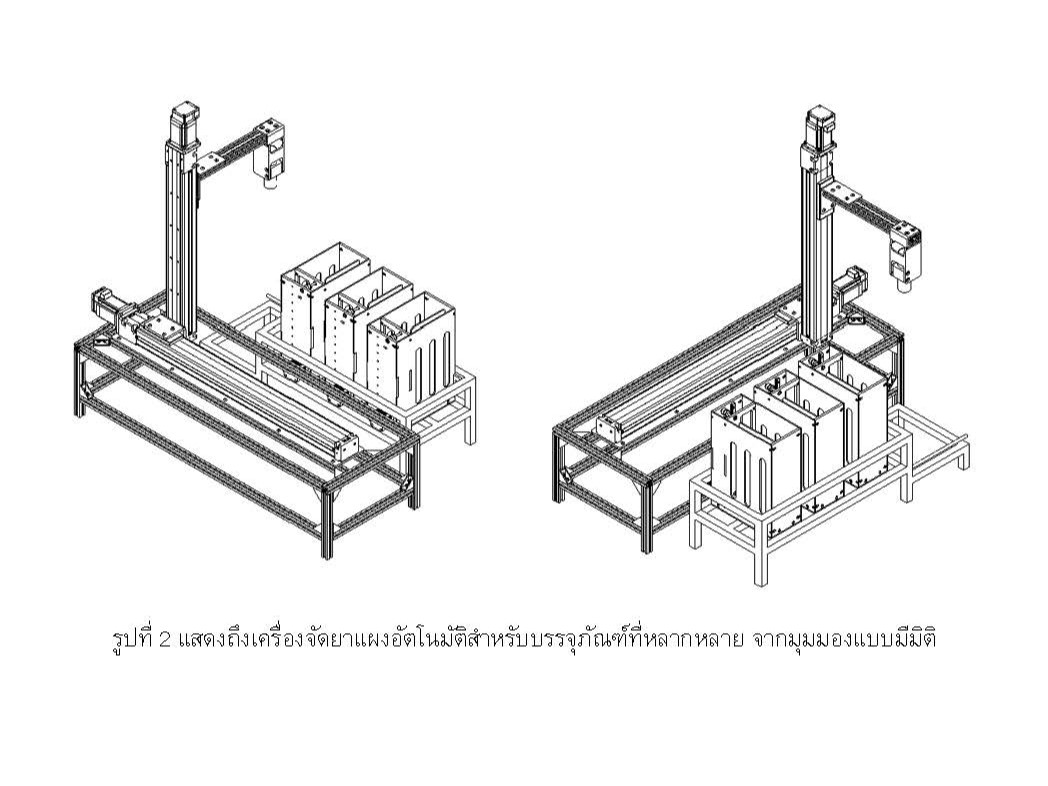
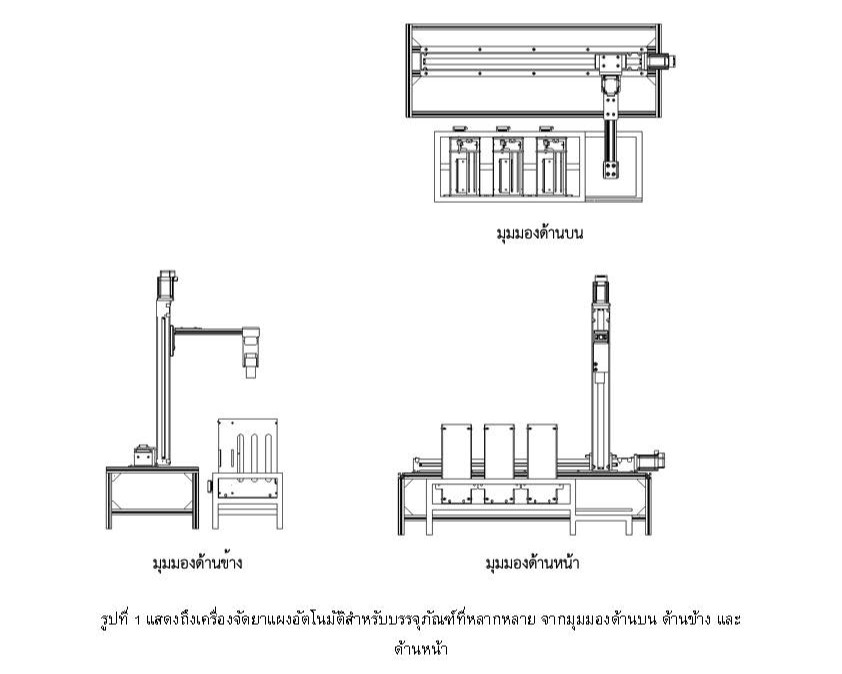
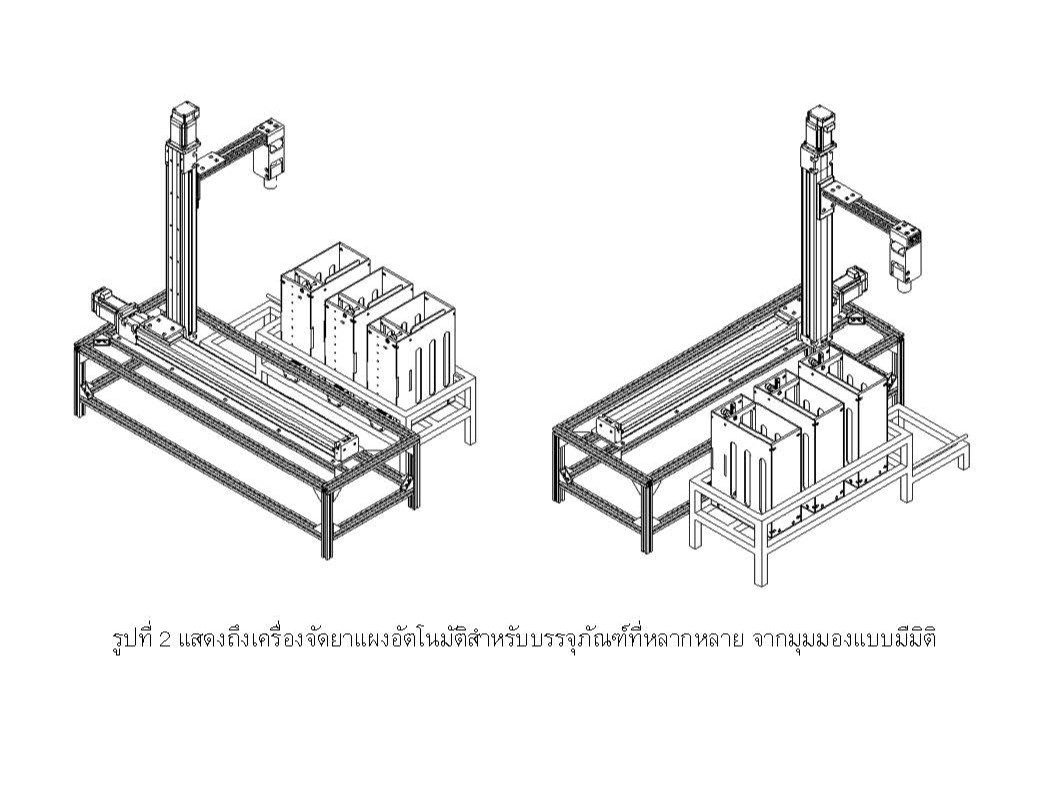
King Mongkut’s University of Technology Thonburi (KMUTT) has developed an “Automated Blister Dispensing Machine for Diverse Packaging,” designed to reduce medication errors and increase the efficiency of drug preparation, particularly during periods of high patient volume. This technology is protected under Petty Patent No. 22995 and is a collaborative result between Dr. Prakarnkiat Youngkong and Asst. Prof. Dr. Supachai Vongbunyong, faculty members from the Institute of Field Robotics (FIBO), KMUTT.
A common problem found in hospitals nationwide is the long wait time for prescriptions and medication errors, especially during peak periods such as the COVID-19 pandemic or the morning rush at large public hospitals. Dr. Prakarnkiat stated, “Dispensing medication during periods of patient congestion causes delays and errors. Implementing an automated system will help alleviate these issues.”
Furthermore, managing diverse medication packaging whether bottles, tablets, or foil packs increases the risk of errors in the dispensing process. For this reason, the research team developed the automated blister dispensing machine with consultations from physicians at Thailand’s leading hospitals, such as Chulalongkorn Hospital and Siriraj Hospital.
Regarding this dispensing machine, Dr. Prakarnkiat shared, “We developed the machine to handle a wide variety of packaging. For instance, it can dispense specific individual pills as needed instead of providing the entire blister pack, which helps reduce excessive medication usage.”
The machine’s highlight lies in its robotic control system, utilizing vacuum suction heads that grasp medication with high precision. The robot can adjust its operations to suit the characteristics of medication in various packages, ensuring accurate and efficient dispensing.
Currently, the dispensing machine has garnered interest from several companies and has been deployed in several leading hospitals, including Chulalongkorn Hospital, Siriraj Hospital, and provincial hospitals in Chiang Rai and Phitsanulok. This technology helps reduce the workload of medical personnel and lessens the risk of medication errors.
Looking to the future, Asst. Prof. Dr. Supachai added, “We are committed to expanding the adoption of this technology more widely to elevate medical service standards in hospitals across the country.”
Related News

‘Plant-Based Caviar’: KMUTT Students’ Food Innovation Clinches National Gold, Ready for Global Market Expansion

KMUTT Mechanical Engineering Students and Faculty Clinch Gold Medal from NRCT with Microchannel Heat Sink Innovation for Future Data Centers



