

In today’s world, biomass waste is becoming a major crisis. This is especially true for Thailand, an economy that relies heavily on the agricultural sector. Massive amounts of biomass including sugarcane bagasse, rice straw, oil palm residues, and other agricultural waste are either burned or discarded pointlessly. These practices lead to severe impacts on the environment and global climate.
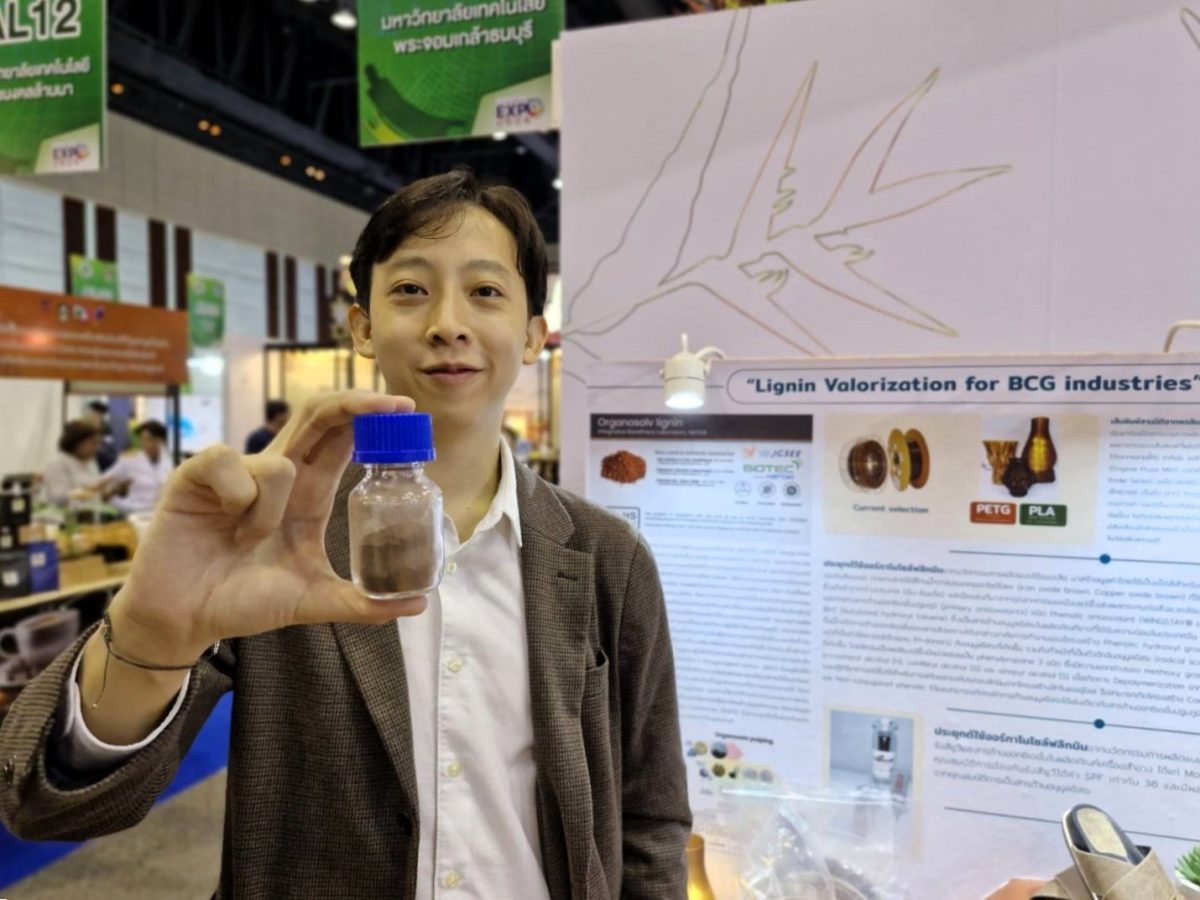
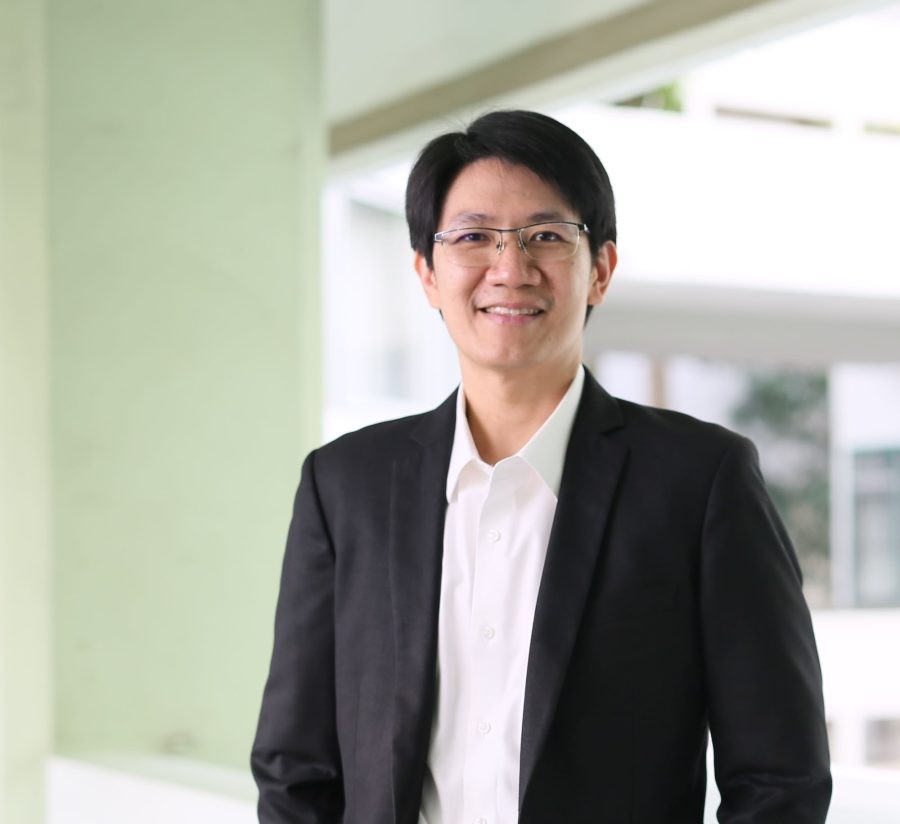
To address this issue, a research project titled “Development of Biomass Treatment Processes for Fractionation and Precipitation of Pure Lignin” was initiated. This is a collaborative effort between Prof. Dr. Navadol Laosiripojana, a faculty member of the Joint Graduate School of Energy and Environment (JGSEE) at King Mongkut’s University of Technology Thonburi (KMUTT), and Dr. Chayanon Chotirotsukon, a researcher from the Integrative Biorefinery and Bioproducts Research Group (IBBG) at the National Center for Genetic Engineering and Biotechnology (BIOTEC), under the National Science and Technology Development Agency (NSTDA).
“Biomass is not waste; it is a vital resource that can be processed for maximum benefit. We aim to create a balance between the economy and the environment,” stated Prof. Dr. Navadol Laosiripojana, the project leader.
Currently, biomass is utilized in various forms, such as energy conversion or the extraction of cellulose for paper pulp production. However, other components within biomass are often overlooked. One such component is Lignin, which accounts for up to 20% of biomass and holds high potential for diverse applications.
“Lignin is a key component in lignocellulosic biomass, possessing special properties such as UV absorption and antioxidant capabilities. However, due to its complex chemical structure, traditional extraction processes require harsh chemicals. Not only do these chemicals destroy lignin’s essential properties, but they also classify the resulting lignin as waste that is difficult to develop further. Therefore, the research team developed a new process using organic solvents that can effectively extract lignin while allowing the solvents to be recycled. This process is a Semi-Zero Waste system, ensuring high-purity lignin that fully retains its critical properties,” said Dr. Chayanon.
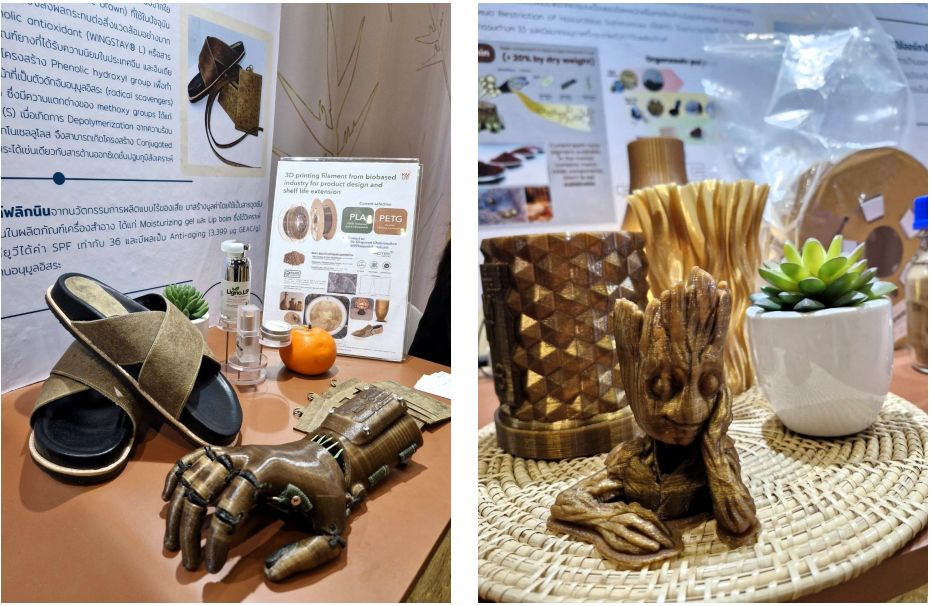
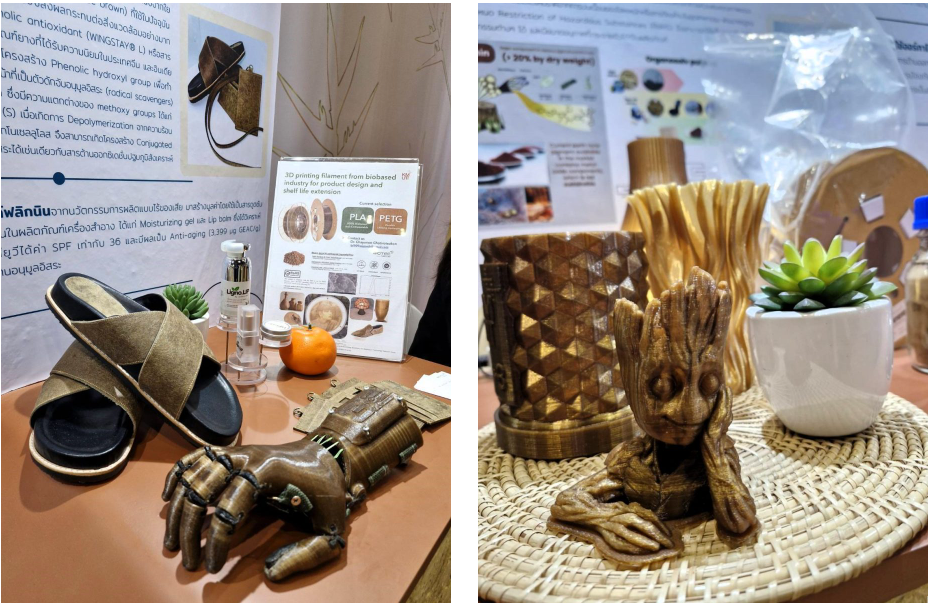
Through joint research at the BIOTEC-JGSEE Integrative Biorefinery Laboratory, the team discovered lignin’s potential in developing sustainable products across various industries:
- Green Packaging: By blending lignin with bioplastics like PLA (biodegradable plastic) and upcycled plastics like rPET (heat-resistant and highly flexible plastic), the team developed packaging that is UV-resistant and reduces degradation, meeting sustainability demands. This is ideal for products requiring high quality and UV protection.
- Natural Rubber: Lignin is mixed with natural rubber to increase durability and reduce degradation caused by moisture and oxygen. It can completely replace chemical antioxidants, resulting in 100% natural rubber suitable for tires and specialized rubber products.
- Beauty Industry: Lignin is used as an ingredient in foundation products. It provides a natural brown tone and UV protection with an SPF value as high as 36 without additional chemicals. It also possesses antioxidant properties that may help with anti-aging. The team is conducting further studies to confirm these in-depth results.
In addition to adding value to biomass, the research team is committed to reducing environmental impacts. Discarded or burned biomass often releases greenhouse gases like methane and carbon dioxide, which contribute to climate change. The lignin conversion process not only helps reduce these emissions but also creates higher income for farmers by selling agricultural residues at a better price.
In the future, the research team plans to expand the scope of their work to support “Zero Emission” goals and the Circular Economy. By maximizing the use of biomass, reducing waste, and increasing the potential for Thai entrepreneurs across various industries, the team envisions this approach driving structural economic change and supporting long-term Sustainable Development Goals (SDGs).
“Lignin is an example of biomass processing that doesn’t just reduce waste but creates new opportunities for Thai industry, both economically and environmentally,” Prof. Dr. Navadol concluded.
Related News

‘Plant-Based Caviar’: KMUTT Students’ Food Innovation Clinches National Gold, Ready for Global Market Expansion

KMUTT Mechanical Engineering Students and Faculty Clinch Gold Medal from NRCT with Microchannel Heat Sink Innovation for Future Data Centers



