

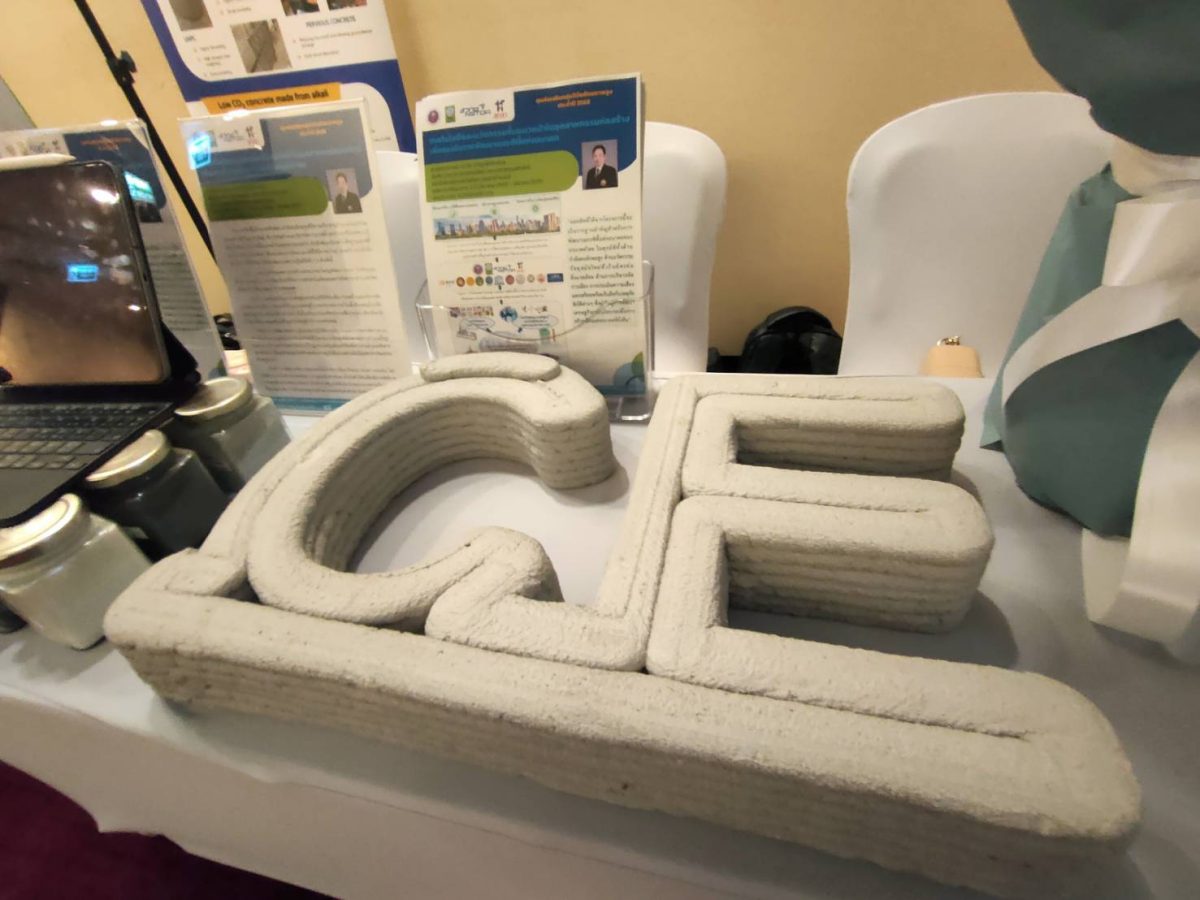
A Megacity is defined as a large metropolitan area with a dense population of 10 million or more. The growth of cities at this scale inevitably brings unavoidable challenges, especially if infrastructure management is insufficient. These include environmental issues and the complexity of disaster response. Developing high-level skills, knowledge, technology, and frontline innovation is the key to addressing these problems sustainably.
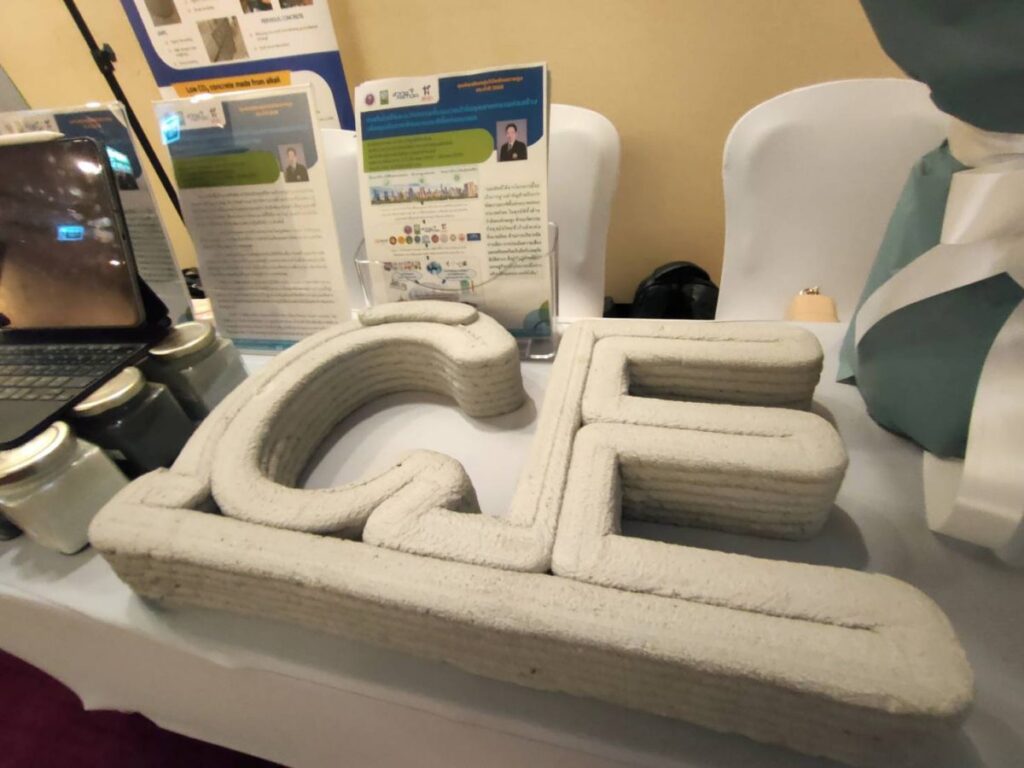
Professor Dr. Chai Jaturapitakkul, a faculty member of the Department of Civil Engineering, Faculty of Engineering at King Mongkut’s University of Technology Thonburi (KMUTT) and the Head of the research project “Frontline Technology and Innovation in the Construction Industry for Future Megacity Development,” stated:
“Thailand has Bangkok, which is already a megacity. Additionally, major economic cities like Chiang Mai and large industrial zones in the Eastern region have the potential to develop into megacities in the future. Managing the construction and development of these megacities requires a comprehensive approach, including the design and use of eco-friendly, low-carbon building materials, the development of Smart Mobility systems featuring intelligent traffic and eco-friendly transport, and the updating of relevant laws to align with the transition into large-scale urban centers.”
This project received a High-Potential Research Group Grant (2025) on June 18, 2025, from the National Research Council of Thailand (NRCT), under the Ministry of Higher Education, Science, Research and Innovation (MHESI), totaling 15 million THB. Combined with an additional 3 million THB from the Department of Civil Engineering at KMUTT, the total budget amounts to 18 million THB for a 3-year duration. The primary goal is to develop high-skilled human resources specialized in material technology and Artificial Intelligence (AI) for megacity construction and management. The project focuses on creating new knowledge in four key areas:
- New Material Technology and Future Construction: Focused on developing Green Technology for eco-friendly construction that reduces CO2 emissions while ensuring sustainability and durability, including research into materials for 3D Printing.
- Artificial Intelligence (AI) and Digital Technology for Construction and Management: Emphasizing the application of AI in water management, wastewater treatment, and waste issues.
- Technology for Disaster Mitigation: Covering both natural disasters (such as floods and earthquakes) and security threats (such as terrorism). This area focuses on advanced computational mechanics, modern sensing technologies, and Smart Data for managing large cities and developing warning systems for historic sites.
- Smart Mobility Technology: Focused on eco-friendly transportation such as rail systems, water transport, and urban transport management, including recommendations for improving safety standards for underground subway stations.
Assoc. Prof. Dr. Chainarong Athisakul, Director of the Civil Engineering Technology Project and Deputy Head of the Department of Civil Engineering at KMUTT, along with Assoc. Prof. Dr. Weerachart Tangchirapat, Head of the Concrete Laboratory, discussed the role of civil engineering in megacity development. They noted that the root of “Civil Engineering” refers to engineering for citizens and the city. Therefore, civil engineering plays a vital role in megacity growth. This project aims to continuously produce a new generation of high-level engineering personnel and innovative research to handle ever-changing urban problems. Specifically, it fosters a thinking process ranging from research questions to management. Even with funding or specific challenges, progress is impossible without personnel. Building people is essential to elevate the Thai construction industry to global competitiveness and align with long-term national policies.
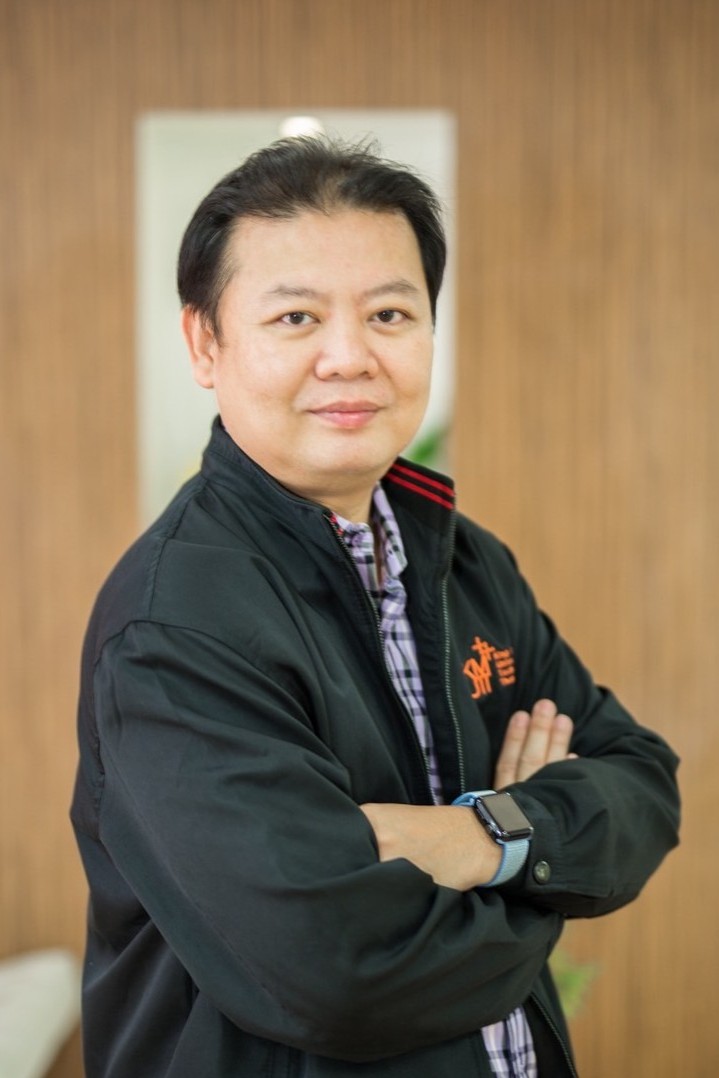
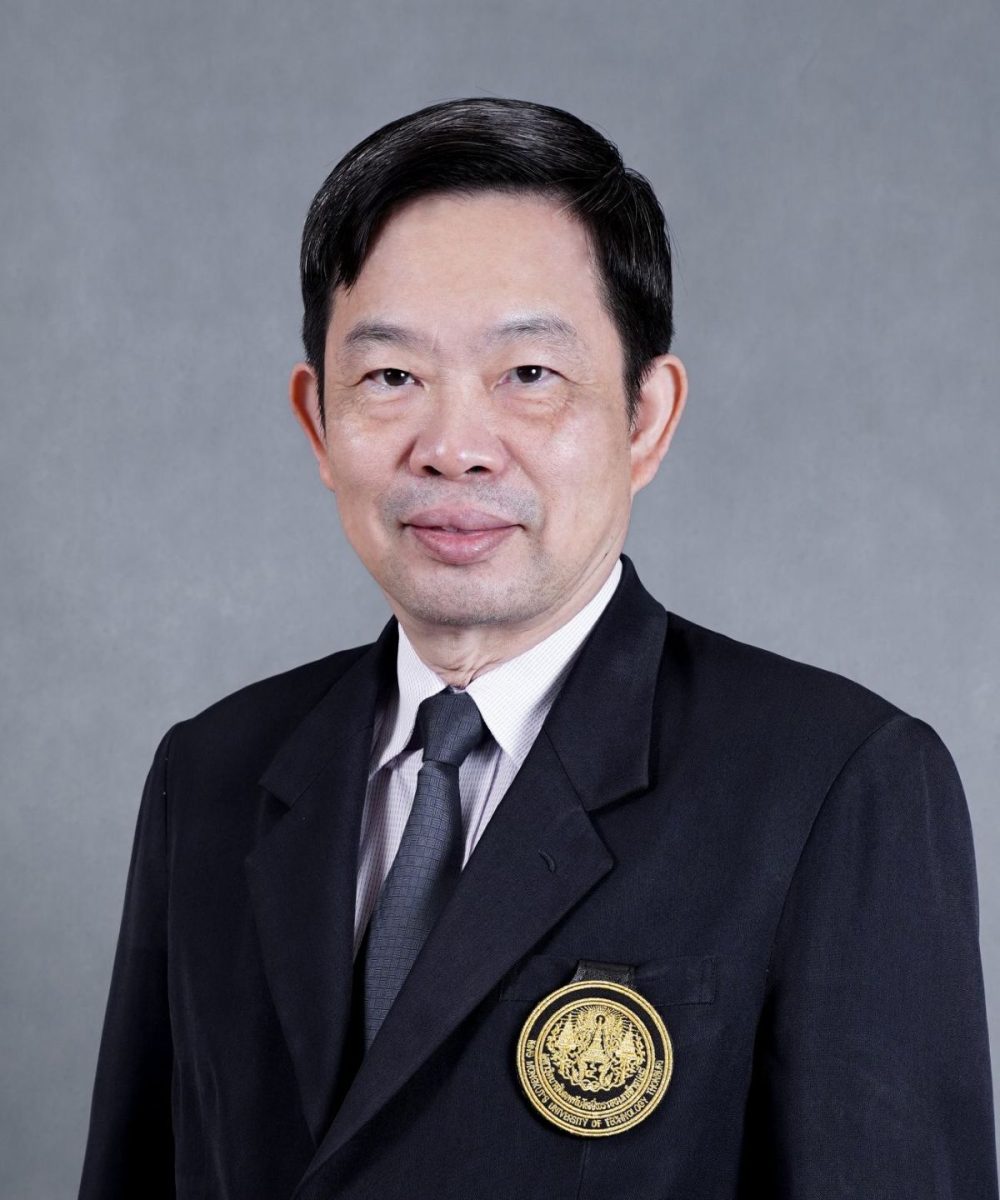
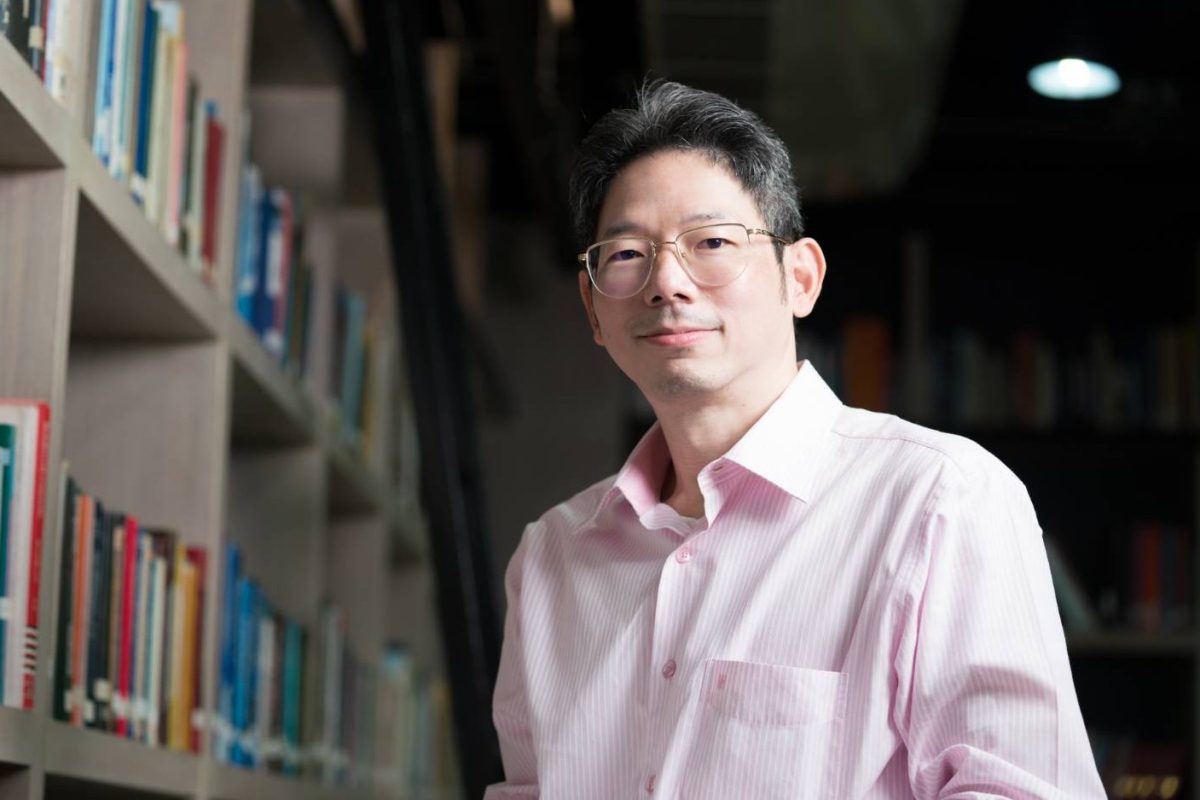
Professor Dr. Chai further added that Thailand has many civil engineering graduates, most of whom work in field operations or general construction. however, there are still few who conduct Advanced Research to establish standards, set directions, and solve complex academic and professional problems. Consequently, Thailand must focus more on developing advanced engineering. Advanced research involves more complex, profound, and comprehensive methodologies than general research typically conducted at the undergraduate level.
“The outputs of this project will serve as a vital foundation for Thailand’s future megacity development across all dimensions high-skilled manpower, modern eco-friendly material innovations, urban management, and risk assessment for disaster preparedness. This leads to the development of an economy and policies for creating sustainable cities of the future, in line with the Higher Education, Science, Research, and Innovation Policy and Strategy (2023-2027), Strategy 4: Developing manpower and institutions in science, research, and innovation to serve as a base for driving the country’s economic and social development leap and sustainability.”
Related News

‘Plant-Based Caviar’: KMUTT Students’ Food Innovation Clinches National Gold, Ready for Global Market Expansion

KMUTT Mechanical Engineering Students and Faculty Clinch Gold Medal from NRCT with Microchannel Heat Sink Innovation for Future Data Centers



