

“Snoring” is a silent warning sign far more serious than many realize. It serves as an alert for Obstructive Sleep Apnea (OSA), a global health issue particularly prevalent in males aged 30 and over, those who are overweight, or individuals with narrow airway structures. This problem does not only affect sleep quality but significantly increases the risk of heart disease, hypertension, diabetes, stroke, and road accidents caused by falling asleep at the wheel. In Thailand, research by the Department of Medical Services, Ministry of Public Health, found that as many as 10–30% of the population suffer from snoring at a level that impacts their health. This is especially true for working-age individuals or even teenagers with insufficient rest, who may experience repeated apnea episodes throughout the night. In severe cases, this can lead to acute heart failure and death.
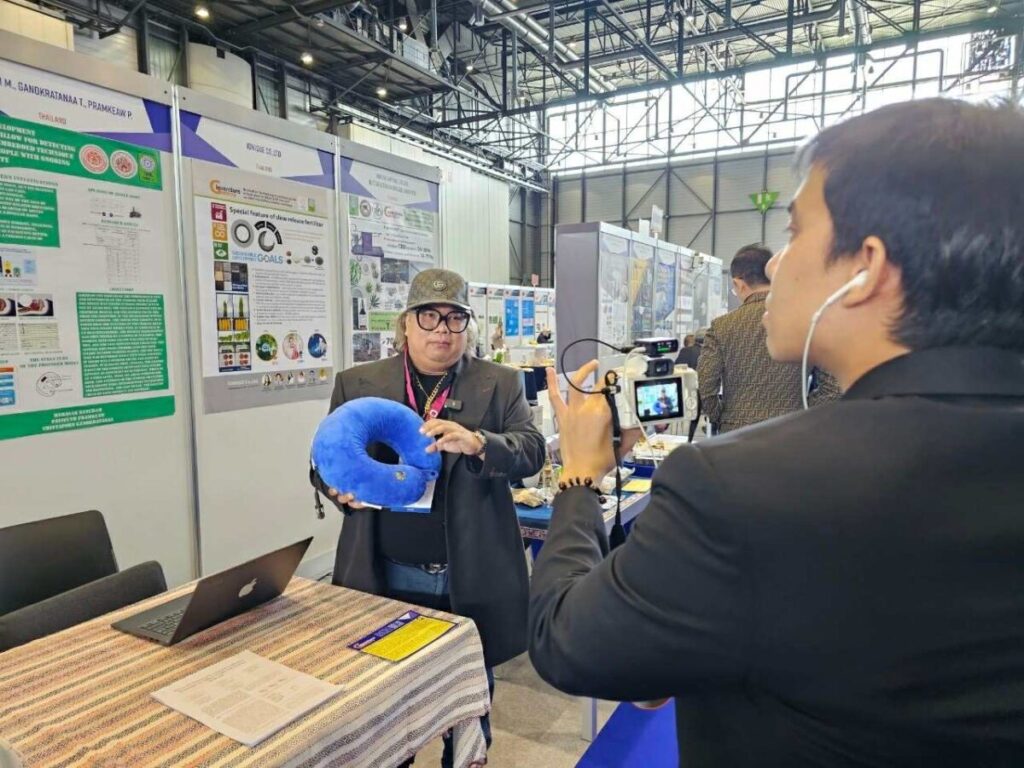
Addressing these chronic issues and the lack of effective preventive tools, Dr. Patiyuth Pramkaew, a lecturer from the Media Arts and Media Technology Program at the School of Architecture and Design, King Mongkut’s University of Technology Thonburi (KMUTT), and his research team developed a study titled “Design and Development of a Prototype Neck Pillow for Snoring Detection with Embedded System Techniques for Elderly People with Snoring Problems.”
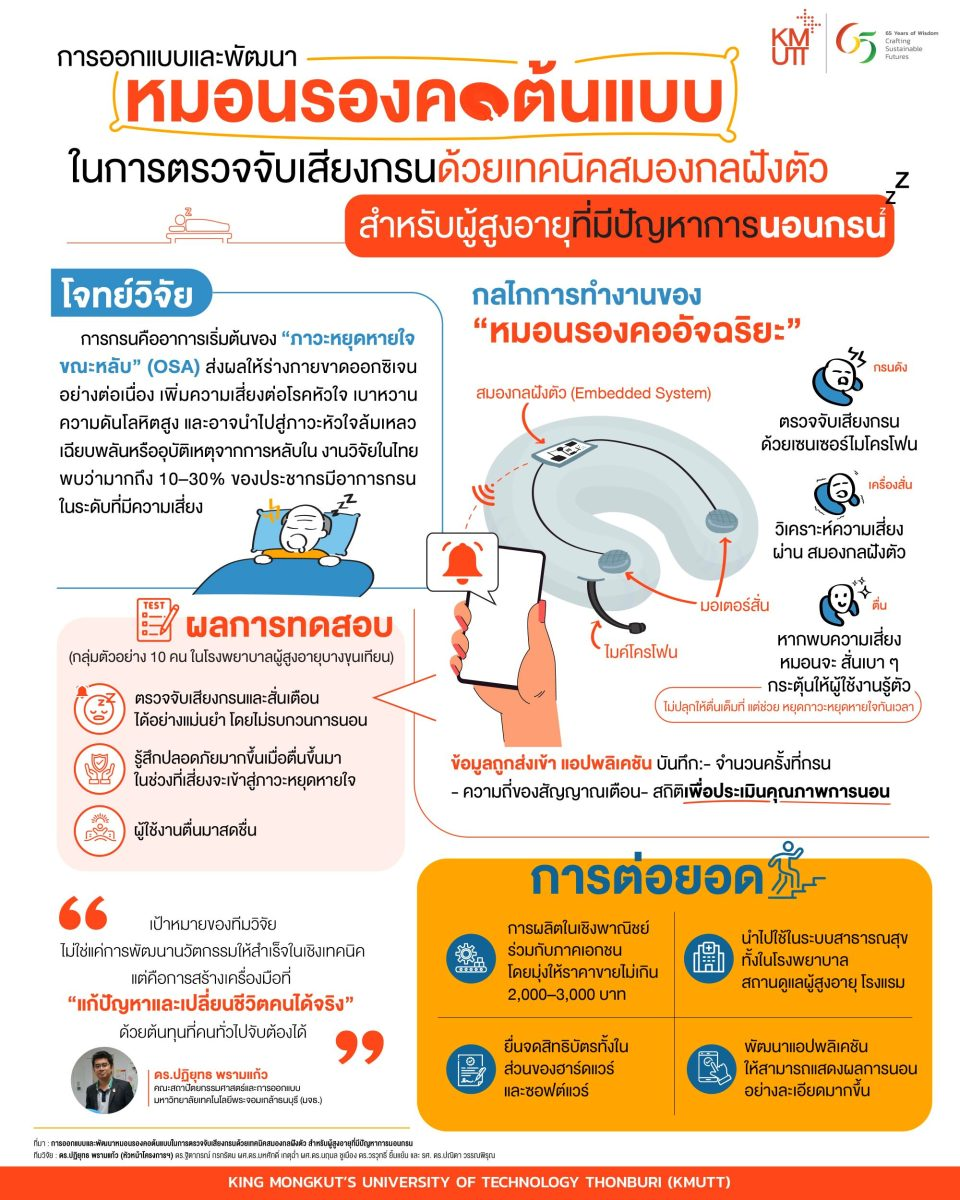
“What we have developed is an innovative ‘Smart Pillow’ designed to detect snoring and prevent obstructive sleep apnea in users. Using Embedded System techniques, the device can accurately analyze sound waves. It utilizes a microphone sensor to capture sound, which is then processed by a microprocessor. When the system detects snoring at a risky level, the pillow triggers a small motor to vibrate gently. This stimulates the user’s consciousness without fully waking them, effectively breaking the apnea cycle before it becomes dangerous. The entire system can display results via a connected application that records sleep statistics, snoring frequency, and the number of alerts triggered for the user,” said Dr. Patiyuth, the project leader, regarding the innovation’s mechanism.
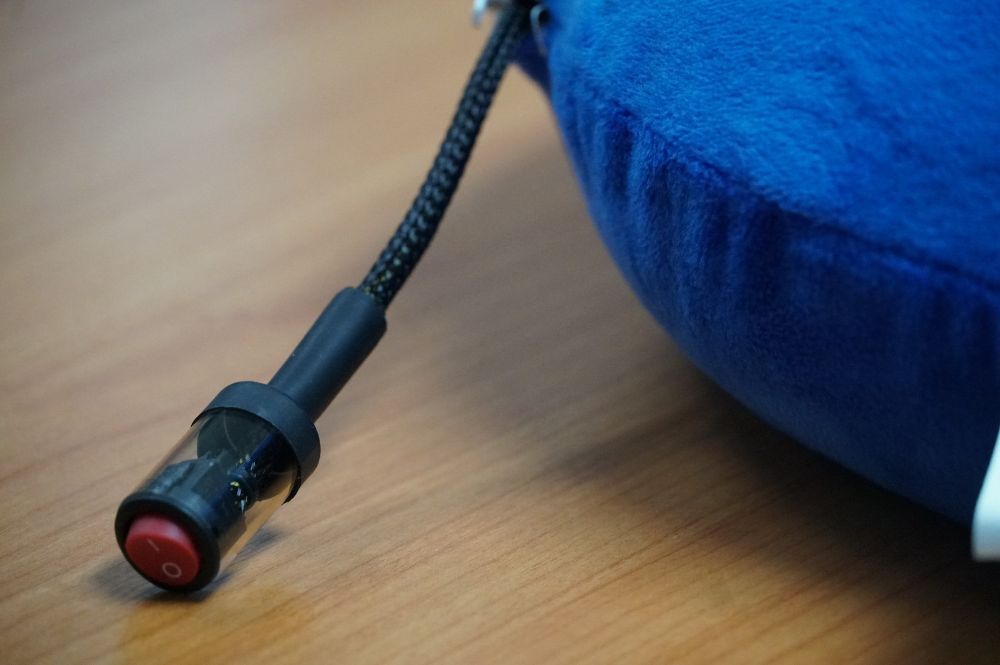
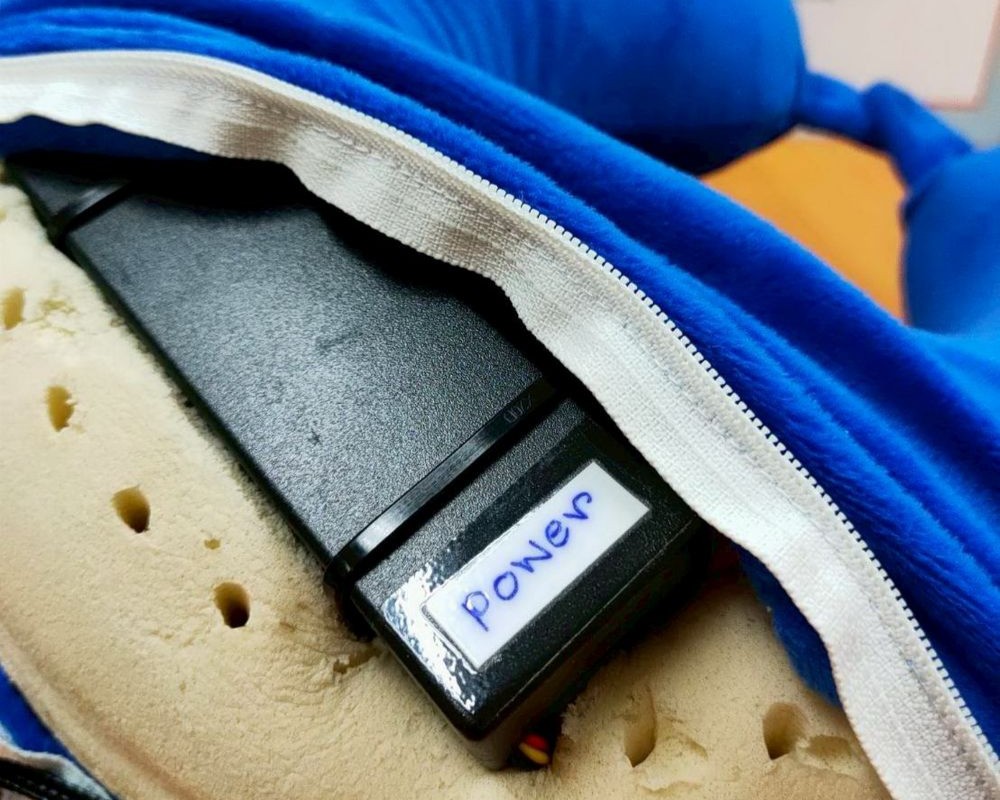
Dr. Patiyuth shared that the origin of this innovation began in a classroom five years ago while teaching a course on the Internet of Things (IoT) and embedded product design. Students started asking how they could use their knowledge to help others. This led to the first version—a regular pillow embedded with snoring detection sensors and a sleep-tracking app. However, the project reached a turning point when it was showcased at a faculty exhibition. A visitor approached the team and asked if the device could help those with sleep apnea during long-distance travel.
“This was the turning point for the innovation. The person we spoke with that day was a doctor from Bang Khun Thian Geriatric Hospital, who saw that our pillow would be immensely beneficial to patients if it could be used while traveling. Thus, the regular pillow evolved into the ‘Smart Neck Pillow,’ designed to be worn during journeys such as on airplanes or buses or even while sleeping at home, providing real-time snoring detection.”
The prototype was tested on a sample group of 10 working-age men with an average age of 30–35, all of whom are staff at Bang Khun Thian Geriatric Hospital. The results showed that the system could accurately detect snoring and trigger vibration alerts. Notably, none of the participants felt that the vibration disrupted their sleep. On the contrary, many felt safer knowing they would be alerted during high-risk apnea moments, allowing them to wake up feeling refreshed and reducing the risk of falling into a dangerously deep sleep unknowingly.
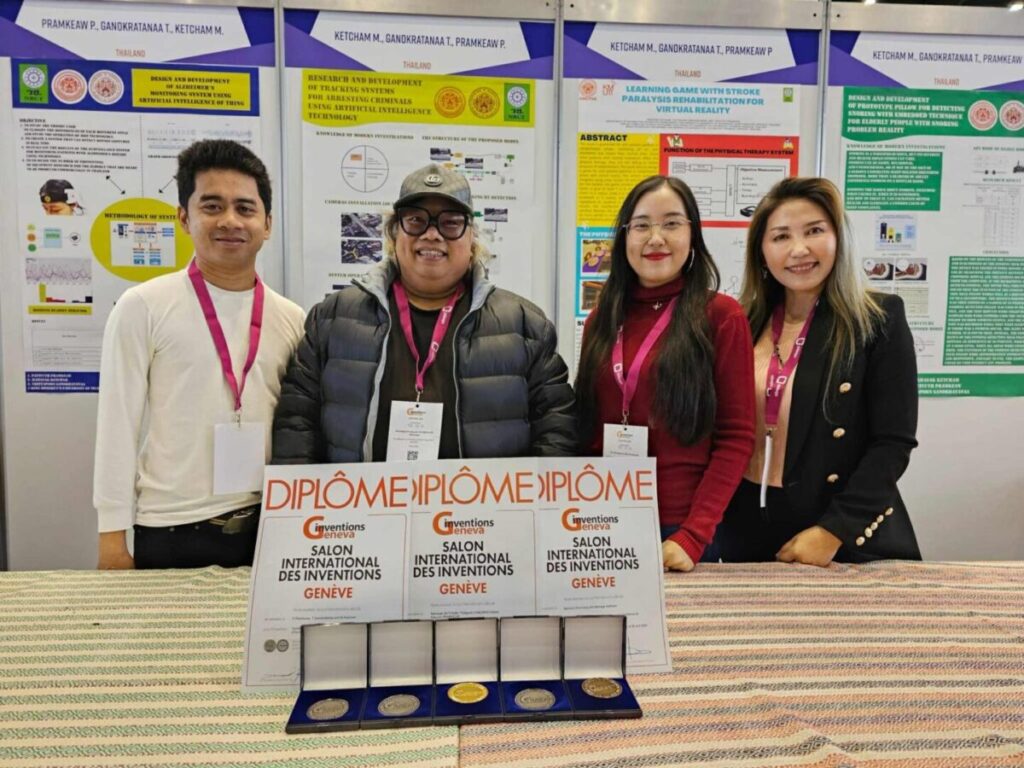
This research project received an award from the National Research Council of Thailand (NRCT) at the 2025 Invention Award competition. The research team includes:
- Asst. Prof. Dr. Thittaporn Ganokratanaa (KMUTT)
- Assoc. Prof. Dr. Mahasak Ketcham (KMUTNB)
- Asst. Prof. Dr. Narumol Chumuang (PBRU)
- Dr. Worawut Yimyam (PBRU)
- Prof. Dr. Panita Wannapiroon (KMUTNB)
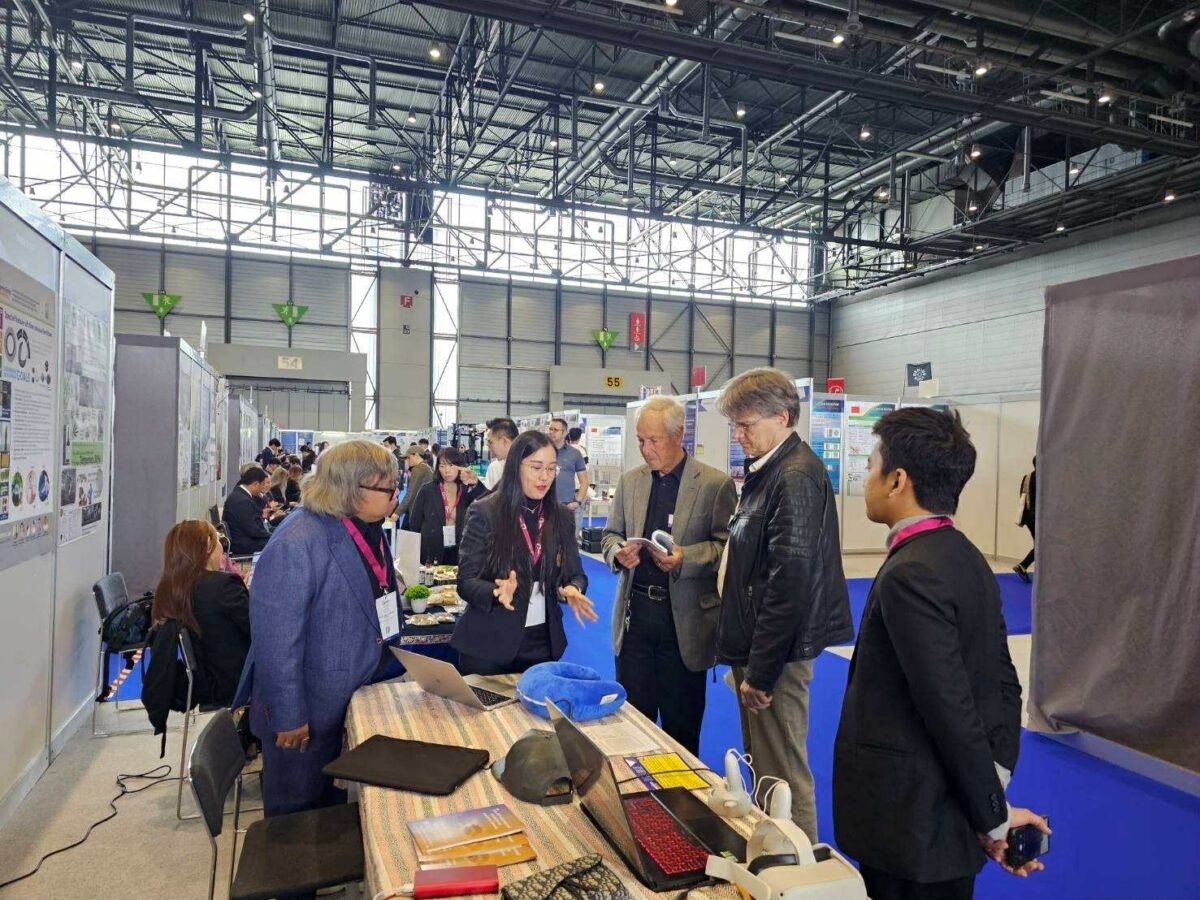
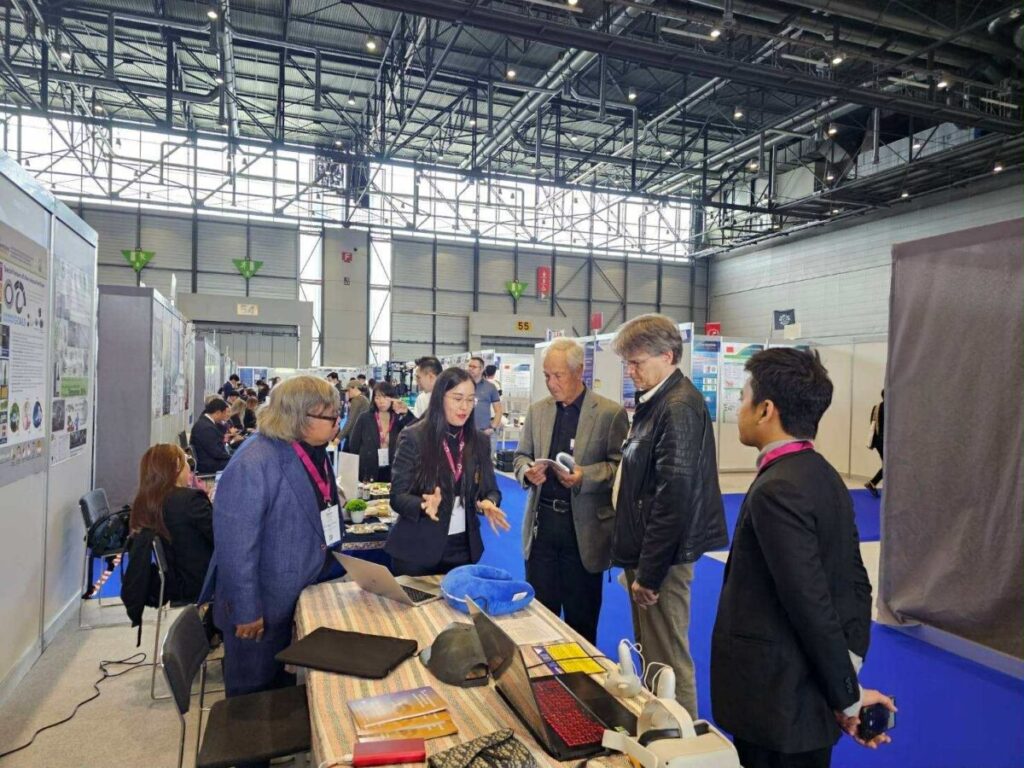
Furthermore, when the Smart Neck Pillow was exhibited on the international stage in Geneva, Switzerland, it garnered significant interest from visitors worldwide. Some individuals even offered to purchase the prototype for as much as 20,000 THB, despite its current prototype status.
In the next phase, the research team plans to commercialize the innovation in partnership with the private sector, aiming for a retail price of approximately 2,000–3,000 THB to ensure public accessibility. Future goals include integrating the technology into the public health system such as in hospitals, elderly care centers, and hotels as well as pursuing technical and legal developments, including hardware and software patents. The application will also be upgraded to provide more detailed sleep reports, including deep sleep statistics, apnea duration, and usage history to serve as a database for medical diagnosis.
Dr. Patiyuth stated that the team’s goal is not just to succeed technically but to create a tool that “truly changes lives” at an affordable cost. He believes that good technology does not need to be expensive; it simply needs to effectively solve real human problems.
For entrepreneurs or interested parties seeking further information on supporting this research or product development, please contact Email: patiyuth.pra@kmutt.ac.th (Note: The contact email has been corrected from the original text’s typo), Tel. 02-470-7600, King Mongkut’s University of Technology Thonburi (KMUTT).
Related News

‘Plant-Based Caviar’: KMUTT Students’ Food Innovation Clinches National Gold, Ready for Global Market Expansion

KMUTT Mechanical Engineering Students and Faculty Clinch Gold Medal from NRCT with Microchannel Heat Sink Innovation for Future Data Centers



