

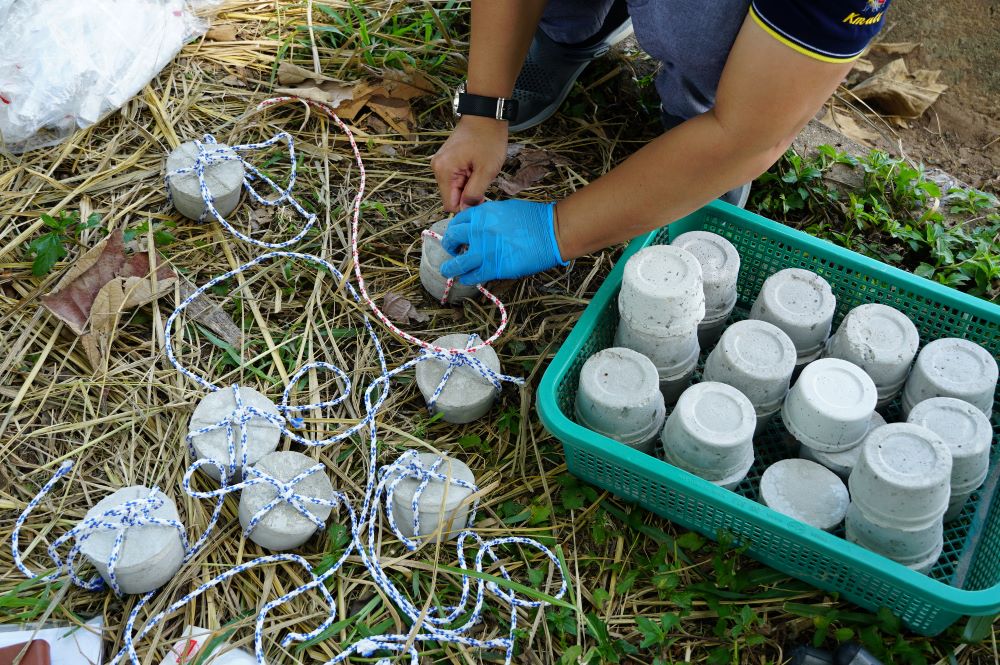
Saline soil and poor water retention are major obstacles for farmers in Thailand’s Northeastern region (Isan). Millions of years ago, this area was a sea, leaving behind rock salt layers in the groundwater. The soil is predominantly sandy, which retains very little water and nutrients. During the rainy season, rainwater seeps through the soil too quickly. Conversely, in the dry season, groundwater rises through soil pores, leaving salt crystals on the surface. This makes cultivation extremely difficult.
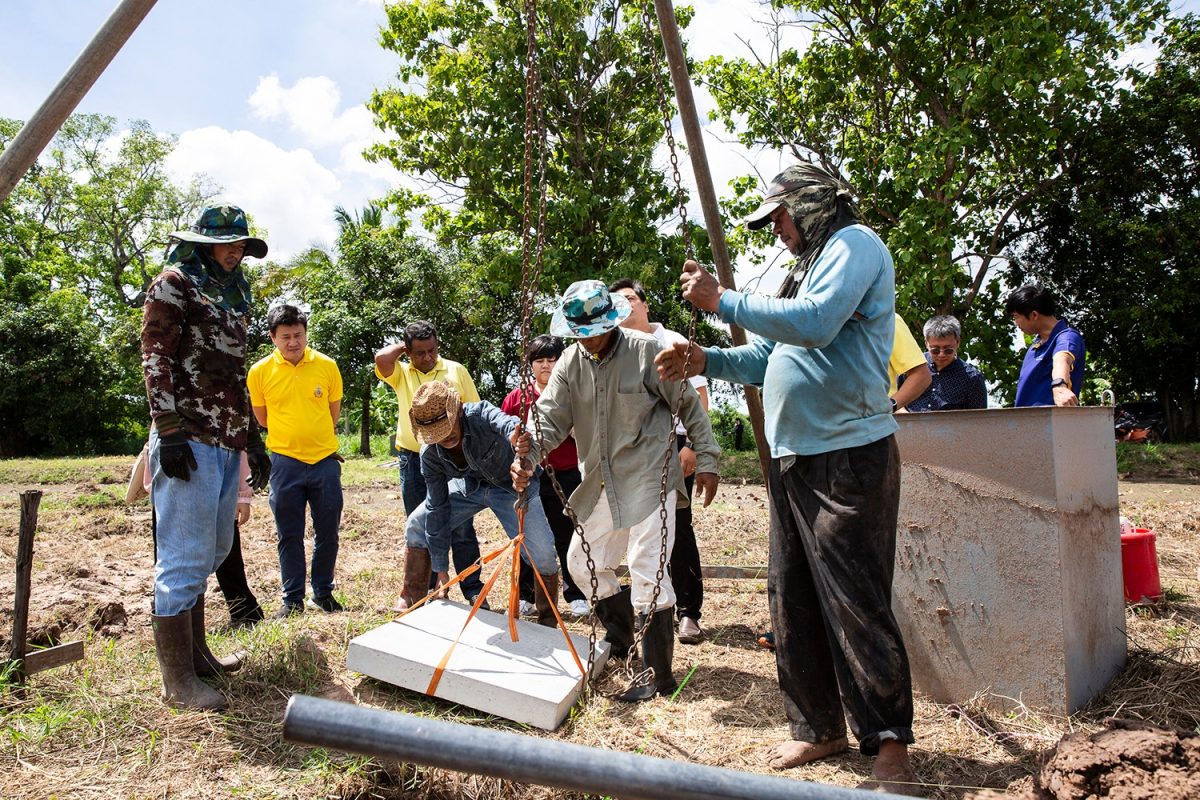
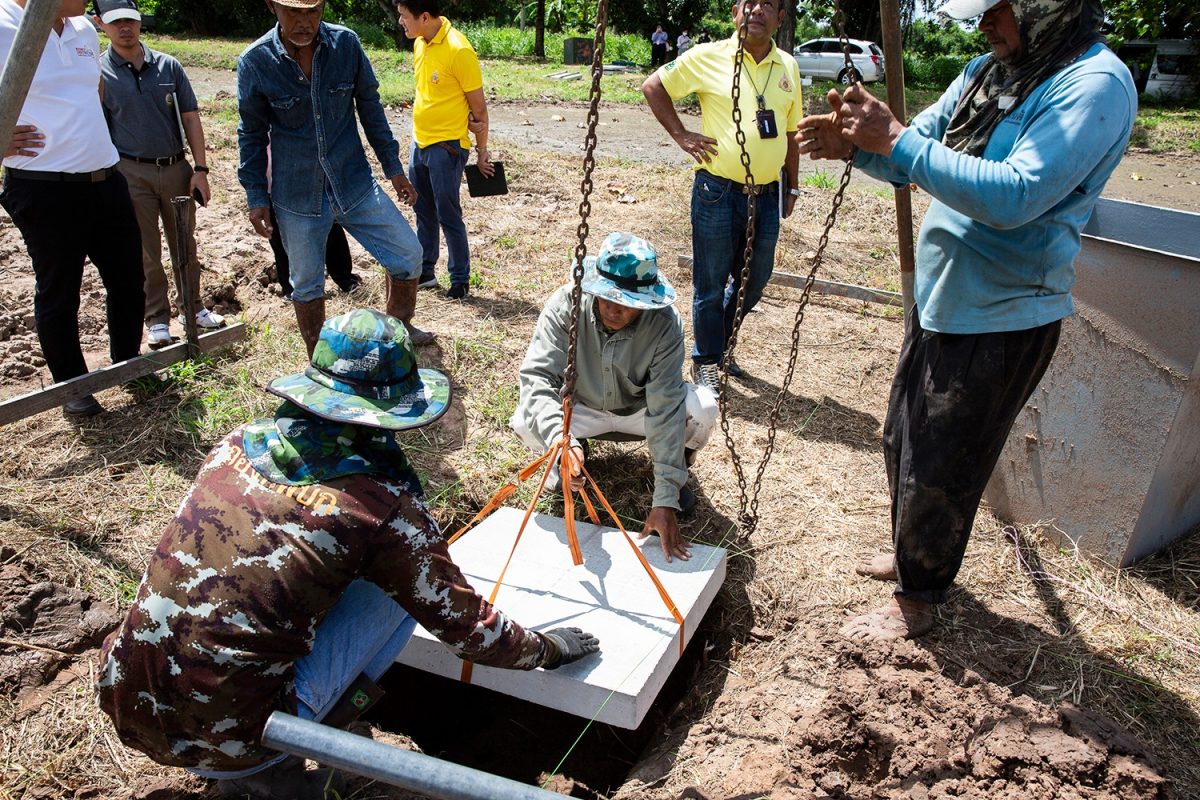
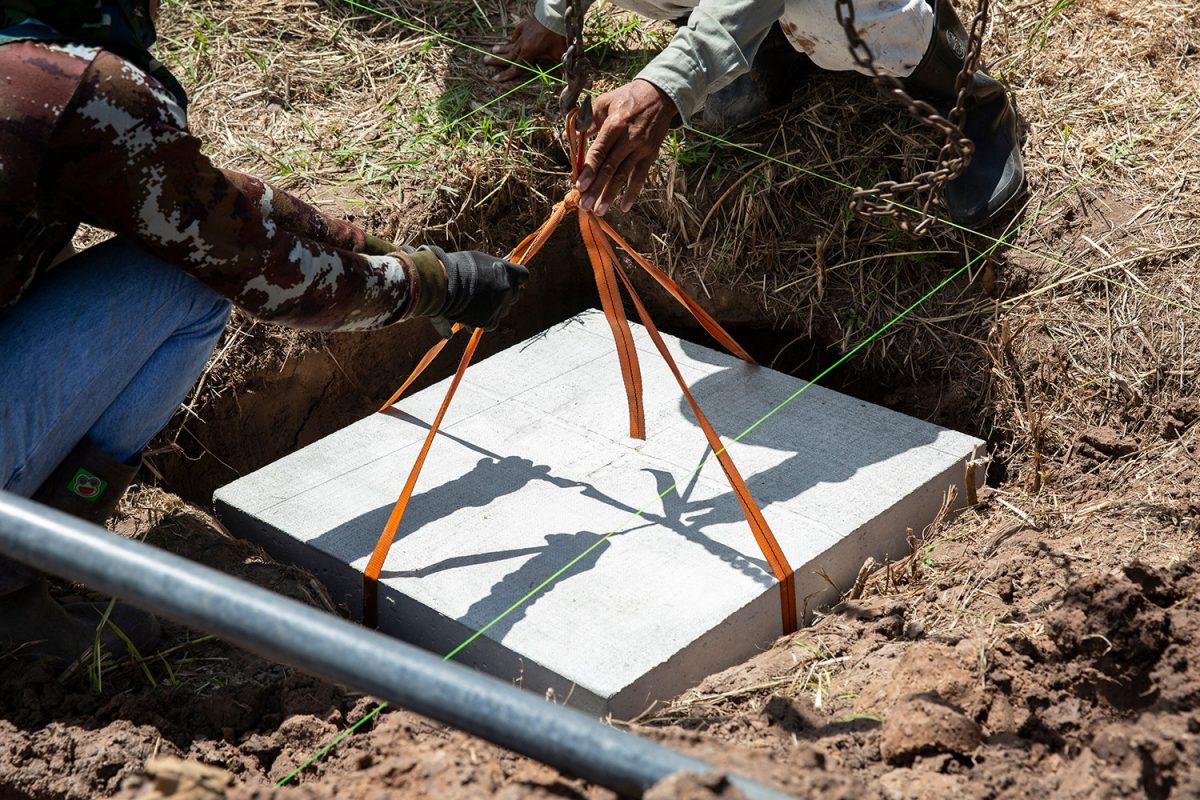
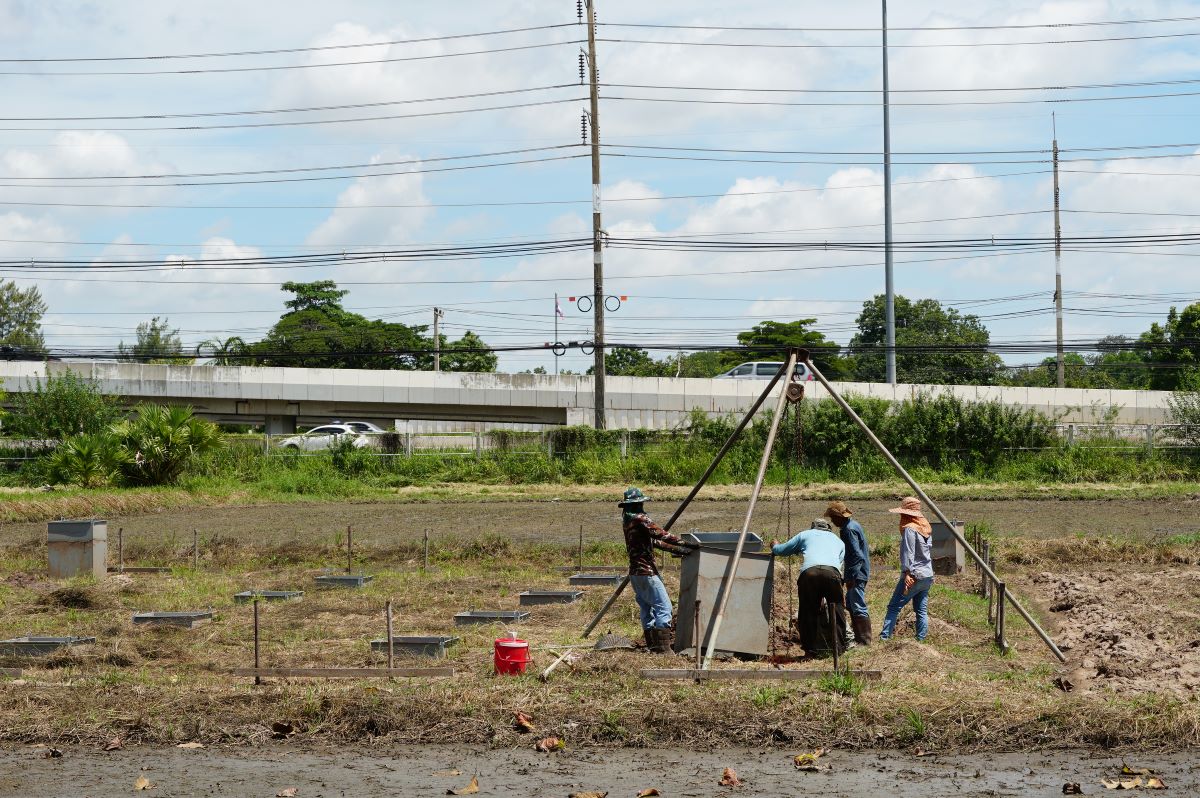
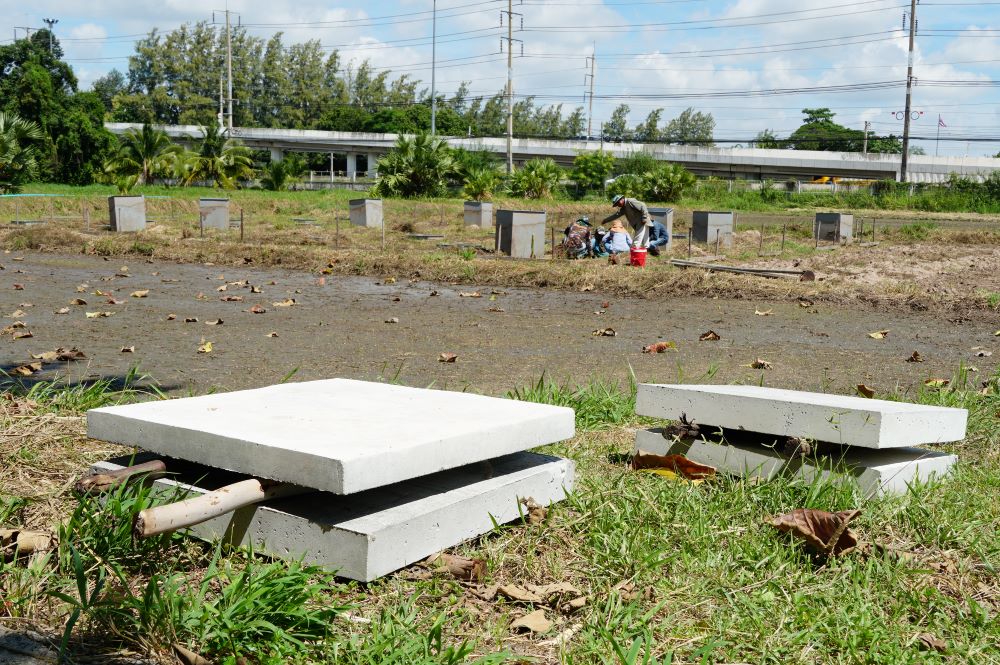
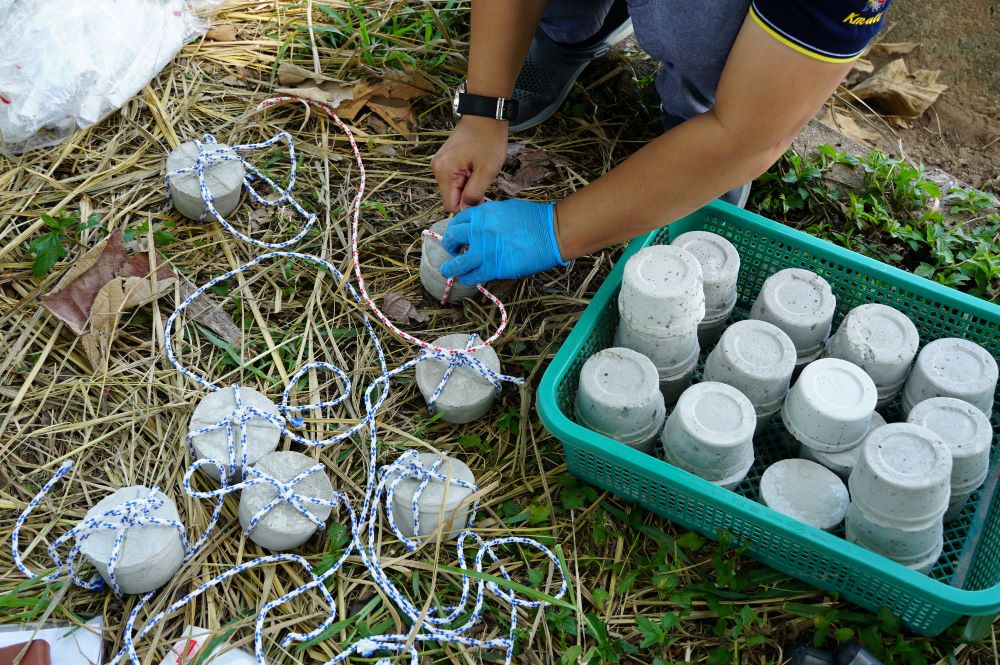
To address this challenge, the Office of Research and Development of the Royal Irrigation Department (RID), in collaboration with King Mongkut’s University of Technology Thonburi (KMUTT), launched the project “Study on Water Retardation Guidelines in Paddy Fields within Irrigation Areas through the Application of Bio-Cement.” The project aims to scale up solutions for soil salinity in rice paddies and water management in affected areas. Pilot tests are currently being conducted at the Irrigation Water Use Experiment Station 3 (Huai Ban Yang), Khok Kruat Subdistrict, Mueang District, Nakhon Ratchasima Province.
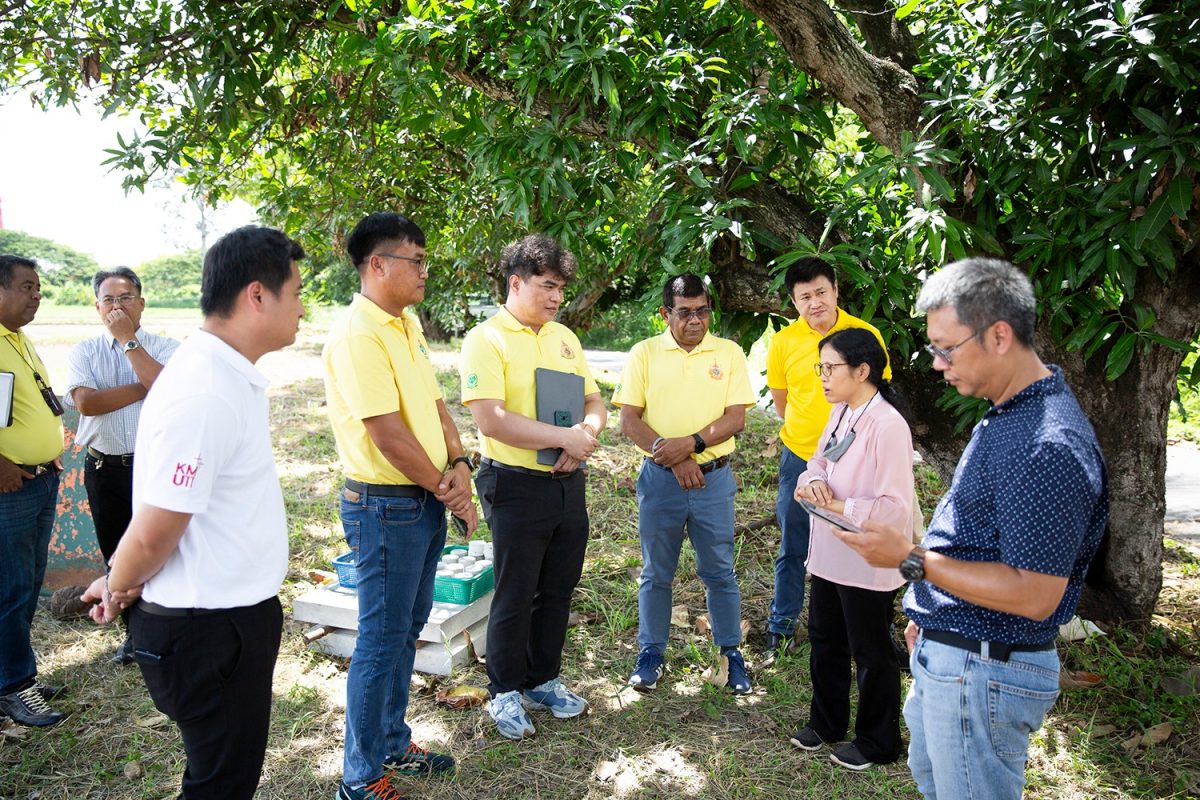
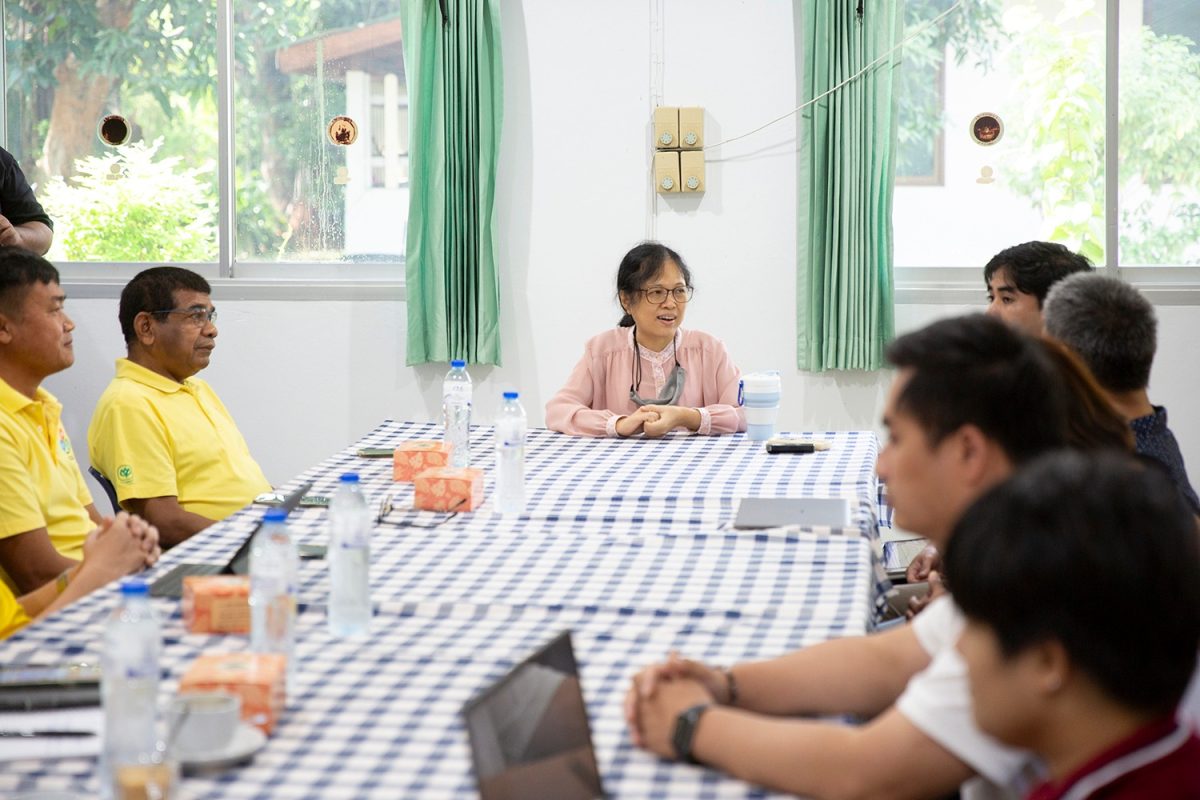
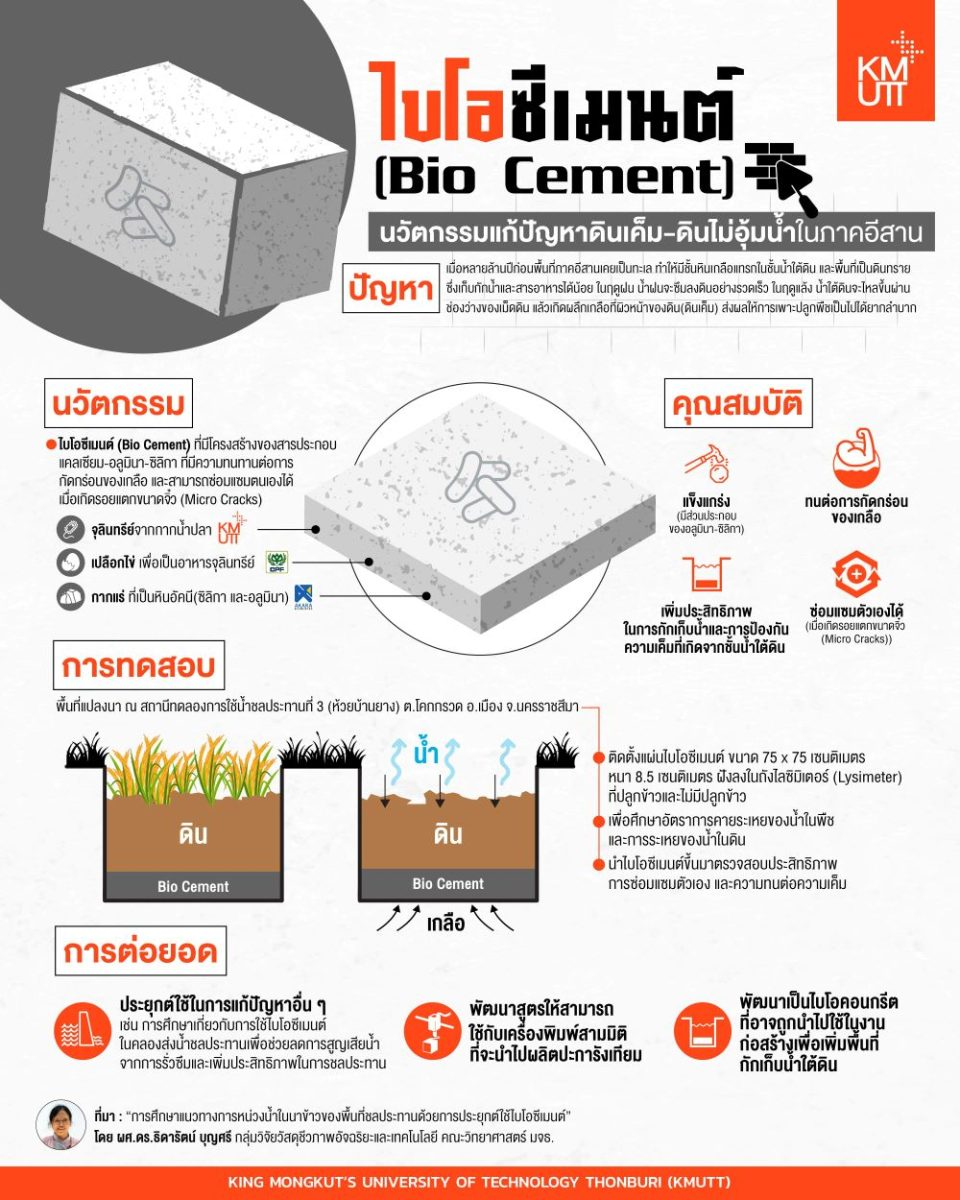
Asst. Prof. Dr. Thidarat Bunsri, a researcher from the Smart Biomaterials and Technology Research Group, Faculty of Science, KMUTT, stated that Bio-Cement is a type of cement produced by limestone-generating microbes. These specific microbes were selected from fish sauce waste to create cement that is both salt-resistant and self-healing. When integrated with geopolymer technology, the result is a strong, water-retardant material. Bio-Cement can retard rainwater during the monsoon and reduce salt intrusion during the dry season, enhancing water storage efficiency and blocking salinity from the groundwater.
The “Secret Formula”: From Industrial Waste to Innovation
The production of Bio-Cement slabs was made possible through the cooperation of private sector partners, utilizing:
- Eggshells: Residual waste from the hatcheries of CP Foods (CPF) Thailand Public Co., Ltd. in Chaiyaphum and Nakhon Ratchasima.
- Slag: Igneous rock waste containing vital minerals like Silica (SiO2) and Alumina (Al2O3) from Akara Resources Public Co., Ltd.
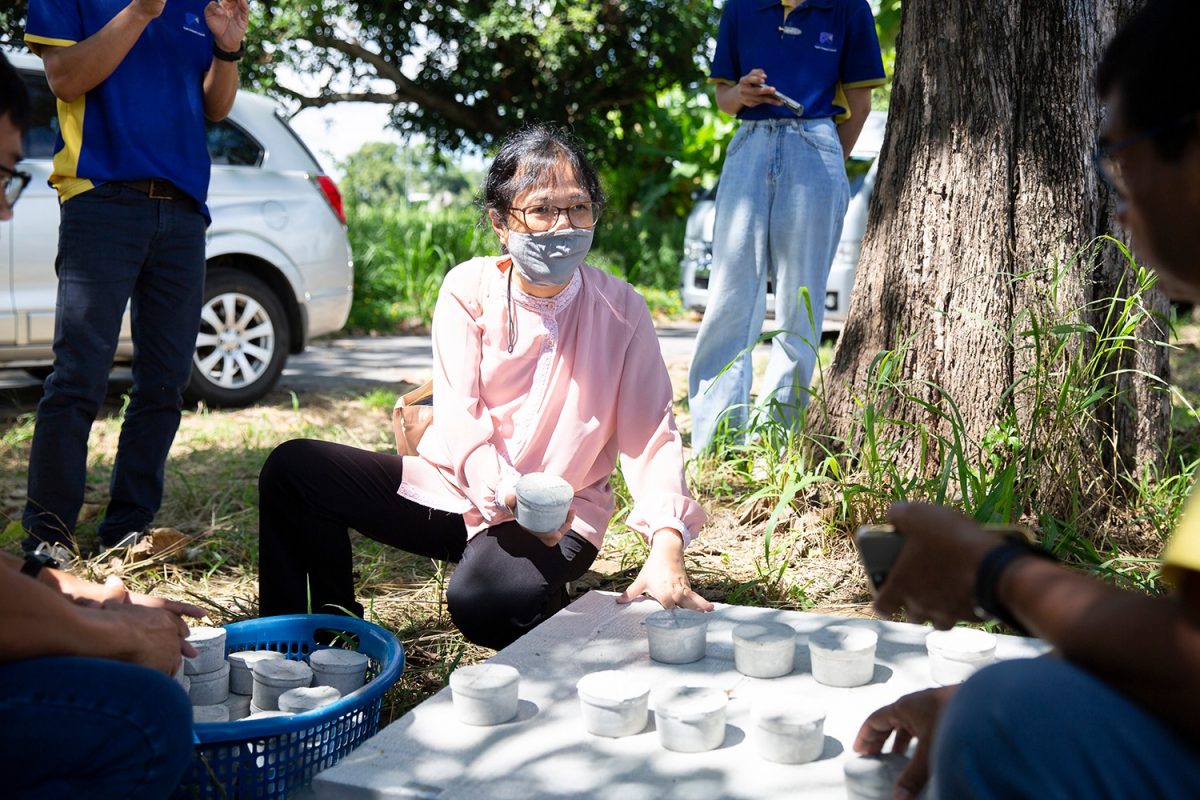
By mixing these materials with a microbial solution, a Bio-Cement with a Calcium-Alumina-Silica compound structure is formed. This material is highly resistant to salt corrosion and possesses a unique self-healing property. When micro-cracks occur, the microbes produce white crystals of Calcium Carbonate (CaCO3) to seal the cracks. This innovation can replace traditional cement slabs or HDPE plastic sheets, which are prone to degradation and contribute to microplastic accumulation in the soil.
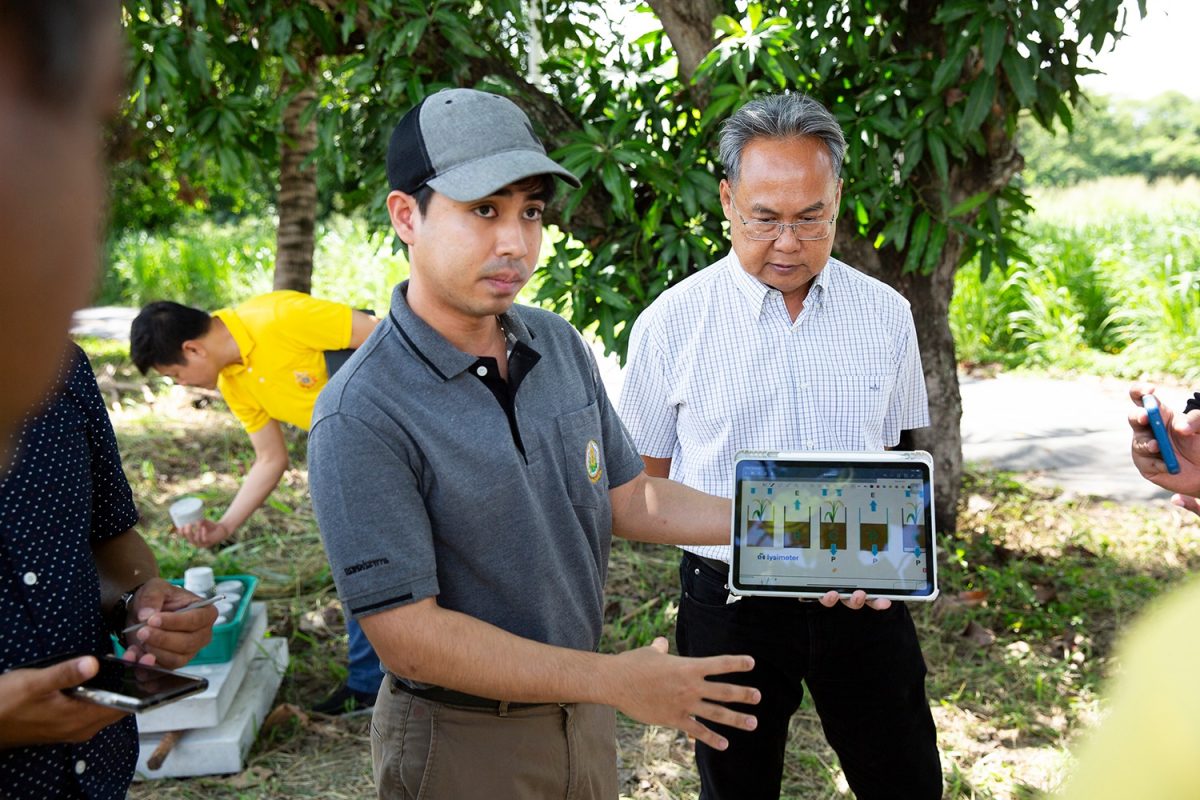
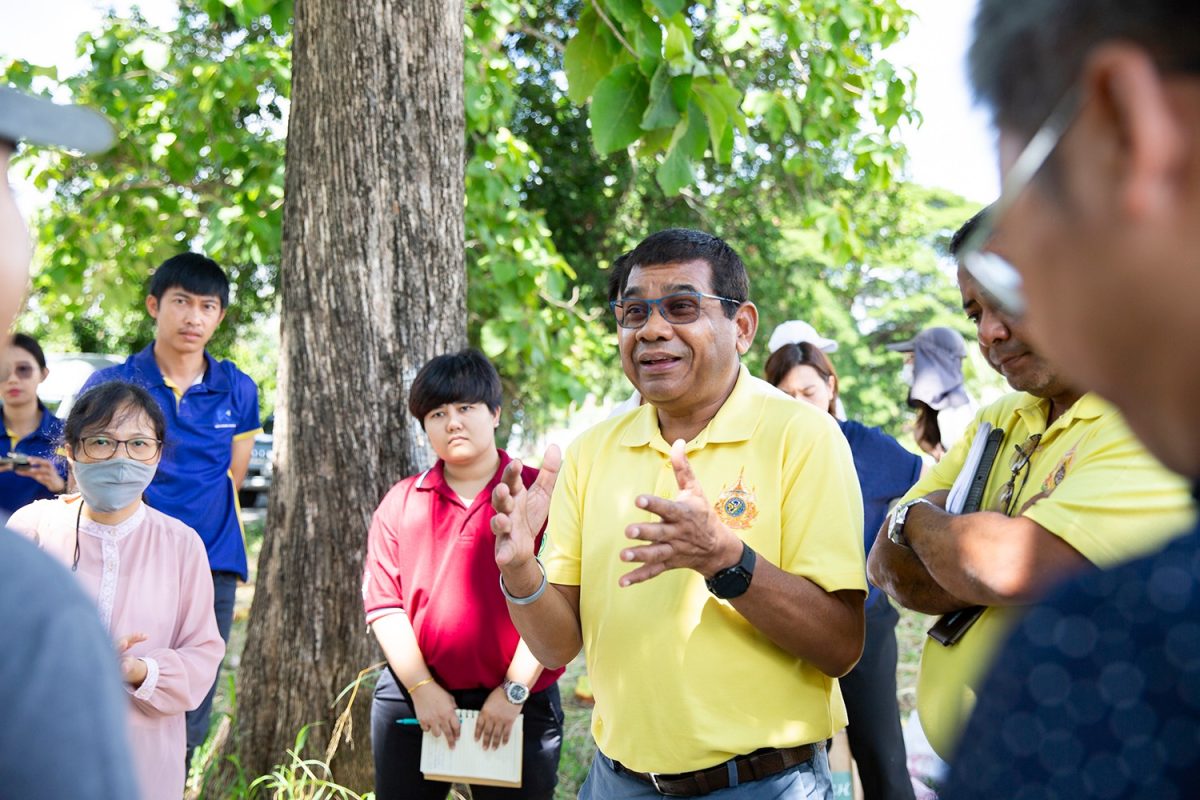
“This test involves installing Bio-Cement slabs (75 x 75 cm, 8.5 cm thick) into Lysimeters some planted with rice and others left bare to study plant evapotranspiration and soil water evaporation, respectively. We are also evaluating the cement’s efficiency in retarding water seepage and blocking ground salinity. The test will last one rice-growing cycle (approx. 4 months) before we retrieve the Bio-Cement to inspect its self-healing performance and salt resistance at every stage of cultivation,” said Asst. Prof. Dr. Thidarat.
Broad Industrial and Agricultural Support
Mr. Peerawat Phungphaphat, a Civil Engineer from the RID’s Office of Research and Development, added: “If successful, Bio-Cement could be applied to irrigation canals. Its self-healing property would significantly reduce water loss through leaks and improve overall irrigation efficiency.”
Mr. Phuriwit Sangsiri, Assistant Science and Health Manager at Akara Resources Public Co., Ltd., expressed support: “Our mining operations produce slag as a byproduct, which can strengthen Bio-Cement. We are fully supportive and honored to help solve local issues.”
Mr. Wichet Chuythong, Associate Director of the Broider Parent Stock Business (Broiler 1) at CP Foods (CPF), shared: “While some local farmers already use our eggshells to enrich soil, this is the first time they have been used as ‘food’ for microbes to heal and strengthen Bio-Cement. We are proud to contribute to this innovation and are ready to provide eggshells from our hatcheries nationwide for further research.”
Future Prospects: 3D Printing and Water Treatment
Looking ahead, Asst. Prof. Dr. Thidarat noted that the project could evolve into:
- 3D Printing: Using Bio-Cement to print artificial reefs.
- Bio-Concrete: Developing groundwater storage infrastructure.
- Water Treatment: Coating Bio-Cement with Manganese and Zinc to treat household wastewater, allowing it to be recycled for agriculture during water shortages.
This project is a significant leap in agricultural technology, fostering sustainability and environmental friendliness. While currently in the research and testing phase, it is expected to be expanded to other areas in the near future.
Related News

‘Plant-Based Caviar’: KMUTT Students’ Food Innovation Clinches National Gold, Ready for Global Market Expansion

KMUTT Mechanical Engineering Students and Faculty Clinch Gold Medal from NRCT with Microchannel Heat Sink Innovation for Future Data Centers



