

“Oil-degrading microbes” are specialized microorganisms capable of “eating” oil. While they are commonly used to treat oil spills in oceans and natural water sources, they are also utilized to eliminate oil contamination in industrial wastewater. However, the current method typically involves scattering microbial powder onto the water surface in treatment ponds and waiting for oil levels to meet legal standards before discharge. Although these microbes are environmentally safe, the recurring cost of purchasing new microbial powder for every treatment cycle since the used powder cannot be recovered limits the widespread adoption of this biological solution in the industrial sector.
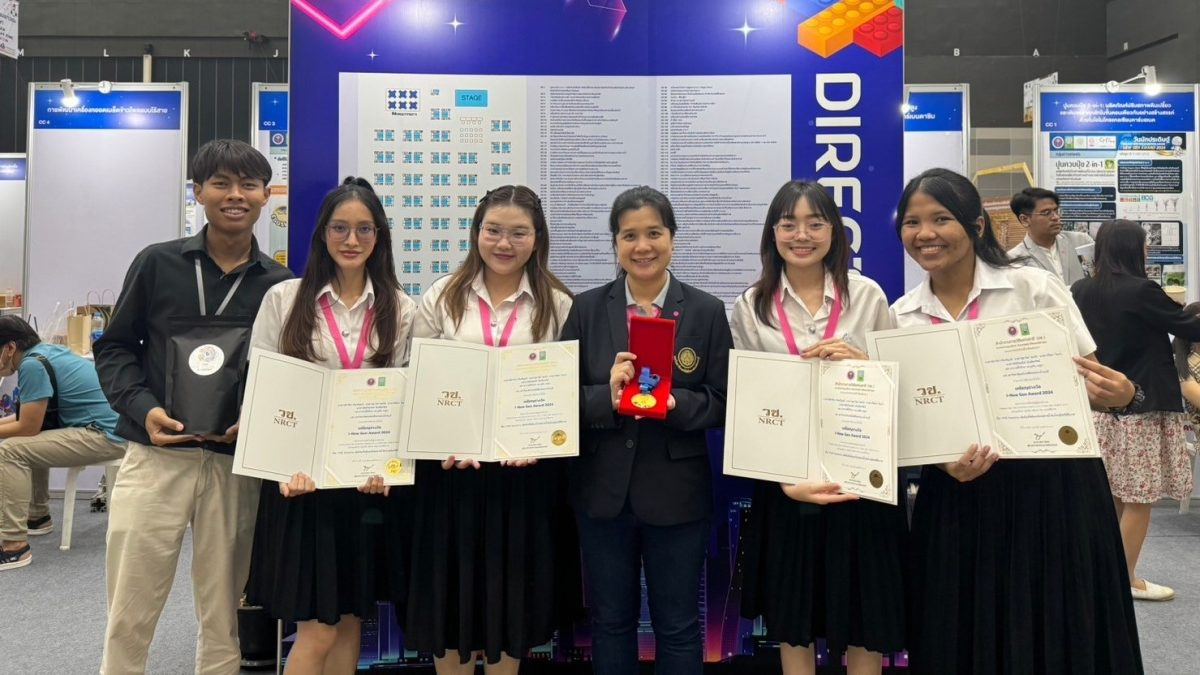
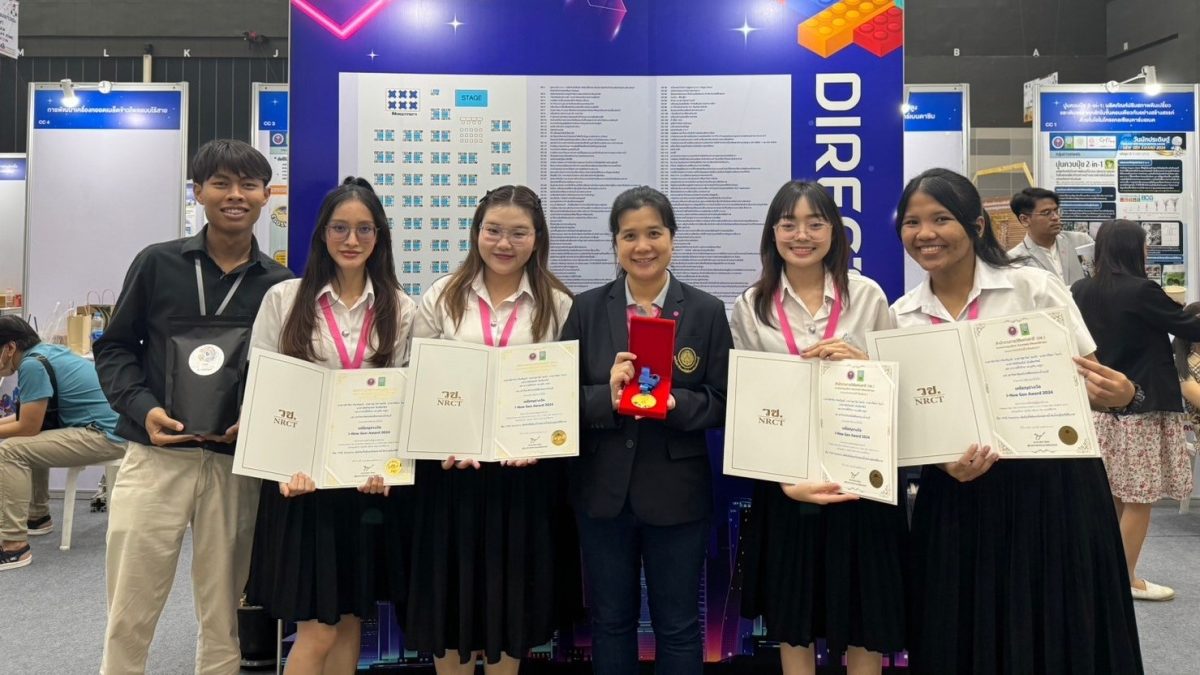
This challenge led to the creation of the “POD Economy: Biological Oil-Degrading Polymer Product,” developed by four third-year undergraduate students from the Department of Microbiology, Faculty of Science at King Mongkut’s University of Technology Thonburi (KMUTT). The team includes Ms. Nisarat Wangcharoenmanee (Fah), Ms. Chudawan Somwang (Babymild), Ms. Nippichanan Ngoenphoemsap (Ming), and Ms. Wijittra Jaikaew (New). Their project secured the Gold Medal in the Energy, Materials, and Biochemicals category at the Thailand New Gen Inventor Award (I-New Gen Award 2024), organized by the National Research Council of Thailand (NRCT).
The “Coffee Pod” Analogy for Wastewater Treatment
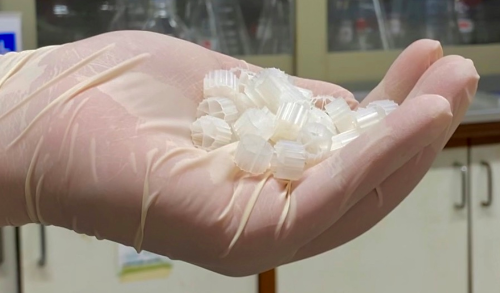
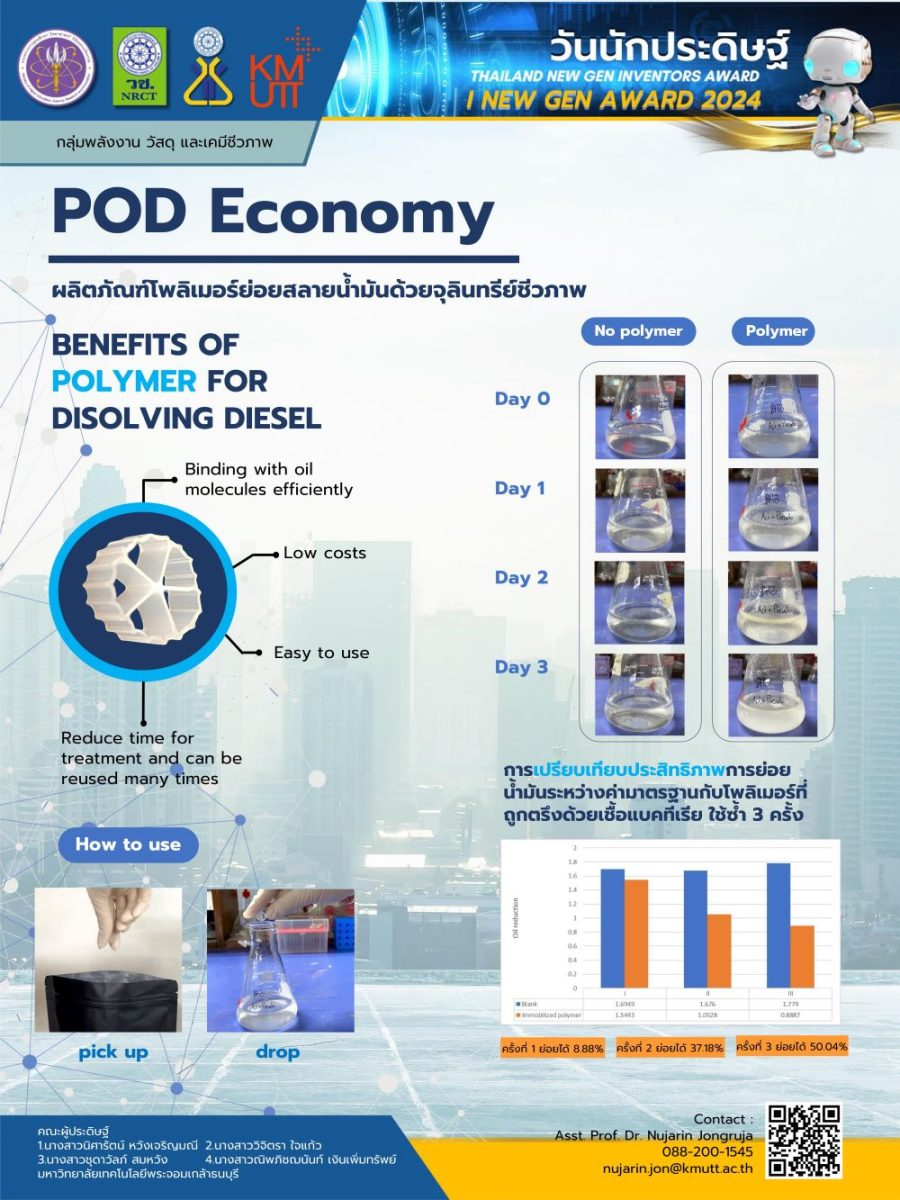
Nisarat (Fah) explained that if wastewater treatment were compared to making coffee, traditional microbial powder is like instant coffee that is consumed once and gone. In contrast, their POD Economy (Polymer for Oil Degradation) acts like a reusable coffee pod or a tea bag that can be brewed multiple times. The team’s primary breakthrough was finding a way to immobilize the microbes onto a polymer surface.
“By studying natural microbial strains discovered by doctoral seniors in our department that possess exceptional oil-degrading properties, and utilizing Immobilization techniques to fix microbes onto synthetic surfaces, we developed the idea: if we could make these microbes live on the surface of a floating material with a high surface-area-to-volume ratio, we would create a product that is uniquely reusable,” said Nisarat.
The Science Behind POD Economy
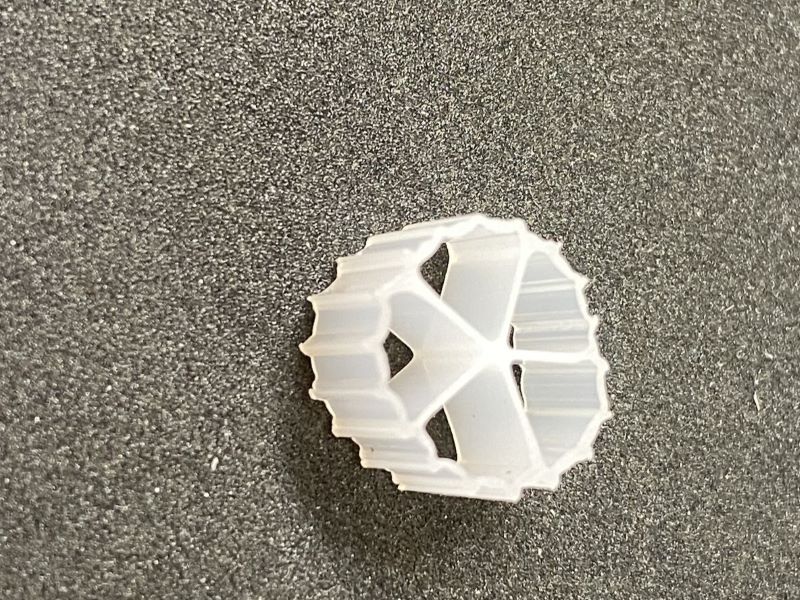
Chudawan (Babymild) added that the team chose polymers as the support material because they are widely available in various forms. The team selected polymers with high surface area and porous, jagged textures ideal for microbial attachment.
Wijittra (New) elaborated on the laboratory development, noting that besides the immobilization technique, they employed specific methods to transform the microbes into high-efficiency oil consumers.
- Dietary Shift: In nature, these microbes prefer sugar. The team identified specific conditions to force the microbes to switch to oil as their primary food source.
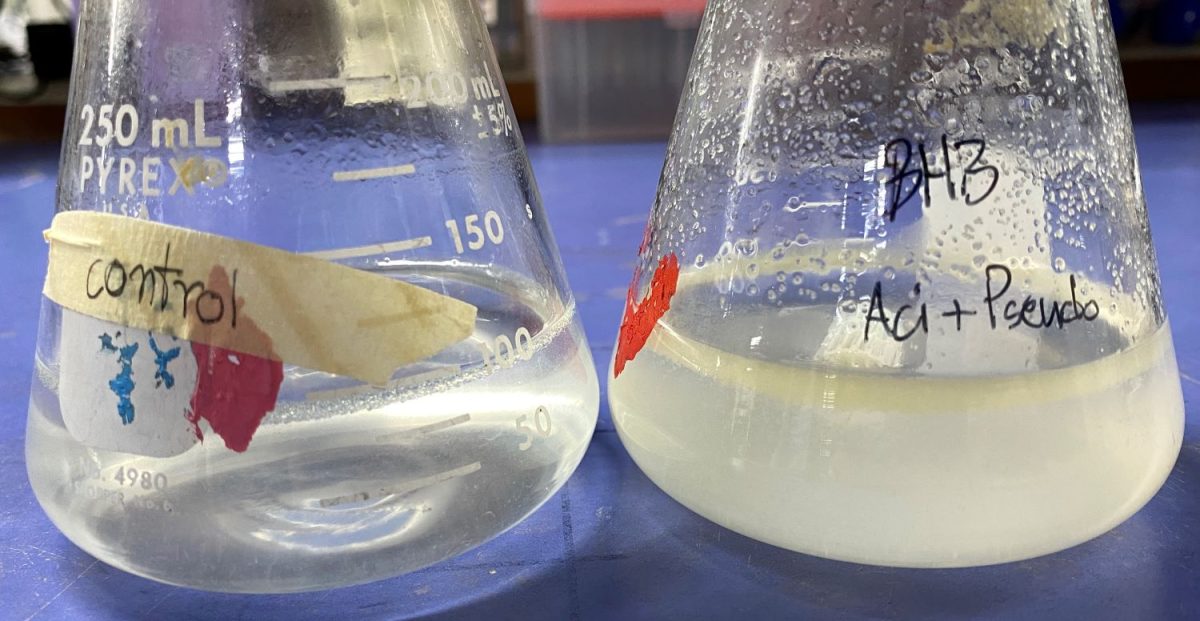
- Dual-Microbe System: A secondary microbe was introduced to act as a support. This second strain releases a substance that breaks down large oil molecules into smaller ones, allowing the primary microbes to consume the oil faster and more effectively.
Efficiency and Industrial Potential
Nippichanan (Ming) provided data on the system’s performance:
- Optimal Temperature: The POD system works best at room temperature, making it perfect for tropical climates like Thailand.
- Degradation Rate: Five POD units (weighing approximately 1.5 grams) can degrade 1–2 milliliters of oil within three days.
- Reusability: Surprisingly, after the first use, the microbial population on the POD units actually increases. This allows the PODs to be reused a second and third time with efficiency levels nearly identical to the first use.
Future Outlook and Patent Filing
The project, which took only six months to develop, has already resulted in a petty patent filing. Nisarat (Fah) noted that their search revealed no current industrial products using this specific microbial-immobilized polymer technique. She plans to pursue a Master’s degree to further study the specific genes responsible for this oil-degrading process.
Asst. Prof. Dr. Nujarin Jongruja, a lecturer at the Department of Microbiology and the team’s advisor, emphasized that the project stands on the foundation of research conducted by the department’s collaborative team of faculty and students across all levels.
“As advisors, we push students to show their potential. Beyond individual self-reliance and research skills, we teach them the importance of teamwork. If they help each other, no matter how difficult the task, they will succeed,” concluded Dr. Nujarin.
Related News

‘Plant-Based Caviar’: KMUTT Students’ Food Innovation Clinches National Gold, Ready for Global Market Expansion

KMUTT Mechanical Engineering Students and Faculty Clinch Gold Medal from NRCT with Microchannel Heat Sink Innovation for Future Data Centers



