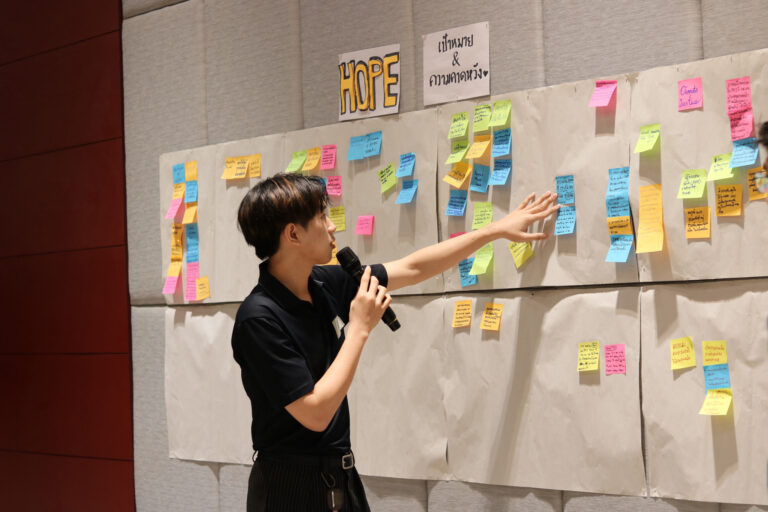

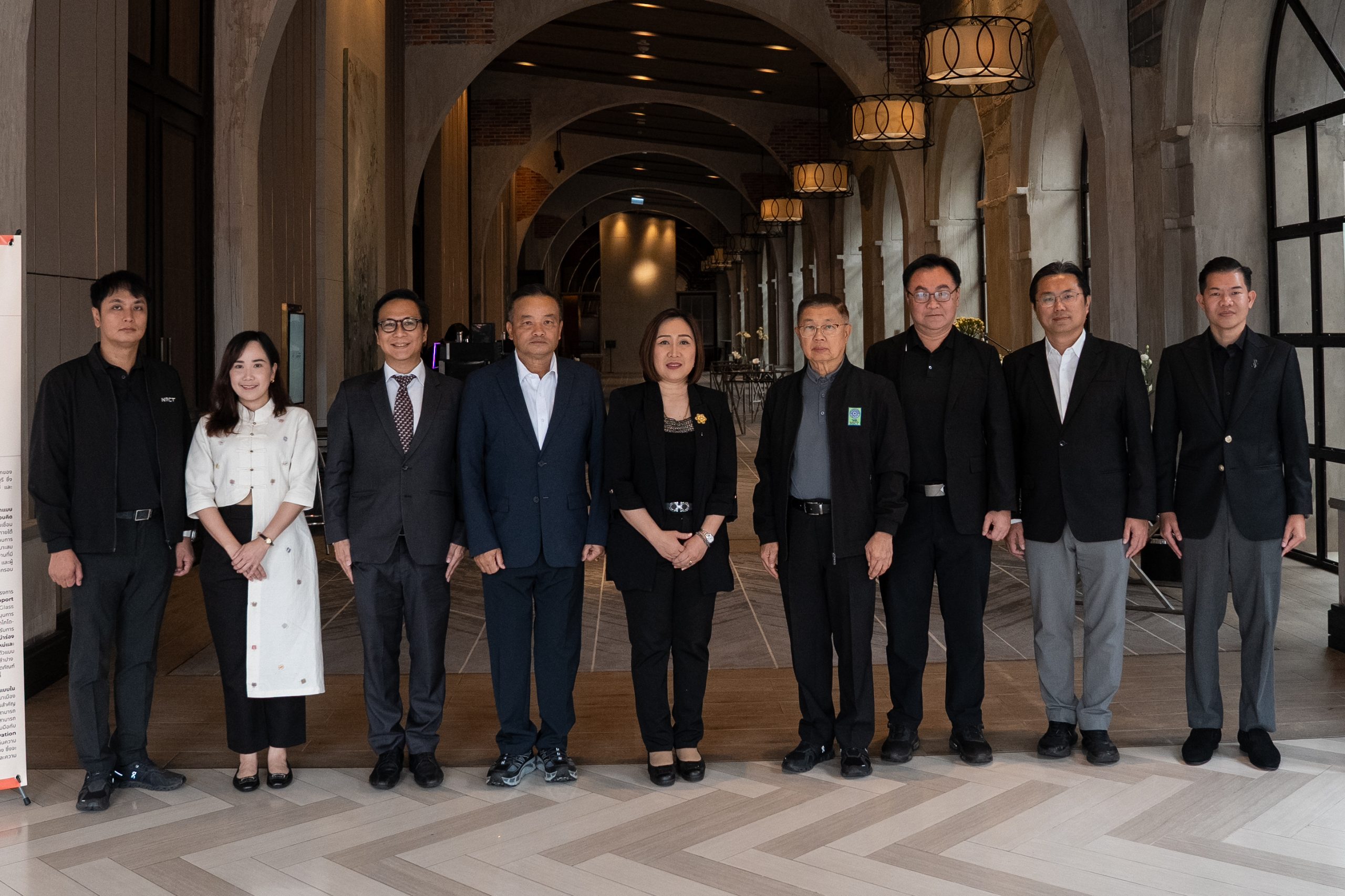
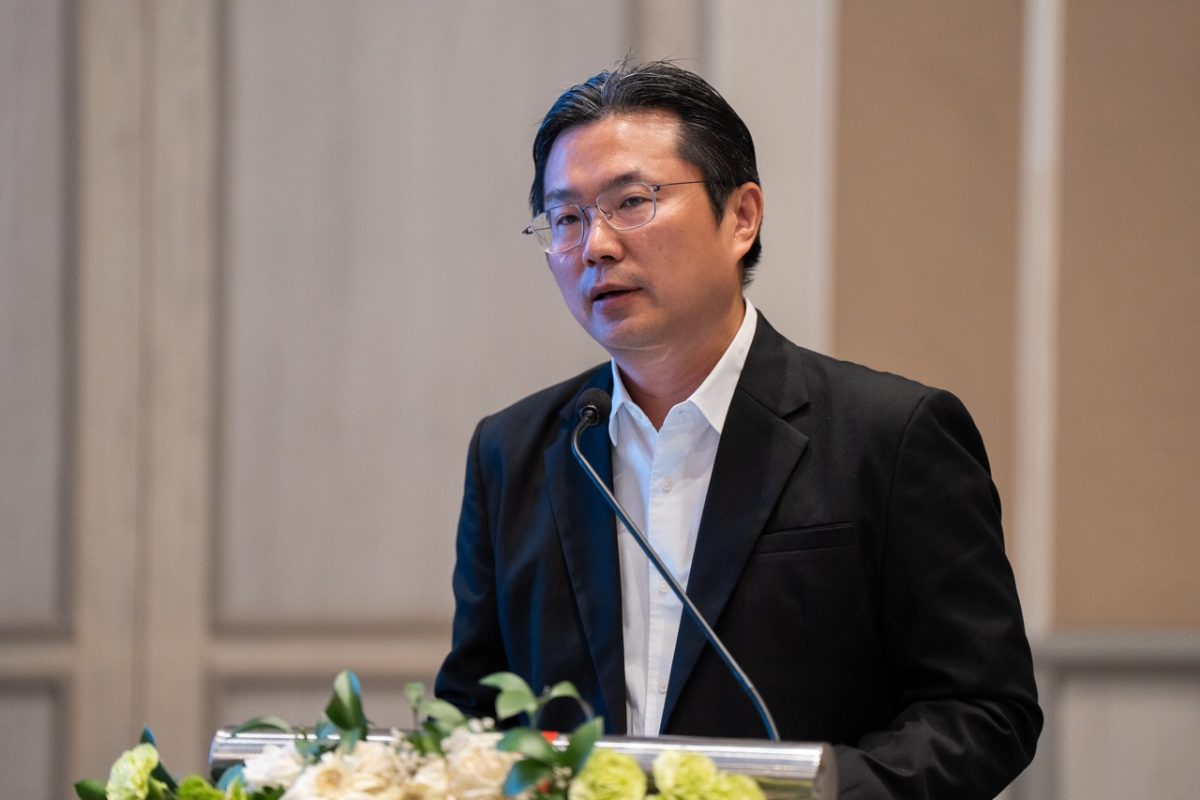
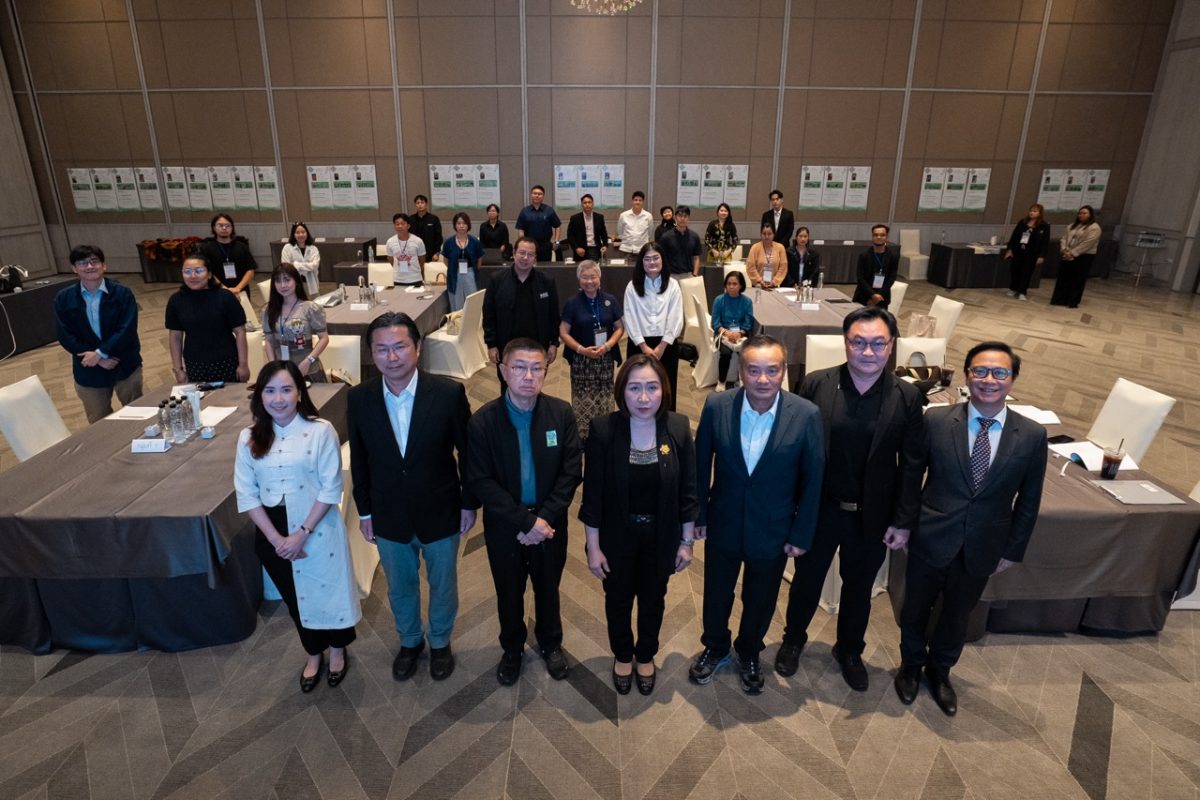
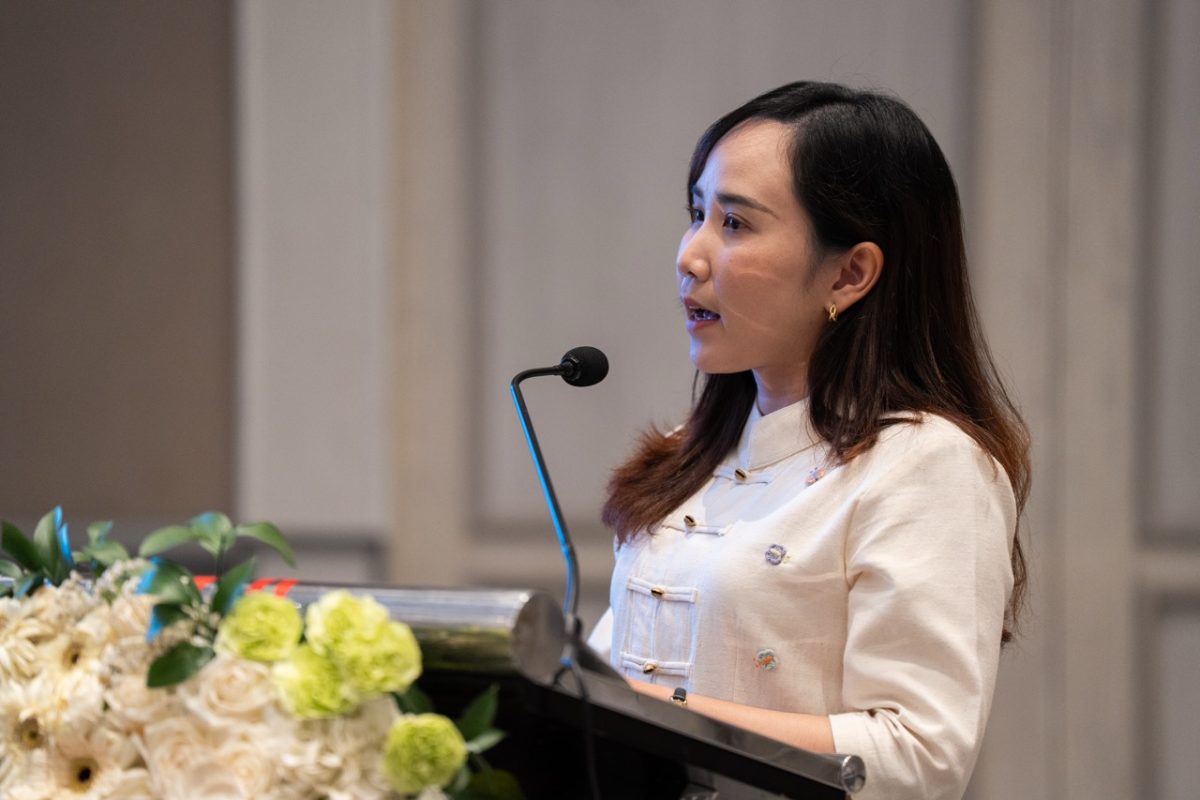
On 17 August 2026, Dr. Bank Ngamarunchot, Director of the Science, Technology and Innovation Policy Institute (STIPI) at King Mongkut’s University of Technology Thonburi (KMUTT), delivered the opening remarks at a workshop under the project “Piloting Green Supply Chain Upgrading for Textile and Ceramic Products to Reduce PM2.5 Pollution in Chiang Mai and Lampang.” The workshops took place on 17–18 August 2026 in Chiang Mai and 20–21 August 2026 in Lampang.
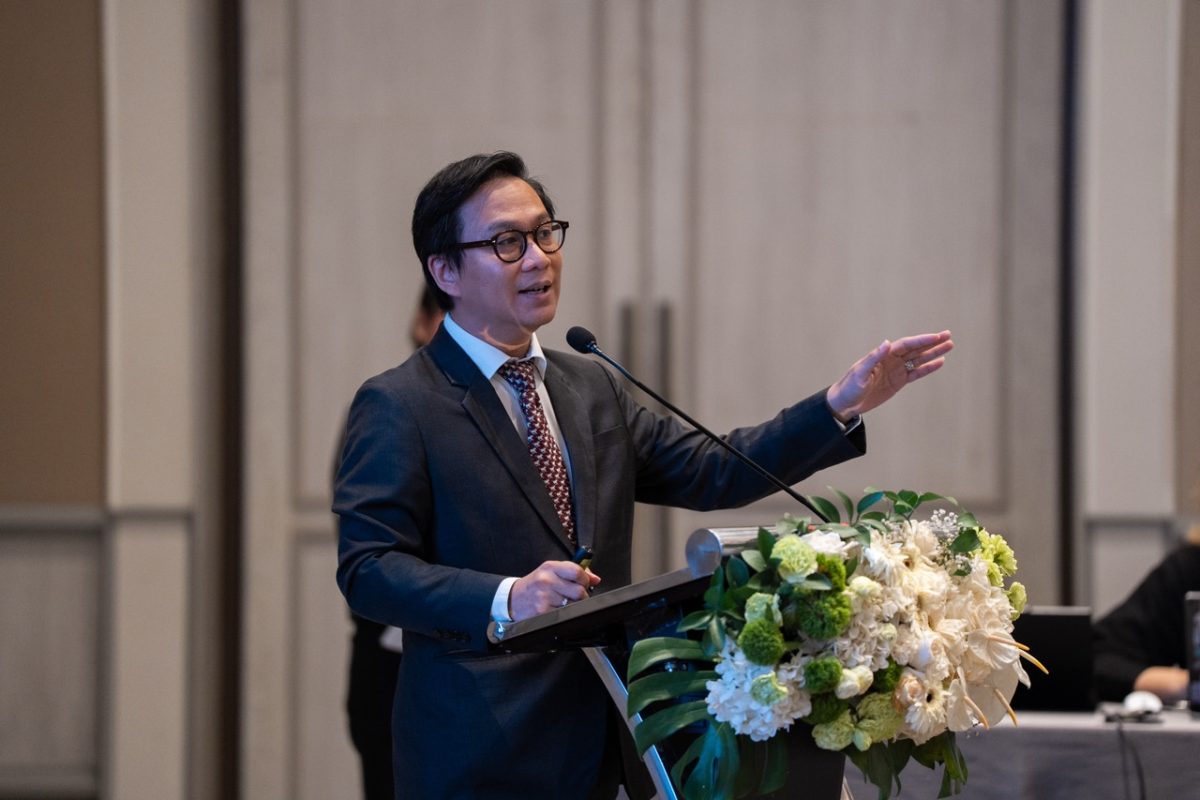
Asst. Prof. Dr. Santi Charoenpornpattana, KMUTT Vice President for Planning and Strategy, highlighted the importance of collaboration between universities and local stakeholders in delivering tangible development outcomes. His presentation addressed the theme “A University for Society: KMUTT’s Role in Advancing Development and Addressing Local Needs.”
Ms. Sirinporn Deawtrakool, Deputy Executive Director of the National Research Council of Thailand (NRCT), emphasized the role of knowledge, research, and innovation as key mechanisms for tackling and reducing PM2.5 pollution. Dr. Pattarat Phantprasit, the project leader from STIPI, presented a progress report and shared research experiences and findings with participants.
The workshops also welcomed NRCT experts Mr. Pralong Dumrongthai, General Winat Intharasuwan, and Assoc. Prof. Dr. Nattawoot Depaiwa, alongside representatives of government agencies in Chiang Mai and Lampang, the private sector, and participating entrepreneurs from the woven textile and ceramic sectors. Participants exchanged views and recommendations to help translate research findings into practical applications at the local level.
Visiting scholars from Penang Institute and Indonesia’s National Research and Innovation Agency (Badan Riset dan Inovasi Nasional: BRIN) also participated. They shared international perspectives and experiences in environmental management and approaches to supporting local entrepreneurs. Their contributions enriched the exchange and provided comparative insights for developing approaches suited to Chiang Mai and Lampang.
The project aims to develop models and strategic plans to address PM2.5 concentrations exceeding air quality standards in the two provinces. It focuses on reducing pollution at its source in local woven textile and ceramic production, while establishing indicators to track reductions in PM2.5 and greenhouse gas emissions.
The project also seeks to design area-based strategic plans and develop models for upgrading green supply chains that can help alleviate pollution while creating added value and economic incentives for small-scale entrepreneurs. These efforts aim to support a sustained transition towards environmentally friendly production.
The initiative reflects collaboration among the university, research funding agencies, government bodies, the private sector, and local entrepreneurs to apply research and innovation to environmental challenges while sustainably strengthening local economies and improving community quality of life.
Related News
KMUTT Strengthens Collaboration with Institut Teknologi Sepuluh Nopember (ITS), Indonesia
KMUTT’s Faculty of Engineering Joins Singha R-SA and Three King Mongkut’s Institutions to Inspect Home Electrical Systems for Flood Victims in Lat Krabang